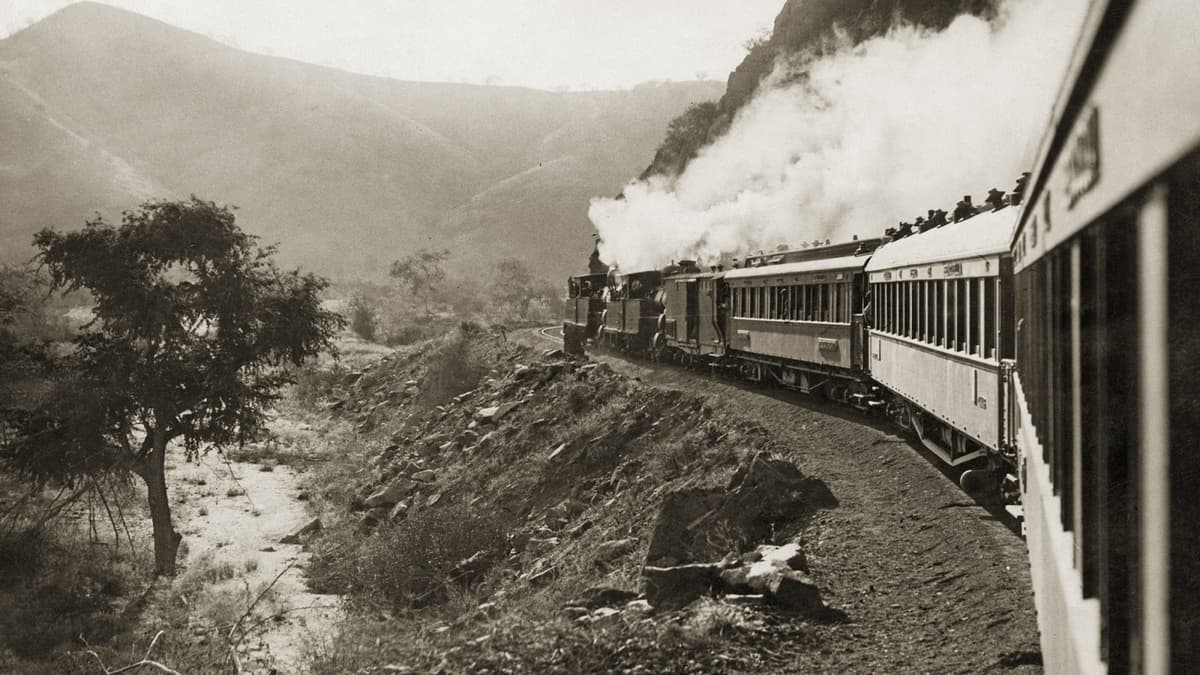
An Old Railroad Is Key to U.S.-China Race for Critical Metals in Africa
The United States, Angola and the Democratic Republic of Congo signed a 2023 memorandum to revive the Benguela (Lobito) Railway, aiming to ship Congolese copper and cobalt to global markets via the Angolan port of Lobito. China had rebuilt the 1,300‑kilometre line between 2006 and 2014 at a cost of $1.83 billion, giving it a strategic foothold in the region. Despite U.S. funding pledges, only about 125,000 tonnes of cargo—roughly 40,000 tonnes of copper—have moved through the corridor, while most minerals still travel by road. The project now sits at the intersection of U.S. strategic competition with China and local African interests.
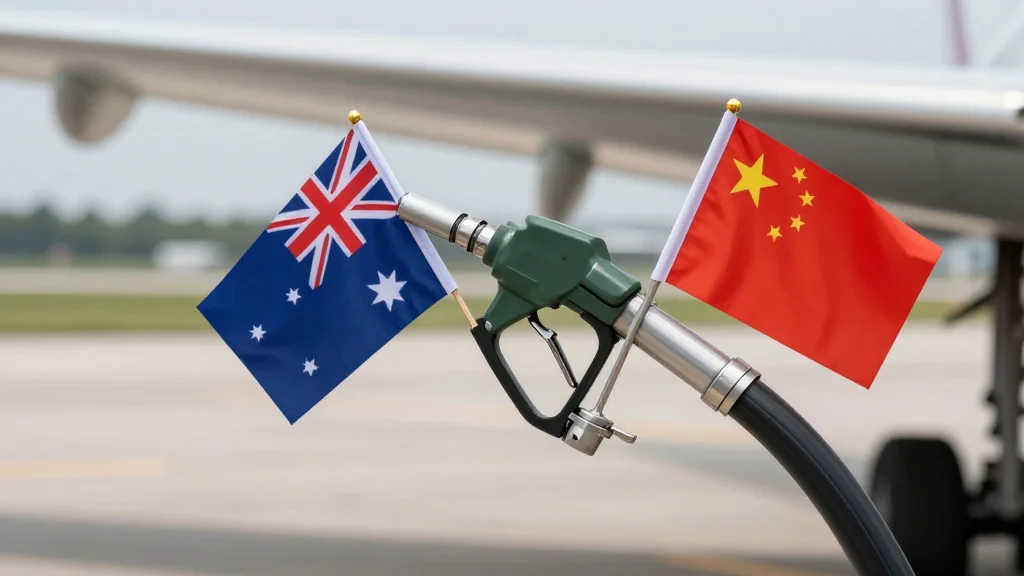
Australia and China Forge Fuel Alliance
Australia’s foreign minister Penny Wong announced a breakthrough agreement with Chinese state‑owned oil companies to supply jet fuel directly to Australian businesses. The deal emerged after intensive diplomatic talks between Wong and Chinese Foreign Minister Wang Yi, marking the first formal...
Iran’s Oil Storage Clock Is Ticking Down Fast
Iran’s onshore crude storage is nearing capacity, with Kpler data showing only 12‑22 days of unused space as of April 27‑28, 2026. JPMorgan analysts expect the first production cuts within 15‑16 days and a full export‑equivalent shut‑in by roughly day...

Vietnam at 51: From the Ashes of War to the Arc of a New World Order
April 30 2026 marks 51 years since Saigon fell, highlighting Vietnam’s shift from a war‑torn, centrally planned state to a market‑oriented economy integrated into global supply chains. The Đổi Mới reforms unleashed private enterprise, driving GDP to roughly $514 billion in 2025 and annual growth...
Why Did the UAE Leave OPEC?
The United Arab Emirates announced it will leave OPEC effective May 1, framing the decision as a policy move designed to limit disruption for producers and consumers. Energy Minister Suhail Al Mazrouei said the timing minimizes price impact and aligns with rising...

Interview with AGAGA
Alasdair Macleod argues that China’s massive household savings—estimated at $30 trillion—combined with new gold‑accumulation accounts could enable the country to purchase the world’s entire annual gold output. He contrasts the All‑In Sustaining Cost of top gold miners, which yields roughly $54,000...
Global Monster Banks
Union Bank of India’s latest risk report links the Strait of Hormuz blockage to a sharp rise in oil prices and a looming helium shortage. Attacks on Qatar’s Ras Laffan plant have halted about 14% of global helium output, cutting off...

Scoring the Jensen-Dwarkesh Debate
In a recent podcast, Nvidia CEO Jensen Huang sparred with interviewer Dwarkesh Patel over U.S. export controls on AI chips to China. Patel argued that maintaining a technological edge is vital for national security, while Huang suggested China could achieve...
April Politburo Meeting; Manus Mess; Hostile Foreign Forces Encouraging "Lying Flat"; New US Semiconductor Restrictions?
China’s April Politburo meeting reaffirmed a steady‑hand economic approach, emphasizing AI‑plus initiatives, self‑reliant chip development, and the need to resolve overdue payments to firms. The readout also called for a crackdown on “involution” competition and highlighted risks in real estate...

Chile Holds Rates but Iran War Oil Risk Echoes Across Global Central Banks
Chile's central bank left its benchmark rate unchanged at 4.50% for a third straight meeting, a decision that was broadly expected. More notable was the bank’s explicit warning that the Iran‑Israel conflict is worsening beyond its March baseline, raising the...

China Ramps up Efforts to Establish Hong Kong Gold Hub with Major Moves in Public, Private Miners and New Market...
China is accelerating its push to turn Hong Kong into a global gold hub by establishing a state‑owned clearing house and expanding storage capacity. The Hong Kong Precious Metals Central Clearing will begin trial operations by the end of 2026, while the...

2022 Ukraine Lend-Lease Act: Lifesaving Initiative That Never Worked
On April 28, 2022 the U.S. House approved the Ukraine Democracy Defense Lend-Lease Act with a 417‑10 vote, after unanimous Senate consent. President Biden signed the law on May 9, 2022—coinciding with Russia’s Victory Day—reviving the World War II‑era Lend‑Lease framework to...

The End of OPEC as We Knew It
The United Arab Emirates announced it will leave OPEC effective May 1, ending nearly six decades of membership. The move strips the cartel of one of its three largest producers amid ongoing conflict in the Strait of Hormuz. Analysts expect the...

China's Oil Giants Hit by New US Sanctions
The United States has imposed new sanctions on China’s largest private refiner, Hengli Petrochemical, accusing it of purchasing hundreds of millions of dollars worth of Iranian crude over several years. The measures also blacklist about 40 vessels linked to Iran’s...
Impasse at Hormuz
The United States and Iran remain locked in a stalemate over the Hormuz Strait, with Iran leveraging backing from China and Russia to keep the waterway closed. The impasse, now extending into a two‑month truce, has halted vital energy flows...

Will China Restrict US Investment Into Its Top AI Startups?, Anthropic Creates a Hub In Singapore
China is reportedly preparing to block U.S. investment in its leading AI startups unless regulators approve, mirroring U.S. Treasury rules that take effect in January 2025 to curb American capital flowing into Chinese AI, semiconductor and quantum firms. The move...

The Global Week Ahead
The week of April 26‑May 3 2026 will see the Federal Reserve, European Central Bank, Bank of Japan, Bank of England and Bank of Canada all convene on monetary policy, with market consensus pointing to a pause on rate changes. Meanwhile, diplomatic efforts...

Takaichi’s Realpolitik
Japanese Prime Minister Sanae Takaichi is accelerating a sweeping defense overhaul that includes amending Article 9, loosening weapons‑export restrictions, and expanding the Defense Industrial Base. She targets a 2% of GDP defense budget by 2028, a rise that aligns with U.S....

From Market Access to Investment: Europe’s Expanding Role in Pakistan
Pakistan is gearing up for the EU‑Pakistan Business Forum amid strained economic fundamentals, seeking to transform its long‑standing trade‑centric relationship with the European Union into a deeper investment partnership. The EU remains Pakistan's largest export destination, accounting for roughly 27.6%...

US-China Export Controls: The Choke Point Equilibrium
The United States and China are building parallel technology ecosystems, each leveraging distinct choke points in the global supply chain. Washington dominates upstream intangibles such as chip design software and advanced lithography, while Beijing controls downstream tangibles like rare earths...

US Lowers Automotive Steel Tariffs—Strings Attached
The United States announced it will halve the tariff on steel used in heavy‑duty vehicles imported from Mexico, dropping the rate from 50% to 25%. The move reverses a key element of the Trump‑era trade war and is intended to...

Oil Prices Continue to Rise Amid the US-Iran Stalemate; Iran Awaits US Blockade Removal
Oil prices kept climbing as the US‑Iran deadlock deepened, with crude trading above the $93 per barrel resistance. Iran signaled it would reopen the Strait of Hormuz once the US lifts its maritime blockade, while President Trump insists on a...
The MATCH Act: America’s New Plan to Break Chinese AI
The U.S. House Foreign Affairs Committee passed the MATCH Act, targeting maintenance, updates and technical support for Chinese semiconductor fabs. By cutting after‑sale services, the law aims to erode chip yields and raise operating costs in China’s AI supply chain....
Is China Selling US Treasuries? AI View, Consensus View, the Right View
China’s official reserve portfolio shows a continued pullback from U.S. Treasuries, with holdings now around $694 billion—the lowest level since 2008. The sell‑off is driven by a mix of reserve diversification, yuan‑support policies, and geopolitical risk concerns, while much of the...

Harvard Economist Ken Rogoff: Iran, Oil & the Global Economy at Risk
Harvard professor and former IMF chief economist Ken Rogoff discussed the escalating war in Iran and its ripple effects on oil, gasoline, and fertilizer markets. He highlighted the strategic vulnerability of the Strait of Hormuz and warned that energy price...

Benefits of China’s Non-Reactive Strategic Posturing in the Middle East War and Emerging Concerns
China’s largely non‑reactive stance in the Middle East war has allowed Beijing to study U.S. and Israeli military tactics while keeping its own forces focused on the Indo‑Pacific. The conflict highlighted the effectiveness of low‑cost drones and short‑range missiles, exposing...

From Beverage Cans to Gyms: Verod’s Investment Playbook for West Africa
Danladi Verheijen co‑founded Verod Capital Management in 2008 to fill the private‑equity gap in West Africa. A early recycling‑cans deal gave the firm regional credibility, paving the way for larger bets such as Moniepoint, now an African unicorn. Verod’s playbook...

Barrels for Debt: The Coming Middle East Reckoning - Podcast
The Macro Butler released a podcast episode titled “Barrels for Debt: The Coming Middle East Reckoning,” summarizing a weekly newsletter that warns of mounting sovereign debt risks across oil‑dependent Middle Eastern economies. The discussion highlights how falling oil prices and...
George Answers Your Questions: Japan, Australia and a New Regional Order
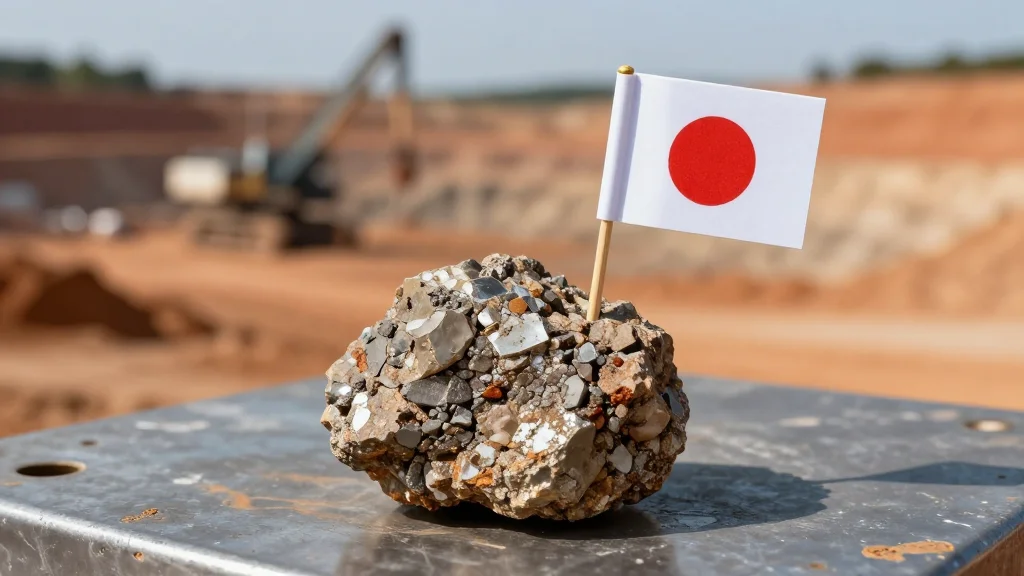
Japan’s lack of domestic critical industrial minerals is driving a strategic pivot toward Australia’s abundant resource base. The two nations are deepening security and economic ties, positioning Australia as a primary supplier of rare earths, lithium, and other essential inputs...
The China 5: Iran Shock, Energy Resilience, and Russia’s Dependence
Russia’s war economy is under pressure, forcing the Kremlin to sell 21.8 tons of gold in Q1 at steep discounts, largely to buyers linked to China. Meanwhile, China’s energy sector shows resilience, with renewables accounting for 70% of new power capacity...

China’s Next Market Winners: Reading the Signals From the 15th Five-Year Plan
China’s 15th Five‑Year Plan (2026‑2030) shifts focus from research to the large‑scale deployment of advanced technologies. It earmarks AI, semiconductors, robotics, 6G, green hydrogen and bio‑manufacturing as priority sectors, coupling subsidies with strict performance targets. The policy reinforces self‑reliance, offering...
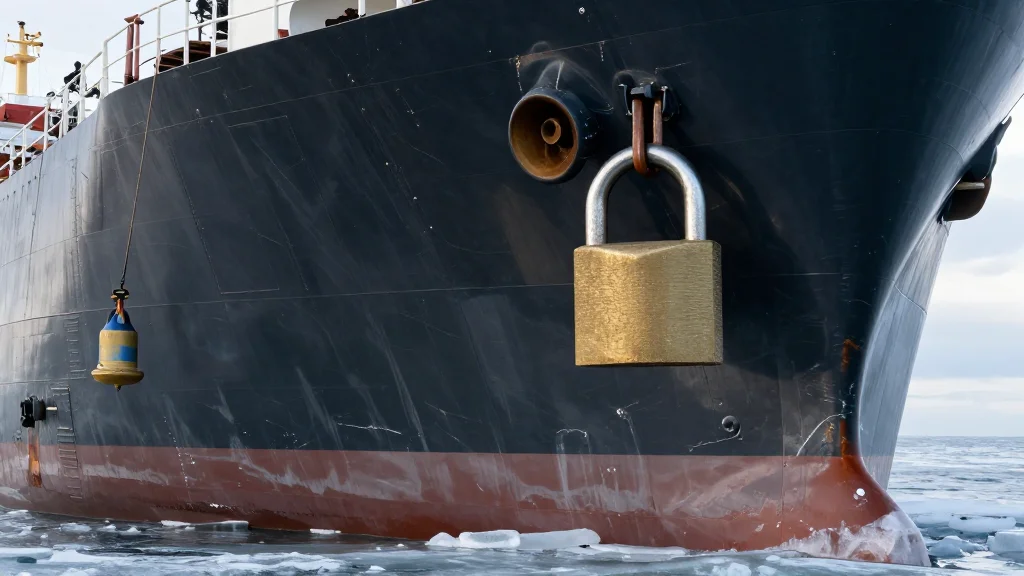
Daily Memo: EU Announces New Sanctions on Russia
The European Union approved its 20th sanctions package against Russia, widening curbs on oil exports. The new measures place 46 additional tankers on a sanctions list and prohibit technical maintenance and related services for Russian tankers and icebreakers. Transactions with...

Sovereign Debt Reset Barely Pauses for Reflection
The IMF and World Bank convened their spring meetings without headline‑grabbing defaults, but sovereign‑debt initiatives dominated the agenda. An official‑private sector forum, born out of the Russia‑Ukraine crisis, reported that five restructuring cases are near completion, with Ethiopia the only...

Top Links 1082 China's Oil Reserves. Global Hunger. America's Megadrought & Adorno V. Gehlen.
The latest roundup highlights four distinct developments: China’s proven oil reserves have expanded, pushing the nation closer to energy self‑sufficiency; the United Nations warns that global hunger now affects over 800 million people, a record high; the United States is grappling...
China Faces Growing Internal Pressure
U.S. President Donald Trump and Chinese President Xi Jinping are slated to meet in person later this spring after a brief postponement linked to the Iran conflict. While the summit will be framed as a test of great‑power competition, analysts...
Financial Markets and Economic Resilience
A recent New York Fed Liberty Street Economics paper classifies emerging markets by MSCI stock‑market maturity, separating a "Core" group of 22 economies from a larger "Periphery" set. The analysis shows Core markets—such as India, Korea and Taiwan—have posted faster...
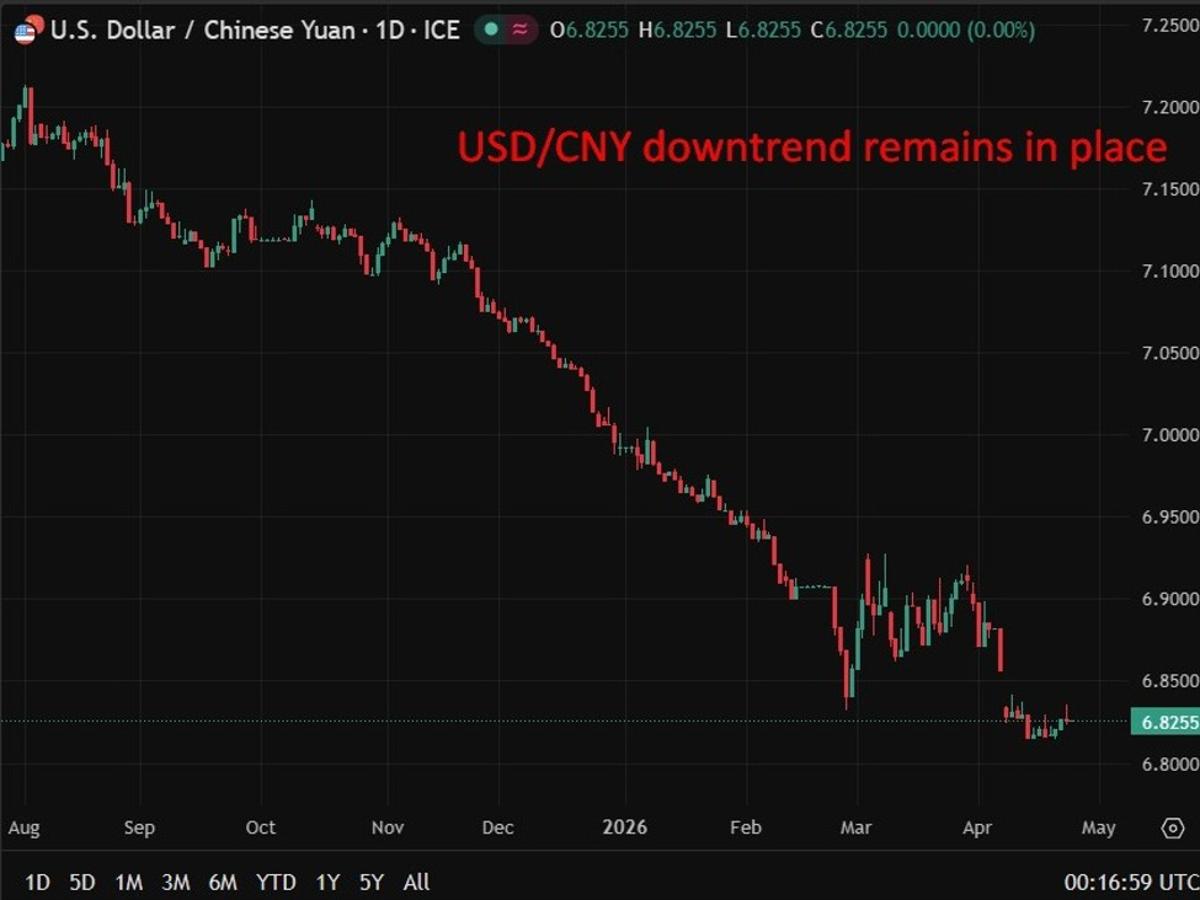
PBOC Is Expected to Set the USD/CNY Reference Rate at 6.8400 – Reuters Estimate
The People’s Bank of China is expected to set the USD/CNY reference rate at 6.8400, a key daily fixing watched by Asian FX markets. China’s managed‑floating system anchors the yuan within a ±2% band around the midpoint, which the PBOC...

What’s the Deal with Iran? The Asymmetric Energy Trade Markets Are Missing
The article argues that while the immediate price shock from the Strait of Hormuz disruptions has been absorbed—Brent briefly spiked toward $120—the real trade opportunity lies in a structural asymmetry within energy equities. Two macro scenarios, either prolonged regional tension...
What Next For BRICS In An Upside-Down World
The BRICS bloc, formed two decades ago to give emerging economies a louder voice, has now eclipsed the G7 in share of global GDP measured by purchasing power parity. India’s 2026 BRICS presidency centers on "Building for Resilience, Innovation, Cooperation...

Petro to Meet with Delcy
Colombian President Gustavo Petro will meet Venezuelan acting president Delcy Rodríguez in Caracas to discuss border security and the prospect of Colombian gas imports from Venezuela. The talks mark the first high‑level contact since the U.S. military ousted former President...

China Is Expanding Its Trade War Toolbox
China has enacted a sweeping industrial and supply‑chain security law that establishes an early‑warning system to monitor disruptions and empowers the government to retaliate against foreign firms perceived as threatening Chinese interests. The regulation gives Beijing the authority to prohibit...
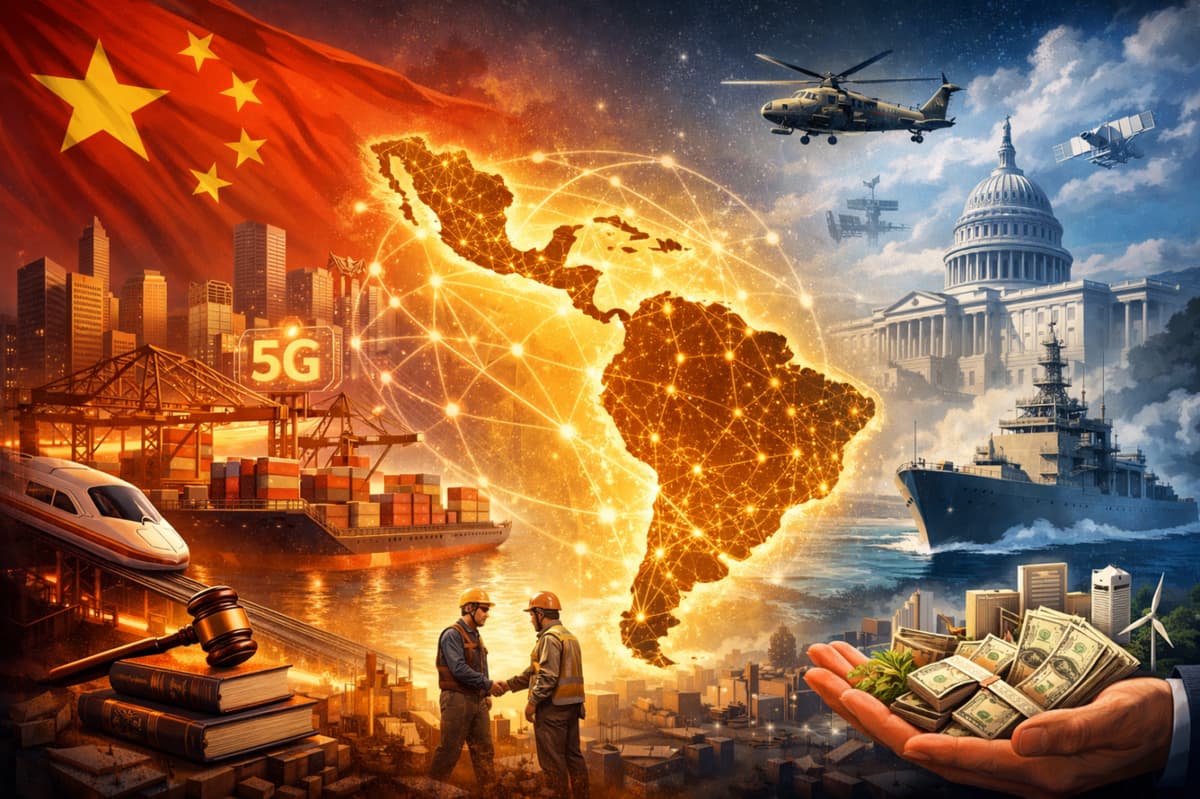
Unrestricted Warfare Without War: China’s Below-Threshold Strategy in Latin America
China is deploying an "unrestricted warfare" strategy in Latin America, leveraging trade, loans, infrastructure, legal frameworks, and digital standards to reshape the regional strategic environment below the threshold of armed conflict. In 2024 Chinese trade with the region exceeded $500 billion,...

Not Even Iran War’s Oil Shock Will Help China Reflate
China’s ten‑year sovereign bond yields briefly rose after the Iran‑related oil shock but fell back, underscoring persistent deflationary pressure. The People’s Bank of China kept benchmark rates unchanged for 11 months, while fiscal stimulus remained modest and focused on capacity‑building...

Mid-Week Macro (4/22/2026)
Wall Street rallied to a 1% gain, closing the S&P 500 at 7,137, just shy of an all‑time high, as investors remain hopeful the Iran conflict will end and the Strait of Hormuz will reopen. The author warns that this optimism...

PETER’S ASIAN BUSINESS & FINANCE BRIEFING – Thursday 23 April 2026, 06:00 Hong Kong
Iran’s Islamic Revolutionary Guard Corps seized two cargo ships and fired on a third in the Strait of Hormuz, sending Brent crude above $100 per barrel. South Korea’s producer‑price index jumped 4.1% year‑on‑year in March, the strongest rise in three...

George Friedman on Why Australia and Japan Are the Future of the Pacific
Japan and Australia announced a $7 billion agreement for Mitsubishi Heavy Industries to build three stealth frigates for Australia, with eight more to be constructed locally. George Friedman argues the deal marks a strategic shift, positioning the two maritime nations as...

Oil Rises, Asian Stocks Mostly Fall After Trump Extends Ceasefire
President Donald Trump announced an extension of the U.S.–Iran cease‑fire, prompting Brent crude to climb above $100 a barrel and WTI past $90. Asian equity markets slipped, with Hong Kong and Sydney indexes falling more than 1%, while Tokyo and Shanghai...

Venezuela Sanctions, Licenses, and Complications - April 2026
The Trump administration continues its sanctions regime against Venezuela while issuing a new set of licenses that allow U.S. firms to conduct limited transactions with the Venezuelan Central Bank and other designated financial institutions. These authorizations extend earlier oil‑and‑mining licenses,...

A New Era in Hungary: Orbán Gets the Boot
Hungary’s April election delivered a decisive defeat for Viktor Orbán, with his Fidesz party losing its parliamentary majority and newcomer Péter Magyar’s coalition capturing roughly 70% of seats. The result signals a rapid pivot toward deeper EU integration and stronger...

EU Finds Chinese Bidder for Lisbon Subway Line Benefited From subsidies...Beijing Targets RMB 100 TN in Services Sector push...China Claims...
The European Commission concluded that a Chinese state‑owned CRRC unit received unfair subsidies in the Lisbon Violet Line bid, forcing the consortium to replace it with Poland’s PESA. Beijing announced a push to lift its services sector to roughly $14.7 trillion...