Xi and MBS Phone Call
On April 20, 2026, Chinese President Xi Jinping held a phone call with Saudi Crown Prince Mohammed bin Salman, marking the 10th anniversary of their comprehensive strategic partnership. The leaders reviewed existing cooperation, emphasized mutual respect, and discussed regional security, especially the need to keep the Strait of Hormuz open for navigation. Xi called for an immediate cease‑fire and stressed diplomatic solutions to the Middle East conflict. The conversation signals China’s intent to balance Gulf interests while Saudi Arabia appears to hedge its diplomatic posture.

Funds Shift From Asia to Africa – How the Mauritius Jurisdiction Adapts to Accompany the Investment Trend
Mauritius‑based funds, long focused on India and other Asian markets, are reallocating capital toward Africa after the India‑Mauritius double‑tax treaty was renegotiated, eroding previous tax advantages. The continent’s rapid urbanisation, infrastructure needs, fintech boom and expanding middle class are offering...

2026-04-22: Strait of Hormuz Blockade Disrupts Oil, Medical Supplies, and Global Negotiations
A magnitude‑6.8 offshore earthquake struck the Sanriku coast on April 20, prompting a tsunami warning and a week‑long aftershock advisory covering 182 municipalities. While damage remains moderate, the event has disrupted rail, courier services and forced school closures, creating a...

PETER’S ASIAN BUSINESS & FINANCE BRIEFING – Wednesday 22 April 2026, 06:00 Hong Kong
Donald Trump announced an extension of the U.S.‑Iran cease‑fire while maintaining the Strait of Hormuz blockade, keeping geopolitical risk high. Brent crude surged past $100 a barrel, closing near $98.5 as oil markets reacted to the cease‑fire move. Meanwhile, global...
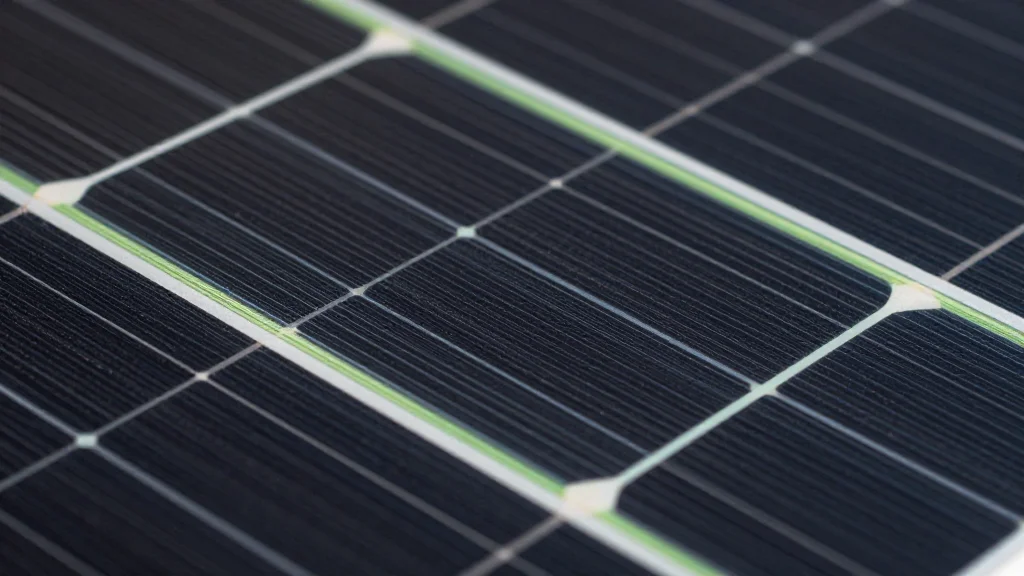
The Nanoscale Engineering Behind China's Grip on the Green Energy Value Chain
China’s dominance in green‑energy hardware stems from aggressive nanoscale engineering, not just subsidies or scale. By mastering nanostructured silicon wafers, ultra‑thin TOPCon layers, and 2‑5 nm carbon coatings on lithium‑iron‑phosphate cathodes, Chinese firms now control over 80% of solar panel production...

The White Swallow or the Next Puppet? Radev's Bulgaria at the Crossroads
Former air force chief Rumen Radev’s newly formed "Progressive Bulgaria" party clinched a parliamentary majority in a surprise election, toppling the entrenched pro‑European elite. The author contends that Bulgaria’s EU and NATO membership has deepened systemic corruption, demographic decline, and...

Stagflation Dead Ahead! | Chance Finucane
Chief Investment Officer Chance Finucane of Oxbow Advisors warns that the oil price shock from the Iran conflict is igniting a fresh inflation surge that could drag growth into stagflation. He believes markets are already pricing a near‑term de‑escalation, leaving...
Proparco Commits $17.25m to Alterra Africa Accelerator Fund
Proparco, the French development finance institution, has pledged $17.25 million to the Alterra Africa Accelerator Fund (AAA Fund), a pan‑African growth‑equity vehicle managed by Alterra Capital Partners. The fund targets profitable, growth‑stage companies in East and Southern Africa that serve basic...
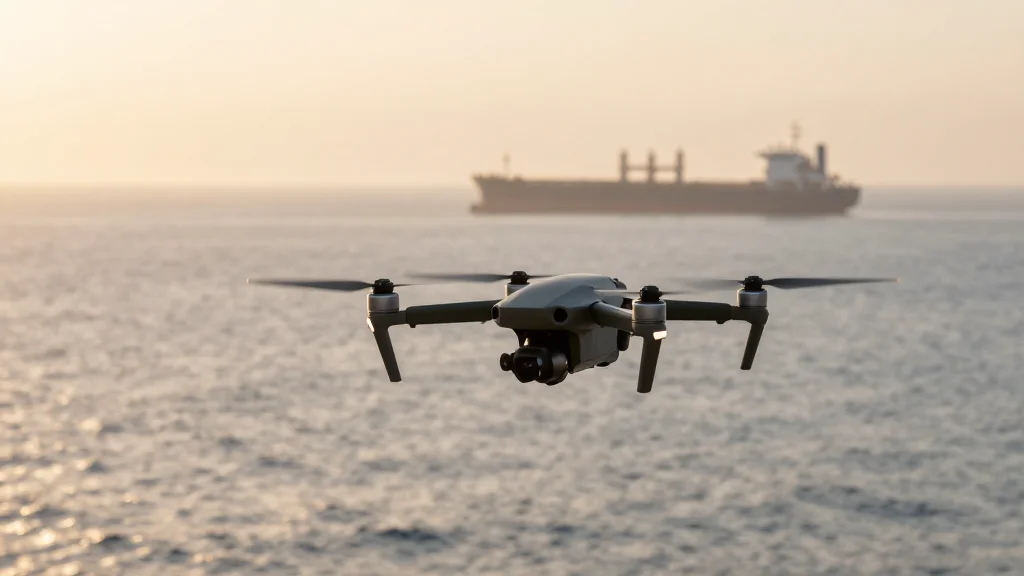
Ukraine Opens a New Front in Africa
Ukraine has escalated its maritime campaign against Russian shipping by deploying armed drones in the Mediterranean and extending operations toward Africa. In December 2025, Ukrainian drones struck the Russian oil tanker Qendil about 250 km off Libya, and three months...

China’s Youth Unemployment Rises for Sixth month...ByteDance Profit Drops 70% as AI Spending increases...China’s C919 Plane Sees Delays Amid Supply...
China’s youth unemployment hit 16.9% in March, marking a sixth straight rise as 12.7 million graduates prepare to enter a tightening job market. ByteDance’s 2025 net profit plunged over 70% while the firm ramps up AI spending, earmarking roughly $23 billion for...

Gulf-War: China Fills the Gulf Airlines Gap
The Israel‑Hamas war has shut key Gulf airspace, forcing airlines to reroute via Turkey, the Caucasus or the Arabian Peninsula. Detours add thousands of kilometres daily, driving up kerosene consumption and pushing fuel prices higher as the Strait of Hormuz...
China and Iran: Alignment Under Sanctions
The China‑Iran relationship remains fragile, with elite‑level trust far weaker than Beijing’s ties to Russia. While the 2016 Comprehensive Strategic Partnership signals political alignment, it operates more as a flexible hedge than a binding alliance, especially under U.S. pressure. Economic...
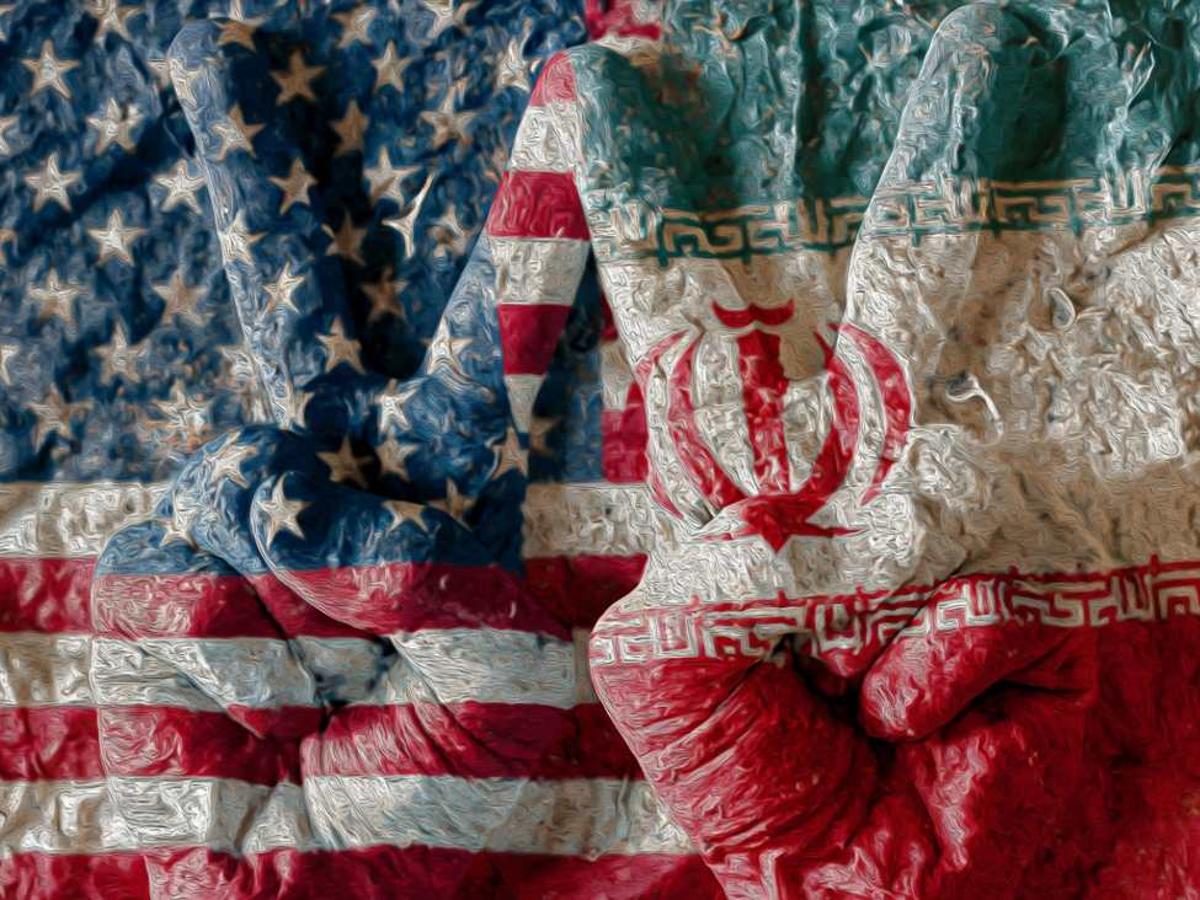
The Cautious Optimism Holds as Markets Wait on US-Iran Talks Next
Iran has re‑imposed a de facto closure of the Strait of Hormuz, signaling a hard‑line stance ahead of upcoming US‑Iran talks. President Trump is publicly confident a new deal will surpass the 2015 JCPOA, fueling market optimism despite mixed signals. Oil...
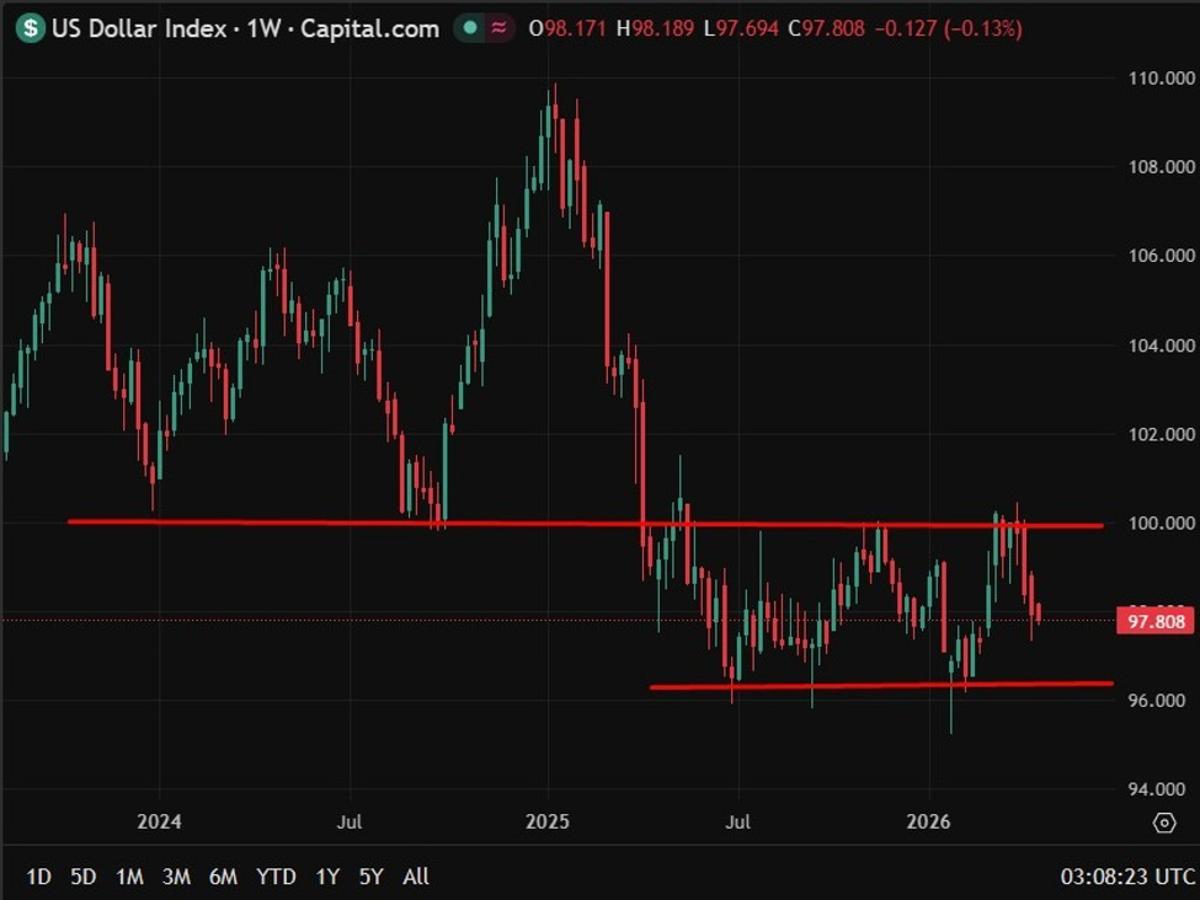
Westpac Sees US Dollar Weakening as Markets Look Through Energy Shock and Tensions
Westpac argues that despite heightened Middle East tensions, the U.S. dollar is losing steam as markets price a gradual normalization of shipping flows and improving global trade. The bank forecasts the U.S. Dollar Index falling from the high‑90s to the...
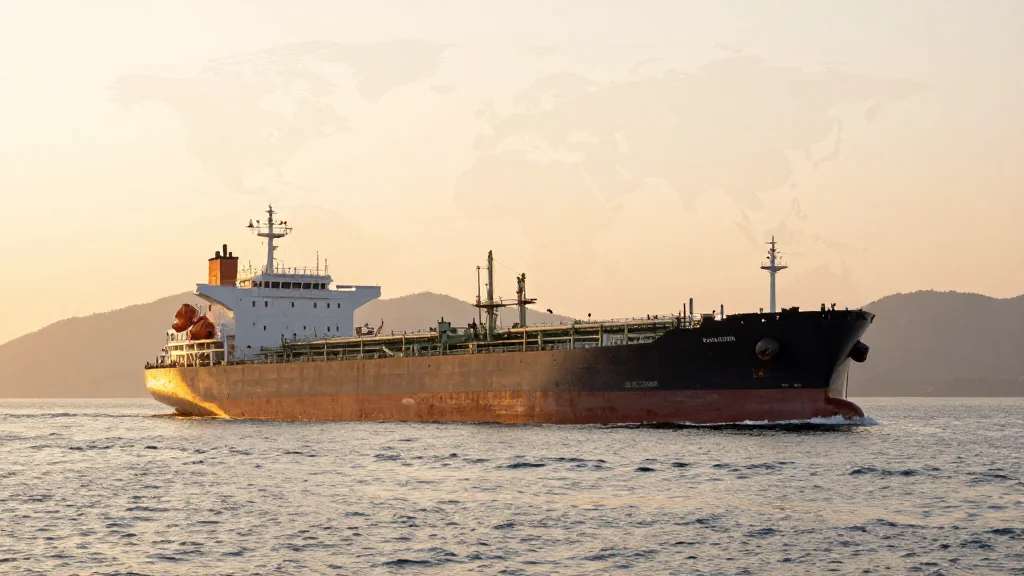
Xi Wants Strait of Hormuz Opened; NDRC Head on Security and Development; Cake Order Leads to Huge Fines; Solar Industry...
President Xi Jinping, in a call with Saudi Crown Prince Mohammed bin Salman, urged an immediate ceasefire and emphasized that the Strait of Hormuz must remain open for normal passage. The Chinese readout framed the strait’s uninterrupted flow as serving...
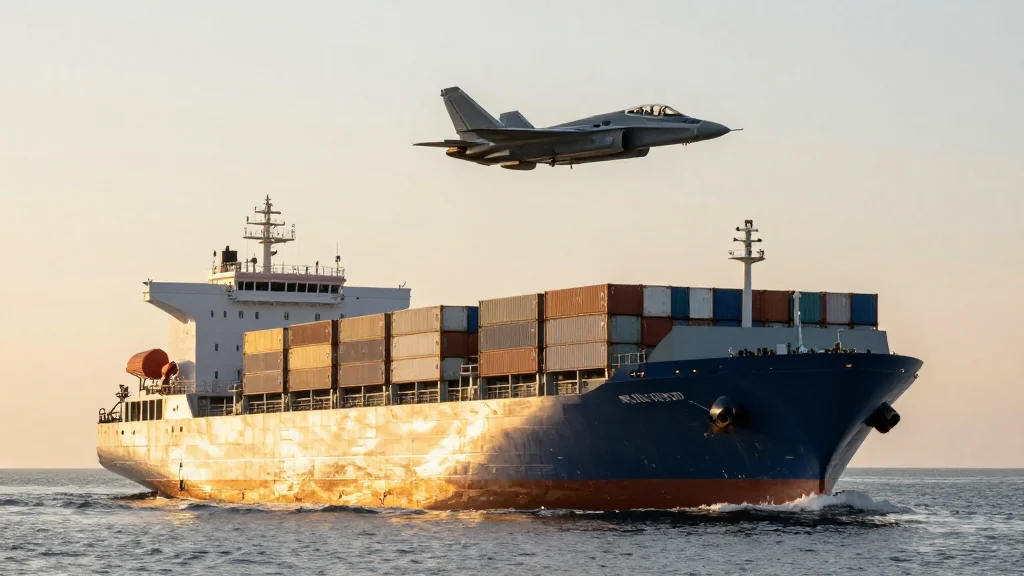
Aizenman, Desbordes and Saadaoui: Quantifying Trade Destruction From Bombs & Bullets Vs. Taxes and Sanctions
Researchers Aizenman, Desbordes and Saadaoui present a new monthly bilateral conflict index built from calibrated GDELT event data. The decomposition isolates four layers—kinetic fighting, military posture, trade‑context hostility, and baseline diplomacy—and shows that only kinetic conflict and trade‑related hostility significantly...

Monday Afternoon News Updates: Negotiations or War? — 4/20/26
The post outlines a rapid escalation in U.S.-Iran tensions, noting U.S. military and civilian aircraft landing at Pakistan’s Nur Khan Air Base and Iran’s refusal to resume negotiations until Washington lifts its blockade. President Trump signaled he might consider pausing...

Peace Talks in Limbo Over US Seizure of Iranian Cargo Vessel
U.S. forces seized an Iranian cargo ship on Monday, accusing it of breaching a naval blockade, prompting Tehran to reject participation in the next round of peace talks in Islamabad. The incident has revived accusations that the cease‑fire between the...

How India Became the World's Most Prolific IPO Market
India dominated the global IPO scene in 2025, delivering 367 new listings that represented 28.4% of worldwide deal count, outpacing the US, China and Hong Kong. Decades of reforms beginning in 1991 transformed the market, first by attracting foreign institutional...

Introducing Dynamic Competition in the Middle East
The article outlines Saudi Arabia’s Vision 2030 as a sweeping reform agenda that goes beyond flagship giga‑projects to overhaul the kingdom’s competition policy and digital infrastructure. By strengthening property rights, digitizing economic registries and revamping the 2019 Competition Law, Saudi...
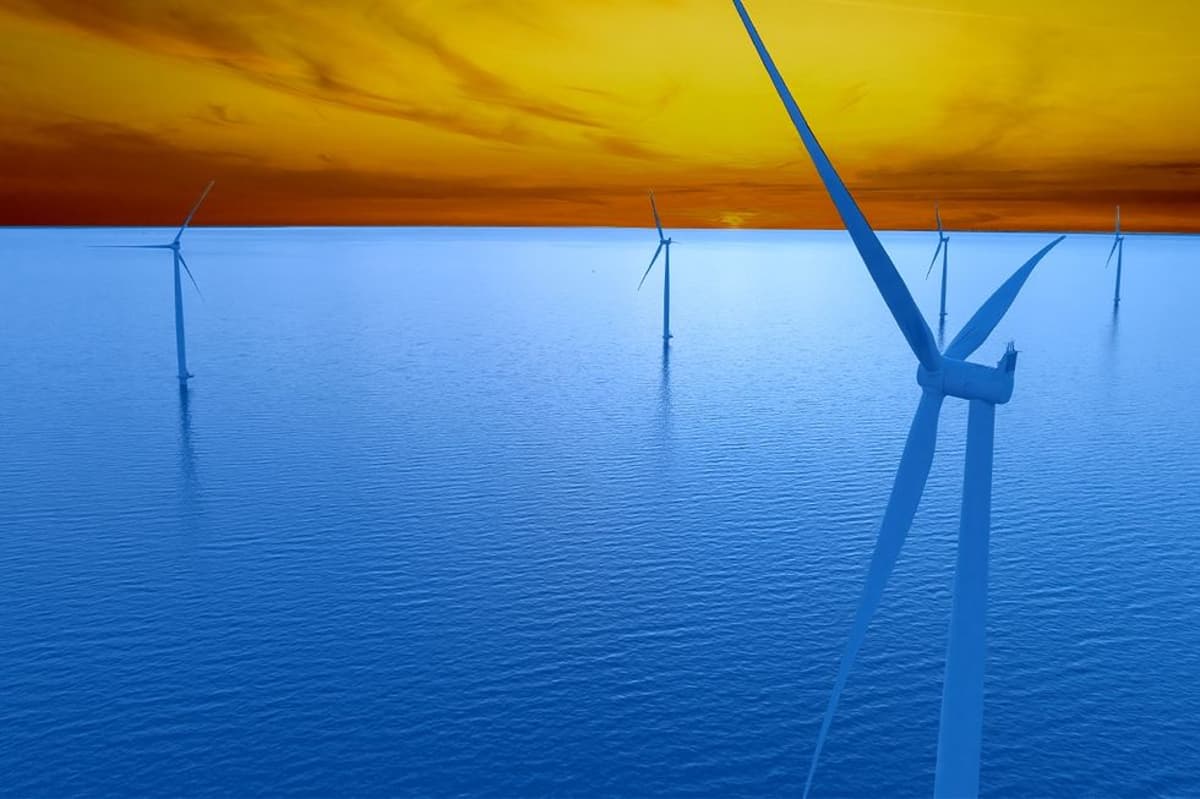
Trump’s $1 Billion TotalEnergies Deal Is ‘Worthless’
The Trump administration offered to pay TotalEnergies roughly $1 billion to cancel its offshore wind leases, positioning the funds as a boost for U.S. oil and gas development. Heatmap analysis shows the deal is effectively worthless because TotalEnergies was already slated...

Asia Daily: April 20, 2026
China’s defense ministry justified its Taiwan drills as "reasonable" while President Lai Ching‑te pushed a stalled $40 bn special defense budget. New Zealand and China sparred over a P‑8A patrol near the Yellow Sea, and Japan’s first post‑2014 warship export materialised...

Top Links 1078 The Stealth Manufacturing Boom in the US. How Will the World Pay for the US AI Boom?...
The piece spotlights a covert surge in U.S. manufacturing, largely driven by defense‑related and artificial‑intelligence initiatives that are hidden from headline statistics. Federal incentives and private‑sector investment are expanding capacity in semiconductor fabs, advanced materials plants, and robotics assembly lines...
Chinese Overseas Students Drop to Lowest in decade...China’s Wealth Management Products Shrink by $200BN...China Begins Construction of $1BN Hydropower Station...
Chinese outbound student numbers fell to 570,600 in 2025, a 20% drop from the 2019 peak and the lowest level in a decade, signaling tighter immigration rules and rising tuition costs abroad. Meanwhile, China’s bank wealth‑management products contracted by 1.38 trillion RMB...
China Steps In: The End of the Iran Nuclear Deadlock
China has signaled willingness to take custody of or dilute Iran’s roughly 440 kg of uranium enriched up to 60%, a move that could break the stalemate between Washington’s demand for removal and Tehran’s refusal to hand the material to the...

The Base Is Thinning 🔻
African startups raised $3.3 billion in the 12 months to March 2026, with $1.8 billion in equity and $1.4 billion in debt. However, the share of small equity rounds is collapsing – deals between $100k‑$250k fell from 40% in 2021 to just 21% in...

Despite Donroe Doctrine, Latin America and China to Remain BFFs but with a Twist
The U.S. National Security Strategy now frames Washington as the preferred partner in the Americas, aiming to curb China’s growing influence. Trade between China and the six major Latin American economies has surged over 3,200 % since 2001, far outpacing the...

Washington's Renewed Russian Oil Sanctions Waiver Will Help Their Shared Indian Partner
The U.S. Treasury Department renewed its waiver on Russian oil sanctions, allowing India to continue importing Russian crude for another month. India’s purchases jumped to roughly 1.98 million barrels per day in March, bolstering its 6.5% GDP growth trajectory. The move...
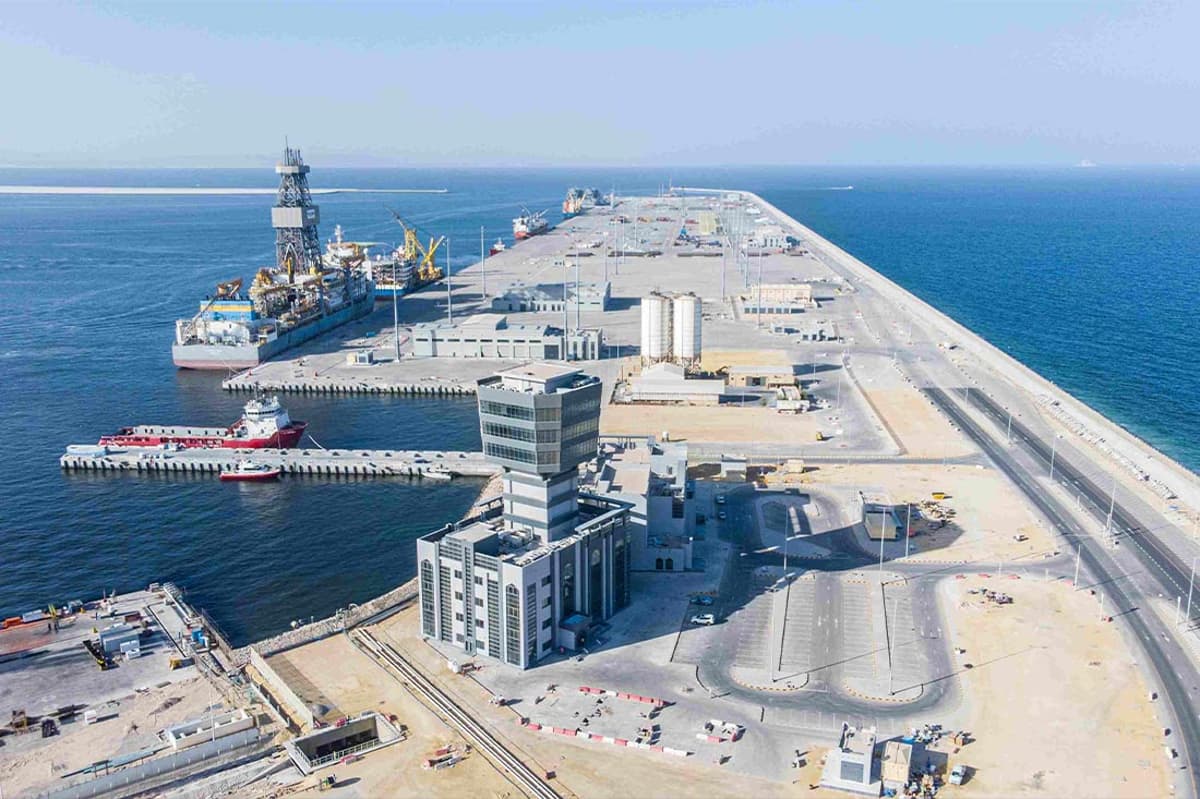
How Oman Is Converting Geopolitical Instability Into Permanent Strategic Architecture
Oman is turning recent geopolitical turbulence—particularly the Houthi blockade of the Red Sea and the Hormuz crisis—into a catalyst for long‑term strategic infrastructure. Muscat has fast‑tracked expansions at the deep‑water port of Duqm, added new free‑zone incentives, and secured multimillion‑dollar...
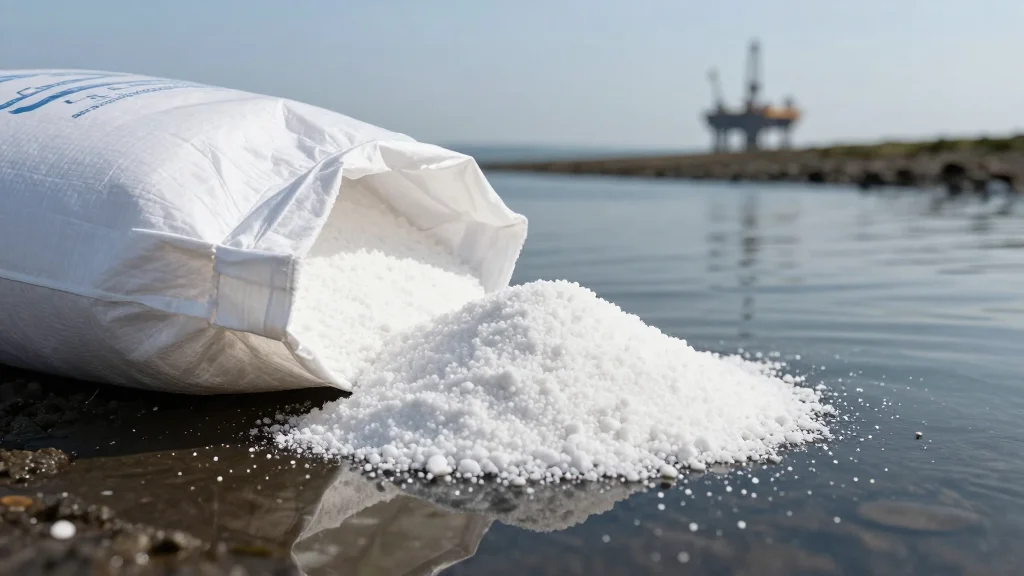
The Strait that Shook the World
The ongoing conflict in the Gulf has disrupted the Strait of Hormuz, a chokepoint through which roughly 30% of global fertilizer exports and 20% of liquefied natural gas flow. The Gulf region produces about 40% of the world’s exported urea...

The Challenge of Building an African Consumer Brand Abroad
ReelFruit, the Nigerian dried‑fruit snack maker founded by Affiong Williams, has landed distribution agreements in Europe and a major retail partner in the United States, expanding both branded and bulk exports. The move helps the company earn dollars as the...
The China 5: Illusions of Growth, AI in Warfare, and Shifting Trade
China reported a respectable 5% Q1 GDP growth, but the surge is driven by state‑led infrastructure spending and mounting debt, while private consumption, exports and investment falter. At the same time, Chinese AI firms are providing near‑real‑time tracking of U.S....

China’s Gold Demand Quantified
China’s gold accumulation strategy, launched by the People’s Bank of China in 1983 and continued through 2002, has built a massive reserve that far exceeds official figures. Recent spikes in bullion prices, driven by weakening fiat currencies, are prompting Chinese...

From Friday High Fives to Monday Morning Blues ?
A sharp oil rally over the weekend was driven more by trader positioning and flow dynamics than by any genuine improvement in fundamentals. The sudden shift from an open to a threatened Strait of Hormuz forced the market to price...

Carney’s Pivot to Beijing: Did the Canada China Business Council Help Pen Ottawa’s China Reset?
Prime Minister Mark Carney’s January 16, 2026 Beijing address marked a decisive pivot toward China, openly crediting the Canada China Business Council (CCBC) for keeping diplomatic channels open. He unveiled a "new strategic partnership" covering electric vehicles, agriculture, energy, multilateral...
The Price of War
The Strait of Hormuz, a chokepoint that moves roughly one‑fifth of the world’s oil, has been effectively shut after Israel’s heavy strikes on Lebanon and U.S. sanctions on non‑Iranian tankers. The closure coincides with a fragile cease‑fire and a U.S....

ASEAN, Inc.: +19.5% Annually Since December 31, 2024 — The Quiet Outperformer in a Noisy World
ASEAN, Inc., a basket of seven U.S.-listed ETFs covering Indonesia, Malaysia, the Philippines, Singapore, Thailand, Vietnam and the region’s 40 largest firms, has delivered a total return of +25.7% (annualized +19.5%) since December 31, 2024. The portfolio’s outperformance is anchored by Vietnam’s...

Week Signals: Out of the Box Thinking
The weekly Geopolitical Dispatch notes that Iran has signaled the reopening of its designated shipping lane near Larak Island, hinting at a possible end to the U.S. blockade of the Strait of Hormuz. Crude futures dropped 10% after the announcement,...

WEBINAR (04/21/2026): Saudi Arabia in the Age of Mohammed Bin Salman
The Small Wars Journal is hosting a live webinar on April 21, 2026, featuring AFP reporter Anuj Chopra, author of an upcoming book that profiles Saudi Arabia through nine distinct characters. The session runs from 12‑1 pm ET and will explore the kingdom’s transformation...

The “Eager Iran” Lie
Jack Hopkins argues the U.S. narrative that Iran is eager for a nuclear deal is a deliberate falsehood. Over the past year, officials have repeatedly claimed talks were "very close" while Iran consistently refused to end enrichment, dismantle facilities, or...

Recommended Weekend Reads
The curated weekend reads underscore how the Iran‑War is reshaping global energy prices, inflating costs and reviving debate over the petrodollar’s relevance, while Gulf states grapple with three post‑war scenarios ranging from cooperation to fragmentation. In Europe, a trans‑Atlantic economic...
InvestingLive Americas Market News Wrap: Iran Says Hormuz Is Open, Oil Plunges
Iran’s foreign minister declared the Strait of Hormuz fully open, prompting a $10‑per‑barrel drop in oil prices and a brief rally in equities, with the Nasdaq posting its 13th straight session of gains. The U.S. dollar initially sold off, the...

⛽ Iran’s Smartest Move Yet Wasn’t Closing Hormuz — It Was Reopening It. Let Me Explain.
Iran reopened the Strait of Hormuz immediately after a temporary cease‑fire between Israel and Lebanon, linking the maritime opening directly to the cease‑fire terms. The narrow waterway carries roughly one‑fifth of the world’s oil and LNG, making its status a...
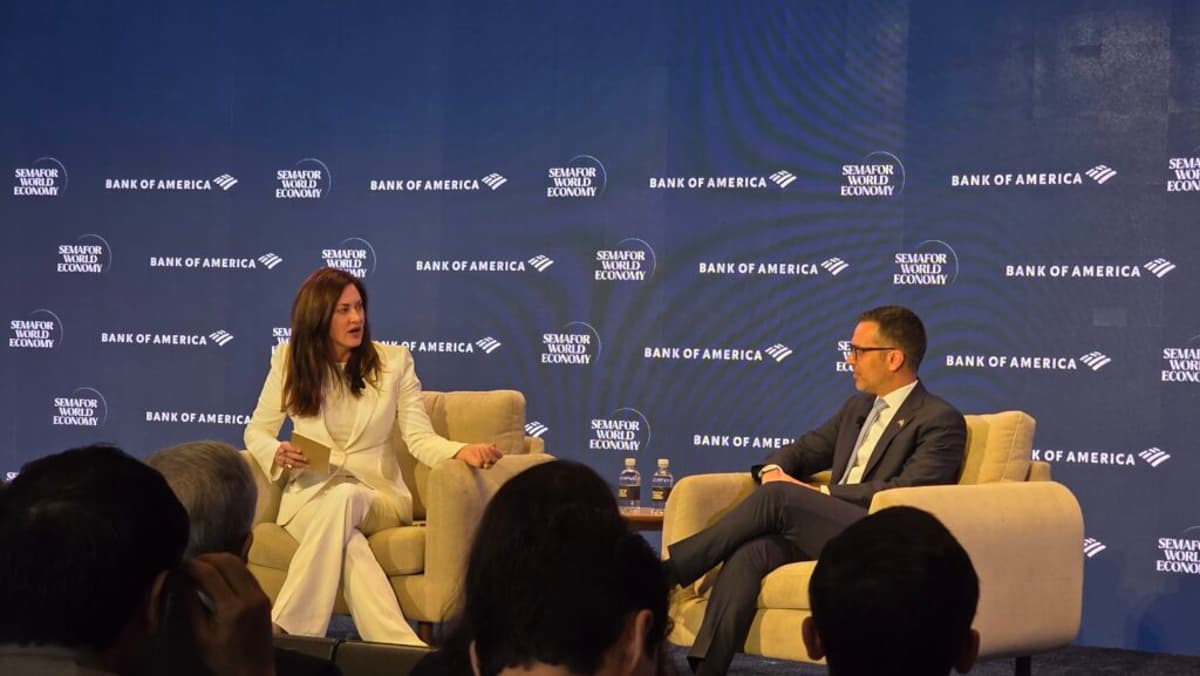
The “And” Economy: Dubai’s Resilience in the Eye of the Geopolitical Storm
At the Semafor World Economy summit, Dubai Economic Development Corporation chief Hadi Badri highlighted the city‑state’s ability to turn regional geopolitical tension into a growth engine. By leveraging ultra‑diverse markets, digital and physical infrastructure, and a neutral "And" economy stance,...
Asia Daily: April 17, 2026
Beijing hosted a high‑level meeting between Chinese Foreign Minister Wang Yi and Russian counterpart Sergey Lavrov, where they coordinated positions on Iran, Ukraine and Taiwan and signaled deeper strategic alignment. China also announced that the Shenzhou‑21 crew will remain on...

Speculating on South America’s Extraordinary Future
The Geopolitical Futures piece offers a speculative outlook on South America’s trajectory, emphasizing that it is not a formal forecast but a reasoned projection. It suggests the continent could experience an extraordinary economic upswing driven by a youthful demographic dividend,...
China’s Bridge Paradox: More Growth With Less Cement
China reported a 5% year‑on‑year GDP rise in Q1, but the gain is almost entirely driven by government spending. Private consumption barely grew while both domestic and foreign investment fell, and export contributions weakened. State‑owned enterprises posted higher value‑added despite...
PETER’S ASIAN BUSINESS & FINANCE BRIEFING – Friday 17 April 2026, 06:00 Hong Kong
Japan’s prime minister announced a $10 billion framework to help Southeast Asian nations secure crude oil and shore up supply chains amid the Iran‑U.S. conflict. China reported a 5.0% year‑on‑year GDP rise in Q1 2026, its strongest in three quarters, driven...
This American Nuclear Startup Aims to Supply India’s Reactor Boom
Chicago‑based Clean Core Thorium Energy, one of the first U.S. firms cleared to export nuclear material to India, is set to announce a pilot manufacturing agreement with Canada’s National Laboratories. The startup’s proprietary fuel assemblies blend thorium with high‑assay low‑enriched...

Gulf War III, Markets Sanguine, Why?
Markets rallied sharply after a cease‑fire was announced in the Iran‑Gulf conflict, erasing the S&P’s earlier war‑related losses and bringing risk assets back to near‑pre‑war levels. Oil prices remain about 50% above pre‑crisis levels, and the Strait of Hormuz...