
Supply Disruptions and Energy Security
War in Iran has choked the Strait of Hormuz, cutting off about 8% of global oil flow, the largest disruption since the 1970s. In the first month of the conflict, West Texas Intermediate rose roughly 50%, a muted response compared with the 130‑150% spikes of past oil crises. Coordinated releases of 400 million barrels from strategic stockpiles and higher prices for reliably delivered crudes, such as North Sea “forties,” have tempered price surges, while the loss of Qatari LNG has driven sharp gas price spikes in Asia. The episode is prompting the United States to expand fossil‑fuel output and other nations to accelerate energy‑efficiency and alternative‑fuel strategies.

Be in the Know. 21 Key Reads for Thursday…
China’s Q1 GDP outperformed forecasts, driven by a surge in infrastructure spending, while U.S. investors posted the largest quarterly inflow into Hong Kong and China equities in three years. In the aerospace sector, Boeing announced a hiring push of over 100...

AWS Plans $430 Million Data Center in Navi Mumbai, India
Amazon Web Services is set to spend $429.8 million on a new data‑center campus near Taloja in Navi Mumbai. The 49‑acre site will house six structures, including four seven‑story data‑center buildings, delivering a total capacity of 473 MW. AWS acquired the land for...

Chevron and Shell’s Venezuela Deals Vindicate Trump Strategy
Chevron announced two new agreements to expand its presence in Venezuela’s Orinoco Belt, while Shell is set to finalize a major deal later this week. Both moves are direct outcomes of the Trump administration’s decision to oust Nicolás Maduro, launch...

Asia Daily: April 16, 2026
In mid‑April 2026 Asia saw heightened geopolitical tension and economic maneuvering. China erected a 352‑meter floating barrier at Scarborough Shoal and doubled its AI‑for‑science supercomputer to 60,000 domestically‑made Sugon chips. Japan announced a roughly $10 billion framework to help regional partners...

How to Build a $1bn African Investment Firm
In a candid interview, Richard Okello, co‑founder of Johannesburg‑based Sango Capital, explains how his firm grew to manage just under $1 billion in assets since its 2011 launch. He frames African investing as a high‑speed boat ride through choppy waters, emphasizing...

The EU–India Deal Is Not Enough. India Needs Investment – Now
The EU and India signed a long‑awaited free‑trade agreement that cuts tariffs on cars, wine, pharmaceuticals and digital services. However, the pact omits any binding commitments on manufacturing investment, leaving a critical gap for India’s need to attract foreign direct...

Cross-Border Flows, the Dollar Devaluation, and the Global Trade Rebalancing
Capital Flows researcher argues that modern money is created primarily through bank credit, not central‑bank printing, and that every financial asset is simultaneously a liability. He identifies two universal risks—duration risk from inflation and credit risk from growth—that price all...
Xi Meets To Lam and Lavrov; Wang Yi Calls for "Restoring Normal Passage” Through the Strait of Hormuz; Investment Approval;...
Xi Jinping met Vietnam’s General Secretary To Lam, accompanied by senior Chinese officials Li Qiang, Zhao Leji, Cai Qi, Wang Yi, Yin Li and Wang Xiaohong. Xi emphasized defending the socialist system, “reform without changing direction, transform without changing color,”...

Russia Vows To 'Fill China's Energy Resource Gap' Amid Hormuz Crisis In Lavrov-Xi Meeting
Russian Foreign Minister Sergey Lavrov met President Xi Jinping in Beijing, pledging to increase Russian energy supplies to China as the Hormuz Strait crisis threatens oil flows. Lavrov said Moscow is ready to fill the resource gap that has emerged...
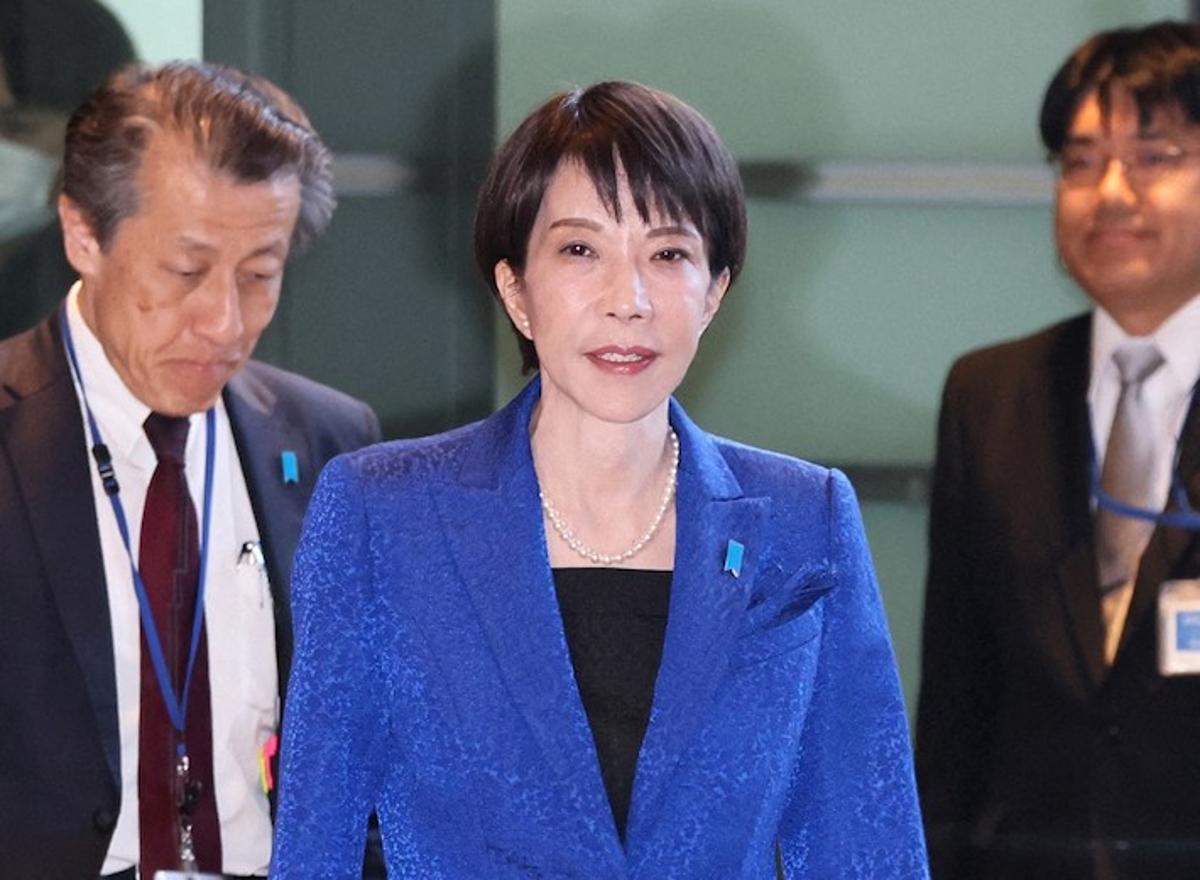
Japan Vows $10bn to Help Southeast Asia Procure Oil Amid Iran War
Japan announced a $10 billion (≈¥1.6 trillion) “Power Asia” initiative to help Southeast Asian nations procure crude oil amid the Iran‑related conflict that has spiked global prices. Prime Minister Sanae Takaichi said the funding, channelled through state‑backed banks such as JBIC and...

Hungary and Europe
Viktor Orbán’s 16‑year tenure as Hungary’s prime minister ended with his party’s defeat, paving the way for opposition leader Peter Magyar to assume the premiership. Orbán’s government was marked by strict anti‑immigration stances, socially conservative policies, and accusations of democratic...
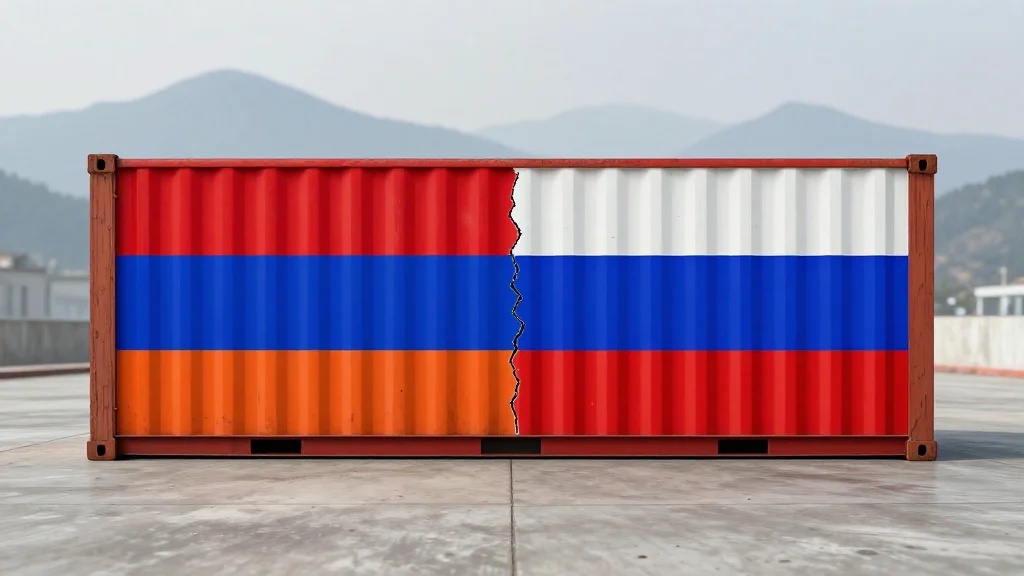
Armenia Relations with Russia Reach Crisis Point, Continuing Worrying Trend for Moscow
Armenia’s relationship with Moscow has hit a breaking point after Russia imposed stricter import requirements on Armenian goods in early April. Prime Minister Nikol Pashinyan’s meeting with Vladimir Putin highlighted Moscow’s displeasure over Yerevan’s growing ties with the United States...

Iran Clears Missile Base Tunnels During Ceasefire, Signalling Rearmament Risk
Satellite images show Iran using heavy machinery to clear debris from underground missile base tunnels amid the current ceasefire. The tunnels, previously sealed by US and Israeli strikes, are part of “missile cities” built to survive attacks and enable rapid...

Much Chatter that Iran Talks to Resume as Ceasefire Extension Discussed
U.S. enforcement of its blockade on Iranian ports showed full compliance in the first 24 hours, with no vessels breaching the restrictions. At the same time, more than 20 oil tankers have recently transited the Strait of Hormuz, signaling a...

Trump and Vance Goosed the Market - Iran Talks, War Over. Vibe Trading.
U.S. political leaders signaled a de‑escalation in Tehran, with Senator Vance touting a "grand bargain" as the ceasefire holds and former President Trump declaring the conflict "over" in a morning interview. The remarks lifted risk‑off sentiment across Asian exchanges, prompting...

2026-04-15: US-Iran Blockade and Fragile Talks Raise Trade, Energy, and Market Risks for India
The United States launched a naval blockade and mine‑clearing operation in the Strait of Hormuz on April 15, targeting Iran‑linked seaborne trade while preserving a narrow corridor for non‑Iranian vessels. On the first day, six merchant ships were forced to...

The Market Rings The Bell Before The War Ends
Equities have surged as the market bets on a near‑term peace between the U.S. and Iran, even though the conflict remains unresolved. The drop in oil prices has reignited expectations of Federal Reserve rate cuts, weakening the dollar and fueling...

“Flash Talks on Iran, Oil, and OPEC” (UW Madison, Thursday, 4:30-6)
On April 16, 2024, the University of Wisconsin‑Madison Law School hosted a flash‑talk series titled “Flash Talks on Iran, Oil, and OPEC.” Sponsored by the Global Legal Studies Center, the two‑hour session featured political science and economics scholars Steven Brooke,...

Gas Prices EXPLODE as Hormuz Is Blocked! EP740
Survival Dispatch released a preview of its evening podcast warning that gasoline prices are set to surge as the Strait of Hormuz faces a new blockade. The U.S. Navy began restricting Iranian ports on April 13, raising concerns over a...

The WEO Wartime Economic Outlook
The IMF released its World Economic Outlook for April 2026, presenting a reference scenario that assumes a brief armed conflict. Global real GDP growth is projected at 2.9% in 2026 and 3.0% in 2027, with headline inflation easing to 3.4% and...
Bridging Global Markets: Unlocking Opportunities in Korea’s Evolving Treasury Landscape
South Korea is shedding its historic "Korea discount" by overhauling the Treasury Bond market and aligning capital‑market standards with global indices. Deputy Prime Minister Koo Yun Cheol announced reforms such as 24‑hour FX trading, omnibus account integration, and extended settlement hours,...
The Gulf Is a Vital Lynchpin of Global Stability, and It Goes Far Beyond Energy
The Gulf region underpins a massive labor‑migration network that funnels roughly 35 million foreign workers and $135 billion in annual remittances to the Global South. Egypt alone receives about $20 billion from 4‑5 million workers in the GCC, supporting roughly 20% of its population....

The Price of Instability: Oil Shocks, Energy Transitions and MENA's Economic Future
A webinar hosted by the Natural Resource Governance Institute will examine how the ongoing conflicts in Iran, Lebanon and the broader MENA region could reshape oil and gas markets, fiscal stability, and energy‑transition pathways. Speakers include Crystol Energy CEO Carole...
Daily Memo: Lavrov Arrives in Beijing for Talks
Russian Foreign Minister Sergei Lavrov arrived in Beijing for an official visit, meeting Chinese Foreign Minister Wang Yi. The talks will span bilateral cooperation, the war in Ukraine, and ongoing Middle‑East conflicts. The visit follows a series of high‑level exchanges that...

Chaotic Reconfiguration of the Auto Industry. Good or Bad?
The Mexican automotive sector is in the midst of a chaotic reconfiguration driven by a sharp decline in conventional vehicle sales, a surge in electric‑vehicle (EV) adoption, and tightening supply‑chain constraints. In the first quarter of 2024, overall auto sales...

What a ‘Blockade’ in the Strait of Hormuz Really Means
President Trump announced a limited "blockade" of the Strait of Hormuz, prompting the U.S. Navy to deploy the Arleigh‑Burke destroyers USS Michael Murphy and USS Frank E. Petersen for mine‑clearance operations. The effort relies heavily on allied mine‑countermeasure forces from...

How the US Navy and Economic Sanctions Aim to Squeeze the Iranian Regime
On April 13 the United States launched a naval blockade of vessels entering Iranian ports, extending its economic‑statecraft campaign against Tehran. The operation targets the IRGC‑run “toll booth” on Larak Island and seeks to interdict ships—including Chinese‑flagged COSCO vessels—that pay Iran...

Closed Strait Gets Blockaded, Leaving Global Economy In Danger Zone...
The United States Navy launched a blockade of the Strait of Hormuz after Iran shut the waterway last week, intensifying a standoff that began with failed cease‑fire talks. Washington’s move is intended to cripple Iran’s ability to sell oil and...
Iran War; US-China; Xi Meets KMT Chair; Li on the Economy; Countering Unlawful Extraterritorial Jurisdiction Measures
China has expressed strong displeasure over the United States’ blockade of Iranian vessels transiting the Strait of Hormuz, warning that a prolonged restriction could exacerbate stress on its own economy as many of those ships carry Chinese cargo. The Crown...

BRICS Payment System – What Does It Mean for the Nordics?
The article examines the BRICS countries’ effort to build a cross‑border payment system that could be operational by 2029‑2030, offering an alternative to Western‑controlled settlement rails. It notes the New Development Bank’s role, having approved over $42.9 billion in loans and...

The Global Week Ahead
The United States has imposed a naval blockade of the Strait of Hormuz, pushing crude oil above $103 a barrel and raising the risk of direct conflict with Iran. Simultaneously, the IMF and World Bank are convening in Washington, where...
Daily Memo: Developments in the Middle East
President Donald Trump announced that the United States will commence a blockade of the Strait of Hormuz on April 13. The operation will prohibit all vessels entering or leaving Iranian ports while allowing traffic to non‑Iranian ports to pass unimpeded....

Why Markets Fear Uncertainty: The US–Iran Conflict and Its Impact on Global Markets
The escalating US‑Iran conflict is injecting unprecedented geopolitical uncertainty into global financial markets. Heightened risk expectations are driving oil prices up, inflating consumer costs and compressing corporate profit margins. The Federal Reserve now faces a policy dilemma, balancing inflationary pressure...
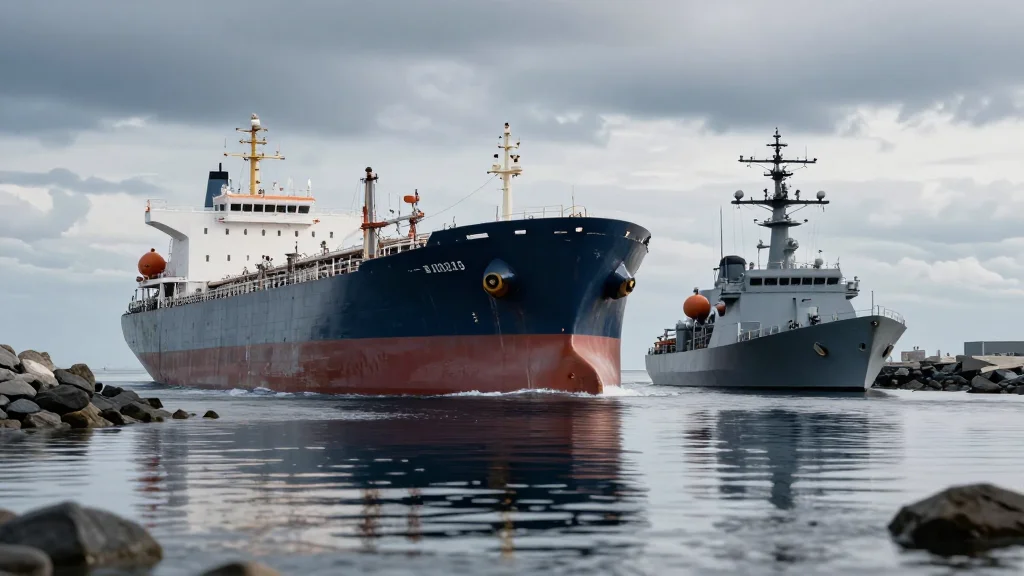
Between War and Wishful Thinking
The United States has hinted at closing the Strait of Hormuz, a move aimed at both Iran and China, heightening geopolitical risk for oil supplies. Iranian crude is increasingly sold at a discount and settled outside the dollar system, adding...
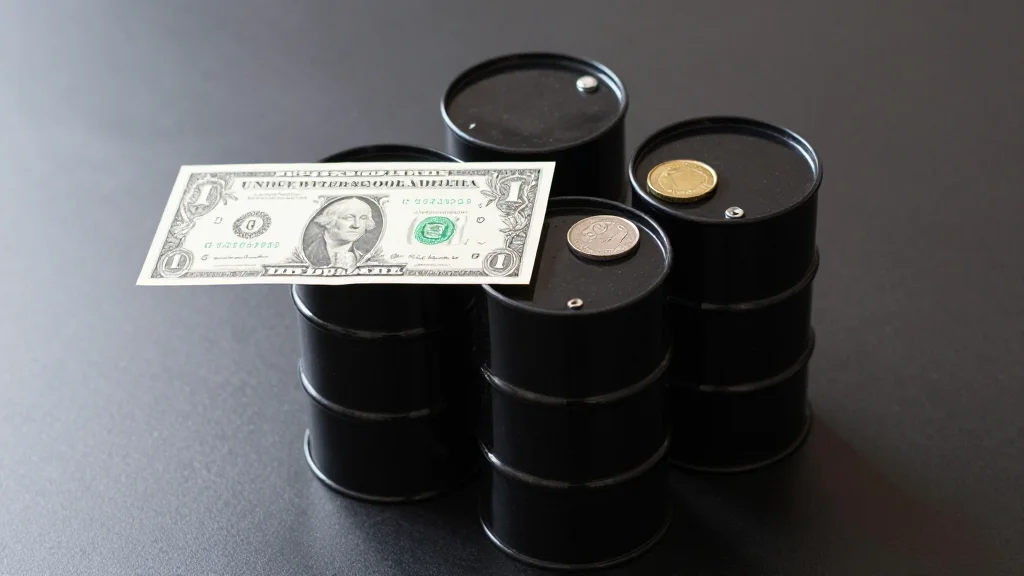
A Q&A About the ‘Petrodollar’
The petrodollar, a system forged in the 1970s that ties global oil sales to the U.S. dollar, remains a cornerstone of international finance. Recent Q&A highlights how sanctions, the rise of alternative currencies, and the shift toward renewable energy are...

Reader Comments Open Forum, Week of April 13
The Iran‑U.S. conflict is driving a severe economic shock across the Gulf Cooperation Council, with Kuwait and Qatar facing up to 14% GDP contractions and tourism losses of $600 million per day. Regional stock markets have slumped, notably a 15% drop...

Asia Market Sense Initial Thoughts: Trump Says US Will Block the Hormuz Straits;... That Just Makes Matters Worse
President Trump warned Iran that the United States would block the Strait of Hormuz if tolls were imposed, sending oil prices above $100 a barrel amid the ongoing Iran‑U.S. conflict. The geopolitical shock has spurred a wave of policy responses,...
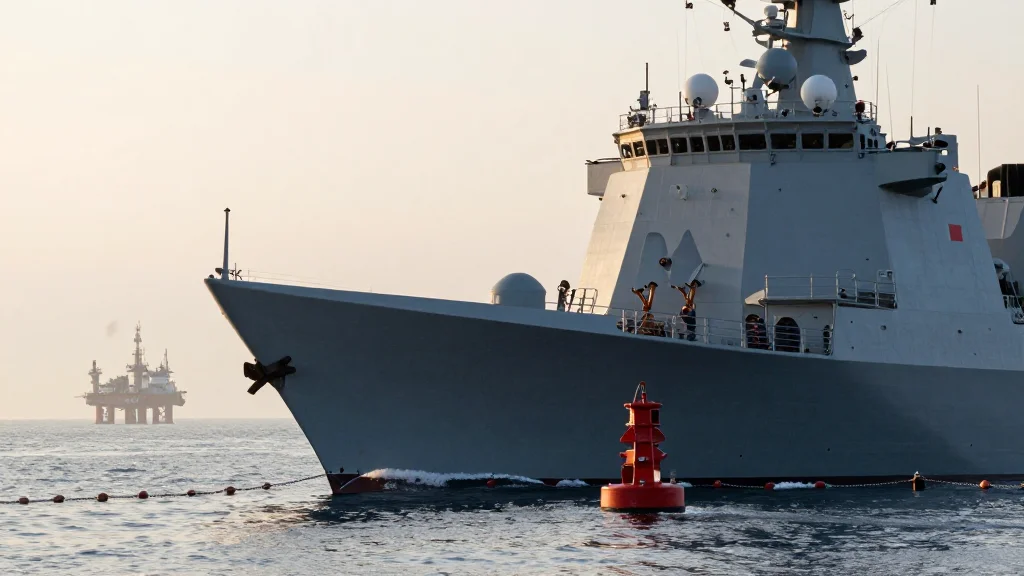
“U.S. to Blockade Ships Entering or Exiting Iranian Ports”
U.S. Central Command announced a full maritime blockade of all vessels entering or leaving Iranian ports, effective April 13 at 10 a.m. ET, under the President’s proclamation. The restriction covers every nation’s ships but explicitly preserves freedom of navigation for traffic transiting...

Hopium: A Second Round of US-Iran Talks Could Be Held Within Days (WSJ Cite Officials)
High‑level US‑Iran talks in Islamabad ended without a deal, but officials say a second round could be convened within days. Core disputes linger over unrestricted Hormuz navigation, the size of Iran's highly enriched uranium stockpile, and the release of roughly...

Monday Open Levels, Indicative FX Prices, 13 April 2026
U.S. President Trump announced a naval blockade of the Strait of Hormuz after US‑Iran negotiations collapsed over the weekend. The move sparked an immediate rise in the U.S. dollar as investors sought safety amid heightened geopolitical risk. Analysts expect crude...

Trump Orders Blockade of Strait of Hormuz
On April 12, 2026 President Donald Trump announced that the U.S. Navy would immediately begin blockading the Strait of Hormuz and clearing suspected sea mines, escalating pressure on Iran over alleged threats to global shipping. In response, Iran’s Islamic Revolutionary...

The 21-Hour Farce
The latest U.S.–Iran nuclear talks collapsed after a 21‑hour session, leaving both sides entrenched in opposing positions. Vice President JD Vance reiterated Washington’s demand for an unconditional pledge from Tehran not to pursue nuclear weapons, while Iran’s ten‑point proposal called...
Asian Marco Initial Thoughts: Data Impacting Asia April 13 -17
The Asian data calendar for April 13‑17 is light overall, but China dominates with a suite of macro releases including GDP growth, retail sales, industrial production, house‑price index and fixed‑asset investment. India will publish key inflation, unemployment and wholesale‑price data,...

The China 5 Iran Shock Export Pivot and Tighter Control
The Iran‑Russia conflict forces China to buy oil at higher costs while it touts a vague peace plan, creating a logistics split where sea freight remains flat but air freight spikes nearly 95% on Asia‑Europe routes. Domestic demand weakness hits...

Trump’s Iran War Gamble Backfires
Donald Trump’s decision to launch a full‑scale war against Iran collapsed because the United States entered without a plausible theory of victory. The campaign relied on airpower and maritime pressure to force regime change, end nuclear enrichment, destroy missile capabilities,...
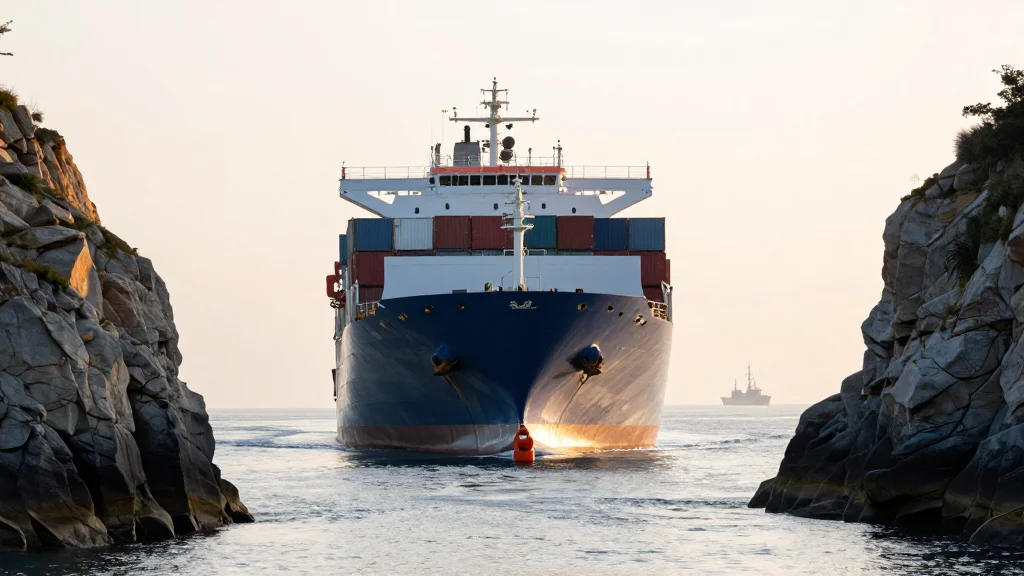
The Future of the Strait of Hormuz
The Strait of Hormuz remains technically open but is functionally constrained as Iran imposes coordination requirements and quasi‑tolls, turning the waterway into a tool of economic coercion. Shipping volumes have fallen sharply as insurers and operators avoid the heightened risk....

Imagining Iran Without Sanctions
The post argues that decades of foreign interference—first by Britain and the Soviet Union, then by the United States and Israel—have kept Iran under a sanctions‑driven siege despite its vast oil wealth. It highlights that 90% of Iran’s crude exits...

Speculation Surges That US-Iran Talks in Pakistan Are a Delay Tactic
U.S.‑Iran negotiations slated for Islamabad are being viewed as a tactical pause while the Trump administration readies additional forces in the Persian Gulf. Open‑source logistics data suggest a surge in Marine and Airborne deployments ahead of the talks, hinting at...

Iran’s Bitcoin Toll in Hormuz: Sanctions Hack Meets U.S. Crypto Normalization
Iran has begun charging oil tankers transiting the Strait of Hormuz a toll of roughly $1 per barrel payable in Bitcoin or stablecoins, turning the chokepoint into a crypto‑enabled revenue stream. The payments are invoiced by email and settled on‑chain...