
Week Signals: Is the Confidence Trick Over?
The week’s market turmoil culminated in a $920 million crude‑oil short that was placed just before an Axios report on a tentative Iran‑U.S. memorandum, prompting Paul Krugman to label the trade as likely manipulation. The episode underscores a broader surge in insider dealing despite 24/7 trading platforms, blockchain tools, and ultra‑cheap retail accounts. The piece argues that this erosion of market integrity threatens the trust that underpins the U.S. dollar’s global dominance. Ultimately, the author warns that fragmented finance and a dearth of genuine alternatives could destabilize modern capitalism.

Could UAE Move to De-Peg Early?
The United Arab Emirates is weighing an early de‑peg of the dirham from the U.S. dollar amid a war‑driven oil export slump and its recent exit from OPEC. Proponents argue that a flexible, potentially stronger currency would leverage the emirate’s...

Can China Stop Its Demographic Slide? Can the United States?
China’s fertility rate continues to fall despite the shift from a one‑child policy to two‑ and three‑child allowances, leaving the nation on track for a loss of roughly 786 million people by 2100. RAND researchers warn that a shrinking, aging workforce...
Ship Traffic Around Southern Africa Resurges
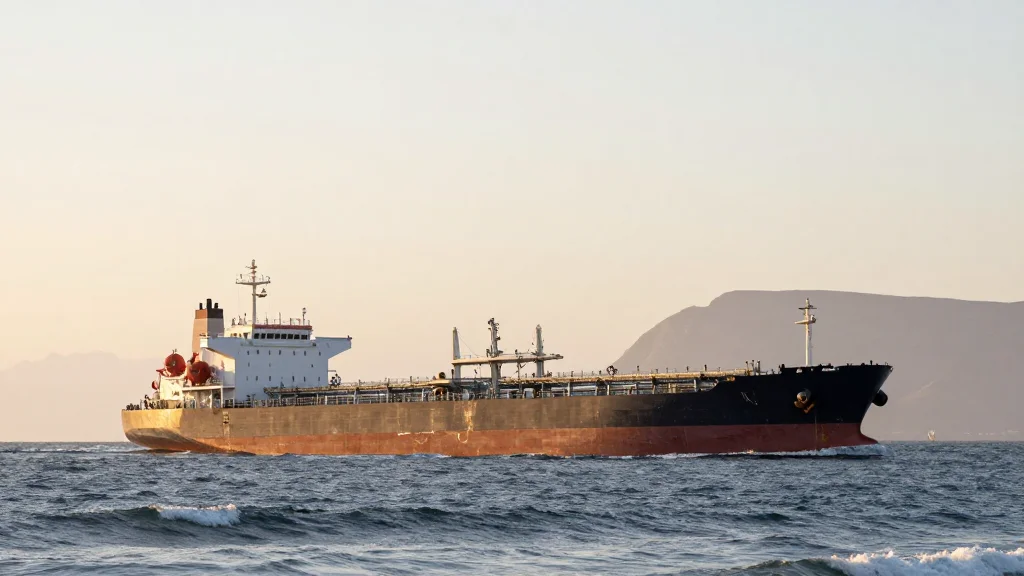
Tanker traffic around the Cape of Good Hope has surged to its highest level since early 2025 as Middle‑East hostilities disrupt the Red Sea and Suez Canal corridor. After a period of uneven flows throughout 2025 and early 2026, traffic...

New US-Iran Clashes Hit Peace Hopes, But Oil Under $100
US and Iranian forces clashed in the Gulf after Iran launched missiles, drones and small boats at three US warships, which the United States said it repelled without damage. President Trump maintained that the cease‑fire remains in effect while both...

Maersk’s $1.7B Vietnam Move — What’s Behind It?
Maersk announced a $1.7 billion investment to build a new container terminal in Vietnam, slated for operation around 2029. The project will provide roughly 5.7 million TEU of annual capacity and accommodate vessels up to 18,000 TEU. While the headline figures suggest another...
DP World’s Thailand Play and the Eastward Extension of Emirati Port Doctrine
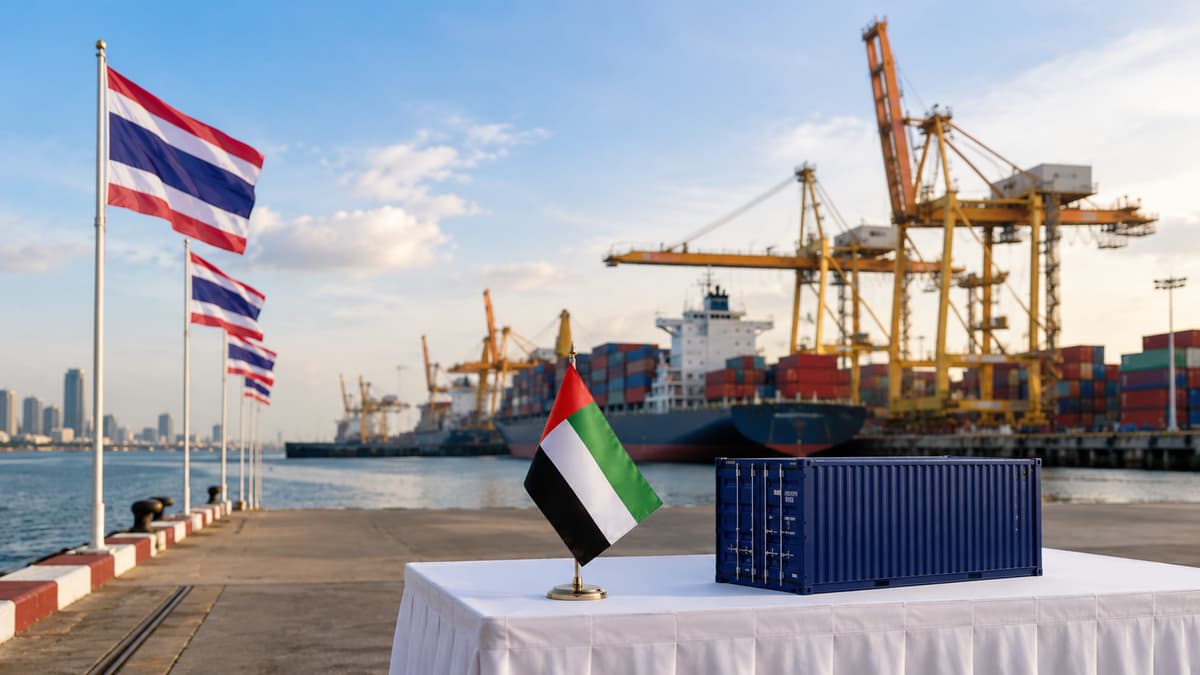
DP World, the Abu‑Dhabi‑based terminal operator, announced a strategic push into Thailand, marking the first major Southeast Asian foothold for its expanding port network. The move aligns with a broader Emirati doctrine to extend maritime infrastructure eastward, targeting the region’s...
Geopolitics, Inflation, and a Bond‑Market Surprise in Favor Of Junk
The VanEck Emerging Markets High Yield Bond ETF (HYEM) has risen 0.9% since the Middle East conflict began on Feb. 28, standing out as a rare positive performer among foreign‑currency bond funds. By contrast, U.S. and global investment‑grade bond ETFs remain...
What the UAE’s OPEC Exit Means for the Global Energy Market
The United Arab Emirates announced its departure from OPEC, effective May 1, ending a five‑decade affiliation. The move reflects a decade‑long strategic pivot toward economic diversification and reduced reliance on hydrocarbon revenues. Abu Dhabi’s broader vision includes expanding non‑energy sectors and...

US Treasury’s “Economic Fury” Targets Iraqi Oil Official, Iran-Backed Terrorist Militias in Iraq
On May 7, 2026, the U.S. Treasury’s Office of Foreign Assets Control (OFAC) designated Iraq’s Deputy Minister of Oil, Ali Maarij Al‑Bahadly, and senior leaders of Iran‑aligned militias for facilitating oil smuggling that funds Tehran’s terror networks. The sanctions also...
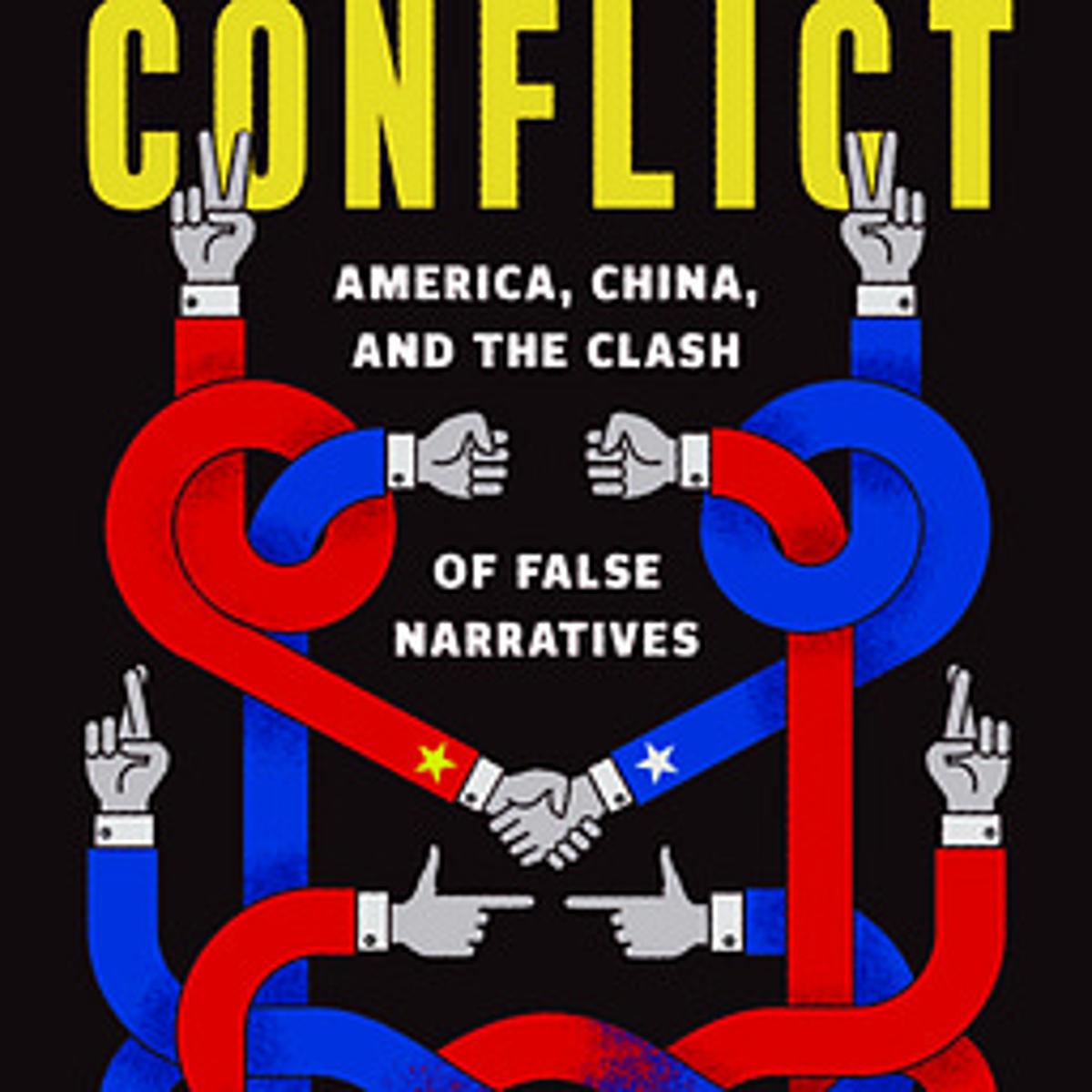
The Case for a US-China Bilateral Investment Treaty
The blog argues that the upcoming Trump‑Xi summit in Beijing offers a chance to revive a long‑stalled U.S.–China Bilateral Investment Treaty (BIT). A BIT would lower cross‑border investment barriers, address forced technology transfers, and create a framework for managing sensitive...
One Day in Trump’s Iran War
President Trump’s administration faced a fresh legal defeat as a federal trade court declared his latest global tariff illegal, marking the second broad‑based tariff overturned this year. The ruling comes as Trump threatens the European Union with steep new duties...
The Yuan's Quiet Rise and Next Week's Summit
The offshore yuan rose nearly 5% against the dollar last year, with the onshore unit gaining about 4.25%, positioning the currency second among emerging‑market peers. The People’s Bank of China set its daily reference rate at CNY6.8487, the lowest level...
The Iran War and President Trump's China Visit: A Private Discussion with Geopolitical Dispatch
Geopolitical Dispatch hosted a private roundtable on May 6, 2026, where analysts Christian Habla, Michael Feller and Damien Bruckard dissected the unfolding Iran war, the United Arab Emirates’ departure from OPEC, the lingering Ukraine conflict, Russia’s possible next moves, and President Trump’s...

Asia Daily: May 7, 2026
China intensified its Middle‑East diplomacy by hosting Iran’s foreign minister, urging a ceasefire and reopening the Strait of Hormuz just before the Trump‑Xi summit, while also condemning Japan’s first overseas offensive missile test. North Korea’s revised constitution stripped reunification language...
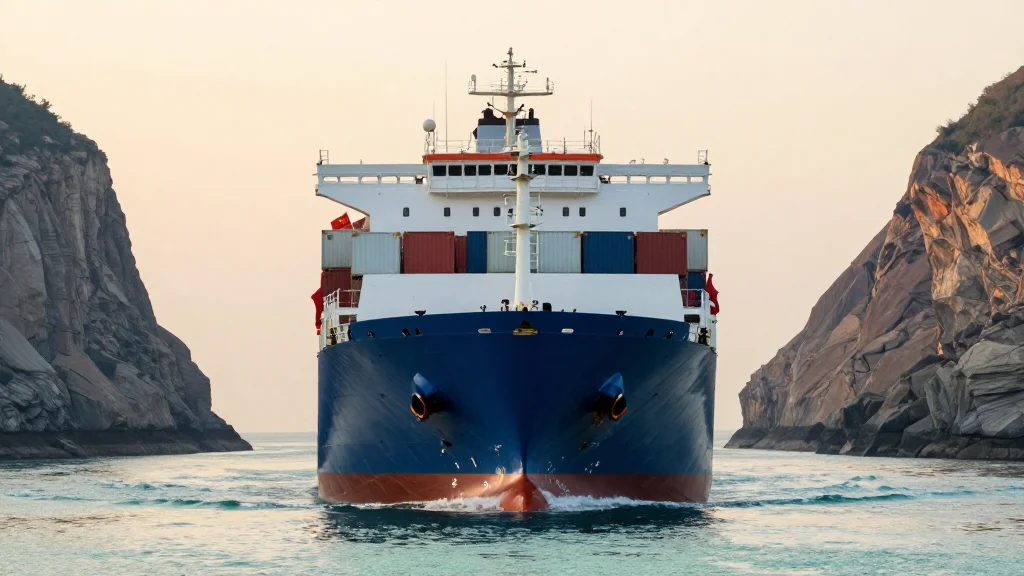
First Chinese Tanker Attacked Near Hormuz As Beijing Urges Waterway Reopened
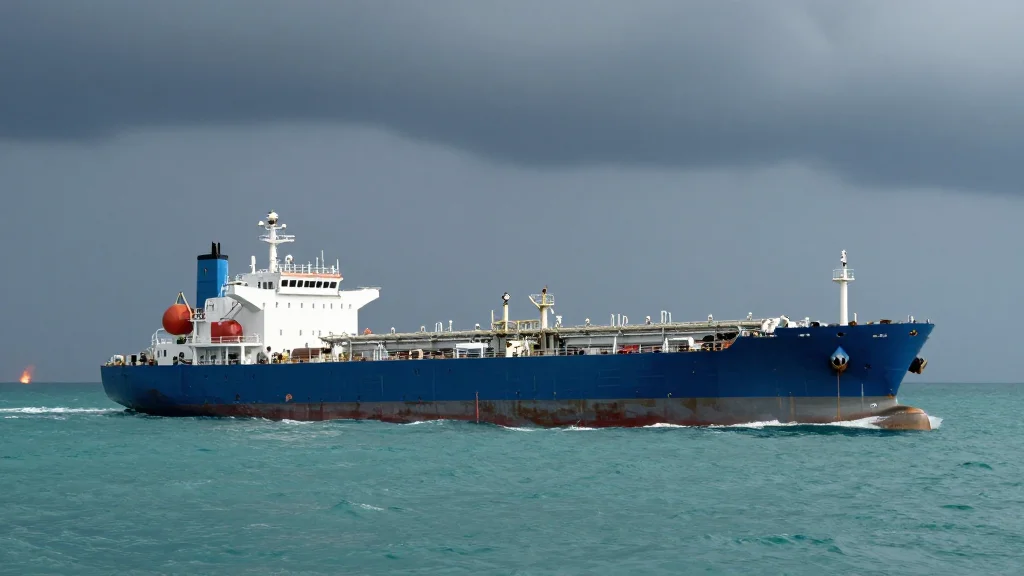
A Chinese-owned refined‑products tanker was struck and set ablaze near Al Jeer port in the Strait of Hormuz, marking the first Chinese vessel hit in the three‑month U.S.–Iran conflict. The incident came as Iran escalated attacks on commercial ships following a...
Iran FM in China; Trump China Visit Next Week; EU Losing Patience?; DeepSeek; Xi on Basic Research; MU5735 Crash Investigation
Chinese Foreign Minister Wang Yi met Iran’s foreign minister Hossein Amir‑Abdollahian in Beijing, where Beijing pressed for the Strait of Hormuz to be reopened. Wang reiterated China’s principled stance, supporting Iran’s sovereignty while urging a comprehensive cease‑fire and renewed negotiations....

Daily Memo: Rubio-Lavrov Call, Taiwan-Ukraine Ties
Russian Foreign Minister Sergey Lavrov and U.S. Secretary of State Marco Rubio held a phone conversation, their first in six months, after Moscow initiated the contact. The call focused on bilateral relations and a range of global security concerns. In...

The Chinese EV Standard Winning Globally Is Banned in the U.S.
On March 17 the United States prohibited any vehicle with Chinese‑developed software from being sold domestically, a rule that takes effect for new models arriving in July 2025. Chinese EV makers, led by BYD, dominate global markets by integrating batteries, chips...

Meta’s AI Nightmare: China Reclaims Manus in Power Move
China's National Development and Reform Commission has blocked Meta Platforms' $2.5 billion acquisition of AI startup Manus, citing national‑security concerns, and ordered a full reversal of the deal. Meta must restore Manus’s assets, purge transferred data and technology, and meet a...

Capitalising on Mauritius Protected Cell Companies to Unlock Investment Opportunities in Africa
Investors eyeing Africa’s booming infrastructure, real estate, private‑equity and finance markets face fragmented legal regimes, high compliance costs and contagion risk. Mauritius Protected Cell Companies (PCCs) offer a single legal vehicle that houses multiple segregated “cells,” each with its own...

Romanian Government Collapses, Currency Tumbles to Record Low
Romanian lawmakers voted 285‑4 to oust Prime Minister Ilie Bolojan, toppling his pro‑EU minority government. The no‑confidence motion was driven by the Social Democrats joining forces with the far‑right Alliance for Uniting Romanians. The collapse sent the leu to a...

The Canadian Who Spent Over 1,000 Days in Chinese Prison Warns Ottawa Is Walking Into Beijing’s Trade Trap
Michael Kovrig, a former Canadian diplomat who spent 1,028 days in a Chinese prison, warned Parliament that Ottawa’s trade pivot toward Beijing could trap Canada in a state‑subsidized electric‑vehicle (EV) strategy. He explained that China’s flood‑consolidate‑weaponize model, backed by roughly US$222 billion...
Asia Daily: May 5, 2026
U.S. Treasury Secretary Scott Bessent called on China to use its leverage over Iran to help reopen the Strait of Hormuz, while China’s coast guard raised its flag on a disputed reef in the South China Sea. Australia and Japan...
America’s Simultaneous Management of China, Russia and Iran
The United States is simultaneously negotiating high‑stakes deals with China, Russia and Iran, a scenario rarely seen in modern geopolitics. Washington must balance trade concessions with Beijing, arms‑control talks with Moscow, and nuclear restrictions with Tehran, all while preventing any...
Declining Chinese Investment in Israel, MoUs with Ras Al Khaimah (UAE), Projects in KSA, Oman, and Possibly Egypt.
Chinese investment in Israel has sharply contracted, reaching a low of 39 million NIS (about $11 million) in 2023 – just 0.12% of total foreign inflows. The decline reflects heightened great‑power rivalry, U.S. pressure, Israel’s new foreign‑investment screening, and the fallout from...
The Global Week Ahead
The week ahead is dominated by high‑level geopolitics and market‑moving data. ASEAN leaders convene in Cebu to grapple with soaring oil prices and regional security, while the European Political Community gathers in Armenia, representing roughly a quarter of global GDP....
Where Sango Capital Sees Opportunity in Africa
Richard Okello, founder of Sango Capital, outlines a new risk‑focused playbook for African private equity. The firm now oversees just under $1 billion, targeting consumer, fintech and renewable‑energy opportunities in fast‑growing markets. Okello stresses local partnerships and data‑driven market selection to...
Inspired Evolution Backs CrossBoundary Energy
Inspired Evolution announced a $40 million investment via its Evolution III fund into CrossBoundary Energy, a developer of distributed renewable power for commercial and industrial clients across sub‑Saharan Africa. The capital will fund new solar, battery storage and hybrid projects, including...
Projecting Confidence
The daily Geopolitical Dispatch highlights five key developments: President Trump’s “Project Freedom” offers a narrow humanitarian corridor for vessels in the Strait of Hormuz, while the Pentagon orders the withdrawal of 5,000 troops from Germany, reshaping the US‑NATO posture. Ukraine’s...

Artificial Stupidity in the Persian Gulf
The United States backed a $3.3 GW AI compute corridor in the Persian Gulf, promising cheap $0.10/kWh power, low‑latency connectivity and up to 70,000 Nvidia chips for American firms. The plan was intertwined with a $2 billion Trump‑linked stablecoin deal and a...

Iran Says Will "Respond Harshly", Warns the US Against Entering the Strait of Hormuz
Iran warned the United States that any naval move into the Strait of Hormuz will be met with a "harsh response" and demanded that all commercial ships and oil tankers coordinate with Iranian forces before transiting the waterway. Tehran said...
Who Wins the Oil Blockade?
The article argues that Iran’s oil wells are failing under a U.S.-led blockade, prompting President Biden to predict Tehran’s capitulation. Bank of America estimates that Iran can still ship roughly 250,000 barrels per day at elevated prices, enough to keep...

From Research to Action: Critical Minerals in the Mid-Transition
The AFD Group, under the French G7 presidency, is convening a high‑level virtual conference on May 6, 2026 to address the growing uncertainties surrounding critical minerals that power the energy transition. Participants will include government officials, financiers, industry leaders, and researchers from...

The Truth Behind China's Zero Tariff Regime for Africa: What It Means for Future Trade
On May 1, 2026 China will roll out a zero‑tariff regime for all 53 African nations that have diplomatic ties. While the move appears to deepen South‑South trade, 94.5% of African exports to China already enjoy duty‑free status, leaving only...

Caught in the Crosswinds: India’s Energy and Diplomacy in a Fractured Middle East
The ongoing Middle East war threatens India’s energy security because a large share of its oil passes through the Strait of Hormuz. At the same time, 38% of India’s foreign‑exchange earnings come from Gulf‑based workers, making remittance flows vulnerable to...
US Sanctions 5 Chinese Refiners, China Issues Statement to Ignore Trump
The U.S. Treasury placed a Hengli Petrochemical unit and 40 shipping firms on its Specially Designated Nationals list, targeting five private Chinese refiners accused of moving Iranian oil. These "teapot" refiners use yuan‑denominated payments and have limited overseas exposure, allowing...

Stairway to Heaven I
The author revisits a promised structural‑demographic deep‑dive into China, noting the analysis was delayed but is now underway. The first phase focuses on how China’s ruling class reproduces itself, tracing aspirants’ origins and pathways to power. The piece introduces the...
The China 5: Sanctions, Energy Shocks, and Tech Pressure
This week China faces mounting pressure from U.S. sanctions, energy shocks and technology curbs. While it profits from Russian sanctions by levying 40‑90% premiums and securing discounted oil that now makes up 80% of its imports, new U.S. measures target...
Russia Now Main Supplier Of Oil To Post-Assad Syria, Despite Pivot To West
Russia has surged to become Syria’s leading oil supplier after the fall of Bashar al‑Assad, with shipments climbing 75% to about 60,000 barrels per day. The increase reflects Damascus’ acute energy shortfall and a pragmatic turn toward Moscow despite a...
Iran's Latest Proposal Suggests Sanctions Relief in Exchange for Discussing Nuclear File
Iran has floated a new proposal that links nuclear negotiations with the prospect of sanctions relief, signaling a tentative willingness to re‑engage with the United States. Washington, however, remains skeptical, with President Trump publicly expressing dissatisfaction and emphasizing gaps over...

Daily Memo: Understandings and Defenses
Chinese Foreign Minister Wang Yi and U.S. Secretary of State Marco Rubio met on April 30, urging both governments to ready high‑level engagement, broaden cooperation, and keep strategic differences in check. In a separate video call, Vice Premier He Lifeng...
Asia Daily: May 1, 2026
The U.S. Federal Communications Commission voted to expand its China tech crackdown, barring Chinese labs from testing electronics for the U.S. market and moving to restrict China Mobile, China Telecom and China Unicom from operating U.S. data centers. In Beijing,...
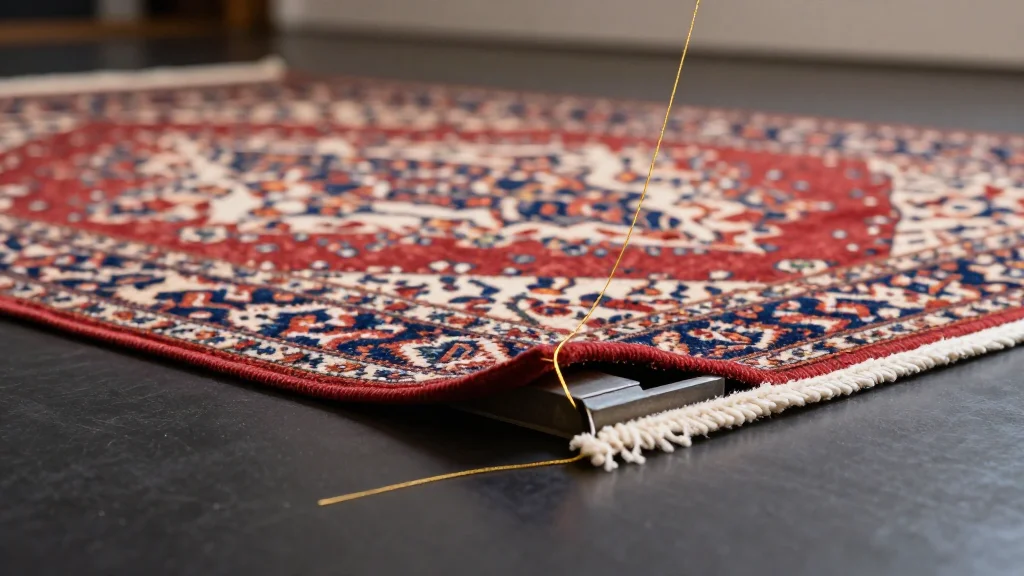
What Kind of Regime Will Emerge From the Iran War?
The ongoing war in Iran is reshaping Tehran’s political architecture far beyond a simple cease‑fire outcome. Structural damage to the Revolutionary Guard, the economy, and civil institutions means a return to the pre‑war status quo is unlikely. Analysts expect a...
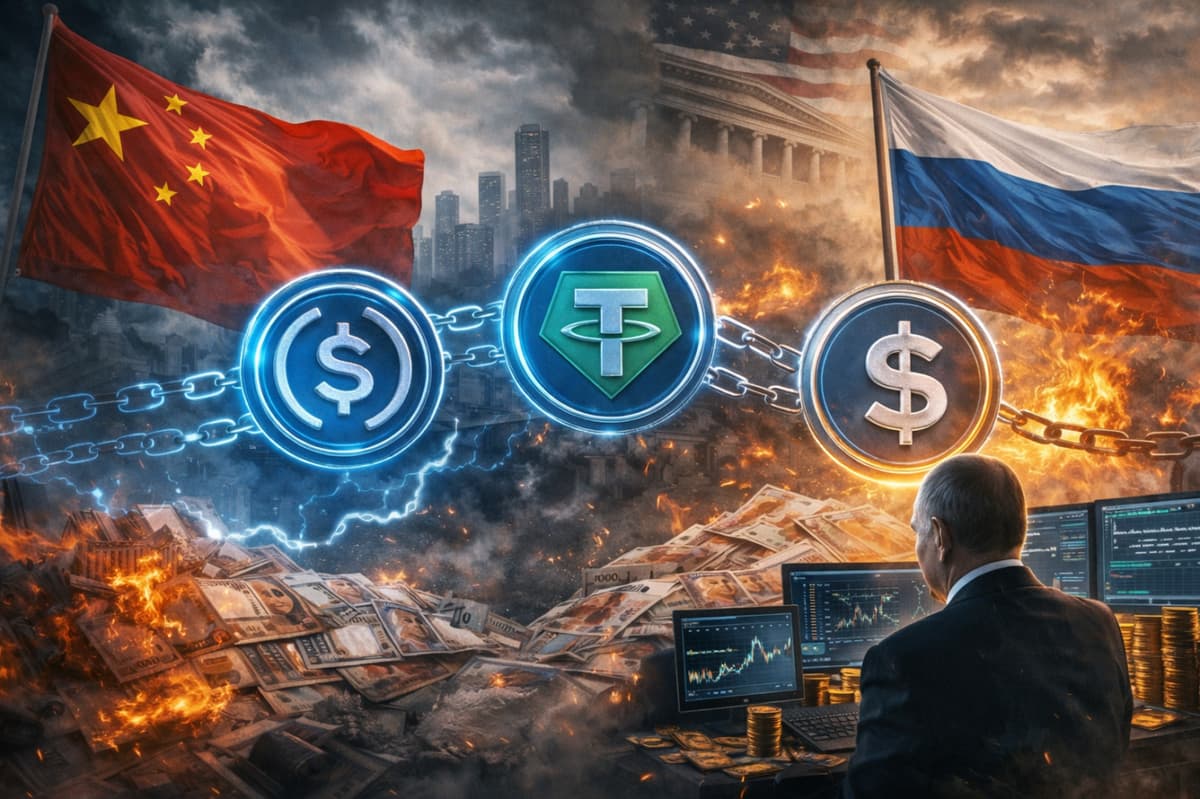
How China’s Fear of Secondary Sanctions Pushed Moscow Into Leveraging Stablecoins to Reshape Financial Warfare
Russia’s central bank plans to launch a digital ruble in September 2026, but private stablecoins have already become the primary tool for evading Western sanctions. The A7A5 stablecoin, launched in January 2025 and pegged to the ruble, has processed over...
What Will China-Gulf Relations Look Like After the War?
After the recent Middle East conflict, China has intensified its diplomatic outreach to the Gulf, unveiling a China‑Pakistan five‑point peace plan, vetoing Bahrain’s UN resolution on Hormuz, and presenting a new four‑point strategy during the Abu Dhabi crown prince’s visit...
British International Investment Targets £9 Billion of New Capital for Africa
British International Investment (BII) unveiled a five‑year strategy to mobilise roughly £9 billion ($11.5 billion) of new capital for Africa, with the UK development finance institution committing about £5 billion ($6.3 billion) itself. The plan emphasizes channeling private sector funds, targeting at least 25 %...
China’s Rare Earth Squeeze: Trump Wins, EU Loses
Chinese rare‑earth exports plunged nearly half in Q1, dropping to 8,643 tonnes—the lowest level since mid‑2025. The United States saw its imports jump 81% to 2,767 tonnes, a gain attributed to the Trump‑Xi agreement, while the European Union’s imports held...
Asia Daily: April 30, 2026
The upcoming Trump‑Xi summit is set to place Taiwan at the top of the agenda, testing whether Washington will adjust its long‑standing policy in exchange for Chinese economic concessions. In Washington, lawmakers have declared China the United States' primary rival...
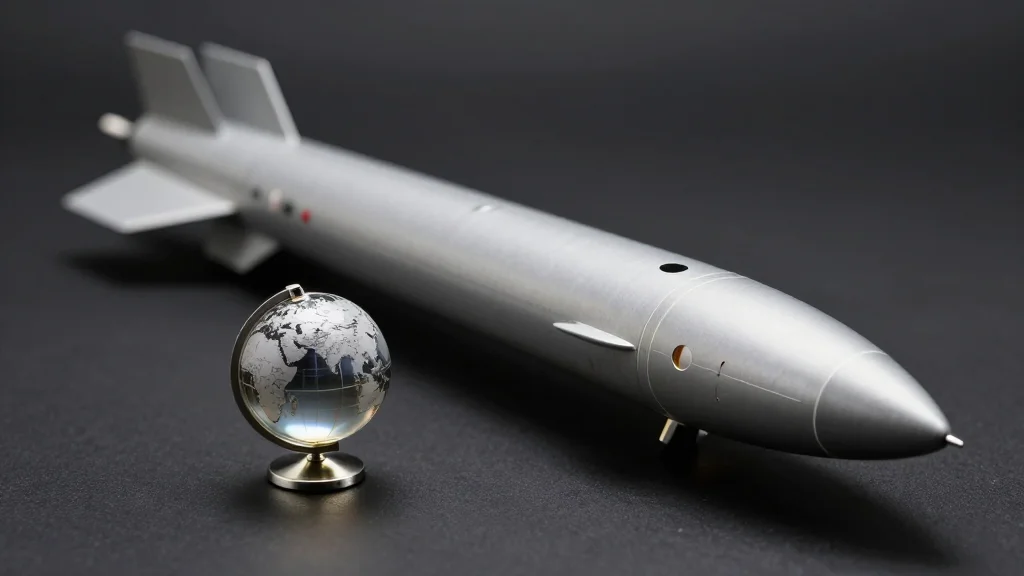
Japan’s Evolving Security Posture
Japan announced it will lift long‑standing restrictions on arms exports, permitting lethal weapons systems to be sold to a broader set of overseas partners. The policy change is framed as a response to an increasingly challenging security environment in East...