
Healthcare Raises the Bar on Medical Device Security, But Vulnerabilities Remain
Healthcare providers are embedding cybersecurity criteria into medical‑device procurement, with 84% now requiring security clauses in RFPs. Yet attacks rose, as RunSafe Security’s 2026 Index shows 24% of organizations faced device‑related cyber incidents, 80% of which disrupted patient care. Legacy equipment, network segmentation challenges, and emerging AI‑driven threats remain the primary vulnerabilities. The industry must complement stricter buying standards with controls for existing devices and AI‑specific security frameworks.

Veradigm CEO Sees Improving Traction in Revenue-Cycle Cross-Selling
Veradigm Inc. filed its delayed 2023 and 2024 annual reports, moving closer to SEC compliance after a years‑long audit remediation. Revenue for 2024 slipped to $594 million, roughly flat with 2022, while cumulative net losses from 2022‑2024 topped $320 million. The company...

Researchers Seek to Develop Predictive Model for Behavioral Health
Providence’s Health Research Accelerator, backed by an ARPA‑H grant, is launching a two‑year effort to collect real‑world data for a predictive AI model that flags impending behavioral‑health crises. The initiative will recruit up to 25,000 patients who will share wearable,...

VAMOS Collaborative: An Open Source Platform for Trustworthy AI
Peter Embi and his Vanderbilt team have launched VAMOS, an open‑source platform that monitors AI algorithms in real time across health systems. The Vigilant AI Monitoring Operations System tracks accuracy, drift, fairness and can automatically pause models that breach safety...

Health Systems Can’t Ignore Legacy Cybersecurity Risks
Healthcare providers are confronting a hidden cyber risk: legacy applications that remain in production long after they are obsolete. The Change Healthcare breach, which leveraged an old Citrix portal lacking MFA, illustrates how such systems can generate losses estimated at...

California Data Exchange Stakeholders Identify Gaps in QHIO Program
California’s Data Exchange Framework (DxF) is confronting implementation hurdles as stakeholders flag gaps in the Qualified Health Information Organization (QHIO) program. Feedback from an April 16 advisory meeting highlighted technical integration difficulties, reliance on attestations rather than proven capabilities, and voluntary...

Medicare Advantage’s 2027 Turning Point
CMS released its 2027 Medicare Advantage final rule, confirming a 2.48% rate increase that exceeds the agency’s original near‑flat proposal but falls short of many plan’s cost expectations. The rule also delivers a comprehensive Stars redesign, tightening quality metrics, adding...

States Looking to Project ECHO to Meet Rural Health Transformation Goals
States are weaving Project ECHO’s telementoring model into the $50 billion Rural Health Transformation Program (RHTP) to boost specialty access in underserved areas. Oregon has earmarked the network for 12 RHTP projects across chronic disease, substance use, women’s health, gerontology and technology...

Rural Healthcare Needs Information That Moves, Not Just More Money
The Rural Health Transformation Program (RHTP) gives states unprecedented flexibility to design rural health initiatives, allowing them to target investments based on local demographics and needs. While 14 states have earmarked data sharing and interoperability as top priorities, the program...

Hospital Device Security Cannot End at Visibility
Modern hospitals now run hundreds of thousands of connected medical, IoT and OT devices, making device visibility a top priority. A recent Asimily survey found 43 % of North American CISOs cite complete visibility as their biggest challenge, yet visibility alone...

Northwestern Medicine's Journey in Scaling Up the Collaborative Care Model
Northwestern Medicine has scaled its Collaborative Care Model to all 70 primary‑care clinics, reaching roughly 500 physicians. The effort began with mandatory depression screening a decade ago and grew through a partnership with the Department of Psychiatry and West Health’s...

Why Clinician-Led AI Strategies Are Gaining Momentum in Healthcare
Presbyterian Healthcare Services has placed a practicing nurse practitioner, Lori Walker, as its chief medical information officer to lead its AI transformation, emphasizing a clinician‑led strategy. Walker’s frontline experience lets her evaluate AI tools against real workflow constraints, fostering trust...
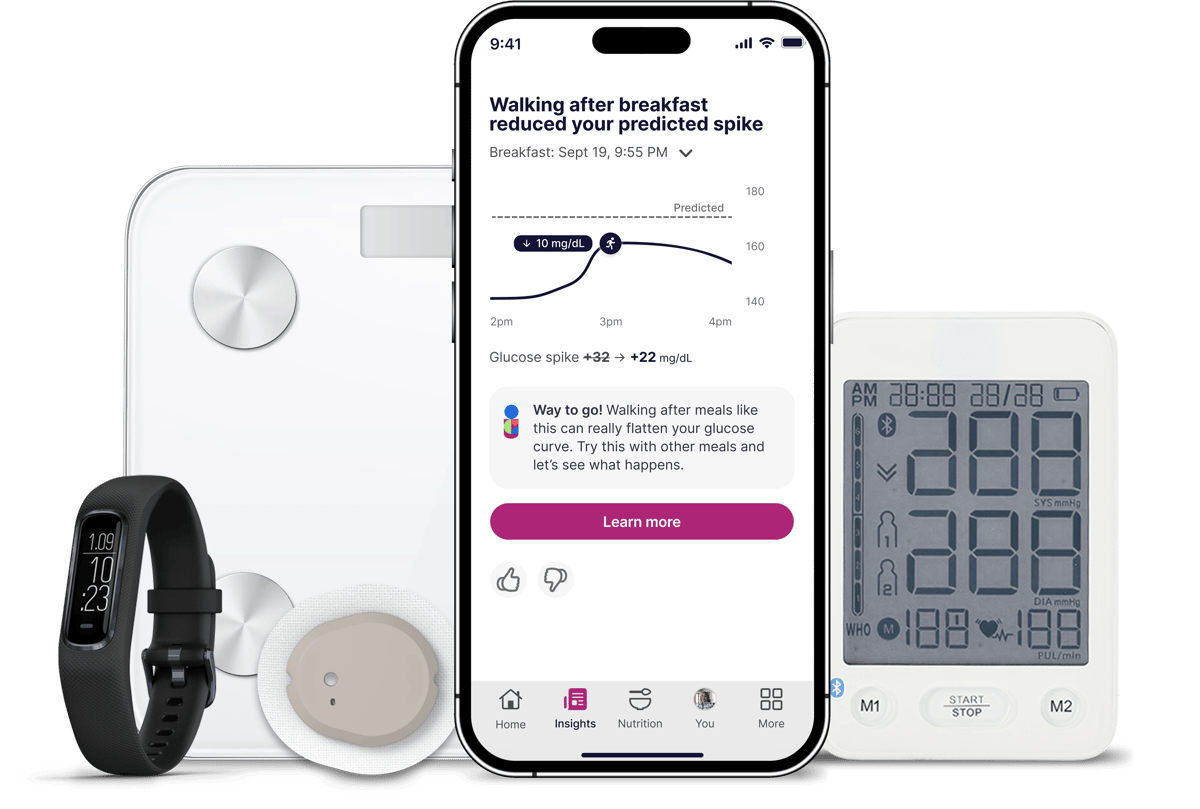
Using ‘Digital Twins’ to Address Chronic Metabolic Conditions
Twin Health, a California startup, uses AI‑driven digital twins built from wearables, glucose monitors and quarterly labs to personalize metabolic guidance for pre‑diabetes, type 2 diabetes and obesity. In a Cleveland Clinic‑run randomized trial, 71% of participants using the twin achieved...

LRVHealth’s Keith Figlioli on the Evolving Landscape of AI Procurement
Keith Figlioli, managing partner at LRVHealth, outlined a three‑layer framework for AI procurement in healthcare—core enterprise platforms, foundation‑model platforms, and specialized use‑case solutions. He emphasized the growing influence of hyperscalers like Microsoft and Google, which are embedding AI tools such...
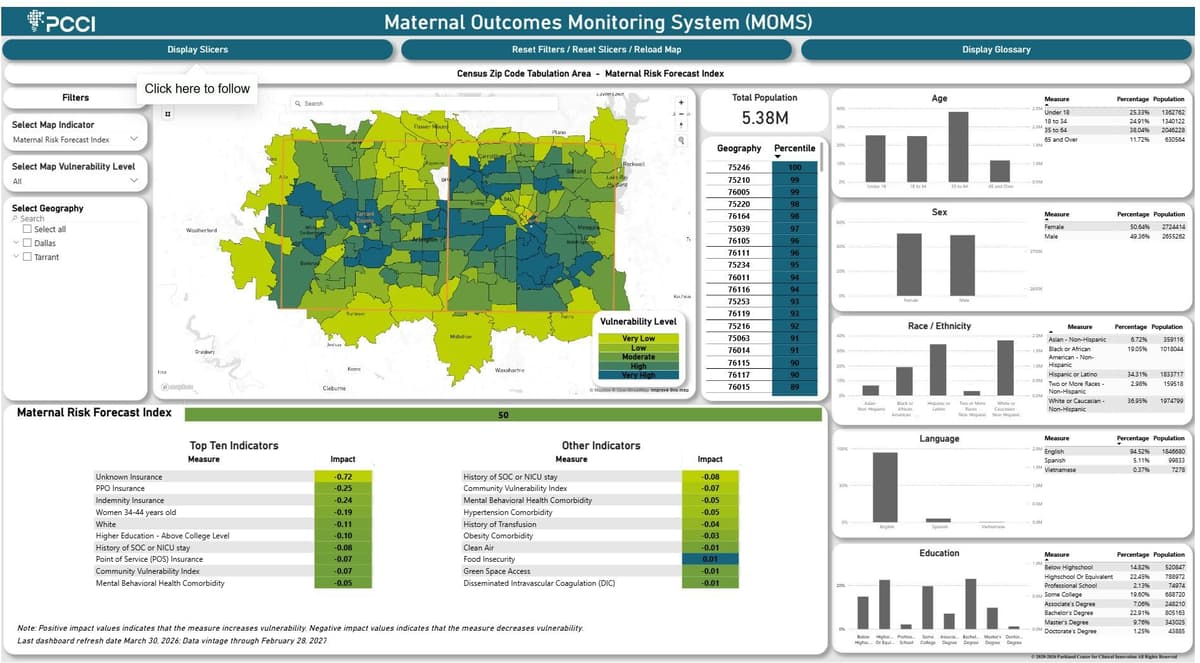
Early Warning Dashboard Targets North Texas Maternal Health Crisis
Dallas‑based Parkland Center for Clinical Innovation launched the Maternal Outcomes Monitoring System (MOMS) dashboard, a predictive tool that forecasts severe obstetric complications and NICU admissions up to 12 months ahead at ZIP‑code and census‑tract granularity. By merging clinical data from...