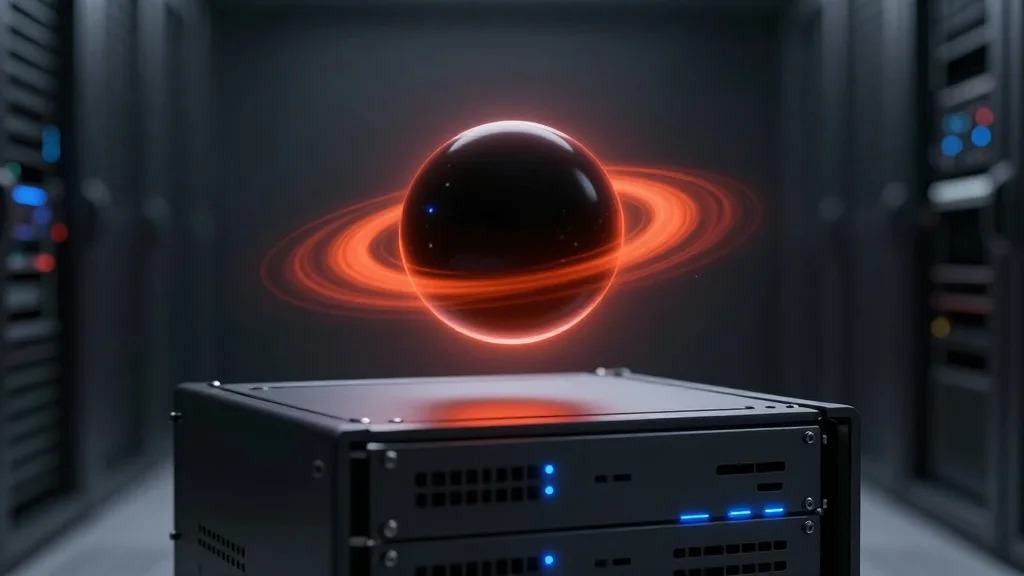
NASA’s Webb Reveals Black Hole That Formed Before Its Galaxy
Using the James Webb Space Telescope, astronomers directly measured a supermassive black hole in the early universe, estimating its mass at roughly 50 million solar masses. The black hole, observed in the lensed object Abell2744‑QSO1 (a "Little Red Dot"), accounts for at least two‑thirds of the galaxy’s total mass and resides in a pristine, metal‑poor environment. Integral‑field spectroscopy revealed Keplerian gas motion, providing the first direct mass determination within the first billion years after the Big Bang. Simulations run on TACC’s Stampede3 and Lonestar6 supercomputers underpinned the analysis, confirming a paradigm‑shifting formation scenario.
PNNL Researchers Showcase AI Leadership at AI+ Expo
PNNL scientists highlighted DOE’s Genesis Mission at the AI+ Expo in Washington, D.C., a three‑day event that drew about 20,000 participants, 400 speakers and 175 exhibitors. The lab’s chief AI scientist, Court Corley, presented the Transformational AI Models (ModCon) effort,...
Infleqtion Expands UK Quantum Operations with New Oxford Innovation Centre and Manufacturing Hub
Infleqtion announced a major expansion of its UK quantum footprint with a new Quantum Innovation Centre in Oxford, tripling its research, production and systems‑integration space. The hub will recruit top physicists, engineers and software talent to accelerate on‑shore manufacturing of...
EuroHPC Debuts EuroQCS-Spain, Advancing Hybrid Quantum-HPC Access in Europe
The EuroHPC Joint Undertaking inaugurated EuroQCS‑Spain, an analogue quantum annealer hosted at Barcelona Supercomputing Center and linked to the MareNostrum 5 supercomputer. The first‑generation system provides 10 physical qubits and will soon be calibrated for user access. The €8.5 million project is...
Tensormesh Raises $20M, Launches AI Inference Platform Built on KV Caching
Tensormesh announced a $20 million Series A extension, bringing its total capital to $24.5 million, and launched Tensormesh Inference, a SaaS platform that leverages key‑value (KV) caching to eliminate redundant GPU computation. The technology promises up to a tenfold reduction in latency and...
Supermicro and Verda Deliver Sustainable, Full-Stack AI Cloud Infrastructure for Next-Gen AI Workloads
Supermicro announced that European AI cloud provider Verda has chosen its NVIDIA Blackwell‑based, rack‑scale systems to build a full‑stack AI cloud across Europe, the U.S., and Asia. The deployment includes NVIDIA GB300 NVL72, HGX B300, HGX B200, and RTX PRO 6000 servers,...
Pasqal Moves Toward Nasdaq Listing Through Bleichroeder SPAC Deal
Pasqal Holding SAS announced a Form F‑4 filing to merge with Bleichroeder Acquisition Corp. II, a Nasdaq‑listed SPAC. The transaction values Pasqal at roughly $2 billion pre‑money and would deliver about $500 million in gross proceeds once closed. Pasqal, a leader in neutral‑atom quantum...
Q.ANT and IONOS Bring Photonic AI Acceleration to Commercial Cloud Infrastructure
Q.ANT and IONOS announced a partnership to deliver Q.ANT’s photonic Native Processing Server (NPS) through IONOS’s commercial cloud platform, marking the first production‑grade deployment of photonic AI acceleration for enterprise customers. The second‑generation Native Processing Unit (NPU) offers up to...
Exabase Achieves Highest Reported Score on Leading AI Memory Benchmark Using a Smaller, Cheaper Model
Exabase announced that its M-1 memory engine achieved a 96.4% accuracy score on the LongMemEval benchmark, the highest reported to date. The result was obtained using Gemini 3 Flash, a model that costs four to six times less and runs...
Argonne and University of Illinois Chicago Launch New AI-Driven Research Collaborations
DOE’s Argonne National Laboratory and the University of Illinois Chicago have launched three AI‑driven research collaborations funded through the Convergence Intelligence Seed Funding Program. Each team receives $225,000 per year for two years to develop high‑performance computing tools for brain...
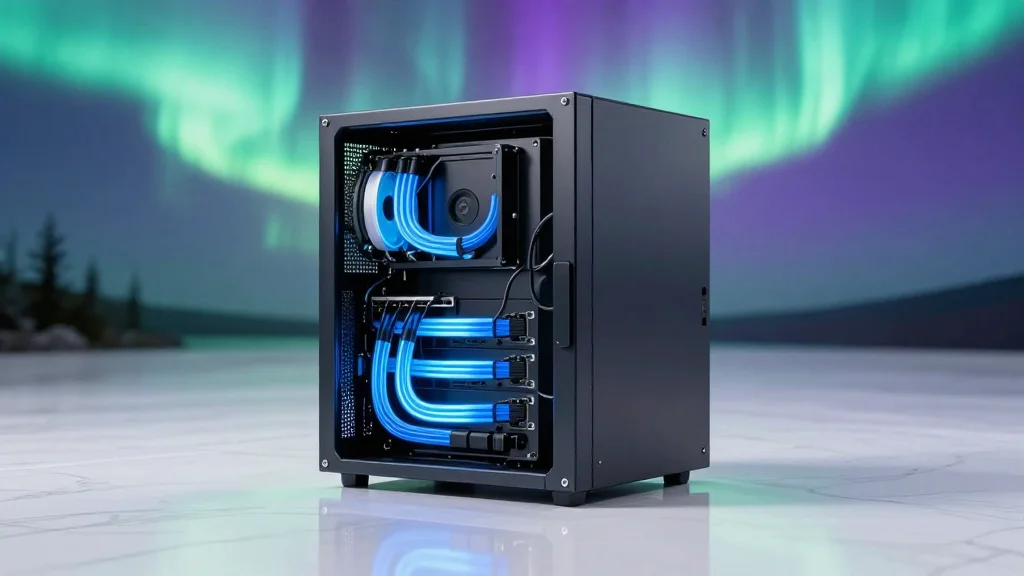
Bull Delivers Roihu, Finland’s New National Supercomputer
Bull has delivered Roihu, Finland’s new national supercomputer, to CSC’s Kajaani data centre. The liquid‑cooled BullSequana system triples the country’s supercomputing capacity and offers more than ten times the GPU performance of the previous platform. Roihu will serve universities and...
Forschungszentrum Jülich Helps Power ELLIS NRW Push for Open AI and Foundation Models
Forschungszentrum Jülich (FZJ) has joined the newly created ELLIS NRW unit, a European AI research network focused on open‑source foundation models. The partnership leverages Jülich’s JUPITER supercomputer and the JAIF platform to train large‑scale models and manage extensive datasets. The...
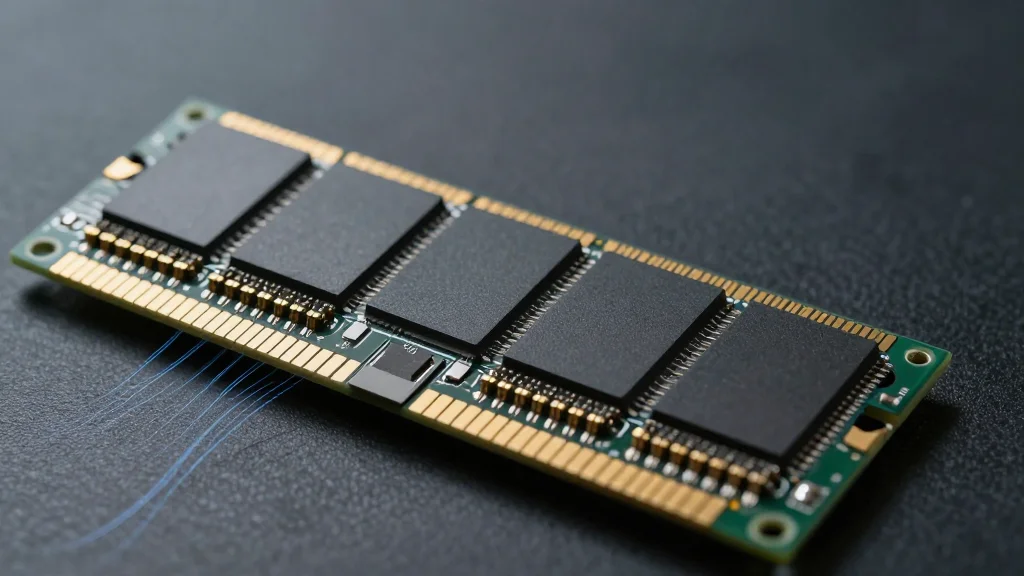
Can a Sparse-AI Hardware Architecture for Data Centers Work?
Weight‑pruning and activation sparsity can compress neural networks up to 50× and reduce compute by 2‑10×, creating a theoretical two‑order‑of‑magnitude MAC reduction. The Sparse Computing Core Technology (SCCT) architecture leverages a multibus design with private SRAM per lane, offering three...
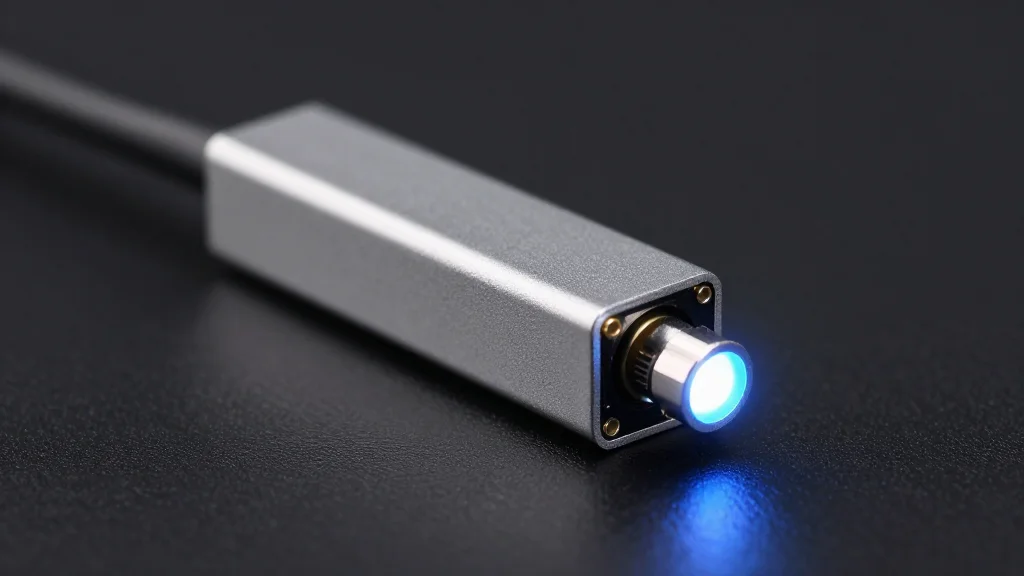
Keysight Enables End-to-End Electrical-Optical-Electrical Simulation for Data Center and Ethernet Design
Keysight Technologies launched an Electrical‑Optical‑Electrical (EOE) simulation capability in its ADS 2026 software, allowing engineers to model the complete signal chain—from electrical transmitter through photonic components to electrical receiver—in a single environment. The feature addresses the growing need for 800 Gbps...
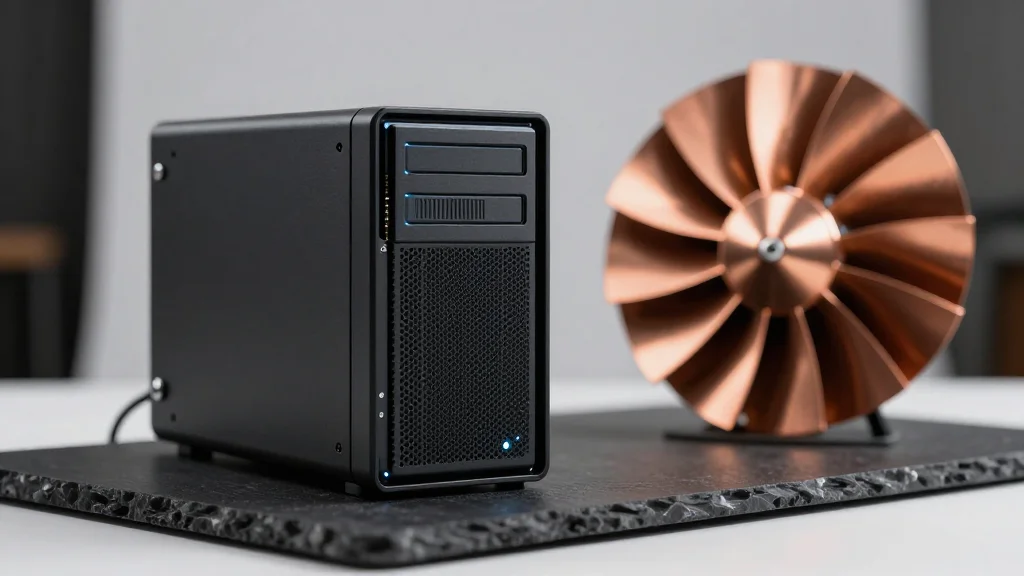
Bull, Orange, Scaleway and Partners Unite on French AI Gigafactory Bid
A coalition of French and European tech leaders—including Bull, Orange, Scaleway, EDF, Capgemini, Artefact and Ardian—has formed the AION consortium to submit a bid for the EU’s AI Gigafactory program. The group aims to build a sovereign, high‑performance AI infrastructure...