
Purdue’s Anvil Streamlines AI Research with Ready-to-Use HPC Data Repositories
Purdue’s Anvil supercomputer has added a curated collection of nine AI datasets—covering computer vision, robotics, and PhysicalAI—to its on‑premise data repositories. The datasets are pre‑downloaded and stored in high‑performance formats such as SquashFS and LMDB, eliminating transfer bottlenecks for researchers. Anvil now hosts more than 215 TB of data across multiple scientific domains, backed by a $10 million NSF grant and NAIRR pilot status. The upgrade lets users launch AI and machine‑learning workloads instantly, accelerating discovery cycles.
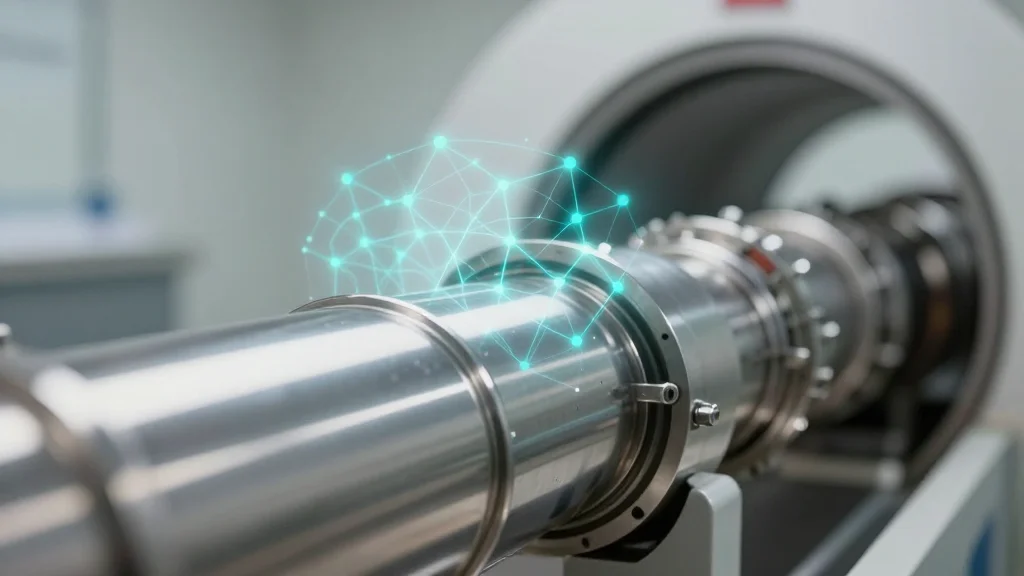
Brookhaven’s Electron-Ion Collider Embeds AI Across Accelerator and Detector Systems
Brookhaven National Laboratory’s upcoming Electron‑Ion Collider (EIC) will be the world’s first particle collider designed with artificial intelligence woven into both its accelerator and detector systems. The 2.4‑mile ring and the ePIC 3‑D camera detector are being optimized using AI‑driven...
Pasqal and Aramco Launch QCaaS Platform for Saudi Quantum Computer
Aramco and French quantum‑computing firm Pasqal have inaugurated Saudi Arabia’s first quantum computer, a neutral‑atom processor with 200 qubits housed in Aramco’s Dhahran data center. The launch also introduces the Middle East’s first commercial Quantum Computing as a Service (QCaaS)...
BSC Releases New Tool to Simplify Machine Learning and Big Data Analytics on Distributed Platforms
The Barcelona Supercomputing Center (BSC) has launched dislib 1.0.0, a Distributed Computing Library that brings ready‑to‑use machine‑learning and neural‑network algorithms to clusters, clouds and supercomputers. Built on the PyCOMPSs programming model, dislib lets users write simple Python scripts with a scikit‑learn‑style...
Brown University Hosts DOE National Labs Day Focused on AI for Science Collaboration
Brown University hosted its second DOE National Labs Day, bringing together 18 scientists from five Department of Energy laboratories and more than 150 faculty, staff, and students to explore AI‑enabled scientific research. The daylong event showcased collaborations on AI for...
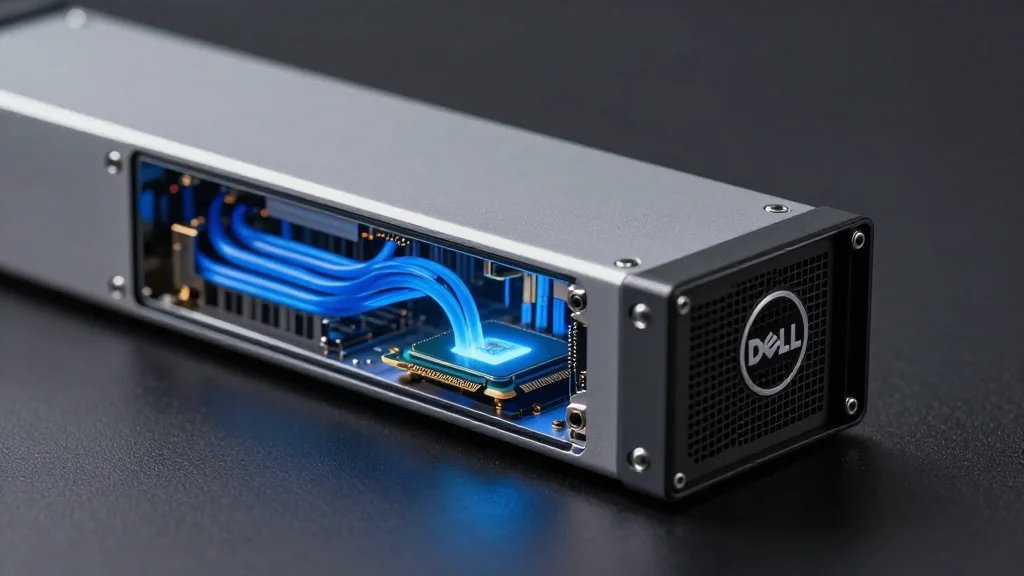
JetCool Expands SmartPlate System Portfolio with Closed-Loop Cooling for Next-Gen Compute
JetCool, a Flex company, launched its SmartPlate System for Dell PowerEdge R770 and R7725 servers, offering closed‑loop direct‑to‑chip liquid cooling. The solution promises an average 13% reduction in IT power consumption while increasing rack density without requiring water infrastructure or...
Fujitsu and Science Tokyo Launch Research Hub for Quantum Hardware Advancement and Talent Development
Fujitsu Limited and the Institute of Science Tokyo have inaugurated the Fujitsu Quantum and HPC Infrastructure Collaborative Research Cluster, a joint research hub that blends quantum hardware development with high‑performance computing. The cluster, operating from April 2026 to March 2027,...

G42 and Government of India Formalize Commercial Framework for Condor Galaxy India AI Supercomputer
G42 and the Government of India have signed a commercial framework to deploy Condor Galaxy India, an 8‑exaflop AI supercomputing cluster built from 64 Cerebras CS‑3 wafer‑scale systems. The partnership tasks G42, together with India’s Centre for Development of Advanced...
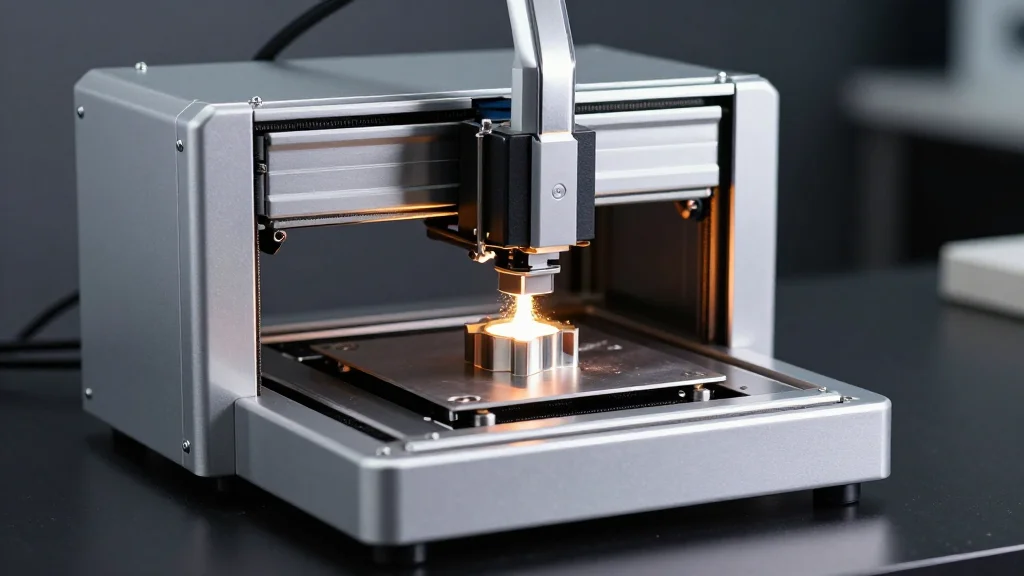
Autonomous Resource Corporation, ORNL Partner to Accelerate AI-Enabled Defense Manufacturing
Autonomous Resource Corporation (ARC) and Oak Ridge National Laboratory (ORNL) signed an MOU to launch the Exascale Foundry, a public‑private partnership that merges ORNL’s exascale supercomputing and advanced manufacturing assets with ARC’s AI‑driven, distributed production platform. The collaboration will install...
CoreWeave Sandboxes Launches to Accelerate Reinforcement Learning, Agent Tool Use, and Model Evaluation
CoreWeave announced CoreWeave Sandboxes, a secure execution layer for reinforcement learning, agent tool use, and model evaluation. The service runs on customers' CoreWeave Kubernetes Service clusters or as a serverless offering through Weights & Biases. It includes a Python SDK for...
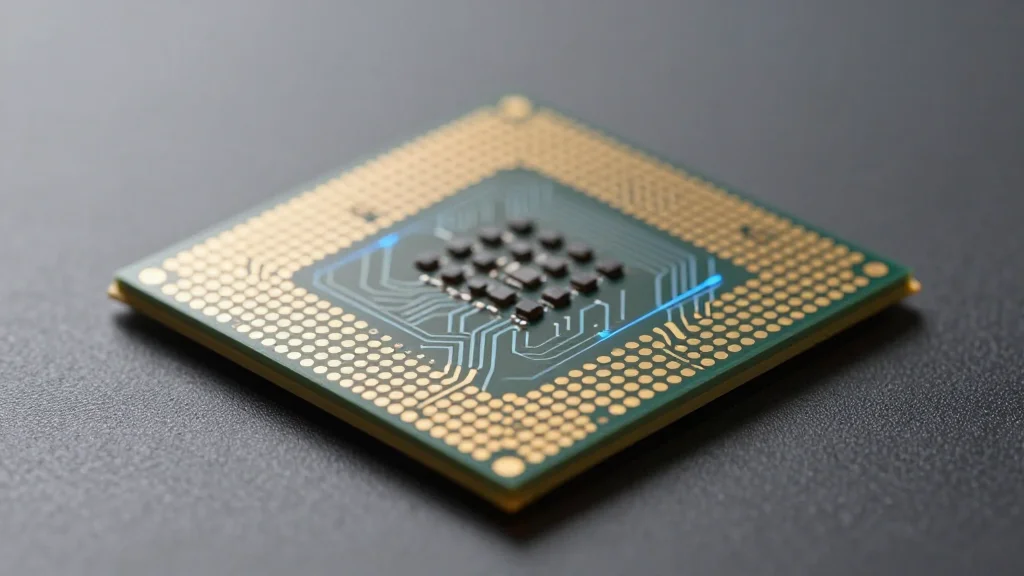
BrainChip Expands AI Ecosystem with Strategic Software Partners
BrainChip announced an expansion of its AI software ecosystem by partnering with MulticoreWare, P‑Product, and BeEmotion.ai to develop Akida‑ready machine‑learning models for its new AKD1500 neuromorphic processor. The collaborations aim to deliver edge‑optimized, low‑power AI solutions across CPUs, GPUs, DSPs,...
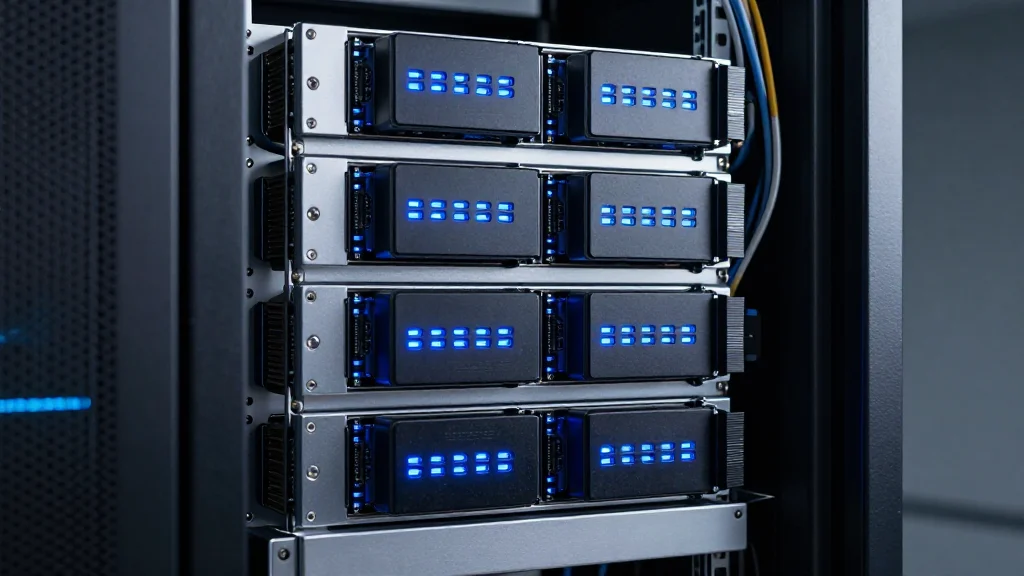
SDSC and CENIC Develop Shared AI Infrastructure Model for California Colleges
The San Diego Supercomputer Center (SDSC) and the California education network CENIC have launched CENIC AIR, a shared artificial‑intelligence infrastructure that now serves more than 20 campuses across the UC, CSU and community‑college systems. The platform aggregates 1,044 GPUs, 14,604...
IonQ Opens New Quantum Computing R&D Lab in Colorado
IonQ announced a 22,000‑square‑foot research facility in Boulder, Colorado, dedicated to quantum‑computing R&D and semiconductor ion‑trap chip testing. The lab, part of the Boulder 38 campus, will house the company’s next‑generation trapped‑ion systems and aims to install its first quantum computer...

HPE Preps Customers for AI Inference with Greenlake, Storage Updates
Hewlett Packard Enterprise announced a suite of upgrades to its GreenLake hybrid cloud platform aimed at accelerating AI inference workloads. The updates include a Kubernetes‑enabled Private Cloud runtime, expanded Alletra Storage MP X10000 capacity to 23 PB across 16 nodes, and...

Tokyo University of Science Develops ‘DeepAFM’ AI Method for Protein Motion Analysis
Tokyo University of Science researchers unveiled DeepAFM, a deep‑learning system that cleans high‑speed atomic force microscopy (HS‑AFM) images and identifies protein conformations. Trained on millions of synthetic HS‑AFM images of the SecA motor protein, the model reduces noise to ~0.1 nm...
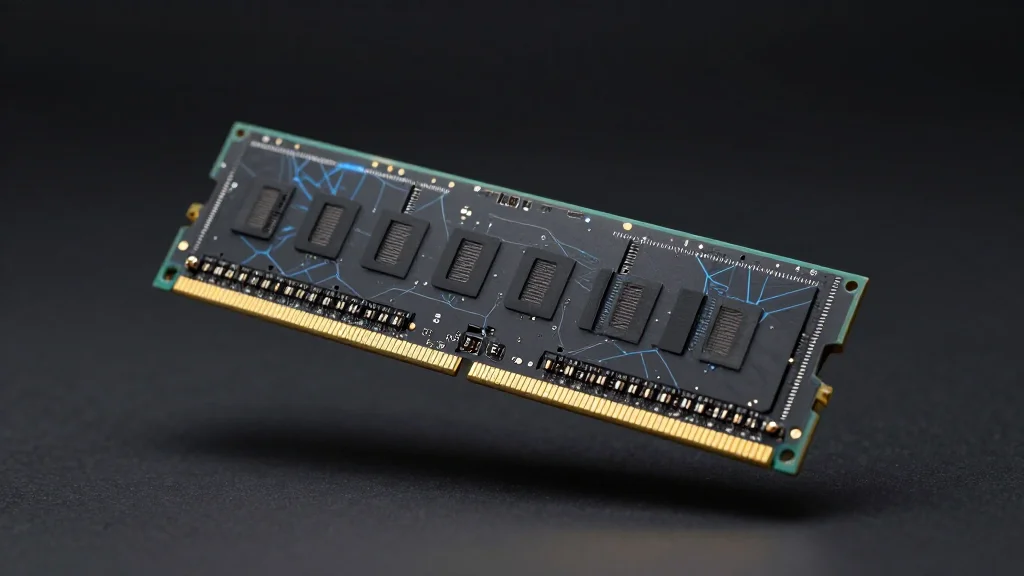
Micron Samples 256GB DDR5 RDIMM Built on 1-Gamma DRAM for AI Servers
Micron Technology announced sampling of a 256 GB DDR5 registered DIMM built on its 1‑gamma DRAM platform, capable of 9,200 MT/s—about 40% faster than current volume‑produced modules. The module uses 3D‑stacked dies connected by through‑silicon vias, delivering higher capacity and power efficiency,...
NCSA and CAPS Highlight HPC’s Role in Processing Next-Gen Astronomy Data
National Center for Supercomputing Applications (NCSA) and the Center for AstroPhysical Surveys (CAPS) are spearheading a computational revolution in astronomy by processing petabyte‑scale datasets from flagship surveys such as the Dark Energy Survey, Rubin Observatory’s LSST, and the new SkAI...
NASA’s Jet Propulsion Laboratory Advances Deep Space Mission Operations with Red Hat OpenShift Virtualization
NASA’s Jet Propulsion Laboratory has transitioned its mission‑critical IT environment to Red Hat OpenShift Virtualization. The move consolidates virtual machine workloads onto a unified hybrid‑cloud platform that offers automated VM provisioning, robust security and compliance tools. Red Hat’s built‑in SELinux,...
Applied Materials and TSMC Partner at the EPIC Center to Accelerate AI Scaling
Applied Materials announced a new innovation partnership with TSMC at its $5 billion EPIC Center in Silicon Valley to speed AI‑focused semiconductor development. The collaboration will co‑innovate on materials engineering, next‑generation equipment, and advanced process integration to improve power, performance, area,...
Honeywell Announces Quantinuum’s Filing of Registration Statement for Proposed IPO
Quantinuum, the quantum‑computing subsidiary of Honeywell, has filed a Form S‑1 registration statement with the SEC for a proposed initial public offering on the Nasdaq Global Select Market under the ticker QNT. The IPO’s share count and price range have...
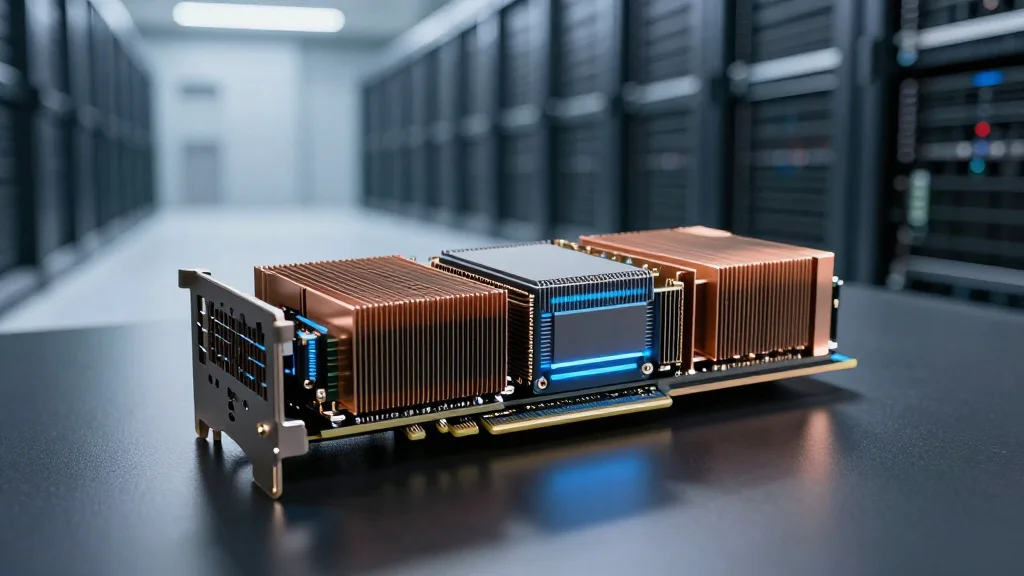
AMD Delivers Plug-In AI Power with PCI-Based GPU
AMD unveiled the Instinct MI350P, a PCIe Gen5 GPU that slots into existing servers and delivers up to 4,600 teraflops of MXFP4 AI performance. The accelerator packs 185 billion transistors, 144 GB of HBM3e memory, and 4 TB/s of bandwidth while staying within a...
DOE and NVIDIA Detail Genesis Mission Plans at SCSP AI+ Expo
U.S. Energy Secretary Chris Wright and NVIDIA’s Ian Buck announced the Genesis Mission at the SCSP AI+ Expo, a joint DOE‑NVIDIA effort to embed artificial intelligence into energy research. The partnership will deploy two AI supercomputers at Argonne National Laboratory—Equinox...
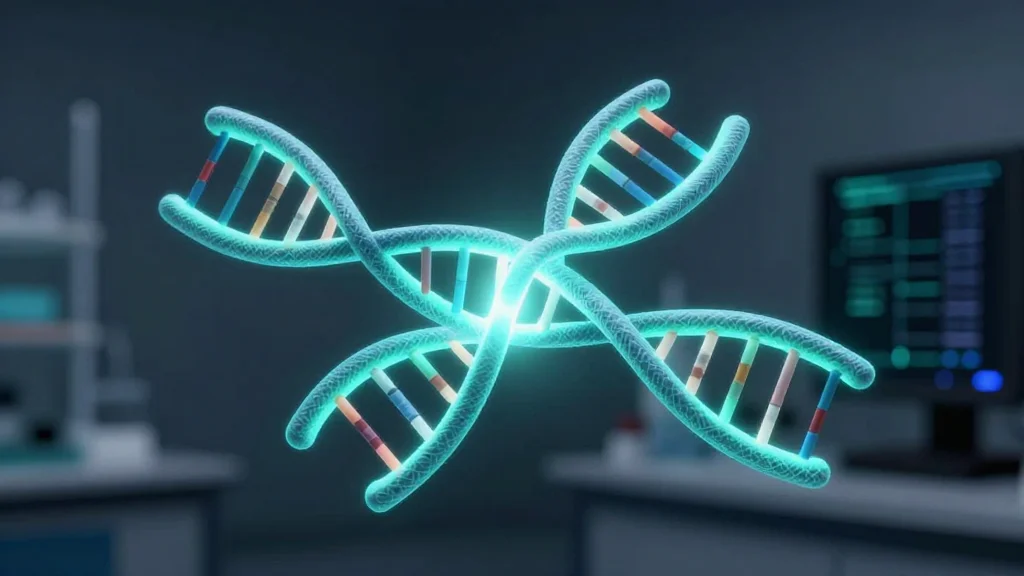
LANL: Scientists Map the Shape of RNA That Can Shut Down Genes
Los Alamos National Laboratory and an international team have mapped the three‑dimensional structure of the SINE B2 ribozyme, a self‑cleaving RNA that acts as a molecular switch in mammalian cells. By integrating X‑ray scattering, biochemical mutagenesis, and biophysical probing with simulations...
SimScale Opens Waitlist for Engineering AI Simulation Agents
SimScale has launched a public waitlist for its Engineering AI agents, autonomous tools that handle the full simulation workflow from CAD preparation to final reporting. The service, previously limited to strategic customers, now targets enterprises seeking to accelerate design validation....

Stanford Merges AI and Data Science Efforts Under Single Institute
Stanford is merging its Institute for Human‑Centered AI with the Data Science initiative into a single Stanford HAI, led by computer scientist James Landay. Co‑founder Fei‑Fei Li becomes a university‑wide AI special advisor and co‑chairs the advisory council with former...
Ohio Supercomputer Center Hosts NSF ACCESS Workshop on AI in Higher Education
The Ohio Supercomputer Center hosted the NSF ACCESS Regional Workshop on AI at Ohio State University on April 14‑15, 2026, drawing nearly 100 faculty, administrators, and students. Sponsored by NSF ACCESS and the National AI Research Resource, the two‑day event...

NVIDIA and IREN Partner on 5GW AI Infrastructure Deployment Initiative
NVIDIA and IREN Limited announced a strategic partnership to roll out up to 5 GW of NVIDIA DSX‑aligned AI infrastructure across IREN’s global data‑center pipeline. The deal includes a five‑year option for IREN to purchase up to 30 million NVIDIA shares at...
University of Nebraska Deploys NSF-Funded ‘PLUMAGE’ GPU Infrastructure for AI Research
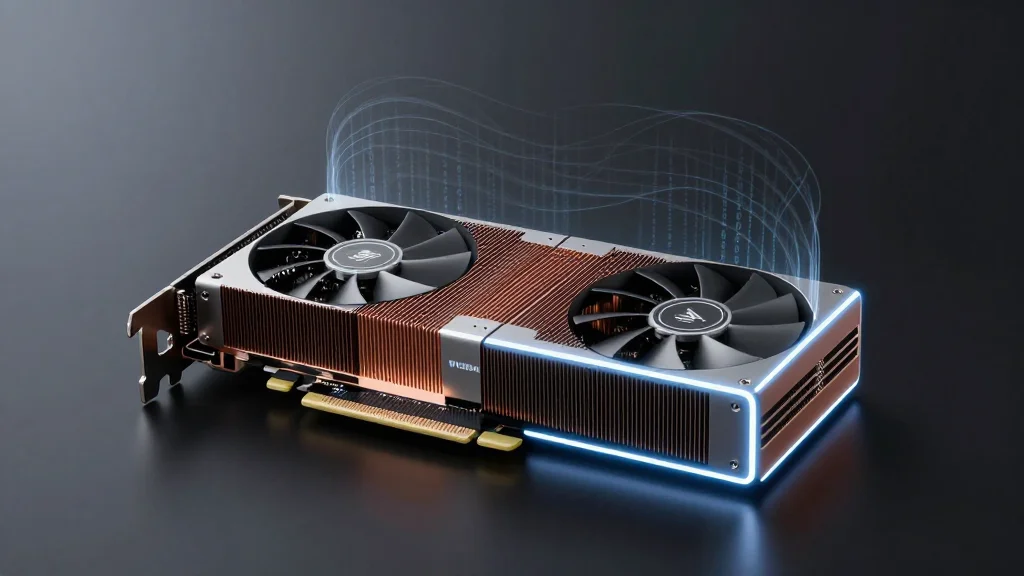
The University of Nebraska’s Holland Computing Center has launched PLUMAGE, a new GPU‑focused cyberinfrastructure funded by a $700,000 NSF grant. The system integrates six NVIDIA H200 and 52 L40S accelerators, accessible via the existing Swan cluster or the NSF‑backed National...
CERN: Smarter Decisions at the Speed of Collisions
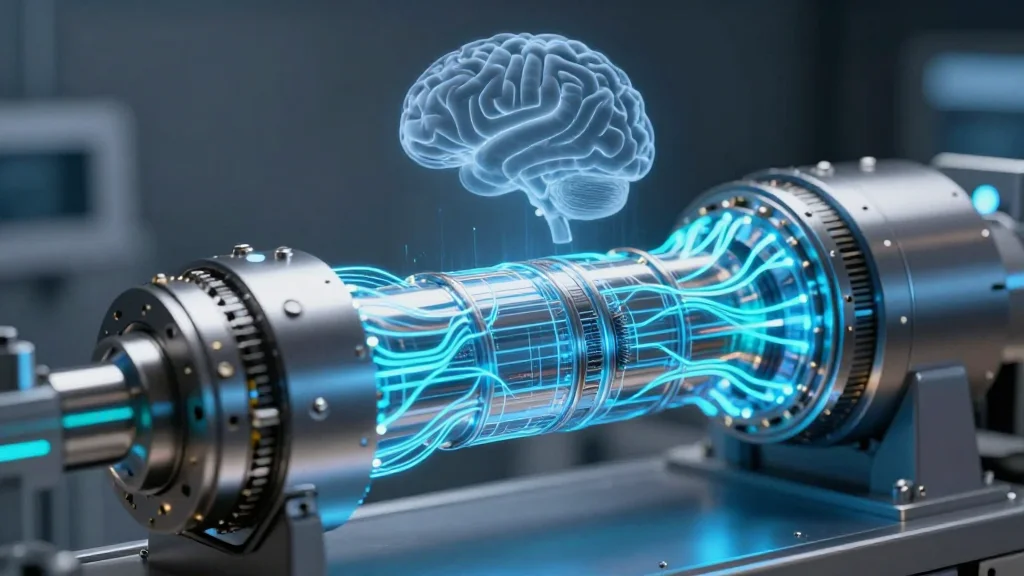
CERN’s ATLAS and CMS experiments are embedding machine‑learning models directly into their Level‑1 trigger hardware to cope with the High‑Luminosity LHC’s unprecedented data flow. By converting AI algorithms into FPGA firmware, the detectors can evaluate up to 40 million collisions per...
Bluefors Joins Chicago Quantum Exchange to Support Quantum Infrastructure and Workforce Development
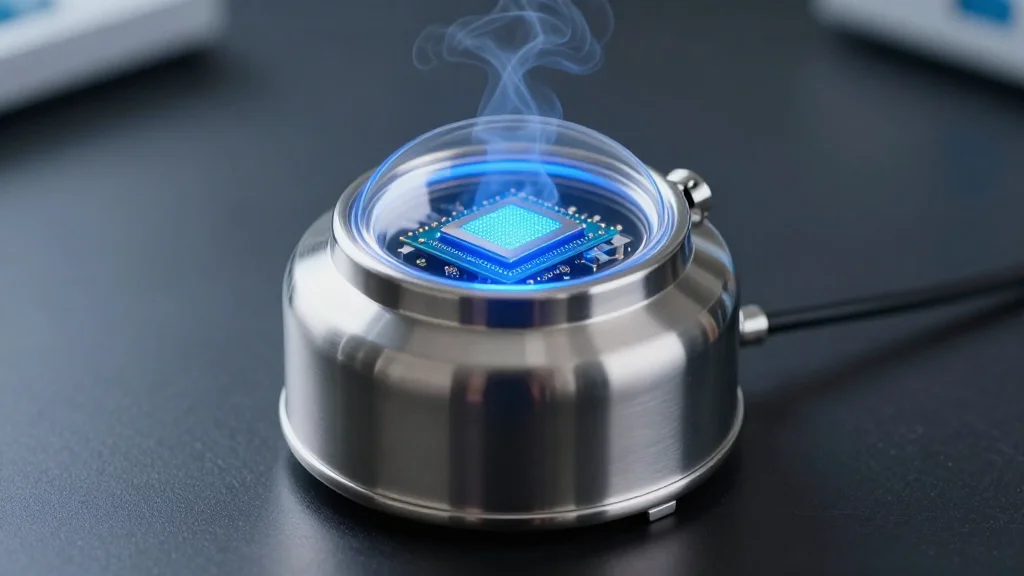
Bluefors, a Helsinki‑based leader in cryogenic cooling, has joined the Chicago Quantum Exchange (CQE) and opened a second U.S. lab in Chicago’s Hyde Park Labs. The new 580‑square‑foot facility, equipped with an LD400He measurement system, expands Bluefors’ hands‑on support for startups,...
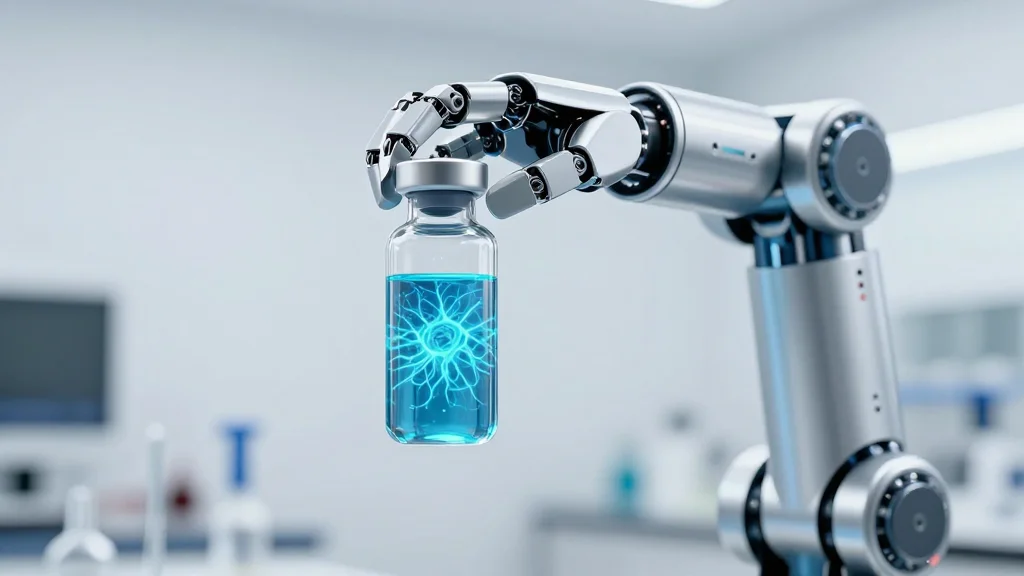
AI for Science and Autonomous Labs to Come Together at SciFM 26
The SciFM 26 conference, held May 27‑29 at the University of Chicago, will explore how foundational AI models can move from digital analysis to controlling physical laboratory workflows. Organizers highlight the Department of Energy’s $320 million investment in AI‑for‑science projects and...

TACC: Scientists Uncover New Information on How DNA Works in Maize
Researchers from Florida State University and North Carolina State University, aided by the Texas Advanced Computing Center, have identified two distinct sub‑compartments within maize euchromatin that differ in replication timing and spatial organization. The discovery relied on high‑throughput sequencing and...

Chinese-Led Researchers Release Largest-Ever Cosmological Simulation
Chinese researchers, leading an international team, unveiled HyperMillennium—the largest cosmological simulation ever created. The model spans a 12 billion‑light‑year cube and tracks 4.2 trillion dark‑matter particles over 10 billion years, delivering a detailed galaxy catalog. The effort consumed more than 100 million CPU core‑hours,...

SDSC: Using NSF ACCESS Supercomputers to Improve Tuberculosis Treatment Options
A University of Michigan research team, led by Denise Kirschner, used NSF ACCESS allocations on the Expanse and Anvil supercomputers to simulate 219 tuberculosis drug combinations. By pairing a small set of virtual experiments with a machine‑learning surrogate, they rapidly...
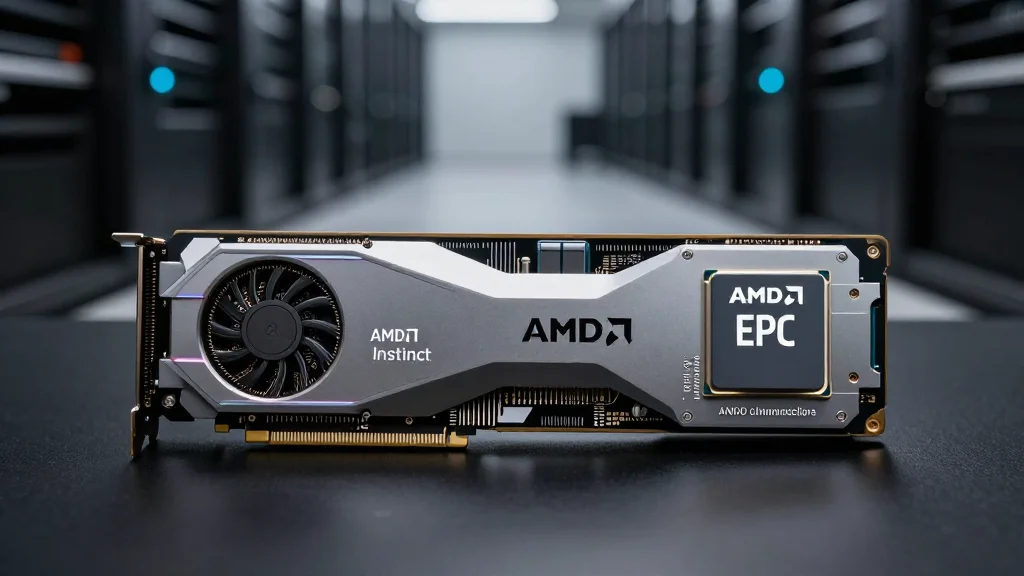
Rackspace and AMD Sign MOU to Establish New Category of Governed Enterprise AI Infrastructure
Rackspace Technology and AMD have signed a multiyear MOU to launch a governed Enterprise AI Cloud that combines AMD Instinct GPUs and EPYC CPUs with Rackspace’s managed operating model. The partnership aims to invert the current pay‑per‑hour GPU rental model...
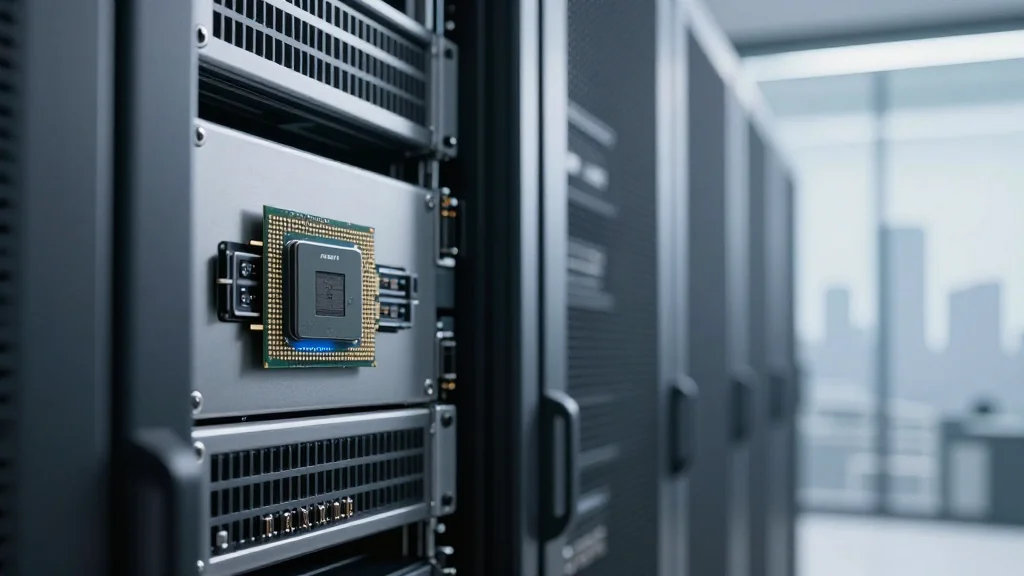
SiPearl and Semidynamics Partner to Develop EU-Sovereign Rack-Scale AI Compute Platform
European fabless CPU designer SiPearl and Barcelona‑based AI infrastructure firm Semidynamics announced a strategic partnership to create a rack‑scale AI compute platform built entirely with European‑sourced components. The system will pair SiPearl’s Arm‑based Rhea1 CPU with Semidynamics’ RISC‑V GPU/AI inference...
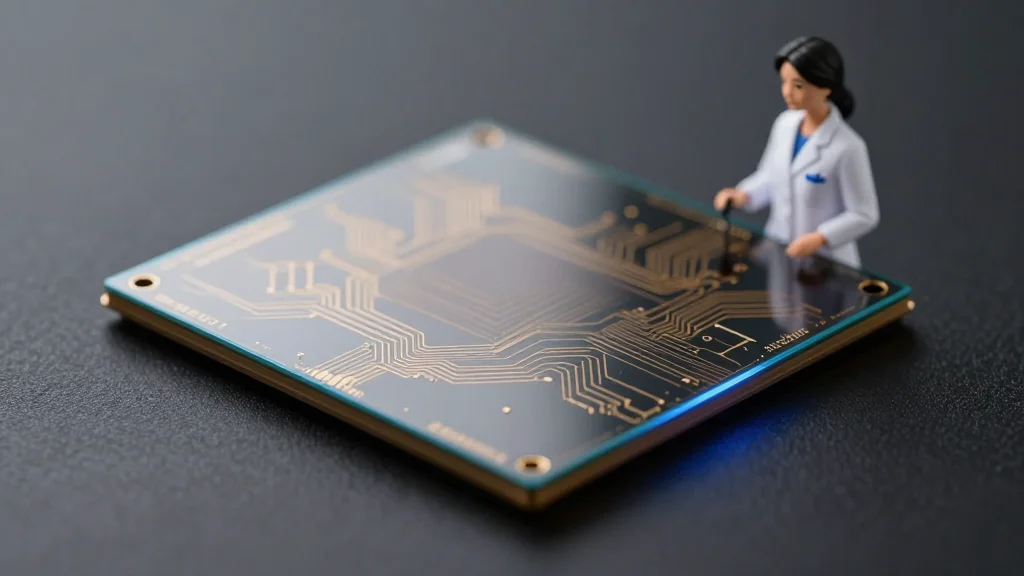
UC Names Katherine Yelick to Head Lawrence Berkeley National Laboratory
The University of California Board of Regents appointed Katherine Yelick, a distinguished computer‑science professor and former NERSC director, as the ninth director of Lawrence Berkeley National Laboratory effective July 1, 2026. Yelick brings deep expertise in artificial intelligence, high‑performance computing, and large‑scale scientific...
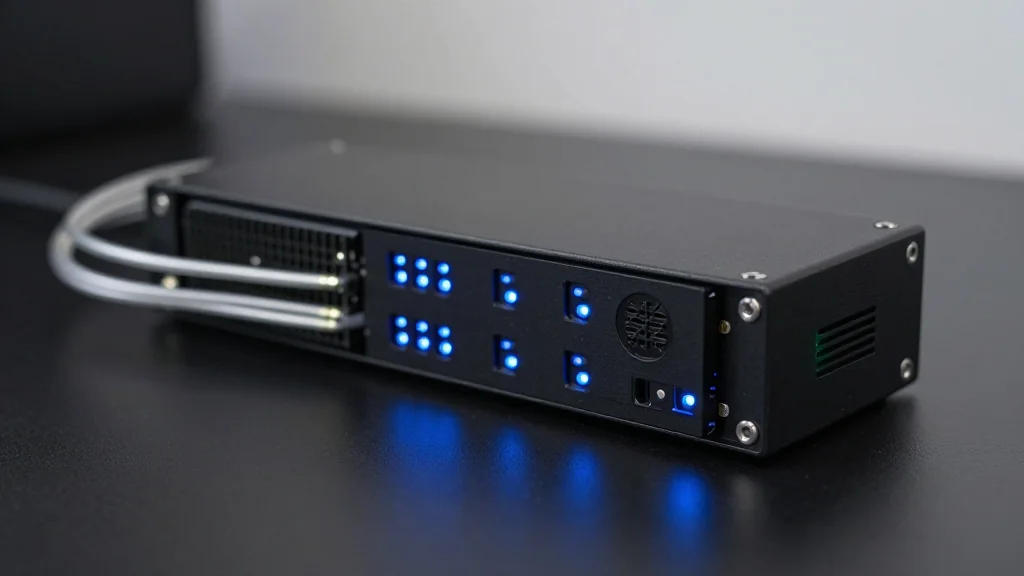
TotalEnergies Selects Dell and NVIDIA for Pangea 5 Supercomputer in France
TotalEnergies has contracted Dell Technologies and NVIDIA to build Pangea 5, a new high‑performance supercomputer in Pau, France. The system will increase the company’s computing power sixfold, backed by an investment of over €100 million (≈ $110 million). Pangea 5 promises a 40% reduction in...
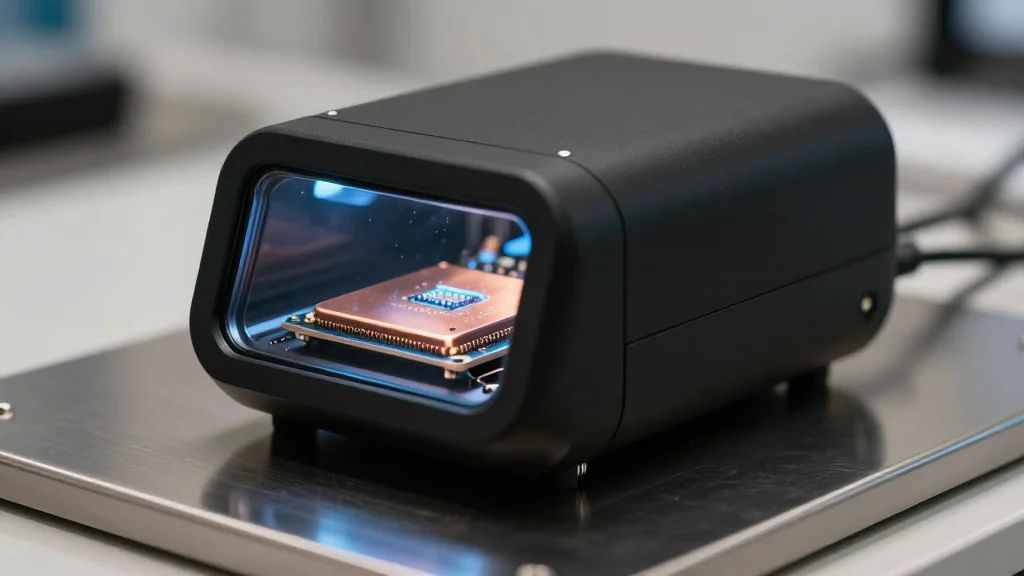
Q-CTRL Claims 3,000x Quantum Speedup for Materials Science Simulations on IBM Quantum Platform
Q-CTRL announced a 3,000‑fold speedup on a materials‑science simulation using the IBM Quantum Platform, completing a 120‑qubit electron‑interaction problem in two minutes versus over 100 hours on the best classical software. The result constitutes the first practical quantum advantage on...
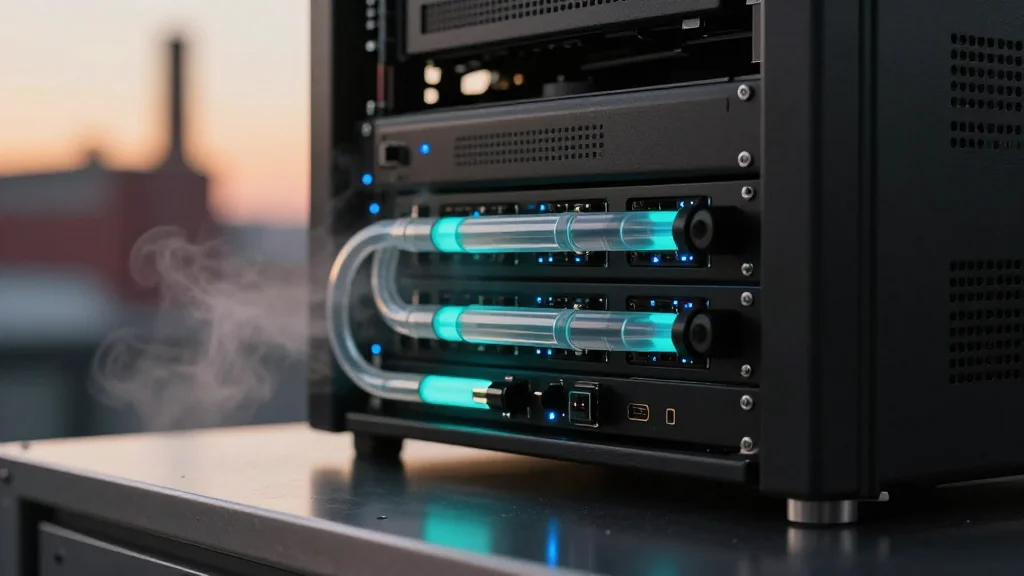
University of Southern Denmark, Danfoss and HPE Launch National AI Supercomputer ‘Bitten’
The University of Southern Denmark, together with Danfoss and HPE, has launched "Bitten," a national AI supercomputer that will serve all Danish universities via the UCloud research platform. The system features advanced liquid‑cooling and full heat‑recovery, feeding waste heat into...
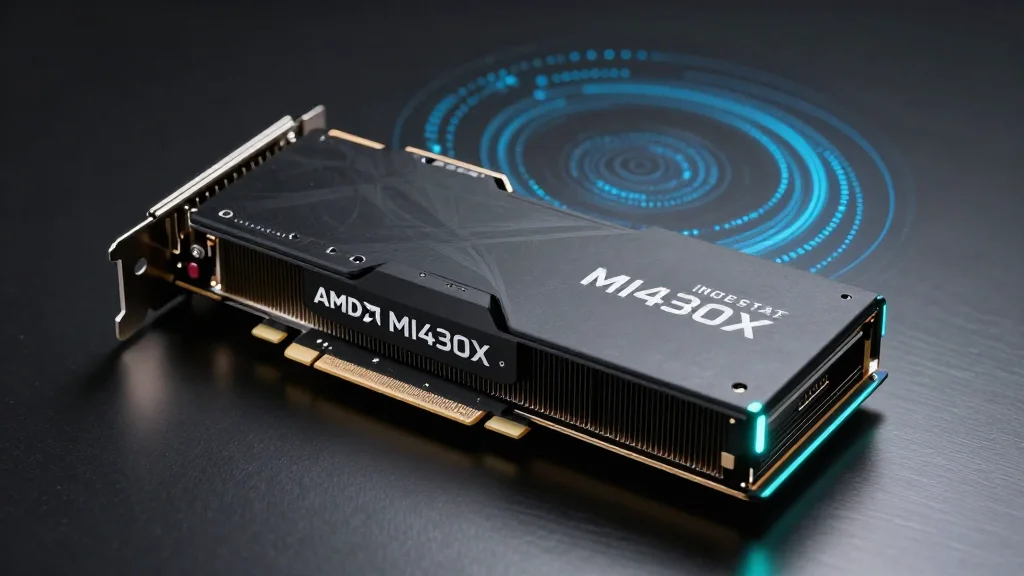
AMD Highlights Instinct MI430X GPU, Future HPC Systems at HPC User Forum
At the HPC User Forum in Austin, AMD unveiled its Instinct MI430X GPU, promising more than 200 teraflops of native FP64 performance—roughly six times the upcoming NVIDIA Rubin chip. The company highlighted the MI430X as a dual‑purpose accelerator for high‑precision...
INCITE Program Awards Supercomputing Time to 77 High-Impact Projects
The U.S. Department of Energy’s Office of Science has allocated 60% of its leadership‑class supercomputing capacity to 77 high‑impact research projects for 2026 through the INCITE program. The awards cover the exascale Frontier system at Oak Ridge, the Aurora AI‑focused...

Supermicro Announces 3rd Quarter Fiscal Year 2026 Financial Results
Supermicro reported third‑quarter FY2026 revenue of $10.2 billion, a sharp rise from $4.6 billion a year earlier but down from $12.7 billion in Q2. Gross margin expanded to 9.9% and net income jumped to $483 million, reflecting a turnaround in its datacenter‑building‑block business. The...
AMD Reports 1st Quarter 2026 Financial Results
AMD reported first‑quarter 2026 revenue of $10.3 billion, a 46 percent year‑over‑year increase, with GAAP net income of $1.4 billion and non‑GAAP earnings of $2.3 billion. The Data Center segment drove growth, posting $5.8 billion in revenue, up 57 percent, fueled by EPYC CPUs and Instinct...
D-Wave Announces Qubits Europe 2026 Quantum Computing User Conference
D‑Wave announced Qubits Europe 2026, a full‑day quantum computing user conference in London on June 18, 2026. The event will unveil the company’s dual‑platform roadmap covering annealing, gate‑model systems, hybrid software, quantum AI and blockchain. It arrives as Europe ramps...
IBM and RIKEN Hail Breakthrough in Quantum-Assisted Supercomputing
IBM and Japan’s RIKEN announced a quantum‑assisted simulation of a 12,635‑atom protein, the largest ever performed on a quantum system. The hybrid workflow combined IBM’s 156‑qubit Heron processor with classical supercomputers Fugaku and Miyabi‑G, running about 6,000 quantum sub‑simulations using...
HLRS Interview with Steve Conway: Strength Through Cooperation
Veteran HPC analyst Steve Conway discusses how Europe’s high‑performance computing ecosystem has evolved from a science‑focused resource to a driver of economic competitiveness. He credits the EuroHPC Joint Undertaking, PRACE’s tiered model, and HLRS‑led initiatives such as EuroCC and CASTIEL...

Ohio University Students Return to OSC for AI-Driven Digital Art Showcase
Ohio University’s Digital Art and Technology cohort returned to the Ohio Supercomputer Center (OSC) in the fall to create AI‑driven digital artworks using OSC’s high‑performance computing resources. Guided by faculty member Basil Masri Zada, each student accessed the Ascend cluster...
Inside the DOE’s Genesis Mission: Core Components
The Department of Energy launched the Genesis Mission seven months ago to accelerate AI‑driven scientific discovery. Core components include the American Science and Security Platform (ASSP) backed by $320 million for new supercomputers such as Discovery and Lux, the American Science...
PNNL Researchers to Speak About Genesis Mission at National Science Bowl
Pacific Northwest National Laboratory researchers Robert Rallo and Nathan Hodas will address the regional National Science Bowl winners in May, showcasing the Department of Energy’s Genesis Mission that leverages AI and advanced computing for energy innovation and national security. Their...