
Cisco Research: Industrial AI Moves Into Physical Operations, Readiness Gaps Determine Scale
Cisco released its 2026 State of Industrial AI Report, revealing that 61% of industrial firms now run AI in live operations and 20% have mature, scaled deployments. The study of over 1,000 OT leaders across 19 countries shows AI delivering measurable gains in automation, quality inspection, predictive maintenance, logistics and energy forecasting. However, readiness gaps in networking, cybersecurity and IT/OT collaboration are emerging as the primary constraints on further scaling. Organizations confident in expanding AI treat infrastructure, security and cross‑functional teamwork as foundational, not optional.

UALink Consortium Publishes 4 Specifications Defining In-Network Compute, Chiplets, Manageability and 200G Performance
The UALink Consortium ratified four new specifications, including UALink Common Specification 2.0 with In‑Network Compute, a 200 Gbps data‑link and physical‑layer spec, a Manageability spec, and a Chiplet spec. These updates enable tighter compute‑communication integration, higher bandwidth, centralized control and chiplet‑level...
Carnegie Mellon Launches New Effort To Advance AI-Driven Astronomy
Carnegie Mellon University launched the Keystone Astronomy & AI (KAAI) Visiting Fellows Program, funded by the Simons Foundation, to fuse artificial intelligence, statistics, and astrophysics. The initiative will host six month‑long postdoctoral fellows each year for three years, pairing them...

AWS and Siemens Energy Team Up to Advance Energy Sector Digital Transformation
Amazon Web Services has been named the strategic cloud provider for Siemens Energy, deepening a partnership that brings AWS AI, machine learning and IoT services into Siemens’ power‑generation and manufacturing operations. The collaboration will also explore joint solutions for powering...
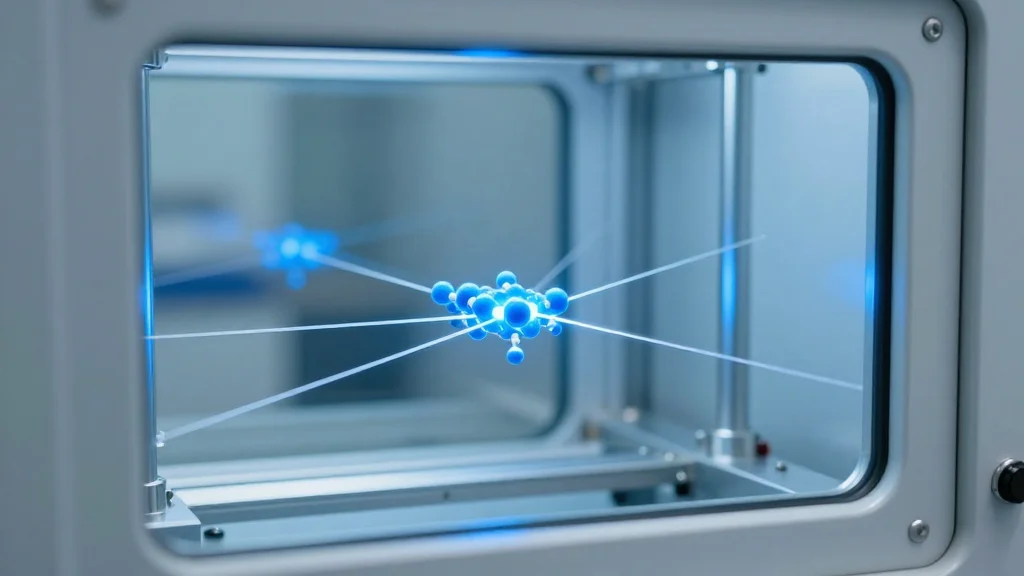
Google Expands Quantum Efforts to Include Neutral Atom Systems
Google Quantum AI announced a new neutral‑atom quantum computing program, expanding beyond its traditional superconducting qubit focus. The initiative, led by Adam Kaufman in Boulder, Colorado, will pursue quantum error correction, modeling and simulation, and experimental hardware development. It follows...
Jülich Takes AI, Energy, and Research Infrastructures to HANNOVER MESSE 2026
Forschungszentrum Jülich (FZJ) will headline Hannover Messe 2026 with its CUPITER AI demonstrator, showcasing applications powered by Europe’s first exascale supercomputer, JUPITER. The stand features three themed zones covering future computing, sustainable energy, and research infrastructures, and FZJ’s leadership will...
Cisco Joins COMPUTEX 2026 Keynote Lineup with Focus on Full-Stack AI
Cisco will make its inaugural appearance on the COMPUTEX 2026 keynote stage, with Senior Vice President Jeremy Foster presenting a "full‑stack approach to AI" on June 1. The four‑day event in Taipei, running June 2‑5, expects roughly 1,500 exhibitors across 6,000 booths...

Microsoft Plans $5.5B Investment in Singapore Cloud and AI Infrastructure Through 2029
Microsoft announced a $5.5 billion investment in Singapore’s cloud and AI infrastructure spanning 2025‑2029. The plan includes free Microsoft 365 Premium with Copilot for every tertiary student—over 200,000 users—and new Elevate programs that train educators and nonprofit leaders on responsible AI. Brad Smith...

GigaIO Sells SuperNODE and FabreX AI Fabric to D-Matrix
GigaIO announced the sale of its SuperNODE platform and patented FabreX PCIe Gen 5 AI fabric to low‑latency inference specialist d‑Matrix. The deal concludes a year‑long partnership that integrated d‑Matrix’s Corsair accelerators into SuperNODE, creating the industry’s most scalable inference node. Along...
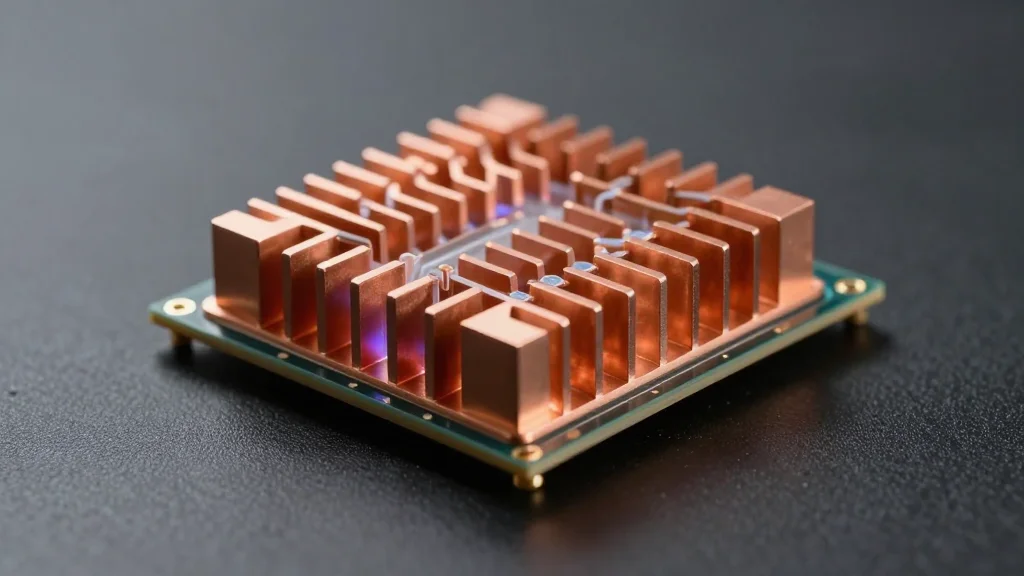
Cohu Announces $30M Follow-On Orders for High Performance Computing Test
Cohu announced two customers placed follow‑on orders worth $30 million for its Eclipse platform with active thermal control, targeting next‑generation high‑performance computing (HPC) processors. The deals include a PAICe Prescriptive software subscription valued at roughly $330 K in annual fees, aimed at...
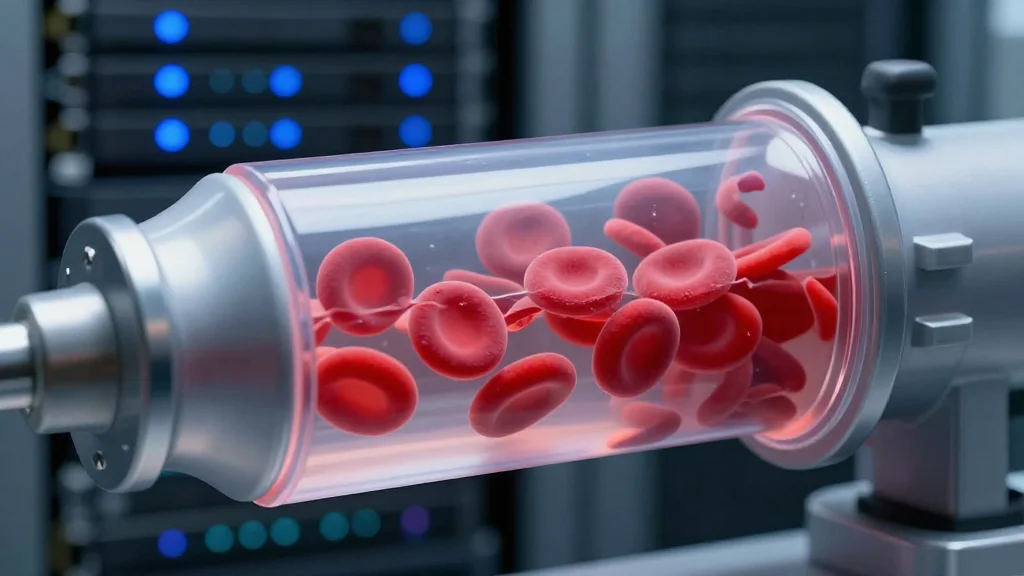
TACC: How Supercomputing Reveals Early Red Blood Cell Damage
Researchers at Penn State used the Texas Advanced Computing Center's Stampede3 supercomputer, funded by NSF ACCESS, to run high‑resolution simulations of red blood cell deformation in mechanical circulatory support devices. By adapting a droplet deformation equation within OpenFOAM, the team...
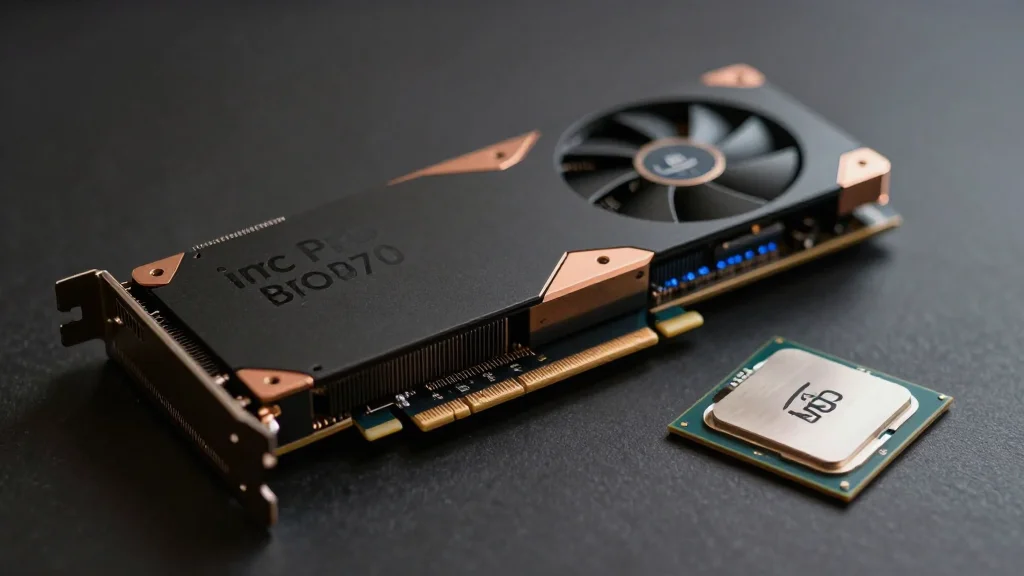
Intel Delivers Open, Scalable AI Performance in MLPerf Inference v6.0
Intel’s latest MLPerf Inference v6.0 results highlight its Xeon 6 CPUs paired with Arc Pro B70/B65 GPUs delivering open, scalable AI performance across workstations, data‑center, and edge workloads. A four‑GPU B70 configuration offers 128 GB of VRAM and can run 120‑billion‑parameter models, achieving...

LUMI AI Factory Launches Dataset-as-a-Service to Bring Data Closer to Compute
LUMI AI Factory has launched a Dataset-as-a-Service (DaaS) that places large AI‑ready datasets directly alongside the LUMI supercomputer’s compute resources. The service offers a searchable catalog that combines metadata, access rights, and data locations, allowing users to consume data without...
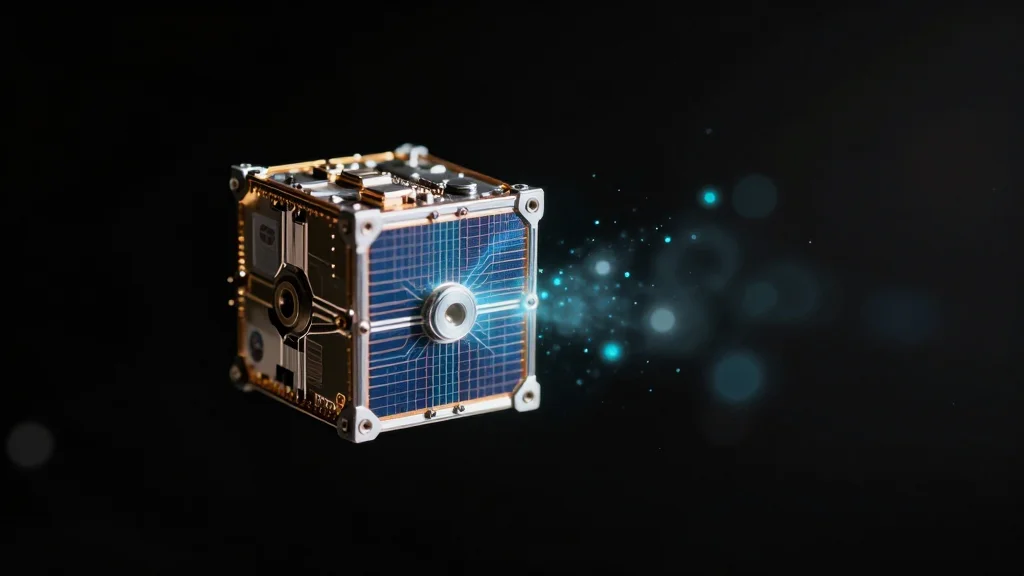
HLRS: Particle Scattering Model Could Improve Low-Orbit Spaceflight
Scientists at the University of Stuttgart’s ATLAS center used HLRS’s Hawk supercomputer to run 225,000 molecular‑dynamics simulations of oxygen atoms striking satellite materials in very low Earth orbit (VLEO). The data trained a machine‑learning scattering kernel that can predict particle‑surface...

ORNL to Feature Transformative Tech at ARPA-E Summit
Oak Ridge National Laboratory will present a slate of high‑impact energy technologies at the ARPA‑E Energy Innovation Summit in San Diego from April 7‑9, joining nearly 3,000 innovators, investors, and industry leaders. Researchers will showcase advances ranging from low‑cost sodium‑carbon...
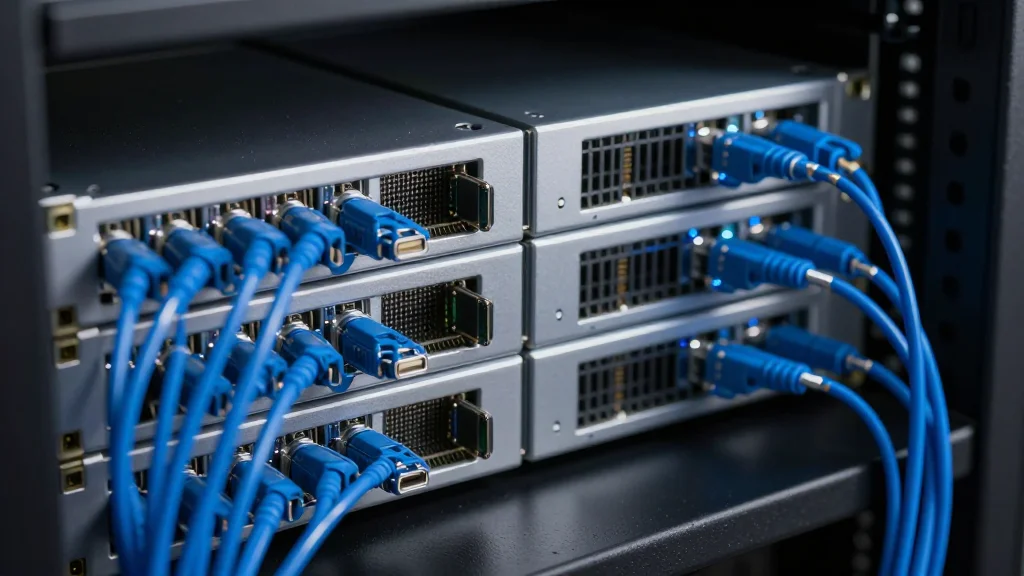
How ODISSEE Is Preparing Europe for Exabyte-Scale Scientific Computing
The EU‑funded ODISSEE project, launched in 2025 under Horizon Europe, aims to create data‑centric, exabyte‑scale computing solutions for CERN’s LHCb and the SKA Observatory. A diverse consortium—including CERN, SKAO, CNRS, SURF, EPFL, ETH Zurich, SiPearl, Energy Aware Solutions and NextSilicon—spent...

Atos Completes Sale of Bull Advanced Computing Unit to French State
Atos Group completed the sale of its Bull Advanced Computing unit to the French State for an enterprise value up to €404 million (approximately $435 million), after adjusting earn‑outs to €104 million. Bull’s High‑Performance Computing, Quantum, Business Computing and AI divisions generated roughly...
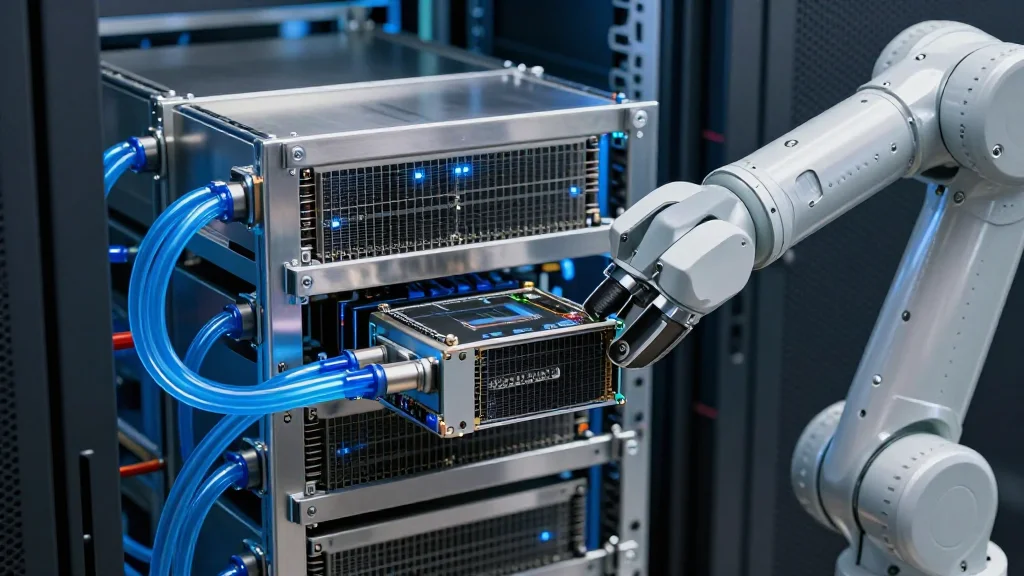
Vertiv Expands Ohio Manufacturing to Support AI Data Center Cooling Demand
Vertiv announced a roughly $50 million investment to expand its Ironton and Westerville, Ohio facilities, boosting manufacturing capacity for advanced liquid‑cooling and chilled‑water systems. The Ironton plant’s output is slated to increase about 45 % by Q2 2027, enabling faster response to AI‑driven,...

Spectra Logic and Geyser Data Expand Tape-as-a-Service with New London Archive Deployment
Spectra Logic and Geyser Data have launched a tape‑as‑a‑service archive in London, the first European site available through the Geyser Data portal. The deployment, hosted in a Digital Realty carrier‑neutral facility, adds geographic choice alongside the existing Los Angeles location...

Argonne Advances AI-Enabled Rare Earth Separation with Aclara Partnership
Argonne National Laboratory and Aclara Resources have signed a Cooperative Research and Development Agreement to create an AI‑enabled digital twin for heavy rare earth separation. The partnership will feed data from Aclara’s pilot plant into Argonne’s advanced computing platform, aiming...
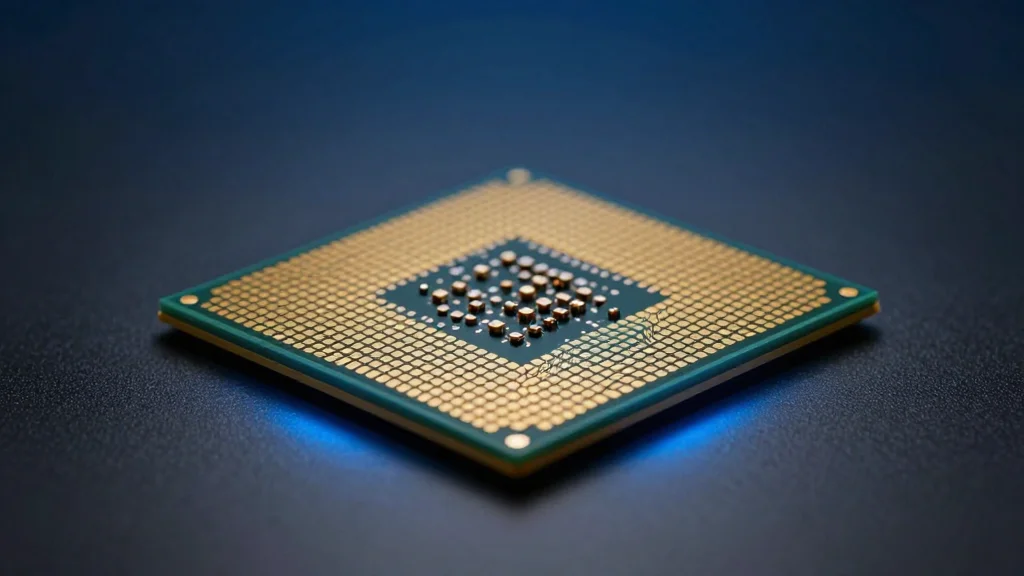
Google Quantum AI Opens Willow Early Access Program for Research Proposals
Google Quantum AI has launched the Willow Early Access Program, inviting researchers to submit proposals for experiments on its cutting‑edge Willow quantum processor. The program’s submission deadline is May 15, 2026, with selection notifications by July 1, 2026. Accepted teams will gain...
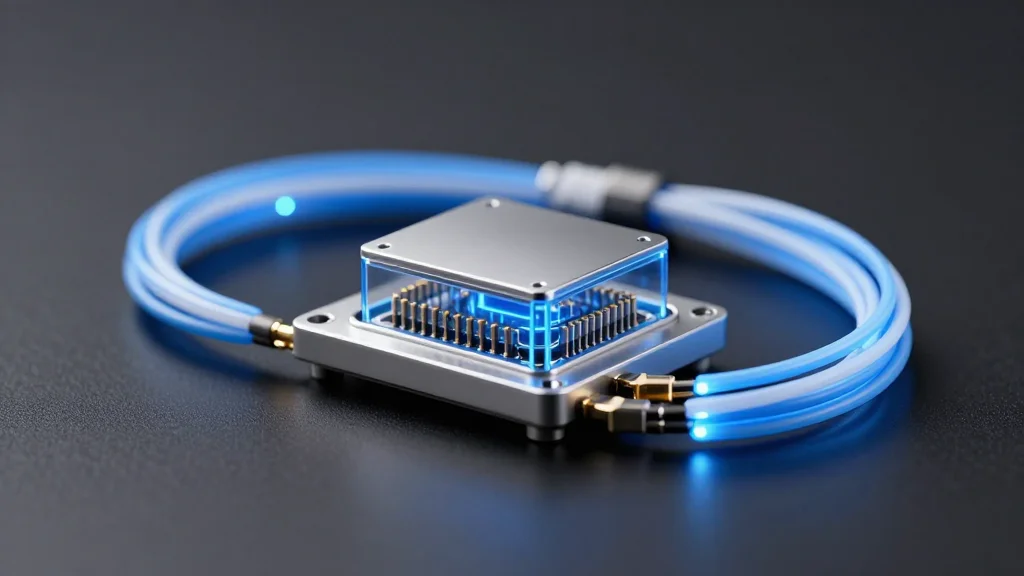
QCi Quantum Optimization Machine Placed on Quantum Corridor Network
Quantum Computing Inc. has installed its Dirac-3 quantum optimization machine at the Digital Crossroad Data Center in Hammond, Indiana, making it the first commercial data‑center deployment of the system. The machine connects to Quantum Corridor’s inter‑state fiber network via a...

Microsoft Announces Opening of New Datacenter Region in Denmark
Microsoft opened the Denmark East datacenter region, with sites in Høje Taastrup, Køge and Roskilde, delivering low‑latency, secure cloud services and a strong sustainability focus. Over the next four years Microsoft and its partners will invest roughly $4.5 billion, creating up...
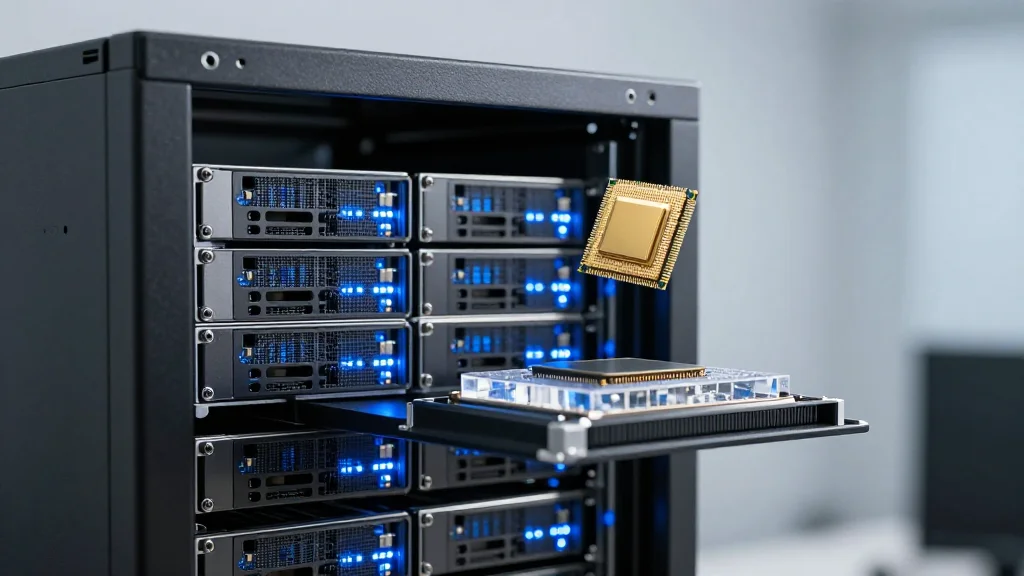
HLRS Future Computing Group Holds 1st Annual Workshop
The High‑Performance Computing Center Stuttgart (HLRS) hosted its inaugural Future Computing Workshop on March 16‑17, 2026, bringing together more than 65 hardware vendors, researchers, and HPC center operators. Attendees examined emerging paradigms such as quantum, neuromorphic and specialized accelerators, alongside...
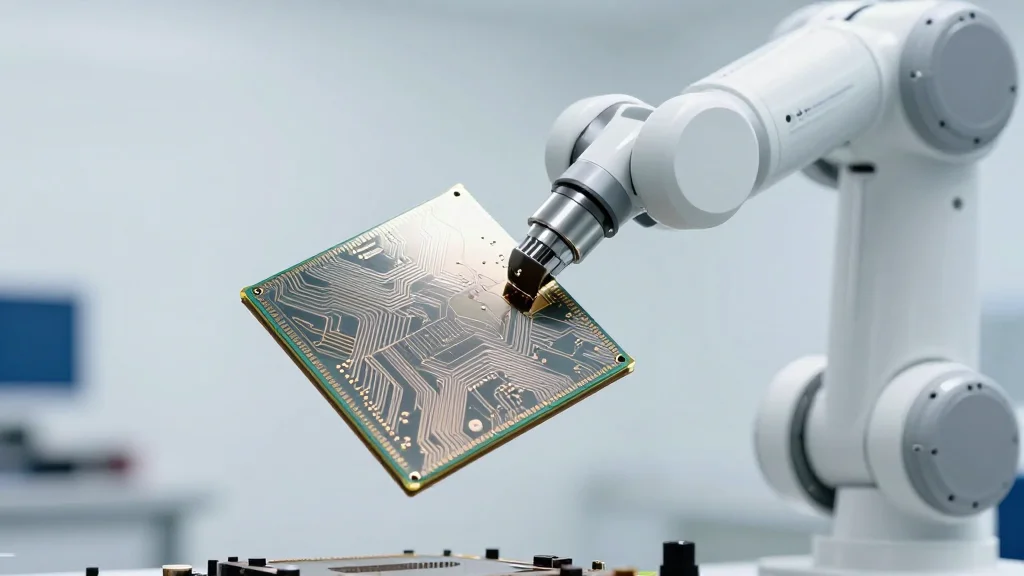
SEMI Europe Applauds European Commission’s Implementation Dialogue on Chips Act 2.0
SEMI Europe participated in the European Commission’s Implementation Dialogue on the Chips Act, supporting the upcoming revision known as Chips Act 2.0. The association highlighted its Chips Act Report, which contains 30 recommendations covering regulatory simplification, faster permitting, targeted investment,...

Xanadu Becomes 1st Pure-Play Photonic Quantum Computing Company to Go Public
Xanadu Quantum Technologies went public on Nasdaq and the Toronto Stock Exchange, raising $302 million in gross IPO proceeds. The listing also unlocks up to $288 million in Canadian federal and provincial funding and an additional $17 million from the Canadian Quantum Champions...

ACCESS Powers Princeton Simulations of Surfactant Flows in Ocean Bubble Films
Princeton researchers used the ACCESS‑enabled ACES supercomputer to simulate surfactant‑driven flows in ultra‑thin ocean bubble films, revealing that inertia can create shock‑like fronts similar to compressible‑gas dynamics. Their mathematical model identified universal similarity solutions that govern film thinning, speed, and...

Data-Driven AI Framework Speeds Discovery of Metals Built for Extreme Conditions
Researchers from Virginia Tech and Johns Hopkins have created a new multiple principal element alloy (MPEA) with superior mechanical properties using a data‑driven framework that combines explainable AI, evolutionary algorithms, and supercomputing. The approach leverages SHAP analysis to reveal why...

TACC Launches CFDE Cloud Workspace for NIH Common Fund Datasets
The Texas Advanced Computing Center (TACC) has publicly launched the Common Fund Data Ecosystem (CFDE) Cloud Workspace, a collaborative effort with Johns Hopkins, Penn State and the San Diego Supercomputer Center’s CloudBank. The platform gives researchers instant, no‑cost access to...
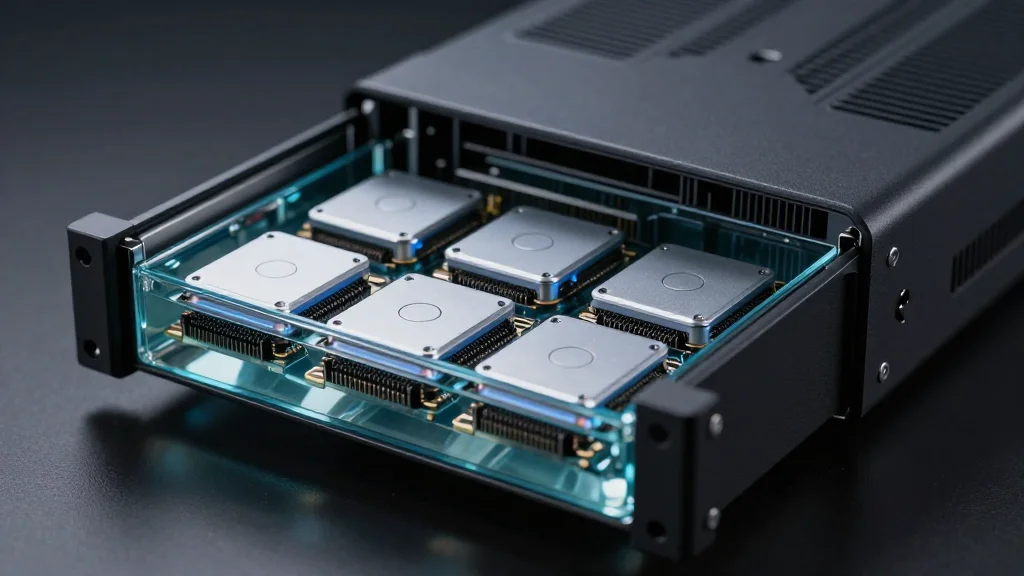
ICC Launches Aquarius R-117A Immersion-Native 1U Server with 6 NVIDIA H200 GPUs
ICC unveiled the Aquarius R-117A, an immersion‑native 1U server that packs six NVIDIA H200 SXM GPUs and a single‑socket AMD EPYC Turin processor with up to 192 cores and 3 TB DDR5 RAM. The system delivers 846 GB of combined GPU memory...
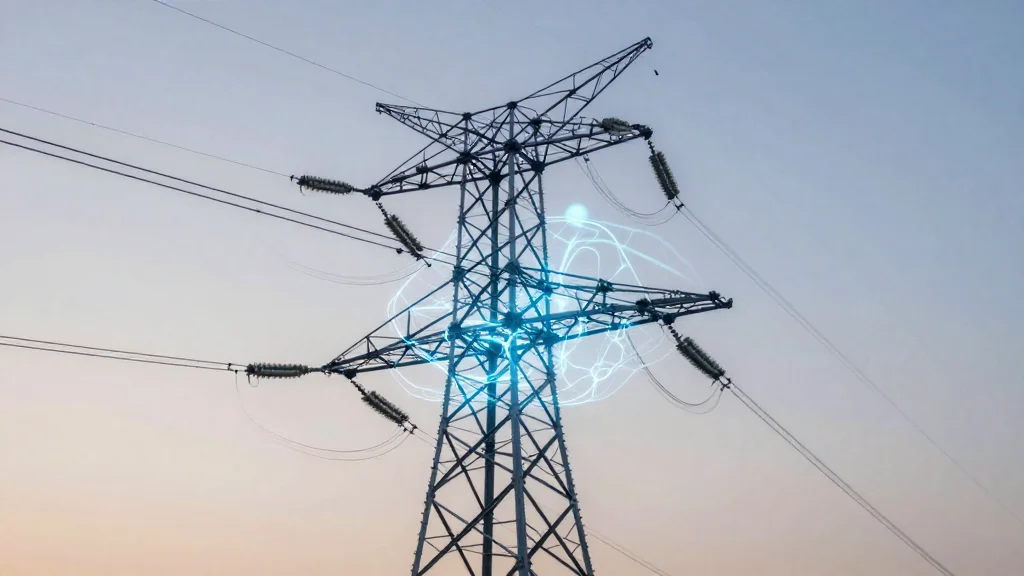
Argonne Researchers Develop AI System to Enhance Electric Grid Efficiency and Reliability
Argonne National Laboratory unveiled GridMind, an agentic AI co‑pilot that lets power‑grid operators run scheduling, weather‑impact and reliability simulations through natural‑language conversation. The system uses a multi‑agent architecture coordinated by large language models such as GPT‑5, GPT‑4o and Claude 4 Sonnet,...
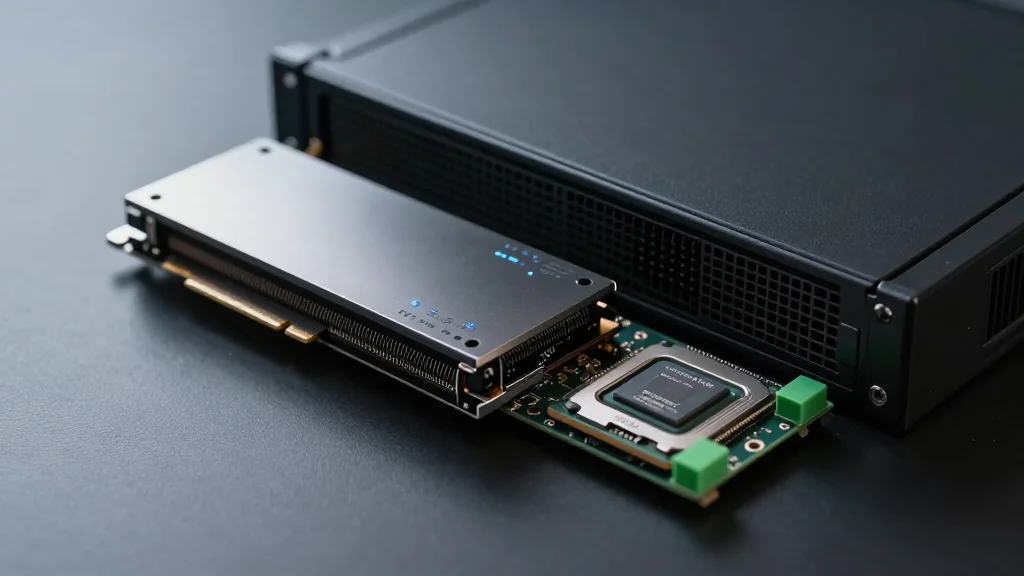
Nvidia’s Shift From GPUs and AI ‘Inference King’ Economics
Nvidia’s GTC 2026 unveiled a strategic pivot from pure GPU dominance to a full‑stack AI inference platform that blends GPUs, its new Vera ARM CPU, and Groq LPUs. The company highlighted the NVL72 superchip system and the MGX ETL rack...

Salute and Ecolab Target DTC Liquid Cooling Complexity in AI Data Centers
Salute announced a partnership with Ecolab to embed the latter’s Cooling‑as‑a‑Service (CaaS) into Salute’s Direct‑to‑Chip (DTC) liquid‑cooling operations. The joint offering streamlines management of the “tech loop,” the circulatory system that regulates coolant flow in AI‑focused data centers. By leveraging...
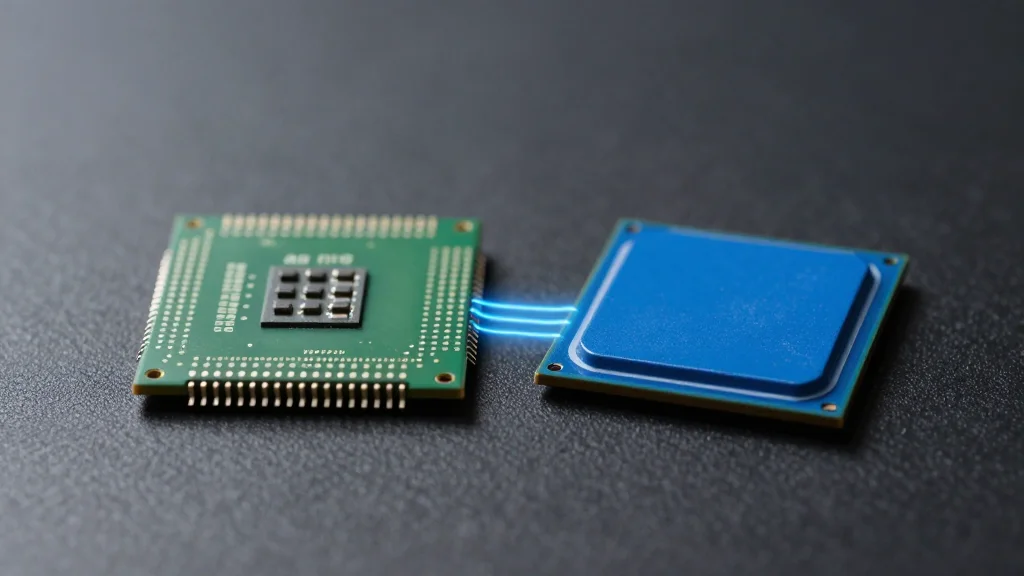
Altera and Arm Collaborate to Deliver Efficient, Programmable Solutions for AI Data Centers
Altera announced an expanded partnership with Arm, integrating its data‑center‑grade FPGAs with Arm’s new AGI CPU built on the Neoverse CSS V3 architecture. The joint solution targets AI‑focused data centers, offering low‑latency, highly flexible and scalable compute platforms. Leveraging Altera’s established...

Bell Canada Expands Sovereign AI Fabric with BUZZ HPC GPU Capacity
Bell Canada announced an expansion of its Bell AI Fabric through a partnership with BUZZ High Performance Computing, adding 6.5 MW of GPU‑accelerated capacity at the Merritt, British Columbia data centre. The new liquid‑cooled, high‑density GPU clusters will be operational within...

Fujitsu and University of Osaka Develop New Tech for Chemical Material Energy Calculations on Early-FTQC Quantum Computers
Fujitsu and the University of Osaka have unveiled a new technology that couples the third version of Fujitsu’s STAR quantum architecture with a novel molecular model optimization technique. The combined approach dramatically lowers the quantum resources needed for chemical energy...
QC Ware and CQE to Co-Host Q2B X Chicago Quantum Summit
QC Ware and the Chicago Quantum Exchange are co‑hosting the Q2B26 × Chicago Quantum Summit from December 8‑10, 2026, at the Marriott Marquis and McCormick Place. The event merges Q2B’s business‑focused agenda with the Summit’s research and economic‑development emphasis, creating a full‑stack quantum...
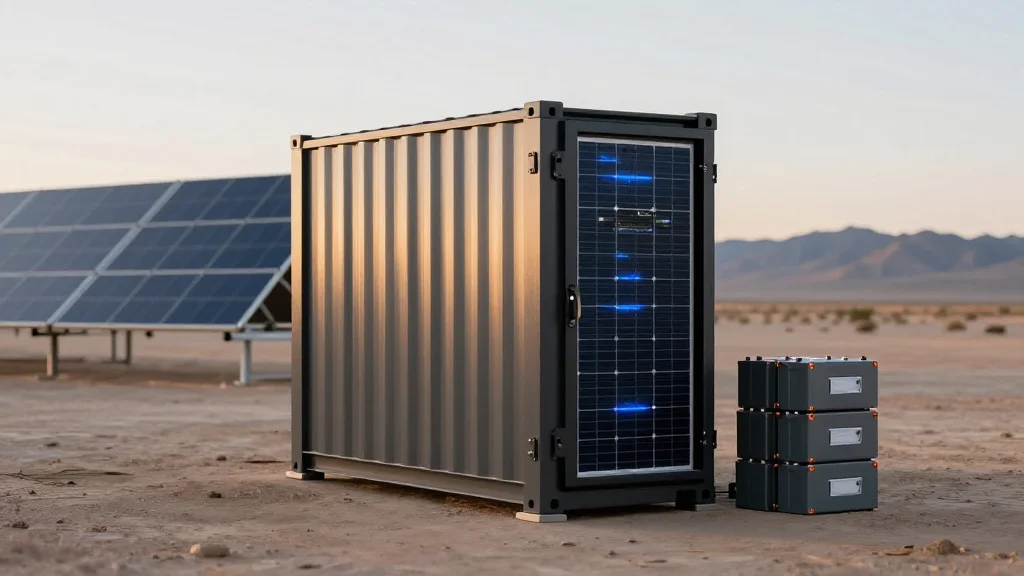
Crusoe and Redwood Materials Expand AI Data Center Deployment to 24 Modular Units in Nevada
Crusoe and Redwood Materials announced an expansion of their Nevada AI compute campus to 24 Crusoe Spark modular data centers. The upgrade raises total compute capacity roughly seven times the original deployment while still relying on the existing 12 MW/63 MWh renewable...

UCSD Aims to Make HPC an ‘Everyday Toolbox’ for Undergrads, Not a ‘Rare Privilege’
The University of California, San Diego has launched a program that gives undergraduate students direct access to Expanse, the university’s 5‑petaflop supercomputer. Partnering the School of Computing, Information and Data Sciences with the San Diego Supercomputer Center, the initiative integrates...
Pawsey Opens Call for PULSE Collaborations to Accelerate Research Impact in Australia
The Pawsey Supercomputing Research Centre has launched a new call for PULSE Collaborations, inviting Australian researchers to partner with Pawsey experts to boost the impact of their computational work. Selected teams will receive up to 0.20 full‑time‑equivalent of dedicated Pawsey...

NCSA Highlights Delta, DeltaAI Role in AI Framework for Astrophysics Workflows
Researchers at the National Center for Supercomputing Applications (NCSA) used the Delta and DeltaAI systems to test RADAR, an AI-driven framework that fuses gravitational‑wave and radio‑astronomy data for multi‑messenger astrophysics. The framework demonstrated that analysis can occur where data reside,...
NAIRR at 2 Years: Advancing American Artificial Intelligence Innovation and Leadership
Two years after its launch, the National Artificial Intelligence Research Resource (NAIRR) has become a nationwide AI infrastructure supporting researchers, educators, students, startups and small businesses. Backed by the NSF, 13 federal agencies and 28 private partners, NAIRR has provided...

Supermicro Responds to US Indictment of 3 Individuals Tied to Export Control Allegations
Supermicro announced that it is not named in a U.S. indictment involving three individuals accused of conspiring to violate export‑control laws. The charged parties include senior vice president and board member Yih‑Shyan Liaw, a Taiwan sales manager, and a contractor....

SCSP Announces Launch of National Security Commission on Robotics for Advanced Manufacturing
The Special Competitive Studies Project announced the National Security Commission on Robotics for Advanced Manufacturing, co‑chaired by SCSP President Ylli Bajraktari, Sen. Ted Budd and Sen. Elissa Slotkin. The commission will craft a unified strategy to scale next‑generation robotics and...
Nscale Targets 1.35GW AI Deployment with Microsoft at Monarch AI Campus
Nscale has signed a letter of intent with Microsoft to install 1.35 GW of AI compute at the Monarch AI campus in West Virginia, using NVIDIA’s next‑generation Vera Rubin NVL72 GPUs. The campus, acquired through AIPCorp, already hosts a state‑certified AI...
Canada’s NRC Allocates C$161M to Quantum Tech Within Broader C$900M Defense Plan
Canada’s National Research Council (NRC) is earmarking C$161 million over five years for quantum‑technology research as part of a broader C$900 million Defence Industrial Strategy. The funding targets quantum sensing, internetworking, and quantum‑safe communications, while C$28 million is set aside for biomedical counter‑measures...
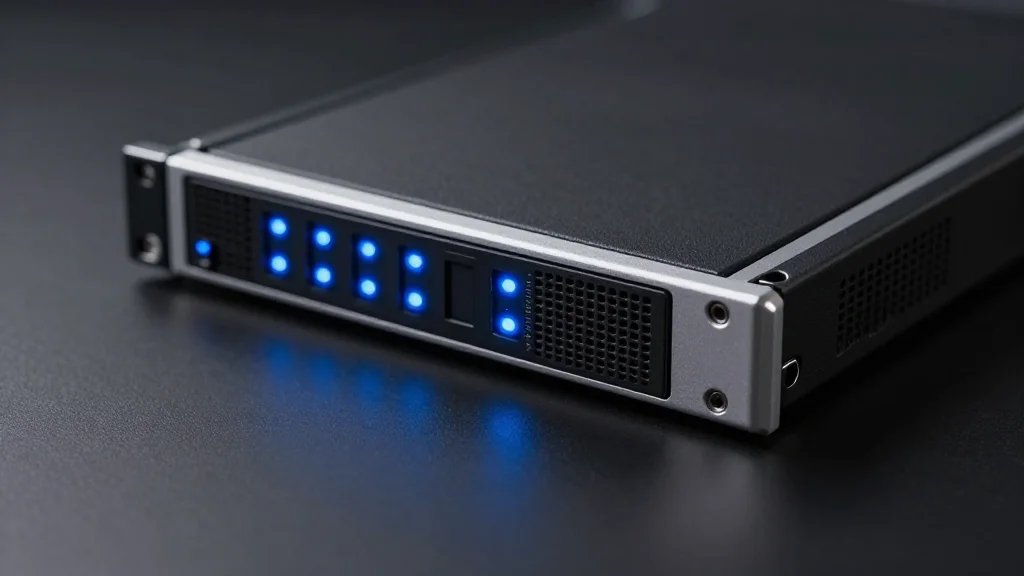
Berkeley Lab Takes Major Step Toward Doudna with Delivery of Early Access System, Cech
Berkeley Lab’s NERSC has taken delivery of the Cech early‑access system, a scaled‑down prototype of the upcoming Doudna supercomputer. Built by Dell with NVIDIA Grace CPUs and Blackwell GPUs, the rack delivers 5.76 PFLOPS FP64 and 1.44 EFLOPS NVFP4 performance. The installation...
Xanadu Introduces Quantum Algorithm for Battery Materials Simulation and Analysis
Xanadu Quantum Technologies, together with the University of Toronto and the National Research Council of Canada, unveiled a fault‑tolerant quantum algorithm that simulates resonant inelastic X‑ray scattering (RIXS) for lithium‑rich cathode materials. The pre‑print demonstrates that the method can model...
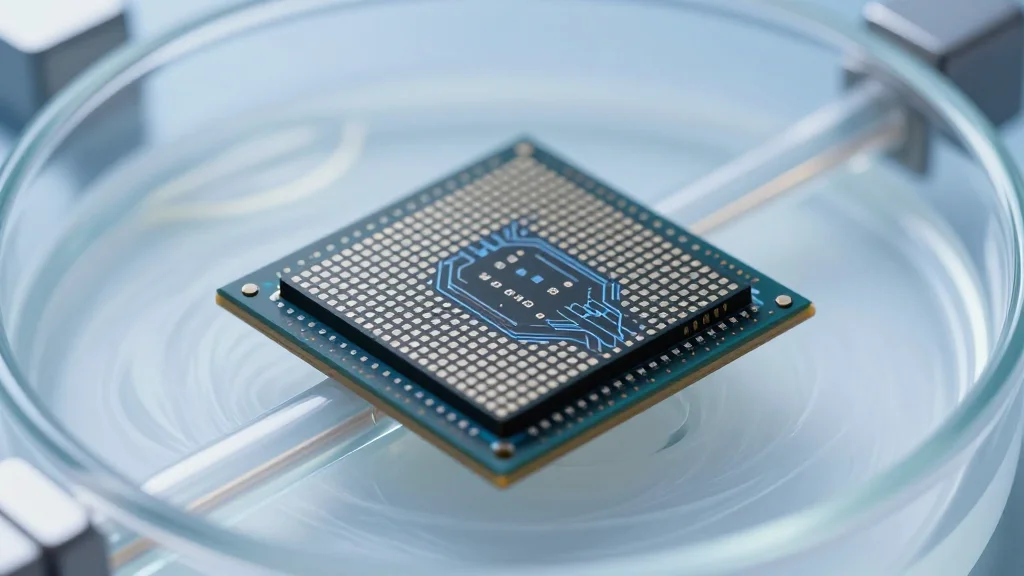
SEEQC Reports 1st Quantum Computer with Integrated Qubit Control on a Chip at Millikelvin Temperatures
SEEQC announced the first full‑stack quantum computer that integrates superconducting digital control circuitry directly on a chip operating at 10 millikelvin. The five‑qubit processor, paired with a separate SFQ control chip, achieved single‑qubit gate fidelities above 99.5% and demonstrated nanowatt‑scale power...
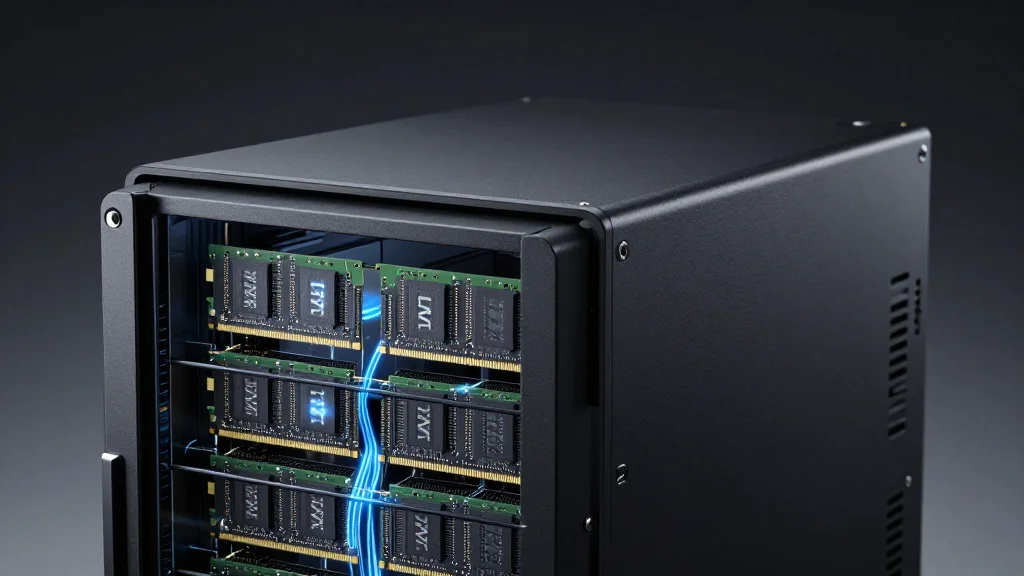
Penguin Solutions Introduces Industry’s First Production-Ready CXL-Based KV Cache Server
Penguin Solutions unveiled the MemoryAI KV cache server, the industry’s first production‑ready key‑value cache built on Compute Express Link (CXL) memory. The appliance combines 3 TB of DDR5 with up to eight 1 TB CXL add‑in cards, delivering up to 11 TB of...