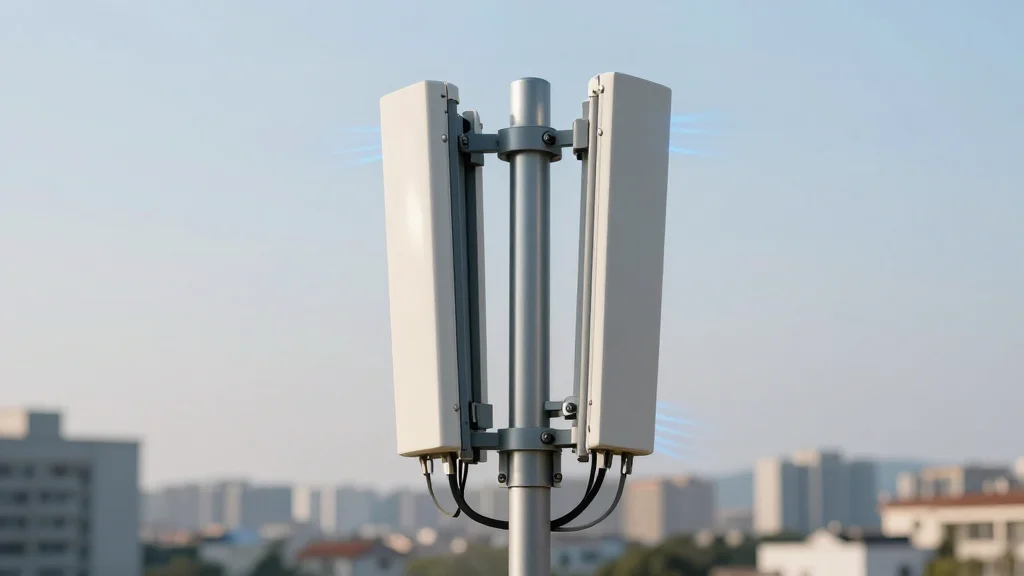
Ericsson’s June 2026 Mobility Report Highlights + AI Impact on Network Traffic
Ericsson’s June 2026 Mobility Report shows 5G subscriptions surpassing 3 billion, with 162 million added in Q1 2026. Mobile data traffic now runs half on 5G, up from 48% at end‑2025, and overall traffic grew 22% year‑over‑year. The report flags a shift toward uplink‑heavy AI workloads, projecting uplink demand could triple by 2031, prompting a redesign of RAN architecture. Ericsson warns CSPs must accelerate 5G SA upgrades and prepare for 6G‑native uplink innovations to avoid capacity bottlenecks.
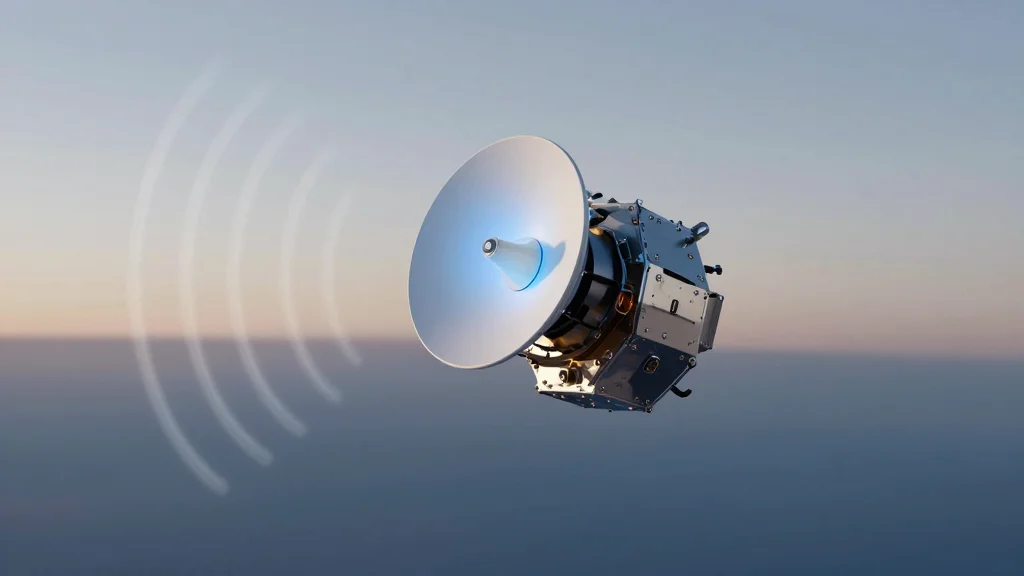
Non-Terrestrial Networks (NTN) Tutorial: Architecture, Spectrum, and Technical Foundations
Paresh Panchal’s new tutorial fills a gap in existing NTN coverage by delivering a practitioner‑focused technical reference. It details the 3GPP Release 18 architecture options (A1‑A4), spectrum allocation differences across CEPT and FCC jurisdictions, and the propagation‑delay challenges affecting HARQ and...

Analysis and Implications of Deutsche Telekom’s Potential Full Acquisition of T-Mobile
Deutsche Telekom, Europe’s largest carrier with 273 million customers, is reportedly weighing a move to acquire the remaining 46% of T‑Mobile US, taking its stake from roughly 54% to full ownership. The deal would fold the second‑largest U.S. wireless operator into...
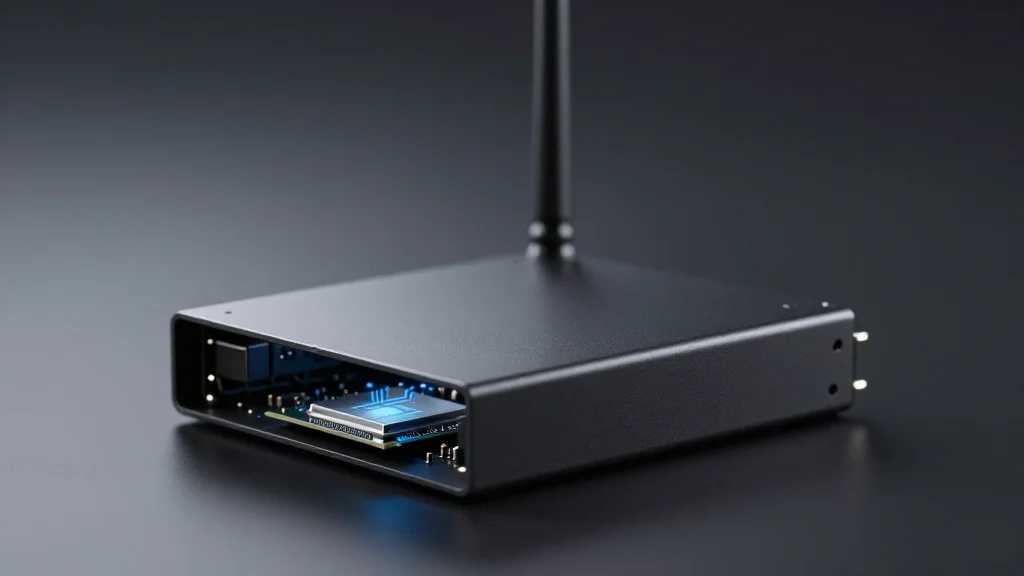
Analysis: Nvidia’s Rumored New 6G AI-RAN – Likely Features/Functions and Industry Impact
Nvidia is reportedly developing a sub‑100 W GPU‑combo chip that would sit inside 6G radio units, extending its AI‑RAN strategy from centralized compute to the radio edge. The chip would embed AI‑native functions such as neural channel estimation, real‑time beam management...

Amazon and Corning in Multi-Billion-Dollar Fiber Infrastructure Deal in North Carolina
Amazon announced a multi‑billion‑dollar partnership with Corning to expand fiber‑optic manufacturing capacity in North Carolina, creating 1,000 advanced‑manufacturing jobs. The investment builds on Corning’s recent $10 billion regional cloud infrastructure expansion and follows similar hyperscaler deals with Meta ($6 billion) and NVIDIA...

Telecom Data Centers Must Be Redesigned for the AI Era with Rack Scale Architectures, Enhanced Power & Cooling Requirements
Telecom operators are hitting a hardware ceiling as generative AI workloads demand far higher compute density than legacy data centers can provide. Rack‑scale architectures with 40‑100 kW per rack, medium‑voltage distribution and advanced liquid cooling are becoming mandatory. Dell unveiled its...
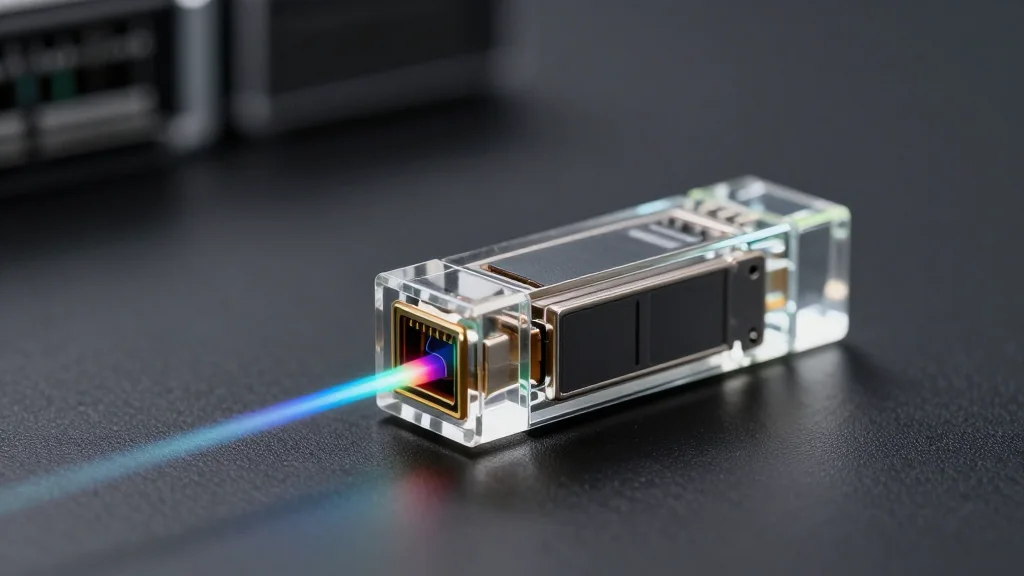
Goldman Sachs Report: Optical Networking Is the Next Mega Trend in AI Infrastructure
Goldman Sachs projects the optical networking market will swell to $154 billion by 2028, driven by exploding data‑center bandwidth needs of hyperscale AI workloads. The firm splits the opportunity, with scale‑up AI clusters representing $106 bn (69%) and co‑packaged optics (CPO) contributing...
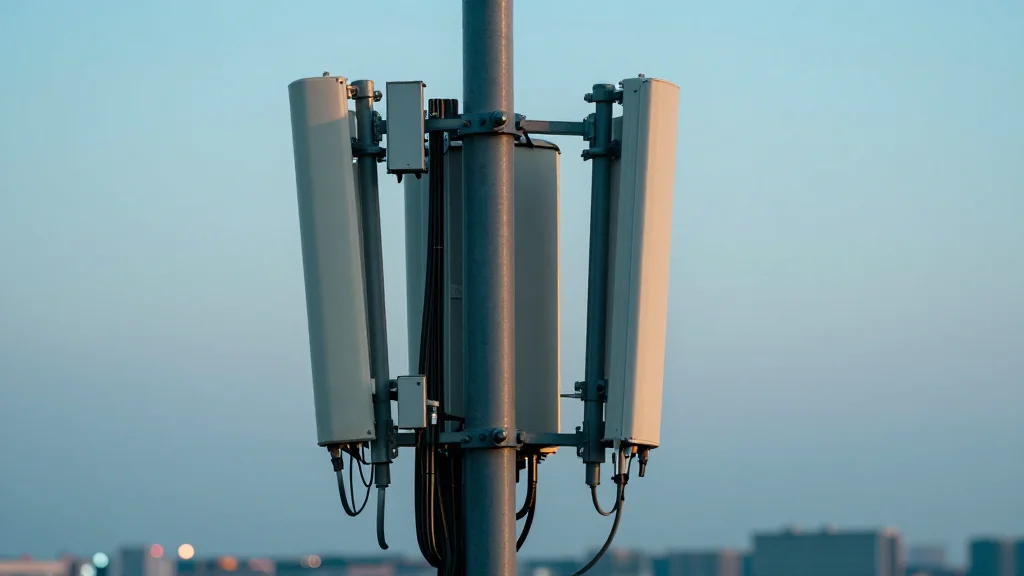
Analysis & Implications of the Communications Cybersecurity Information Sharing and Analysis Center (C2 ISAC)
The Communications Cybersecurity Information Sharing and Analysis Center (C2 ISAC) was announced today as a private‑sector nonprofit aimed at bolstering cyber defenses across the U.S. telecommunications landscape. Founding members include AT&T, Verizon, T‑Mobile, Comcast, Charter, Cox, Lumen and Zayo, with...
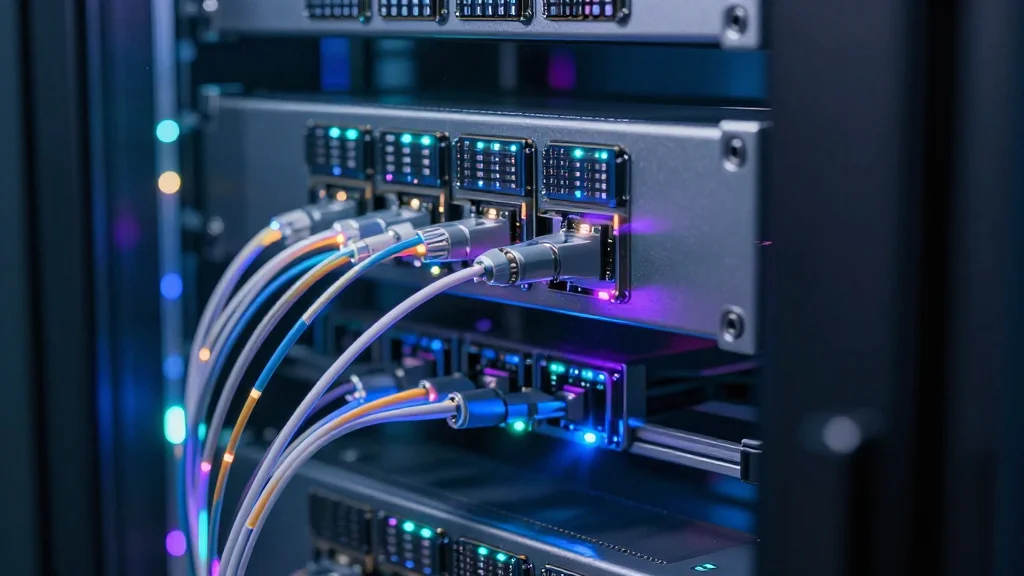
NTT’s IOWN Is (Finally) Evolving to an All Photonics Network (APN); Physics Based AI for Enterprise OT
NTT has re‑oriented its mid‑term strategy toward AI infrastructure, global data centers and higher‑margin "value domains" as its traditional telecom cash flow slows. Central to this pivot is the IOWN All‑Photonics Network (APN), a laser‑based architecture that eliminates electronic‑optical conversions...
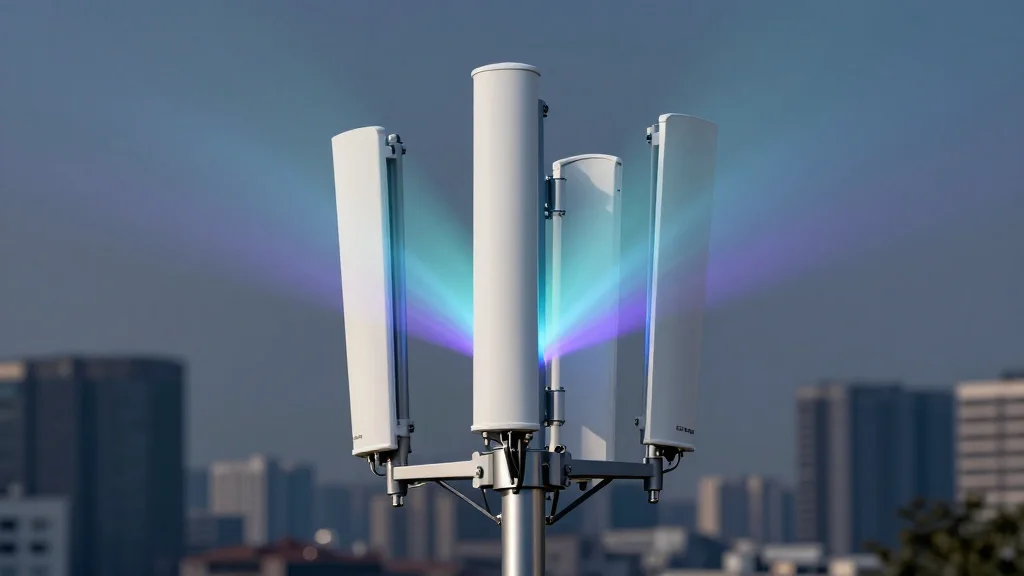
Optus and Ericsson Achieve 180MHz Across 2.3GHz and 3.5GHz Bands Using Carrier Aggregation on a Live 5G SA Network
Optus, together with Ericsson, demonstrated a world‑first 180 MHz carrier aggregation across the 2.3 GHz (n40) and 3.5 GHz (n78) mid‑band spectrum on a live 5G standalone network. The four‑component carrier aggregation (4CC CA) combined 900 MHz, 2.1 GHz, 2.3 GHz and 3.5 GHz bands, delivering up...

Extreme Networks Deploys Wi‑Fi 7 (IEEE 802.11be) at University of Florida’s “Swamp”
Extreme Networks has rolled out the first Wi‑Fi 7 network in a U.S. college stadium, deploying the technology at the University of Florida’s Ben Hill Griffin Stadium (“The Swamp”). The system is engineered for up to 90,000 concurrent users, leveraging Multi‑Link...
Lumen to Acquire Alkira to Accelerate Its Push Into Multi-Cloud and Data Center Interconnect Services
Lumen Technologies announced a $475 million cash acquisition of cloud‑networking platform Alkira, slated to close in Q3 2026 pending regulatory approval. Alkira’s carrier‑agnostic, cloud‑native platform lets enterprises manage connectivity across AWS, Azure, Google Cloud and on‑prem environments via a single control plane....
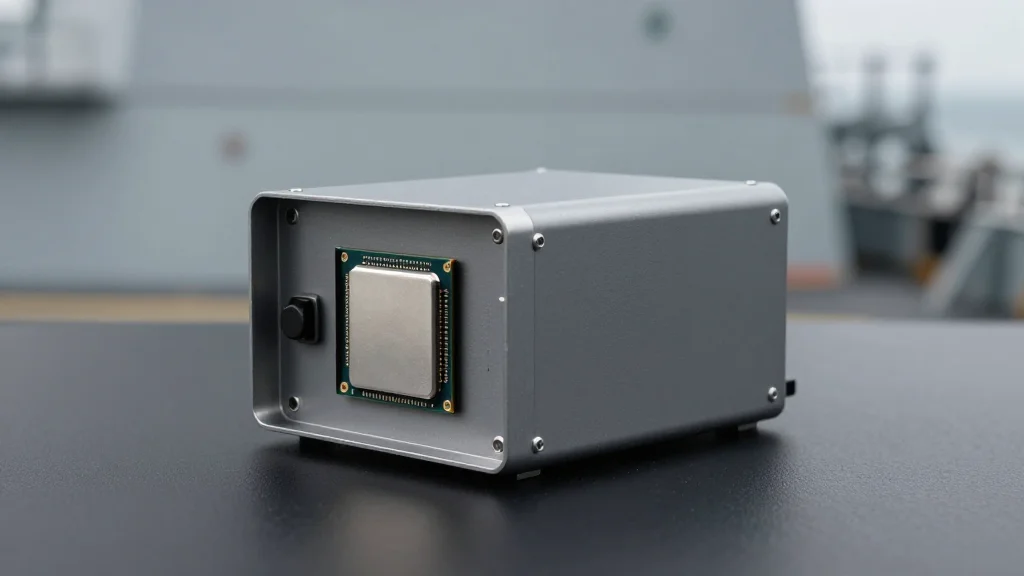
Blaize and Winmate Forge Strategic Partnership to Accelerate Edge AI Integration in Ruggedized Systems
Blaize Holdings and Taiwan‑based Winmate have signed a strategic partnership to embed Blaize’s Graph Streaming Processor (GSP) AI accelerators into Winmate’s ruggedized hardware platforms. The deal targets roughly $15 million in revenue during the first year and includes a three‑year term...

Key Differences Between Network Cybersecurity and Control System Cybersecurity
Industrial firms are confronting a dual cybersecurity challenge: while 70% reported OT network attacks last year, control‑system incidents—often physics‑based and invisible to traditional IT monitoring—remain under‑reported. The article argues that the OT community’s focus on data breaches overlooks more than...

Big Tech AI Spending Binge Results in Massive Job Cuts!
Big tech firms are redirecting massive capital toward AI infrastructure, with projected 2026 capex of $674 billion—more than double 2024 levels. To fund the spend, hyperscalers, SaaS vendors and telecom providers are slashing headcounts, exemplified by Meta’s 8,000 layoffs and Microsoft’s...