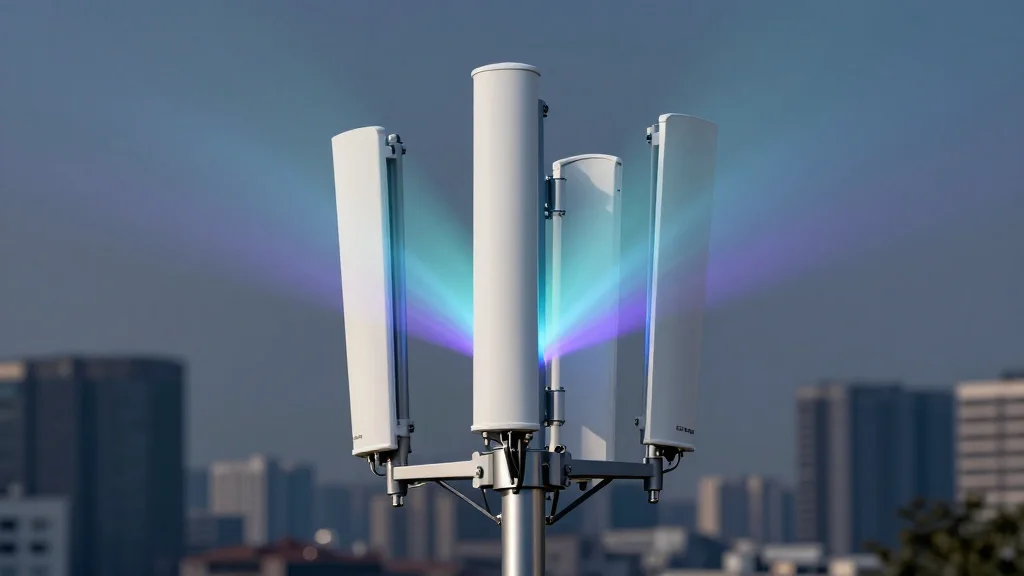
Optus and Ericsson Achieve 180MHz Across 2.3GHz and 3.5GHz Bands Using Carrier Aggregation on a Live 5G SA Network
Key Takeaways
- •Optus achieved 180 MHz mid‑band aggregation across 2.3 GHz and 3.5 GHz.
- •4CC CA delivered 3.4 Gbps downlink and 200 Mbps uplink in live network.
- •Demonstration uses Ericsson SA equipment, compliant with 3GPP Release 16/17.
- •Mid‑band CA boosts capacity for urban hotspots and fixed wireless access.
- •Sets benchmark for 5G Advanced deployments in Australia and beyond.
Pulse Analysis
Carrier aggregation has become the linchpin of modern 5G performance, allowing operators to stitch together disparate spectrum blocks for a single, higher‑throughput pipe. Optus’s live‑network trial, powered by Ericsson’s 5G SA radio, pushes this concept further by aggregating four carriers—including two mid‑band TDD blocks—into a 220 MHz downlink pipe. The result, a sustained 3.4 Gbps peak, demonstrates that the theoretical gains of 3GPP Release 16/17 can be realized at scale with off‑the‑shelf smartphones, confirming the maturity of cross‑duplex, multi‑band scheduling and advanced MIMO techniques.
From a technical standpoint, the 4CC configuration leverages both FDD and TDD spectrum, a capability that was only hinted at in earlier releases. By combining 900 MHz and 2.1 GHz FDD carriers with 2.3 GHz and 3.5 GHz TDD carriers, Optus achieves a balanced mix of coverage and capacity, ideal for dense city cores and fixed wireless access (FWA) scenarios. The use of up to 4×4 MIMO per component carrier further amplifies spectral efficiency, while the 2‑component uplink aggregation ensures robust upload rates without draining device power—critical for enterprise and consumer use cases alike.
The broader market impact is significant. In Australia, Telstra has already rolled out AI‑driven CA optimization across dozens of sites, but Optus’s demonstration sets a new performance bar that could reshape competitive dynamics. Globally, operators such as T‑Mobile and Vodafone are pursuing even larger carrier sets, yet the mid‑band focus aligns with the "golden band" strategy championed by regulators for its optimal coverage‑capacity trade‑off. As 5G‑Advanced (Release 18) looms, the ability to dynamically orchestrate heterogeneous carriers will become a differentiator, and Optus’s partnership with Ericsson positions both firms to capitalize on the next wave of network intelligence and service innovation.
Optus and Ericsson achieve 180MHz across 2.3GHz and 3.5GHz bands using carrier aggregation on a live 5G SA network
Comments
Want to join the conversation?