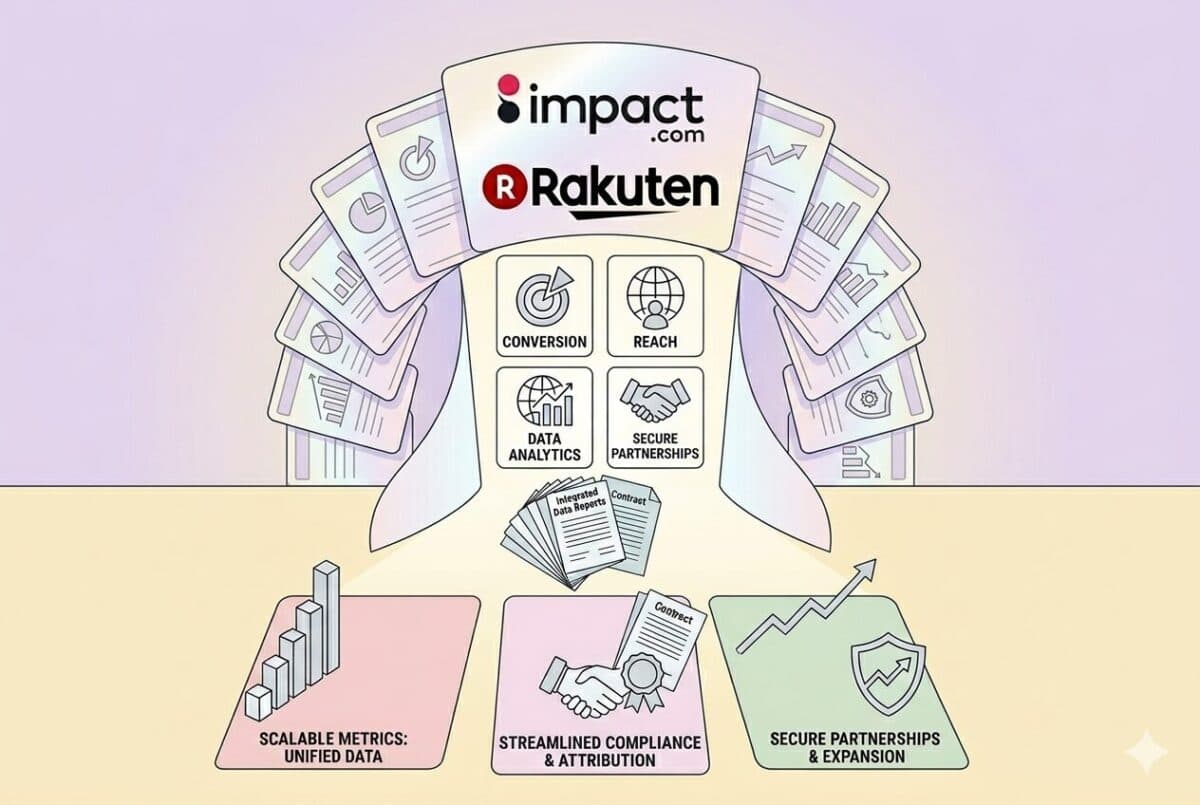
Impact.com and Rakuten Join Forces to Build a Unified Performance Marketing Ecosystem
Impact.com and Rakuten have announced a strategic alliance that will merge Impact's affiliate‑marketing technology with Rakuten Advertising’s global network and Rakuten Rewards’ consumer data. The partnership will make Impact.com the core platform for Rakuten’s performance‑marketing services, creating a single ecosystem for tracking, attribution, and campaign execution. Brands will benefit from unified reporting and scalable global reach, while publishers and agencies gain streamlined access to a broader advertiser base. The move reflects a broader industry shift toward consolidation of fragmented partnership‑marketing tools.

SARAL
SARAL positions itself as an InfluencerOS for DTC eCommerce, unifying discovery, outreach, affiliate tracking and content management into a single platform. Brands using SARAL reported an average $2.1 million incremental revenue and a 7.68× ROAS last year. Quarterly pricing ranges from...
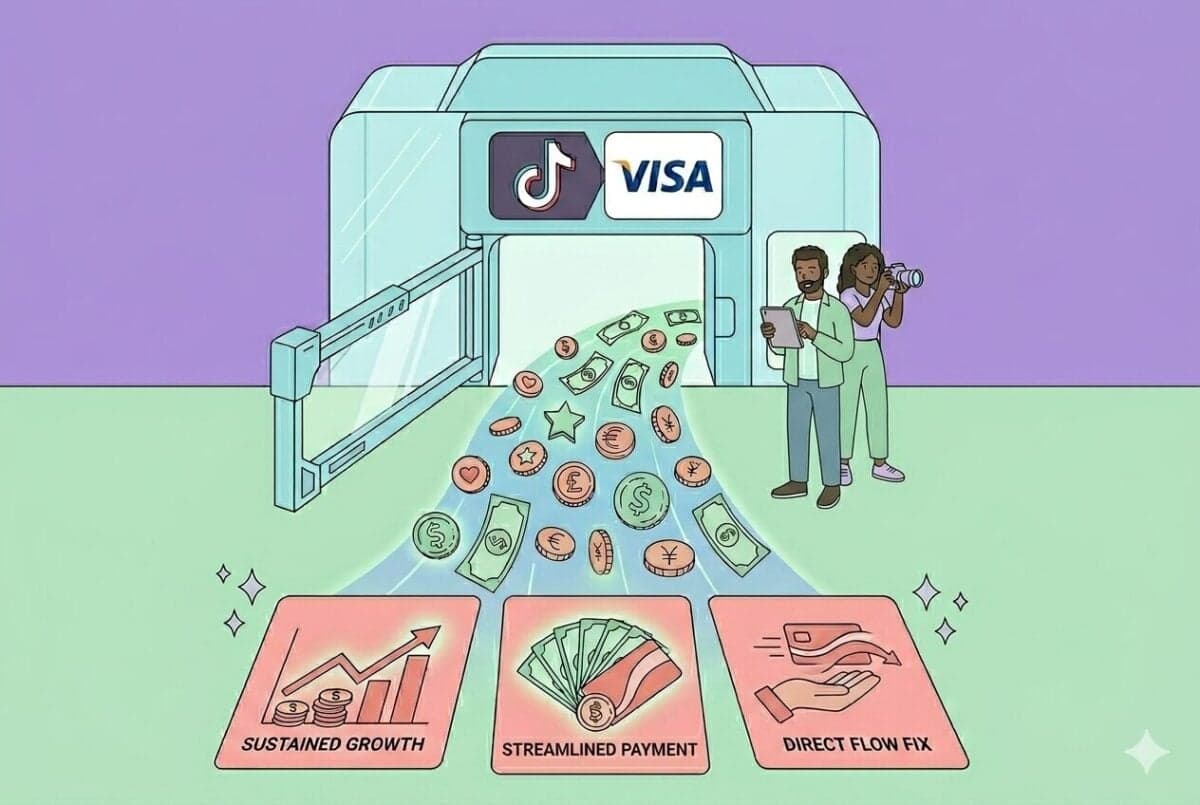
TikTok and Visa Launch Creator Card to Fix Influencer Cash Flow Challenges
TikTok has teamed with Visa to introduce a Creator Card for UK‑based influencers, aiming to eliminate the chronic cash‑flow delays that plague the creator economy. The debit card gives creators faster access to earnings from TikTok LIVE gifts and lets them...
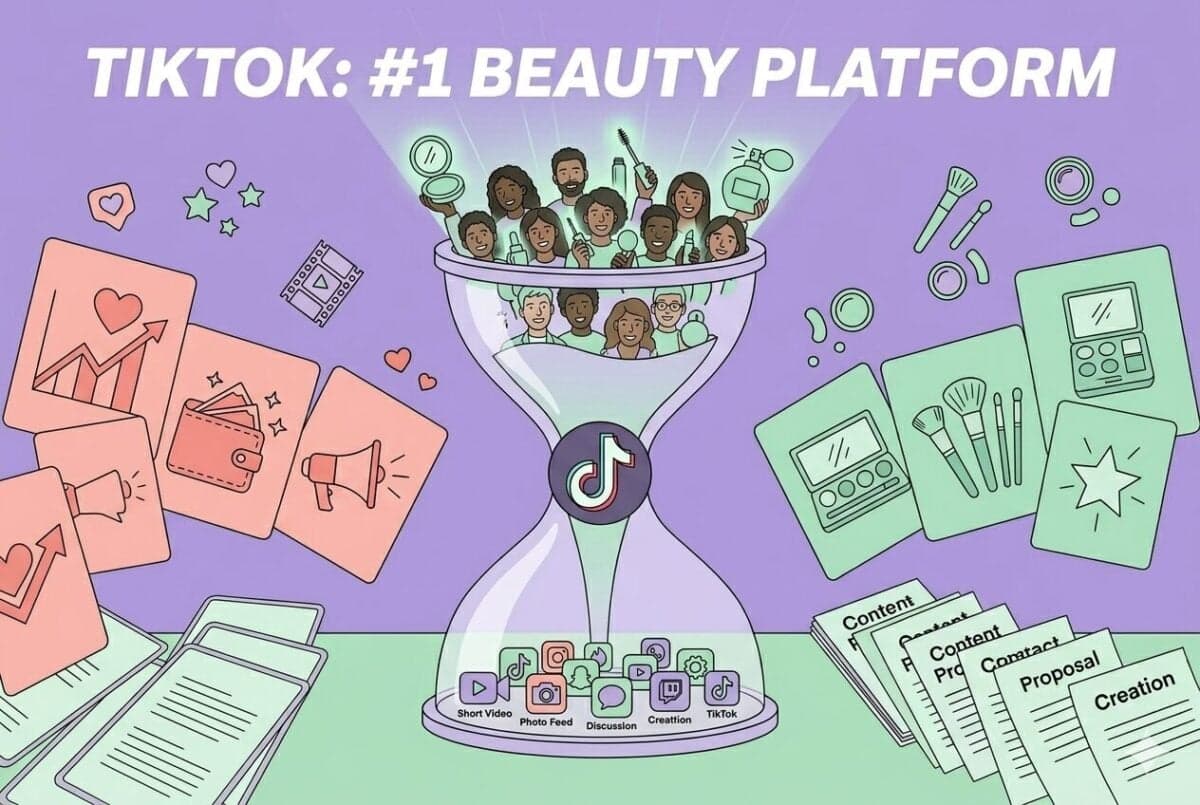
TikTok Is Now the #1 Platform for Beauty Influencer Marketing
TikTok has overtaken Instagram as the top platform for beauty influencer marketing, generating more than $18 billion in earned media value (EMV). The short‑form video format fuels high‑volume, authentic content that scales quickly, while Instagram’s value now hinges on specific formats...
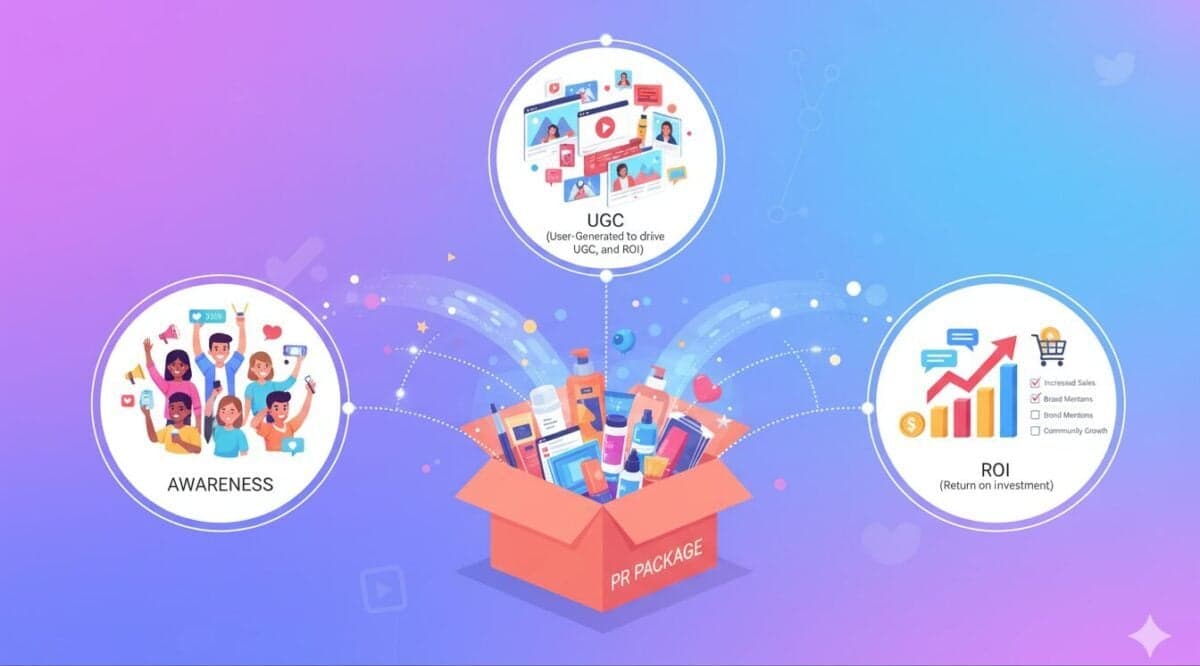
PR Packages: How Brands Use Product Seeding to Drive Awareness, UGC, and ROI
Product seeding is a low‑cost influencer marketing tactic where brands ship free products to creators, prompting authentic user‑generated content (UGC) that fuels awareness and sales. The approach leverages curated gifting, data tracking, and dedicated platforms to turn casual gifting into...
Linktree Turns Creator Identity Into Strategy With New AI-Powered Creator Index
Linktree has introduced the Creator Index, an interactive AI‑powered quiz that assigns creators to archetypes such as Documentarian or Educator. The quiz results integrate with the new Insights Chat, which draws real‑time performance data from TikTok, Instagram, YouTube and Linktree...
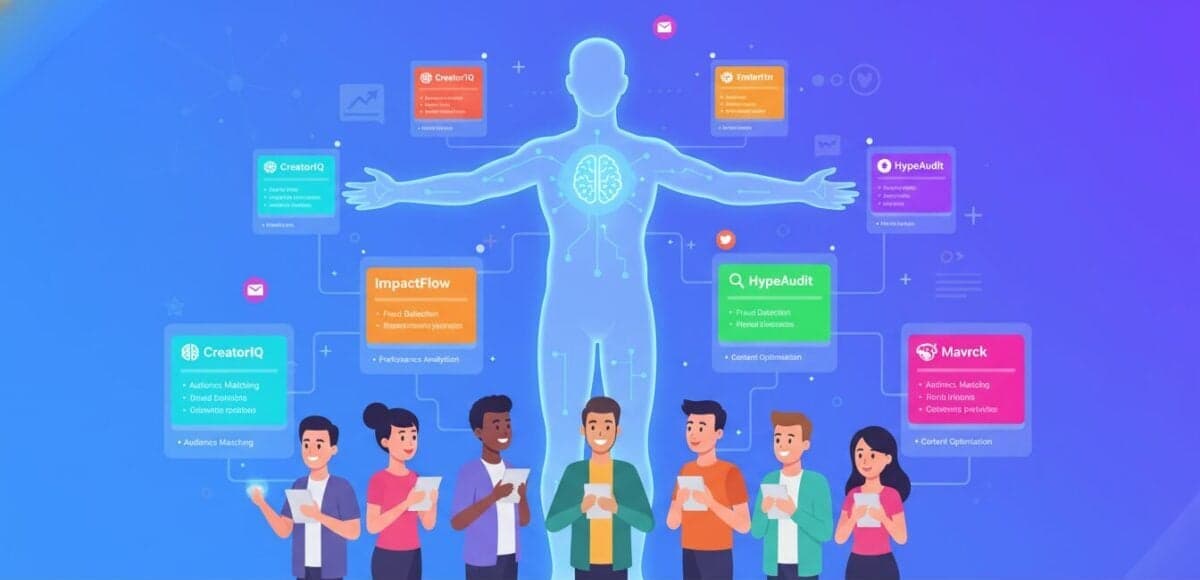
Best AI Agents for Influencer Marketing in 2026
Influencer marketing is transitioning from manual, fragmented tools to autonomous AI agents that can manage the entire campaign lifecycle. A 2026 benchmark shows 36.7% of marketers already use AI for creator discovery, with smaller shares applying it to content generation...

Kuli
Kuli, launched in 2024, is an AI‑driven influencer‑marketing platform that replaces manual creator vetting with multimodal video analysis across TikTok, Instagram and YouTube. By indexing visual style, tone, brand mentions and narrative patterns, the system lets brands search for creators...

5 Influencer Marketing Tips Brands Use to Drive ROI
Influencer marketing generated $32.55 billion last year, with 85% of marketers rating it effective. By 2026, 72% plan to boost budgets over 50%, treating the channel like paid media. Brands now focus on performance metrics—conversion, CAC, and ROI—rather than pure reach....
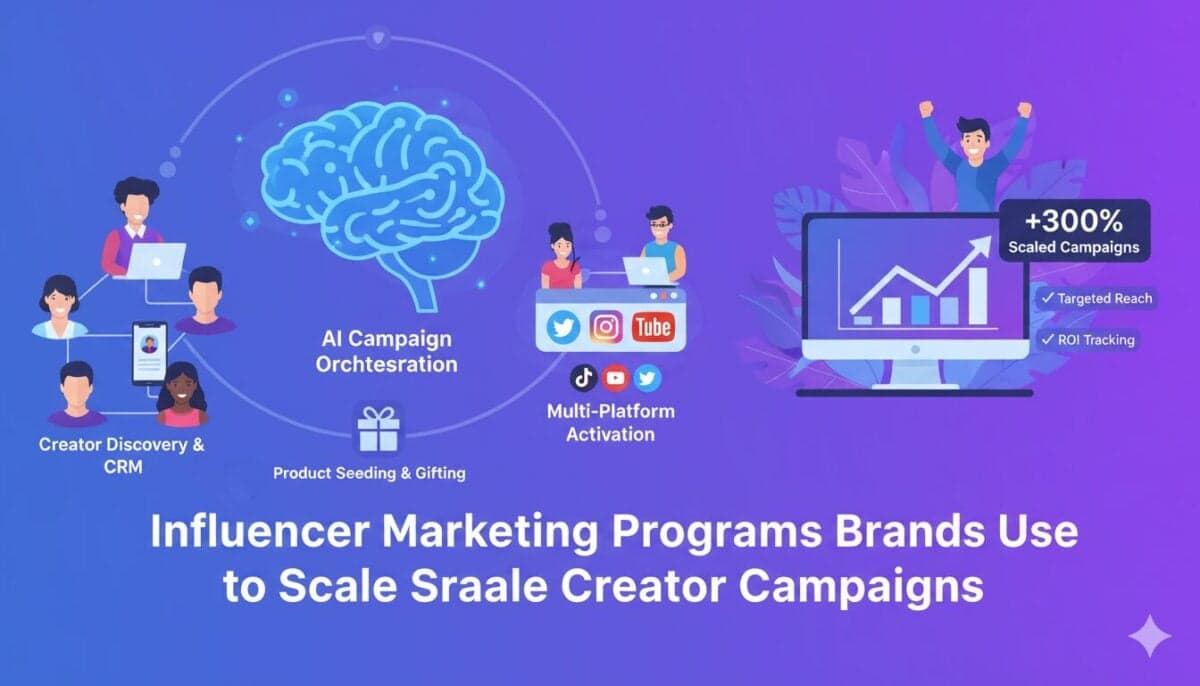
5 Influencer Marketing Programs Brands Use to Scale Creator Campaigns
Influencer marketing is moving from isolated campaigns to structured, always‑on programs as 72% of marketers plan to boost budgets by 50% and 85% see the channel meeting their goals. These programs centralize creator recruitment, content production, payments, and performance tracking,...
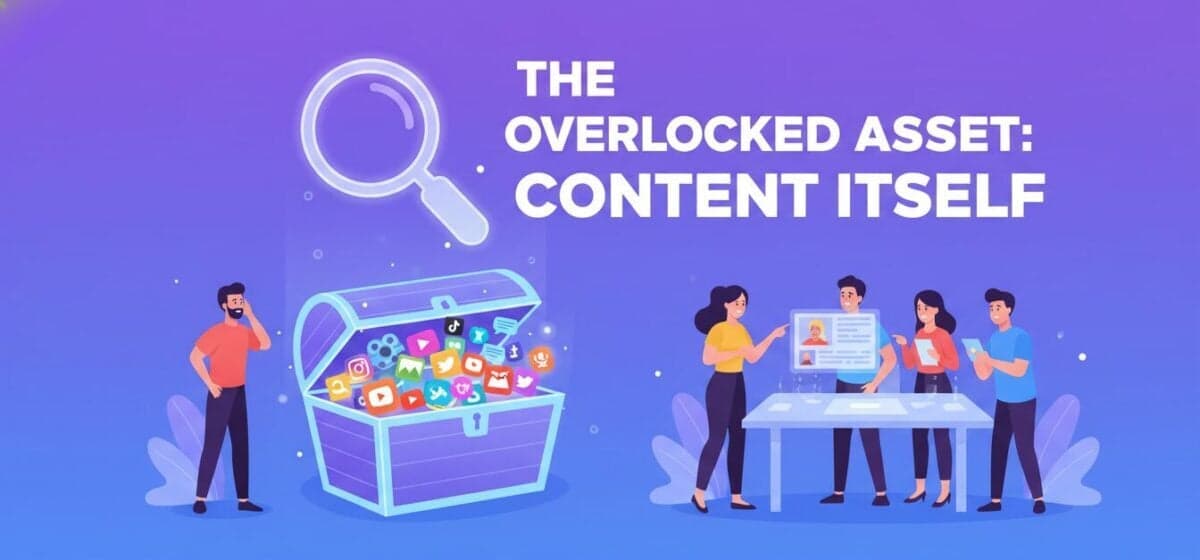
The Most Overlooked Asset in Your Influencer Program Is the Content Itself
A retail client swapped brand‑produced creative for influencer‑generated assets across paid ads, email, and its website, delivering a 57% lift in ROAS, a three‑fold increase in email click‑through rates, and a 3.5× boost in on‑site conversions with a zero‑bounce rate....
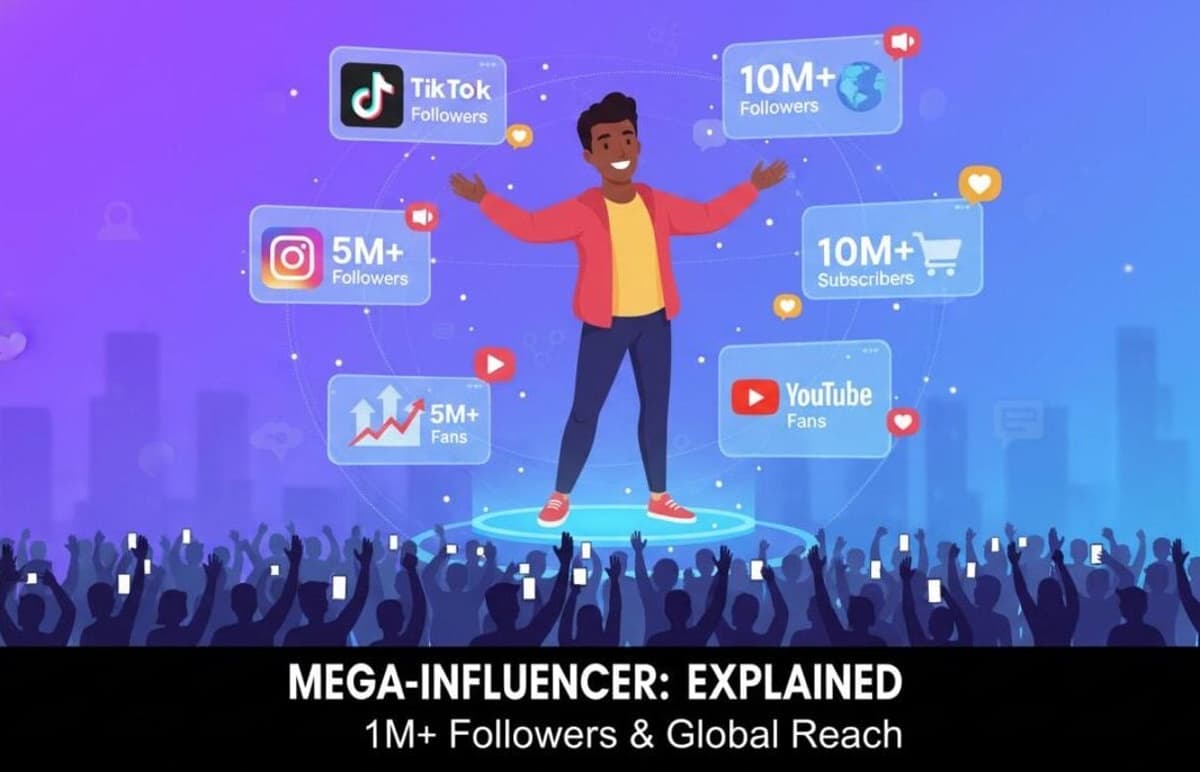
Mega Influencers Explained: Definition, Follower Count, Cost, and When to Use Them
Mega influencers are creators with over 1 million followers on platforms such as TikTok, Instagram, or YouTube, positioning them closer to celebrities than typical influencers. While they deliver massive reach and rapid brand awareness, their engagement rates hover around 1.97%, far...
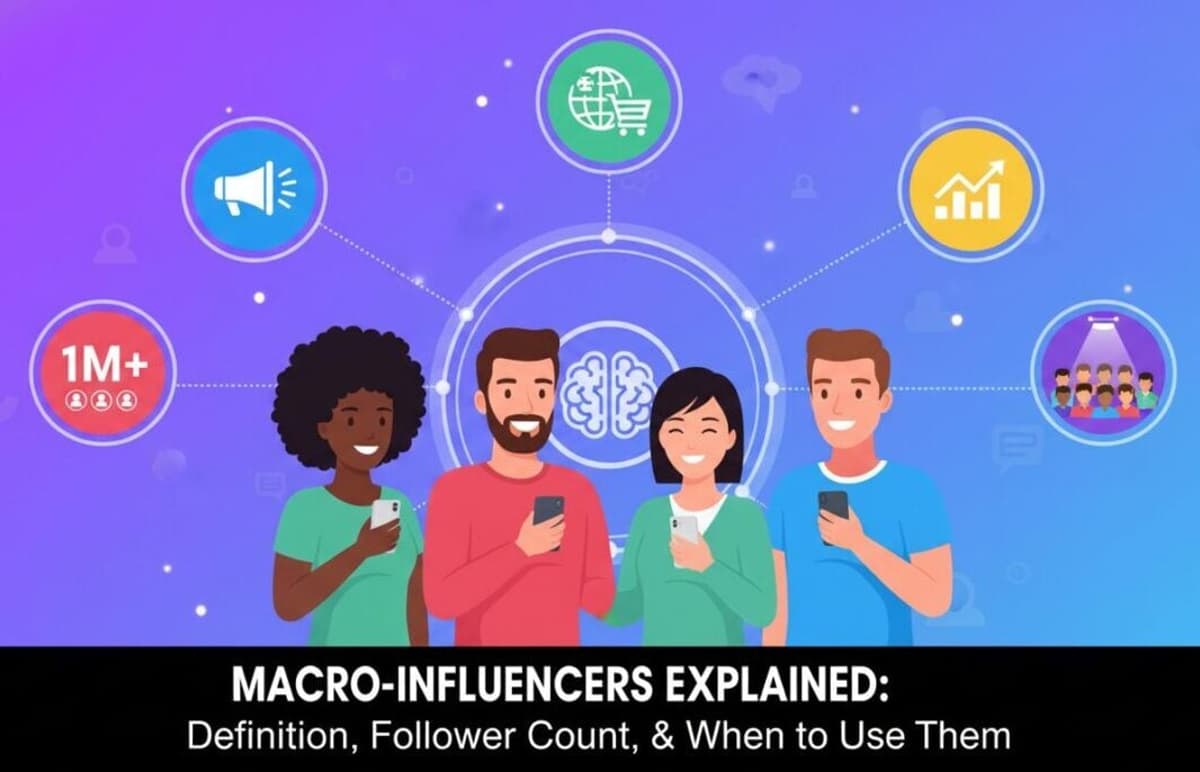
Macro Influencers Explained: Definition, Follower Count, and When to Use Them
Macro influencers, typically boasting 100,000 to 1 million followers, sit between micro and mega tiers, offering a blend of broad reach and higher engagement. Their audience is large enough for brand awareness yet niche enough for authentic connections, making them attractive...

How to Safely Manage Multiple Facebook Accounts Without Getting Restricted
Marketers and growth operators often need several Facebook profiles to run campaigns, but Facebook’s policy permits only one personal account per individual. Restrictions arise not from the number of accounts but from shared device identifiers, IP overlap, and repetitive behavior...

How to Get More Views on TikTok (Proven Strategies That Work in 2026)
TikTok’s algorithm now rewards videos that keep users watching, making watch time and completion rate the top ranking signals. Creators who hook viewers in the first three seconds, keep videos short (8‑20 seconds), and encourage high‑value engagement such as comments,...

How Livano Agency Cold Started Fryaway on TikTok Shop
Launching a brand on TikTok Shop without an existing store, creator network, or playbook creates friction that often leads to under‑performance. The article explains why traditional influencer assumptions—ample samples, simple briefs, and discount codes—fail in a commerce‑driven social platform. It...

TikTok Shop Dropshipping Guide for Brands in 2026
TikTok Shop is solidifying its role as a primary social‑commerce hub, and the new 2026 dropshipping guide equips brands to capitalize on its creator‑driven traffic. The guide walks marketers through seller‑center setup, third‑party logistics integration, and TikTok’s in‑app checkout, enabling...

TikTok Content Ideas: Real Examples and Where to Get Them
The article outlines a systematic approach to generating TikTok video ideas, highlighting the platform’s Creative Center, the For‑You Page, search suggestions, and direct audience feedback as primary inspiration sources. It emphasizes crafting detailed AI prompts for tools like ChatGPT to accelerate...

GeeLark
GeeLark launches a cloud‑based social media marketing platform that blends mobile‑first cloud phones, antidetect browser profiles, automation, and AI tools for high‑volume, multi‑account growth. Its modular pricing starts with a free tier, then $9.75 Base and $14.25 Pro plans, while...

Top Influencer Marketing Firms for Brands and Marketers
Influencer marketing agencies remain essential for brands seeking scalable creator campaigns, with 85% of marketers rating the channel effective per the 2026 Benchmark Report. The guide evaluates five leading firms—HireInfluence, Influencer, Nine Agency, Monks, and Disrupt Agency—detailing their minimum spend,...

Brand Safety in Influencer Marketing: Why AI Is Now the Only Answer at Scale
Brand safety has moved from a low‑priority checkbox to a strategic imperative for influencer marketers, especially after Meta scaled back its third‑party fact‑checking in early 2025. While only 5 % of brands cite safety as their top challenge, a staggering 63 %...

8 Ways Brands Are Using Extended Reality (XR) in Marketing
Brands are leveraging extended reality—AR, VR, and MR—to solve concrete marketing challenges, from cutting product returns to accelerating sales cycles. The article outlines eight real‑world examples, including BMW’s mixed‑reality showroom, IKEA’s AR placement tool, and Walmart’s enterprise‑scale VR training. Global...

Cart-Side Incentives in Social Checkout: What Actually Moves Shoppers
Social checkout conversions in 2026 are increasingly driven by cart‑side incentives that reduce friction rather than push harder discounts. Data from Shopify and CRO platforms show that free‑shipping thresholds remain the strongest lever, while 10‑20% off discounts are most effective...

Understanding Creator Performance Metrics: A Guide for Influencer Marketing Agencies
Creator performance metrics give influencer agencies a data‑driven framework to move beyond surface‑level likes and views. The guide outlines why trust and adaptability make influencer marketing valuable and presents key direct and indirect impact statistics, such as a $5.78 return...

DTC Bundles Engineered for UGC: How to Turn Every Kit Into a Content Machine
Direct‑to‑consumer brands are repurposing product bundles and starter kits as engines for user‑generated content. By pairing each kit with influencer storytelling scripts, companies can lift average order value while keeping customer acquisition costs flat. The article highlights micro‑influencer pods and...

Instagram Affiliate Marketing: What Still Works In 2026
Instagram affiliate marketing now merges influencer and performance tactics as Meta expands shoppable posts and in‑app checkout. Brands must navigate new tagging workflows, tiered commission bands, and stricter FTC disclosures. Hybrid compensation models and native tagging drive higher ROI, but...

How a Localized Influencer Strategy Drove 24% Follower Growth for a Hospitality Brand
Hospitality brands are turning to localized influencer campaigns to amplify reach and drive bookings. In 2025, a targeted strategy using travel‑focused creators lifted a hotel’s social following by 24%, while 71% of travelers reported greater booking intent after seeing authentic...

How a Structured Influencer Funnel Transformed Supplement Sales for Elevatic
Elevatic, a fast‑growing supplement brand, overhauled its influencer program by introducing a structured three‑tier funnel that aligns creators with the buyer’s journey. The model separates macro, micro, and affiliate influencers, each with distinct compensation and performance metrics. Within six months,...

Sprout Social Alternatives: Social and Influencer Platforms for Scalable Brand Programs
Sprout Social has long served as an all‑in‑one hub for social publishing, engagement, analytics and, more recently, influencer campaign management. As brands’ influencer programs mature, many find that a single suite can’t meet the deeper relationship‑building, payment tracking, or listening...

Best Instagram Walls for Websites With Real Examples
Instagram walls transform Instagram posts, influencer content, and user‑generated media into continuously updated website assets. By aggregating multiple pieces of social content, they turn fleeting feeds into persistent social proof that supports trust, product discovery, and conversion. The guide outlines...

Twirl Alternatives: Comparing Creator Marketing Platforms for Growing Brands
Twirl remains a popular choice for structured creator‑led content, but growing brands are seeking platforms that can handle larger creator volumes and more flexible workflows. Alternatives such as Modash, Humanz, Creator.co, Billo, Collabstr, Insense, Influee and Trend.io each emphasize different...

Best Influencer Database Software in 2026
Influencer database software has become essential as brands scale creator programs, with 59.4% of marketers planning to raise influencer budgets in 2026. These platforms turn manual scouting into searchable, filterable datasets that include demographics, engagement, and cross‑platform reach. The article...

CRM As Your Next Influencer Database: Using First-Party Data Inside an Influencer Marketing Platform
Brands are cutting influencer spend as costs rise and trust falls. The article proposes using CRM first‑party data to build an always‑on creator pool, turning loyal customers into authentic influencers. It outlines a Creator Potential framework—affinity, advocacy, reach—and behavior‑triggered recruitment....

The End of Keywords: How Intent Modeling Is Reshaping Amazon Search (and What It Means for Modern Commerce)
Amazon is replacing keyword‑based search with intent modeling through its COSMO system. The AI‑driven engine analyzes shopper behavior—search, clicks, purchases—to infer purchasing motivations, turning each product into a node within a behavior‑focused knowledge graph. Brands must restructure listings to answer...
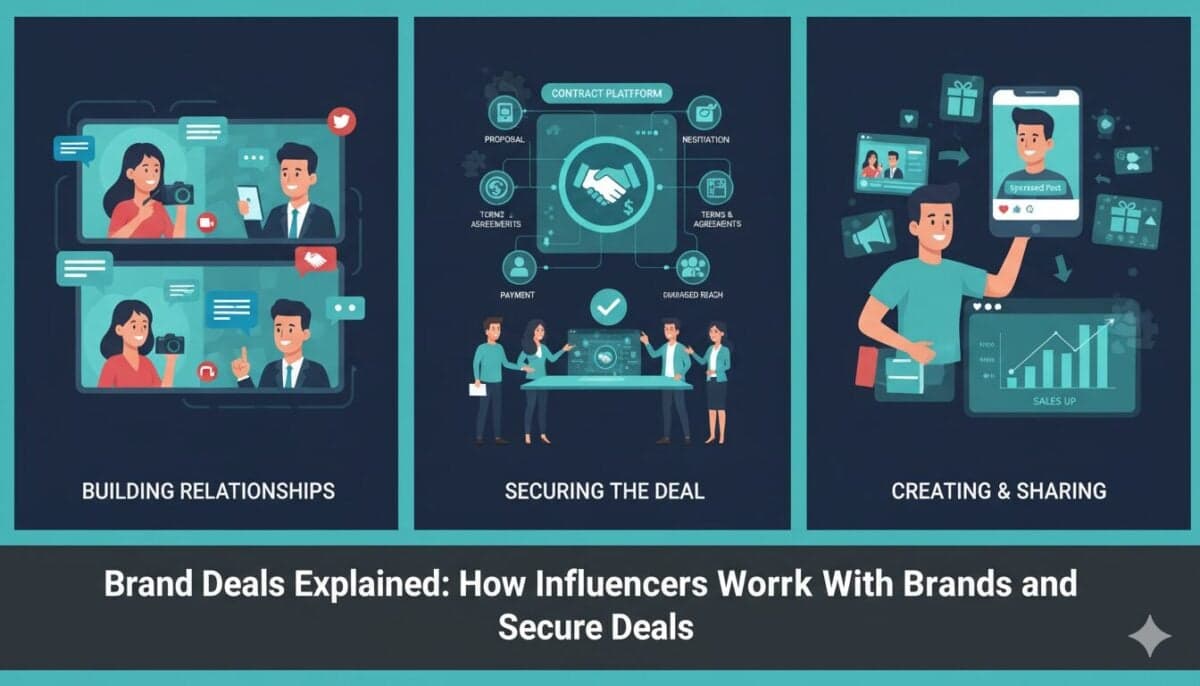
Brand Deals Explained: How Influencers Work With Brands and Secure Deals
The article breaks down how influencers partner with brands, outlining the steps from outreach to contract signing. It highlights the role of audience metrics, platform intermediaries, and legal considerations in shaping deal structures. Examples illustrate typical compensation models, including flat...
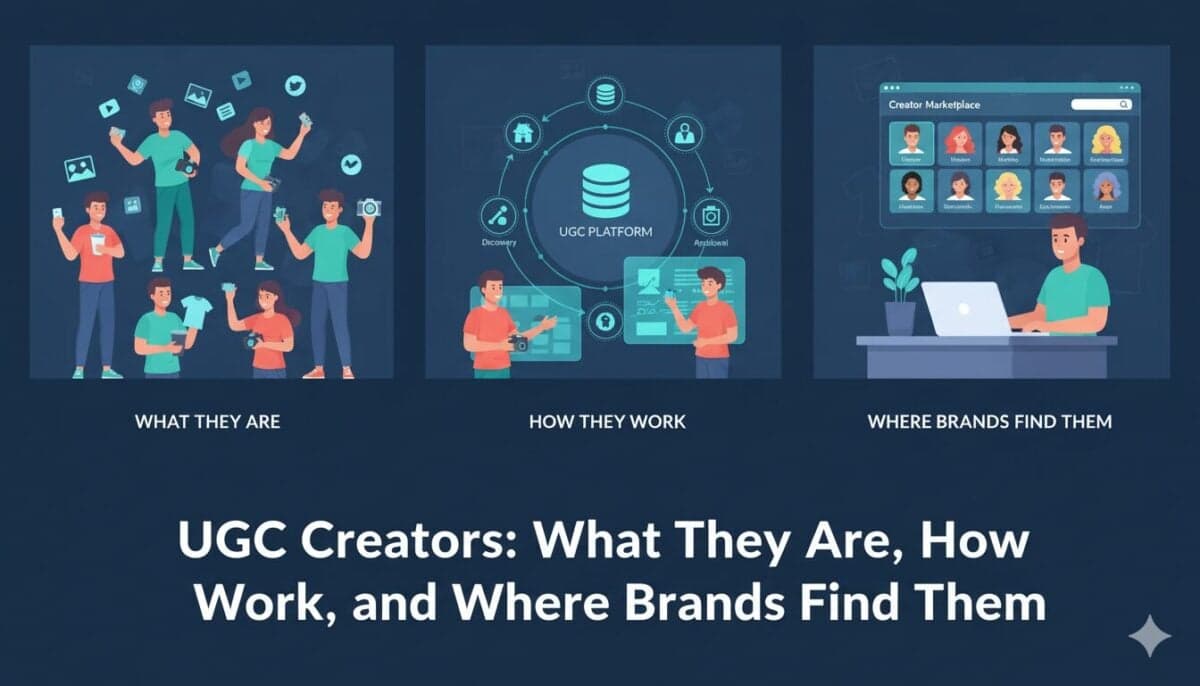
UGC Creators: What They Are, How They Work, and Where Brands Find Them
User‑generated content (UGC) creators are emerging as a core pillar of modern advertising, delivering authentic, peer‑driven narratives that resonate with consumers. Brands increasingly tap these creators through dedicated marketplaces and social platforms, leveraging their niche expertise to produce video ads,...

Measuring Brand Perception Before and After a Campaign
Marketing teams now track clicks, conversions and ROAS in real time, yet those metrics rarely reveal whether a campaign actually shifts brand perception. Measuring perception—trust, favorability, purchase intent—requires a pre‑campaign baseline built from surveys, social listening and behavioral signals. During...

Pre-Launch or Post-Launch: Influencer Timing Explained for Gaming Brands
Influencer marketing is poised to shape the $386 billion gaming market in 2026, but timing determines its effectiveness. Pre‑launch campaigns generate hype, build wishlists, and educate audiences, leading to higher launch‑day conversions. Launch‑day influencer pushes capture peak attention, driving 20‑50% of...

Introducing London: The AI Agent Rebuilding Influencer Marketing
Creator.co unveiled London, an AI‑powered influencer marketing agent built directly into its platform. The tool automates three core execution steps—brief generation, creator matching, and personalized outreach—using a database of over 400 million influencer profiles and a community of 270 k creators. By...

Aspire Launches Updated Creator Portal to Improve Brand–Creator Matching
Aspire has unveiled a redesigned Creator Portal that adds a structured profile system, multi‑profile management, and agency‑friendly controls. The update surfaces creators' rate expectations, preferred campaign formats, and collaboration history, letting brands assess fit earlier. New authentication options such as...
Influencer Marketing 2025: Balancing AI Efficiency, Budget Pressure, and Human-Centric Creativity
Influencer marketing in 2025 is being reshaped by AI-driven tools that automate influencer discovery, content creation, and performance analytics. Brands confront tighter budgets and heightened demand for measurable ROI, prompting a shift toward performance‑based contracts. Despite technological advances, human‑centric creativity...

Onsocial
OnSocial repositions influencer marketing as a social‑data problem, offering a toolkit that includes creator discovery, analytics, sponsored‑post tracking, audience overlap analysis, and an always‑on API. The platform targets agencies and brands that need defensible, data‑driven creator selections rather than an...

X Turns Dormant Usernames Into Digital Real Estate
X has launched a Handles Marketplace that lets Premium+ and Premium Business subscribers claim dormant @handles. Handles are split into free Priority names and paid Rare names, the latter fetching $2,500 to over $1 million. Paid Rare handles remain with the...
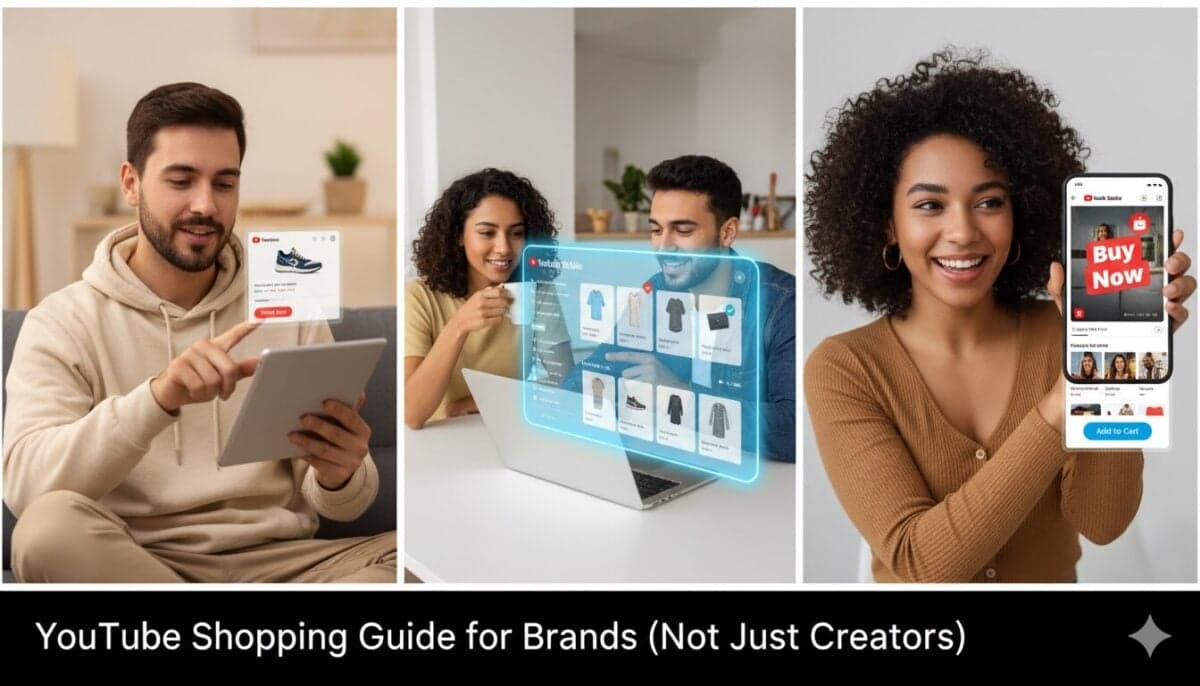
YouTube Shopping Guide for Brands (Not Just Creators)
YouTube Shopping has expanded in 2026 to let brands turn any video—Shorts, long‑form, or Live—into a direct storefront. By linking a product catalog through Google Merchant Center, brands can tag SKUs within videos, letting viewers purchase without leaving the platform....
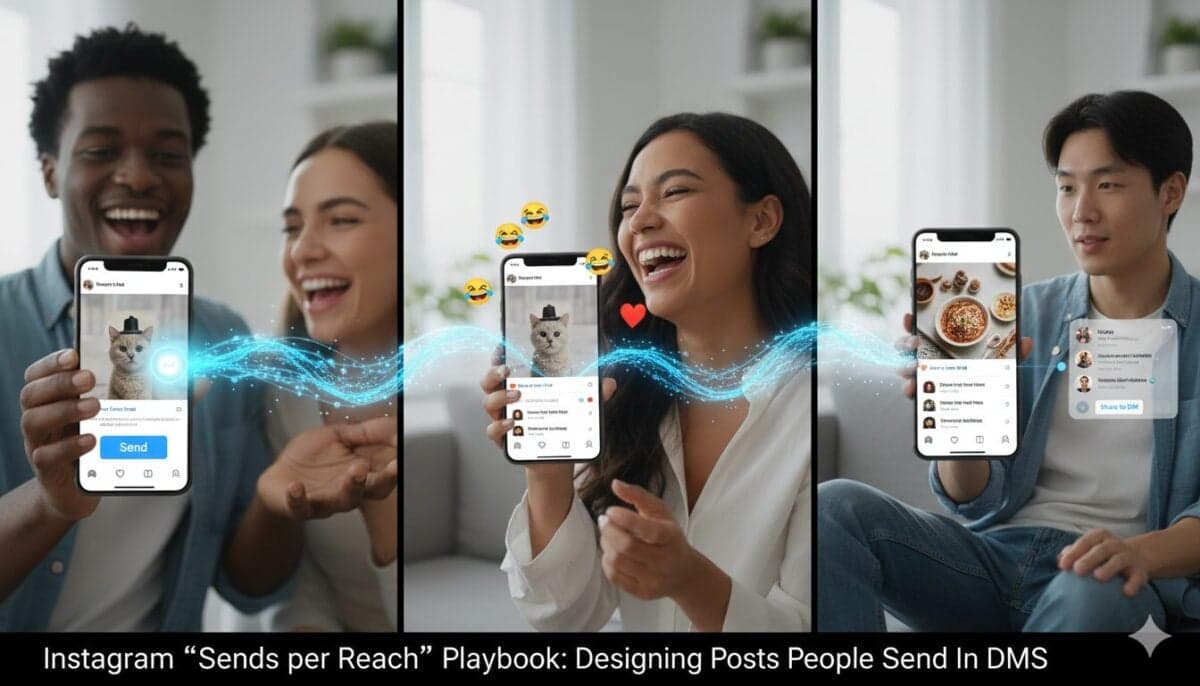
Instagram “Sends per Reach” Playbook: Designing Posts People Send In DMs
Instagram’s algorithm now prioritizes Sends per Reach (SPR), measuring how often posts are privately shared via DM relative to their reach. Adam Mosseri confirmed SPR as a key ranking signal, shifting focus from likes and saves to intentional private sharing....

Cross-Posting Matrix: What to Change per Platform
Cross‑posting short‑form videos in 2026 demands platform‑specific tweaks rather than simple duplication. The article outlines a matrix that details required changes in aspect ratios, safe‑zone placement, caption rewrites, and audio licensing for TikTok, Instagram Reels, and YouTube Shorts. Brands are...

How Pepsi DRIPs Turned Wicked Into an Experiential Beverage Moment
PepsiCo leveraged its DRIPS platform to launch two limited‑edition beverages for the theatrical run of *Wicked: For Good* at Regal Cinemas. The drinks—Mountain Dew Emerald Mischief and Tropicana Lemonade Good Witch Swirl—were crafted with bold colors, boba and edible glitter...

Why Deep Analysis Is Essential for Influencer Marketing Governance
Influencer marketing budgets are set to surge, with 72% of marketers expecting over a 50% increase in 2026. This rapid expansion brings heightened scrutiny from finance, procurement and leadership, especially around audience authenticity, which 56% cite as their top risk....

Meta Andromeda Update Explained: How Meta Ads Work Now
Meta’s Andromeda overhaul replaces the legacy ad‑retrieval layer with a unified deep‑learning system, reshaping which ads enter the auction on Facebook and Instagram. The change was driven by exploding creative volume, the rise of Advantage+ automation, and the limits of...

How to Create an Effective Instagram Sales Funnel
Instagram is evolving from a visual showcase into a platform‑native sales engine, replacing traditional landing‑page funnels with content‑driven conversations. Brands move prospects from Reels‑based discovery through interactive Stories and comments into direct‑message (DM) dialogues that close sales without leaving the...