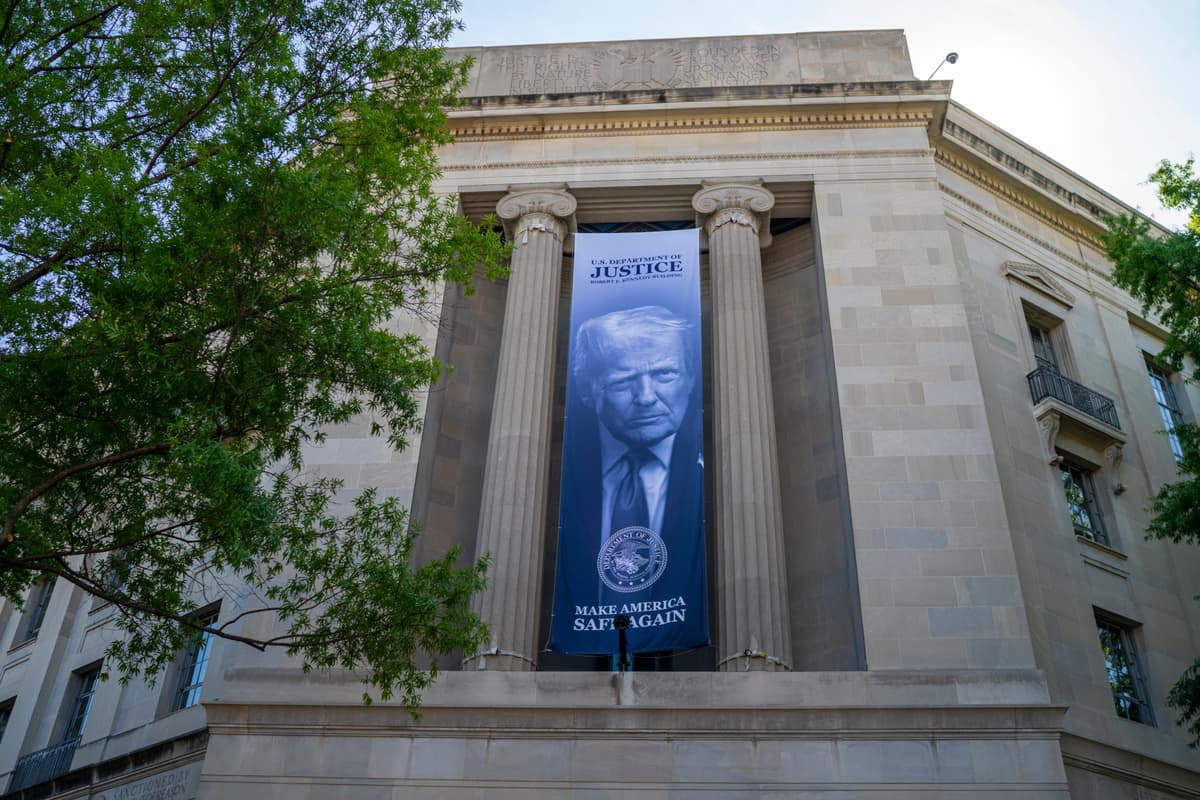
What Congress Should Do About the President’s Sweetheart Deal in Trump V. IRS
The Trump administration is reportedly stepping back from a $1.8 billion fund intended to settle the President’s lawsuit against the IRS, but the broader settlement still seeks to block tax audits of Trump, his family and affiliates. Legal experts warn that the Acting Attorney General lacks authority to grant such a release and that the deal may violate criminal provisions prohibiting political interference in audits. Congress is urged to act on three fronts: block the audit‑release provision, investigate possible violations of IRC §§7217 and 7212, and permanently bar the $1.8 billion fund and any similar self‑dealing. Legislative proposals are moving quickly, with a court injunction set to expire on June 12, heightening the urgency for congressional intervention.

How Ukraine Became a Drone Superpower
In March 2026 a two‑person Ukrainian crew used Wild Hornets' Sting interceptor drones to shoot down a record 23 Russian Shahed UAVs in a single engagement. Each Sting costs roughly $2,500, a stark contrast to the $3 million price tag of...

Shooting Down Civil Aircraft: What International and U.S. Law Say About a Charge in the Raul Castro Indictment
The U.S. Department of Justice unsealed an indictment charging former Cuban president Raul Castro under 18 U.S.C. §32 for the 1996 shootdown of the Brothers to the Rescue civilian aircraft that killed four people, including three Americans. International law, embodied in the...

Ukraine’s Parliament Is Pulling Back on LGBTQ Rights as Courts and Citizens Move Forward
Ukraine's Supreme Court, for the first time, recognized a same‑sex couple as a legal family, marking a judicial breakthrough. Two months later, the Verkhovna Rada voted overwhelmingly to advance a civil code that defines family exclusively as a man‑woman partnership,...

Digest of Recent Articles on Just Security (May 4-8, 2026)
The latest Just Security digest (May 4‑8, 2026) bundles a wide‑ranging set of analyses, from a war‑game that highlights Iran’s potential to weaponize the Strait of Hormuz to congressional debates over the War Powers Resolution. It also tracks Ukraine’s emerging international compensation...

The International Compensation Mechanism for Ukraine: Update on the Convention Establishing an International Claims Commission and the Register of Damage...
On April 30, 2026 Ukraine’s parliament ratified the Convention Establishing an International Claims Commission for Ukraine, becoming the third state after Estonia and Latvia to do so. The Convention is the second pillar of a three‑part compensation mechanism that follows...

Will Congress Throw Out a Tool to Fight Money Laundering and Corruption?
The U.S. House Financial Services Committee narrowly approved a bill to repeal the 2021 Corporate Transparency Act (CTA), a law that obligates companies to report beneficial owners to FinCEN. The CTA, originally passed with bipartisan support, is credited with closing...

The Just Security Podcast: Murder on the High Seas Part V
The Just Security podcast’s fifth episode examines the U.S. “Operation Southern Spear,” a campaign of lethal strikes against suspected drug‑trafficking vessels in the Caribbean and eastern Pacific that accelerated after Venezuela’s President Nicolás Maduro was captured in January 2026. Co‑hosts...

Taking a Toll
In April 2026 Iran began levying a $2 million toll on vessels transiting the Strait of Hormuz, a move that escalates a pattern of fee‑based extortion first seen with the Houthis. The proposal, tied to cease‑fire talks with the United States,...
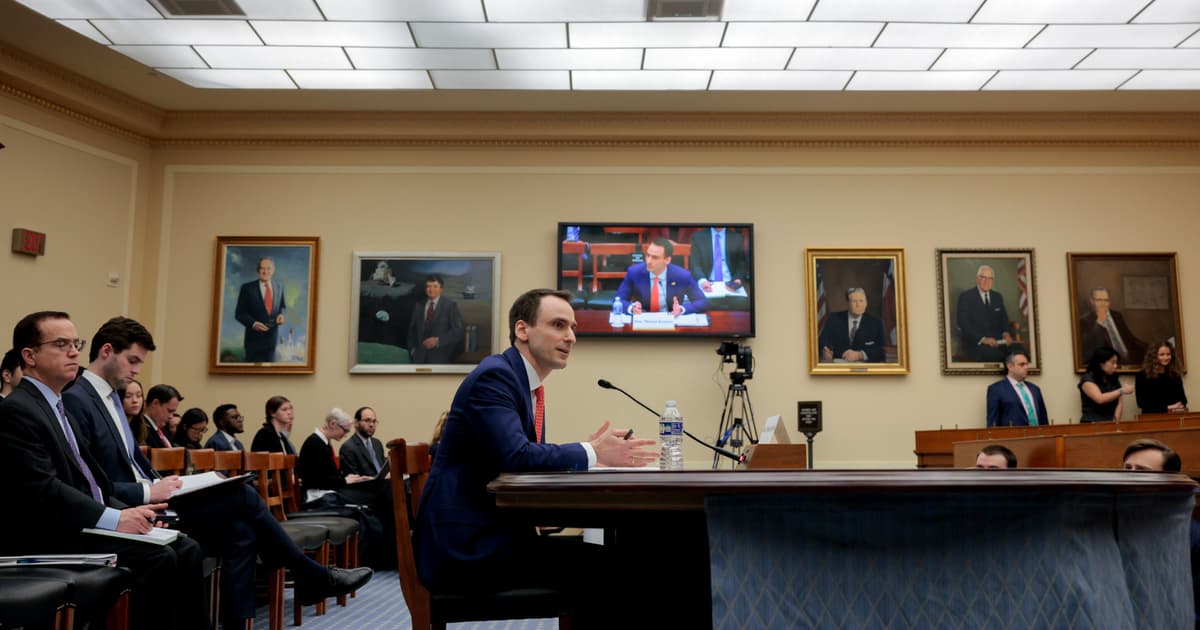
From Diagnosis to Deterrence: The Emerging U.S. Response to Adversarial Distillation
In April the White House and the House Foreign Affairs Committee moved to counter Chinese adversarial distillation of U.S. frontier AI models. The Deterring American AI Model Theft Act of 2026 (DAAMTA) would require a 180‑day assessment, publish an attackers...
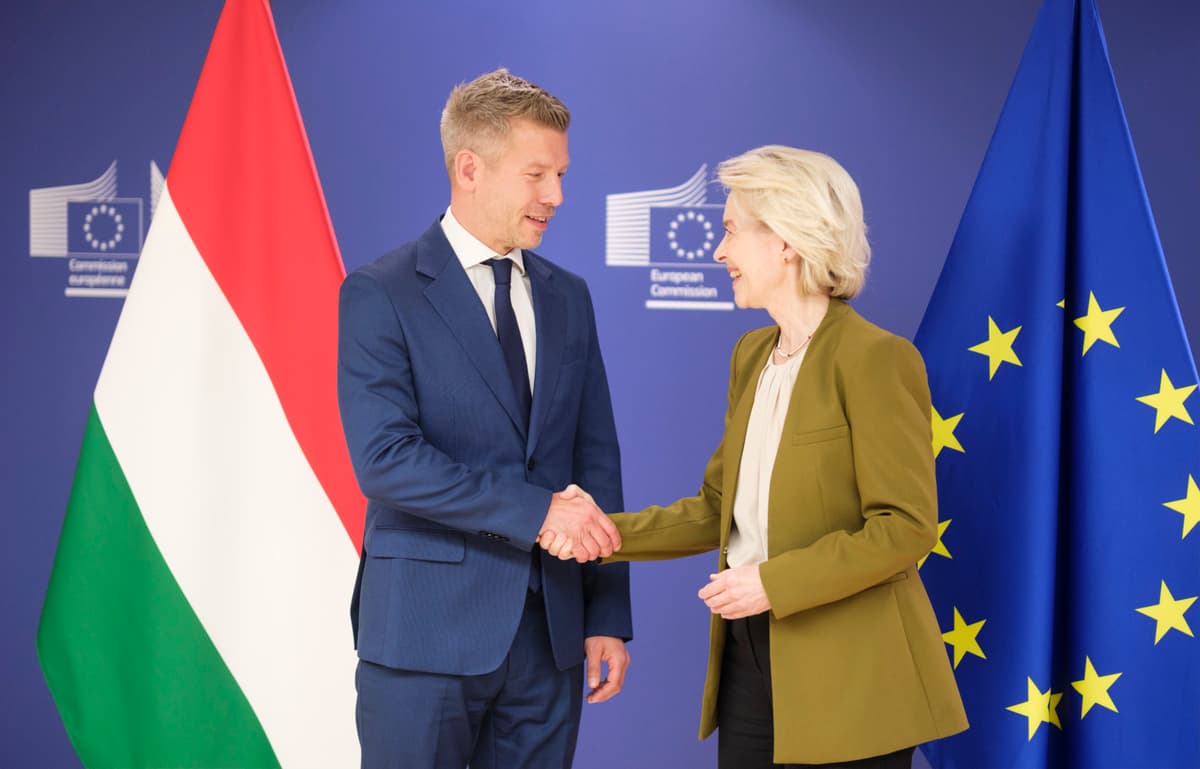
Hungary’s Election Is Already Paying Dividends for the EU and Ukraine. Is the U.S. Next?
Peter Magyar’s TISZA party won Hungary’s April 12 parliamentary election, ending Viktor Orbán’s 16‑year tenure. Within days the EU approved a $106 billion loan for Ukraine and a new sanctions package against Russia, moves previously blocked by Budapest. Magyar has pledged...

What A War Game Already Told Us About Iran
In 2002 the Pentagon’s Millennium Challenge war game, led by retired Marine Lt. Gen. Paul Van Riper, demonstrated that a simulated Iran‑like adversary could sink 16 U.S. warships in minutes using low‑tech, decentralized tactics. The exercise’s findings were down‑played, ships were...

Early Edition: May 5, 2026
U.S. warships intercepted Iranian missiles and drones, escorted two merchant vessels through the Strait of Hormuz and began advising commercial traffic on mine avoidance, while Iran continued attacks on UAE facilities and Omani ports. U.S. intelligence assessed Iran’s nuclear program...

The U.S. Shouldn’t Lose Sight of the Real Terrorist Threats
The article warns that Iran‑linked terrorist networks are intensifying attacks worldwide, from arson in London to a foiled synagogue plot in Michigan. It argues the Trump administration has shifted counterterrorism focus toward immigration, antifa and cartel designations, leaving Iran, Hezbollah,...

Hegseth’s Intellectual Purge Is an Insult to His Officer Corps
Secretary of Defense Pete Hegseth announced in February that the Department of Defense will sever ties with Harvard University and later added 13 more institutions, labeling them as ideological threats. He argues that exposure to “woke” curricula could undermine the...