
Early Edition: May 4, 2026
President Trump announced Project Freedom, a U.S. effort to guide stranded vessels out of the Strait of Hormuz, while Iran unveiled a 14‑point ceasefire proposal that includes lifting sanctions and ending the naval blockade. The U.S. has created an enhanced security area south of the usual lanes and urged coordination with Oman, as Iran warned against further U.S. incursions. Pakistan released 22 crew members from the Iranian‑flagged tanker MV Touska in a confidence‑building move. Meanwhile, Washington disclosed more than $8.6 billion in emergency arms sales to Middle‑East partners and NATO allies are adjusting base‑use policies amid the conflict.

How the Law of War Can Reckon with Longer-Term Harms of Attacks on Health
The UN Security Council adopted Resolution 2286 in 2016 to protect healthcare in conflict, yet a decade later more than 18,000 attacks on medical facilities have been recorded, with long‑term harms remaining largely invisible. The article argues that international humanitarian law’s...
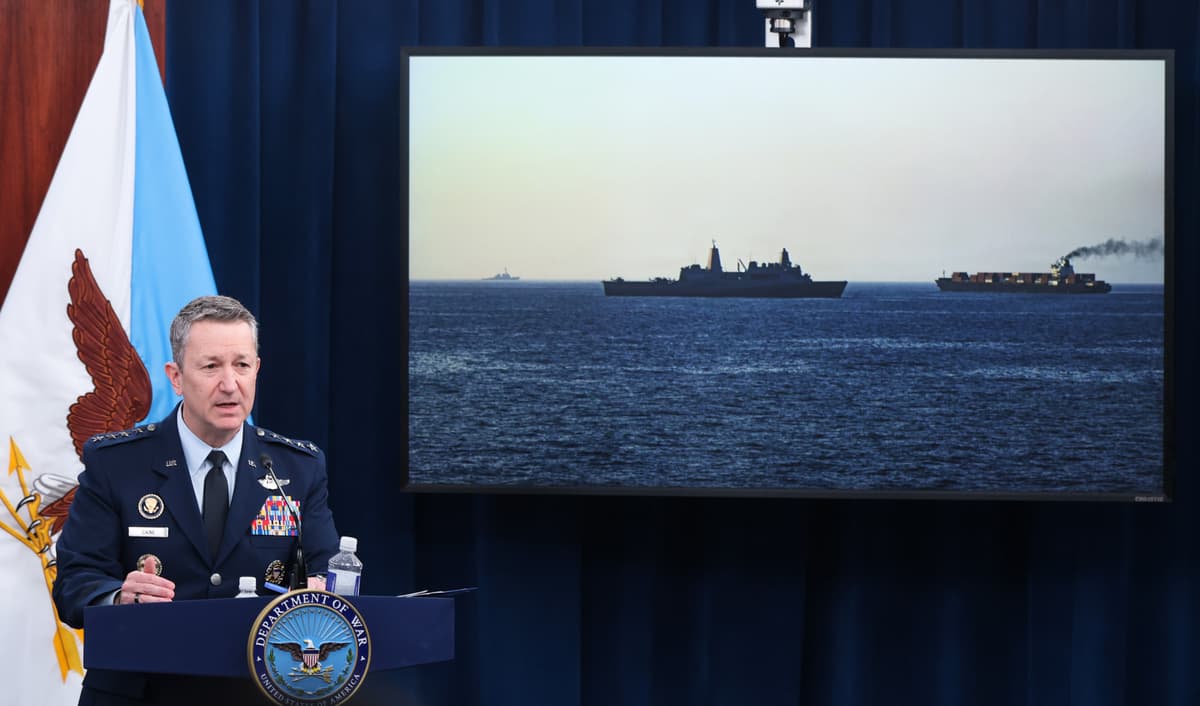
Five “Blockades” And One Legal Problem: Naval Enforcement in the U.S.–Iran Conflict
The U.S.–Iran conflict now features five distinct blockade‑style operations, each grounded in different legal authorities. Iran launched an illegal Strait of Hormuz blockade on March 2, effectively stopping commercial traffic. In response, U.S. CENTCOM announced a traditional naval blockade of Iranian...
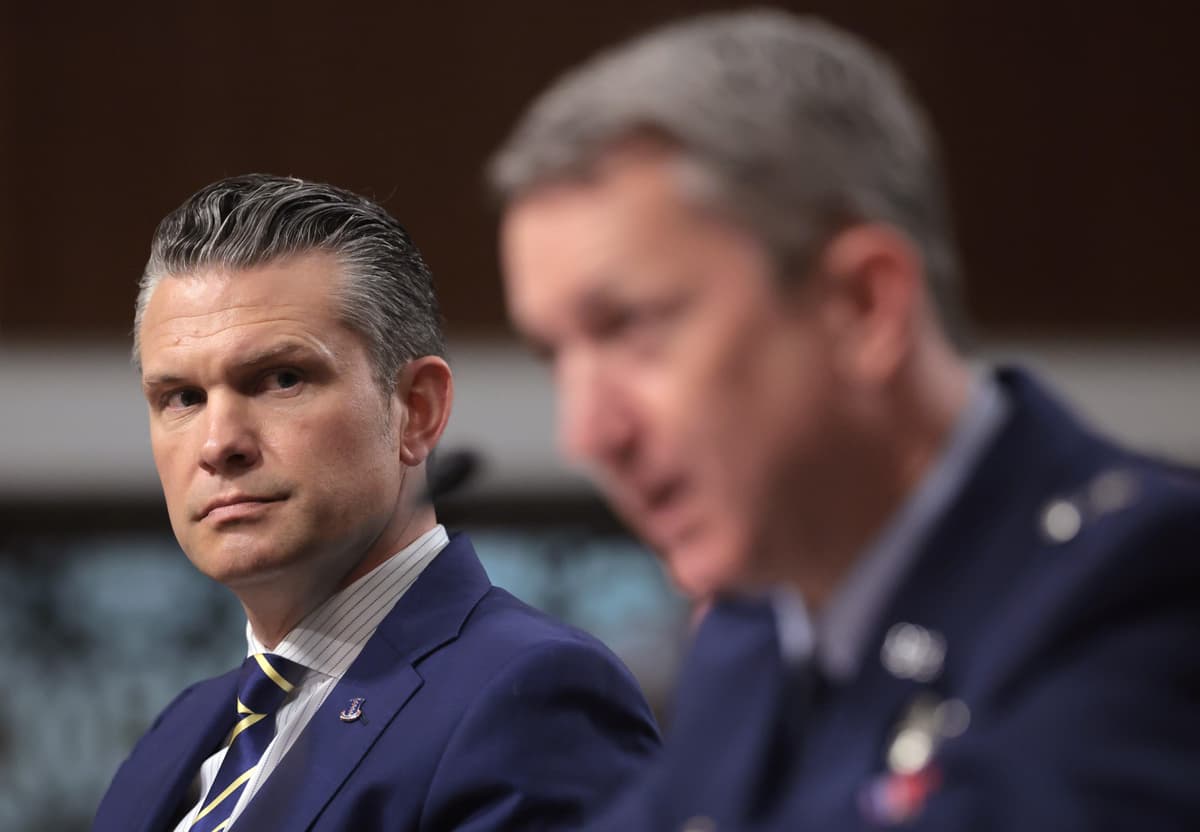
At the 60-Day Mark, the Iran War Is Triply Illegal
On May 1, the 60‑day deadline of the War Powers Resolution expired for President Trump’s Operation Epic Fury against Iran, a conflict that began on Feb. 28 without congressional approval. The article argues the war is illegal under both the U.S. Constitution, which...

Legal Foundations of Honorable Military Service
The article, authored by three senior military legal experts, examines how senior U.S. officers increasingly confront orders that may breach constitutional limits. It underscores the judge advocate’s role in advising officers on legal boundaries and ethical redlines. The authors draw...
Early Edition: May 1, 2026
Iran’s Supreme Leader vowed to protect the nation’s nuclear and missile capabilities, and a cease‑fire has temporarily paused the U.S. 60‑day war‑authorization clock. Hezbollah has escalated attacks on Israeli forces using explosive drones steered via fiber‑optic cables, challenging Israel’s electronic...
The Oral Argument in Cisco
The Supreme Court heard oral argument in Cisco Systems, Inc. v. Doe, a case testing whether the Alien Tort Statute (ATS) and the Torture Victim Protection Act (TVPA) can support aiding‑and‑abetting claims against a U.S. corporation for alleged surveillance‑enabled persecution...
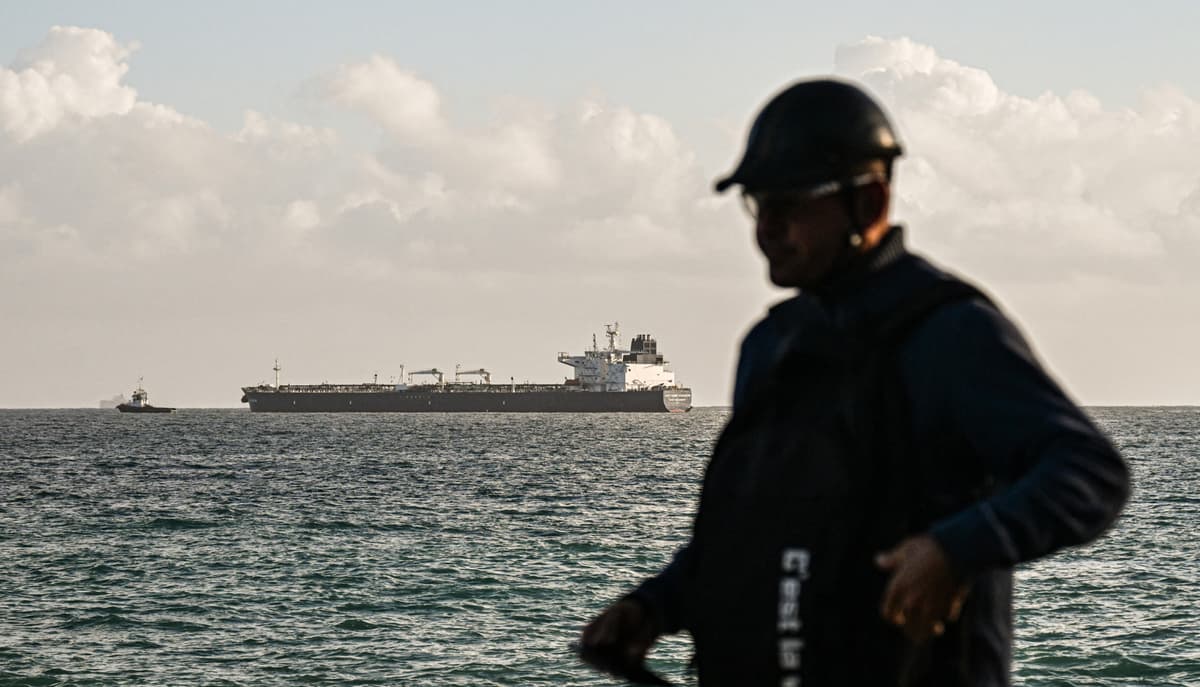
The United States-Cuba Oil Embargo and International Law
In January 2026 the United States issued Executive Order 14380, adding duties on any country that supplies oil to Cuba. The Supreme Court later struck down portions of those tariffs, but the national‑emergency declaration and related sanctions remain in force....
Early Edition: April 29, 2026
President Trump has directed aides to ready an extended maritime blockade of Iran as diplomatic talks stall, while the U.S. Treasury announced tougher sanctions on Iran’s shadow‑banking network and warned against Chinese oil purchases. The United Arab Emirates announced its...
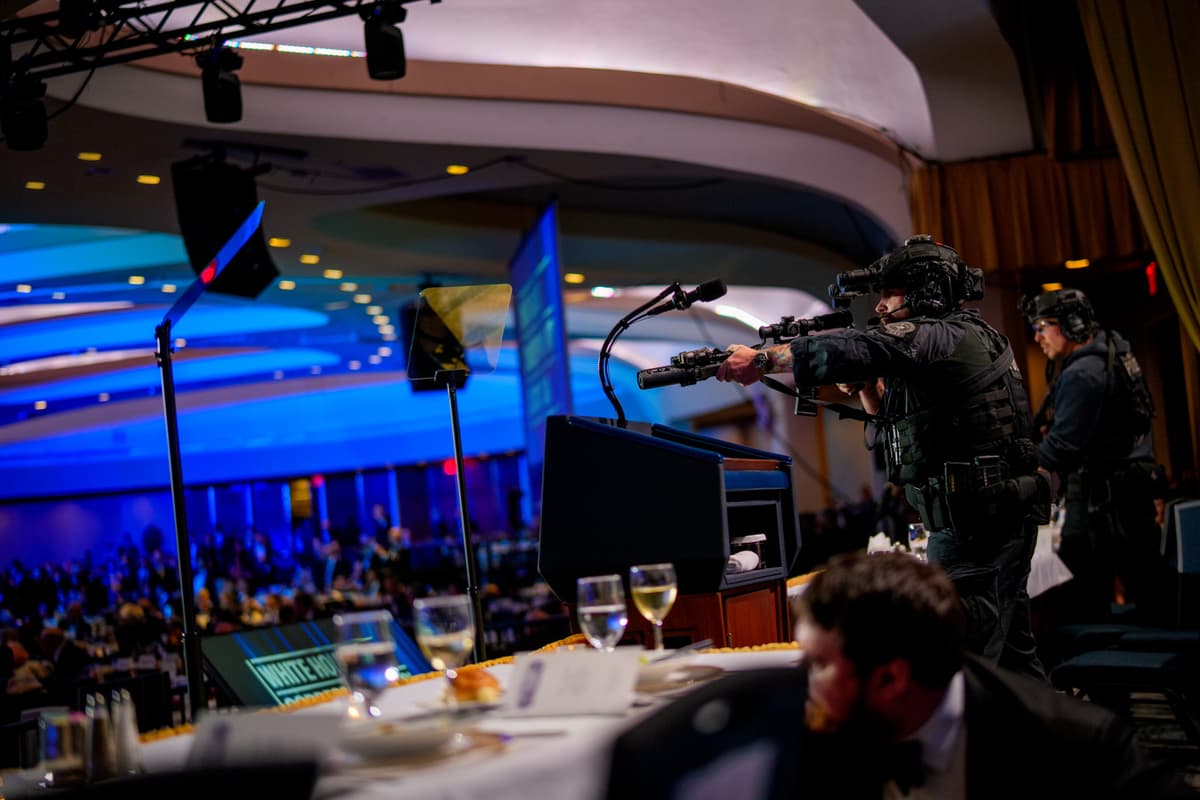
To Counter Rising Political Violence, America Needs to Reinforce Its Early Warning Infrastructure
A new real‑time monitoring system built by Princeton's Bridging Divides Initiative shows political violence in the United States surged in 2025, with targeted attacks up 34% and threats against members of Congress climbing 58%. The trend extends beyond Washington, D.C.,...
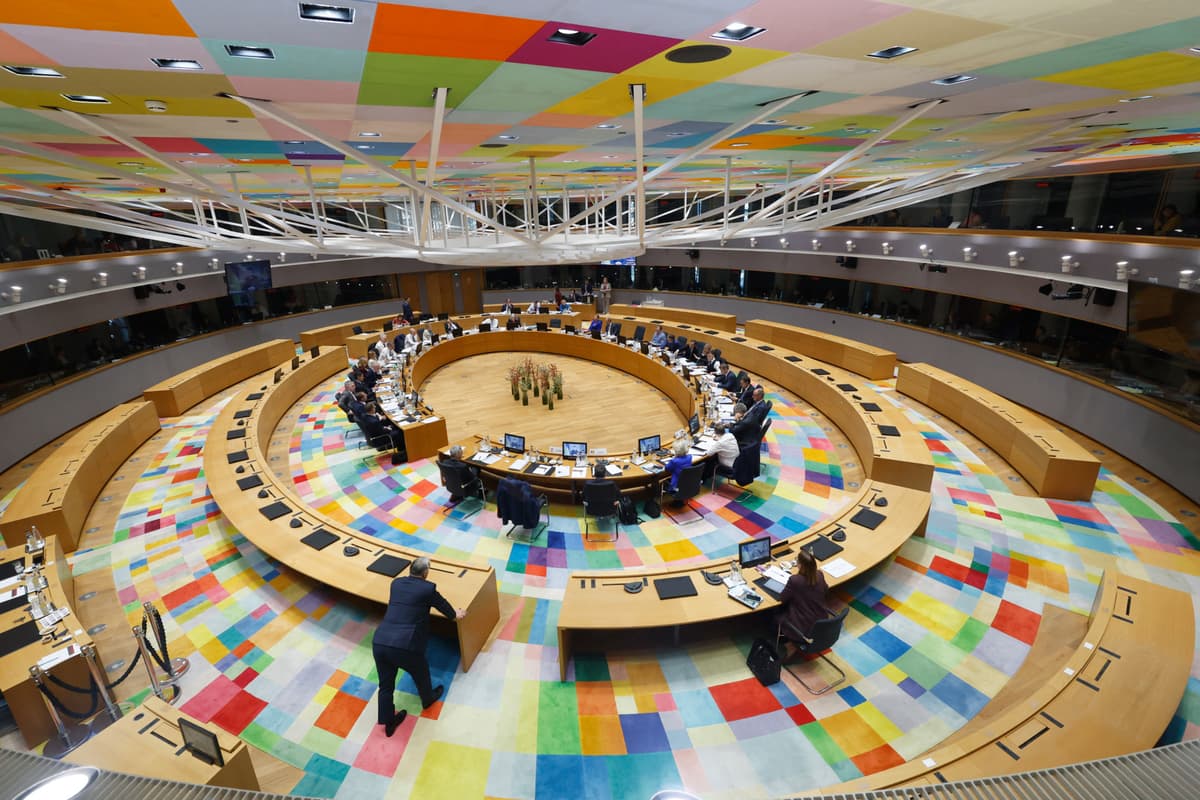
The Unraveling of the North Atlantic Bargain
The transatlantic security bargain that underpinned Europe for seven decades is unraveling as the United States shifts from an unconditional NATO guarantee to a conditional, subscription‑style service. European leaders now confront an external environment where American commitments can be repriced,...

Fool’s Gold: Speaker Johnson’s Section 702 Proposal Would Place No Limits on Backdoor Searches
Speaker Mike Johnson introduced a new House proposal to reauthorize Section 702 of the FISA, but it mirrors the previously rejected plan and imposes no warrant requirement on the government’s backdoor searches of incidentally collected American communications. The bill retains...

Digest of Recent Articles on Just Security (Apr. 19-24, 2026)
Just Security’s April 19‑24 digest aggregates fifteen new pieces spanning war‑law analysis of the U.S.–Israel–Iran conflict, Ukraine child‑rights concerns, and Russia‑Ukraine legal debates, alongside domestic policy examinations of FISA Section 702 reforms, a Supreme Court case affecting 12.8 million green‑card holders, and Trump‑era...

Cybersecurity Meets Geopolitics at Top EU Court
Advocate General Tamara Ćapeta issued a non‑binding advisory opinion in the Elisa Eesti v Estonia case, concluding that EU law permits member states to exclude hardware and software from telecom networks when the supplier is deemed a national‑security risk. The opinion validates...

On the State Department Memorandum “Operation Epic Fury and International Law”
On April 21, 2026 State Department Legal Adviser Reed Rubinstein issued the Trump administration’s longest public legal memorandum defending Operation Epic Fury, the U.S. war against Iran. The memo argues the conflict is part of an ongoing armed war and that the...
Early Edition: April 24, 2026
The United States intensified its naval campaign against Iran, seizing a second Iranian oil tanker and deploying the USS George H.W. Bush strike group with over 4,000 troops while President Trump ordered the Navy to fire on any mine‑laying vessels...
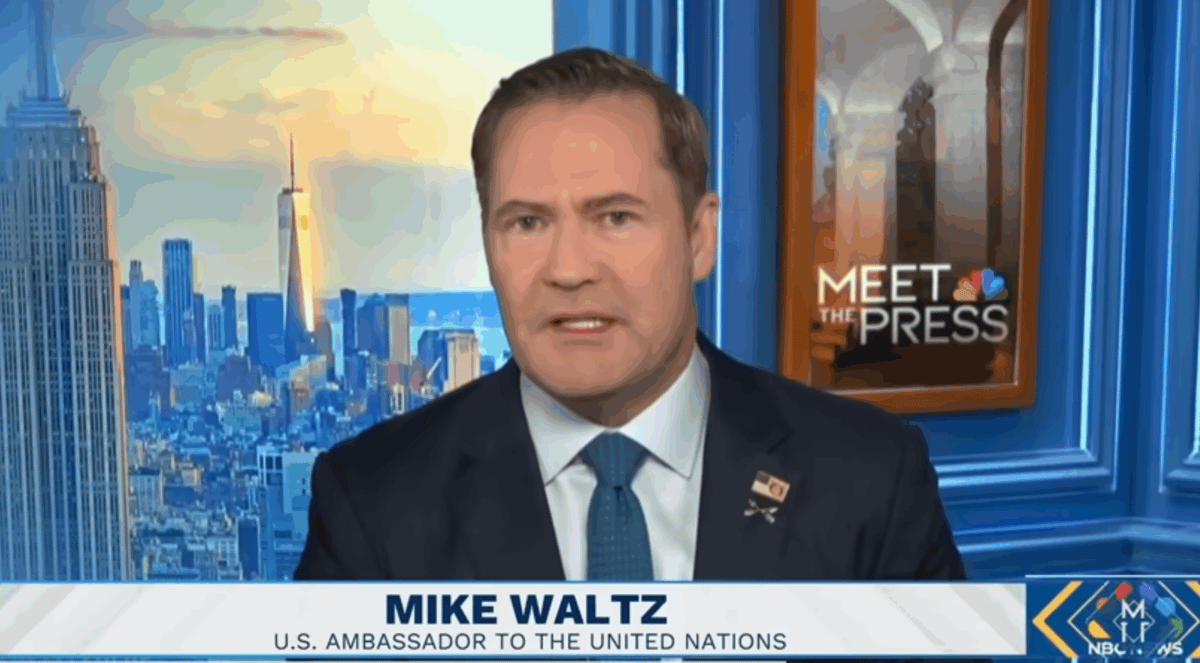
On Ambassador Waltz’s Defense of Potential Law of War Violations in Iran Conflict
U.S. Ambassador to the United Nations Michael Waltz defended President Trump’s threats to destroy Iran’s power plants, bridges and other infrastructure, arguing that dual‑use civilian assets can be lawful targets under the law of armed conflict. Legal experts counter that...

The Meta Oversight Board’s Advisory Opinion on Global Community Notes Rollout: Another Check on Platform Power?
On March 26, Meta’s Oversight Board issued an advisory opinion on the planned global rollout of Community Notes, the platform’s crowdsourced fact‑checking tool. The Board warned that a uniform rollout could cause real‑world harms in conflict zones, repressive regimes, and...
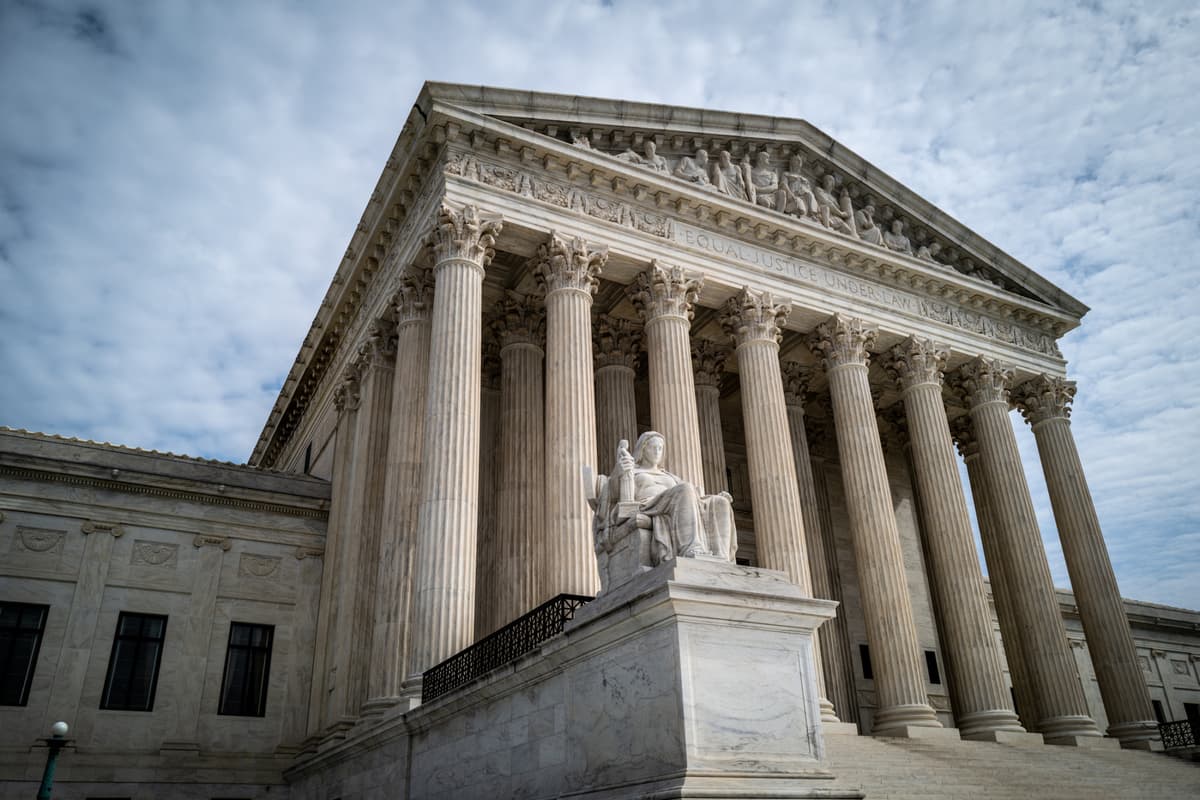
Improvidently Granted: The Sleeper Supreme Court Case Affecting the Rights of 12.8 Million Green Card Holders
The Supreme Court will hear Blanche v. Lau on April 22, a case in which the Solicitor General seeks to give DHS unchecked authority to seize green cards and place lawful permanent residents (LPRs) in indefinite parole after any foreign...
Early Edition: April 20, 2026
Iran’s foreign minister announced a conditional reopening of the Strait of Hormuz, limited to routes near Iran’s coast and only while the Lebanon ceasefire holds. The United States responded with a naval strike on the Iranian‑flagged cargo ship Touska after...
The Missing Convener: NSC’s Diminished Role and the Future of U.S. Investment Security
The National Security Council’s (NSC) staffing cuts and the removal of its senior adviser have crippled its traditional role as the inter‑agency convener for U.S. investment security. While the Department of Justice’s Data Security Program and Commerce’s connected‑vehicle rule succeeded...

The Constitution’s Forgotten Term Limit on Military Power
The Constitution’s Article I, Section 8, Clause 12—known as the Two‑Year Clause—originally limited Army appropriations to biennial funding, but a 1904 Solicitor General opinion narrowed its scope to pay only. Recent legislation, notably the 2025 One Big Beautiful Bill Act, allocated $156 billion in four‑year military funding,...

Africa’s AI Strategies Cannot Say No
African nations are rapidly adopting AI strategies—Zimbabwe launched its National AI Strategy in March, Ghana’s received cabinet approval, and Nigeria, Kenya, Rwanda, and the AU have all formalized frameworks. While framed as "development" tools, the policies lean heavily on foreign...

Cisco’s Real Stakes: Digitally Aiding and Abetting
On April 28, 2026 the U.S. Supreme Court will hear Cisco Systems v. Doe I, a case that asks whether a U.S. corporation and its CEO can be sued under the Alien Tort Statute and the Torture Victim Protection Act...
Early Edition: April 16, 2026
Senior Pakistani mediators arrived in Tehran to negotiate an extension of the U.S.-Iran ceasefire that expires next week, while the Trump administration’s team exchanged draft proposals with Tehran. The Pentagon announced the deployment of roughly 10,200 additional troops, including 6,000...
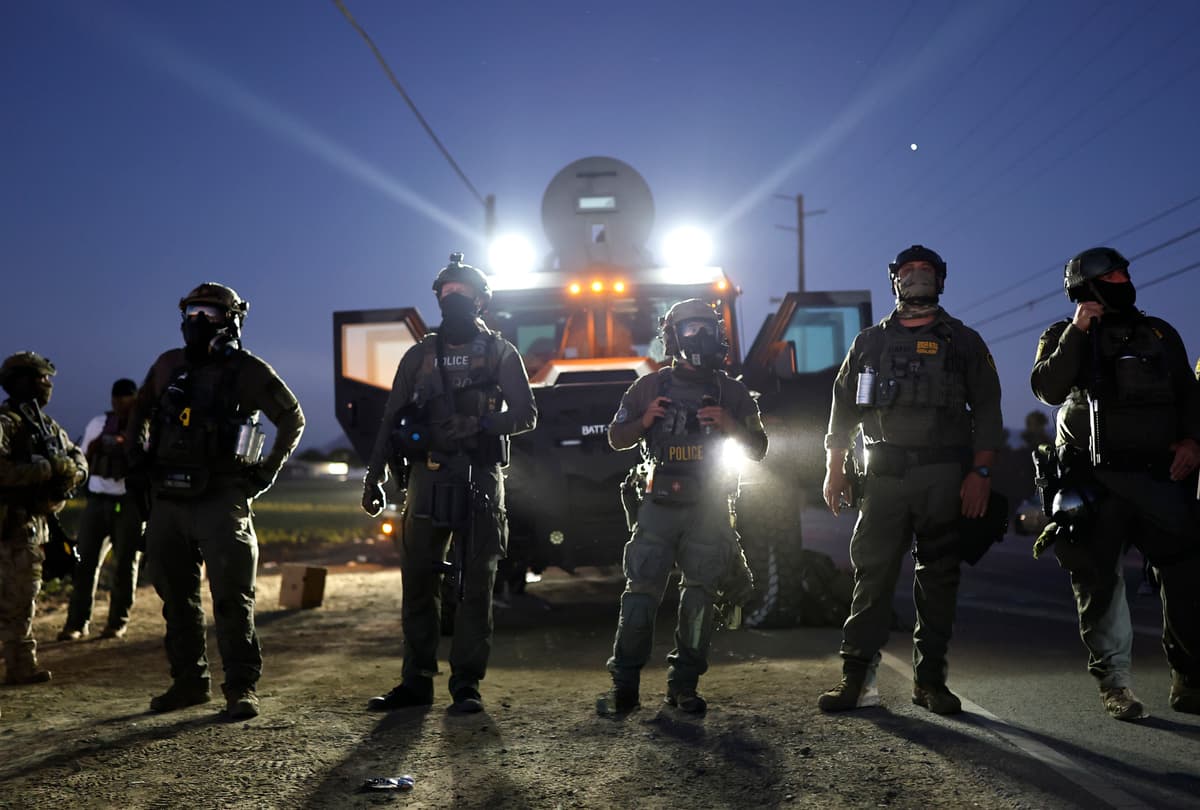
Is the Government Using Counterterrorism Surveillance Tools to Surveil American Companies?
The 2024 Reforming Intelligence and Securing America Act expanded FISA Section 702, letting agencies collect communications of non‑U.S. persons abroad and incidentally capture Americans’ data. The article alleges that ICE and other immigration officials are mining that data through back‑door searches...
The Presidential Records Act Is Constitutional
On April 1 2026 the Department of Justice’s Office of Legal Counsel issued an opinion declaring the Presidential Records Act (PRA) facially unconstitutional, arguing it exceeds Congress’s authority and infringes executive autonomy. The article rebuts this view, noting that Congress, the courts,...
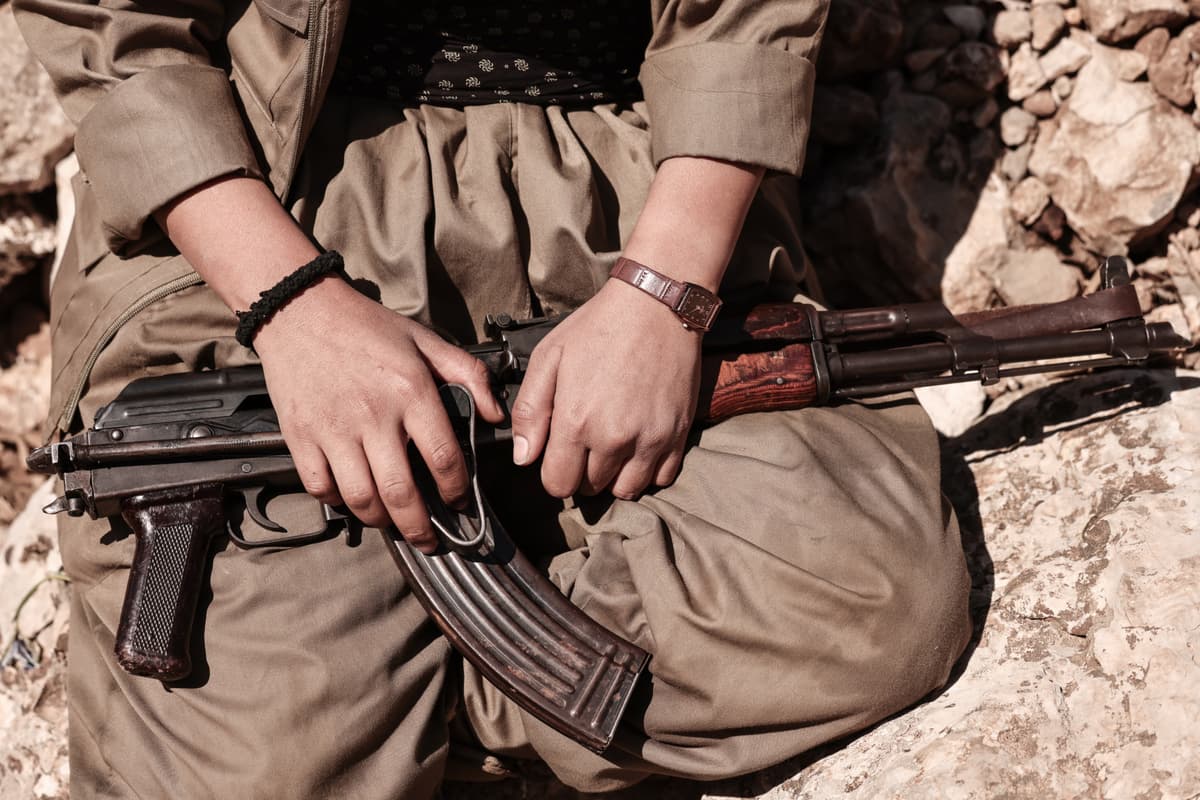
The International Legal Consequences and Imprudence of U.S. Assistance to Kurdish Rebels in Iran
U.S. officials have discussed supplying Kurdish rebel groups in Iran with weapons and logistical aid to spark a regime‑change offensive, despite a fragile cease‑fire. International law scholars argue that such support would likely violate the principle of non‑intervention, echoing the...
Early Edition: April 15, 2026
President Trump announced that a second round of direct talks with Iran could occur in Pakistan within two days, while expressing opposition to a 20‑year nuclear suspension proposal. The U.S. blockade of vessels heading to Iranian ports showed limited effect,...
Separating Fact From Fiction in FACE Act Enforcement
The Trump administration released a report alleging that the Justice Department’s enforcement of the Freedom of Access to Clinic Entrances (FACE) Act unfairly targeted religious Americans. The analysis shows the report cherry‑picks internal emails, ignores court rulings and the surge...

Bogus “Antifa” Designations and FBI Warrantless Access to Americans’ Communications
Section 702 of the Foreign Intelligence Surveillance Act, which lets U.S. agencies collect foreign communications and incidentally sweep up Americans’ data, is set to expire on April 20 unless Congress reauthorizes it. The FBI currently can query the database for...
The Trump Administration’s Fraud Problem
The Trump administration has adopted a strategy of framing the withholding of congressionally appropriated funds as fraud prevention, using that pretext to target Medicaid, SNAP, and other assistance programs in Democratic‑led states. While genuine fraud exists, the administration bypasses established...
Early Edition: April 14, 2026
U.S. officials offered Iran a 20‑year suspension of nuclear activity, while Tehran countered with a five‑year limit, widening the gap in weekend talks in Islamabad. Simultaneously, the United States began a blockade of the Strait of Hormuz, with Israel as...

Early Edition: April 13, 2026
U.S. Vice President JD Vance’s 16‑hour peace talks with Iran in Islamabad ended without an agreement, as Tehran refused to abandon its nuclear ambitions. President Trump responded by ordering a naval blockade of the Strait of Hormuz, deploying destroyers and...

Digest of Recent Articles on Just Security (Apr. 4-10, 2026)
Just Security released its weekly Digest (Apr 4‑10, 2026), aggregating 13 new analyses that span the escalating U.S.–Israel‑Iran conflict, emerging war‑crimes discourse, and evolving legal‑policy debates. The collection includes three pieces probing Iranian intelligence gaps, a proposal to codify forced marriage as...

The Tightrope Walk of Democratic Defense: Lessons From Taiwan’s Platform Governance Challenge
Taiwan’s 2023 ban on Chinese social app RedNote highlighted the clash between democratic safeguards and the need to counter Chinese information manipulation. The ban drew criticism for its narrow justification, limited effectiveness, and perceived disproportionality, exposing a governance trilemma of...

Amid Shaky Ceasefire, War in Iran Is Starving Sudan
An April 7 cease‑fire deal suspends U.S. air strikes on Iran, but the Strait of Hormuz remains effectively closed, choking humanitarian logistics. The shutdown has forced food, fertilizer and medical shipments destined for Sudan to be rerouted around the Cape...
Codifying Forced Marriage in the Crimes Against Humanity Convention: From Jurisprudence to Treaty Text
During the UN Preparatory Committee’s first session, states voiced growing backing for explicitly adding forced marriage to the draft Crimes‑Against‑Humanity Convention. Historically prosecuted under a catch‑all “other inhumane acts” category, forced marriage has faced legal uncertainty and defense challenges. The...

Continuing Crisis in Strait of Hormuz: Why Iran’s Hold Is Illegal and U.S. Military Force Alone Fails
Iran has entrenched de facto control over the Strait of Hormuz, imposing a $2 million transit fee and selectively allowing vessels from allied nations. Despite a U.S. two‑week cease‑fire pledge, American forces have not defined a clear naval role, and the...
Reprisals and the Paradox of Trust: Why Threats of Retaliation in the Iran War Are Unlikely to Work
The article argues that threats of retaliation, or reprisals, are unlikely to succeed in the Iran‑Israel‑U.S. conflict because they depend on mutual trust that simply does not exist. While international law now bars most forms of reprisals, the piece treats...
The Dangers of Hegseth’s “Warfighter” Ethos
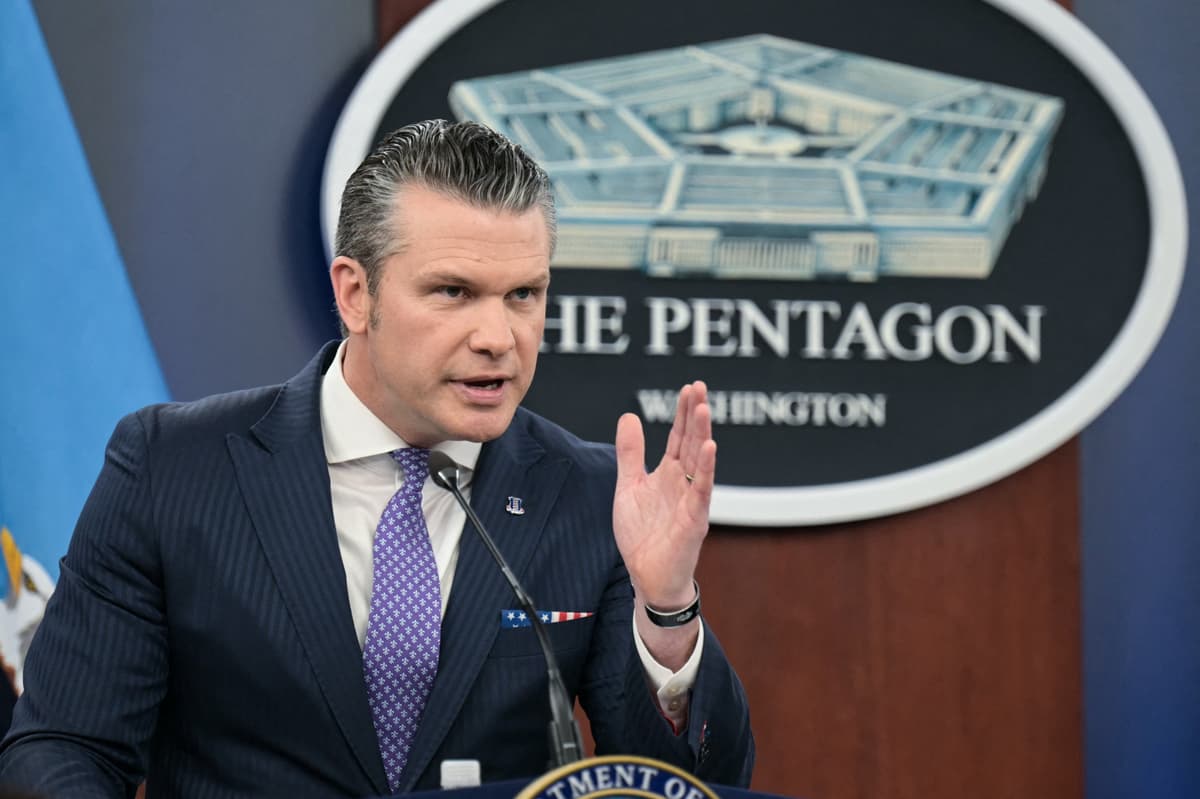
On Feb. 28 a U.S. Tomahawk missile hit Shajareh Tayyebeh Elementary School in Minab, Iran, killing 168 civilians, including over 100 children. Investigations indicate outdated intelligence misidentified the school, which sat beside a military site, as a legitimate target. The...

Myths and Facts About Section 702 Backdoor Searches: A Reply to George Croner
The Brennan Center released a concise "Myths and Facts" brief on Section 702 backdoor searches, directly countering George Croner’s Just Security response. It underscores that regular federal courts—including the Second and Tenth Circuits—have ruled that such searches constitute separate Fourth Amendment...
When War Crimes Rhetoric Becomes Battlefield Reality: The Slippery Slope to Total War on Iran
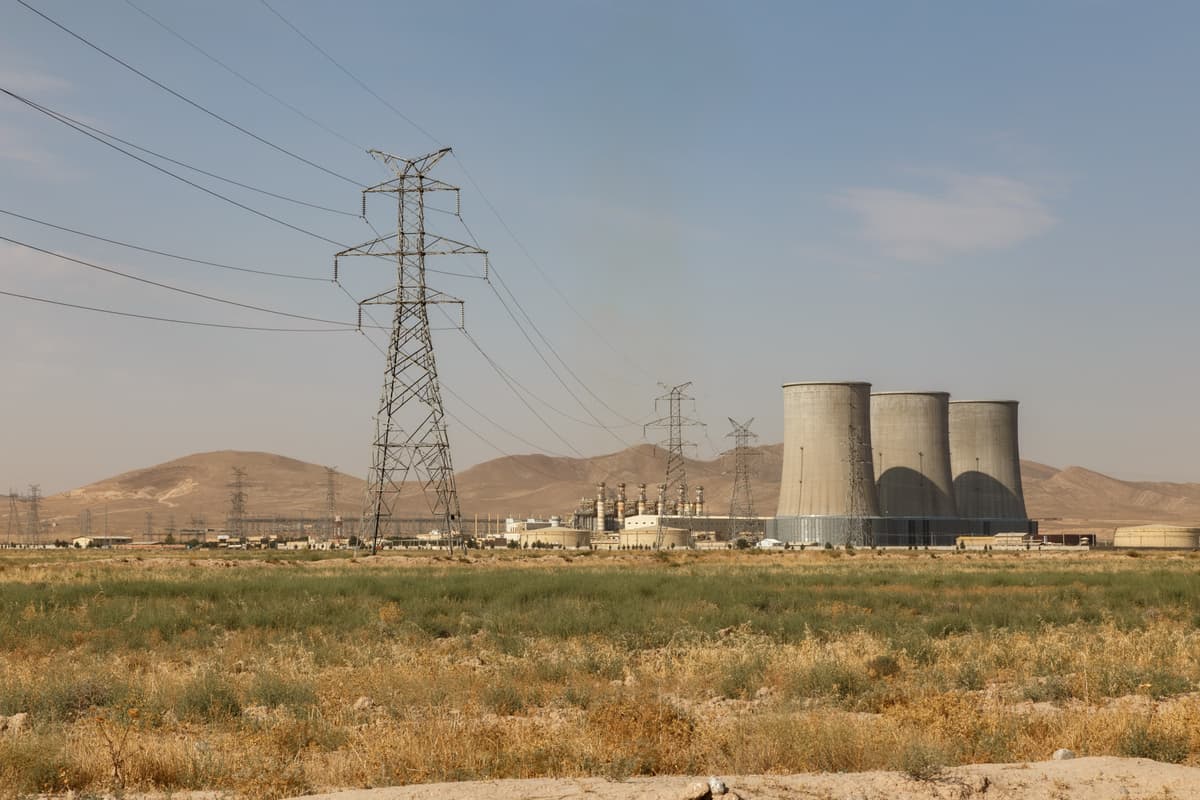
President Donald Trump publicly threatened simultaneous attacks on Iran’s electric power plants, a stance that conflicts with established international law protecting civilian infrastructure. The Geneva Conventions and the U.S. Law of War Manual require a definite military advantage and proportionality...

Global Governance of Emerging Technologies: Counterterrorism Challenges at the United Nations Security Council
Terrorist groups are increasingly leveraging widely available commercial technologies—especially AI, social media, and biometric tools—to enhance recruitment, propaganda, and operational planning. The United Nations Security Council has responded through a series of resolutions (1624, 2178, 2396) that embed non‑binding guiding...

Ukraine’s Long-Term Landmine Problem
Ukraine now faces the world’s heaviest land‑mine burden, with over 20% of its territory—about 139,000 km², the size of New York State—contaminated by unexploded ordnance from Russia’s invasion. An estimated two million mines have been laid, a level of contamination unseen in...

Washington Is Backing the Wrong Lebanon Strategy
Washington’s current Lebanon policy conflates state‑building with Hezbollah disarmament, treating them as separate tracks while backing Israel’s military pressure. The article argues that durable peace on Israel’s northern border requires a political process that strengthens the Lebanese state, enforces the...

“Precision Strike Missiles” (PrSMs) in Iran War: The U.S. Obligation to Conduct a Legal Review of New Weapons
The U.S. Army’s Precision Strike Missile (PrSM) entered combat during Operation Epic Fury, marking its first operational use. A New York Times report linked the missile to a strike in Lamerd, Iran that hit a sports hall and an elementary...

The Trump Administration Is Sabotaging Its Own Arctic Strategy
President Trump has made the Arctic a centerpiece of U.S. national‑security policy, issuing executive orders to fast‑track critical‑mineral projects like the Ambler Road and to add new Arctic Security Cutters. An “ICE Pact” with Finland and Canada aims to revive...

Khamenei’s Killing and the Perilous Death of the Assassination Ban
On Feb. 28, the United States and Israel launched Operation Epic Fury, a coordinated air campaign that killed Iran’s supreme leader Ayatollah Ali Khamenei and several senior officials. The strike, praised by former President Donald Trump, directly violated the U.S. executive‑order ban on political...

A Feasible Precaution Ignored: AI Targeting Algorithms and the Failure to Recognize Protected Emblems
Recent civilian deaths in Afghanistan, Lebanon, Gaza and Iran highlight how AI‑driven targeting algorithms can misclassify harmless objects as threats. In each case, water‑filled containers were mistaken for explosives, leading to lethal strikes by U.S. drones, Israeli missiles and Tomahawk...