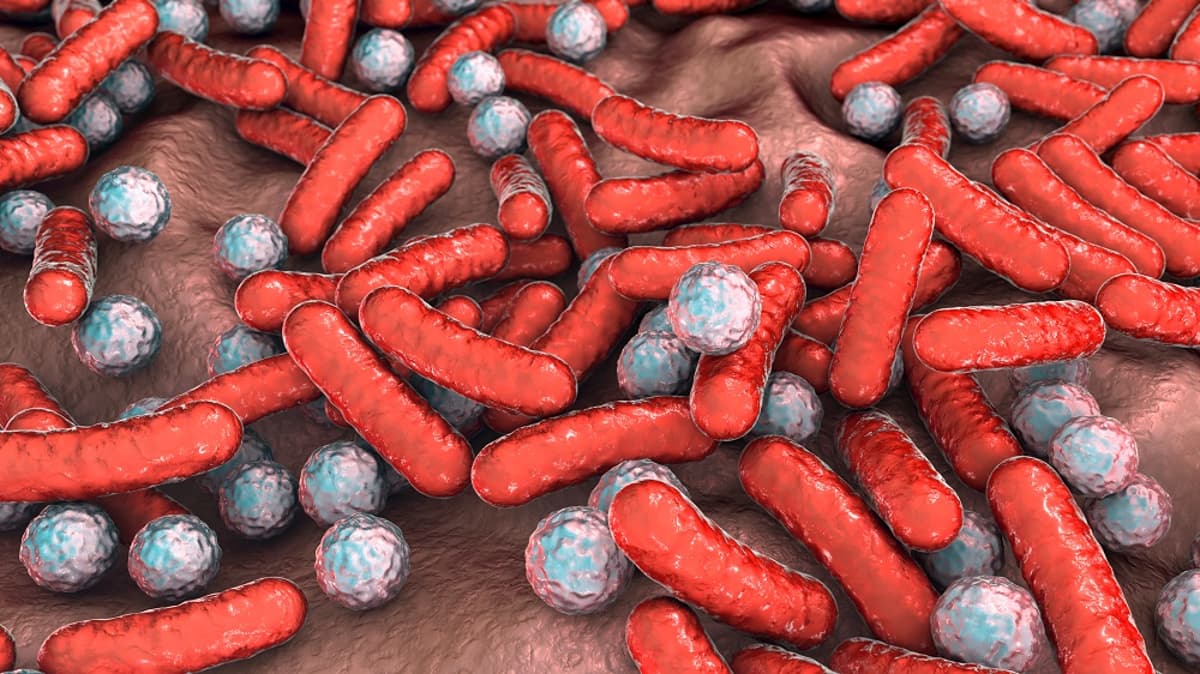
The Immune System Maintains the Microbiome
A new PLOS Biology paper argues that immune surveillance, not passive tolerance, actively regulates the gut microbiome by curbing microbial overgrowth. The authors propose that aging‑related immunosenescence weakens this surveillance, allowing certain species to dominate and causing dysbiosis. This shift reduces microbial diversity, fuels low‑grade inflammation, and may accelerate age‑associated metabolic decline. The study suggests future therapies should target both immune function and microbial composition to restore a resilient ecosystem.
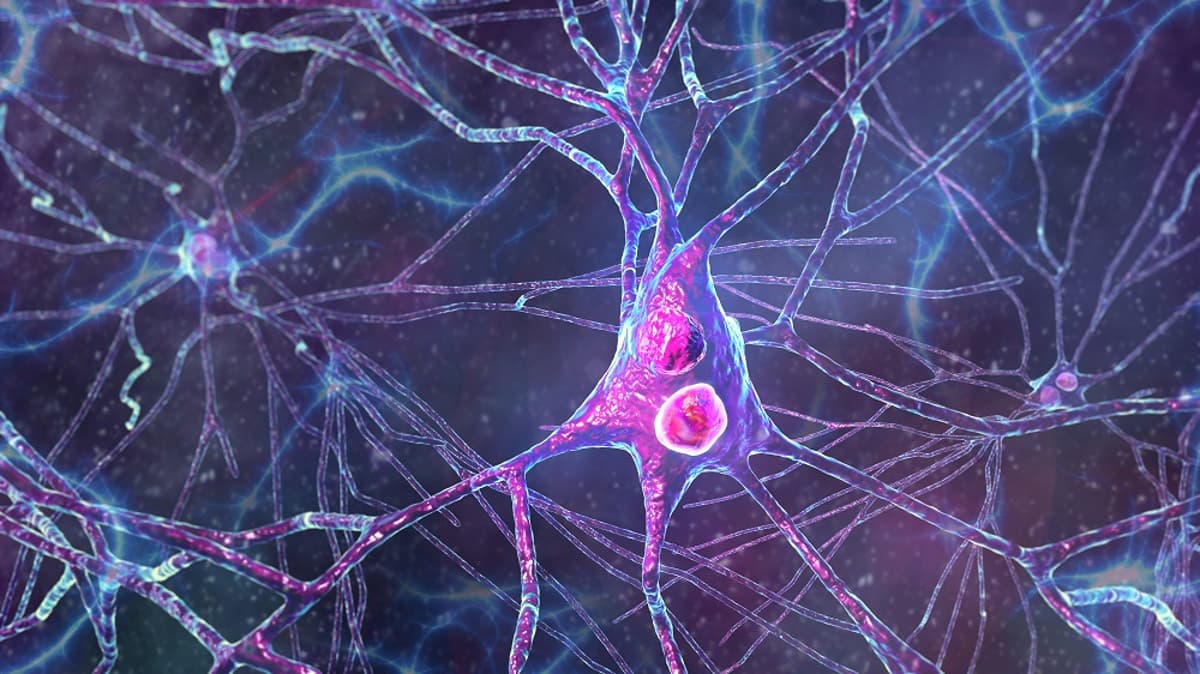
Fighting Parkinson’s by Restoring Protein Degradation
Researchers identified the proteasome activator Blm10 (human PA200) as a key factor that restores degradation of α‑synuclein, the protein that drives Parkinson’s disease. In yeast, Blm10 stability rises when phosphorylated α‑synuclein (S129) blocks autophagy, and massive overexpression of Blm10 clears...
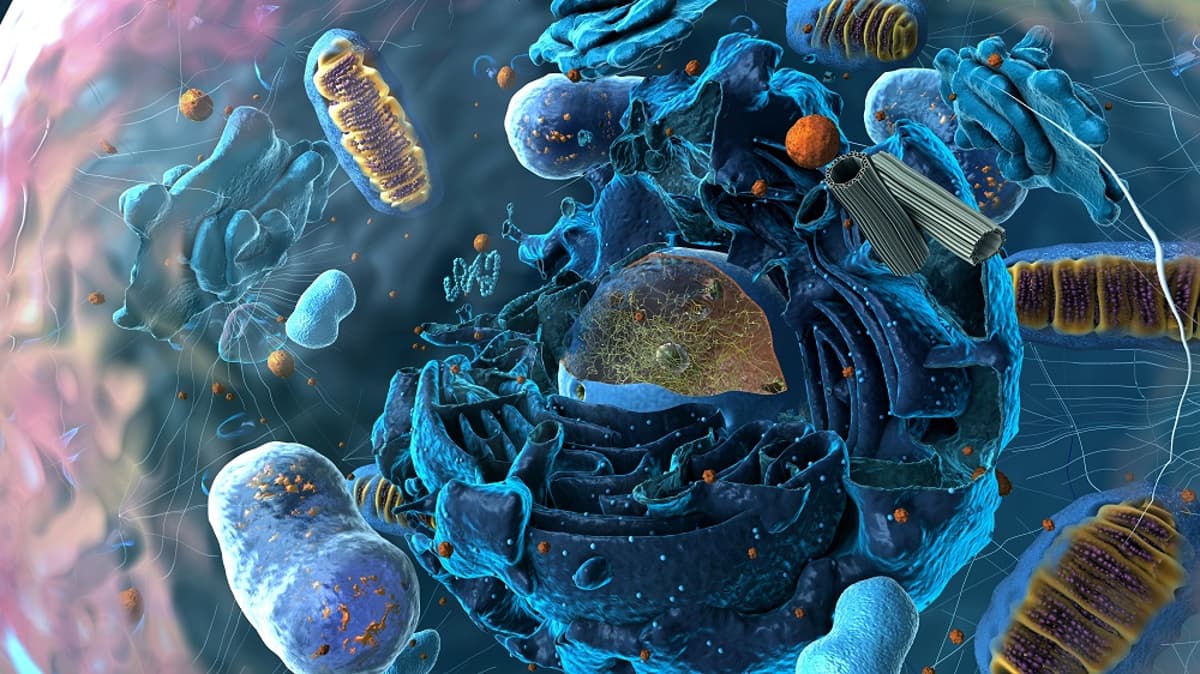
Neurons’ Protein Disposal Trick Offers Alzheimer’s Insights
A Columbia University team has identified a neuron‑specific membrane‑bound proteasome, termed the neuroproteasome, that disposes of proteins by exporting peptide fragments. By selectively blocking these neuroproteasomes, researchers induced tau protein to form insoluble filaments identical to those seen in Alzheimer’s...

Forever Healthy Foundation Launches Evipedia.ai
The Forever Healthy Foundation launched evipedia.ai, an open online encyclopedia offering more than 500 evidence‑based reviews of health and longevity interventions, from first‑generation rejuvenation therapies to supplements and lifestyle protocols. Each entry provides a one‑page Quick Reference Sheet and a...

The Thalion Initiative: A New Non-Profit With Big Ambitions
The Thalion Initiative, a newly launched non‑profit, aims to accelerate fundamental aging biology with a 15‑year, $710 million roadmap. Its first phase focuses on building a $100‑120 million, 200‑species, multi‑omics mammalian biobank and developing high‑resolution microscopy and mass‑spec tooling. Backed by a...

Harvard Publishes a Longevity Report for the General Public
Harvard Health Publishing released a $29 consumer guide titled “Pathways to Longevity,” marking the first major academic effort to translate longevity science for the general public. The report cites a Pew poll showing 76% of U.S. adults want to live...

A Better Algorithm for Predicting How Cells Behave
Altos Labs researchers unveiled PRiMeFlow, a flow‑based machine‑learning model that predicts how a cell’s gene‑expression profile will change after genetic or chemical perturbations. Unlike prior methods, PRiMeFlow operates directly in the high‑dimensional expression space instead of compressing data, and it...
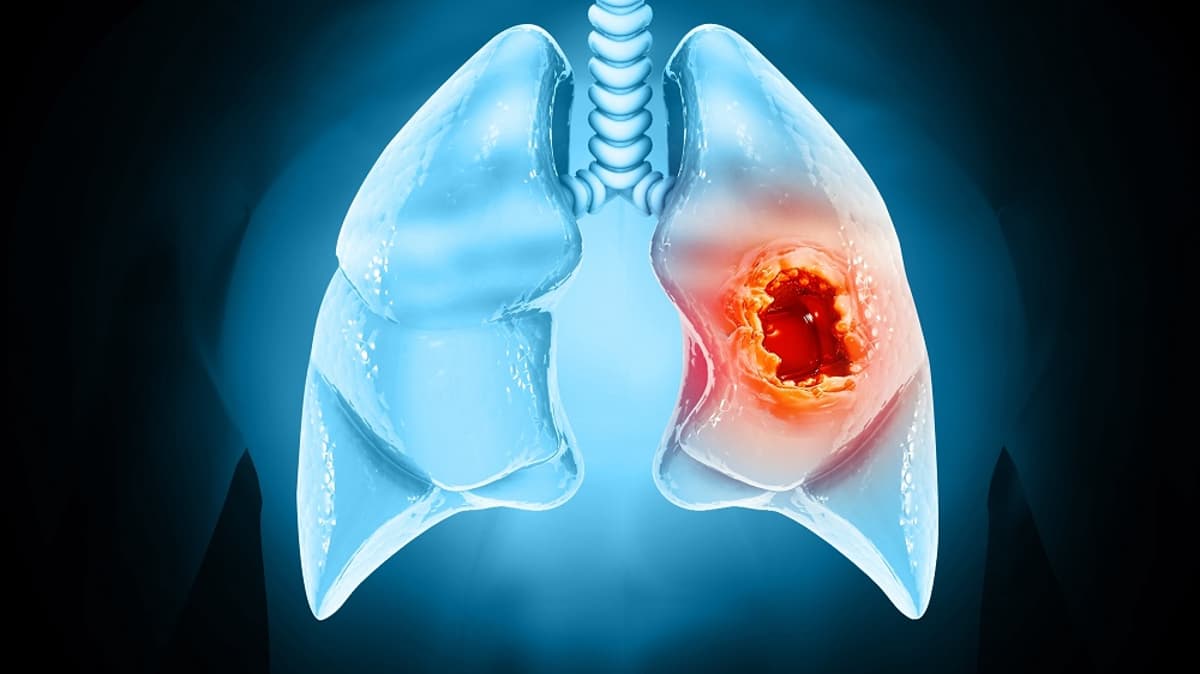
Early Cancer Cells Change Their Surroundings to Form Tumors
Scientists showed that KRAS‑mutant alveolar type‑II cells in lung adenocarcinoma first adopt a repair‑like state, secrete amphiregulin (AREG) and activate EGFR on nearby fibroblasts, reprogramming both fibroblasts and macrophages into a tumor‑permissive niche. In mouse models, blocking EGFR or deleting...

Untangling Cellular Senescence at Its Roots
Researchers in Aging Cell used single‑cell RNA sequencing to compare primary senescent cells induced by radiation with secondary senescent cells triggered by SASP exposure in kidney cells. They identified multiple transcriptional clusters within each group and mapped distinct developmental trajectories,...
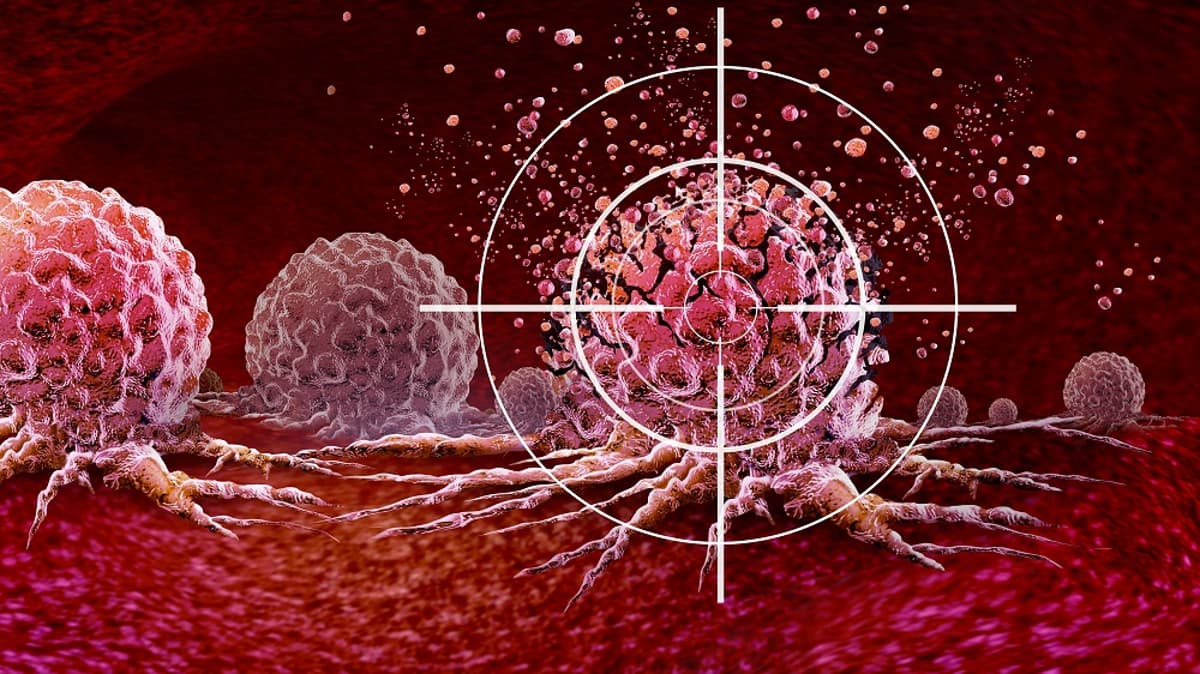
CRISPR-Based System Targets RNA and Kills Cells on Demand
Scientists at Utah State University have engineered a CRISPR‑Cas12a2 system that reads a specific RNA transcript and triggers uncontrolled DNA shredding, killing the host cell. The enzyme reduced yeast colonies 134‑fold and stopped proliferation of HeLa cancer cells, even when...
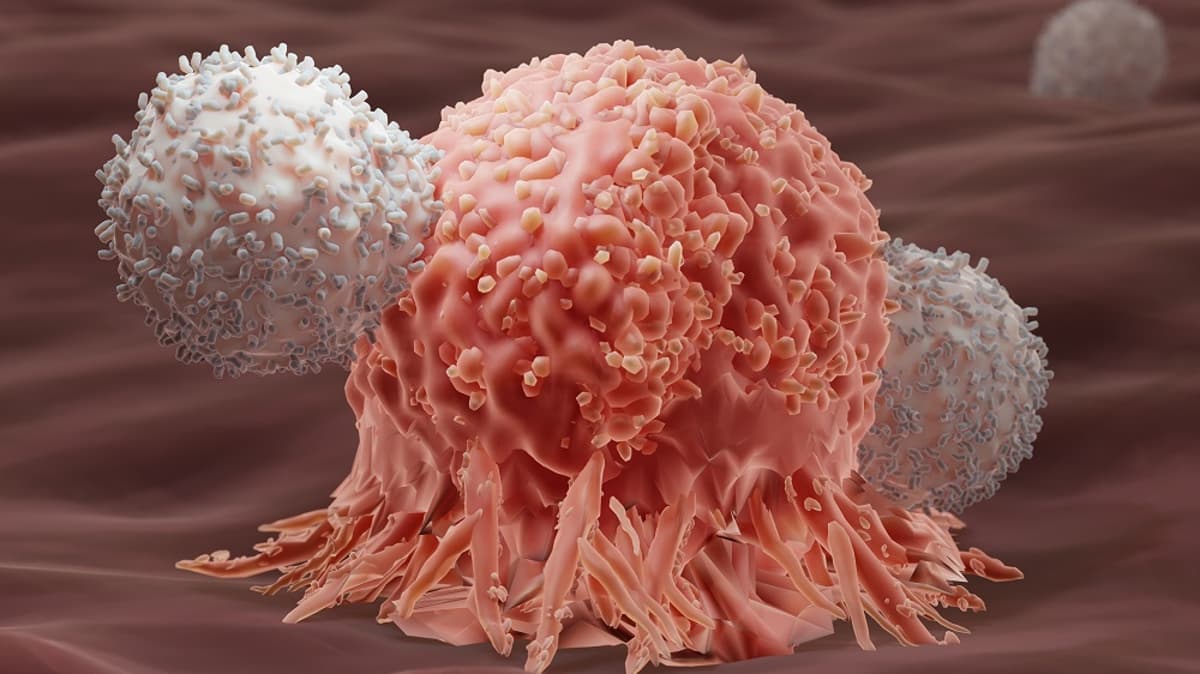
New mRNA Therapy Destroys Cancer by Improving T Cell Priming
MIT researchers engineered lipid‑nanoparticle mRNA encoding NF‑κB‑inducing kinase (NIK) or IRF8 to reprogram immature dendritic cells into the cDC1 phenotype. The immune‑remodeling mRNAs amplified CD8+ T‑cell priming, leading to complete tumor regression in 70‑80% of mice across colorectal and metastatic...

Current Clinical Trials of Alzheimer’s Drugs
The 2026 annual report on Alzheimer’s drug development lists 158 therapies across 192 active clinical trials, enrolling 54,728 participants. Over the past decade the number of trials and tested agents grew by roughly 35% and 40%, respectively, with 59 new...

Junyue Cao on How the Body Ages, Cell by Cell
Dr. Junyue Cao’s lab at Rockefeller University released the most extensive single‑cell epigenomic atlas of mammalian aging, profiling chromatin accessibility in roughly seven million cells from 21 mouse tissues at three life stages. The study identified about 1,800 distinct cell...

Creatine Shows Synergy With Exercise in Older Adults
Researchers in Spain examined whether creatine supplementation enhances high‑load, velocity‑intentional resistance training (HL‑VIRT) in adults around age 68. Over 16 weeks, participants who combined creatine with either elastic‑band or aquatic power training showed larger increases in brain‑derived neurotrophic factor, greater...

“Thinking” AI Outperforms Human Doctors on Real-Life Data
A new study published in *Science* pits OpenAI’s reasoning model o1‑preview against hundreds of physicians across multiple clinical tasks. The model correctly included the diagnosis in 78.3% of 143 NEJM cases and ranked it first in 52%, outperforming GPT‑4 and...