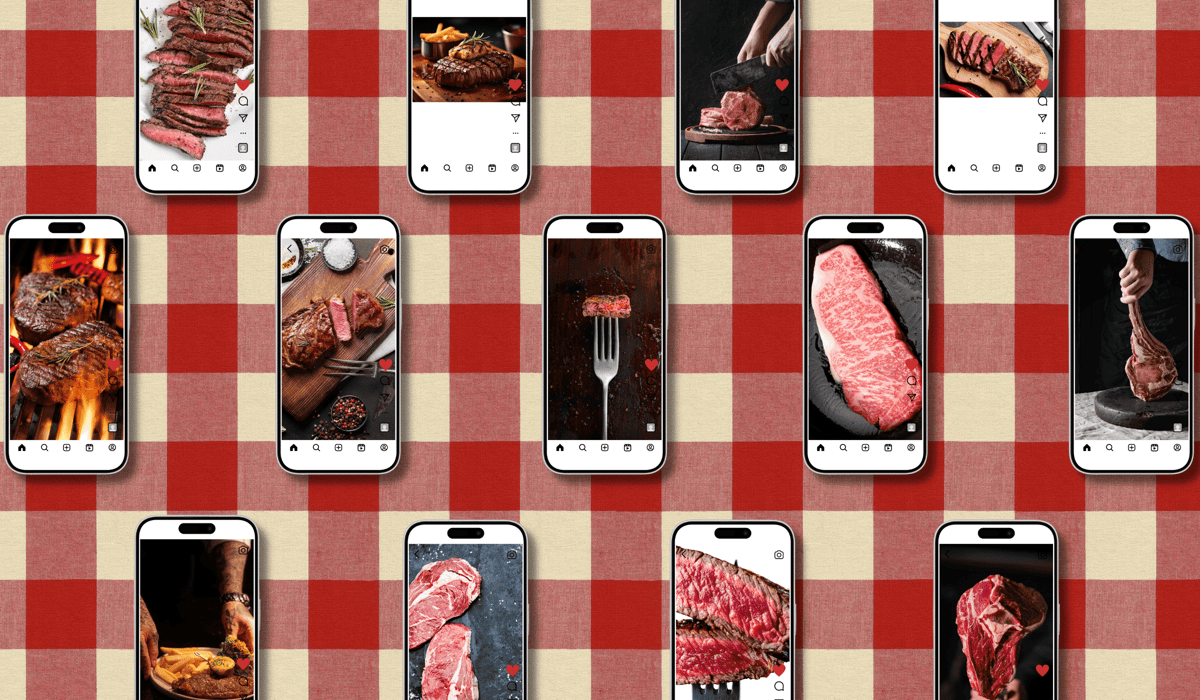
Was It Worth It?
Adam Dalva’s personal essay chronicles his eight‑month journey on Ozempic, a GLP‑1 weight‑loss drug, and how it muted his appetite, reshaped social eating, and sparked a craving to test an all‑you‑can‑eat steakhouse. He recounts the sensory disconnect of watching food‑review videos while his own hunger wanes, then finally visits Fogo de Chão, now owned by Bain Capital, to confront the buffet’s engineered scarcity tactics. The piece blends grief‑driven weight loss, influencer culture, and the economics of private‑equity‑run restaurant chains. Dalva reflects on the melancholy of chasing culinary pleasure that feels both mediated and muted.
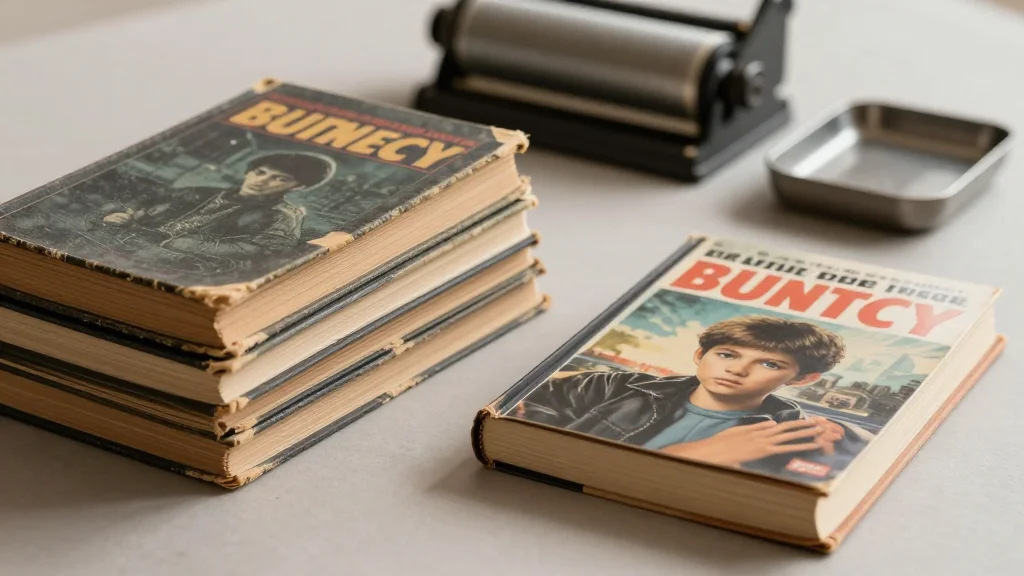
The Hardy Men
Last year a conservative publisher released two box sets of the Hardy Boys mystery novels, touting them as restored to their original form and marketed as the ideal introduction for young readers. The "restored" editions retain the series' historic racial...

Creating Baby Geniuses to Thwart the AI Threat? (Yes, Really.)
A cluster of Silicon Valley billionaires—including Peter Thiel, Sam Altman, Marc Andreessen and Vitalik Buterin—are financing embryo‑editing startups that aim to prevent disease and, for some, create children capable of outthinking advanced AI. The firms, such as Nucleus, are leveraging CRISPR...
How to Begin
Jane O’Sullivan’s essay in The Sydney Review of Books critiques the dominant writing‑advice mantra that a story must hook readers instantly. By dissecting opening lines from authors like Robbie Arnott and Laila Lalami, she links this obsession to a broader...

The Longreads Questionnaire, Featuring Vauhini Vara
Vauhini Vara, the award‑winning author of *Searches: Selfhood in the Digital Age*, sat for Longreads' questionnaire, revealing how she first experimented with GPT‑3 for her 2021 essay “Ghosts” and later used ChatGPT to critique sections of her new book. The...

The Great Ozempic Experiment
GLP‑1 medications such as Ozempic and Zepbound have moved beyond weight‑loss to treat a spectrum of conditions, from traumatic brain injury to long Covid and addiction. An interactive New York Times report highlights that roughly one in eight Americans have tried these...

Our Longing for Inconvenience
In a New Yorker essay, poet Hanif Abdurraqib argues that relentless digital convenience erodes the richness of experiences that arise from friction. He highlights how on‑demand streaming, instant shopping, and dating apps compress moments that once required patience and effort....

She Knows a Place
Sophie Abramowitz’s essay dissects Mavis Staples’ vocal artistry, showing how she dissolves the line between lead singer and choir across tracks like her a‑cappella "Stand By Me" and the duet "You Are Not Alone" with Jeff Tweedy. The piece roots...

How Our Grandmothers Made Us and Saved Us
Angela Pelster’s Orion essay argues that grandmothers were pivotal to human evolution, citing the discovery of a 9,000‑year‑old female hunter in Peru whose tools were mistakenly credited to men. She blends archaeology, science and personal narrative to reveal a forgotten...
The Hardest Part Of History To Tell Is How It Felt
Craig Fehrman, while researching a Lewis and Clark book, was mauled by a dog, an event that shattered the academic distance between his life and his subjects. The trauma prompted him to abandon a purely factual recounting in favor of...

What It’s Like to Go Through Perimenopause and Menopause in Prison
The U.S. female prison population has surged 600% since 1980, bringing a growing cohort of women into perimenopause and menopause. Incarcerated women face chronic medical neglect, often forced to self‑diagnose and manage symptoms without proper care. Texas prisons, for example,...
Fortress Yellowstone
The piece "Fortress Yellowstone" exposes how the ultra‑rich profit from Amazonian soy and corn farms that decimate native forest, then funnel that wealth into buying vast Montana ranches marketed as private preserves. While the Brazilian plains become barren deserts feeding...
Who Is Black Comedy For?
Geoff Bennett’s new book *Black Out Loud* charts Black comedy from vaudeville to 1990s sitcoms, framing its evolution as a steady march toward mainstream acceptance. In a counter‑review for *The Atlantic*, Kam Collins argues that Bennett’s equation of progress with...
Curiosity Is No Solo Act
In their new adaptation of *Curious Minds: The Power of Connection*, Perry Zurn and Dani S. Bassett trace how curiosity has been portrayed from harmless gossip‑seeker to biblical transgressor. The authors argue that the archetype of the curious individual has...

I Found It: The Best Free Restaurant Bread in America
Writer Caity Weaver embarks on a quest to crown the best free restaurant bread in America, spotlighting extravagant offerings like Joël Robuchon’s $725.32 complimentary loaf in Las Vegas, the oversized, hand‑thrown rolls at Lambert’s in Foley, Alabama, and the ever‑popular Red Lobster...

Holding Pattern: A Reading List on Waiting . . .
Longreads curates a thematic reading list titled “Holding Pattern: A Reading List on Waiting,” gathering essays that explore waiting from psychology, architecture, politics, humanitarian, and medical perspectives. Highlights include Jason Farman’s queuing psychology guide, Belle Boggs’s architectural pattern for waiting...
Turfin’ Safari
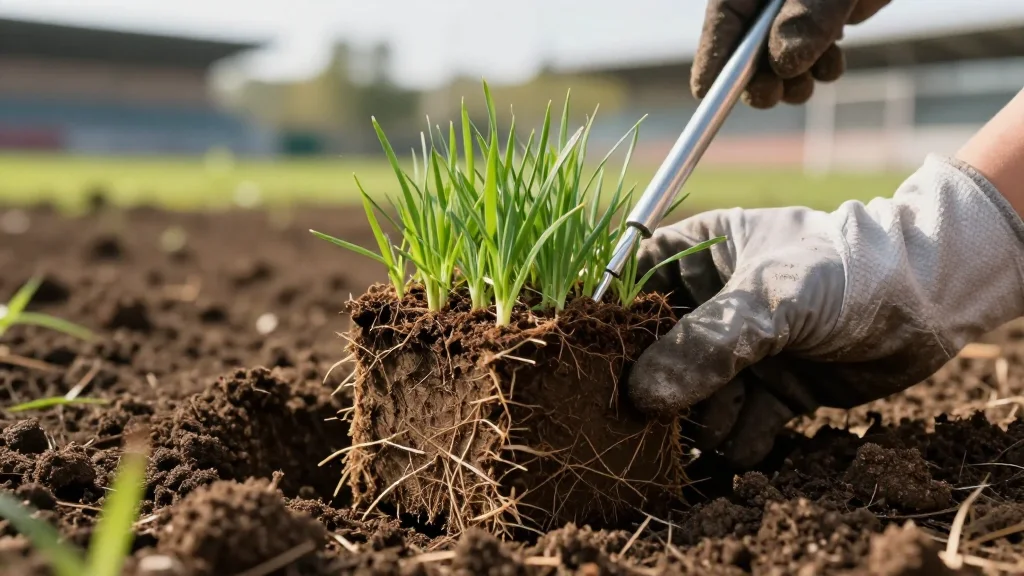
Andrea Woo’s Globe and Mail piece reveals how a five‑year research program led by turf‑grass professor John Sorochan is shaping the natural‑grass pitches for the 2026 FIFA World Cup. The tournament will span 16 stadiums across Canada, the United States...

The Absolute Hell of Watching a Movie at the Alamo Drafthouse in 2026
Alamo Drafthouse introduced QR‑code ordering for concessions, pairing it with a mandatory phone‑on policy that contradicts its historic no‑cell‑phone rule. The change forces patrons to use an app for $11 snack boxes, leading to frequent phone use during screenings. Critics,...
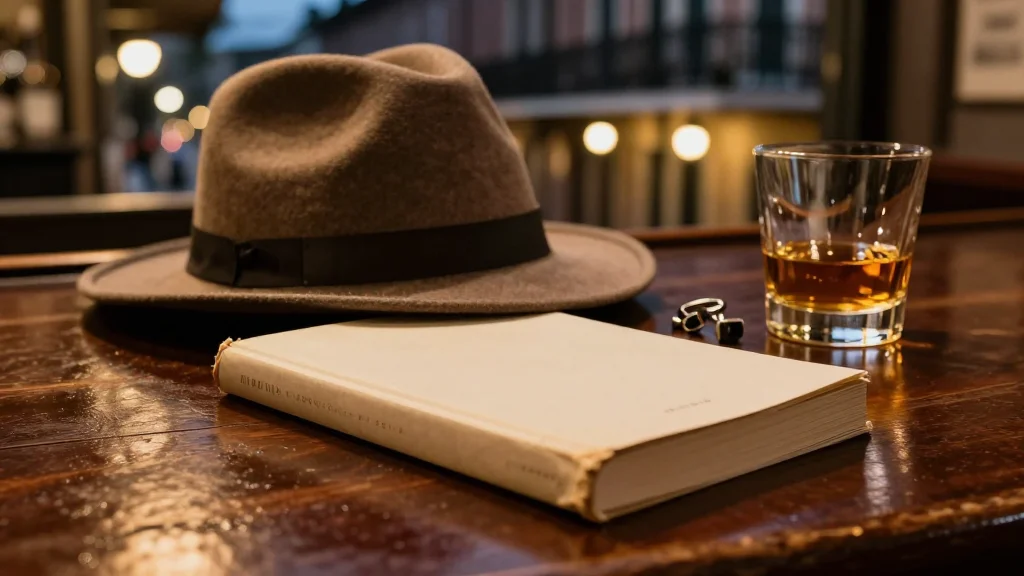
The Car-Crash Conspiracy
Patrick Radden Keefe, fresh from his book "London Falling," has published a New Yorker investigation titled "The Car‑Crash Conspiracy." The piece exposes a coordinated network of personal‑injury lawyers, private investigators and “slammers” in New Orleans East who deliberately stage tractor‑trailer...

Menace on the Streets
Micromobility devices such as e‑scooters, e‑bikes and e‑skateboards are proliferating across Canadian cities faster than legislators can draft and enforce consistent safety rules. The patchwork of provincial and municipal regulations has left many riders operating without clear guidelines, leading to...

The Top 5 Longreads of the Week
Longreads released its weekly "Top 5 Longreads" roundup, featuring standout pieces by David Moudy‑Miller, Caitlin Wash Miller, Kevin T. Baker, Alex Vadukul and Jordan Ritter Conn. The selections span personal grief, commuter concerns, the fallout of a pivotal decision, a...

The Strange Saga of Faces of Death
Longreads' new feature revisits the notorious 1978 shock documentary *Faces of Death*, a film that claimed to present unedited real deaths and quickly became an urban legend among 1980s VHS renters. The piece details how the movie’s graphic depictions—plane crashes,...
Bright, Built World
Molecular biologist Joseph Osmundson’s new essay examines how poets Anne Carson and Richard Siken write from within neurodegeneration, treating the brain’s decline as a literary catalyst. He argues that language itself becomes a reason to stay alive, and that metaphor...
AI Got the Blame for the Iran School Bombing. The Truth Is Far More Worrying
A recent Guardian analysis argues that blaming the AI chatbot Claude for the bombing of Iran’s Shajareh Tayyebeh girls’ school misses a deeper problem: the U.S. military’s push to automate the kill chain and remove human judgment from targeting decisions....
The Memory Maker
OpenAI’s Sora app, a self‑deepfake video platform, amassed one million downloads in five days before being discontinued after six months. The article explores how users like Andrew Deutsch and Elena Piech experienced fleeting, false autobiographical memories after repeatedly viewing AI‑generated videos...
Sea of Nightmares: My Son Died Climbing. Now, I Wrestle With ‘What If.’
Alpinist Balin Miller died during a climb that was streamed live on TikTok, instantly turning a private tragedy into a global spectacle. His father, David Moudy‑Miller, recounts the shock of watching the video and the subsequent flood of online commentary....

Forget the A.I. Apocalypse. Memes Have Already Nuked Our Culture.
The article argues that memes have become the primary engine of cultural diffusion, eclipsing traditional media. It highlights the "6-7" meme as a case study, showing how a meaningless phrase can achieve massive penetration across both digital and offline spaces....
Hallucinated Citations Are Polluting the Scientific Literature. What Can Be Done?
The rise of large language models like ChatGPT has led to a surge in fabricated academic citations, termed “Frankenstein” references, that blend real fragments with invented details. A Nature investigation with Grounded AI shows these hallucinated entries can mimic authentic...
What Happens When You Don’t Die on Time?
People diagnosed with terminal illnesses often receive a projected lifespan, prompting them to arrange affairs and pursue bucket‑list goals. When that timeline passes without death, as in the case of Staubi whose cancer entered remission months after his prognosis expired,...
‘Complex, Dangerous, Sexual Beings’: The Centuries-Old Origins of Current Fairy Fiction
Recent fantasy novels have revived the original, darker portrayal of fae, turning them from Victorian‑era, child‑friendly sprites into sexually charged, perilous beings. Neil Armstrong’s piece traces the fairy’s lineage from medieval folklore and Shakespeare’s "A Midsummer Night’s Dream" through the...
Is There Life After Smartphones?
Matthew Shaer’s New York Times piece spotlights a burgeoning movement among young adults to abandon their smartphones, arguing that constant screen time fuels anxiety, guilt, and a loss of real‑world presence. The article weaves personal anecdotes—like Keahna’s experience of missing...

Gillian Welch: This Land Is Her Land
Gillian Welch grew up immersed in a household of keyboards, shaping her nuanced folk storytelling. Since adding the song “Hard Times” to her set in 2011, the track has become a staple of her performances with Rawlings. Over the past...
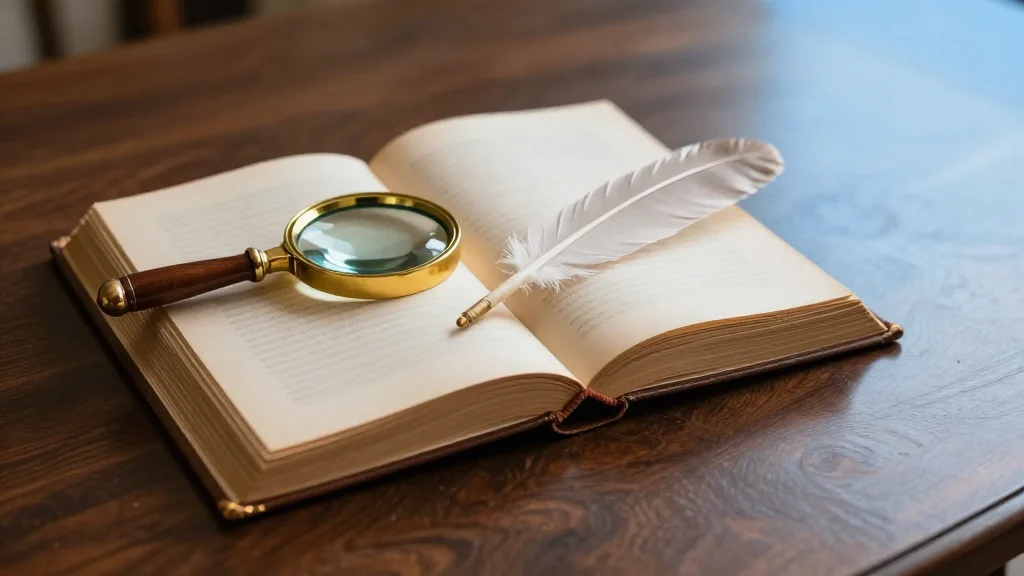
The California Novel No One Can Find
Geoffrey Gray’s quest to locate the 1854 novel *The Life and Adventures of Joaquín Murieta* uncovers a book so scarce that only two first‑edition copies survive. His investigation leads him from Mexico City’s antiquarian shops to California librarians and finally...
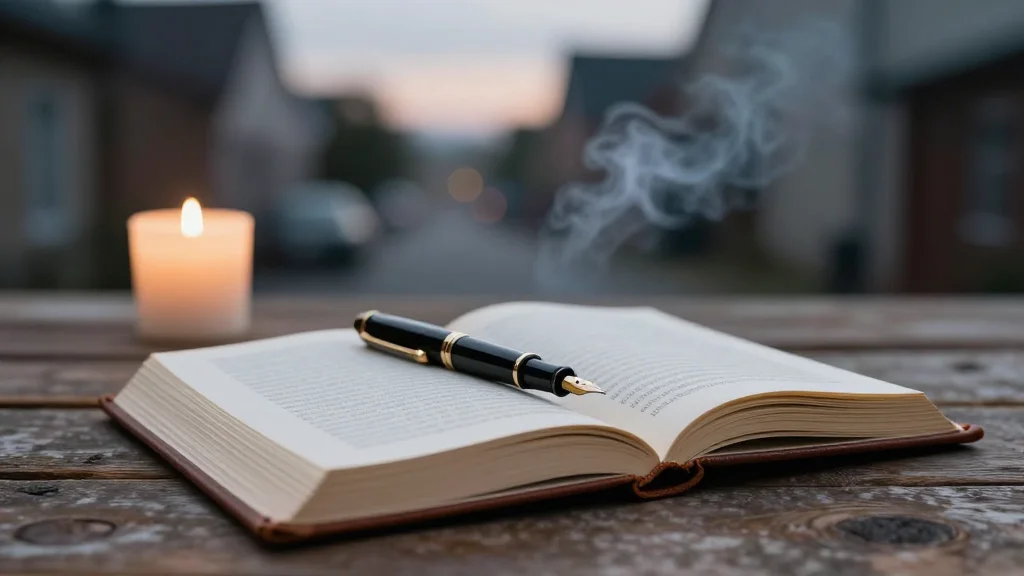
They Would Not Dream of Flowers: Translating Through the Tehran Blackout
In a haunting essay for Public Books, translator Miadd Banki recounts working on Fernanda Trías’s short‑story collection No soñarás flores while Iran’s internet was shut down. The blackout turned his normally digital‑assisted translation into a painstaking, manual exercise, forcing him to grapple with linguistic...

Beyond a ‘Reasonable Doubt’
Hanif Abdurraqib’s essay in GQ revisits Jay‑Z’s 1996 debut Reasonable Doubt, using the album as a lens to explore the distinction between hustlers and gangsters. He argues that Jay‑Z escaped direct violence, positioning the record as a “hustler text” that...

Reversing Extinction
Historian Sadiah Qureshi’s Aeon essay examines the rise of de‑extinction technologies, from cloning the last Pyrenean ibex to gene‑editing wolves to resemble extinct dire wolves. She argues that preserving genetic material in labs creates a liminal state where species are...
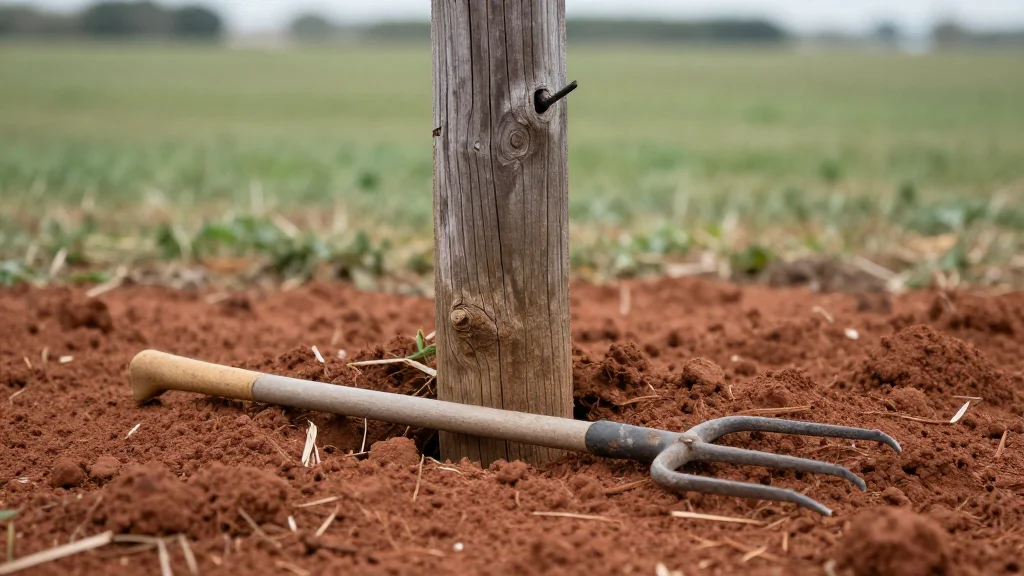
Field Notes From a Body
N.C. Happe’s essay “Field Notes from a Body,” published in The Kenyon Review, recounts moments of routine and violent trauma witnessed on her family farm in Bemidji, Minnesota. The piece juxtaposes everyday farm life with graphic scenes of aggression, exploring...

The Docteur Is In
Docteur Nico, born Nicolas Kasana, was a seminal Congolese rumba guitarist whose innovative finger‑style techniques helped define the sound of post‑colonial Congo. Between the mid‑1950s and mid‑1970s he recorded with African Jazz, African Fiesta and African Fiesta Sukisa, producing tracks...

It’s the Music You Hear All Day, Without Ever Noticing
Sync music, formerly known as library or production music, is designed to be paired with video content and now underpins most online video soundtracks. Its rise is driven by the explosion of short‑form platforms like TikTok and YouTube, where pre‑cleared...

Jeff Mills Loves to Forget
Experimental artist Russell E. L. Butler interviews Detroit techno legend Jeff Mills, exploring how the genre can transcend dance floors and become a conduit for higher consciousness, communication, and education. Mills emphasizes the urgency of materializing musical ideas quickly to...

Beneath the Long White Cloud
A new feature in the magazine Now Voyager revisits the 1886 eruption that supposedly destroyed New Zealand’s Pink and White Terraces, questioning whether the famed silica cascades survived. The article frames the scientific dispute over the terraces’ fate as a...
Rebecca Solnit Says the Left’s Next Hero Is Already Here
Rebecca Solnit’s New York Times interview, tied to her book *The Beginning Comes After the End*, frames hope as a form of defiance and argues that real change emerges from collective civil society rather than a single heroic figure. She...

You Can Just Do Things
The piece argues that the United States’ recent military actions against Iran are a continuation of a long‑standing American imperial habit that disregards international norms. It frames former President Donald Trump as both a symbol and accelerator of this “late‑imperial...

The Longreads Questionnaire, Featuring Julian Brave NoiseCat
Julian Brave NoiseCat, an Oakland‑raised writer, journalist and the first Indigenous North American filmmaker nominated for an Oscar, released his debut book *We Survived the Night*. The work weaves memoir, Indigenous myth, oral tradition and reportage to portray contemporary Indigenous...

The Ballad of Ollie Jackson
Eric McHenry’s investigation revisits St. Louis’s 1890s murder‑ballad tradition, focusing on “Ollie Jackson.” The song, captured by Alan Lomax in the 1940s, is the sole surviving recorded Black folk ballad that recounts a real event with precise, reportorial detail. McHenry...
A Sojourn Into the Stephen King Archive: ‘The Dark Half’
Andy Hageman’s essay in the Los Angeles Review of Books examines Stephen King’s original manuscript of The Dark Half, complete with handwritten notes and marginalia. The archive reveals a title page and ending that differ markedly from the published novel. King’s annotations...