Immigration Idiocy Mid-Oil and Job Shock
Australia is confronting three interlinked economic shocks, beginning with a sharp oil price surge that is curbing growth and amplified by the Reserve Bank of Australia's tighter‑than‑expected monetary stance. A concurrent collapse in entry‑level job creation is pushing youth unemployment into the lower‑flation band, while under‑utilisation and under‑employment rates are rising. The combined pressures threaten GDP expansion and consumer confidence, prompting calls for coordinated policy action.
Australian Builders Confront New Wave of Bankruptcies
Australian builders are confronting a fresh wave of bankruptcies as the fallout from post‑COVID fixed‑price contracts intensifies. The HomeBuilder stimulus encouraged many firms to lock in prices before material and labour costs surged due to supply‑chain bottlenecks. Simultaneously, rising interest...
Property Downturn Scuttles NSW Economy
Sydney’s housing market is deepening its decline, with median prices slipping about 8% year‑over‑year and auction clearance rates plunging below 30%, roughly half of last year’s level. Residential transfer‑duty (stamp duty) transaction volumes in New South Wales have slumped 45%...
This Is Not a Short War
Two months after the Iran‑Russia conflict began, oil prices have surged, but the real impact is now shifting from headline‑level spikes to tangible shortages and supply chain disruptions. The author warns that these disruptions are already feeding into broader economic...
India and China Double Down on Coal Consumption
China accelerated its coal rollout in 2025, commissioning more than 50 large‑scale units—each 1 GW or larger—far outpacing the sub‑20 units typical of the previous decade. The surge reflects a wave of new coal mines coming online, underscoring Beijing’s continued reliance...
Australian Real Wages Fall Sharply
The Australian Bureau of Statistics reported that the Labour Price Index rose 0.8% in March, putting real wages 3.3% higher than a year ago. Growth was broadly similar across the economy, with the public sector posting a 3.30% increase and...
Albanese Trades Inland Rail for SRL Boondoggle
The Albanese government has scrapped the Inland Rail project, a planned freight line linking Melbourne and Brisbane, after an ACIL Allen review projected costs of about $45 billion AUD (≈$30 billion USD) and a completion date no earlier than 2036. The decision...

Stocks Party Like Its 1999
U.S. equities have enjoyed a six‑week winning streak, prompting analysts to liken the rally to the exuberance of the 1999 dot‑com boom. While the price action mirrors late‑1990s optimism, today’s gains are underpinned by more tangible earnings growth. The primary...

“Booming Government Spending” Will Force RBA to Hike Again
Australia's underlying inflation stayed above the RBA's 2‑3% target before the Middle East conflict, prompting a 0.25% cash‑rate hike in February. RBA Governor Michele Bullock directly linked record public spending to excess demand and warned that additional fiscal stimulus could...
Why the Oil Price Is Stable
Morgan Stanley’s latest charts show crude oil prices holding steady despite ongoing geopolitical tension. The market entered the conflict with sizable inventory buffers and continues to price in a rapid reopening of the Strait of Hormuz. Adding to the equilibrium,...

Albo & Chalmers vs the Reserve Bank – On Home Grown Inflation
The Reserve Bank of Australia raised its cash rate by a quarter‑point to 4.35%, marking a third straight increase. Treasury Minister Jim Chalmers quickly posted on X that the decision was driven by the war in the Middle East, emphasizing the...

Property Investors Are Buying More, Not Exiting
Australian property investors are not exiting the market en masse despite looming tax reforms. In the last three months, 22,640 former rental homes were listed for sale, with 4,865 in Sydney and 5,565 in Melbourne. Investor‑owned listings accounted for 21%...

Two-Thirds of Migrants in Australia Are Underpaid
A recent MacroBusiness analysis reveals that roughly two‑thirds of Australia’s temporary‑visa workers are being paid below the legal minimum wage. With about 1.8 million non‑New Zealand temporary visas in circulation, regulators struggle to monitor compliance. The underpayment trend, first spotlighted by the...

The Market Upside Down
Leith van Onselen warns that market participants have been short on upside, leading to aggressive buying of call options and a collapse in option skew. This has pushed realized upside volatility to abnormal levels. The pressure finally manifested in the...
Why Australian Housing Supply Won’t Recover
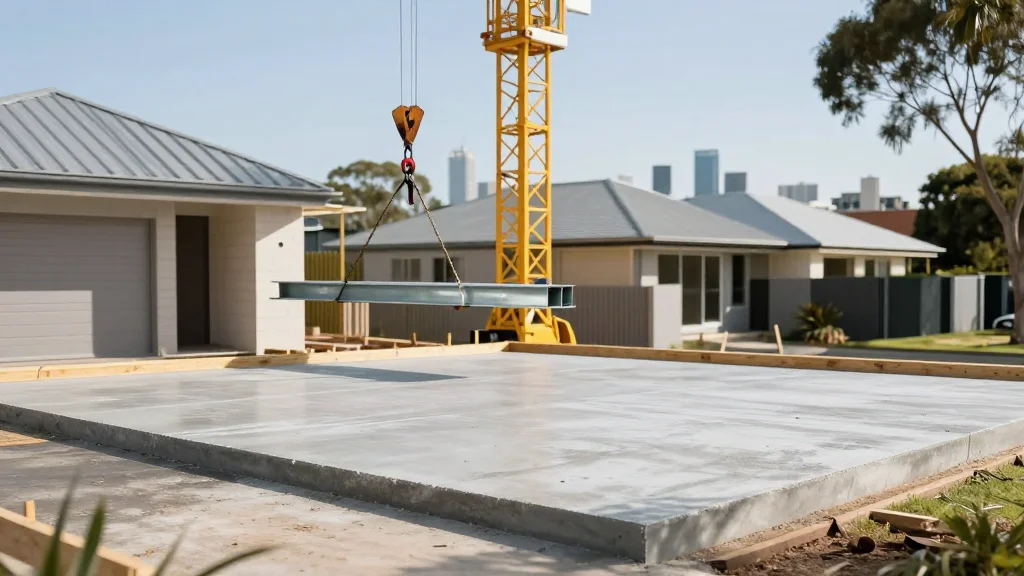
The National Housing Supply and Affordability Council (NHSAC) released its 2026 State of the Housing System report, dramatically raising its outlook for new dwellings. The council now projects annual residential construction to reach 219,000 units by the 2029‑30 financial year,...
Labor’s East Coast Gas Reservation Copies Coalition Policy
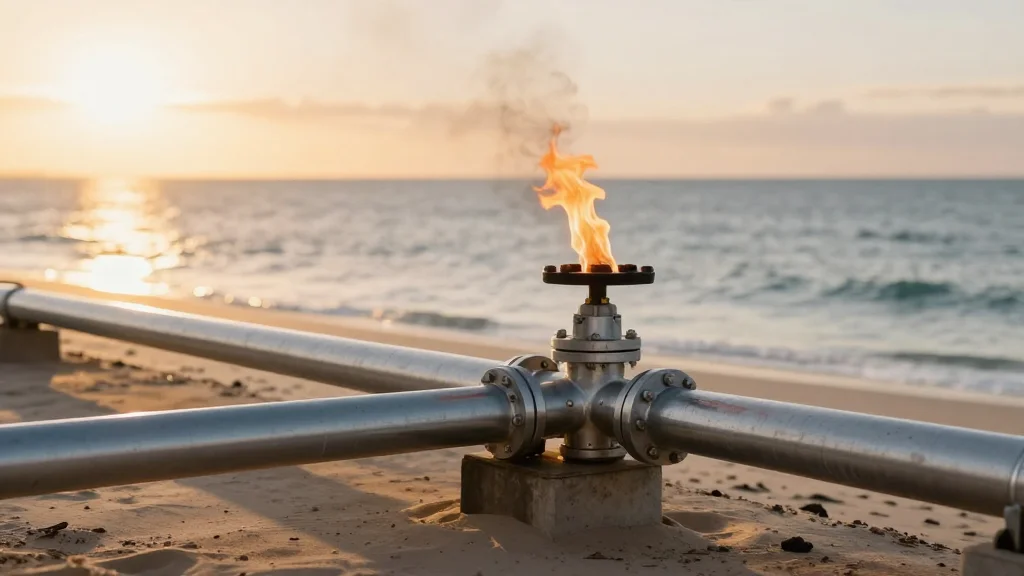
The Albanese government introduced a 20% East Coast gas reservation on new contracts and spot cargoes, a policy that mirrors the Coalition’s pre‑election proposal. Resources Minister Madeleine King and Energy Minister Chris Bowen not only adopted the idea but added further provisions....
Labor Releases Details of East Coast Gas Reservation Policy
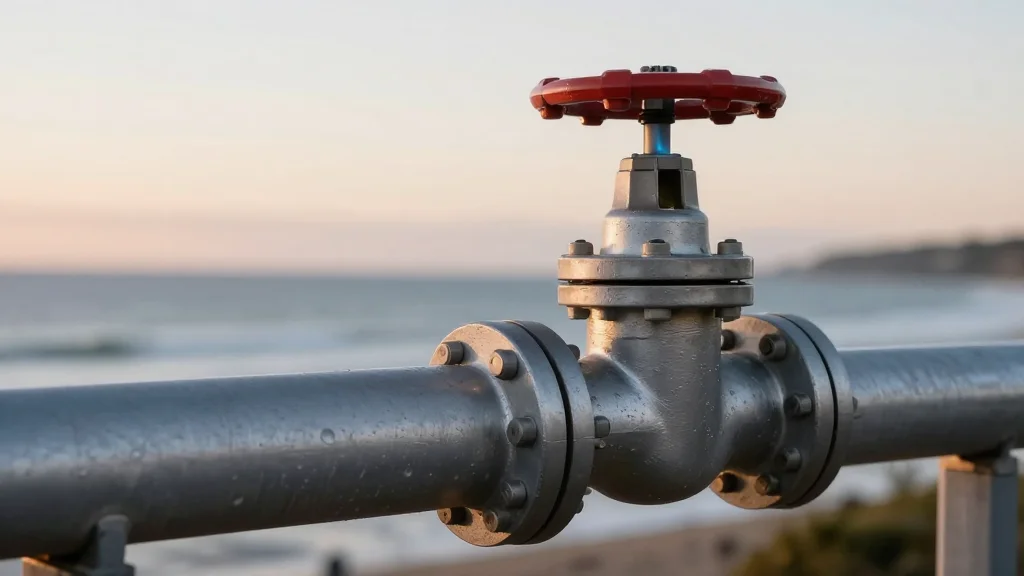
The Albanese government announced a gas reservation policy effective 1 July 2027, mandating that gas producers on Australia’s East Coast set aside 20 % of their output for domestic consumption. The rule covers spot gas and contracts signed after 22 December 2025, while existing export...

Aussies Face 17 Years without Real Wage Growth
The Australian Bureau of Statistics reported that real wages fell 0.3% in 2025, leaving earnings about 6% below the pandemic‑era peak reached in late 2011. The Reserve Bank of Australia’s May monetary policy statement projects further near‑term declines, driven by...
Why Everybody Loves the Australian Dollar
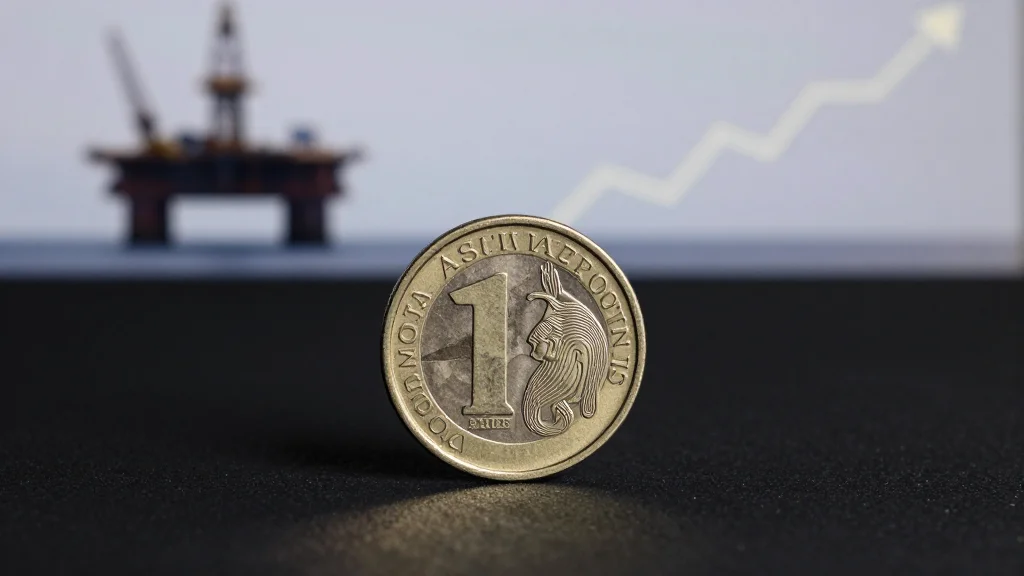
Australia’s dollar has outperformed major peers as the US Dollar Index weakens and the euro slides toward recession. Strong demand from North Asian economies, coupled with ineffective yen‑support measures by the Bank of Japan, has lifted AUD/USD to multi‑month highs....
Inland Rail Another Failed Aussie Infrastructure Project
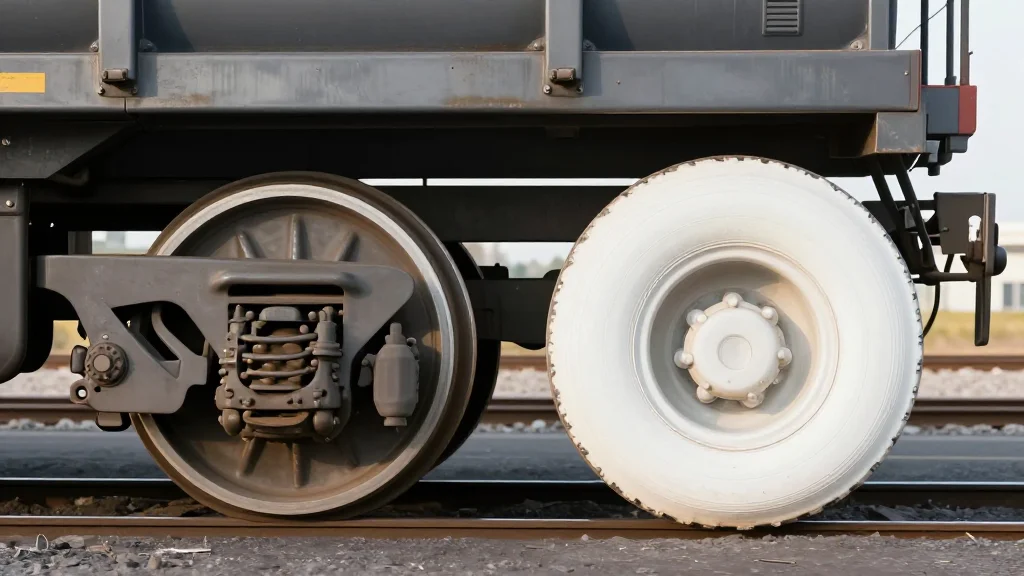
The Inland Rail project, intended to create a freight rail corridor between Melbourne and Brisbane, is now being labeled another failed Australian infrastructure effort. The author, a former supporter, points to a graphic showing rail’s share of long‑haul freight on...
More Lies of More Oil
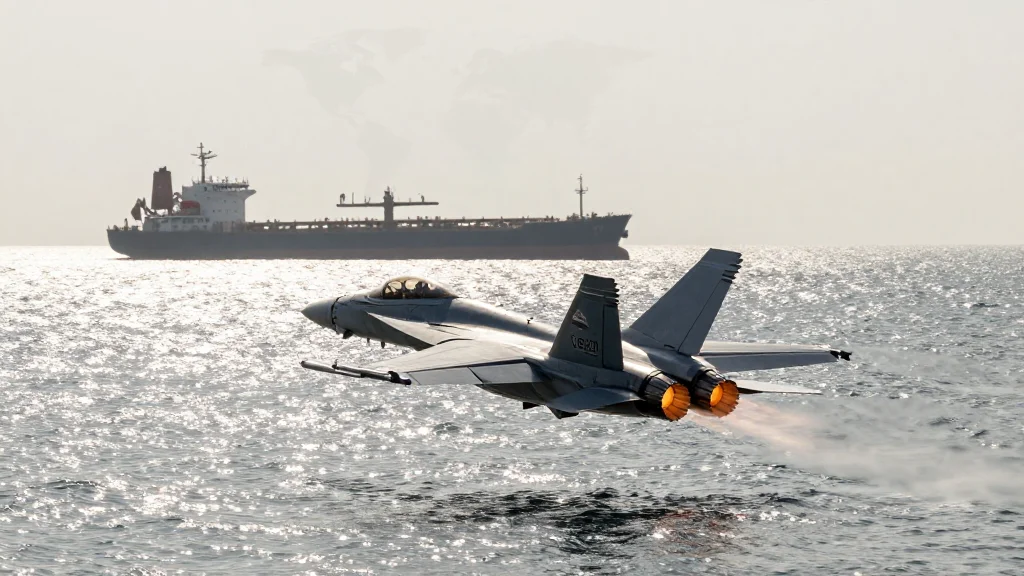
Iran’s oil sector warned of a "serious threat" to exports and refineries as a U.S. Navy jet fired on an Iran‑flagged tanker attempting to enter Iranian waters. Simultaneously, the White House is reportedly close to a preliminary framework to end...

Rise of Cost-Pass Payment Models: A Smarter Alternative for Cash Flow Management?
Contactless and card payments have boosted shopper convenience but added transaction fees that erode merchant margins and destabilize cash flow. To counter this, many Australian businesses are adopting cost‑pass payment models, surcharging customers at the point of sale to reflect...
RBA Delivers Third Consecutive Rate Hike
The Reserve Bank of Australia lifted its official cash rate by a quarter‑point to 4.35%, marking its third straight hike. Eight of nine board members voted in favor, citing renewed inflation pressure from late‑2025 capacity constraints and a worsening Middle‑East...

Labor’s Housing Target Drifts Further Into Never-Never Land
The Albanese government pledged to deliver 1.2 million homes over five years, equivalent to 240,000 units a year. The Australian Bureau of Statistics reported that March dwelling approvals fell 10.5% month‑on‑month on a seasonally‑adjusted basis, though the trend line showed a...

Fresh Data Warns RBA Not to Hike
Australian job‑ads data show a softening labour market, with ANZ‑Indeed postings down 0.8% in April and SEEK ads slipping 0.4% for seven straight months. Wage growth remains flat, offering no sign of a breakout, while the Melbourne Institute’s inflation gauge...
Singapore Oil Inflows Throw up Fuel Warning Light for Australia
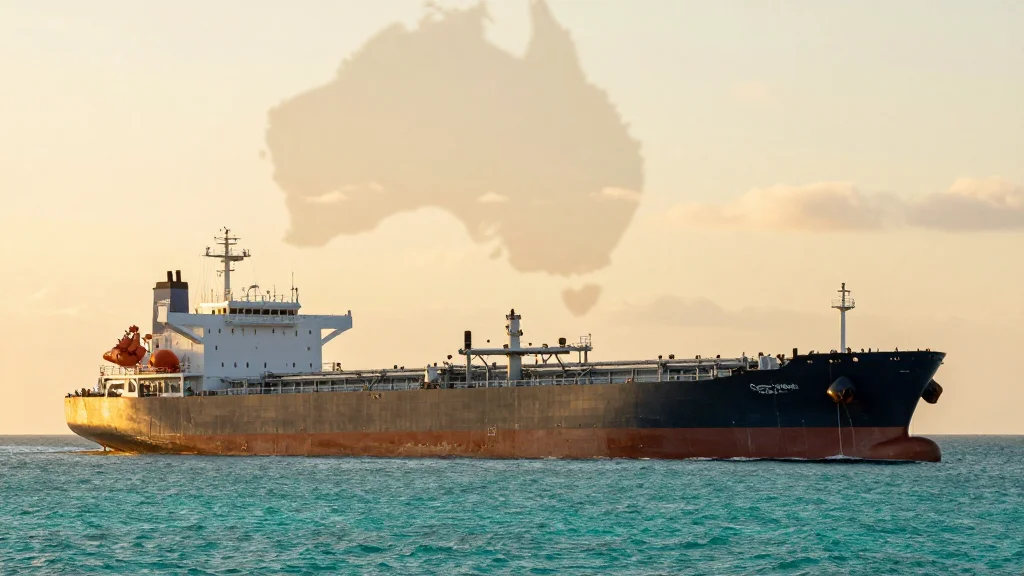
Since the February 28 outbreak of the Middle East war, global oil logistics have been reshaped, with the Strait of Hormuz bottleneck only now rippling through Asian markets. Singapore’s oil imports have surged, diverting cargoes that would have traditionally passed through...

The Sychronised Collapse in Australian Economic Confidence
Roy Morgan economists Gary Morgan, Michele Levine and Julian McCrann urged the Reserve Bank of Australia to pause its interest‑rate tightening, warning that the economy is already fragile and may be slipping into recession. They highlighted a synchronized plunge in...
Is Australia Really a Low-Taxing Country?
Robert Carling of the Centre for Independent Studies argues that Australia’s tax burden, when measured against the effective tax base, is about 34‑36% of GDP, placing it near the OECD median rather than a low‑tax outlier. The claim that Australia...
Iron Ore Soars on the Wars
Iron ore futures are racing toward their highest level in two years, propelled primarily by geopolitical tensions rather than fundamentals. Despite a 6% drop in the China Iron and Steel Association (CISA) index and construction PMI forecasts that remain below...
Is the US Collapsing Like the USSR?
Professor Robert Pape argues that, sixty days into the conflict, Washington has failed to meet any of its five core objectives—regime change, nuclear rollback, military degradation, proxy collapse, or restored deterrence. Rising oil prices and increasingly autonomous actions by allies...
Who Wins the Oil Blockade?
The article argues that Iran’s oil wells are failing under a U.S.-led blockade, prompting President Biden to predict Tehran’s capitulation. Bank of America estimates that Iran can still ship roughly 250,000 barrels per day at elevated prices, enough to keep...

AI Boom Drives a Massive Economic Divergence
The U.S. economy grew at an annualised 2.0% rate in Q1 2026, according to the March‑quarter national accounts. Investing Live highlighted that roughly 1.5 percentage points of that expansion came from capital expenditure tied to artificial‑intelligence projects. While the headline growth...
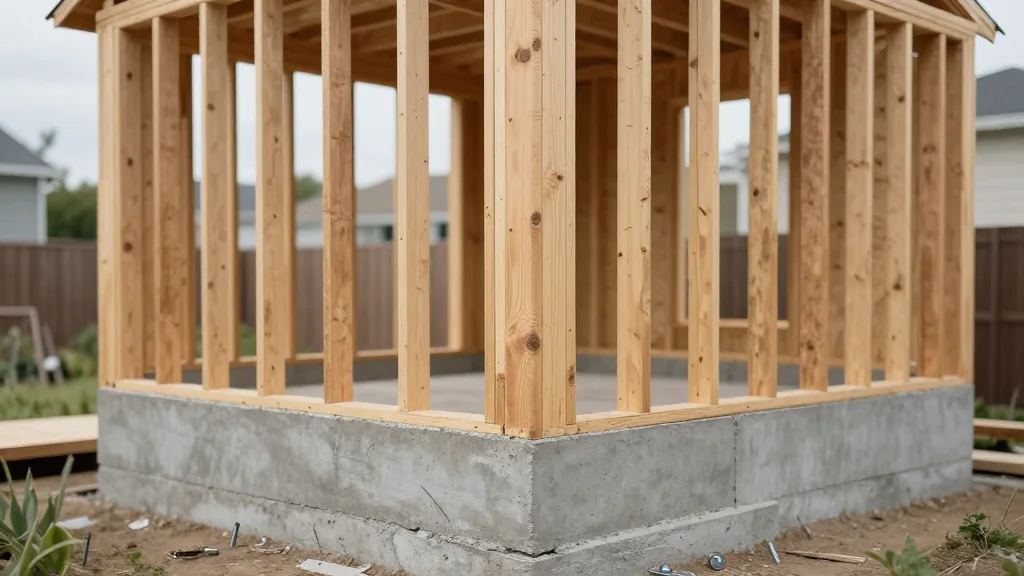
Shane Oliver: Australia’s Housing Shortage to Persist
The National Housing Supply and Affordability Council (NHSAC) released its 2026 State of the Housing System report, dramatically raising dwelling‑construction forecasts for the next few years. It now expects 219,000 homes to be completed in the 2029‑30 financial year, the...

Aussie Food Consumers Are About to Get Eaten by Inflation
Australia faces a sharp rise in food prices as the Iran‑Israel conflict threatens the Strait of Hormuz, driving diesel costs and nitrogen‑fertilizer imports higher. With more than 70% of its agricultural output exported, the nation’s reliance on imported fertilizer and...

Weekend Reading and MB Media Appearances
This week’s MacroBusiness roundup highlighted a surge in geopolitical risk as the Iran‑Israel conflict pushed crude oil above $126 a barrel and prompted China to authorize asset seizures linked to U.S. sanctions. In the United States, analysts warned of a...

Australian Government’s Housing Advisor Hides Shortage
The National Housing Supply and Affordability Council (NHSAC) warned in its May 2025 State of the Housing System report that Australia’s housing shortage would grow by about 79,000 homes by 2028‑29. The council’s forecast for 2024‑25 assumed 179,000 new dwellings would...
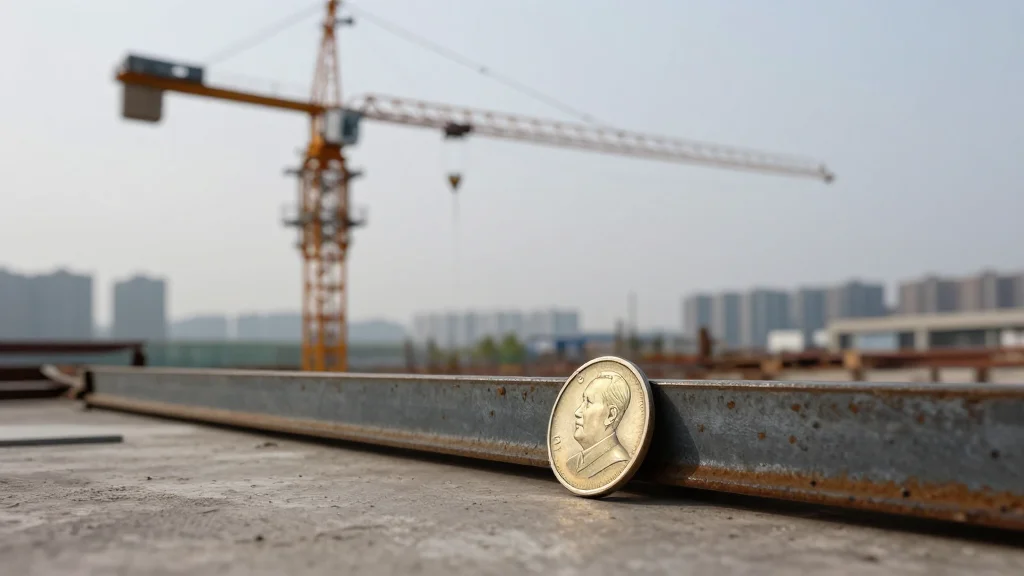
Chinese Economy Stumbles
Chinese Purchasing Managers' Index data for April 2026 revealed a mixed picture. The manufacturing PMI nudged above the 50‑point growth threshold, suggesting a thin expansion, while the services PMI fell further into contraction, with the construction activity index plunging to...

Will the Iran War Crash House Prices?
Australian property values recorded their first national decline of the year in April, slipping 0.1% after March’s surprising resilience. The slowdown reflects higher interest rates, persistent inflation, global uncertainty tied to the Iran war, and looming tax changes for investors....
One Month to Oil at $200
Oil prices are edging toward the $200 per barrel mark, with analysts projecting the level within a month. After a brief overnight dip, Brent futures settled at $114 on April 30, reflecting volatility amid a stalemate in the Gulf region....

Productivity Commission Wrong on AI Jobs Impact
The Productivity Commission (PC) chair Danielle Wood recently downplayed AI’s threat to Australian employment, estimating that only about 4% of jobs could be fully or mostly automated while more than 30% would be merely augmented by AI. The article argues...
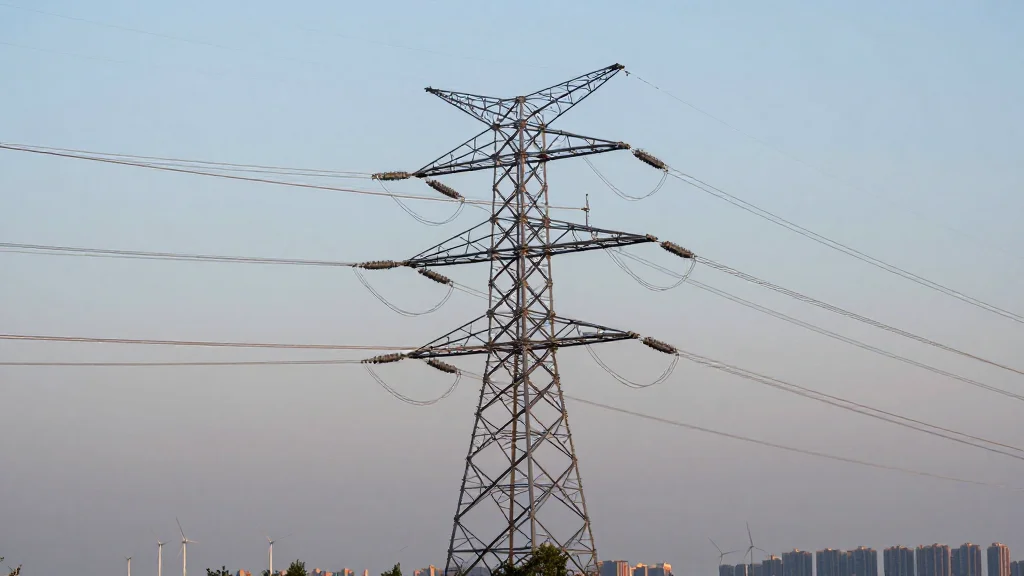
Renewable Transmission Costs to Drive up Power Bills
Australian electricity users saw a temporary reprieve when the Default Market Offer (DMO) fell 1%‑10% on 1 July, driven by lower wholesale generation costs during a mild summer. However, the Australian Energy Regulator (AER) has approved a 10% hike in network...

RBA to Hike Into Fuelpocaplypse
The Reserve Bank of Australia is expected to raise its cash rate as inflation accelerates. In the March quarter the consumer price index rose 1.4% year‑over‑year, matching forecasts, while headline inflation jumped from 2.1% in mid‑2025 to 3.6% in December...
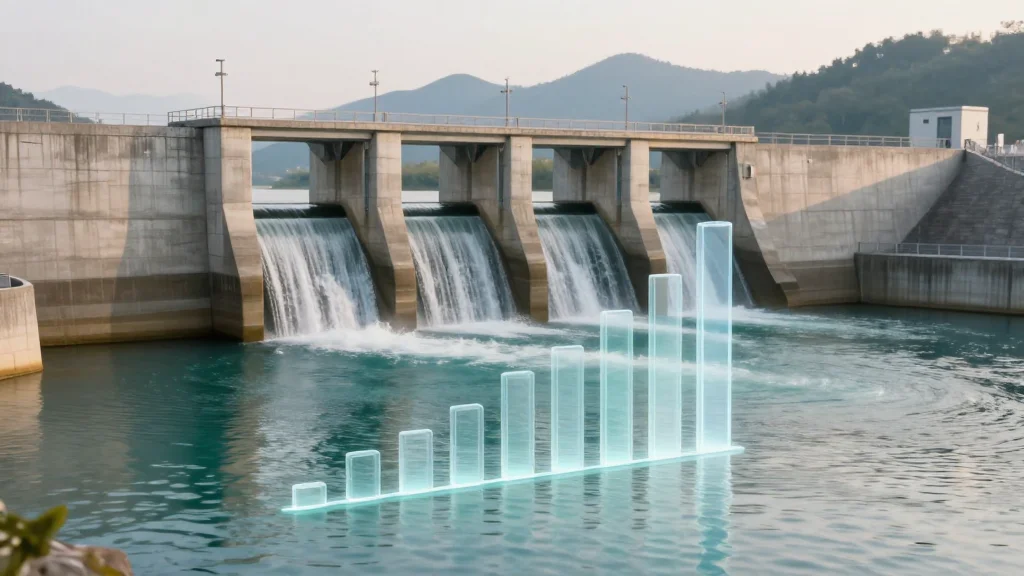
Snowy Hydro 2.0 Is a Sunk Cost Fallacy
The Snowy Hydro 2.0 pumped‑storage project, initially announced at $2 billion in 2017, is now estimated at $42 billion, including $20 billion in construction, $12 billion for transmission, and $8 billion in interest over 15 years. Independent analysts Bruce Mountain and Ted Woodley describe the...
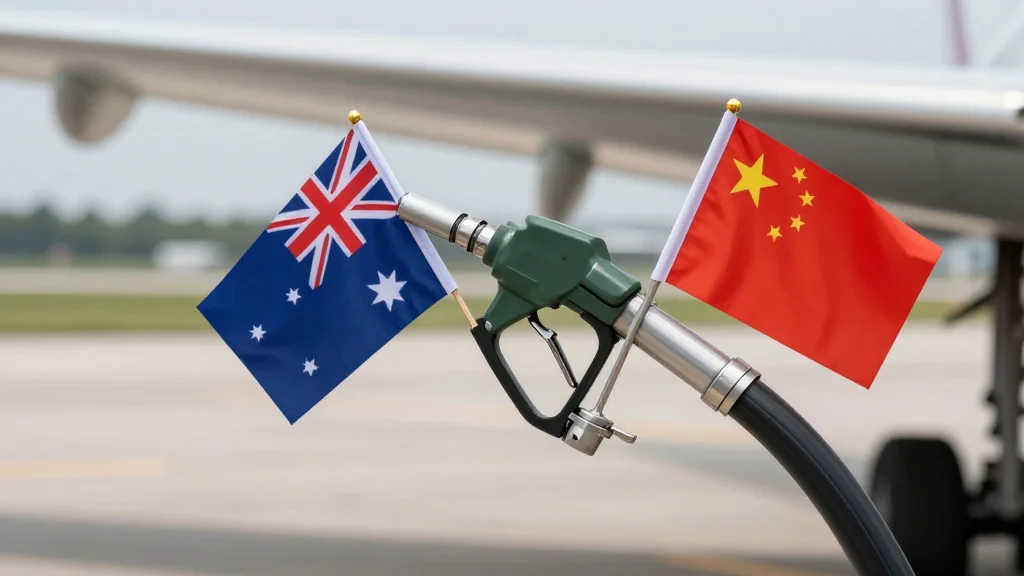
Australia and China Forge Fuel Alliance
Australia’s foreign minister Penny Wong announced a breakthrough agreement with Chinese state‑owned oil companies to supply jet fuel directly to Australian businesses. The deal emerged after intensive diplomatic talks between Wong and Chinese Foreign Minister Wang Yi, marking the first formal...
Up the Escalation Ladder We Go
The United States is reportedly preparing a limited, short‑wave strike against Iran to break the stalemate in the Strait of Hormuz, as oil prices rebound. CENTCOM’s plan aims to pressure Tehran back to negotiations, but President Trump has dismissed Iran’s...
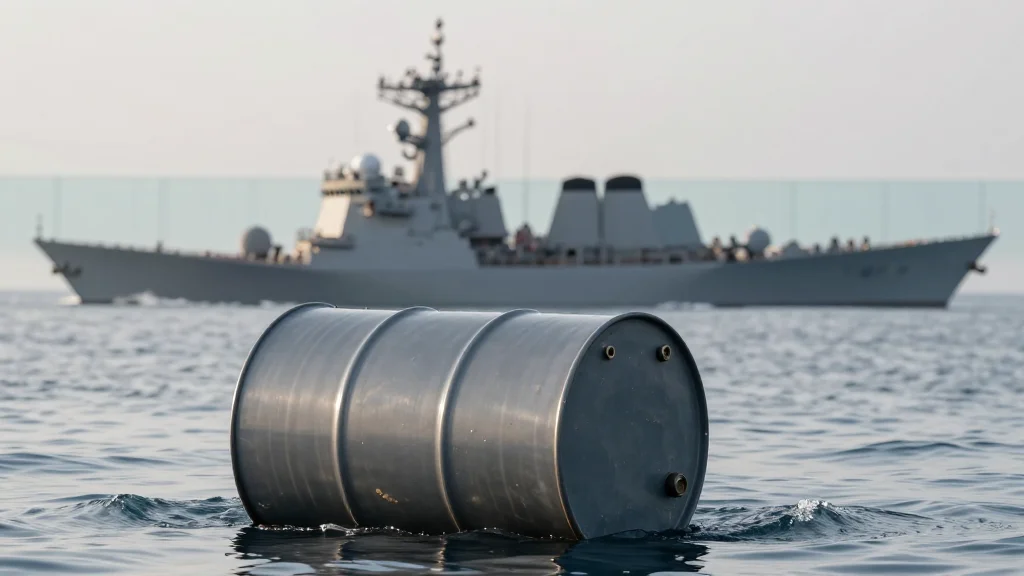
Will Operation Economic Fury Work?
President Trump has directed aides to prepare for an extended blockade of Iran, aiming to choke the regime’s oil exports and pressure Tehran into nuclear concessions. The strategy, discussed in a recent Situation Room meeting, would prevent shipping to and...
It’s Official: EV Tax Breaks Are Upper-Class Welfare
The Australian government’s Fringe Benefits Tax exemption for battery electric vehicles is projected to cost the Treasury about $0.9 billion USD in the 2025‑26 fiscal year, up from roughly $60 million USD. Officials claim the benefit supports middle‑income earners, yet Australian Tax...
Aussie Inflation Undershoots Expectations
Australia’s March 2026 consumer price index rose 4.6% year‑over‑year, falling short of economists’ 4.8% forecast. The monthly CPI increased 0.9% from February, driven largely by a 33% jump in fuel prices linked to the Middle East war. Transport inflation surged...
Stocks Re-Enter the Oil Shock Zone
Equity markets have slipped back into the "oil shock" zone as oil prices continue their upward trajectory, eroding the clean‑look rally that had dominated recent weeks. The semiconductor sector, which had been the primary driver of gains, is now showing...
Renewable Energy Subsidies Are a Bottomless Pitt
Australia’s Capacity Investment Scheme and National Reconstruction Fund, two flagship renewable‑energy financing programs, have come under fire from leading fund managers and economists. Critics argue the schemes operate as potential “slush funds” because they do not disclose project costs, subsidy...