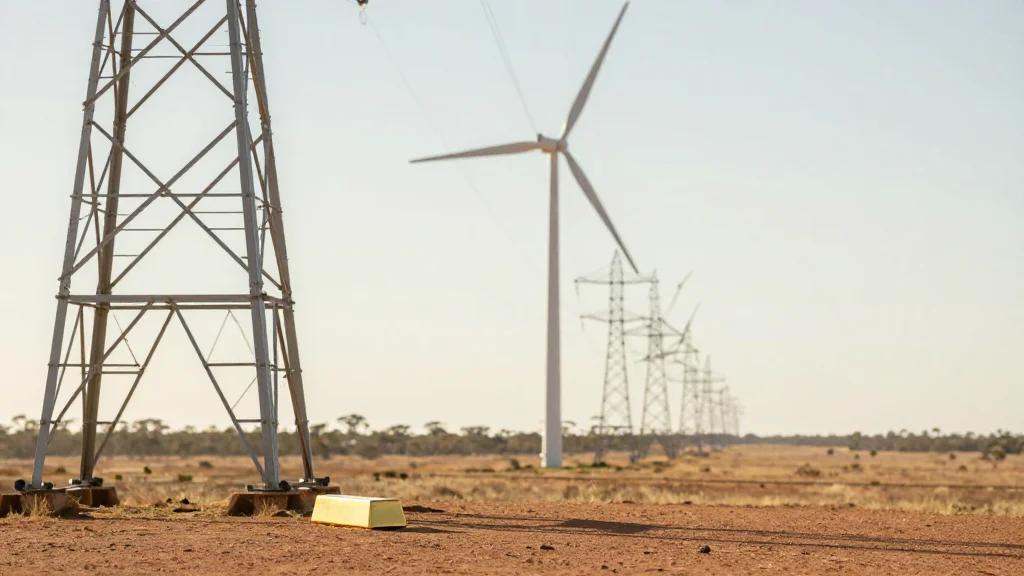
Soaring Renewable Transmission Costs to Pressure Power Bills
Australian renewable transmission cost estimates have exploded. AEMO’s 2020 projection of $8.5 billion (≈$5.6 billion USD) for new lines in NSW and Victoria is now seen as $120 billion (≈$79 billion USD) and could exceed $200 billion (≈$132 billion USD). Adding wind and solar generation adds another $160 billion (≈$106 billion USD). The disparity signals massive financial pressure on future power bills.
Iron Ore Waits on the War
Iron ore markets are in a holding pattern as improving peace prospects in the Gulf reduce geopolitical risk, but the broader ferrous complex remains weak. Steel prices have resumed their decline, reflecting lingering demand concerns. Port inventories have risen to...
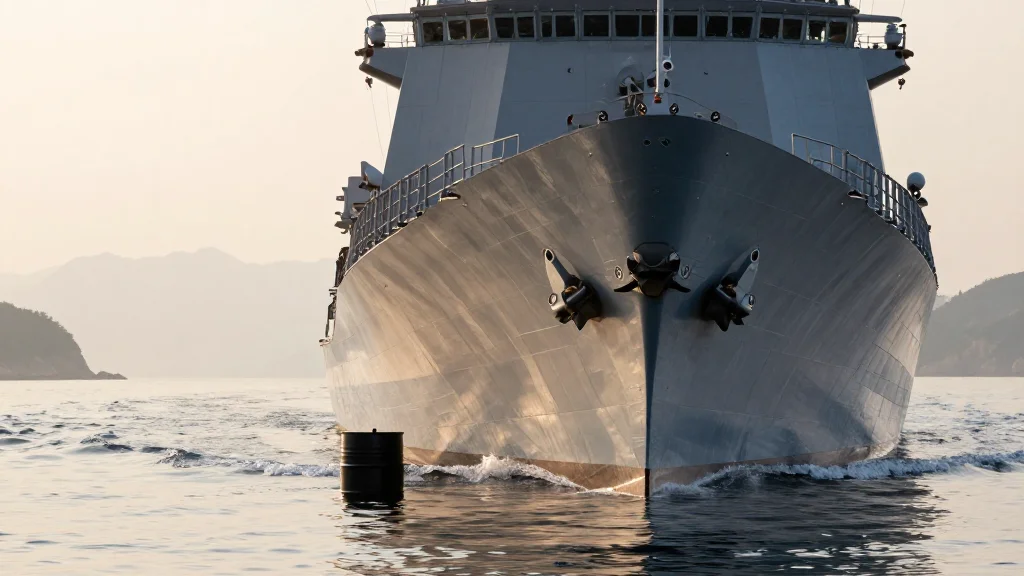
American Madman Blockades Hormuz and Aussie Economy
President Donald Trump announced that the United States Navy will immediately begin blockading the Strait of Hormuz after peace talks with Iran collapsed in Islamabad. The move would halt all ship traffic through the narrow waterway, effectively cutting off Iran’s...
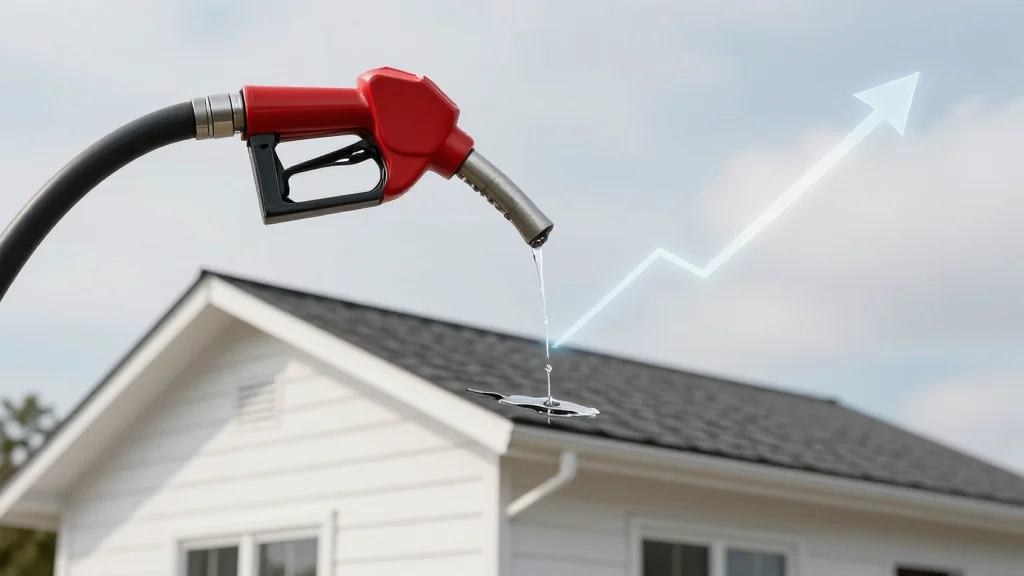
Energy Shock Squeezes Aussie Household Budgets
Commonwealth Bank of Australia's economics team used bank‑account data to show that soaring energy costs are consuming a larger share of Australian household budgets. The analysis indicates energy expenses now account for roughly 15% of average household spending, squeezing disposable...
Weekend Reading and MB Media Appearances
Leith van Onselen’s weekend briefing curates a global snapshot of macro‑risk, from the U.S. automatically enrolling eligible men in a draft pool to Iran’s plan to monetize the Strait of Hormuz with an estimated $64 billion annual toll revenue. The list...
Stocks Chase the Madman
The S&P 500 has erased the recent sell‑off, completing a full round‑trip back to the middle of its trading range. Volatility has collapsed to near‑record lows, and systematic fund flows have shifted from aggressive selling to providing net support. While...
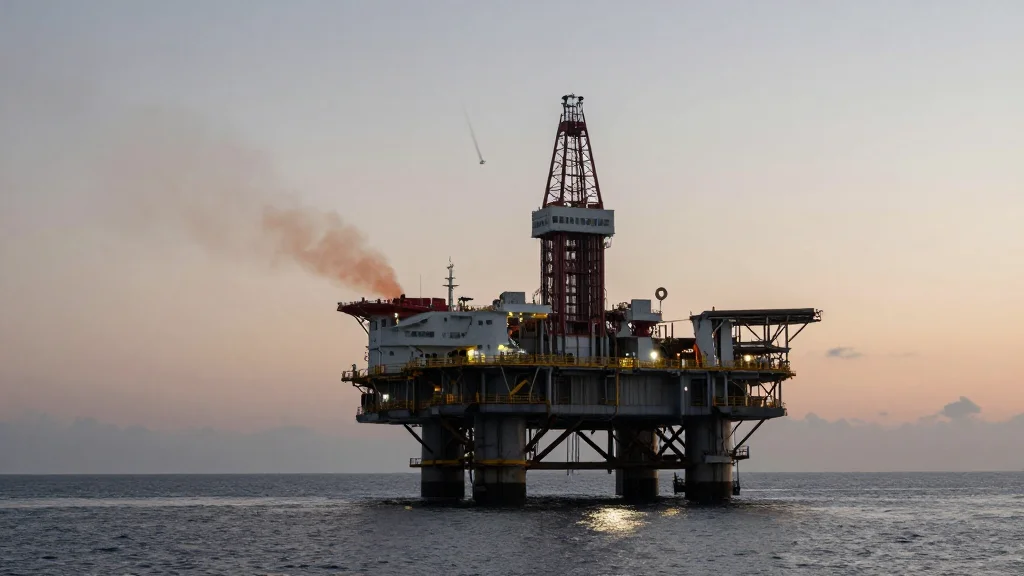
How Much Damage Is Done to Gulf Oil?
JPMorgan has quantified damage to Gulf oil infrastructure after roughly six weeks of conflict, identifying about 60 energy assets targeted by drones and missiles. Of those, around 50 have sustained varying degrees of damage, ranging from minor repairs to significant...

Australia’s Tax System Is Unsustainable
Australia’s tax system increasingly shields wealthy retirees while shifting the fiscal burden onto younger workers. Retirees can hold up to AU$2 million ($1.3 million) in tax‑free super and still pay zero income tax, whereas the share of over‑65s paying tax has dropped...
One Nation Mulls Turning Australia Into Norway
One Nation is considering a major overhaul of Australia’s oil and gas taxation. The party would scrap the existing petroleum resource rent tax and replace it with a royalty based on wellhead values, applying to every extraction project regardless of...
Ceasefire of the Madman
HSBC’s latest geopolitical paper argues that a de‑escalation of global tensions will diminish the U.S. dollar’s safe‑haven appeal. With reduced risk, demand for the dollar should fall, allowing higher‑risk, undervalued currencies to rally. Emerging‑market (EM) currencies and those of energy‑importing...
Australia Needs Energy Security, Not Green Fantasies
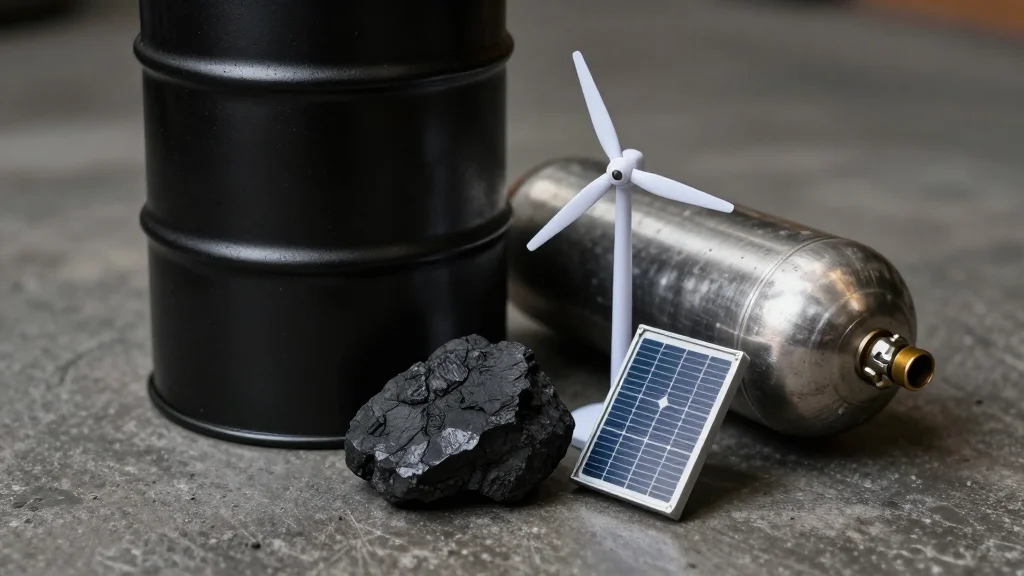
The Australian Energy Update 2025 shows hydrocarbons—oil, coal and gas—provided 91% of the nation’s primary energy in 2024. Renewable sources such as solar, wind and hydro together accounted for just 9%, a share that has barely moved since the mid‑1970s. Despite...
Is the Australian Dollar Entering a Super Cycle?
Australian dollar momentum has surged as the US Dollar Index stalls, while the Chinese yuan continues its upward trajectory. Commodity markets have shifted, with oil prices plunging and gold prices rallying, creating a backdrop for a potential AUD super‑cycle. Analyst...

MB Fund Podcast: Is the War Really Over?
The MacroBusiness podcast examines the market fallout from a tentative U.S.–Iran cease‑fire, noting that while hostilities have paused, the underlying tensions remain unresolved. It assesses how a fragile pause could depress oil prices, temper inflation expectations, and shift safe‑haven flows....
Australia Must Lean Into Fossil Fuel Production
Judith Sloan, writing in The Australian, urges the government to dismantle long‑standing barriers to domestic fossil‑fuel development. She argues the bipartisan "war" on fossil fuels has persisted for nearly two decades, driven by a flawed belief that the net‑zero transition...

Can the Short Squeeze Stick?
The recent short squeeze accelerated rapidly, catching many positions and flipping market flows, which drove the price sharply higher. Forced buying and heightened volatility turned what initially appeared a fragile rally into a more supported move. Analyst David Llewellyn‑Smith notes...
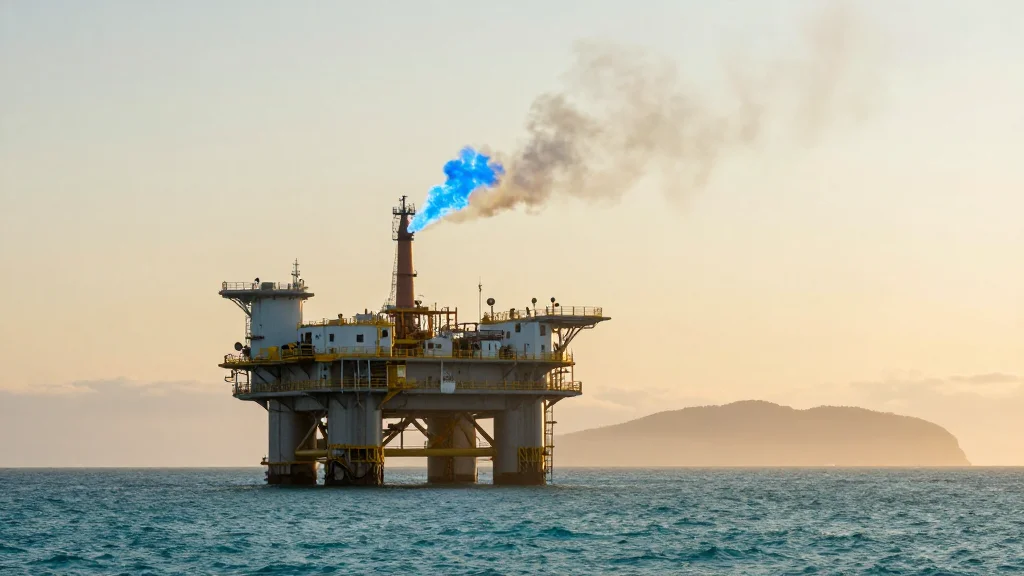
No Aussie Gas and Power Shock
Australia’s east‑coast gas export cartel is keeping domestic gas prices anchored at roughly $10 AU per gigajoule (about $6.6 USD), despite a sharp rise in Asian spot prices that hover around $30 AU per GJ. Weather patterns and a slowing Australian economy are...
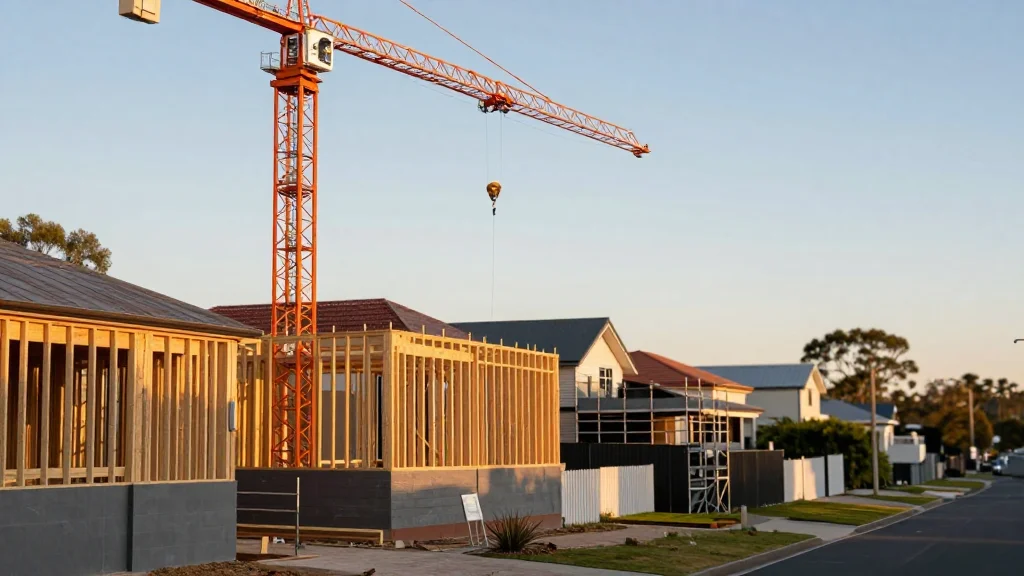
Australia’s Housing Pipeline Bulges Amid Supply Bottlenecks
The Australian Bureau of Statistics reported that dwelling commencements fell short of the National Housing Accord’s five‑year goal. In Q4 2025, 53,567 homes began construction, an 11% deficit against the 60,000 quarterly pace needed. For the full year, 196,118 starts were...

Australia Starved of Rental Listings Amid Population Surge
Australia’s rental market is under severe pressure as vacancy rates have fallen to historic lows. Median advertised rents have surged 48% since December 2019, adding roughly $7,700 USD to the annual cost of a median home. The vacancy rate is now about...

Chinese Property Turns Negative Equity Black Hole
The Chinese property market showed a modest rebound after a bleak start to 2026, with primary‑market transaction volume rising across 30 cities and secondary‑market activity remaining flat at a 0.2% year‑over‑year increase. Despite these signs of stabilization, negative equity continues...
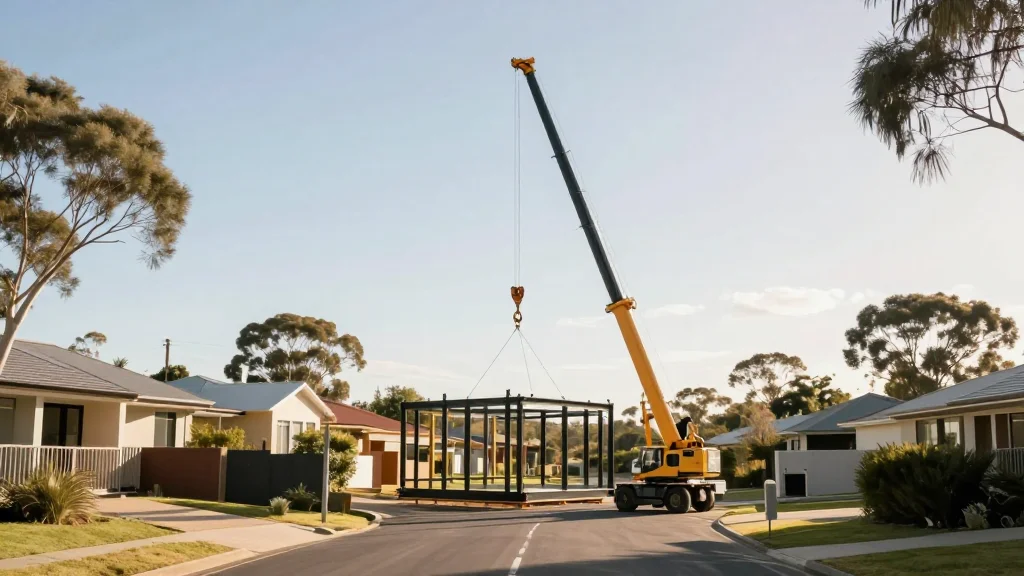
Why This Is as Good as It Gets for Australian Housing Construction
Australia is lagging far behind its National Housing Accord goal of 1.2 million homes, having completed only 219,000 dwellings in the first 15 months—27 % below target. While approvals total 322,300, they remain 19 % short and historically 5 % of approved homes never...
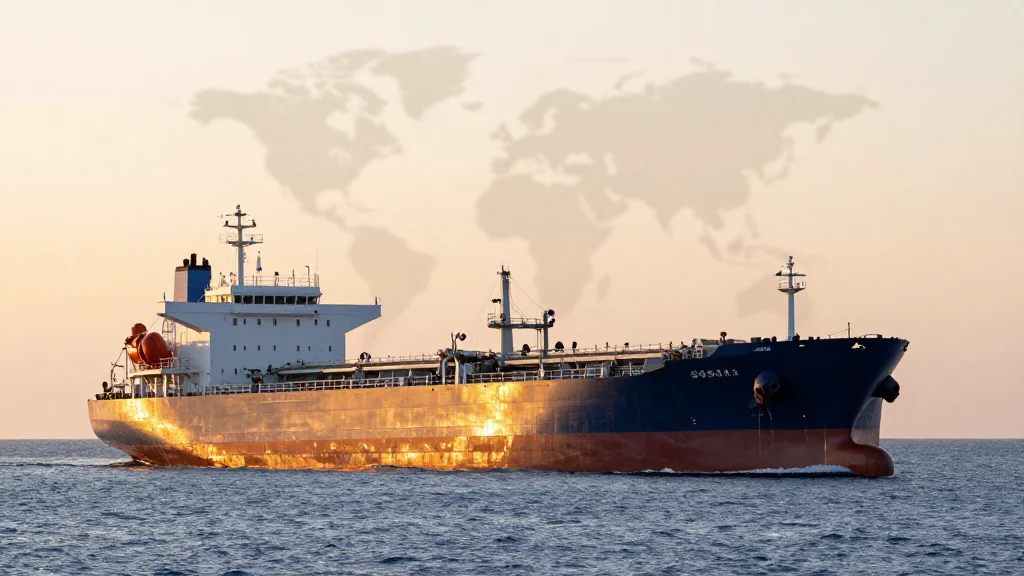
Fuel Desperado Chases Tankers
Australian Prime Minister Anthony Albanese pledged to take every action to protect consumers from oil‑driven inflation and announced a meeting with Singapore’s leader to discuss securing supplies of petrol, diesel and LNG. While Singapore holds no domestic oil reserves, it...
Trump Launches ‘Art of the Genocide’
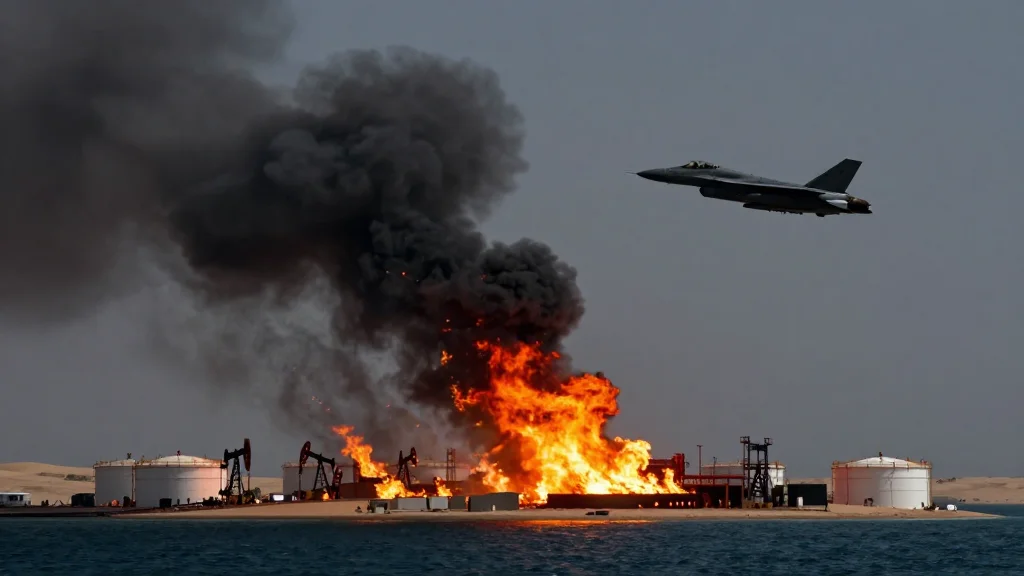
U.S. forces struck Iran's main oil export hub on Kharg Island, delivering a heavy blow to Tehran's petroleum output. President Donald Trump warned that a "whole civilisation will die tonight" unless Iran capitulated and reopened the strategically critical Strait of...
New Forecasts Show Aussie Household Incomes Are Set to Plunge
The OECD’s latest data, updated to the September 2025 quarter, shows Australia’s real per‑capita household disposable income rose only 5.9% between 2015 and 2025. This is the weakest growth among major English‑speaking economies, trailing the United States (22.2%), Canada (9.5%) and...
Reality to Hammer US AI Boom
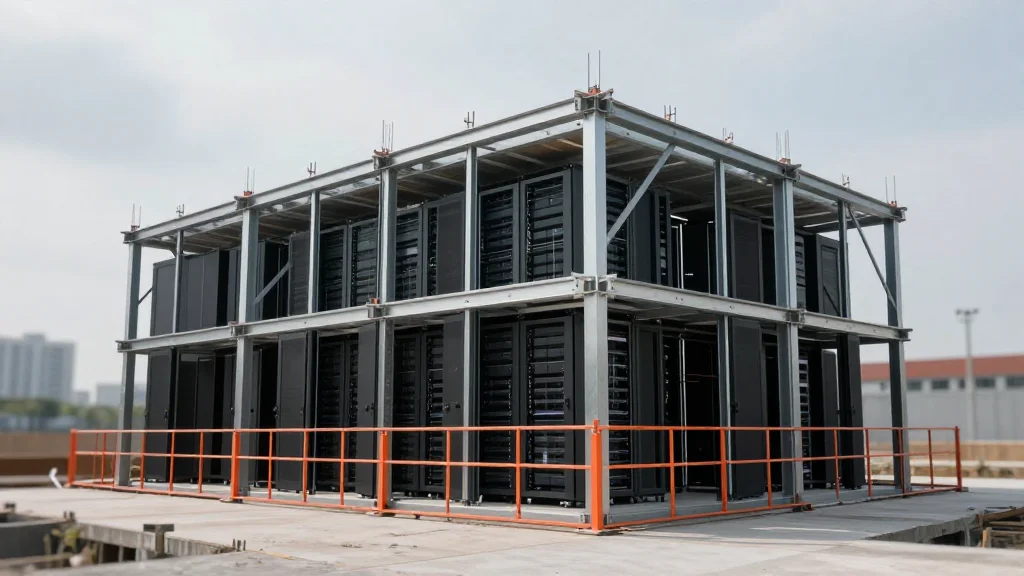
The article warns that almost half of the U.S. data‑centre projects slated for 2026 are expected to be delayed or cancelled, casting doubt on the momentum of the American AI and data‑centre boom. This slowdown comes amid ongoing Middle‑East conflict...

MB Radio: Deep T and the External Shock
The MB Radio episode "Deep T and Mister G" examines the fallout from the United States and Israel’s attack on Iran, which could force Iran to close the Strait of Hormuz and choke off roughly 20% of global oil and...

NDIS Swells the Ranks of the Public Service
The National Disability Insurance Scheme, a $50 billion Australian program (≈US$33 billion), is acting as a catalyst for employment, especially in health and social assistance sectors. Since 2020, Australian healthcare jobs have diverged from trends in other English‑speaking economies, expanding rapidly. The...
The Energy Superidiot Strikes Back
Gas prices on the U.S. East Coast have stabilized at roughly $10 per gigajoule as the regional gas export cartel continues to prioritize domestic supply. The author labels this a resurgence of “gas idiocy,” implying the cartel’s actions are intentional...

The Overlooked Workforce that Could Boost Australia’s Economy
Martin Parkinson, Macquarie University vice‑chancellor and former Treasury secretary, will use a National Press Club address to push for sweeping economic reform aimed at averting stagflation in Australia. He will focus on overhauling the skilled migration system to enlarge the...
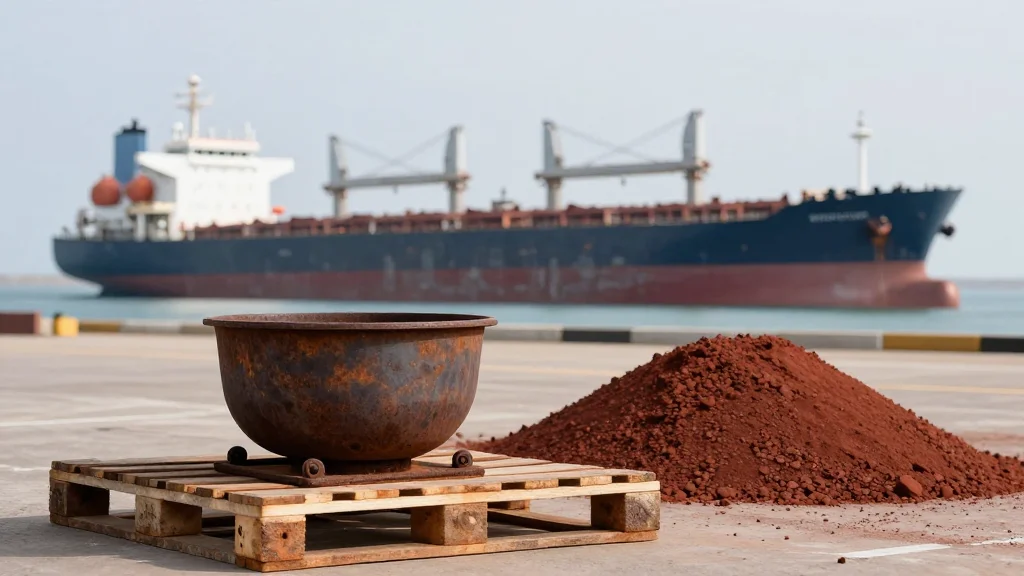
Who Pays for the Pilbara Killer?
The article examines the rising cost pressures on Pilbara’s iron‑ore export chain, dubbing the issue the “Pilbara killer.” Higher freight rates are eroding profit margins for the ferrous complex, even as China’s purchasing managers’ indices (PMIs) show a tentative rebound....
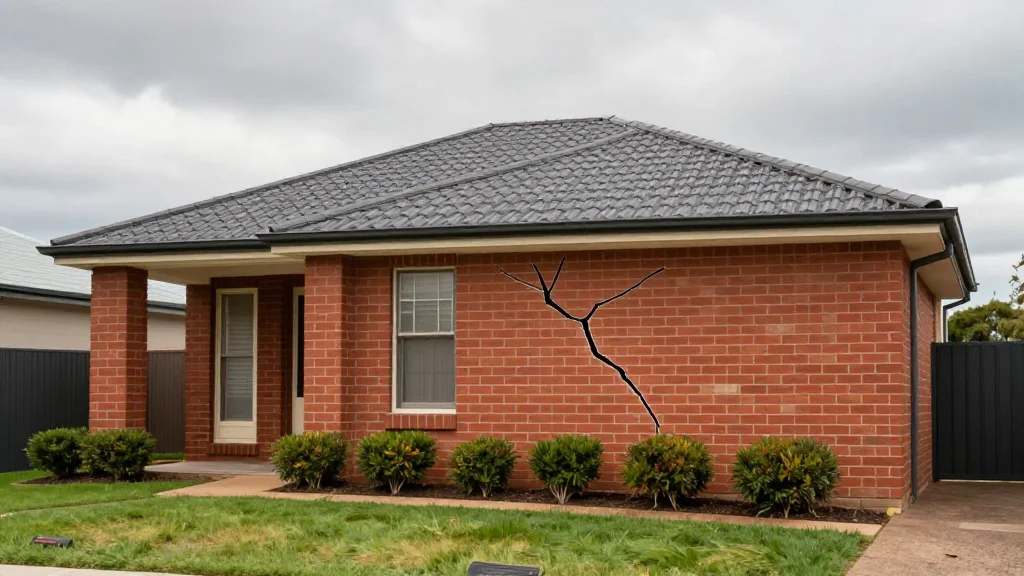
Investors Sour on Aussie Property Market
Investor demand for Australian housing is waning as rising interest rates, low yields, and the phasing out of property tax concessions bite. February housing credit growth slowed to 0.58% month‑over‑month, down from a recent 0.65% peak. Investor‑driven credit growth fell...
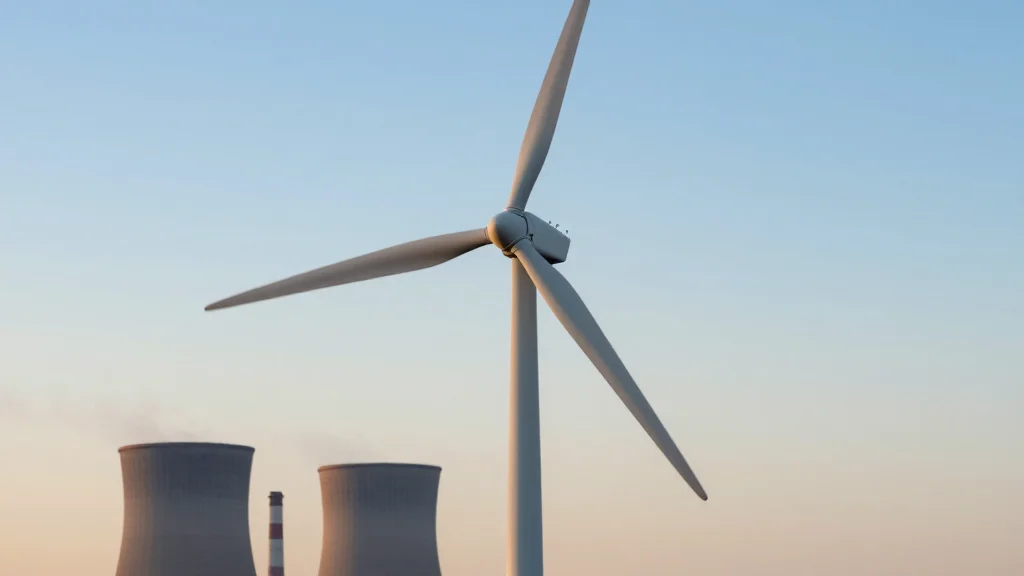
Australia’s Clean‑energy Rollout Stalls as Costs Blow Out
Australia’s clean‑energy rollout has stalled as 2025 utility‑scale solar and wind investment fell to less than half of 2024 levels, jeopardizing the federal goal of an 82% renewable‑energy mix. To meet the target, the country must retire most of its...

Pox Americana
David Llewellyn‑Smith argues that the United States is undergoing an accelerated collapse, not a gradual Thucydides‑Trap decline. He warns that American allies will simultaneously reassess their strategic ties, questioning long‑standing security and economic commitments. The piece frames this shift as...
RBA Caught in ‘Catch-22’ on Interest Rates
Australian consumer sentiment has collapsed to a 53‑year low, according to the ANZ‑Roy Morgan weekly confidence index. All sub‑indices, including current and future household finances, fell to their weakest levels since the series began in 1985. The decline follows two...

The Crash Won’t Go Away
The article warns that the current market crash is unlikely to resolve soon, describing a "déjà vu" scenario where price action, positioning and macro indicators all point downward. While brief rebounds may occur due to stretched valuations, underlying flow patterns...
Another per Capita Recession Looms for Australia
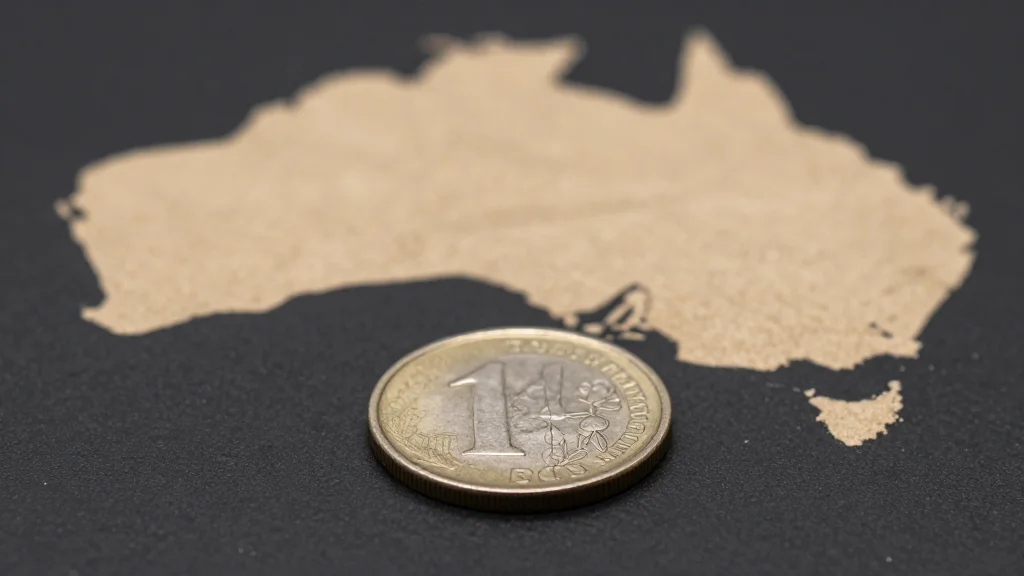
Australia’s real per‑capita GDP growth has been sliding for 25 years, reaching a historic low of 0.8 % annualised in 2025 – the weakest pace outside the pandemic period. The latest ABS data show a modest 0.4 % quarterly rebound in the December 2025...
Fuel Shock Lands on Household Spending
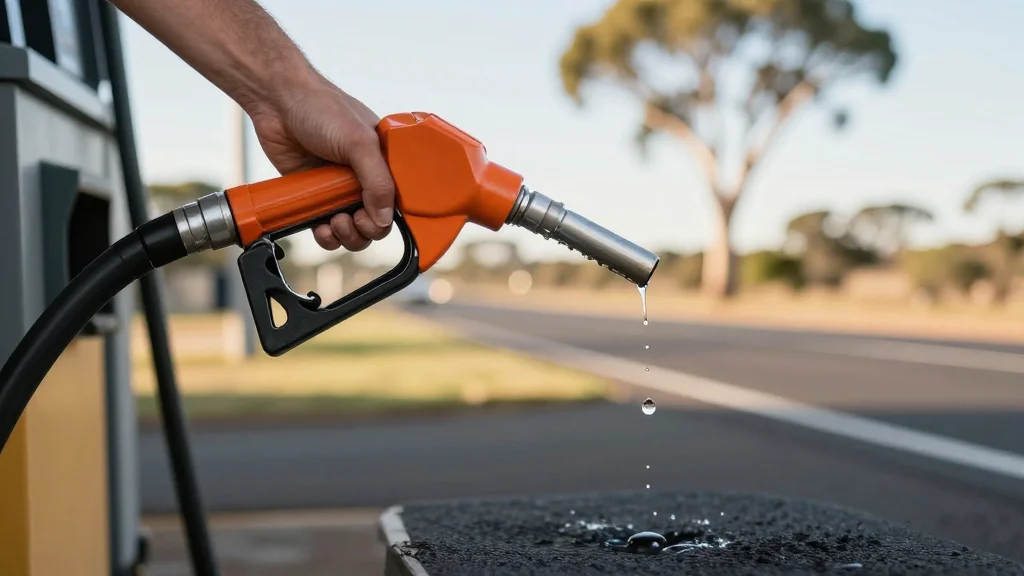
Australia’s recent fuel price shock is spilling over into household budgets, as higher pump prices drive up consumer spending on fuel. Westpac’s credit‑card tracker shows a quarterly spend increase of 1.9% this week, up from 1.0% late last year but...
A Mad Max World Emerges
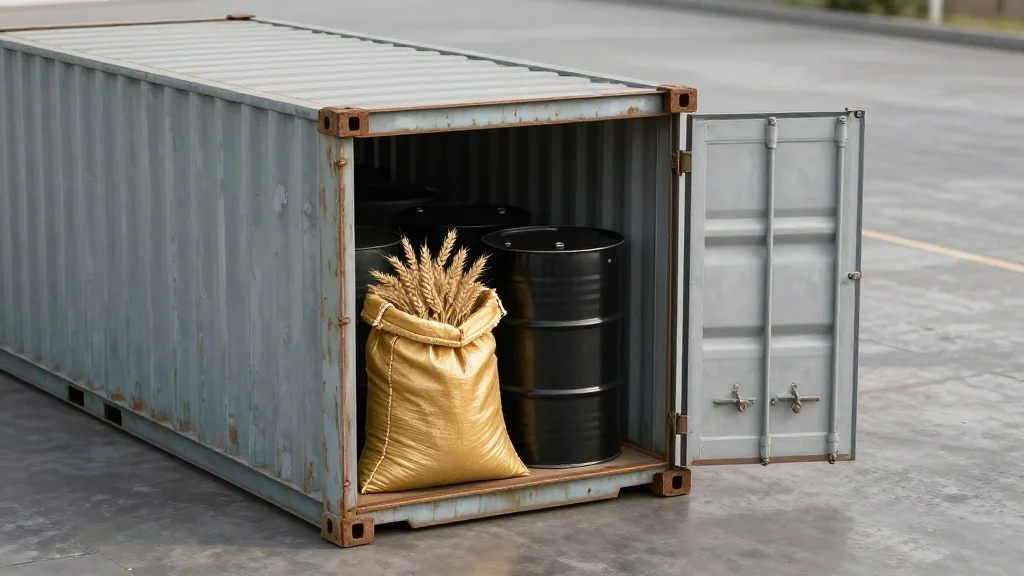
The ongoing war in the Middle East and the constriction of maritime trade through the Strait of Hormuz are prompting nations to prioritize domestic energy and food security. The article draws parallels with the 14th‑century crisis, when trade barriers, export...
Australian Doomsday April 20
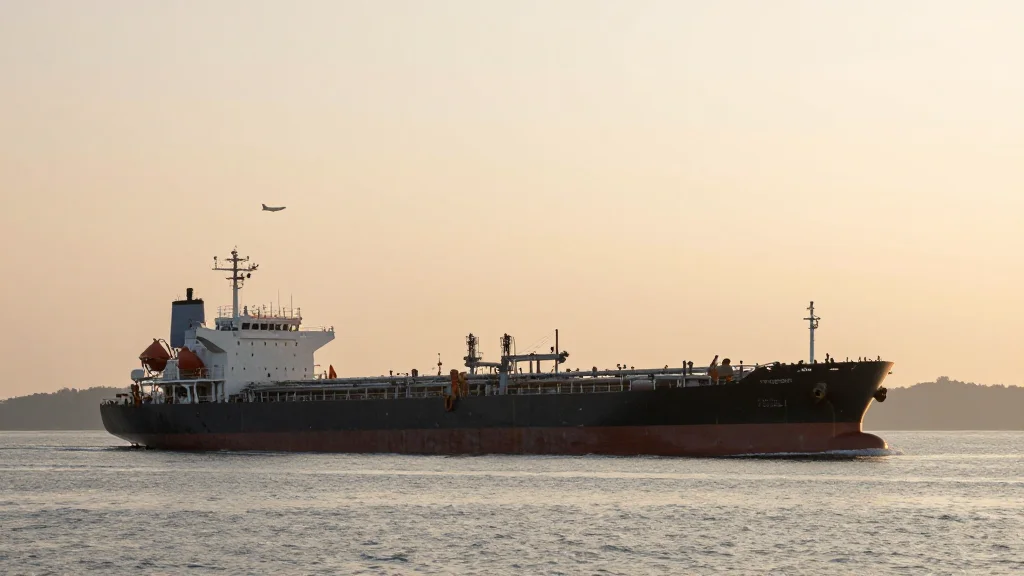
Macquarie Bank warns that if the Iran‑Israel conflict keeps the Strait of Hormuz closed through June, crude could climb to a record $200 a barrel. The bank’s March 27 analysis stresses that prolonged closure would force prices high enough to erode...
Why 2026 Will Be Another Brutal Year for Housing Affordability
Latest data from Cotality and REA Group show Australian housing affordability at historic lows. Median weekly advertised rent has jumped from $420 AUD (~$277 USD) in early 2020 to $650 AUD (~$429 USD) now, a $230 AUD (~$152 USD) increase. That adds roughly $12,000 AUD (~$7,900 USD) to the...

Australia’s Narcissist ‘Elite’
Australia faces a confluence of structural pressures: soaring house prices and rents have forced many households into high private debt, while energy costs and stagnant wages erode disposable income. A sizable public‑sector workforce and generous executive pay have entrenched a...
Meanwhile, Iron Ore Is Stuffed
Iron ore prices have plunged as the market reacts to ongoing geopolitical conflicts rather than fundamentals of the metal itself. Rising input costs—particularly energy and logistics—are squeezing steel producers, prompting a sharp slowdown in production. This combination has turned the...
MB Fund Podcast: Trump: An Unexpected Green Energy Hero
In the latest MB Fund podcast, Nucleus Wealth CIO Damien Klassen argues that the fallout from the Iran‑U.S. conflict has unexpectedly positioned former President Donald Trump as a catalyst for green energy. He outlines how Trump‑era tariffs, supply‑chain disruptions, and...

Here Comes the Crash
Bond market volatility is accelerating, with the MOVE index climbing to 103.01 by mid‑2026. The surge coincides with a sharp rise in U.S. 10‑year Treasury yields, signaling heightened uncertainty in fixed‑income markets. Simultaneously, the equity‑focused VIX index mirrors this turbulence,...
Mortgage Stress to Hit New High in 2026
Roy Morgan’s February 2026 analysis shows that 30.3 % of Australian mortgage holders would be “at risk” of stress if the Reserve Bank of Australia raises the cash rate by another 25 basis points in May, pushing stress levels back to...

High Inflation Begets More Inflation
Australia is experiencing a fresh inflation shock as petrol and diesel prices surge. The spike affects roughly half of the consumer price index basket, given the nation’s reliance on diesel‑powered logistics. Rising diesel costs also lift fertilizer prices, adding upward...
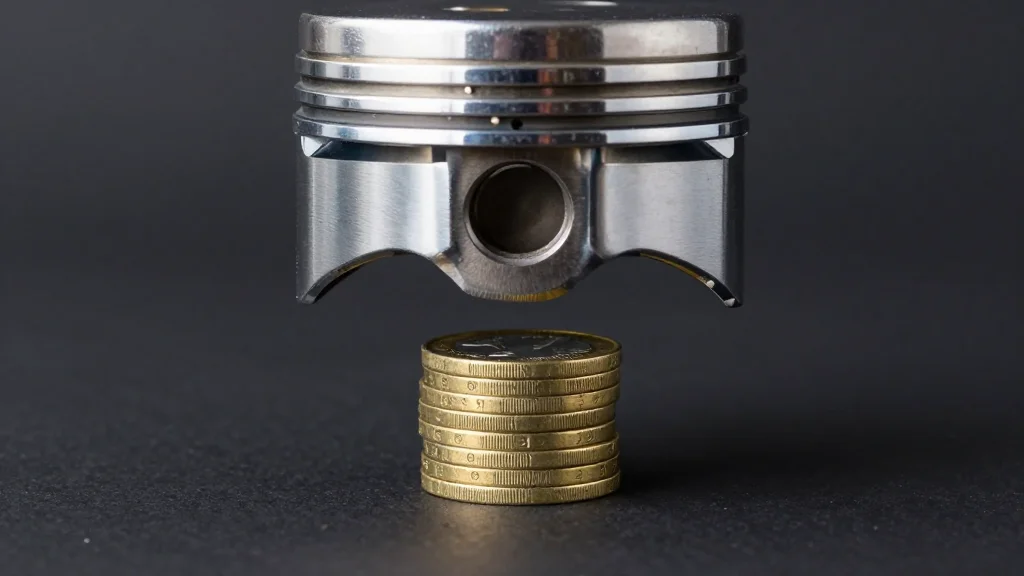
Evil RBA Snuffs Out Economy
The Reserve Bank of Australia (RBA) has accelerated its tightening cycle, pushing the cash rate to 4.35% as inflation remains above target. The aggressive stance has sharply increased borrowing costs for households and businesses, curbing consumption and investment. Critics argue...
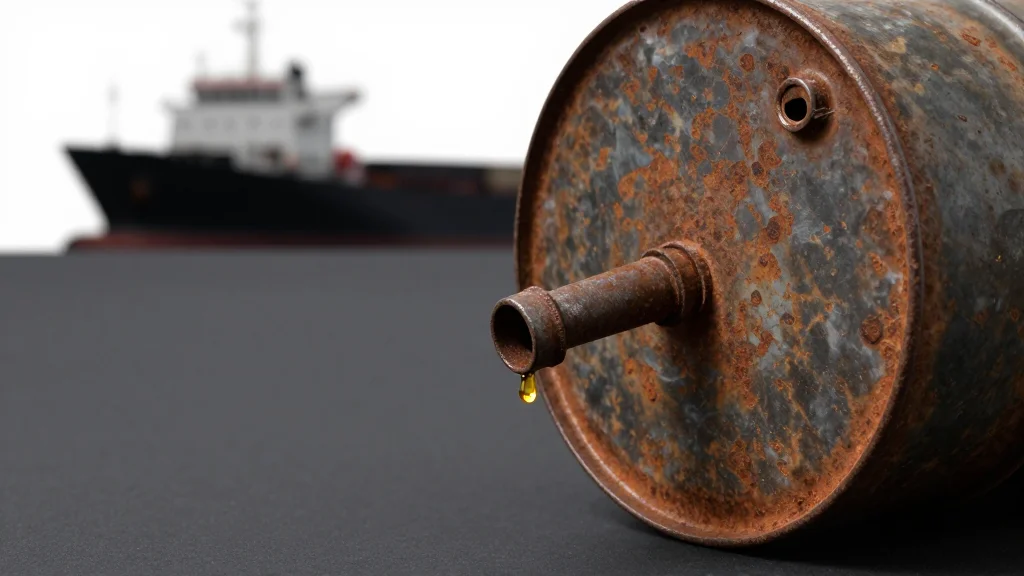
Australia Begins to Shut Down
Australia is confronting an acute diesel shortage that is beginning to choke key sectors of its economy. DP World Australia warned that without prioritized fuel deliveries, container terminals could slow or cease operations, jeopardizing both imports and exports. Rising fuel...

Electricity Prices Return to Reality
Australia’s February 2026 CPI rose 3.7% year‑over‑year, a modest dip from January’s 3.8%. The headline increase was driven primarily by a 7.2% surge in housing costs, while food and non‑alcoholic beverages rose 3.1% and recreation and culture climbed 4.1%. A...

Trump’s 15 Point Plan to Catastrophe
A report claims former President Donald Trump sent Iran a 15‑point peace proposal, though the full text remains undisclosed. The outlined items call for decommissioning key nuclear facilities, regulating enriched uranium stockpiles, ending Iran’s ballistic missile program, and halting support...
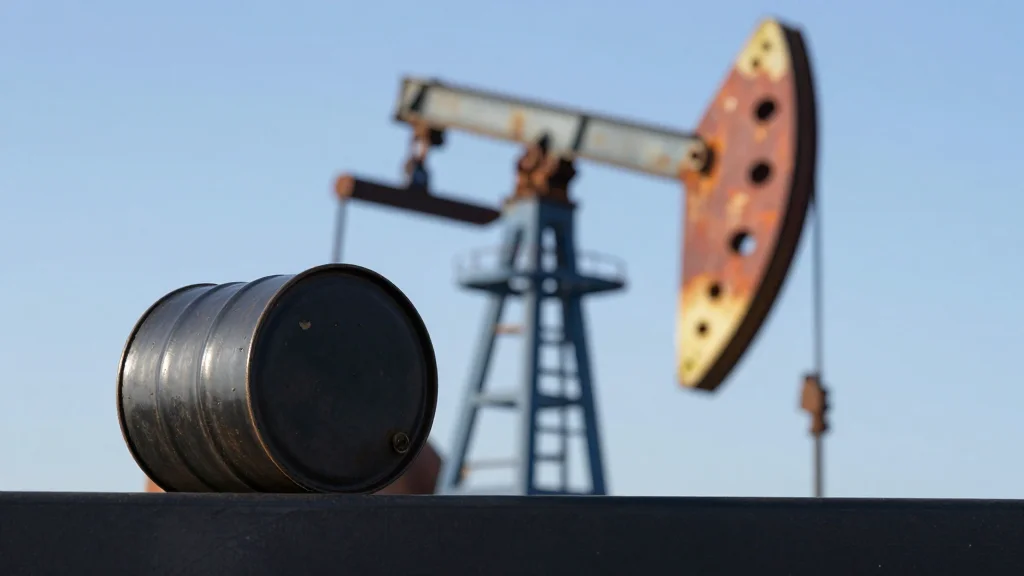
Australia’s Energy Vulnerability Is 20 Years in the Making
Australia’s strategic fuel reserves have dwindled to roughly 30 days of petrol, diesel and aviation fuel, far short of the International Energy Agency’s 90‑day benchmark. About 90 % of the nation’s refined fuels are now imported, exposing the country to supply...