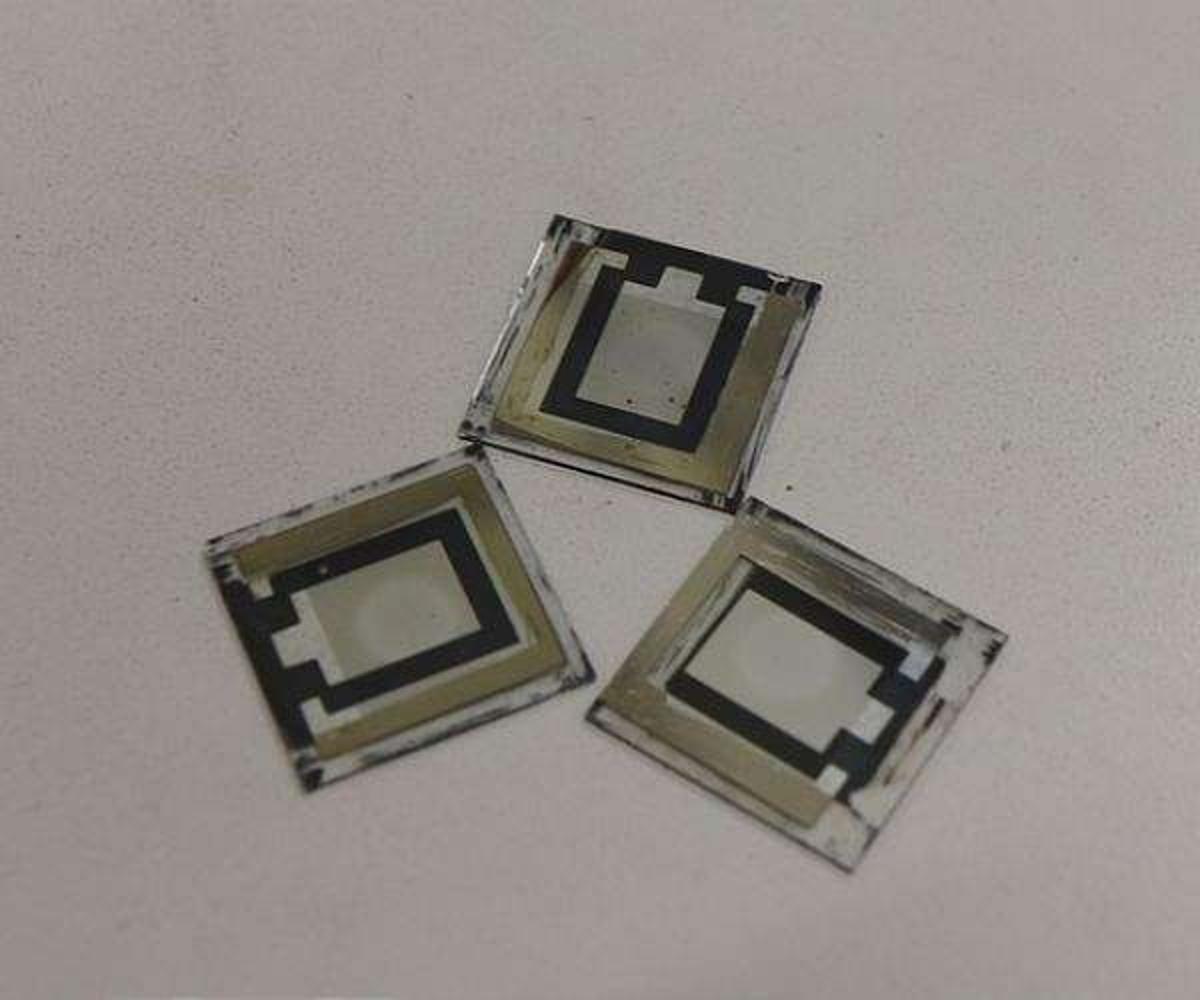
Chiba Team Models Energy Alignment for Perovskite Solar Cells
Researchers at Chiba University have unveiled the first universal model for energy‑level alignment at the electrode, hole‑collecting monolayer, and perovskite interfaces of solar cells. The framework relies only on work functions and ionization energies, explaining why certain monolayers enable power conversion efficiencies up to 26.9 %. Extensive validation against diverse experimental data confirms its predictive accuracy across multiple material combinations. The authors also note that the same principles could accelerate design of perovskite LEDs and transistors.
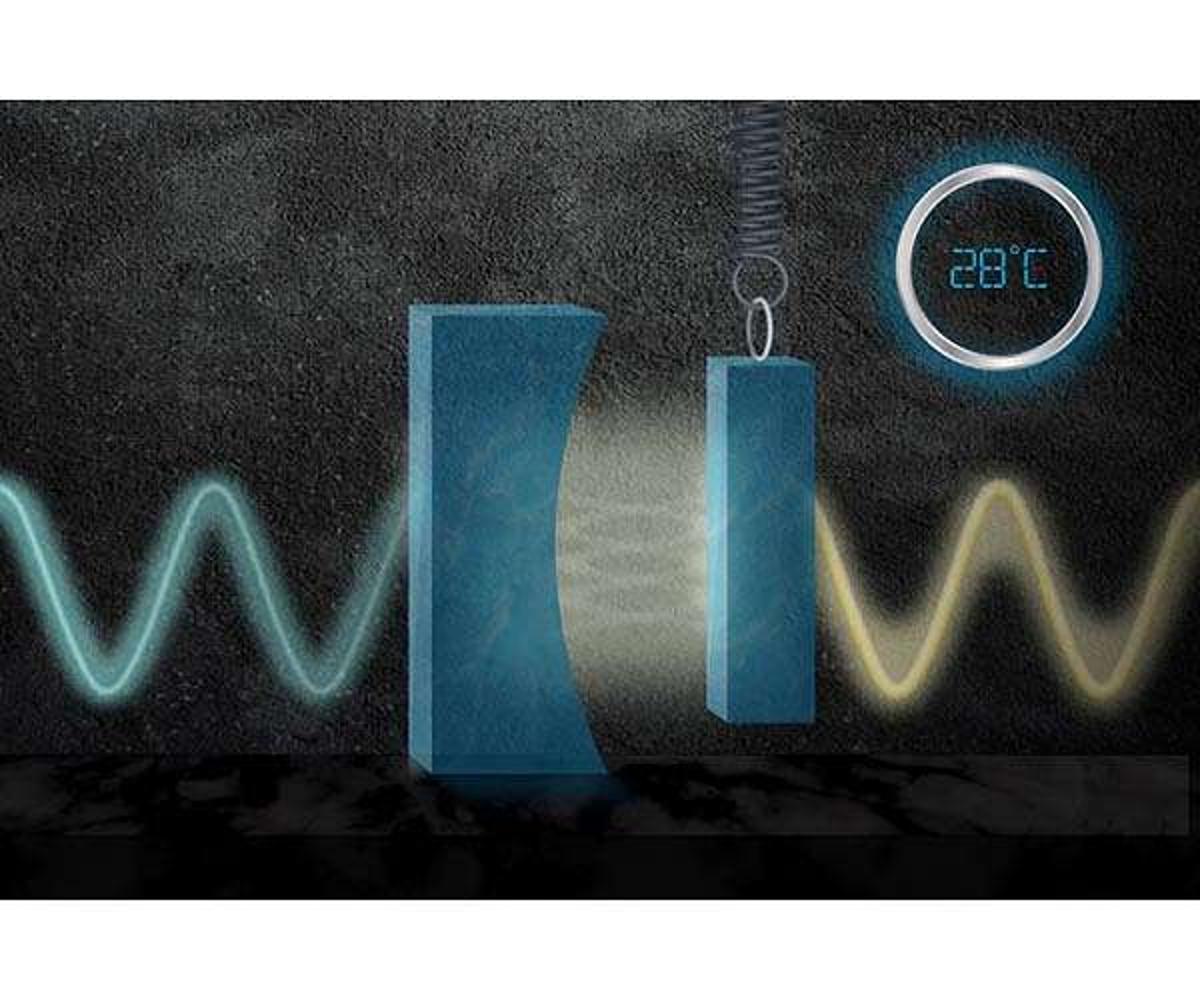
Oxford Physicists Reach Fourth-Order Quantum Squeezing With Trapped Ion
Oxford physicists have experimentally demonstrated fourth‑order quantum squeezing, or quadsqueezing, using a single trapped ion. By applying two carefully timed, non‑commuting forces, they amplified the interaction to produce quadsqueezing more than 100 times faster than traditional approaches. The same setup...
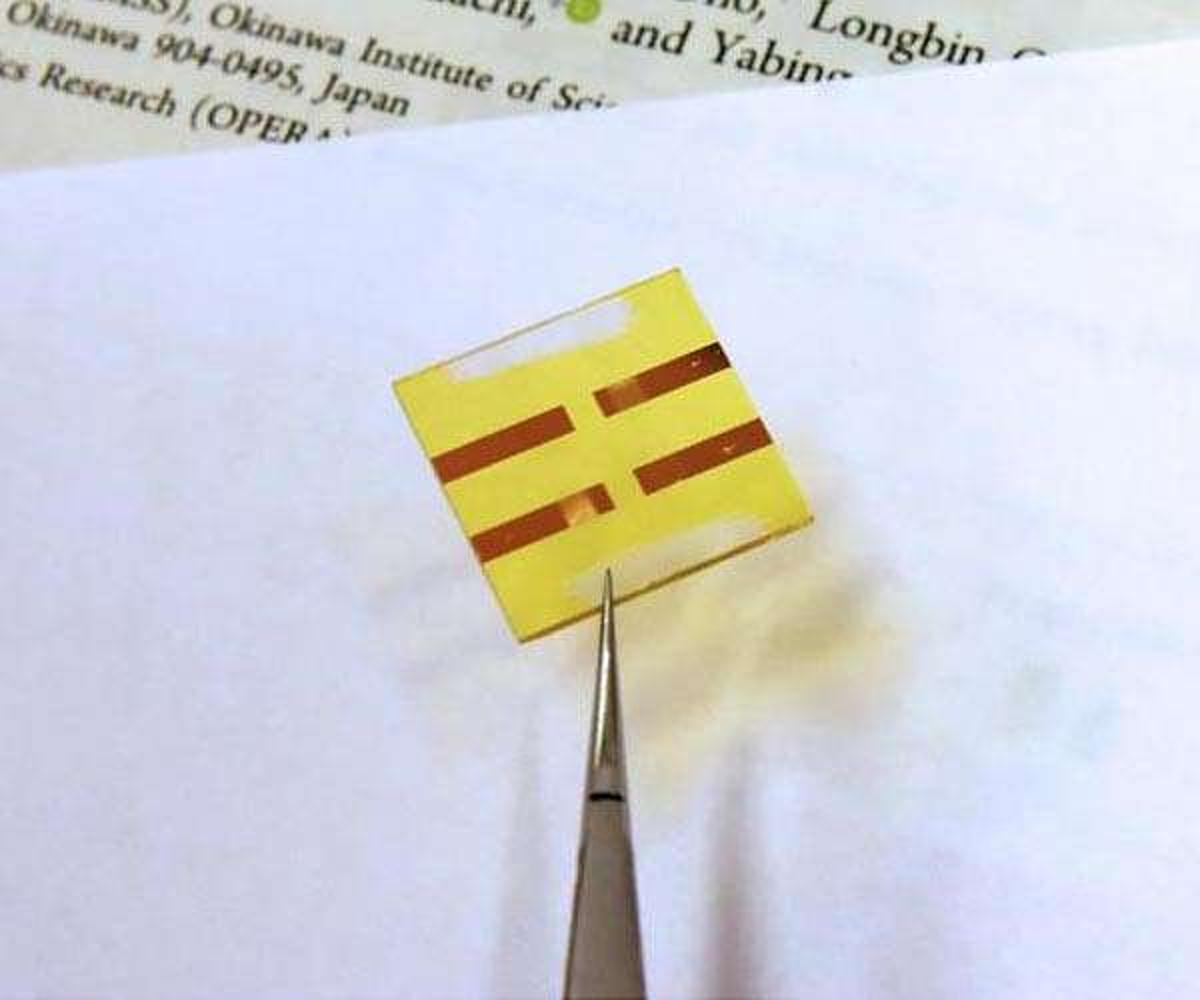
Perovskite Diode Sets Records as Both a Solar Cell and an LED
A collaborative team from the University of Colorado Boulder and the University of Science and Technology of China has demonstrated a perovskite diode that delivers a certified 26.7% power‑conversion efficiency as a solar cell and about 31% external quantum efficiency...
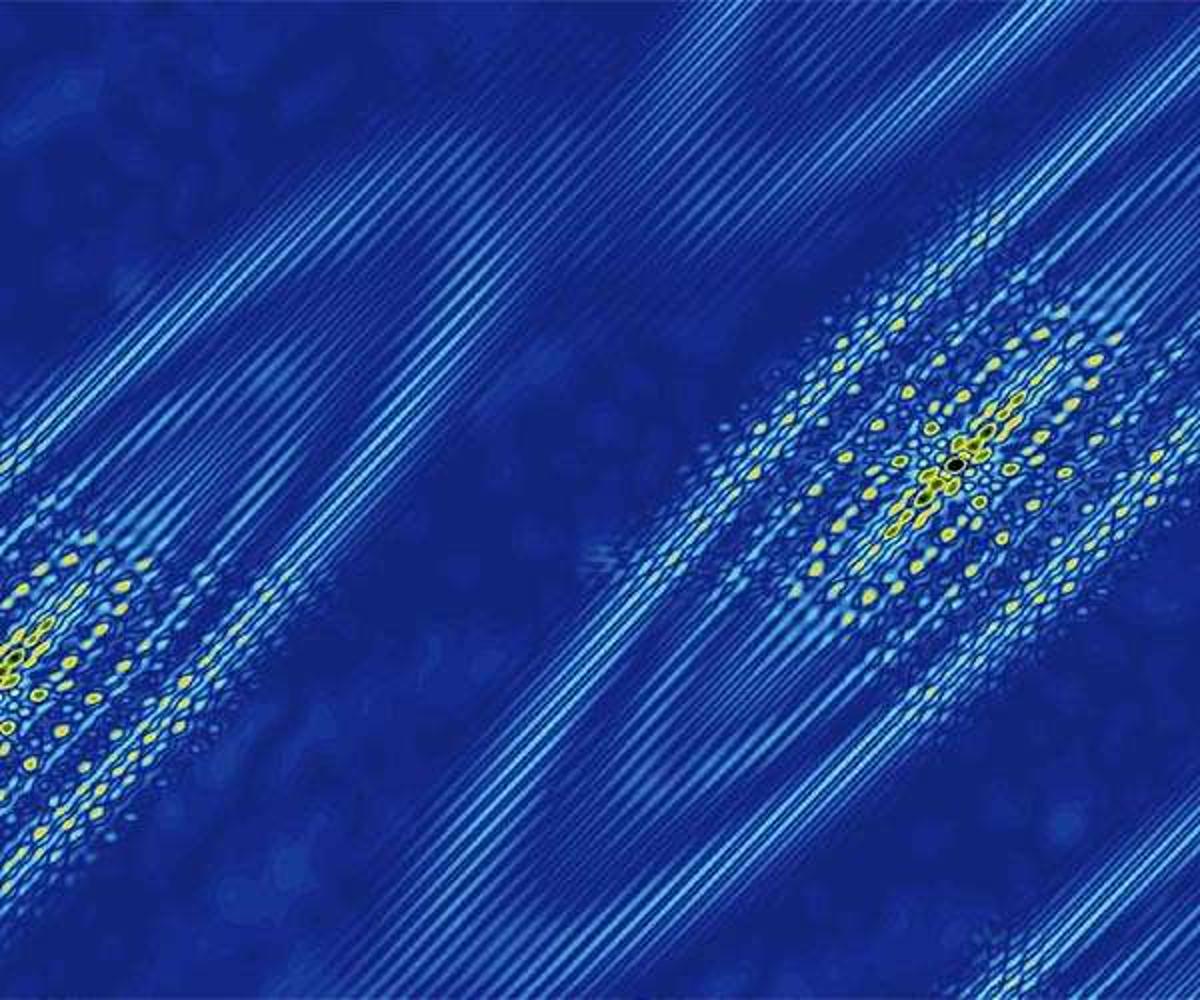
Butterfly Wing Pattern Emerges From Hundreds of Fractional Quantum Hall States in Ultra-Cold Magnetic Fields
A new study in National Science Review maps roughly 100 fractional quantum Hall (FQH) states onto a striking butterfly‑wing pattern using polar coordinates that link filling factors to denominator size. The work relied on a cryogen‑free nuclear adiabatic demagnetisation refrigerator...
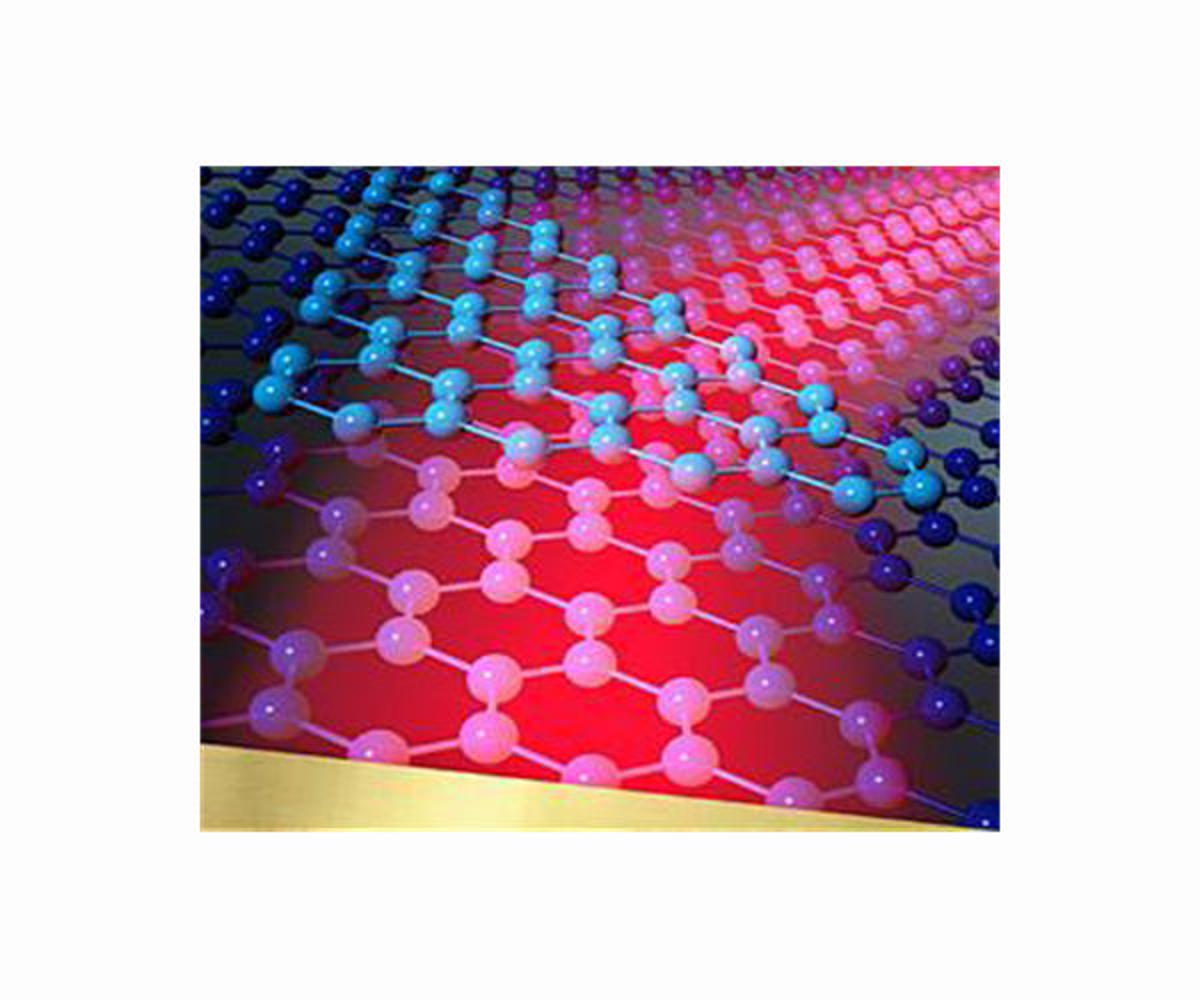
AI-Driven Design Tools Unlock New Capabilities in Flat Optical Devices
Researchers at Korea University have detailed how artificial intelligence is dismantling the design bottlenecks that have limited metasurfaces—ultra‑thin flat optical components—from lab prototypes to commercial products. AI‑driven surrogate models cut simulation time from weeks to milliseconds, while inverse design lets...

Harvard Team Achieves Milliwatt UV Light Generation On a Photonic Chip
Harvard researchers have built a chip‑scale ultraviolet light source on thin‑film lithium niobate that delivers 4.2 mW of on‑chip power at 390 nm, roughly 120 times more than prior demonstrations on the same platform. The device uses a frequency‑up‑conversion process that merges two...

Molecular Engineering Pushes PTAA Perovskite Solar Cell Efficiency Past 26 Percent
Researchers from Dalian University of Technology, Fudan University and City University of Hong Kong used a molecular‑engineering strategy to push PTAA‑based perovskite solar cells to a record 26.13% efficiency while maintaining 84.9% of performance after 1,000 hours of ISOS‑L‑2 stress. The...
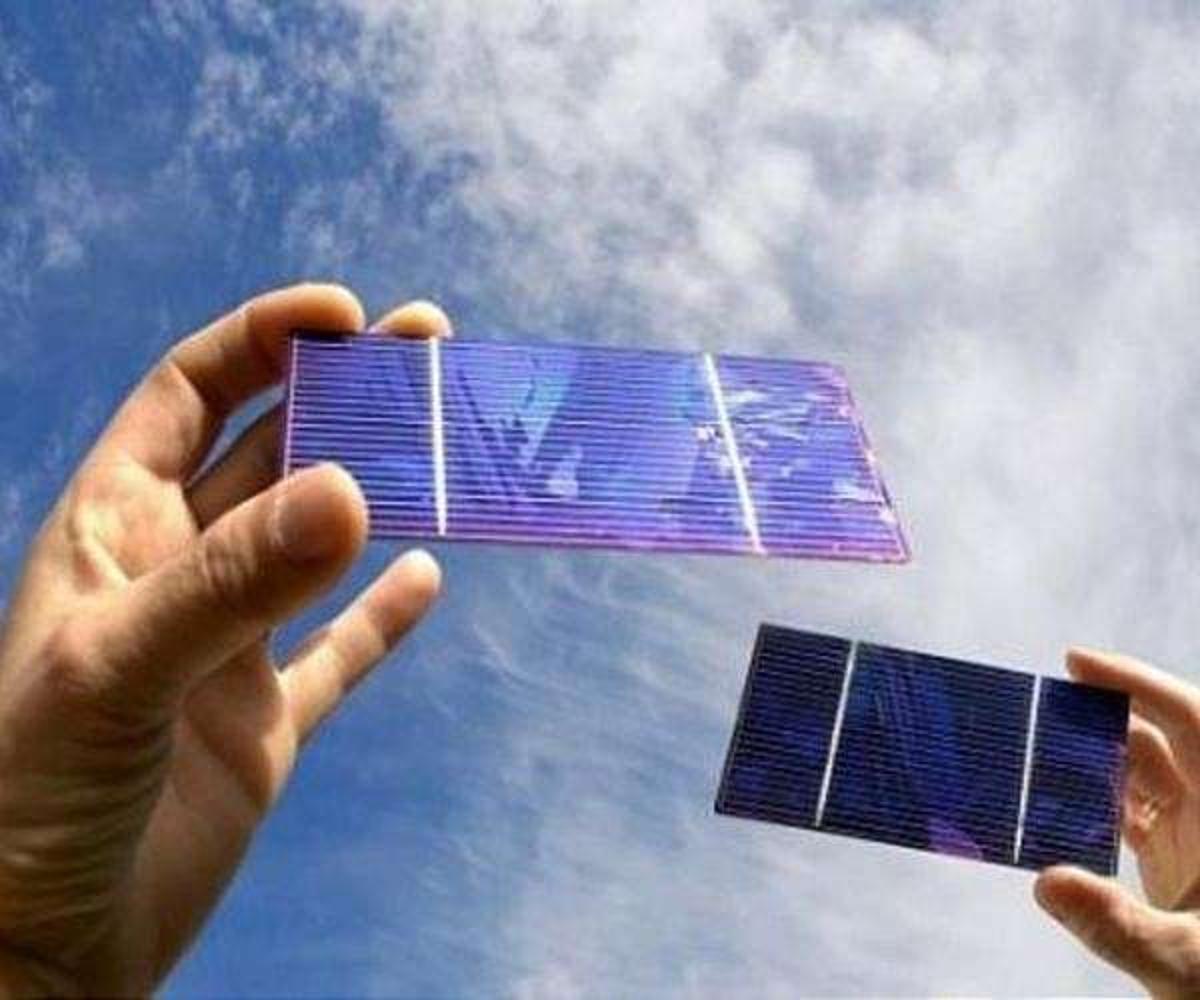
Sungkyunkwan University and Clarivate Map Global Research Landscape of Perovskite Solar Cells
Sungkyunkwan University and data firm Clarivate released a report mapping the rapid rise of perovskite solar‑cell research since the 2012 breakthrough at SKKU. The analysis, based on Web of Science data, shows China, the United States and South Korea dominate...

Molecular Lock Design Pushes Perovskite Solar Cell Efficiency Past 26 Percent
Researchers at SUSTech and PolyU introduced a rigid‑backbone molecule that locks the interface of inverted perovskite solar cells, pushing power conversion efficiency to a record 26.54 % and retaining 90 % of output after 1,000 hours of stress testing. The same report highlighted...

Crystal Seed Method Boosts Inverted Perovskite Solar Cells
A research team at the Qingdao Institute of Bioenergy and Bioprocess Technology has introduced a crystal‑solvate (CSV) pre‑seeding technique that precisely engineers the buried bottom interface of inverted perovskite solar cells. The method deposits rod‑like PDPbI₄‑DMSO nanocrystals on SAM‑modified substrates,...

Carbon Nanotube Textile Heaters Push Industrial Gas Systems Toward Electrification
Rice University researchers have created electric heating elements from carbon‑nanotube fibers (CNTFs) that outperform traditional metal‑alloy heaters in gas‑flow applications. By exploiting CNTFs' high specific power loading, lightweight strength and superior thermal conductivity, the team built filament, array and textile‑style...
HKUST Team Advances Vacuum Grown Perovskite Solar Cells
Researchers at Hong Kong University of Science and Technology have shown a fully solvent‑free, all‑vacuum deposition method for perovskite solar cells that delivers a certified 18.35% efficiency on a 0.25 cm² device and 19.3% in the lab. The technique uses lead‑chloride...

Light Responsive Molecules Boost Durable Perovskite Solar Cells
Researchers at the University of Stuttgart and partners introduced light‑responsive, photoswitchable molecules into the grain boundaries of triple‑cation perovskite solar cells. The additive acts as a dynamic buffer, relieving mechanical stress and protecting the crystal lattice under fluctuating light, heat...

Molecular Vibrations Hurl Electrons at Extreme Speeds
Researchers at the University of Cambridge demonstrated that electrons can traverse a polymer‑non‑fullerene interface in just 18 femtoseconds, matching the period of a single molecular vibration. By deliberately engineering a weakly coupled junction, they showed that specific high‑frequency vibrational modes...

United Semiconductors Secures Starlab Payload Capacity for In-Space Semiconductor Crystal Production
United Semiconductors has signed a payload reservation with Starlab Space to shift its microgravity semiconductor crystal growth from the ISS to the commercial Starlab station in low‑Earth orbit. The agreement gives United access to internal and external platforms, including pure‑vacuum...