
Defect Networks Boost Performance of Next Generation Perovskite Solar Cells
A study by the Institute of Science and Technology Austria reveals that networks of flexoelectric domain walls generate internal electric fields that separate and transport charge carriers in solution‑processed lead halide perovskites. Using a novel silver‑ion electrochemical staining technique, researchers visualized a crystal‑spanning skeleton of domain walls that act as highways for electrons and holes. This defect‑driven mechanism explains how perovskite solar cells achieve efficiencies rivaling silicon despite structural imperfections. The findings suggest that deliberately engineering wall density and orientation could boost performance while preserving low‑cost fabrication.

Carbon Fibers Bend and Straighten Under Electric Control
Researchers at the Polish Academy of Sciences have shown that bare carbon fibers can be bent and straightened reversibly using electricity, without any coatings or structural modifications. The fibers act as bipolar electrodes in a closed electrochemical cell, where asymmetric...

Quantum Team Reads Information From Robust Majorana Qubits Using Quantum Capacitance
Researchers demonstrated a quantum‑capacitance technique that reads the parity of Majorana‑based qubits in a minimal Kitaev chain, achieving single‑shot, real‑time detection. The modular device—two semiconductor quantum dots linked by a superconducting segment—revealed parity coherence times exceeding one millisecond. This global...

Carbon Fibers Bend and Straighten Under Electric Control
Researchers at the Polish Academy of Sciences have demonstrated that bare carbon fibers can be reversibly bent and straightened using electric fields in a closed bipolar electrochemical cell. The actuation relies on asymmetric ion insertion and redox reactions at the...

Dutch Tech Giant ASML Posts Bumper Profits, Eyes Bright AI Future
ASML reported a 2025 after‑tax profit of €9.6 billion, up €2 billion from the prior year, and record net sales of €32.7 billion. CEO Christophe Fouquet highlighted robust AI‑related demand as the primary growth driver and forecast 2026 sales between €34 billion and €39 billion....
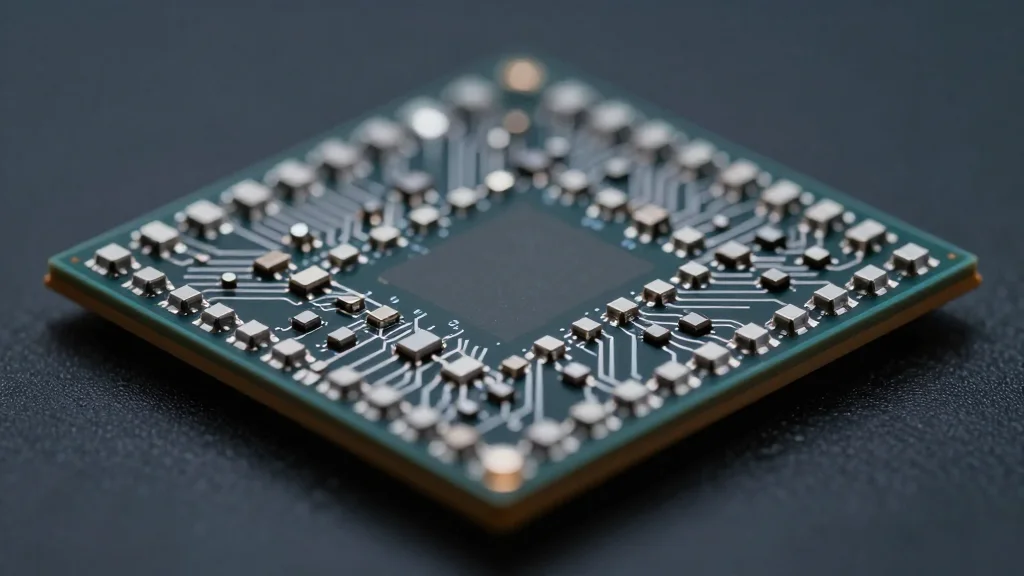
US Contract Vehicle to Speed US Made Defense Semiconductors Into Military Systems
Northrop Grumman has secured a $25 billion, ten‑year award under the Defense Microelectronics Activity’s Advanced Technology Support Program V (ATSP‑5). The indefinite‑delivery, indefinite‑quantity contract lets the company respond to proposals within 30 days and move from award to delivery in roughly 80‑90 days, dramatically shortening...
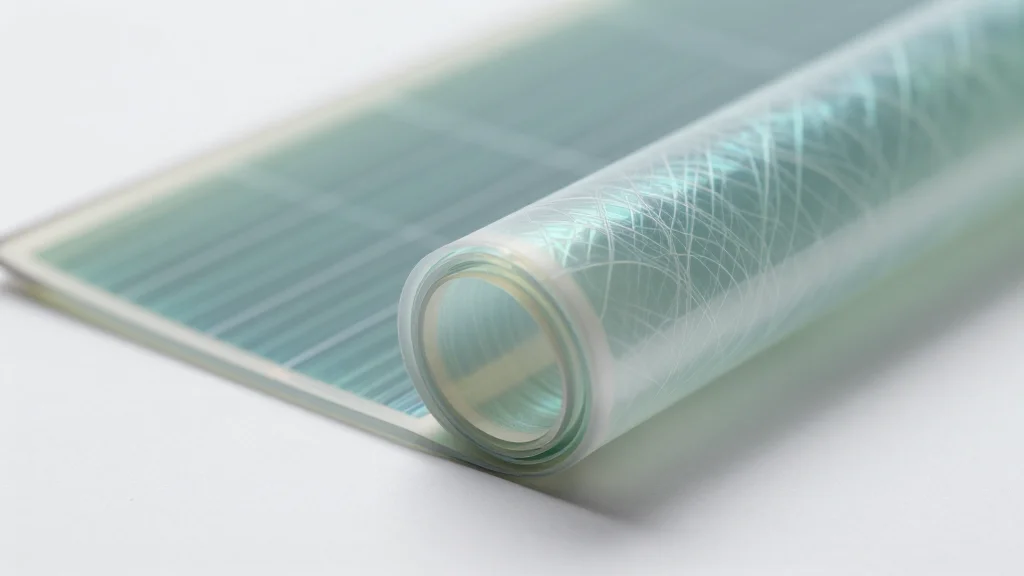
Acid Treated Carbon Nanotubes Raise Efficiency and Durability of Flexible Perovskite Solar Modules
Researchers from the Chinese Academy of Sciences and Zhengzhou University have demonstrated flexible perovskite solar modules exceeding 20% efficiency using sulfuric‑acid‑treated single‑walled carbon nanotube (SWCNT) window electrodes. The acid treatment raises the conductivity of the SWCNT network and creates a...

Polymer Nanoparticles Drive Platinum Free Solar Hydrogen
A research team at Chalmers University has demonstrated that conjugated polymer nanoparticles can photocatalytically split water into hydrogen using sunlight, eliminating the need for costly platinum. By engineering hydrophilic, loosely packed polymer chains, the particles achieve a production rate of...

Corn Cob Biochar Filters Pull Ammonia and Micro and Nanoplastics From Water
Researchers at the University of Delaware have converted discarded corn cobs into high‑performance biochar filters that simultaneously adsorb dissolved ammonia and micro‑/nanoplastic particles. In lab tests, the optimized 700 °C corn‑cob biochar (CCB700) removed about 64% of ammonia at 10 ppm and...
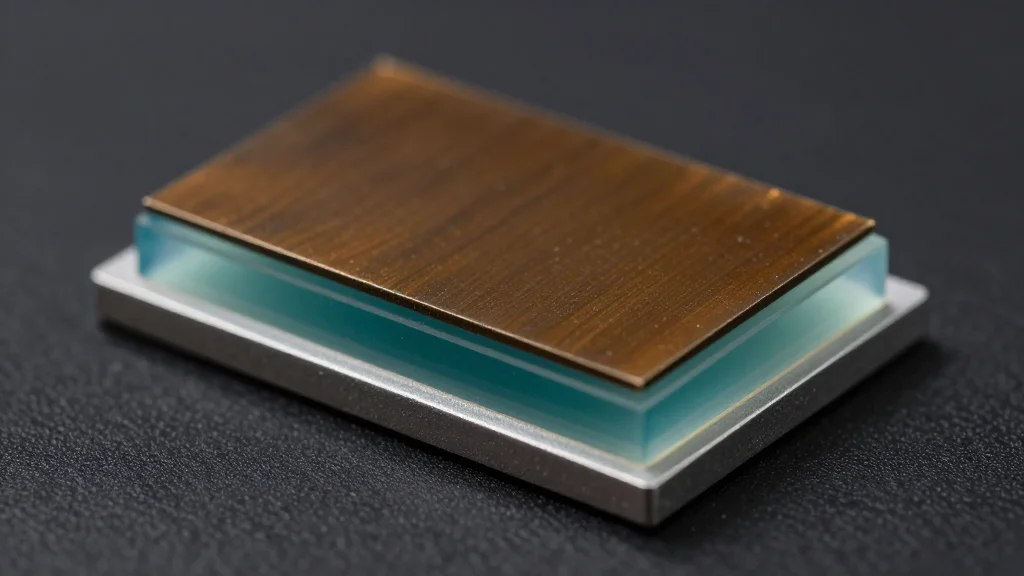
Germanium Oxide Interface Boosts Tin Monosulfide Thin Film Solar Cell Efficiency and Stability
Researchers at Chonnam National University introduced an ultra‑thin germanium oxide (GeOₓ) interlayer to improve the rear‑contact interface of tin monosulfide (SnS) thin‑film solar cells. The 7 nm GeOₓ layer, formed by vapor‑transport deposition and natural oxidation, suppresses deep‑level defects, blocks sodium...

Study Links Bottled Water to Higher Nanoplastic Levels than Tap
Researchers at Ohio State University found that popular bottled water brands contain roughly three times more nanoplastic particles than treated municipal tap water. The study introduced a combined scanning electron microscopy and optical photothermal infrared spectroscopy technique capable of detecting...
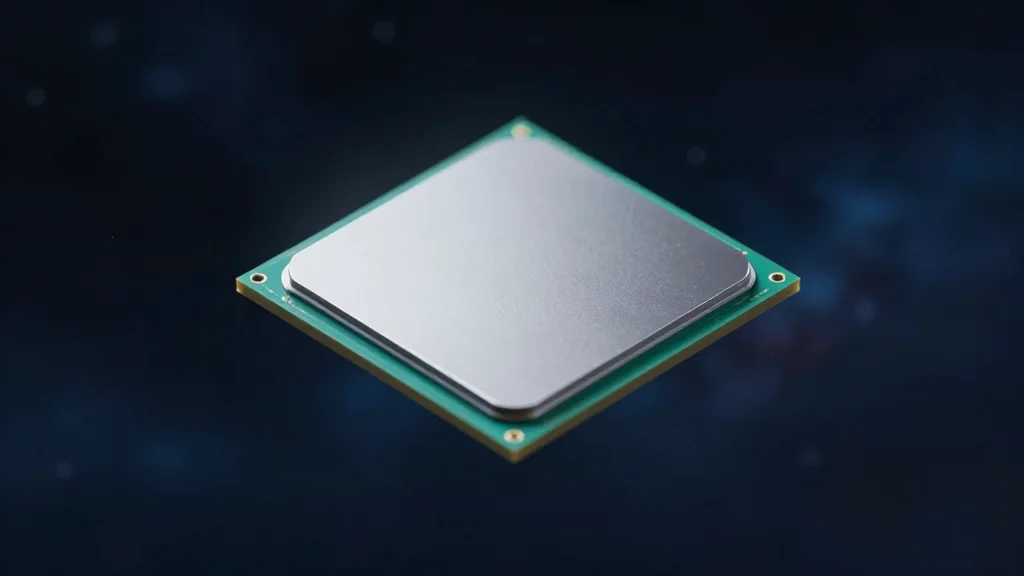
Radiation Hardened Circuit Platform Expands Space Electronics Development
BAE Systems introduced its RH12 Storefront, a radiation‑hardened 12‑nanometer circuit platform aimed at space‑grade integrated circuits. The offering bundles a full library of IP blocks, design tools, and licensing options, enabling customers to create custom system‑on‑chip solutions for harsh off‑Earth...

Corn Cob Biochar Filters Pull Ammonia and Micro and Nanoplastics From Water
Researchers at the University of Delaware have converted discarded corn cobs and other agricultural residues into high‑performance biochar filters. In laboratory trials, the optimized biochar removed up to 64 % of dissolved ammonia and more than 97 % of polystyrene micro‑ and...
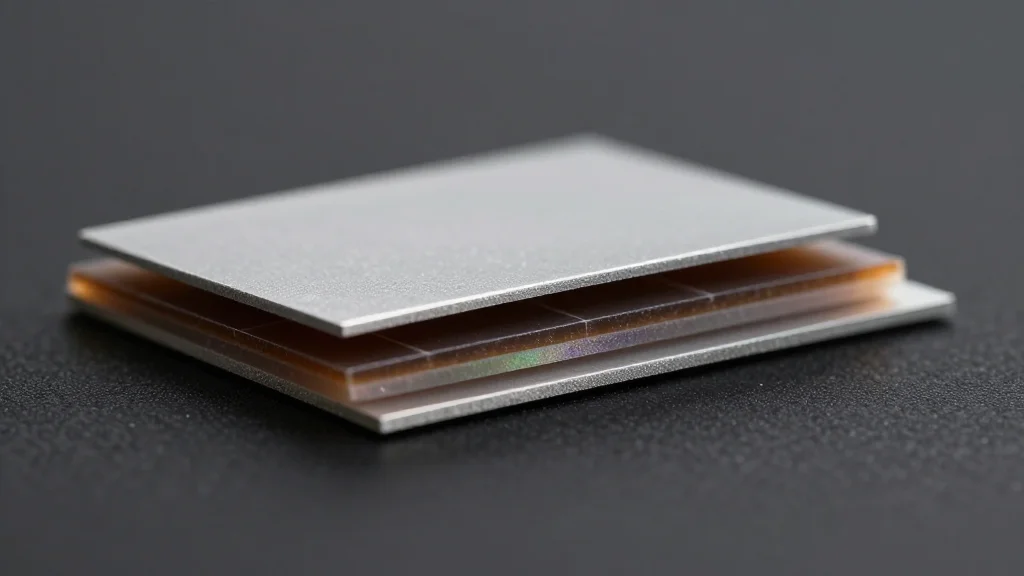
Germanium Oxide Interface Boosts Tin Monosulfide Thin Film Solar Cell Efficiency and Stability
Researchers at Chonnam National University introduced a nanometer‑scale germanium oxide (GeOₓ) interlayer between the molybdenum back contact and the tin monosulfide (SnS) absorber, addressing deep‑level defects, sodium diffusion, and MoS₂ formation. The 7 nm GeOₓ layer improves SnS grain uniformity and...

Nanoscience Breakthrough Puts Low-Cost, Printable Electronics on the Horizon
Researchers led by Dr. Tian Carey have unveiled a predictive framework that links in‑plane versus out‑of‑plane stiffness to successful electrochemical exfoliation of 2D materials. The model identified dozens of new semiconducting nanosheets, enabling the fabrication of printed transistors, digital‑to‑analogue converters...

Hebrew University Team Develops Flexible Color Tunable Solar Window Technology
Hebrew University researchers have created a flexible, semi‑transparent perovskite solar cell that can be color‑tuned for use in windows and curved surfaces. The device achieves up to 9.2% power‑conversion efficiency while maintaining about 35% visible transparency. Light transmission and hue...

Carbon Monoxide Enables Rapid Atomic Scale Control for Fuel Cell Catalysts
Researchers at the Korea Institute of Energy Research introduced CO Adsorption‑Induced Deposition (CO AID), a carbon‑monoxide‑driven method that forms 0.3 nm platinum shells on low‑cost metal cores. The technique reduces catalyst fabrication time to 30 minutes‑2 hours at kilogram scale, far faster than...
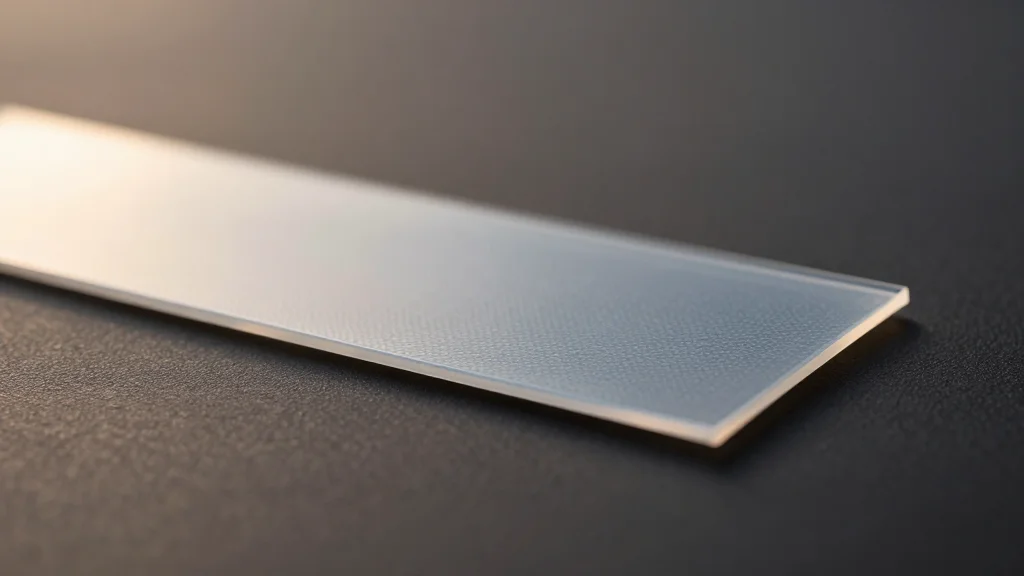
Acid Treated Carbon Nanotubes Raise Efficiency and Durability of Flexible Perovskite Solar Modules
Researchers at the Chinese Academy of Sciences and Zhengzhou University have demonstrated flexible perovskite solar modules exceeding 20 % efficiency by using sulfuric‑acid‑treated single‑walled carbon nanotube (SWCNT) films as ITO‑free window electrodes. The acid treatment raises conductivity and creates a NiSO₄–NiOₓ...

Polymer Nanoparticles Drive Platinum Free Solar Hydrogen
A team at Chalmers University has demonstrated a photocatalytic system that uses conjugated polymer nanoparticles to split water into hydrogen under simulated sunlight, eliminating the need for expensive platinum. By engineering hydrophilic, loosely packed polymer chains, the particles achieve a...

Micro Nano Robots Aim to Cut Carbon Buildup in Closed Life Support Systems
Researchers at Guangxi University unveiled micro‑nano reconfigurable robots (MNRM) that capture and release carbon dioxide using sunlight as an energy source. In laboratory tests the robots sequestered 6.19 mmol CO₂ per gram of sorbent and regenerated at just 55 °C, maintaining over...
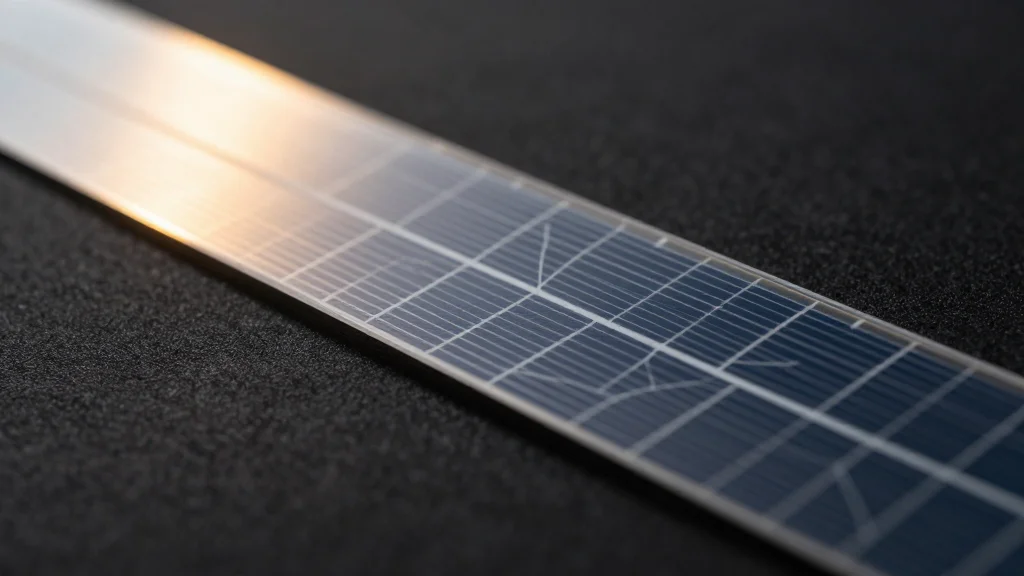
Carbon Nanotube Films Boost Flexible Perovskite Solar Module Performance
Researchers at the University of Surrey have replaced indium tin oxide (ITO) with single‑walled carbon nanotube (SWCNT) films in flexible perovskite solar modules, achieving over 20% power‑conversion efficiency on large areas and a record 24.5% on small cells. A sulfuric‑acid...