Recent Posts
News•Mar 1, 2026
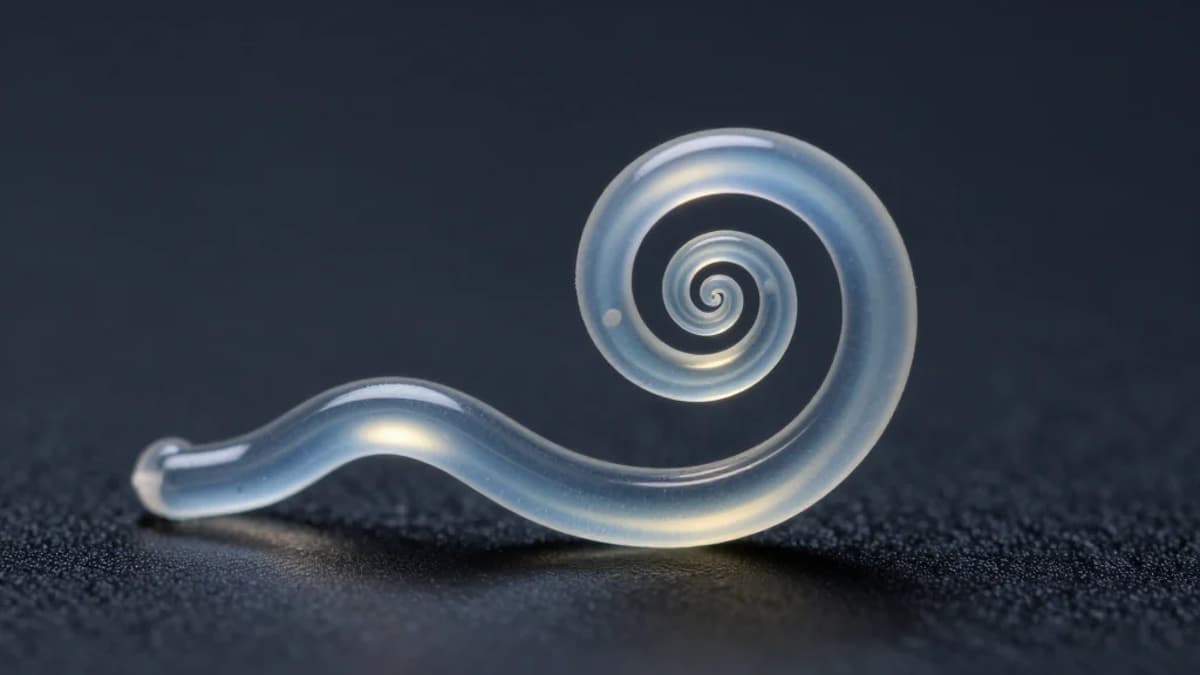
Synthetic Hydrogel Helices Amplify Movement without Muscles or Motors
The team from POSTECH and the University of Tokyo introduced a photopolymerization method that creates hydrogel helices with built‑in density gradients, enabling autonomous winding and unwinding. By using a helically wrapped UV‑blocking tape and a dissolved ruthenium absorber, they generate asymmetric swelling that transforms a straight fiber into a self‑oscillating helix. The resulting helices show amplified actuation—up to 42 % axial contraction on heating and 18 % autonomous oscillation—far exceeding comparable rod‑shaped gels. Demonstrations include soft‑robotic locomotion and chemically powered oscillations, highlighting a scalable route to muscle‑like soft actuators.
By Nanowerk

News•Feb 27, 2026
Light Alone Programs and Reprograms a Crystal Surface to Guide Living Cells
Researchers at Italy’s National Research Council have created an all‑optical bio‑photovoltaic interface using iron‑doped lithium niobate crystals. By projecting patterned laser light, they inscribe reversible electric fields that trap, align, and deform fibroblast cells without any electrodes or wiring. Cells...
By Nanowerk

News•Feb 27, 2026
Femtosecond Laser Pulses Enable Ultrafast Broadband Optical Switching
Researchers at Waseda University used femtosecond laser pulses to raise the electronic temperature in an indium‑nitride (InN) film, triggering transient Pauli blocking that makes the material switch from opaque to transparent. The effect spans the visible to near‑infrared spectrum and...
By Nanowerk
News•Feb 27, 2026
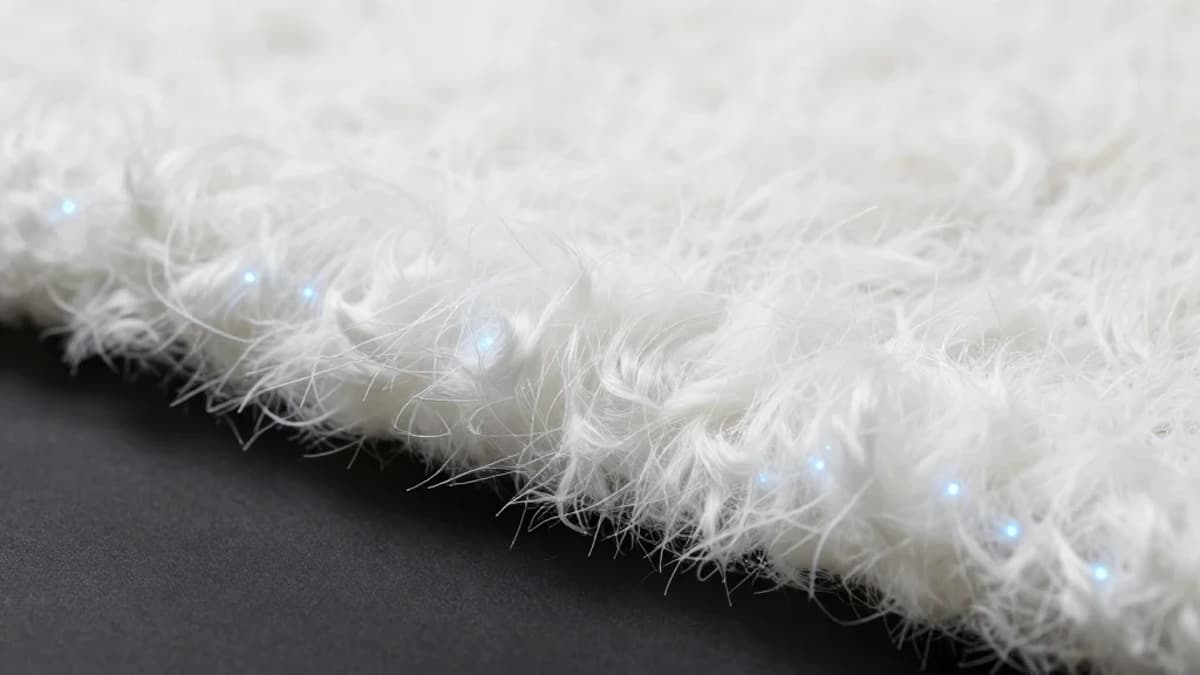
Polar Bear Hair Inspires Graphene Fibers that Sense, Insulate, and Power Smart Clothing
Researchers in China have created hollow graphene aerogel fibers that replicate the hollow, porous structure of polar‑bear hair. The fibers achieve a record‑low thermal conductivity of 1.28 mW·(m·K)⁻¹ and an electrical conductivity of 1,457 S·m⁻¹ after high‑temperature annealing. Their architecture provides exceptional...
By Nanowerk

News•Feb 27, 2026
Electric Eel Biology Inspires Powerful Gel Battery
Researchers at Penn State have created a fully hydrogel‑based power source that mimics the ionic discharge of electric eels. By spin‑coating four 20 µm hydrogel layers, they achieved ultra‑thin electrocytes with dramatically lower internal resistance. The resulting gel battery delivers power...
By Nanowerk

News•Feb 27, 2026
Nanoplastics Can Interact with Salmonella to Affect Food Safety
Researchers at the University of Illinois discovered that polystyrene nanoplastics trigger Salmonella enterica to up‑regulate virulence genes and form thicker biofilms, potentially heightening food‑borne risk. The bacterial response is biphasic: an initial offensive surge followed by a defensive, energy‑conserving mode...
By Nanowerk

News•Feb 26, 2026
Liquid Metal Droplets Fuse Themselves Into Stretchable Circuits
Researchers at Qingdao University and China University of Petroleum discovered that liquid‑metal droplets can self‑sinter during ordinary solvent evaporation, using a Marangoni‑driven surface‑tension gradient between ethanol and toluene. The process creates a Janus film with a conductive liquid‑metal‑rich layer and...
By Nanowerk

News•Feb 26, 2026
Covalent Organic Frameworks Assembled Inside Tumor Cells Trigger Cancer Cell Death and Immune Activation
Researchers at the University of Macau have demonstrated the first in‑situ synthesis of covalent organic frameworks (COFs) inside lysosomes of cancer cells, using acidic pH‑driven imine condensation of TAPB and DMTP. The crystalline UMCOF1 particles rupture lysosomal membranes, liberating ferrous...
By Nanowerk

News•Feb 26, 2026
Atomic Precision Unlocks Smarter Oxygen Reduction Catalysts
Researchers at Tohoku University demonstrated that the exact nitrogen coordination around a single cobalt atom dramatically changes its oxygen‑reduction reaction (ORR) performance. By synthesizing Co‑Nx sites with x = 3, 4, and 5 on carbon nanotubes, they showed asymmetric Co‑N₃ delivers the highest overall activity,...
By Nanowerk

News•Feb 25, 2026
Boron Nitride Nanosheets Create Ceramic that Is Both Tough and Radar-Invisible
Researchers at Nanchang Hangkong University have created a dual‑phase silicon carbide ceramic reinforced with multilayer boron nitride nanosheets, delivering a 94.5% increase in flexural strength to 477 MPa and a 50% boost in fracture toughness. The composite, called DS@4MBNS, also achieves...
By Nanowerk

News•Feb 25, 2026
Printable Enzyme Ink Powers Next-Generation Wearable Biosensors
Researchers at Tokyo University of Science have created a water‑based enzyme ink that allows screen‑printing of both anode and cathode layers of enzymatic biofuel cells in a single step. The printed lactate/oxygen biofuel cell delivered a peak power density of...
By Nanowerk
News•Feb 25, 2026
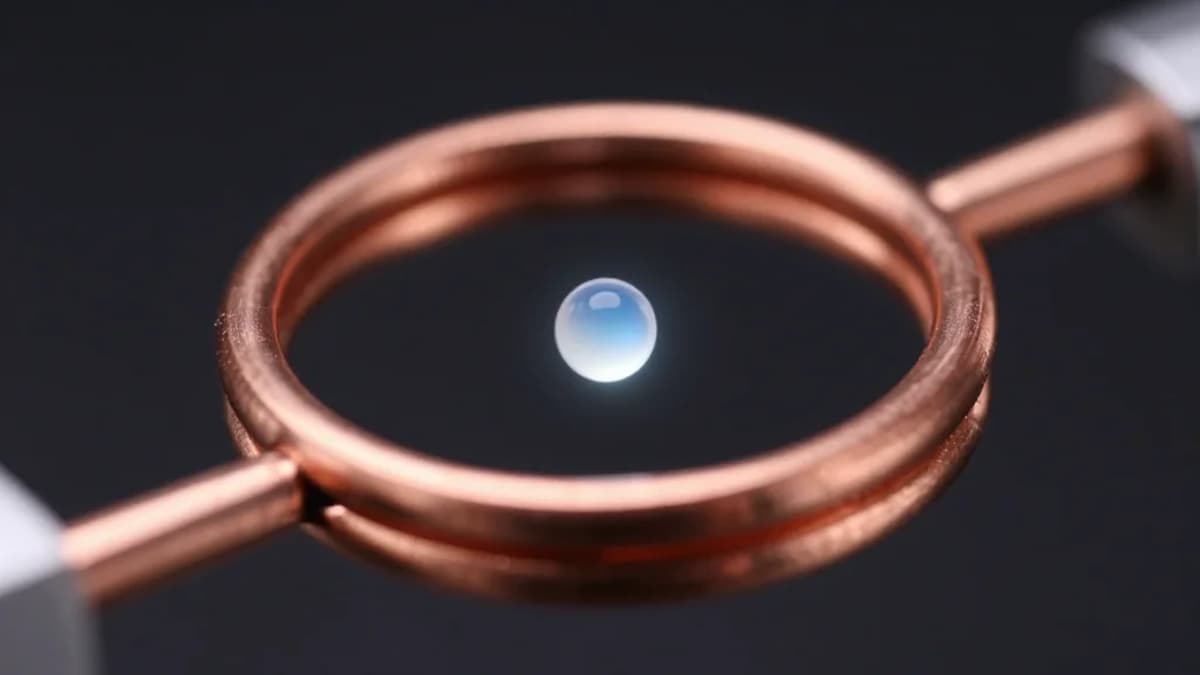
Helium Nanodroplets Trapped for Minutes Unlock New Era in Nanoscale Physics
Researchers at the University of Innsbruck, supported by the University of Greifswald, have stored electrically charged helium nanodroplets in an ion trap for up to one minute—four orders of magnitude longer than the previous millisecond‑scale observations. The breakthrough leverages a...
By Nanowerk
News•Feb 25, 2026
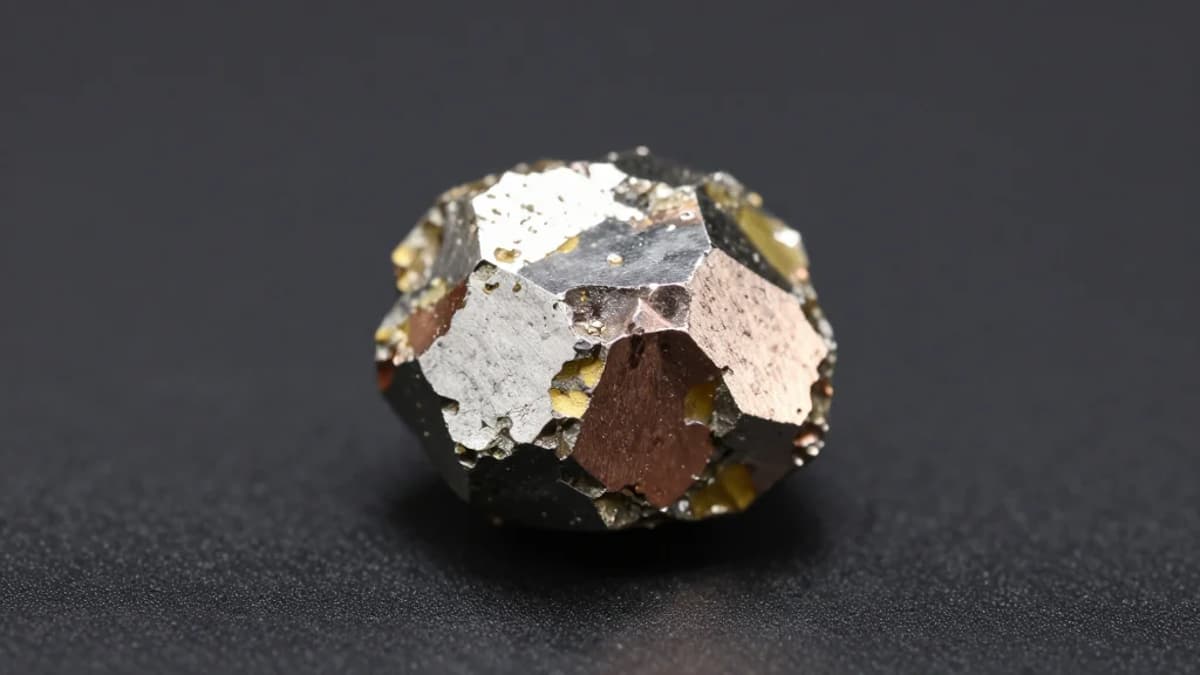
Local Disorder Impacts a Quantum Material's Electronic States
Researchers at UC Davis and the ALS combined spatially resolved ARPES and XPS with AI‑driven analysis to map the surface chemistry of the Weyl semimetal Co₃Sn₂S₂. The study identified not only the expected sulfur‑ and tin‑terminated regions but also intermediate disorder...
By Nanowerk
News•Feb 24, 2026
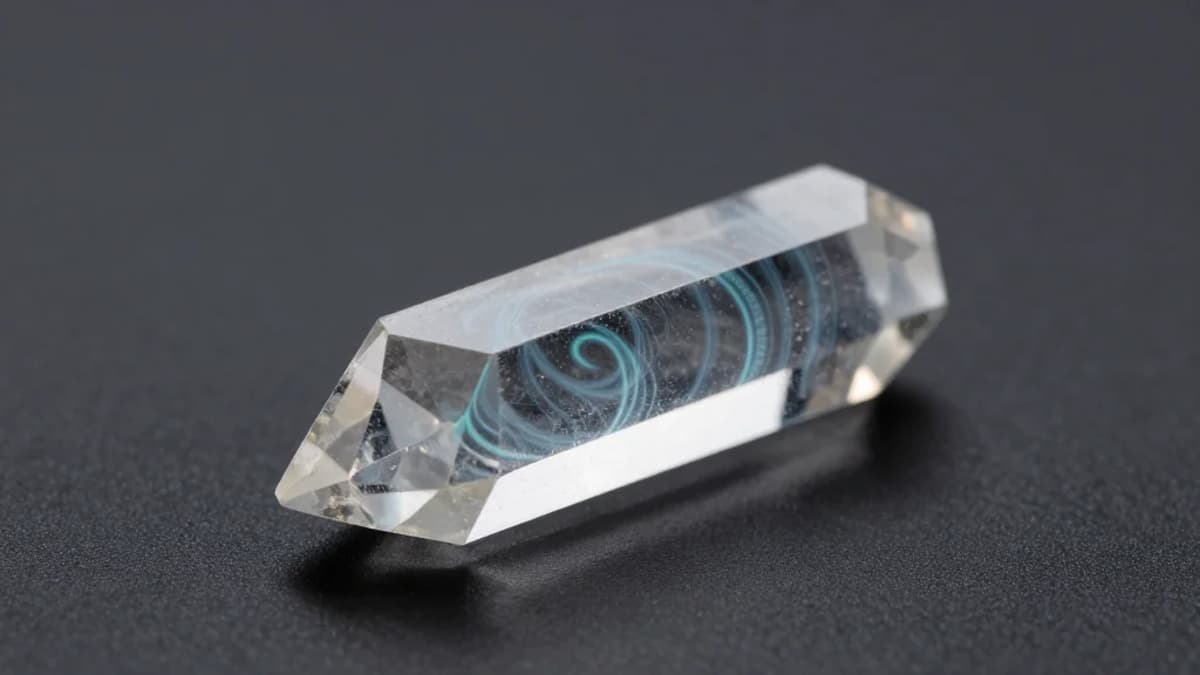
Physicists Open Door to Future, Hyper-Efficient Orbitronic Devices
Physicists have shown that chiral phonons in non‑magnetic quartz can directly transfer orbital angular momentum to electrons, creating an orbital Seebeck effect without magnets or charge currents. The breakthrough replaces heavy, scarce magnetic metals with inexpensive, abundant crystals, simplifying orbitronic...
By Nanowerk

News•Feb 23, 2026
Laser Shockwaves Transform Carbon Nanotube Films Into Graphene-Rich Networks without External Heating
Researchers have demonstrated that nanosecond laser‑induced shockwaves can transform single‑walled carbon nanotube (SWCNT) thin films into multilayer graphene‑rich networks in a single, chemical‑free step. The process applies ~2.27 GPa pressure pulses without external heating, causing the nanotubes to unzip and coalesce...
By Nanowerk