
Innovative Numerical Simulation Methods for Resilient Hydrogen Networks
Researchers at Fraunhofer EMI have unveiled a hydraulic simulation tool that models hydrogen pipeline networks under extreme disruptions. Built on the EU’s SecureGas natural‑gas algorithm, it adds dynamic pressure, flow and storage modeling for hydrogen’s unique properties. The platform enables rapid what‑if analyses, identifying weak points and estimating restoration times for outages up to 30 hours. Early scenarios show larger storage is required to maintain supply during incidents.

New Star Wars-Like Planet Candidates with Two Suns Discovered
Astronomers at the University of New South Wales have unveiled a new planet‑finding technique called apsidal precession, which identified 27 candidate circumbinary planets in a single analysis of TESS data. The method detects subtle shifts in the eclipse timing of...

Self-Healing Synaptic Transistor Recovers Memory After Damage
Researchers have created a fully self‑healing, stretchable synaptic transistor that regains most of its function after being cut in half. The device restores about 80% of its operating current and over 90% of its memory within 24 hours without external triggers,...

Promising New Technique Uses Nanoparticles to Detect Pancreatic Cancer
Scientists at Oregon Health & Science University have unveiled a blood‑based assay that uses an electronic jolt to harvest tumor‑derived nanoparticles, achieving 97% accuracy in detecting pancreatic cancer. The technique, validated in a blinded study of 36 participants, outperforms the...

Plasmonic Nanocatalyst Splits Hydrogen Activation From Hydrogenation Step
Researchers at Nankai University and partners have created a light‑driven photocatalyst that combines palladium single atoms with plasmonic gold nanoparticles to convert phenylacetylene into styrene at 298 K and atmospheric pressure. Visible‑light excitation of the gold generates nonequilibrium charge carriers that...

New Nanoreactor Design Rule Improves Catalysis by Balancing Transport and Kinetics
Researchers at Tohoku University discovered that slightly restricting reactant transport in hollow nanoreactors improves catalytic efficiency. By matching the rate of mass transport through the porous shell with the intrinsic reaction kinetics of the interior nanoparticles, the nanoreactors avoid site...

How Energy Is Transferred in Photosynthetic Bacteria
RIKEN scientists have successfully isolated and structurally characterized the fragile phycobilisome–photosystem II megacomplex in a thermophilic cyanobacterium. By refining a four‑decade‑old preparation method, they captured the interaction between the light‑harvesting phycobilisome and photosystem II, revealing two distinct pathways for ultrafast energy transfer....
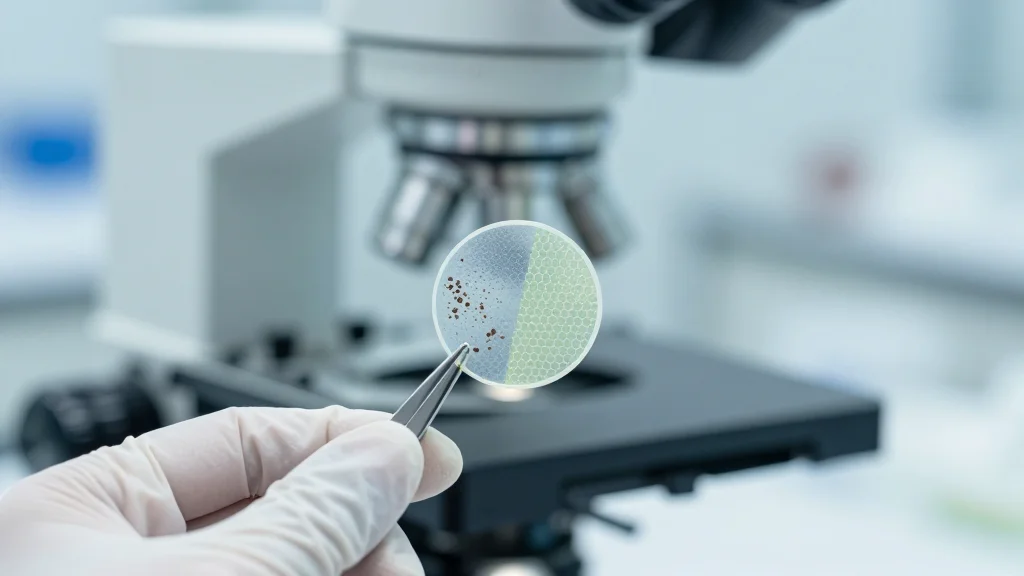
Atomic Imaging Makes Mechanism-Driven Growth of 2D Materials Possible
In‑situ atomic imaging during chemical vapor deposition revealed that molybdenum disulfide (MoS₂) forms through a multistep pathway—amorphous clusters, partially ordered 2D embryos, then stable crystalline nuclei. The real‑time view supplies the mechanistic insight missing from conventional post‑growth analysis. Researchers documented...

Twisted Boron Nitride Boosts Deep-UV Light Emission for LEDs
Researchers at South Korea's POSTECH have created a moiré quantum well by stacking twisted hexagonal boron nitride (hBN) layers, achieving deep‑ultraviolet (200‑230 nm) light emission about 20 times more efficient than conventional aluminum‑gallium nitride (AlGaN) LEDs. The weak interlayer bonding of...

Explosive Evaporation Unlocks New Possibilities in 3D Printing and Chemical Analysis
Researchers at OIST demonstrated that charged water droplets on a silicone‑oil‑lubricated, frictionless surface spontaneously emit microdroplet jets as they evaporate. The study, published in PNAS, identified two distinct charge‑surface‑tension thresholds that trigger droplet elongation followed by Coulomb fission. By adjusting...

MXene Plasmonic Sensor Reveals Faint Molecular Fingerprints in Ultrathin Films
Researchers have demonstrated an acoustic MXene plasmon (AMP) sensor that uses a 10 nm Ti₃C₂Tₓ film coupled with gold nanodisks to concentrate infrared light inside ultrathin analyte layers. The device delivers broadband surface‑enhanced infrared absorption (SEIRA) spanning roughly 5000 cm⁻¹, reaching into...

Researchers Capture an Unprecedented View of Gene Transcription
Scientists have used cryo‑electron microscopy to capture RNA polymerase in the fleeting pre‑catalytic state, providing the first near‑atomic view of the enzyme’s transition state during transcription. The structures reveal a precisely aligned active site, two magnesium ions, and a continuous...

Penguin-Inspired Film Combines Thermal Control and Microwave Shielding
Researchers have created a flexible Janus composite film that alternates between heating, cooling, and microwave shielding without moving parts. One side, coated with vanadium dioxide nanofibers, absorbs sunlight and becomes conductive above ~68 °C, turning the film into a high‑frequency shield....

The Nanotechnology Behind Biohacking: What Works, What Is Early, and What Is Hype
Nanowerk’s new guide categorizes nano‑enabled biohacking tools into mature, emerging, and hype‑driven claims. It highlights FDA‑cleared over‑the‑counter glucose monitors and a 2026 microneedle patch that can track multiple biomarkers, while warning that many supplement and peptide claims lack solid human...

Scientists Tame Unusual Thermal Shrinking in Two-Dimensional Materials, Paving Way for Ultra-Stable Nanoelectronics
A new review in Nano Research details how two‑dimensional materials such as graphene and hexagonal boron nitride shrink when heated, a phenomenon called negative thermal expansion (NTE). The authors explain the underlying phonon, rigid‑unit and spin‑lattice mechanisms and outline ways...

Stackable Goniometers with Common Pivot Point for Precision Alignment Applications
Physik Instrumente (PI) unveiled its L‑886 Goniometer Family, a stackable series of motorized goniometers that share a common pivot point for precise multi‑axis alignment. The units deliver up to 17° of rotation, a 3.5 kg payload, sub‑microradian repeatability, and speeds of...
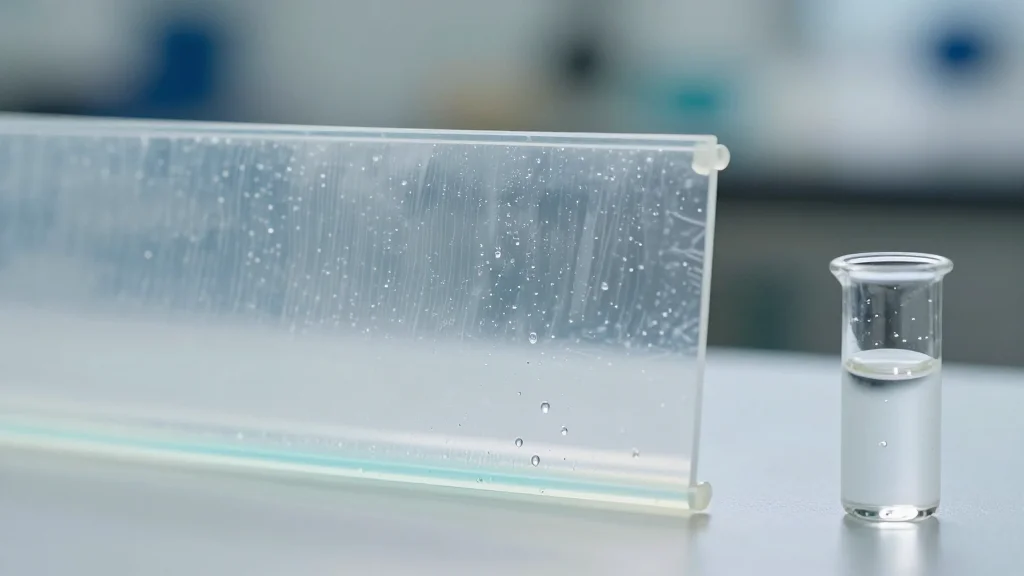
Nanofiltration Removes Glyphosate From Water More Efficiently
Researchers at Germany’s Karlsruhe Institute of Technology discovered that the hydration shell of glyphosate and its metabolite AMPA critically affects their removal by nanofiltration membranes. The study, published in Nature Communications, shows that higher pH enlarges the hydration layer, improving...

New Nitride Magnets Let Electricity Flip Hidden Spin Patterns
Researchers have identified wurtzite‑type nitride compounds MnSiN₂ and MnGeN₂ as room‑temperature multiferroic altermagnets. First‑principles calculations show that reversing their ferroelectric polarization also reverses the non‑relativistic spin splitting, providing electric control of hidden spin patterns. The intrinsic switching barriers are 0.96 eV...
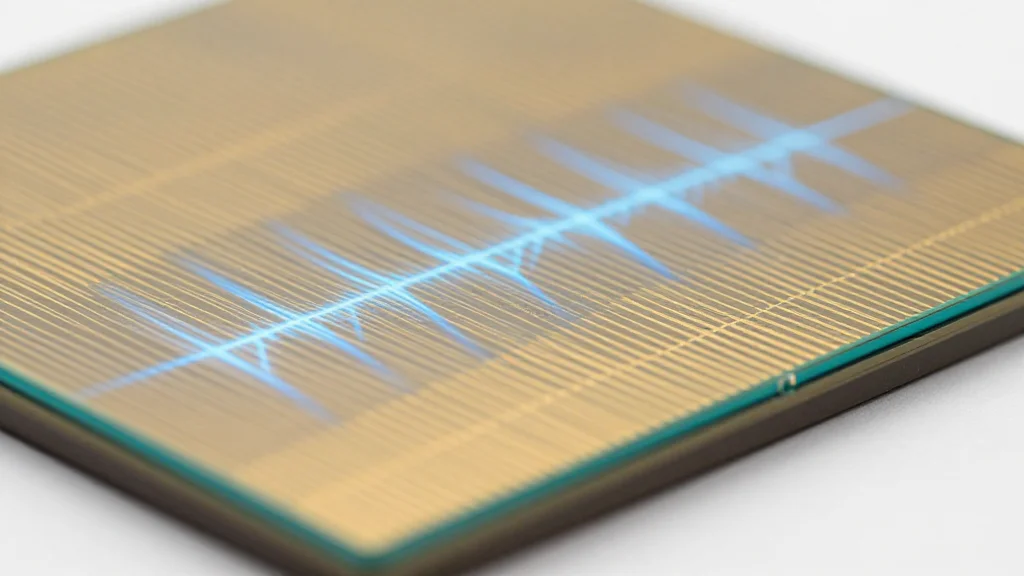
New Roadmap Highlights Surface Acoustic Wave Technologies
A new "Surface Acoustic Waves Roadmap 2026" collates insights from over fifty leading researchers, outlining the decade‑long trajectory of SAW technology. The document highlights the shift from traditional radio‑frequency filters to advanced roles in quantum chips, optomechanics, and biomedical sensing....

Nanozymes Against Brain Tumors
Researchers at Empa and HOCH Health Ostschweiz are developing biocompatible nanozymes that can be applied directly during brain‑tumor surgery to attack astrocytoma cells. The nanozymes act like enzymes, generating reactive‑oxygen species and activating drug precursors, and they are triggered by...

Ordinary Nail Polish Turns Surfaces Into Removable Nanogenerators
Researchers have demonstrated that commercial nail polish can be brushed onto surfaces to create a removable triboelectric nanogenerator (TENG). The paintable layer acts as a positive tribo‑active film, delivering up to 400 V and 40 µA when paired with a PDMS counter‑electrode,...

Turning Plastic Waste Into Clean Fuel Using Sunlight
Researchers at Adelaide University have demonstrated a solar‑driven photoreforming process that transforms discarded plastics into hydrogen, syngas and other industrial chemicals. Using light‑activated photocatalysts, the method operates at relatively low temperatures and can run continuously for over 100 hours in...

New Nanocomposite Enables Removal and Detection of Radioactive Iodine in Water
Researchers at the Hefei Institutes of Physical Science have created a silver‑decorated, metal‑organic‑framework‑derived TiO₂‑x nanocomposite that both captures and visually detects trace radioactive iodine in water. The material, built from the MIL‑125 MOF, features oxygen vacancies and a Ag/TiO₂‑x Schottky...

The Reason Nanoscale Gaps Can Produce Terahertz Radiation
Researchers have demonstrated a nano‑plasma device that generates 2 W peak terahertz power at 0.4 THz using a 100‑500 nm air gap. The breakthrough relies on a secondary electron emission avalanche (SEEA) on the substrate, which creates an ultra‑dense electron sheet that seeds...

Why Stars Spin Down, or up, Before They Die
Researchers at Kyoto University used 3‑D magnetohydrodynamic simulations to explore how convection, rotation, and magnetic fields interact in massive stars nearing core collapse. The study shows that magnetic field geometry can both spin down and, unexpectedly, spin up stellar cores,...

A Shape No Engineer Would Dream up Makes Thermoelectric Generators 8 Times Better
Researchers at POSTECH and UNIST used topology optimization to create a thermoelectric generator with a computer‑designed geometry that outperforms conventional rectangular devices by more than eight times. The method evaluates heat flow, electrical resistance, contact losses and load conditions to...
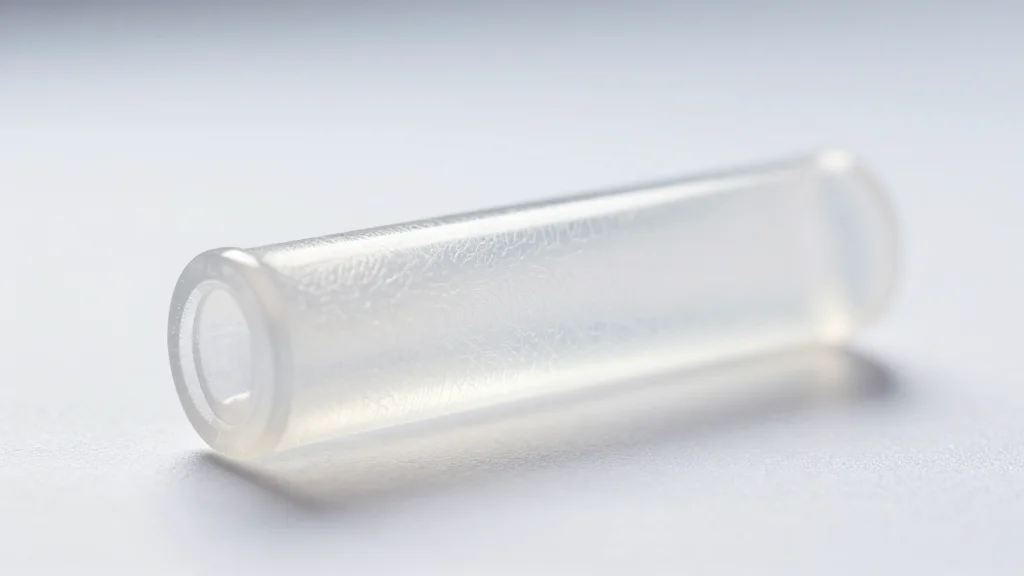
Rapid Nanofiber Spinning Fills the Gap in Small-Diameter Vascular Grafts
Researchers at Harvard have demonstrated a focused rotary jet spinning (FRJS) process that fabricates custom small‑diameter vascular grafts in minutes. The technique produces nanofiber scaffolds with tunable architecture, achieving 0.5 mm inner‑diameter tubes in under 90 seconds and larger 10 mm grafts...
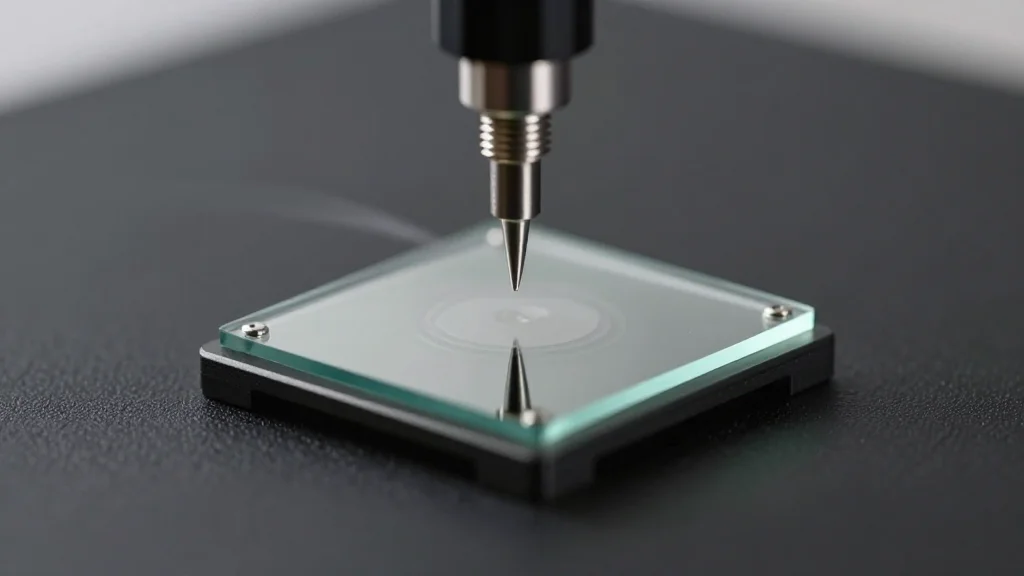
Neural Network Switching Controller Reduces Tracking Errors in Nano-Positioning
A team from Huazhong University of Science and Technology and the University of Victoria has unveiled a neural‑network‑based switching output regulation controller (NN‑SORC) that dynamically adapts to abrupt changes in reference signals for piezoelectric nano‑positioning stages. The controller, implemented on...

Modular Transistor Blocks Snap Together to Form Electronic Skin that Senses and Learns
A new study demonstrates modular organic electrochemical transistor (OECT) blocks mounted on self‑adhesive SEBS polymer that snap together to form reconfigurable electronic skin. Four independently optimized modules—ion‑sensing, temperature‑sensing, neuromorphic synapse, and logic inverter—retain high performance after stacking, 30% stretch, and...

Heat-Storing Solar Foam Enables Continuous Desalination After Sunlight Fades
Researchers at Ocean University of China and Huzhou University have created a lightweight, phase‑change photothermal foam that captures solar energy and stores it as heat, allowing continuous water evaporation after sunlight fades. In outdoor tests the foam produced 9.229 kg of...

Graphene Layers Steer Nickel Foam Toward More Active Oxygen Evolution Catalyst Phase
Researchers at Zhejiang and Dalian universities coated nickel foam with electrochemically exfoliated graphene, directing the surface oxidation toward the highly active γ‑NiOOH phase during the oxygen evolution reaction (OER). The graphene‑mediated electrodes exhibited lower overpotentials, faster kinetics and sustained performance...

AI Helps Chemists Design Molecules Step by Step
Researchers at EPFL unveiled Synthegy, a new framework that pairs large language models with traditional retrosynthesis and mechanism‑prediction tools. By translating candidate pathways into text, the LLM evaluates each route against plain‑language user goals and scores its chemical plausibility. In...

Liquid Metal Nanoparticles Freeze Into Spikes that Kill Drug-Resistant Cancer
Researchers have engineered bismuth‑doped gallium liquid‑metal nanoparticles that become spiky during freezing, puncturing cancer cells and killing drug‑resistant lung, colorectal and ovarian tumor organoids. The alloy reduces supercooling, raising the fraction of deformable particles from 2% to roughly 10% and...

New All-in-One Metal-Organic Framework Makes Solar Hydrogen Production Simpler
Researchers at Tohoku University created a two‑dimensional metal‑organic framework (Co‑HHTP) that functions as an all‑in‑one cocatalyst for photocatalytic overall water splitting. By coating aluminum‑doped strontium titanate (SrTiO₃:Al) with Co‑HHTP through a single self‑assembly step, the system drives both hydrogen and...

Building a Better Delivery System for Gene Editing Machines by Re-Engineering the Cellular Factory
A genome‑wide knockout screen conducted by the Whitehead Institute revealed specific producer‑cell genes that govern the assembly and potency of virus‑like particles (VLPs) used for gene‑editing delivery. Disabling a single brake gene dramatically increased guide‑RNA loading, boosting particle potency across...

Twisted Nanoparticles Sorted by Light
Researchers at Tokyo University of Science, Institute for Molecular Science and Seoul National University have demonstrated a method to sort chiral metallic nanoparticles using the evanescent field of an ultra‑thin optical fiber. By illuminating the fiber with circularly polarized light,...
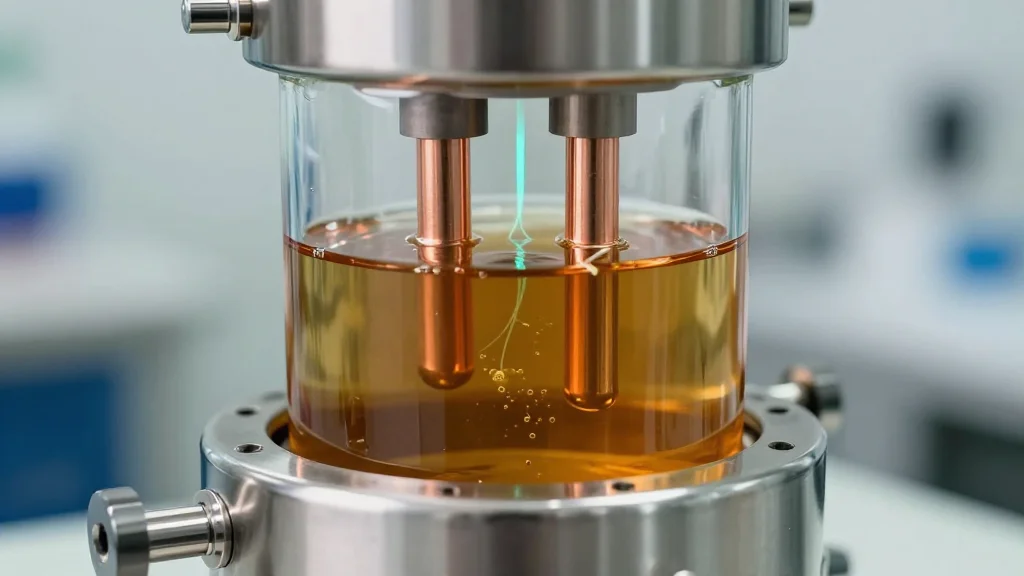
Turning Waste Biomass Into Hydrogen and Value-Added Chemicals
Korea Institute of Materials Science and UNIST researchers unveiled a high‑efficiency anion exchange membrane electrolyzer that uses waste glycerol to produce hydrogen and formate simultaneously. By replacing the oxygen evolution reaction with glycerol oxidation, the cell operates at 1.31 V and...
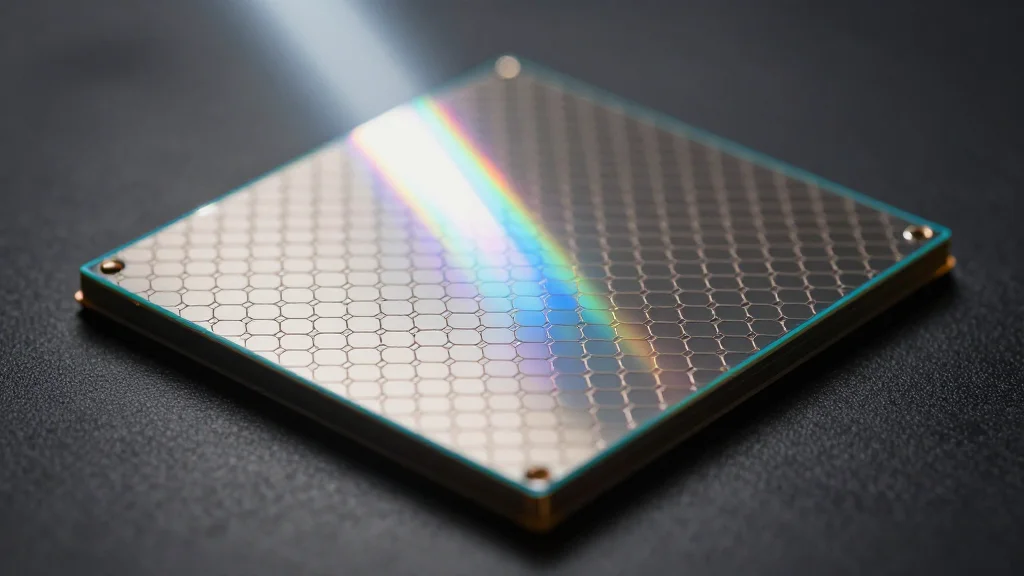
How Does Electron Structure Impact Light Responses in Moire Materials?
Researchers at USC demonstrated that the electron arrangement in moiré superlattices forms generalized Wigner crystals, which directly shape how the material interacts with light. Using first‑principles many‑body calculations, they resolved a new type of exciton—dubbed a Wigner crystalline exciton—that follows...

Light-Driven Synthesis Unlocks Precision Metal-Organic Frameworks for Clean Energy
Researchers at INRS and McGill have unveiled a photochemical method that synthesizes metal‑organic frameworks at ambient temperature. The technique uses light to drive assembly of a cobalt‑porphyrin MOF, phoPPF‑3, in just four hours at 15 °C, delivering hourglass‑shaped structures with precise...

Robots Learn to Feel What Vision Misses
Robots traditionally depend on cameras, but visual data degrades in low light, focus loss, or occlusion. A joint effort by Yonsei University and USC introduced a system that couples an RGB‑Depth camera with an inkjet‑printed tactile sensor array. The tactile...
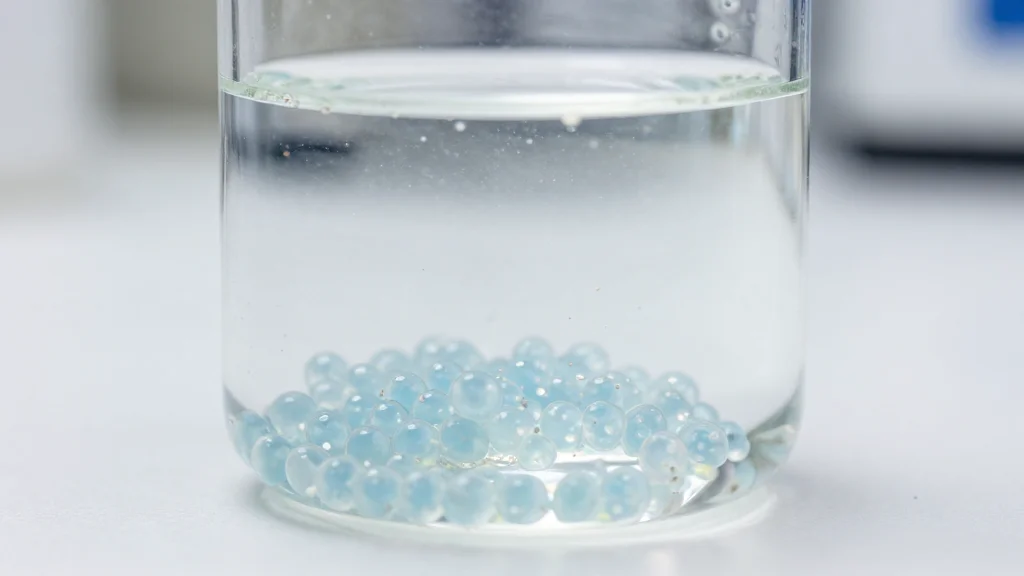
Microgel Glue Captures Nanoplastics that Water Treatment Plants Miss
Researchers at Xiamen University have created a soft polymeric microgel, pVIM, that acts as an adhesive glue for nanoplastic particles in water. The microgel’s flexible chains and imidazole groups bind to plastics via hydrogen bonding, electrostatic attraction and π‑π stacking,...
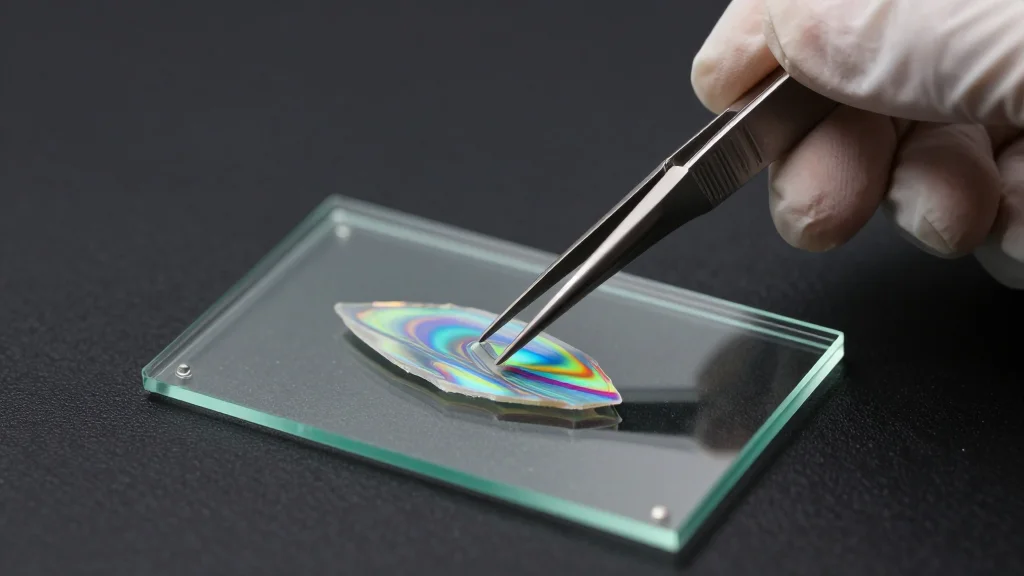
Atomic Moire Ferroelectrics Unlock Low Energy Nanoelectronics Potential
Researchers at Flinders University, together with Monash and Nanyang Technological University, have demonstrated that atomic‑scale moiré superlattices can host ferroelectric order. By misaligning two‑dimensional layers, they created switchable polarization textures that respond on picosecond timescales. The work, published in Small...

How Grain Boundary Engineering Could Unlock New Ceramic Properties
Researchers at Switzerland’s Empa institute, backed by Swiss National Science Foundation funding, are pioneering grain boundary engineering to manipulate the interfaces between ceramic grains. By focusing on aluminum oxide as a model system and experimenting with rare‑earth element doping, they...

Catalysts Target Surface Barriers to Improve Hydrogen Release From Magnesium Hydride
Researchers at Tohoku University have shown that the initial surface step—dubbed the “burst effect”—is the most energy‑intensive part of hydrogen release from magnesium hydride (MgH₂). By designing catalysts that specifically target this barrier, they achieved faster and more complete dehydrogenation....
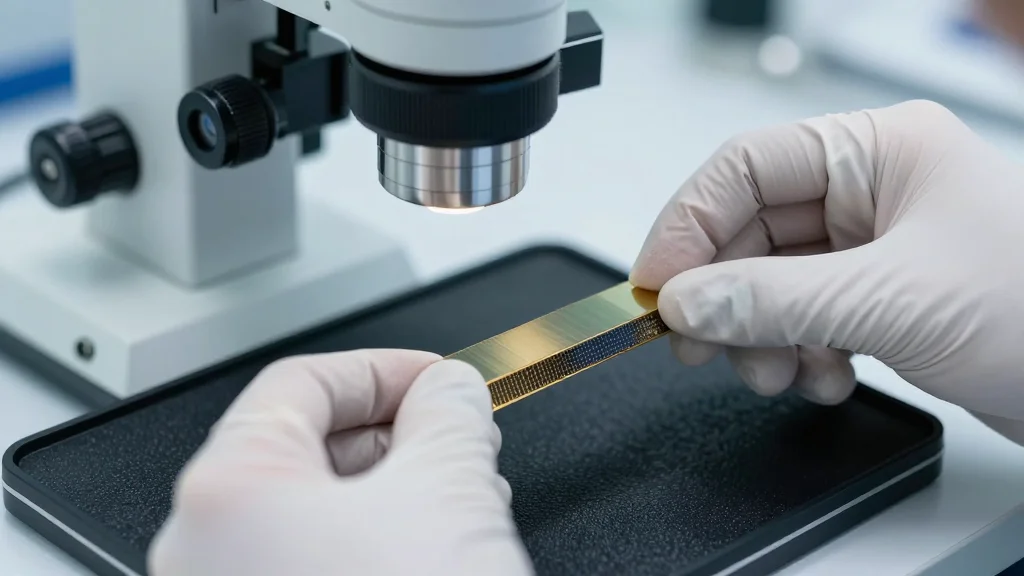
AI Model Automates Etch Profile Analysis for Faster MEMS Manufacturing
Researchers at the Chinese Academy of Sciences unveiled VLSet‑AE, a physics‑constrained AI model that automatically extracts geometric features from SEM images of DRIE‑etched MEMS structures. The system achieves 96% recognition accuracy, with an average prediction error of 3.65% across nine...

Bioinspired Aerogel Cleans Heavy Metals From Soil at Depths No Plant Can Reach
Researchers at Zhejiang University have created a bioinspired aerogel that mimics plant transpiration to pull contaminated water from soil depths of up to 1.5 meters. The ice‑templated chitosan‑carbon aerogel features vertically aligned channels that double water‑wicking speed and accelerate copper ion...

Breakthrough in the Simulation of Complex Quantum Systems
Physicist Sebastian Paeckel introduced a novel computational technique that reconstructs spectral functions of complex quantum systems with unprecedented precision, circumventing the Nyquist‑Shannon resolution limit. By expanding short‑time simulation data through complex‑time Krylov evolution, the method yields energy spectra equivalent to...

Turning Vibrations Into Value - a New Catalyst Converts CO2 Into Useful CO
Researchers at the University of Osaka have created a piezocatalyst that merges single‑atom nickel sites with nitrogen‑doped carbon on a BaTiO₃ piezoelectric scaffold. Under ultrasonic vibration at room temperature and ambient pressure, the material converts CO₂ to CO at a...

Curiosity Rover Finds More Evidence of Ancient Lakes on Mars
NASA’s Curiosity rover, using its ChemCam laser‑spectrometer, identified the highest concentrations of iron, manganese and zinc ever recorded together on Mars, locked in well‑preserved ripple marks in Gale Crater’s Amapari Marker Band. The metal‑rich ripples point to a shallow lake...

First Actual Measurement of 'Attempt Time' In Nanomagnets After 70 Years of Assumptions
Researchers at Tohoku University have experimentally measured the nanomagnet attempt time for the first time, finding it to be between 4 and 11 nanoseconds—far longer than the one‑nanosecond value assumed for seven decades. The team used a novel temperature‑independent Arrhenius...