
A Stair-Climbing Robot that Catches Itself when It Falls
A team at Singapore University of Technology and Design’s ROAR Lab has created a reinforcement‑learning‑based fall‑mitigation system for stair‑climbing service robots. The system uses a three‑joint arm that can brace against five identified fall modes, achieving a 69.4% success rate in simulations versus 38.6% for a hand‑coded baseline, and up to 87% on a robot 10% larger without retraining. The approach demonstrates geometric minimalism and policy generalization across different robot sizes and stair geometries. Researchers note that additional safety layers and explainability are needed before meeting IEC 61508 standards.
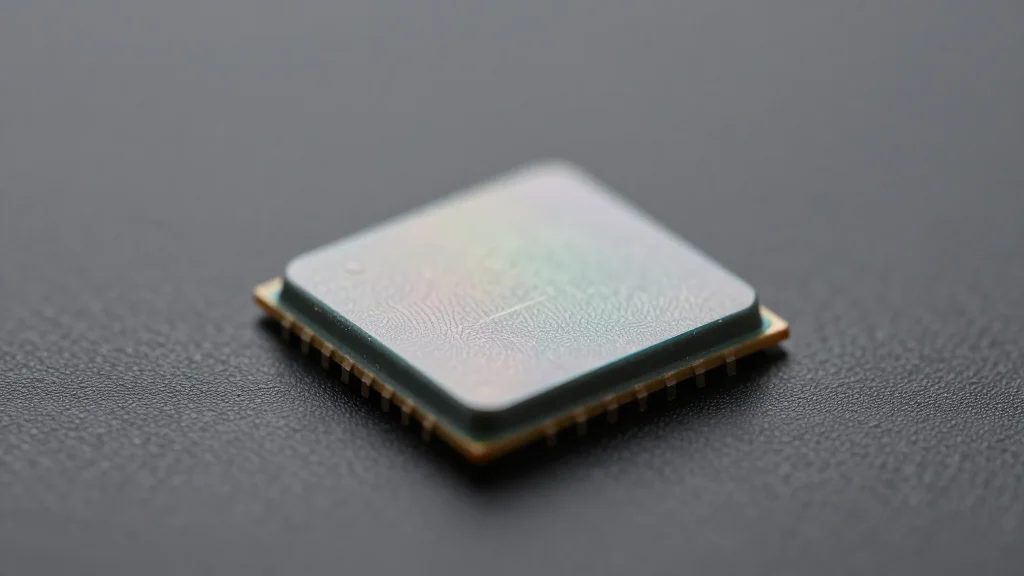
Humidity-Activated Optical Chip Reveals Hidden Images for Secure Data Storage
UC San Diego researchers have created a postage‑stamp‑sized optical chip that switches between hidden images and colors in response to humidity. The bilayer device combines a laser‑writeable antimony trisulfide phase‑change layer with a swelling hydrogel top layer, enabling reversible data storage within...
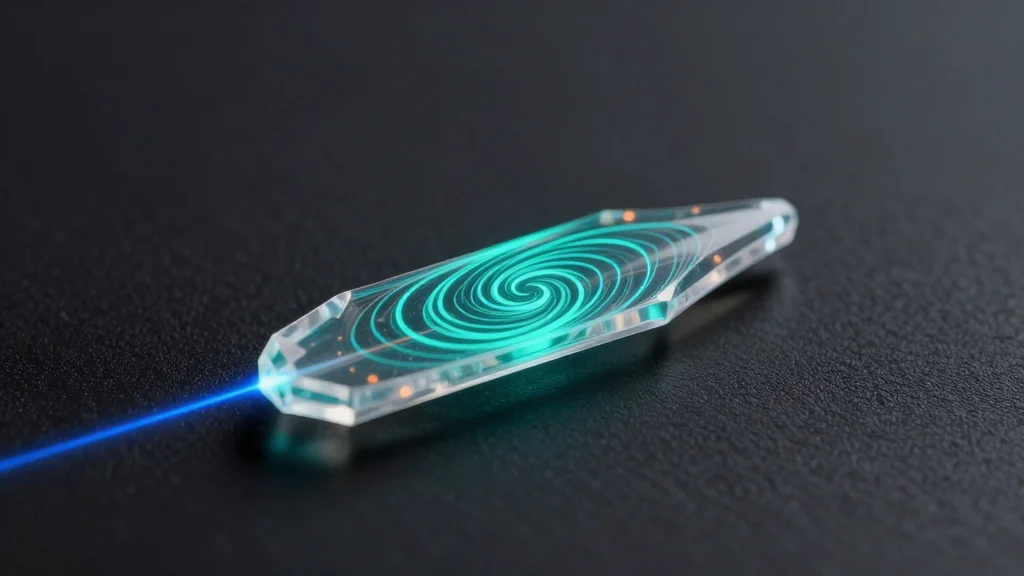
Light-Switchable Molecules Could Tune Spin Waves in 2D Magnets
Researchers propose a light‑switchable molecular layer to program spin‑wave propagation in 2D magnetic CrSBr. The iron‑based spin‑crossover molecule Fe‑pz expands under illumination, straining the CrSBr lattice and shifting magnon bandgaps. Computational models predict that a periodic array of twenty molecular...
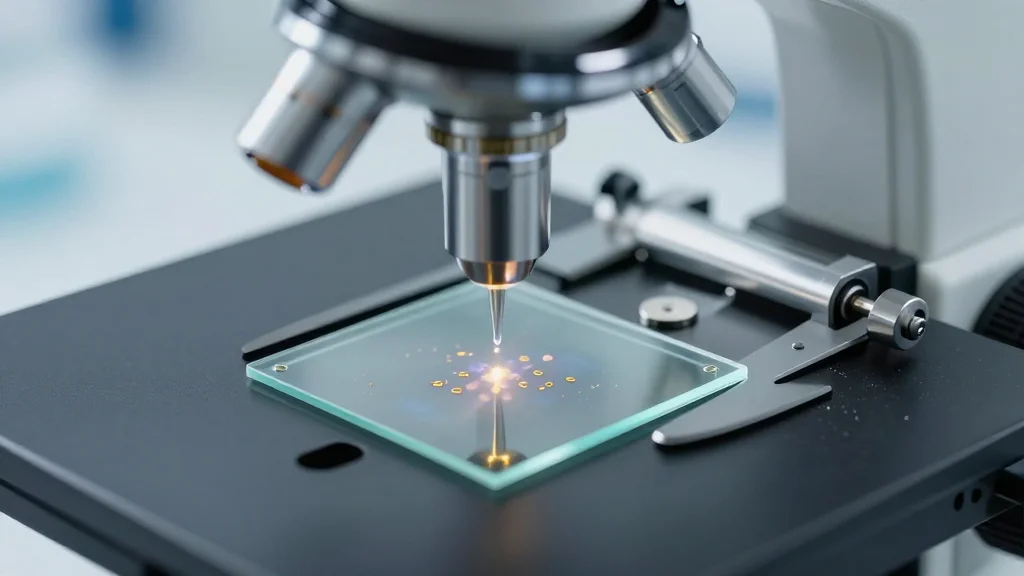
Have We Been Missing Signs of Extraterrestrial Life?
A team of international astrobiologists published a study in Nature Astronomy warning that the search for extraterrestrial life may be plagued by false‑negative detections. Existing space missions focus on a narrow set of known biosignatures, risking the oversight of unconventional...

A New Way to Move Heat Could Transform Energy and Electronics
Researchers at Carnegie Mellon, Stanford and Purdue have experimentally demonstrated that engineered metamaterials can amplify near‑field radiative heat transfer by up to four times. By patterning microscopic gold structures on thin membranes and placing them a few hundred nanometers apart,...

Laser Written Aluminum Surfaces Control Leidenfrost Droplet Motion
Researchers at the Chinese Academy of Sciences used femtosecond laser direct writing to pattern aluminum with alternating smooth strips and asymmetric ripple microstructures. The resulting heterogeneous surface forces water droplets into a hybrid boiling state—film boiling on smooth areas and...
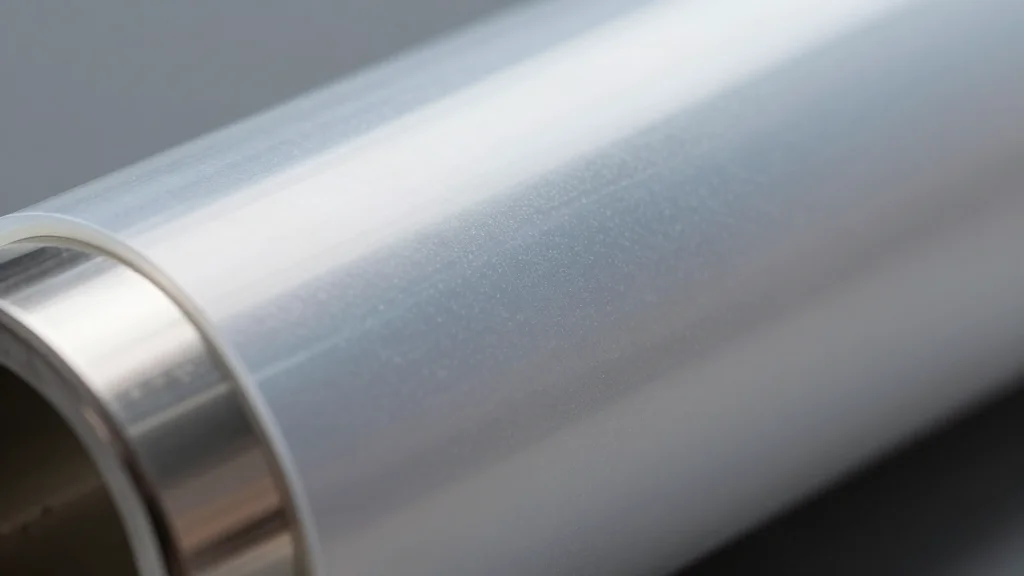
Glass-Like Plastic Withstands 500,000 Folds without Creasing
Researchers have created a glass‑like plastic that survives 500,000 tight folds without creasing, offering a durable, transparent cover for foldable displays. The material combines an ultrahigh‑molecular‑weight polyethylene scaffold with a silica‑rich silsesquioxane network, yielding a hardness of 1.1 GPa and 92%...

From Pore Chemistry to Carbon Capture: COFs Push Beyond Membrane Performance Limits
Researchers at Tohoku University have created heteroatom‑engineered covalent organic framework (COF) mixed‑matrix membranes that break the longstanding CO₂ permeability‑selectivity trade‑off. The oxygen‑rich COF (TUS‑621) embedded in a Pebax polymer delivers CO₂/CH₄ performance that surpasses the 2008 Robeson upper bound and...
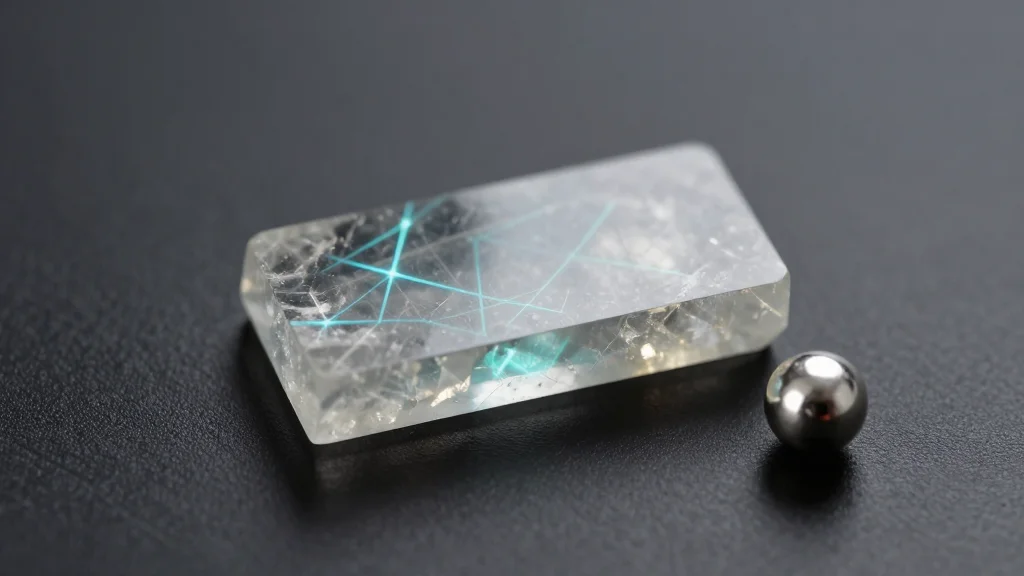
The Strange Quantum Property of Tomorrow's Insulator
Scientists at the University of Geneva and partners have directly observed the quantum metric—a geometric property governing electron motion—in a three‑dimensional topological insulator made of antimony and tellurium. The breakthrough follows the first measurement of the metric in a different...
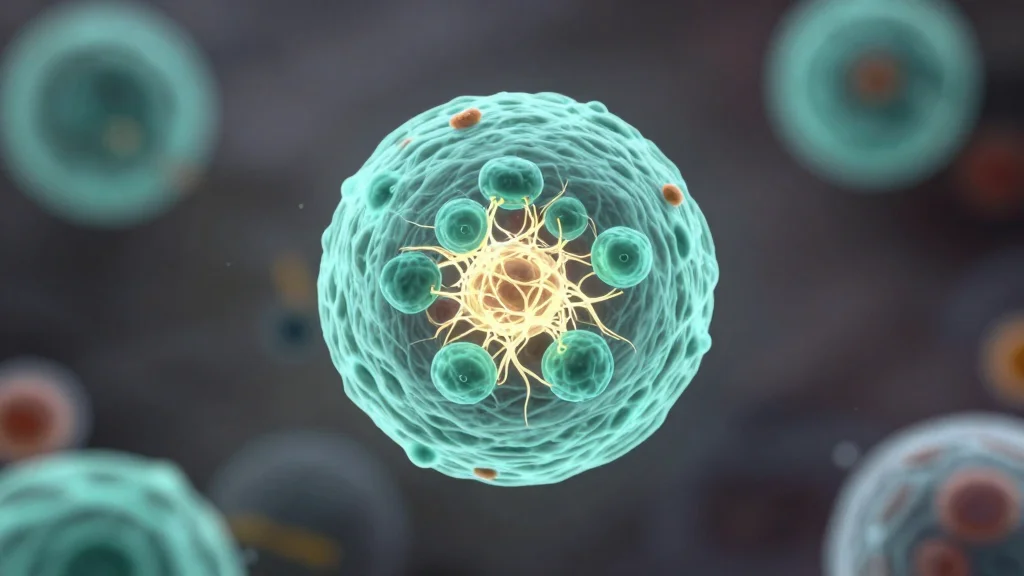
Self-Assembling Peptide Helps Liver Cancer Drugs Escape Lysosome Traps
Researchers engineered a self‑assembling peptide, RS‑FS, that remains as nanospheres in blood but converts to nanofibers inside the acidic, reducing environment of hepatocellular carcinoma lysosomes, where it damages the organelle and frees trapped drugs. In mouse models, RS‑FS combined with...
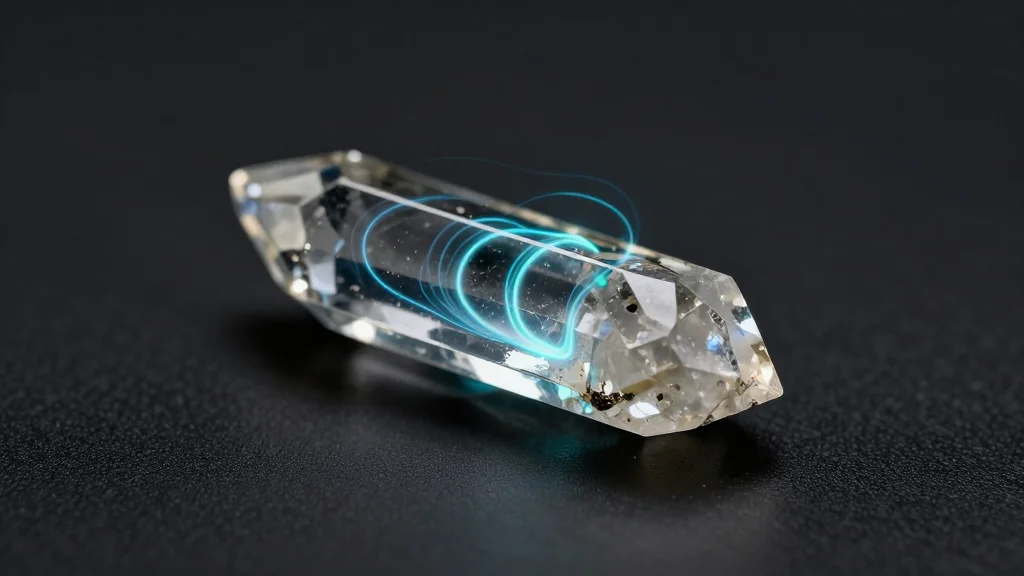
Discovery of a P-Wave Magnet in a Metal
Physicists at RIKEN have experimentally confirmed a p‑wave magnet in a metallic crystal, marking the first observation of this exotic helical spin order in a conductor. The discovery follows a 2024 theory that predicted such a state and arrives just...
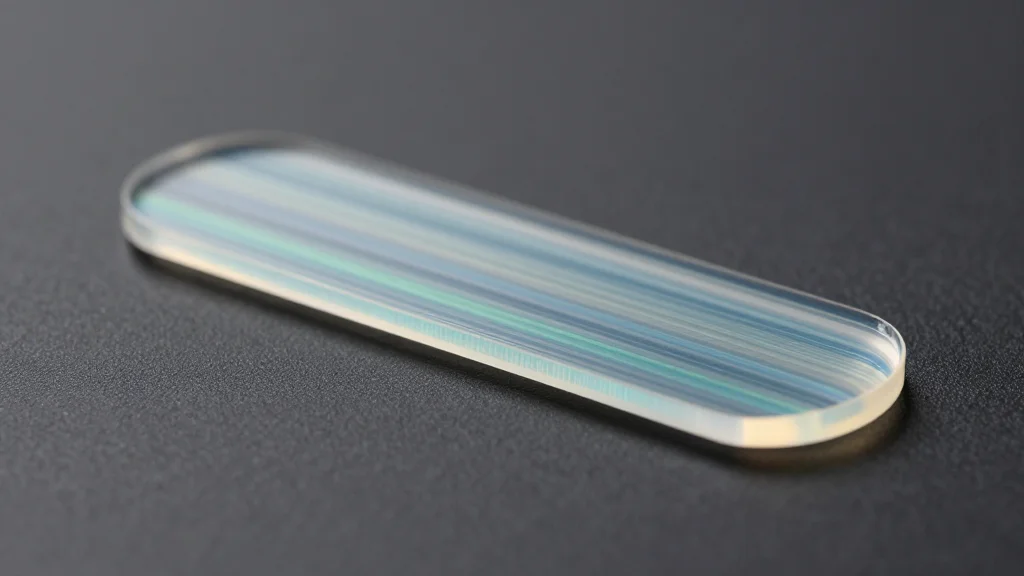
3D Printed Polymers Gain Ordered Nanostructures During Fabrication
Researchers unveiled a new resin strategy called Polymerization‑Induced Arrangement of Nanostructures with Order‑tunability (PIANO) that lets light‑based 3D printers create ordered block‑copolymer domains during curing. By replacing permanent crosslinkers with ethylene glycol, the resin maintains chain mobility long enough for...
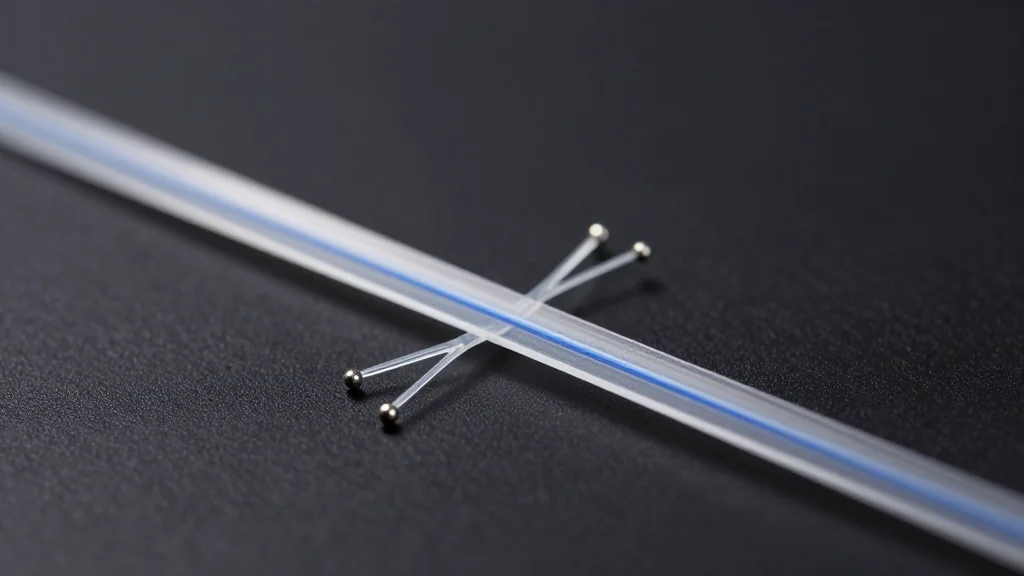
Controlling the Formation of Carbon Nanotubes and Junctions From Bilayer Graphene
Researchers at the University of Tübingen and Helmholtz‑Zentrum Dresden‑Rossendorf demonstrated that a focused 200 kV electron beam can cut twisted bilayer graphene at half the twist angle, causing the exposed edges to reconnect into carbon nanotubes, arrays, and Y‑shaped junctions. Ribbons...
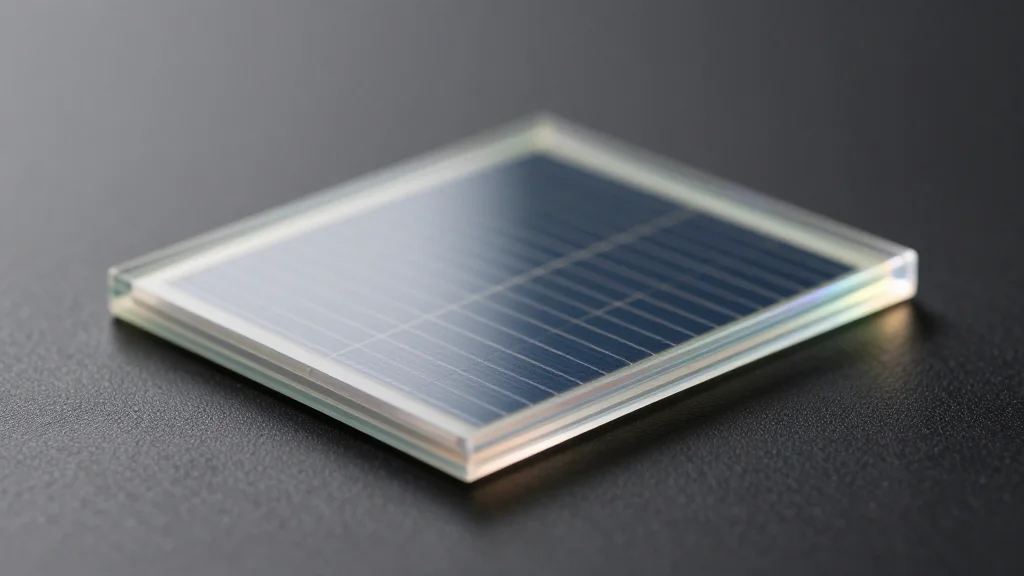
New Passivation Strategy Boosts Perovskite/Silicon Tandem Solar Cell Performance
Researchers at NIMTE and partner universities introduced a peak‑selective passivation technique that deposits a thin aluminum‑oxide layer on the pyramid peaks of silicon substrates using polystyrene nanospheres. The approach lifted perovskite/silicon tandem cell efficiency to 33.33%, with a certified value...

Tiny Black Holes: Crystals of Space and Time
Physicists from Goethe University Frankfurt and TU Wien have derived an exact analytical formula describing how spacetime can organize into a crystal‑like structure that, with a tiny energy input, collapses into a microscopic black hole. The solution exploits the limit of...