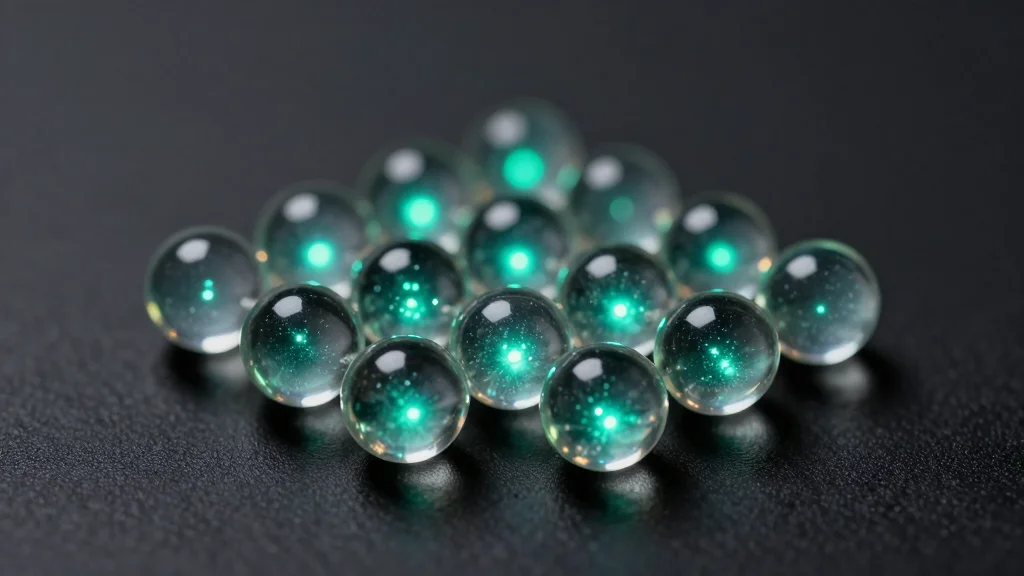
Glass Microspheres Make Perovskite Quantum Dots Tougher for Micro-LED Color Conversion
Researchers have developed submicron glass microspheres that encapsulate perovskite quantum dots (QDs) and incorporate silver bromide to improve durability for micro‑LED color‑conversion applications. The glass matrix protects the QDs from moisture and heat, while the bromide source heals halide vacancies caused by intense blue light, preserving high photoluminescence quantum yields of 96.7 %. In laboratory tests the microspheres retained over 95 % of their emission after 10,000 hours in water, 82 % after 100 °C heating, and 86 % under continuous blue illumination. Prototype micro‑LED pixels patterned at 20 µm scale demonstrated external quantum efficiencies of 24.8 % (green) and 16.7 % (red), indicating practical viability.
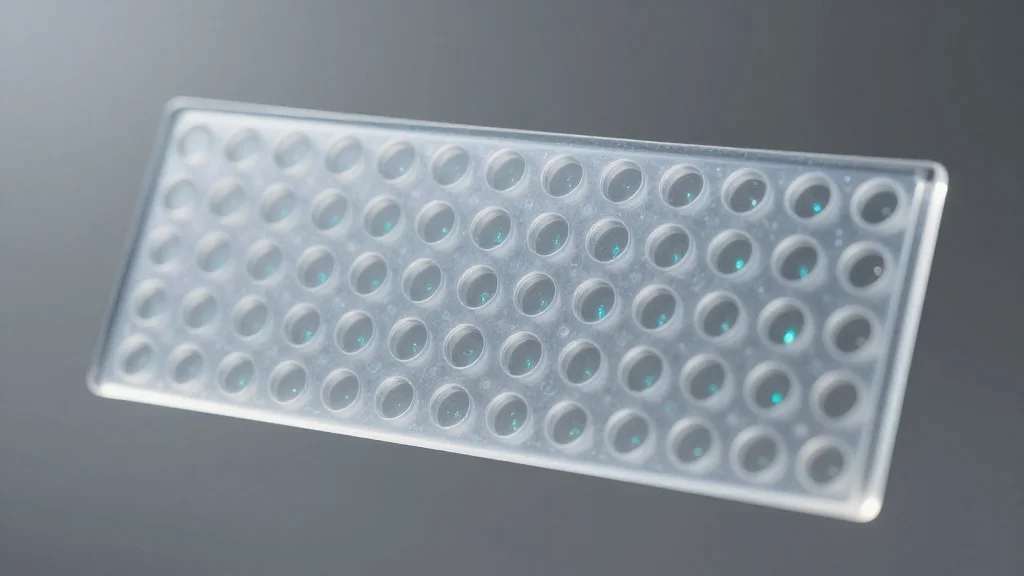
Two Nanopores Working in Concert to Control Molecular Traffic
Researchers at the University of Stuttgart, in partnership with the University of Michigan and Arizona State University, used DNA nanotechnology to construct a synthetic membrane featuring two dynamically interacting nanopores. Activation of one pore triggers the formation of the second,...
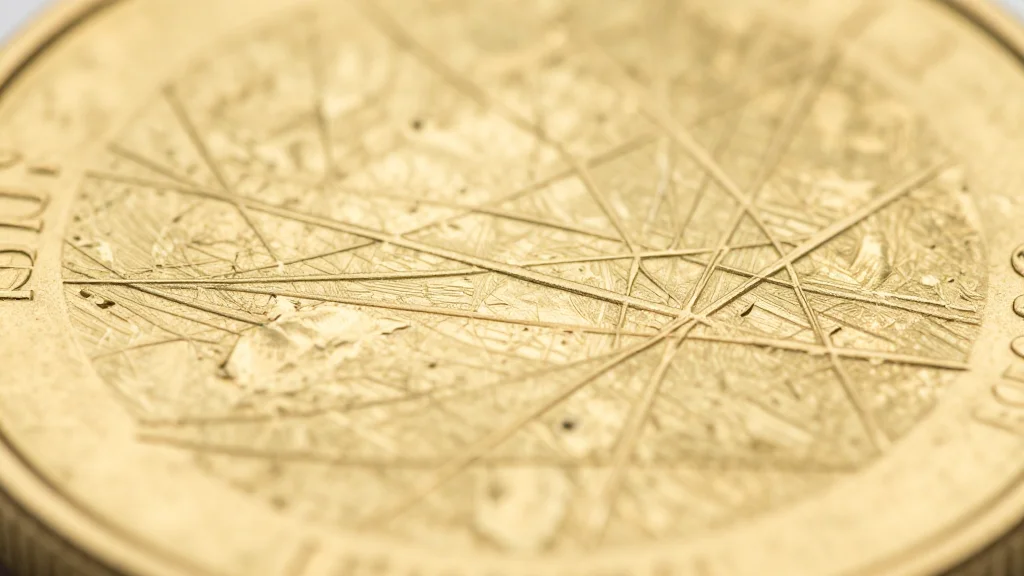
How Does Gold Keep Its Glitter?
Tulane University scientists discovered that atoms on common gold surfaces spontaneously rearrange into protective patterns, reducing oxygen reactions by a factor of a billion to a trillion. This atomic‑scale reconstruction creates an ultra‑stable barrier that explains gold's centuries‑long resistance to...
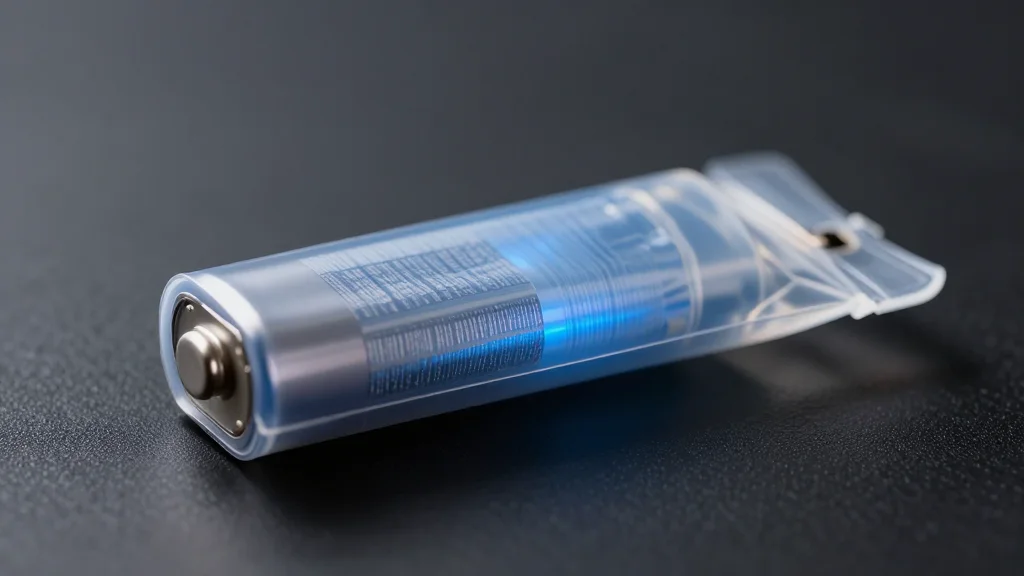
Creating a New Paradigm for Fast Charging Batteries
Researchers at Adelaide University, led by Prof. Shi‑Zhang Qiao, demonstrated a new fast‑charging approach using interfacial anion‑reduction catalysis in pouch‑type lithium‑ion cells. The prototype achieved more than 85% state‑of‑charge in six minutes and delivered an energy density of about 240 Wh kg⁻¹....
Theoretical Predictions of Unusual Nonlinear Thermoelectric Effect Confirmed
Physicists at RIKEN have experimentally confirmed a theoretically predicted nonlinear chiral thermoelectric Hall effect in the semiconductor tellurium. By imposing a temperature gradient and an orthogonal electric field, they measured a voltage emerging in a third perpendicular direction, a phenomenon...

Quantum Computing Partnership Targets Faster Design of Advanced Functional Materials
Fraunhofer ISC and quantum‑computing firm Algorithmiq have signed a memorandum of understanding to merge quantum‑native algorithms with the institute’s Materials Acceleration platform. Algorithmiq, fresh from a $2 million Welcome Leap award, will apply hybrid quantum‑classical workflows to simulate molecular properties far...
MXene Shells Turn Liquid Metal Into Stretchable Printed Electronics
Researchers at Donghua University wrapped gallium‑based liquid‑metal droplets with MXene nanosheets, creating a hybrid ink that can be printed onto soft substrates. The MXene‑assembled liquid‑metal microparticles conduct at 3.7 × 10⁵ S m⁻¹, activate at just 2.5 % strain and stretch up to 700 % (seven...
Gold Antennas Thinned to the Atomic Scale Intensify Light in 2D Materials
Researchers have fabricated single‑crystal gold nanoribbon arrays thinner than 5 nm and integrated them with monolayer transition‑metal dichalcogenides. By matching the vertical dimension of the plasmonic antenna to the atomic thickness of the semiconductor, the near‑field intensity is concentrated directly within...
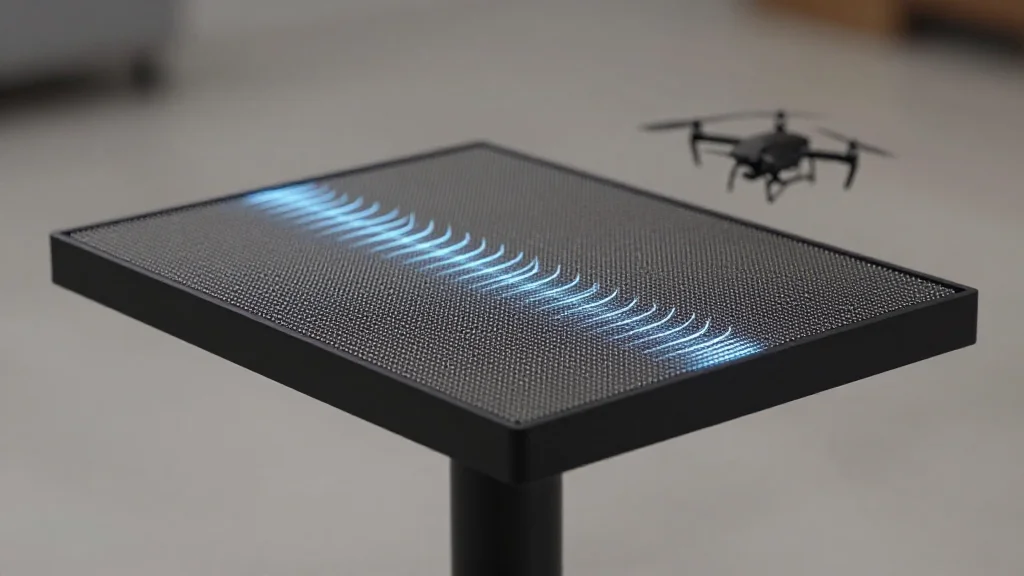
Programmable Metasurface Enables Passive Radar to Track Drones without Transmitting
A programmable metasurface now stamps temporal codes onto ambient radio waves, turning passive radar into an active‑like sensor without emitting its own signal. The metasurface‑enabled passive radar (MEPR) uses a 32 × 24 array of PIN‑diode elements that switch at 2.5 µs intervals,...
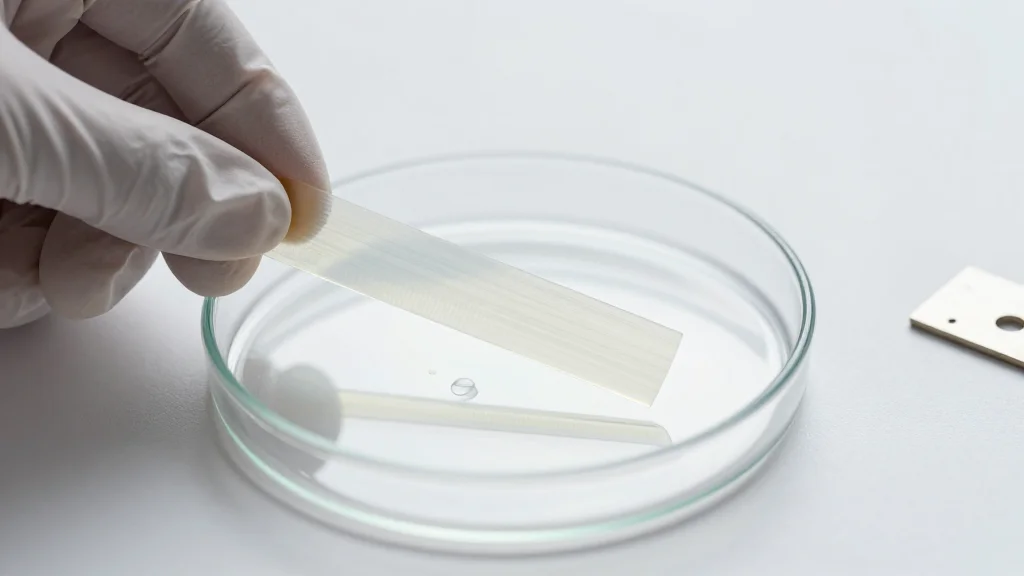
Covalent Organic Frameworks Boost Proton Conductivity in Fuel Cell Membranes
A new review in the Chinese Journal of Polymer Science shows that embedding covalent organic frameworks (COFs) into proton‑exchange membranes (PEMs) creates continuous proton channels, dramatically improving conductivity under low humidity and high‑temperature conditions. Adding just 0.6 wt % sulfonated COF nanosheets...
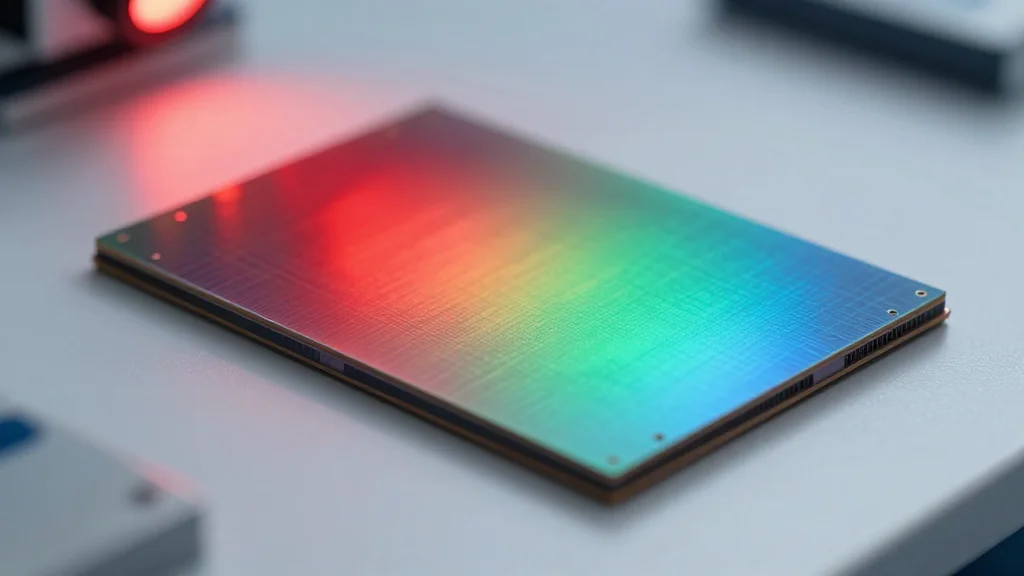
Nanoscale Device Converts Wasted Infrared Light Into Usable Energy
Researchers at the University of New South Wales have built a nanoscale solid‑state device that upconverts low‑energy infrared and red photons into higher‑energy visible light, achieving an 8.2% photon‑conversion efficiency—the highest reported for this architecture. The ultrathin film can be...

New Process Enables Fabrication of Transistors From Perovskite
A research team led by Tomasz Marszalek at the Max Planck Institute has introduced a solvent‑vapour‑assisted drop‑casting technique that slows the drying of perovskite solutions, yielding well‑ordered two‑dimensional Dion‑Jacobson layers. By systematically testing rigid, symmetrical diammonium cations as spacers, the team...

Bringing Bacteria Into Better Focus
Osaka Metropolitan University researchers unveiled a gold‑coated optical fiber that uses laser‑induced heating and bubble‑driven convection to gather thousands to hundreds of thousands of bacteria or nanoparticles from a 20 µL sample in just 60 seconds. The method achieves roughly tenfold higher...

Graphene-Engineered Wood Lowers the Power Barrier for Laser Propulsion
Researchers have engineered a graphene‑delignified wood (GDW) that serves as a low‑intensity laser‑ablation propellant, achieving a specific impulse of 800 s and an ablation threshold of 0.54 MW m⁻². Natural wood, without graphene, delivered an even higher specific impulse of 908 s but required...

AI Framework Predicts Hidden Defects that Weaken Metal 3D-Printed Parts
A research team led by POSTECH professor Hyoung Seop Kim has created an AI‑driven framework that predicts the yield strength of laser‑powder‑bed‑fusion AlSi10Mg parts while accounting for microscopic porosity. Using Data‑Selection Machine Learning and symbolic regression, the model isolates key process variables...
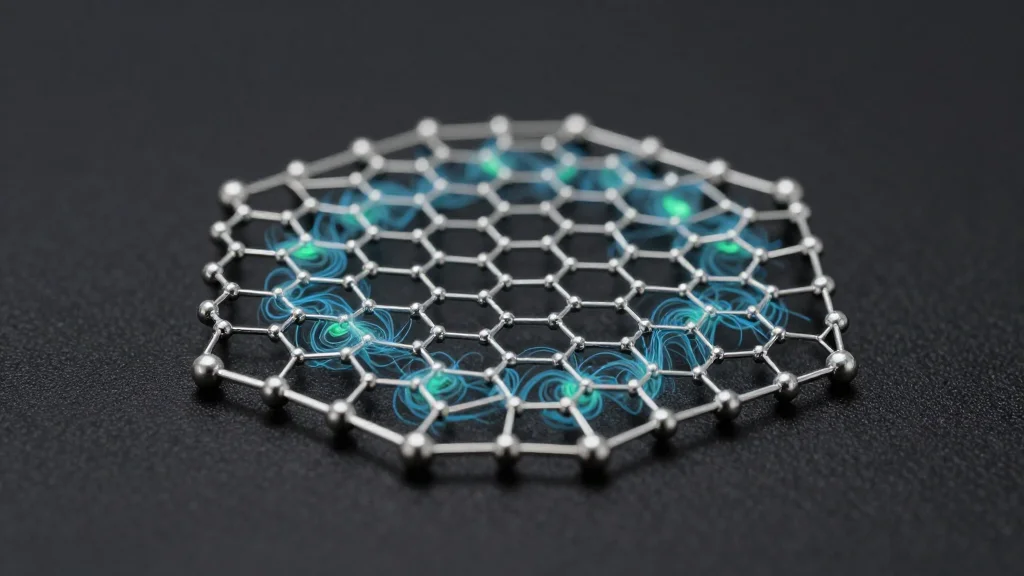
Lattice Symmetry Shapes Topological Spin Structures in Two-Dimensional Magnets
Researchers at the Chinese Academy of Sciences demonstrated that the crystal lattice of the van der Waals magnet Cr₂Ge₂Te₆ directly dictates the geometry of its topological spin structures, producing textures ranging from triangles to octagons. By combining low‑temperature magnetic force microscopy, electron...

DNA Barcodes Help Nanopores Detect Multiple Heavy Metals
Researchers unveiled a DNA‑barcoded nanopore platform that multiplexes detection of six heavy metals—lead, mercury, uranyl, calcium, manganese and zinc—in water and soil extracts. Each probe integrates a metal‑specific DNAzyme nanoswitch with a short DNA barcode, allowing the nanopore to read...
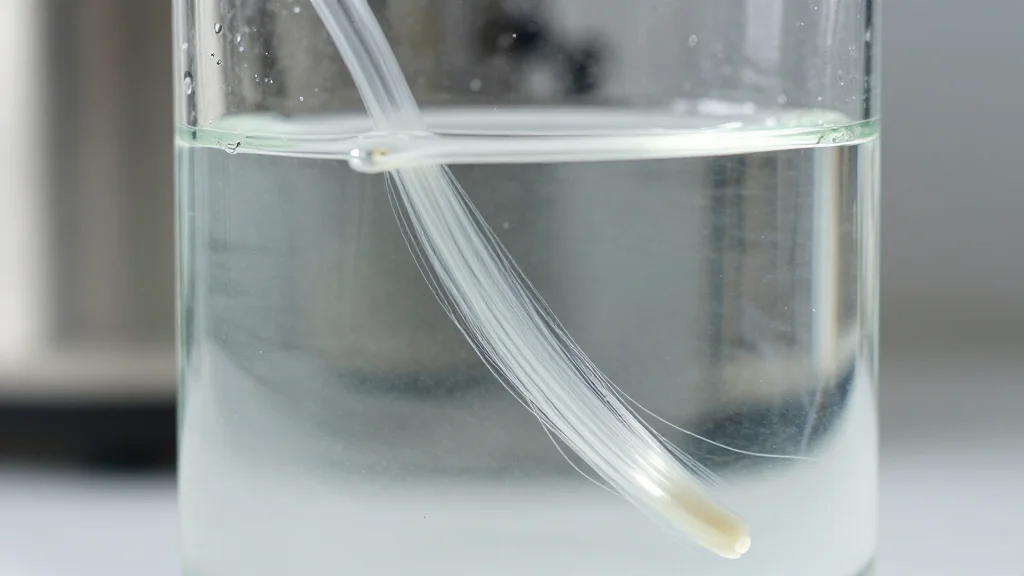
Recyclable Protein Fibers Could Cut Textile Waste and Microplastic Pollution
Engineers at Washington University in St. Louis have created a protein‑based fiber called SAM that can be dissolved in formic acid and re‑spun into new textiles without loss of strength. The fibers are produced by genetically engineered microbes in bioreactors...

Researchers Uncover Chemical Origins of the Perseus Cluster of Galaxies
An international team has built new stellar and supernova models that finally reproduce the puzzling silicon, sulfur, argon and calcium ratios observed in the Perseus Cluster’s intracluster medium by the HITOMI X‑ray telescope. The research, published in three linked papers...
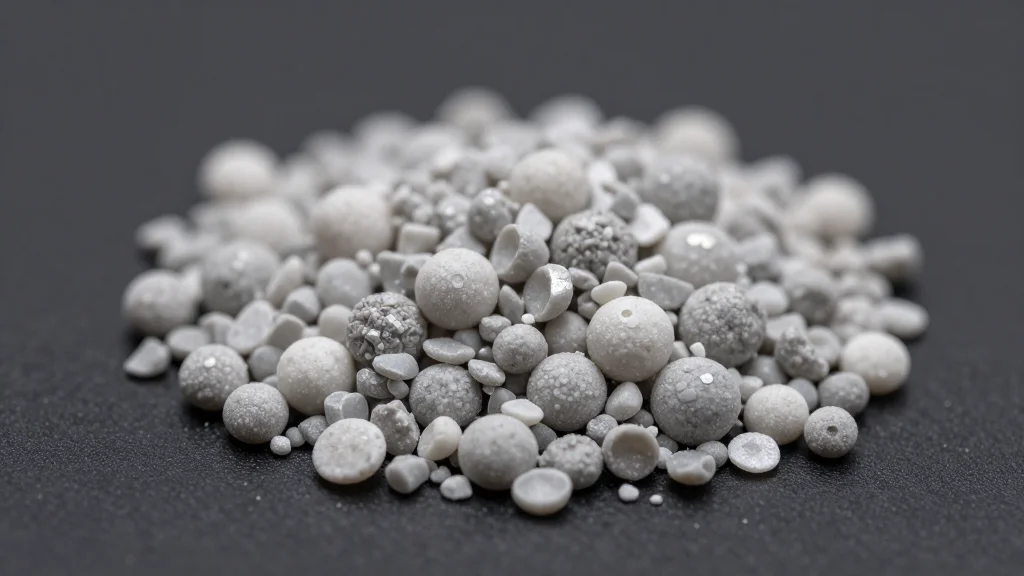
The Ionic Path to All-Solid-State Batteries
All‑solid‑state batteries (ASSBs) are emerging as safer alternatives to liquid‑electrolyte cells, but ion‑transport resistance remains a bottleneck. A team at Osaka Metropolitan University showed that mixing solid‑electrolyte particles of varied sizes reduces electrode tortuosity, creating shorter ion pathways. Using lithium...

How Dried mRNA Vaccines Could Bypass Cold Chain Storage Requirements
Researchers have demonstrated that drying mRNA‑lipid nanoparticle vaccines in a polymer matrix can retain potency without refrigeration. By optimizing the polymer‑to‑mRNA ratio (≥320:1) and the ionizable lipid N/P ratio, the lipid particles maintain a partial inverse hexagonal phase, preventing aggregation...
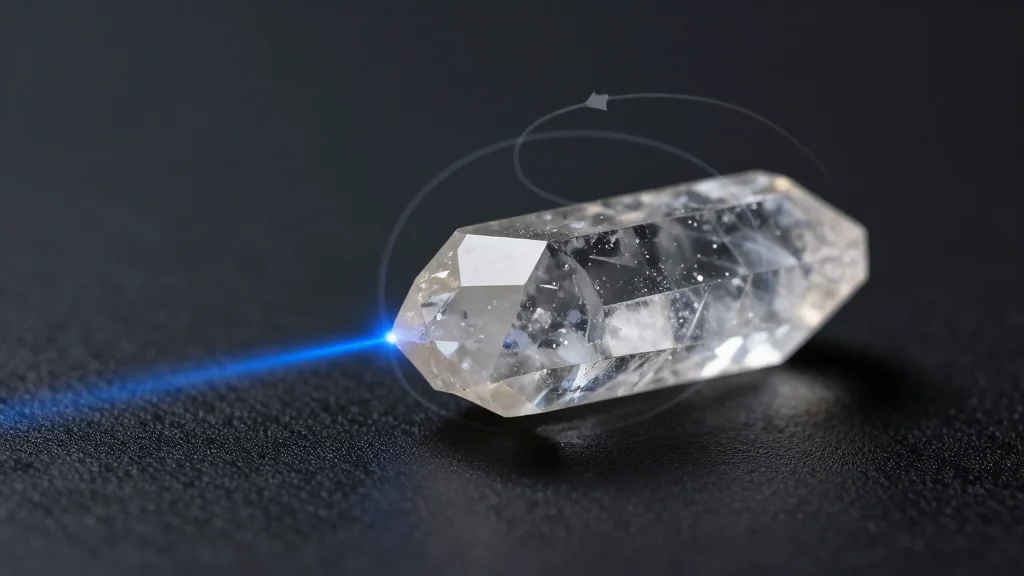
Atoms Vibrate on Circular Paths - with an Unexpected Twist
Researchers from HZDR, the Fritz Haber Institute and European partners have, for the first time, directly observed angular momentum transfer between vibrational modes of a crystal lattice using intense terahertz laser pulses. The experiment revealed that the rotation direction of...
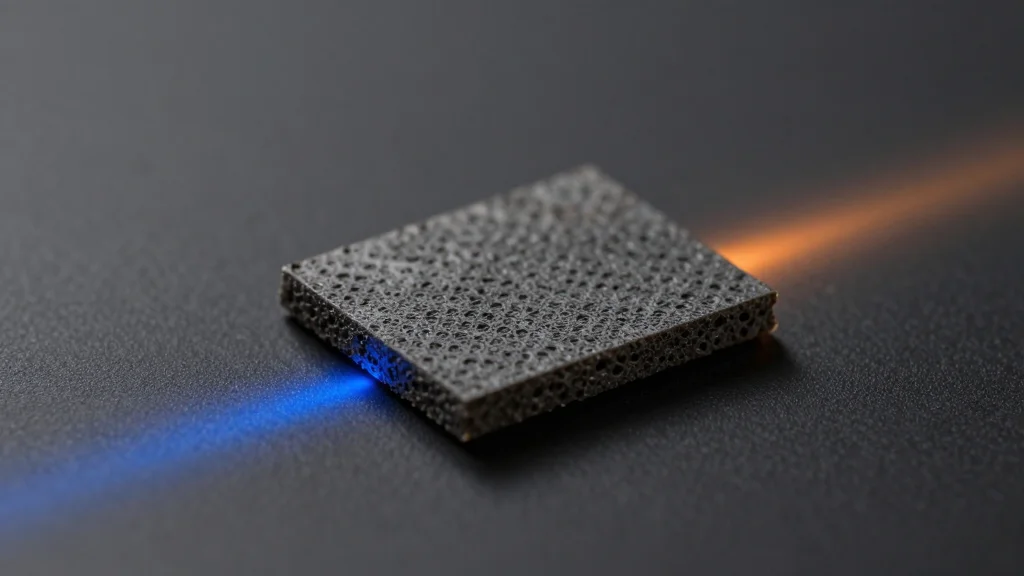
Giving Nanoscale X-Ray Vision a Sense of Direction
A team led by Helmholtz Centre Hereon has added a directional component to dark‑field X‑ray microscopy, allowing nanostructure orientation to be visualized pixel‑by‑pixel even when the features are below the resolution limit. The method uses simple additional apertures to illuminate...
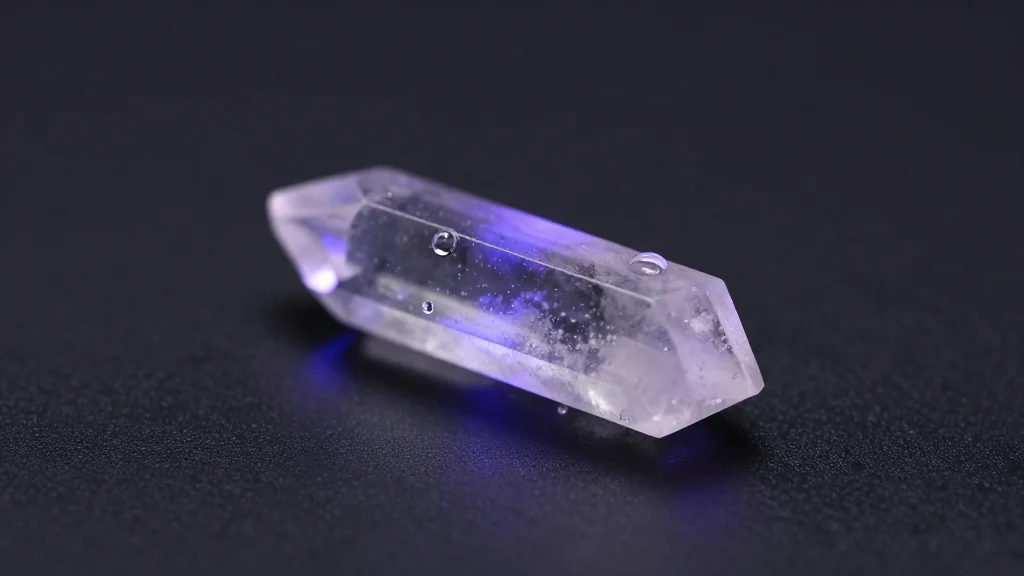
Sunlight Triggered Crystal Lattice Harvests Drinking Water From Air and Stores It
Chemists at the University of Iowa and Université de Sherbrooke have created a light‑activated metal‑organic framework (MOF) that forms microscopic cavities when exposed to ultraviolet sunlight, allowing it to capture and store water directly from the air. The UV‑induced structural...

Smart AI Gives Electric Vehicle Batteries 23 per Cent Longer Life - without Increasing the Charging Time
Researchers at Chalmers University have developed an AI‑driven fast‑charging strategy that prolongs lithium‑ion EV battery life by 22.9% while keeping charge time at roughly 24 minutes. The method uses reinforcement learning to adapt current flow based on the battery’s state...
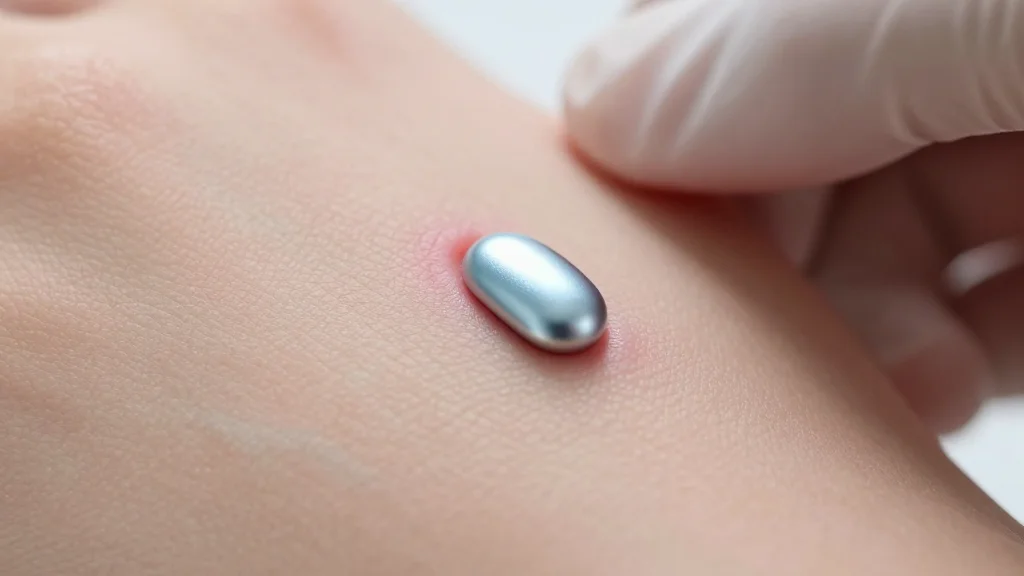
Researchers Develop Body-Compatible Dermal Electrode
Researchers at POSTECH have created a dermal bioelectrode that inserts like a microneedle but becomes soft in the dermis, eliminating immune response. The electrode’s effervescent sacrificial layer enables rapid penetration and then transforms to a flexible structure, delivering stable biosignal...
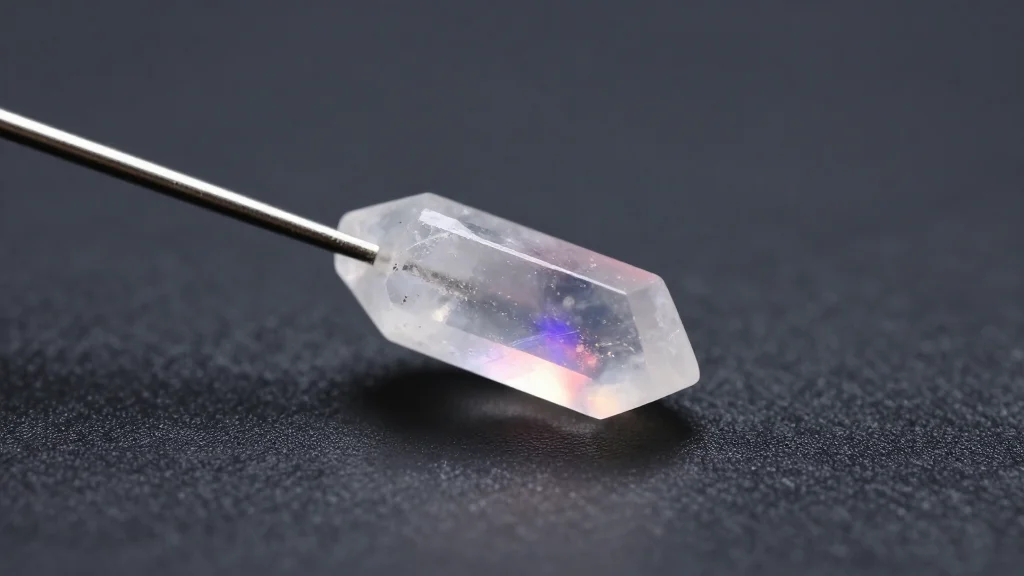
Defect-Engineered Zinc Oxide Turns Tiny Strain Into Near-Infrared Light
Researchers have engineered zinc oxide by substituting a fraction of Zn²⁺ with sodium ions, converting the material into a rare‑earth‑free, near‑infrared mechanoluminescent sensor. The Na‑doped ZnO emits light around 750 nm when subjected to reversible microstrain as low as 6 µε, corresponding...

First Separation of Interfacial Proton Transport in Ultrathin Energy Device Materials
Researchers at JAIST, Tokyo University of Science, and the University of Calgary have introduced a technique that isolates proton transport at individual polymer‑electrode interfaces in ultrathin ionomer films. By extending impedance spectroscopy to lower frequencies and varying electrode pad length,...
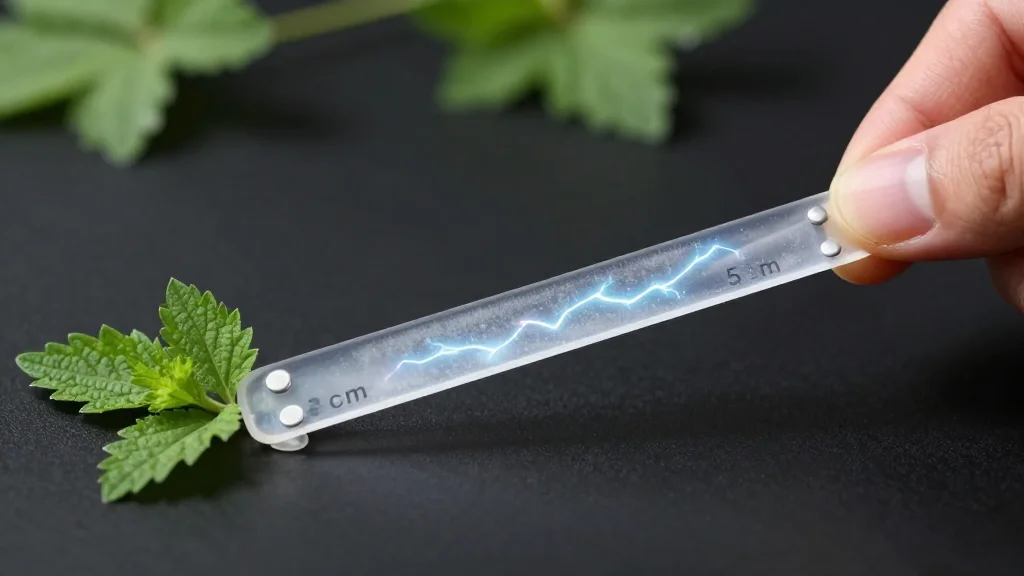
Stevia-Based Hydrogel Improves Triboelectric Nanogenerator Performance
South Korean researchers have created a stevia‑infused polyvinyl alcohol hydrogel triboelectric nanogenerator (S‑TENG) that outperforms conventional designs. The device delivers 2–5 times greater mechanical strength and 3–8 times higher electrical output, producing about 800 V over 16,000 cycles without degradation after...

Glucose Nanoparticles Help CBD Cross the Blood-Brain Barrier
Researchers have engineered glucose‑coated polymer nanoparticles that dramatically improve cannabidiol (CBD) delivery across the blood‑brain barrier. The particles use a PEG‑PHB core to solubilize CBD and a surface glucose layer to hijack GLUT‑1 transport, while reactive‑oxygen‑species triggers release in inflamed...
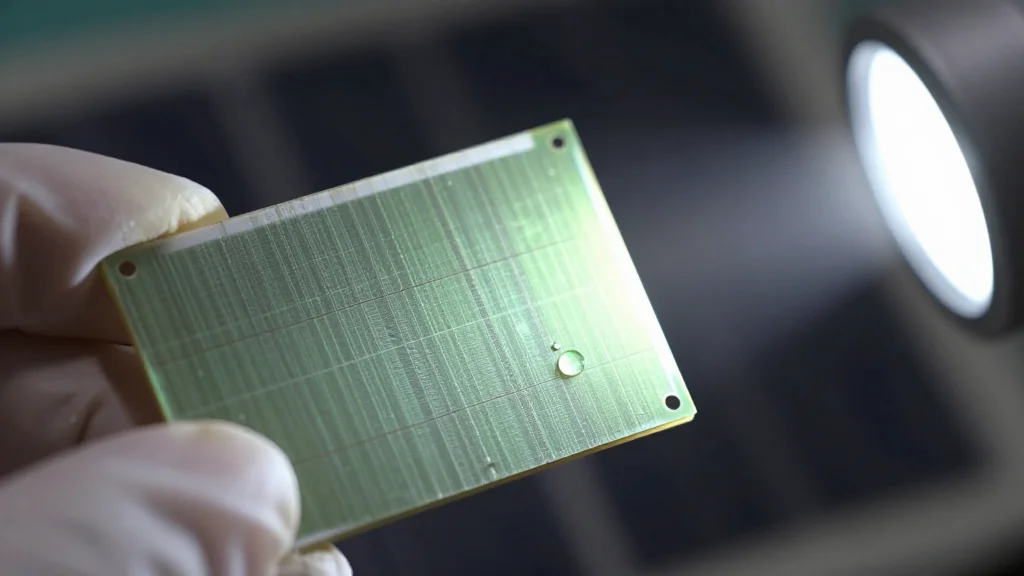
A Dynamic Molecular Sunscreen for Perovskite Solar Cells
Researchers at Northwestern Polytechnical University introduced a photoisomeric molecule, BTTM, into perovskite solar cells, achieving a power conversion efficiency of 24.71% versus 22.07% for untreated devices. The additive anchors lead and iodide ions, suppressing migration and stabilizing the crystal lattice...

Paper Mill Waste and Liquid Metal Combine Into a 96% Efficient Solar Absorber
Researchers have engineered a coating that blends paper‑mill lignin with gallium‑indium liquid‑metal nanoparticles, achieving 96% broadband solar absorption. The graded structure traps light and channels heat, raising surface temperature to about 75 °C under one‑sun and delivering a power density of...

Solar System's Largest Hydraulic Jump Drives Massive Cloud Waves Across Venus
Researchers from the University of Tokyo have identified the solar system’s largest hydraulic jump on Venus, driving a 6,000‑km cloud wave that can circle the planet for days. Using numerical fluid‑dynamic and microphysical models, they showed that an eastward Kelvin...
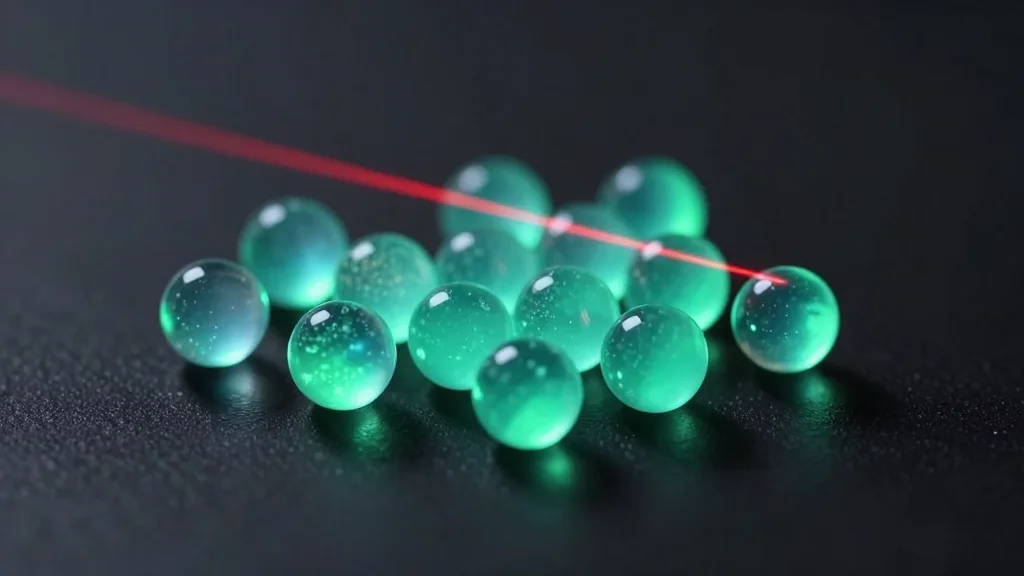
New Molecular Design Produces Bright Twisted Light in the Near Infrared
Researchers at Kyushu University have engineered a new class of chiral organic radicals that emit bright circularly polarized light across the 650‑nm to 800‑nm window, covering deep‑red to near‑infrared wavelengths. The best‑performing compound achieves photoluminescence quantum yields roughly 30 times higher...
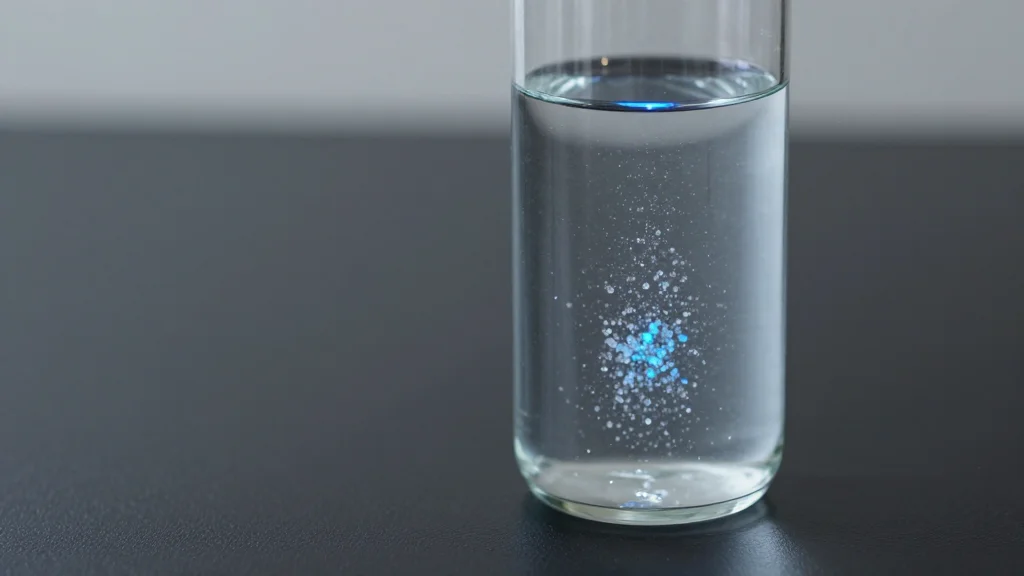
Bottled Water Nanoplastics Are Not Simple Bottle Fragments
A new study in Advanced Science uses mid‑infrared photothermal microscopy to examine nanoplastics in bottled water one particle at a time. Researchers found 9.9 × 10⁴ particles per litre, with nanoplastics making up 64 % of the load, and identified PET as the...
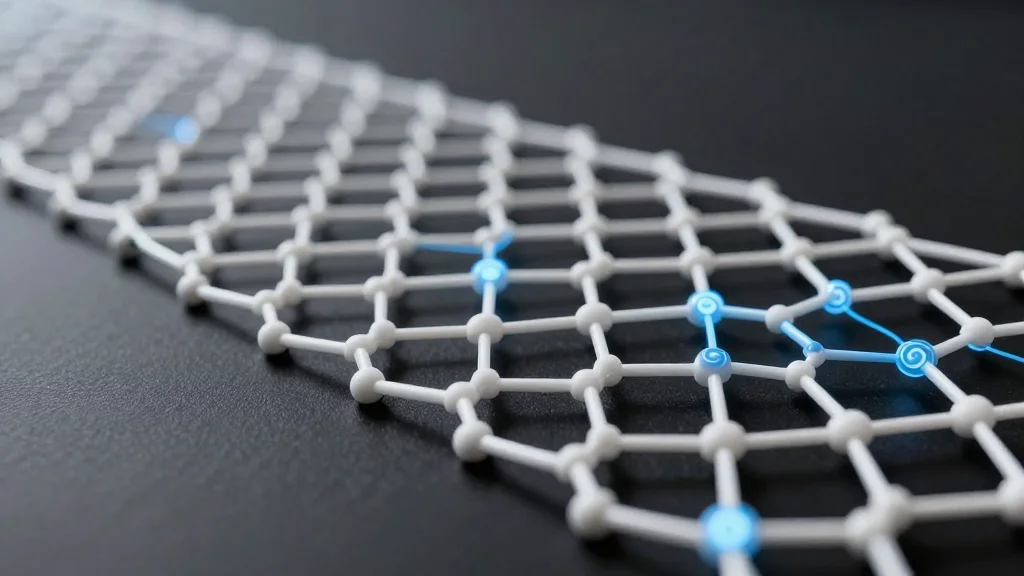
Researchers Steer Electron Spin Ballistically in Graphene
Researchers at the University of Manchester have demonstrated that electrons in ultra‑clean graphene can be steered ballistically while preserving their spin orientation. Using transverse magnetic focusing, they created lens‑like trajectories that carry a clear spin signature, observable over micrometre distances....

Probing the Mind-Boggling Properties of a Superconductor that Shouldn't Exist
Researchers at the Institute of Science and Technology Austria have uncovered why uranium ditelluride (UTe₂) re‑enters a superconducting state at extreme magnetic fields. Using a novel cantilever‑based pulsed‑field technique, they measured transverse magnetic susceptibility and identified giant magnetic fluctuations as...
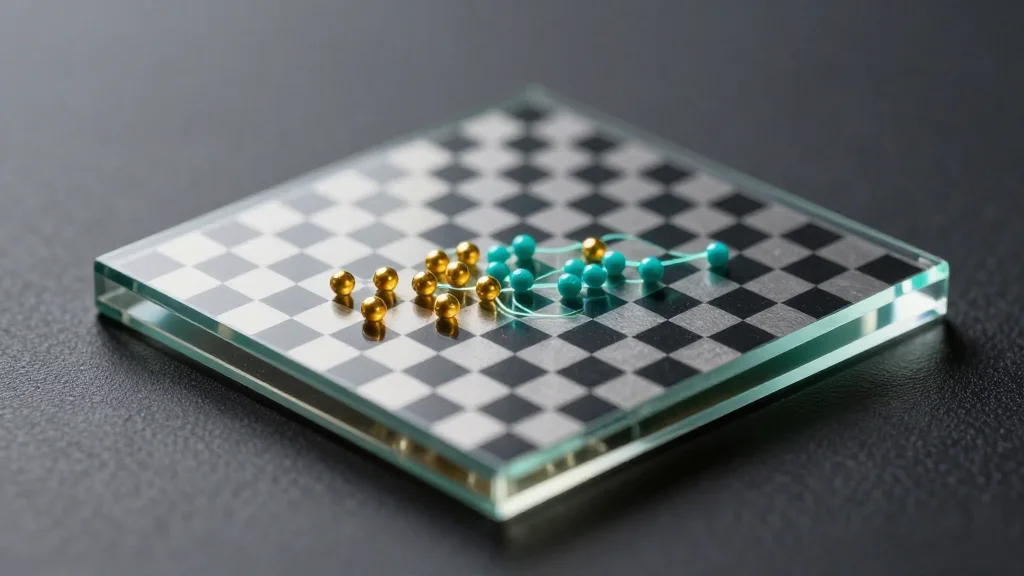
Researchers Separate Colloidal Particles According to Size and Guide Them on Different Paths
Researchers from German universities and the Polish Academy of Sciences introduced a magnetic checkerboard method that steers colloidal particles according to size. By lowering particles closer to a patterned magnetic layer, size‑dependent energy landscapes emerge, allowing independent transport of different‑sized...

Parallel 3D Bioprinting Builds Tissue Model Arrays in Minutes
Researchers have introduced a slippery‑liquid‑infused porous surface (SLIPS) droplet microarray that enables parallel digital light processing (DLP) bioprinting of hydrogel tissue models. By removing physical walls and using hydrophilic spots on a superhydrophobic background, the system prints dozens to hundreds...
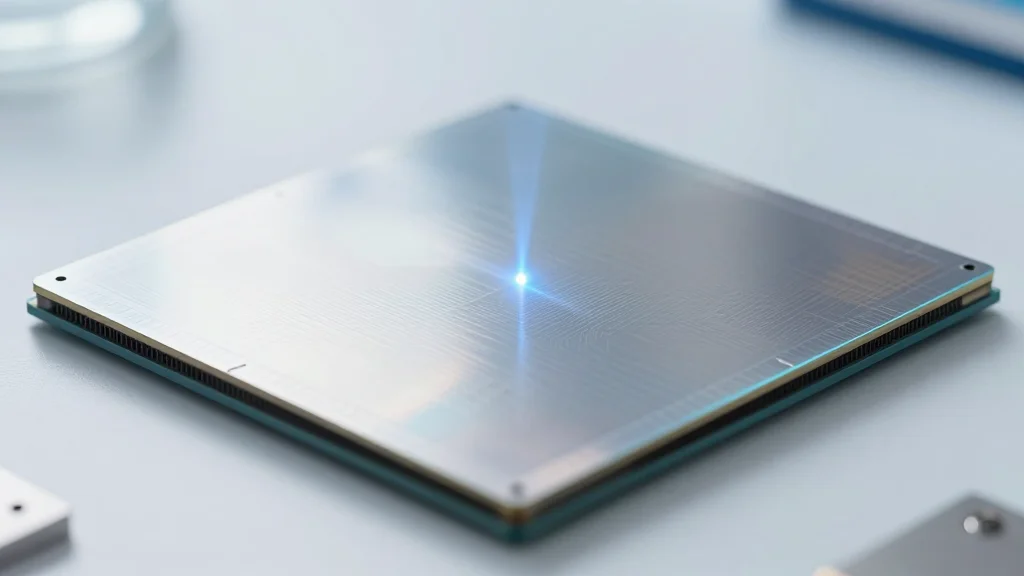
Stacking 2D Materials on Bulk Semiconductors Yields Smarter, Faster Photodetectors
A new review outlines how stacking atomically thin 2D crystals onto bulk 3D semiconductors creates photodetectors with record‑high responsivity, detectivity and gigahertz‑level speed. Van der Waals bonding eliminates lattice‑mismatch defects, allowing seamless integration of materials like graphene, TMDCs and black phosphorus with...

Simple Protein Redesign Produces the Most Active Designed Enzyme Ever
Researchers at UCSF combined crystallographic fragment screening with directed evolution to repurpose a simple designed protein, ABLE, into two distinct functional proteins. One of the new proteins, KABLE, is a Kemp eliminase that exhibits ten‑fold higher activity than any previously...
Twisting Atom Thin Materials Reveals New Way to Save Computing Energy
A KTH-led study published in Nano Letters shows that twisting two atom‑thin van der Waals antiferromagnet layers creates strong altermagnetic magnons, enabling magnetic‑based information transfer without electric currents or external magnetic fields. The approach leverages twist engineering to alter crystal...
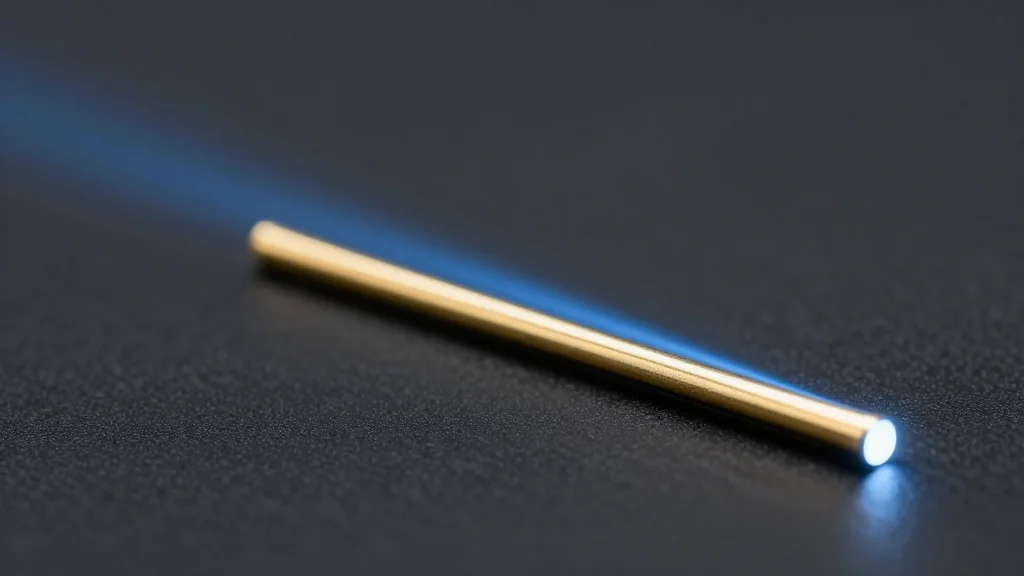
Plasmonic Nanomachines Use Light to Create Motion
A new Perspective in Advanced Materials outlines how plasmonic nanomachines convert light into motion by creating local potential gradients. Gold or silver nanostructures generate optical, thermal, or electrochemical forces, but only asymmetric designs produce net propulsion or torque. The article...
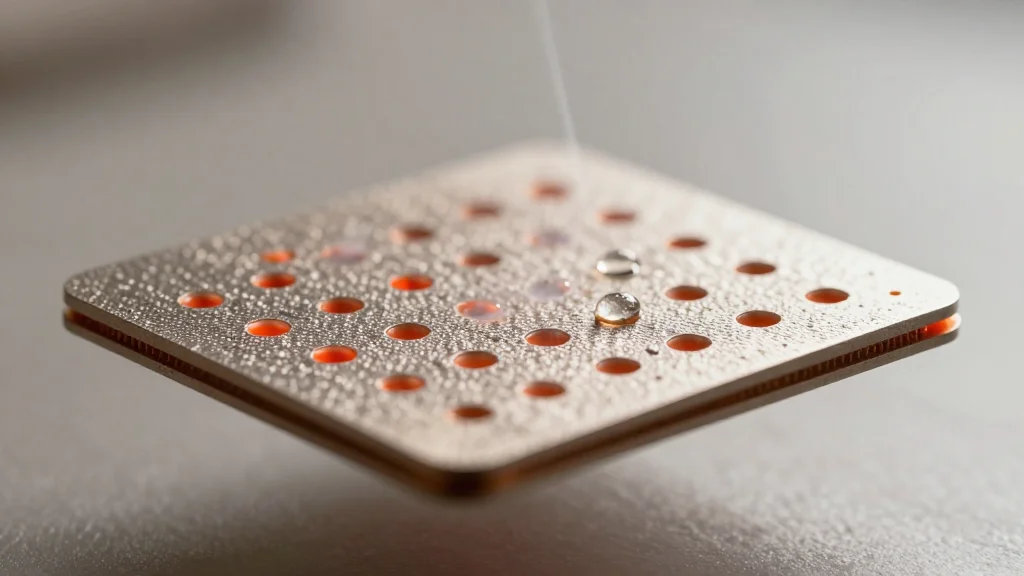
Turning CO2 Into Valuable Chemicals: Tiny Material Interfaces Make a Big Difference
Researchers at National Taiwan University and the University of North Dakota have demonstrated that palladium nanoparticles supported on indium oxide (Pd/In₂O₃) dramatically improve electrochemical CO₂ reduction to formic acid. At –1.1 V vs RHE the catalyst lifts Faradaic efficiency from ~30%...

Astronomers Pin Down the Origins of a Planetary Odd Couple
MIT astronomers used JWST to analyze the atmosphere of mini‑Neptune TOI‑1130 b, which orbits inside a hot Jupiter around a star 190 light‑years away. The spectrum revealed a heavy, volatile‑rich atmosphere containing water vapor, carbon dioxide, sulfur dioxide and traces of...
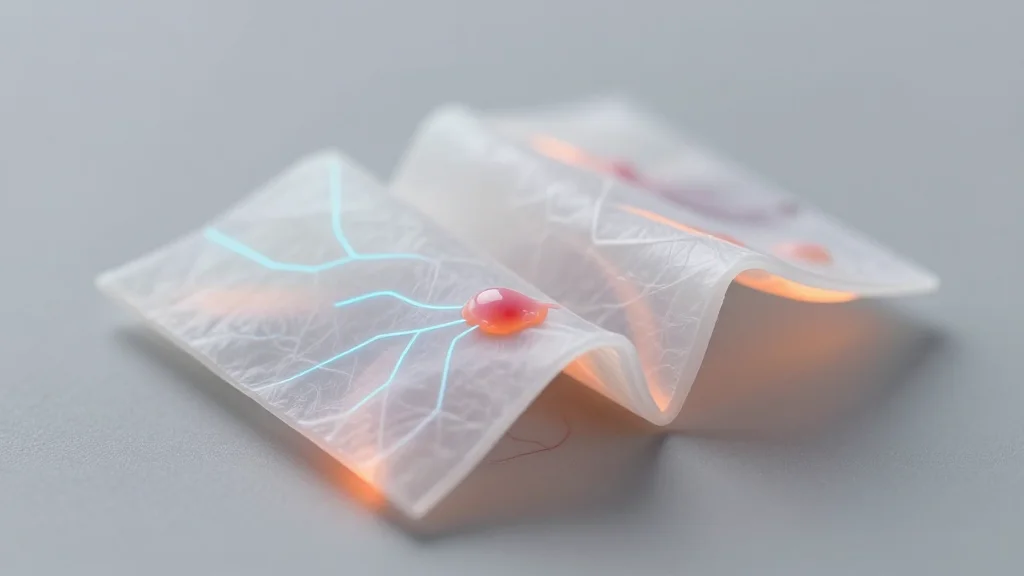
Piezoelectric MXene Scaffold Promotes Cartilage Repair While Limiting Vessel Growth
Researchers unveiled an origami‑folded PLLA/MXene scaffold that converts joint motion into piezoelectric signals and, when exposed to near‑infrared light, generates mild heat. The dual‑modality design doubles electrical output versus pure PLLA and reaches ~41 °C, a temperature that suppresses VEGF‑driven angiogenesis...

Multiplex Modular Nanorobots Combine Magnetic Control with Reusable Catalysis
Researchers from Basel, Max Planck, Heidelberg and Seoul have created modular nanorobots that combine a magnetic Janus particle with enzyme‑loaded polymersomes using DNA‑mediated self‑assembly. The magnetic module provides wireless steering and recovery, while the polymer‑encapsulated enzymes retain catalytic activity even after...
Bio-Based MOF Aerogel Combines Electromagnetic Shielding, Fire Resistance, and Insulation
Researchers at Beijing Institute of Technology and the University of Southern Queensland have created a bio‑based aerogel that merges electromagnetic shielding, fire resistance, thermal insulation, and sound absorption. By embedding nickel‑based metal‑organic frameworks into a cellulose matrix and carbonizing the...
Analytical Breakthrough Reveals How Resonances Open True Energy Gaps in Quasicrystals
A new theoretical study published in Physical Review B demonstrates that eight‑fold optical quasicrystals possess true energy gaps, a feature previously thought exclusive to periodic crystals. Using a configuration‑space approach that works in the infinite‑size limit, the researchers linked these gaps...
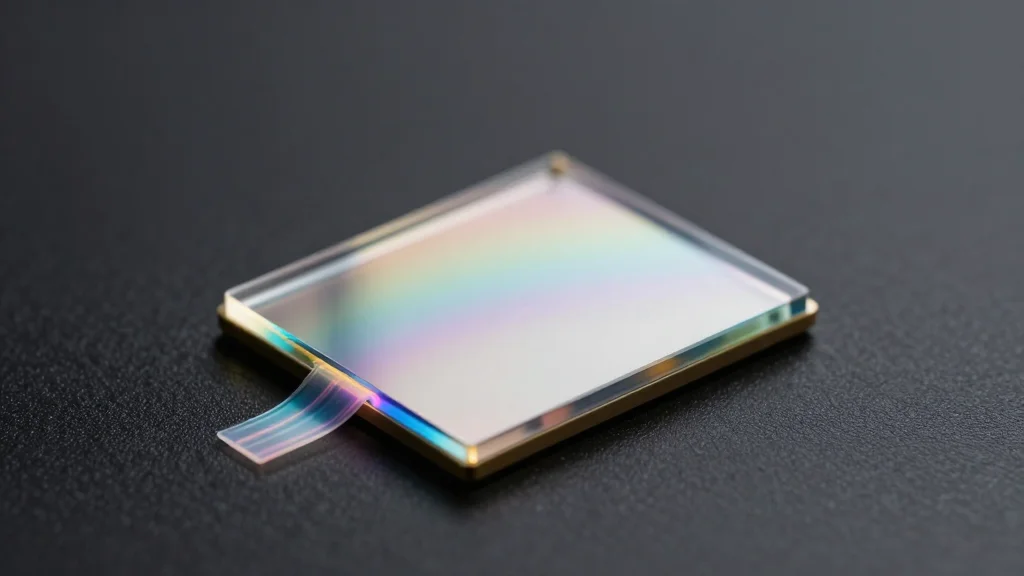
Room-Temperature Photodetector Spans Visible Light All the Way to Terahertz
Researchers have demonstrated a room‑temperature photodetector built from the topological insulator SnBi₂Te₄ that detects light from the visible spectrum through terahertz frequencies. The device merges a conventional photoconductive effect for high‑energy photons with an electromagnetic‑induced well mechanism that captures low‑energy...