
Liquid Metals as Vital Materials for Future Deep-Space Missions
A research team led by Prof. Liu Jing at the Chinese Academy of Sciences has shown that room‑temperature liquid metals can serve as critical materials for deep‑space missions. Published in Cell Press Blue, the study highlights liquid‑metal‑based power systems, propulsion, thermal‑management, soft robotics, and smart spacesuits. The authors argue that liquid metals’ high thermal conductivity, low vapor pressure and vibration‑free pumping make them ideal for harsh extraterrestrial environments. The findings suggest a new material platform that could reshape spacecraft design and life‑support architecture.

How Microbes Survive in the Plastisphere
A Helmholtz‑led team analyzed DNA from plastic‑associated biofilms—known as the plastisphere—in the North Pacific and North Atlantic garbage patches. Metagenomic sequencing revealed that plastisphere microbes carry significantly more functional gene copies and larger genomes than surrounding plankton, enabling enhanced nutrient...

Synthetic Worm-Like Metamaterials that Learn, Adapt and Evolve Like Living Systems
Researchers at the University of Amsterdam unveiled worm‑like metamaterials composed of motorised hinges that can learn, forget, and toggle between multiple shapes without any central controller. Each hinge houses a microcontroller that records rotation, shares data with neighbors, and adjusts...
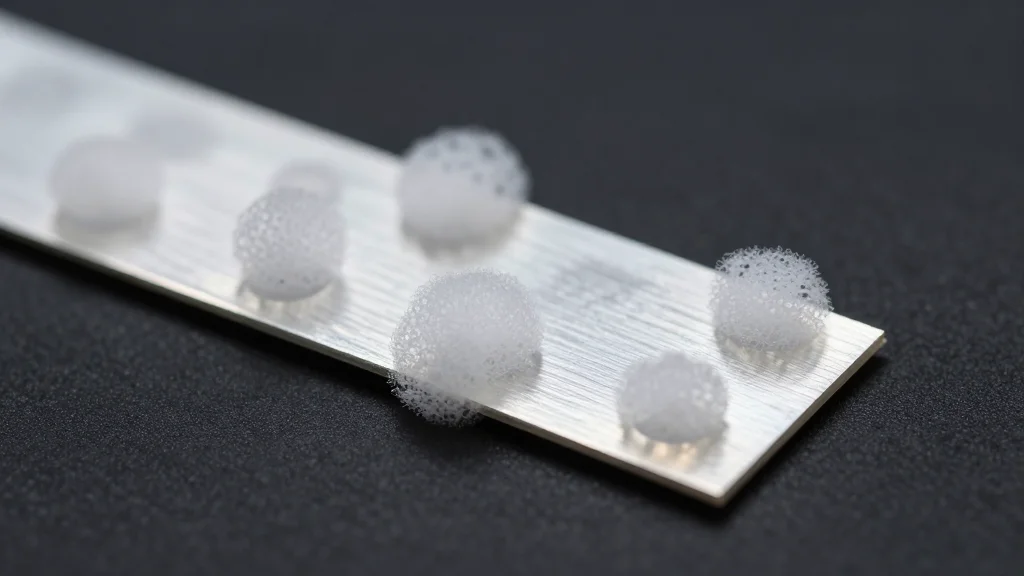
Visible Light Replaces Metal Catalysts in New Method for Making Porous Semiconducting Polymers
Researchers at Koç University introduced a visible‑light‑driven synthesis that uses bismuthene as a photocatalyst to create porous semiconducting polymers without metal catalysts, operating under ambient conditions. The approach revives century‑old diazonium chemistry, yielding high‑molecular‑weight polymers and allowing direct halogen incorporation....

First Close Pair of Supermassive Black Holes Detected
Astronomers using 23 years of high‑resolution radio data have identified a second supermassive black hole (SMBH) at the core of galaxy Markarian 501, revealed by a previously unseen jet. The two SMBHs orbit each other every 121 days at a separation only a...
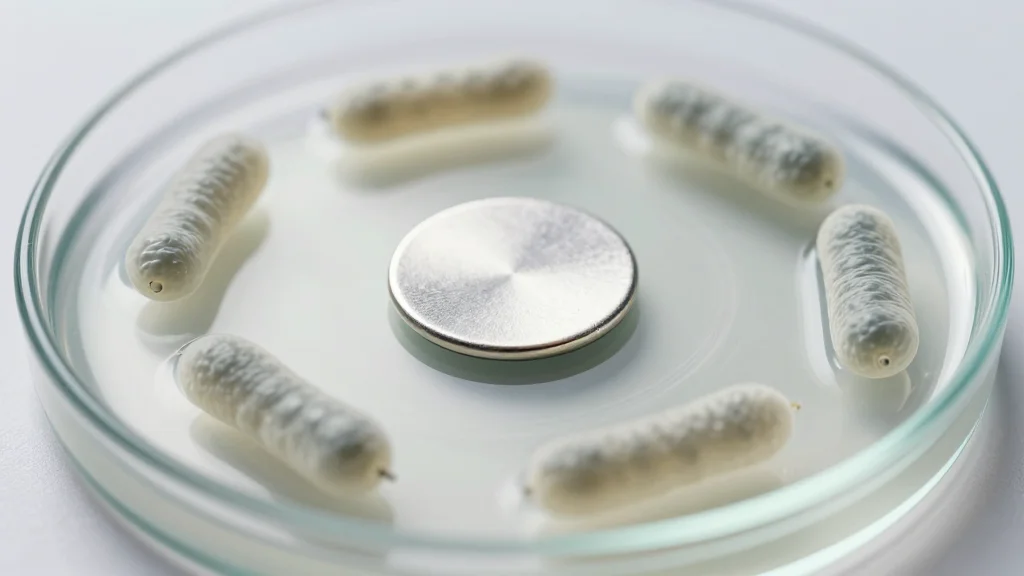
Scientists Discover How Bacteria Rotate Tiny Pucks and Create Unusual Materials
Scientists at the Institute of Science and Technology Austria have revealed that swimming *E. coli* generate a hydrodynamic torque capable of spinning symmetric micro‑discs without any physical contact. Published in *Nature Physics*, the work overturns the prior belief that only asymmetric...
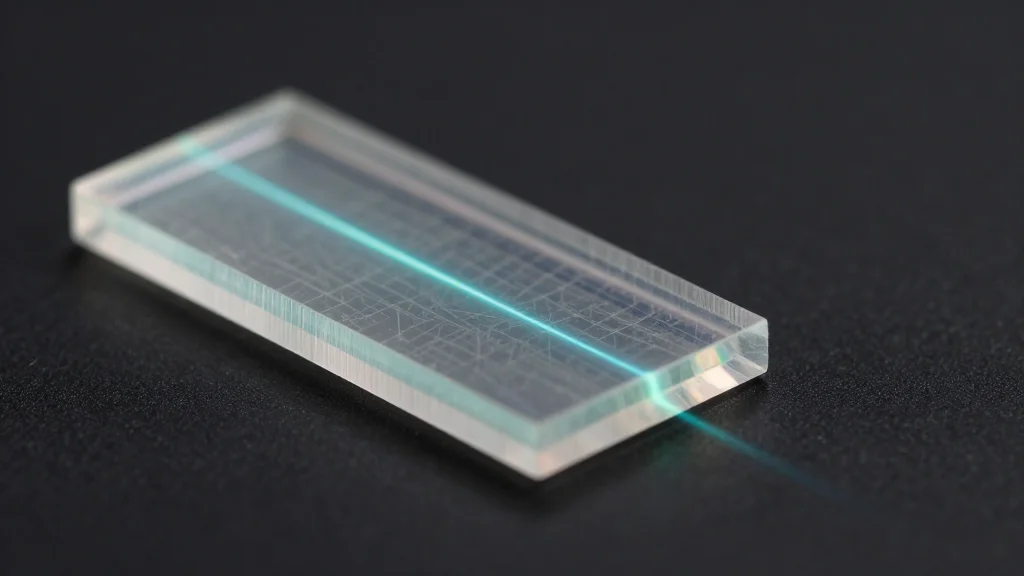
'Perfectly Symmetrical' 2D Perovskites Boost Energy Transport
Rice University researchers have engineered a multilayered two‑dimensional perovskite that approaches perfect crystal symmetry, enabling exciton transport beyond 2 µm at room temperature. The material’s distortion‑free lattice eliminates energy traps, delivering an order‑of‑magnitude improvement over earlier perovskites and matching the performance...
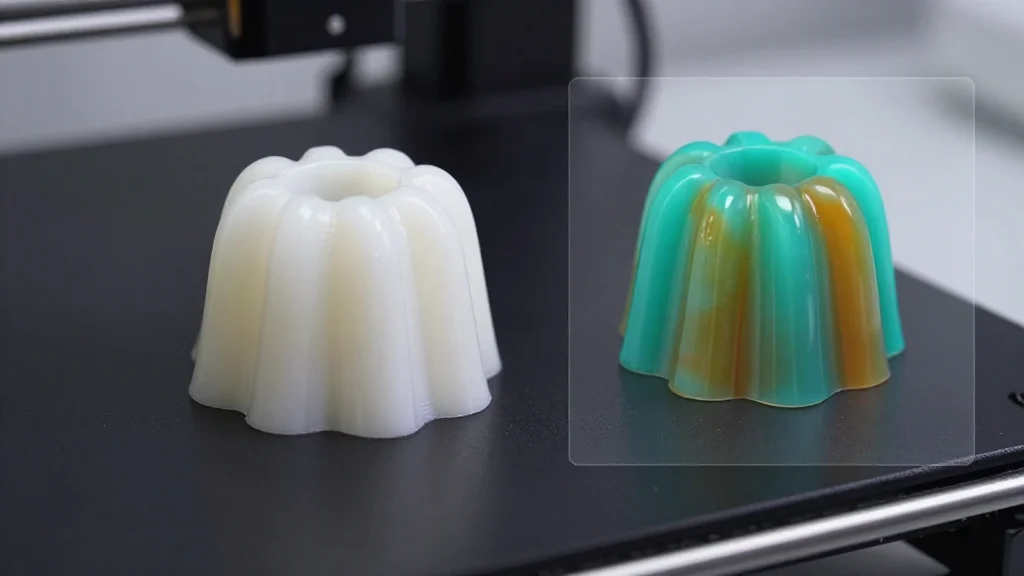
Preview Tool Helps Makers Visualize 3D-Printed Objects
Researchers at MIT unveiled VisiPrint, an AI‑driven preview tool that renders aesthetically accurate images of 3D‑printed objects before they are fabricated. By uploading a slicer screenshot and a material photo, the system predicts color, gloss, and translucency, delivering a visual...
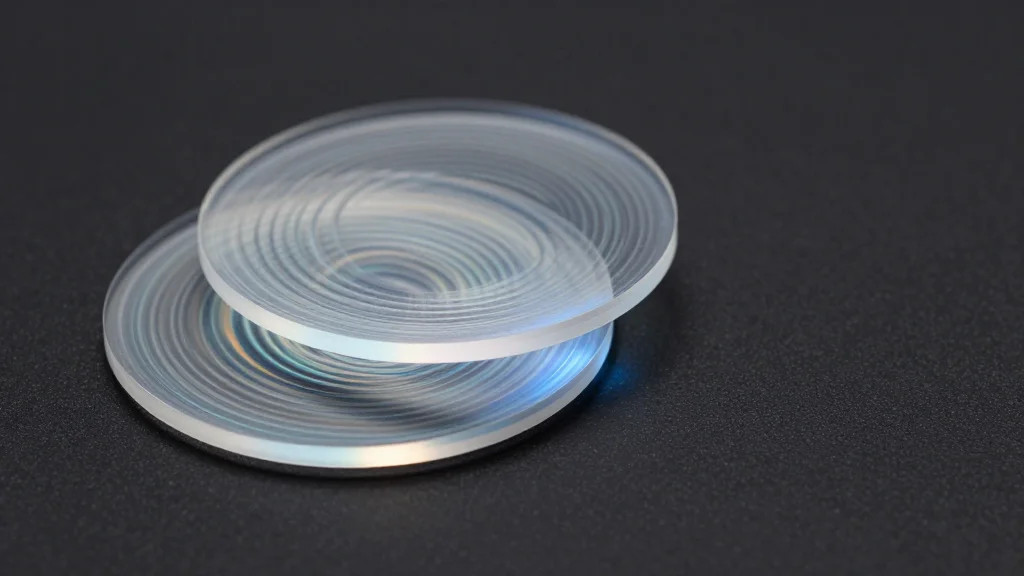
Electrons in Moire Crystals Explore Higher-Dimensional Quantum Worlds
Physicists at MIT have demonstrated a scalable chemical‑synthesis method to grow bulk “moiré crystals” that contain high‑quality moiré superlattices. In these crystals electrons display quantum tunneling that mimics motion through a synthetic fourth dimension, effectively simulating four‑dimensional quantum materials. The...

The Most Pristine Star in the Universe
Astronomers using Sloan Digital Sky Survey‑V data and the Magellan telescopes at Las Campanas have identified SDSS J0715‑7334, the most pristine star ever recorded, with a metal content under 0.005% of the Sun’s. The star, a second‑generation object formed a few billion...

The Depths of Neptune and Uranus May Be 'Superionic'
Computational simulations by Carnegie researchers Liu and Cohen predict a quasi‑one‑dimensional superionic state of carbon‑hydride deep within Neptune and Uranus. The phase emerges under extreme pressures of 500‑3000 GPa and temperatures of 4,000‑6,000 K, where hydrogen atoms travel along helical pathways inside...

Watching Sunlight Turn Into Fuel and Oxygen, in Real Time
Yale researchers have unveiled a nanoscale method to watch solar photocatalysis in real time, capturing water‑splitting reactions and charge transport at roughly 10 nm resolution. The approach merges amperometric and potentiometric measurements using a quartz nanotip with a platinum core, allowing...

Baby Stars Release Magnetic Bursts Forming Vast 1000 AU Gas Rings
Astronomers using ALMA have identified a warm, 1,000‑AU gas ring encircling a newborn protostar in the MC 27/L1521F core. The ring appears to be created by massive magnetic‑flux ejections—dubbed “sneezes”—that expel excess energy from the nascent star. This phenomenon expands earlier...
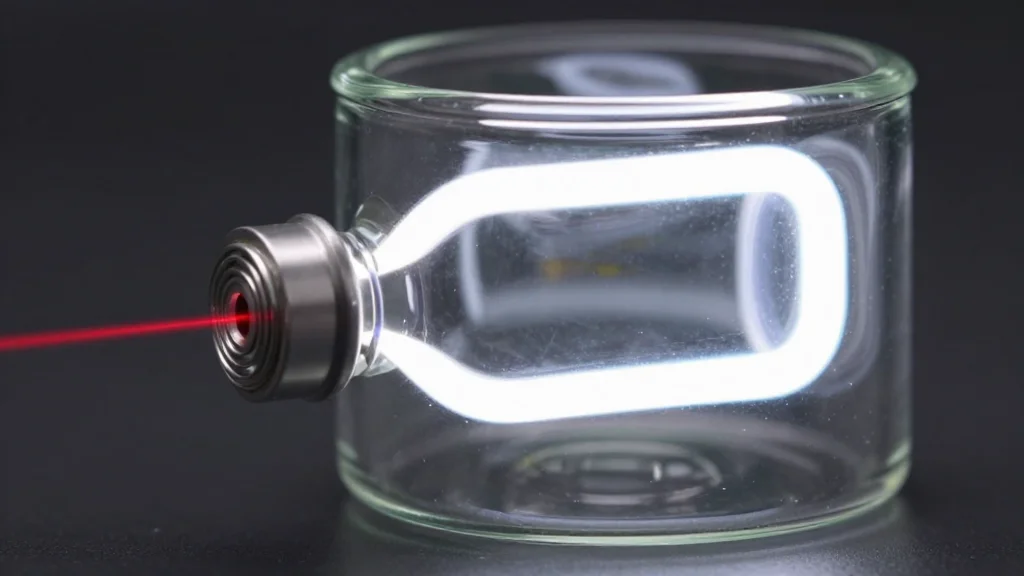
A Bessel Lens with a Flat Lens Unveils Technology that Creates a Nondiffracting Bottle Laser
Researchers at Chiba University have demonstrated a compact method to generate nondiffracting optical bottle beams using a binary axicon and a flat multilevel diffractive lens (MDL). The system reshapes a Gaussian beam into a modified zero‑order Bessel beam, which the...
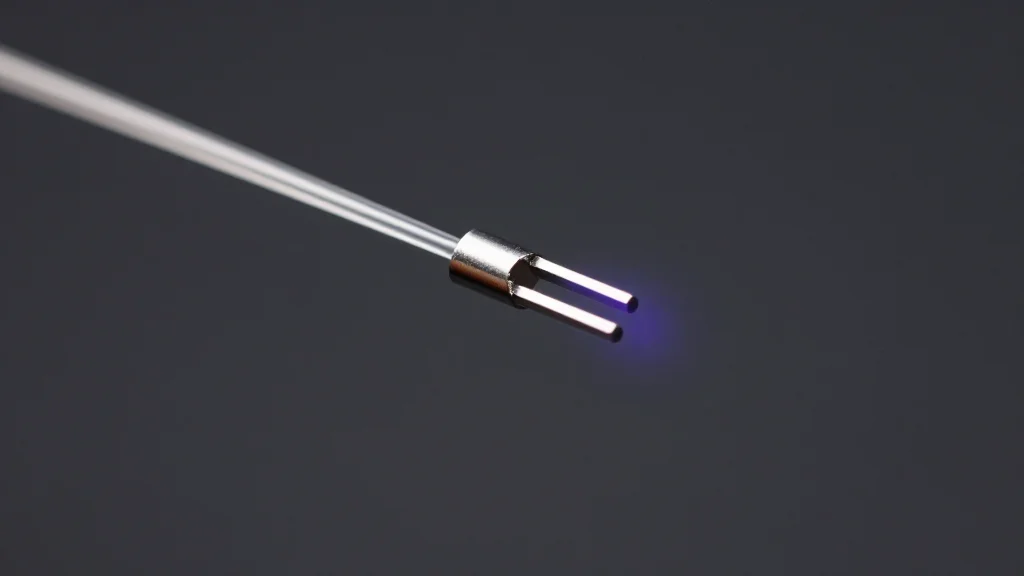
Broadband Nanoprobe Sharpens Optical Imaging Beyond the Diffraction Limit
Researchers at Xi’an Jiaotong University have unveiled a fiber‑based double‑slit plasmonic probe that uses linearly polarized light and Fabry–Pérot energy recycling to achieve broadband nanofocusing. The device delivers a six‑fold electric‑field enhancement and resolves a 28.6 nm slit, essentially matching atomic...
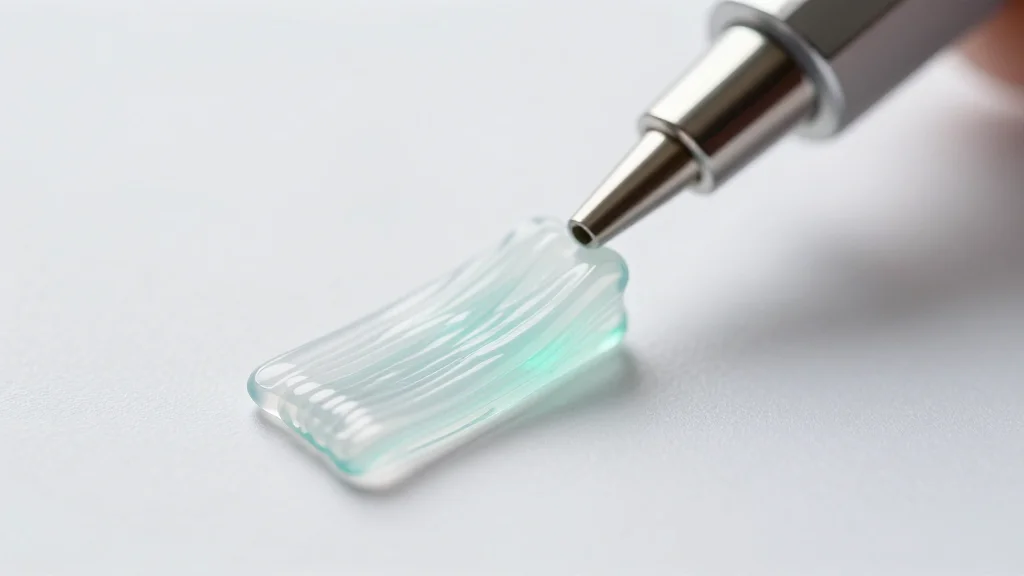
Dual Self-Assembly Hydrogel Enables Responsive 3D Printing
Researchers at National Taiwan University have created a dual‑component chitosan hydrogel (CGB) that combines gallol‑ and boronic‑acid functional groups to form reversible covalent bonds. The material can be extruded through a 160 µm nozzle and stacked up to 60 layers while...
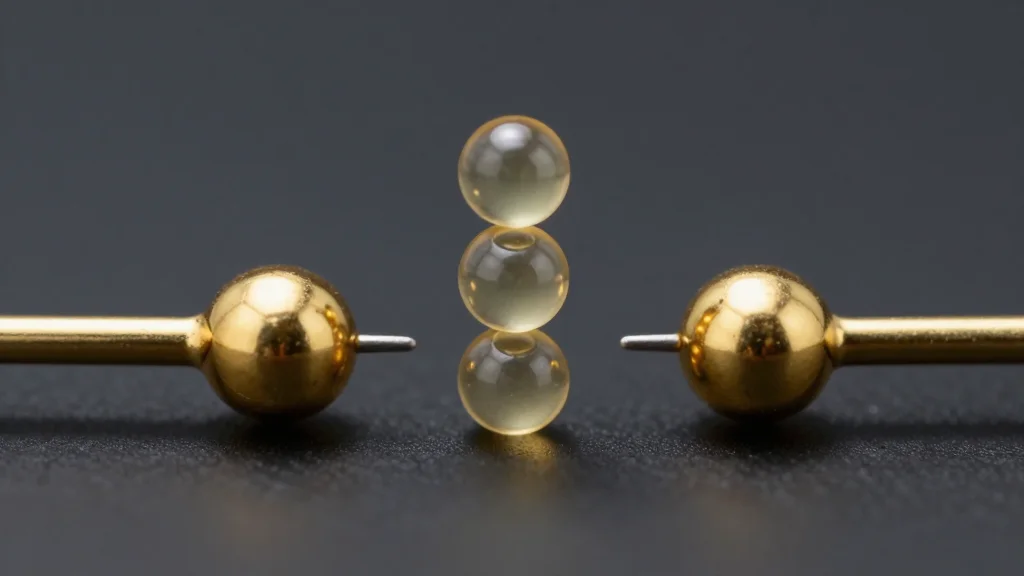
Fullerene's Spherical Symmetry Enables a Reliable Three-State Molecular Switch
Researchers have leveraged the spherical symmetry of C₆₀ fullerene to create a reliable three‑state molecular switch. By mechanically stacking one, two, or three C₆₀ molecules between gold electrodes, they achieved three distinct, fully reversible conductance levels spanning nearly four orders...

Gravitational Waves as Possible Candidates for the Origin of Dark Matter
A new study published in Physical Review Letters proposes that stochastic gravitational waves from the early universe could have generated dark matter through a freeze‑in process. The mechanism suggests mass‑free fermions were created by wave‑particle conversion and later acquired mass,...

AI Inspires New Research Topics in Materials Science
Researchers at Germany's Karlsruhe Institute of Technology combined large language models with machine‑learning to scan thousands of materials‑science papers, building concept graphs that map how key terms co‑occur over time. The analysis spotlights emerging interdisciplinary links—such as perovskite materials and...
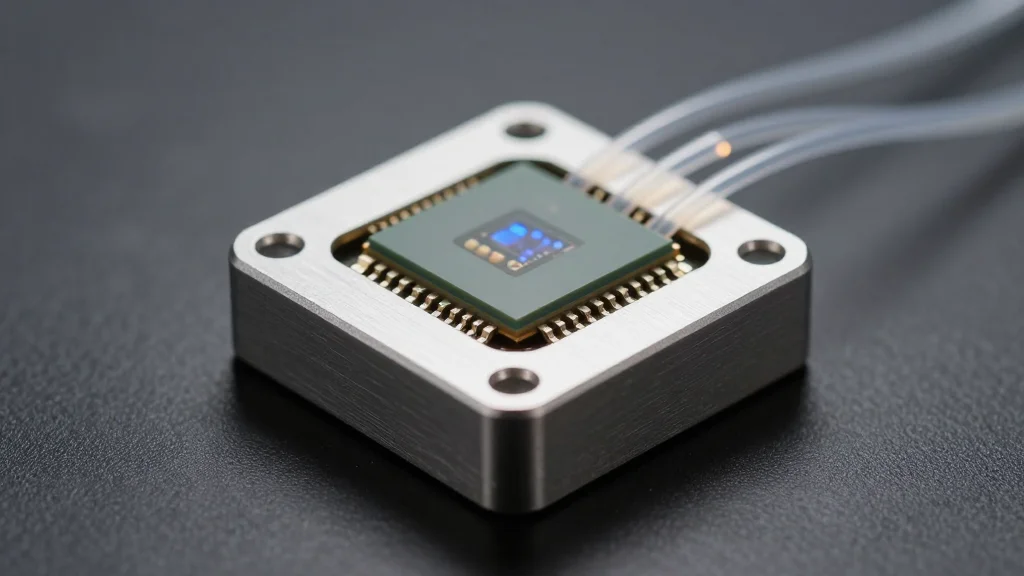
Nanofluidic Chip Holder Integrates Thermal, Electrical, and Optical Control
Researchers at Chalmers University unveiled a compact nanofluidic chip holder that merges heating, cooling, electrical actuation, and real‑time optical spectroscopy into a single platform. The device accommodates 10 mm silicon chips with up to 12 fluidic connections and can maintain temperatures...
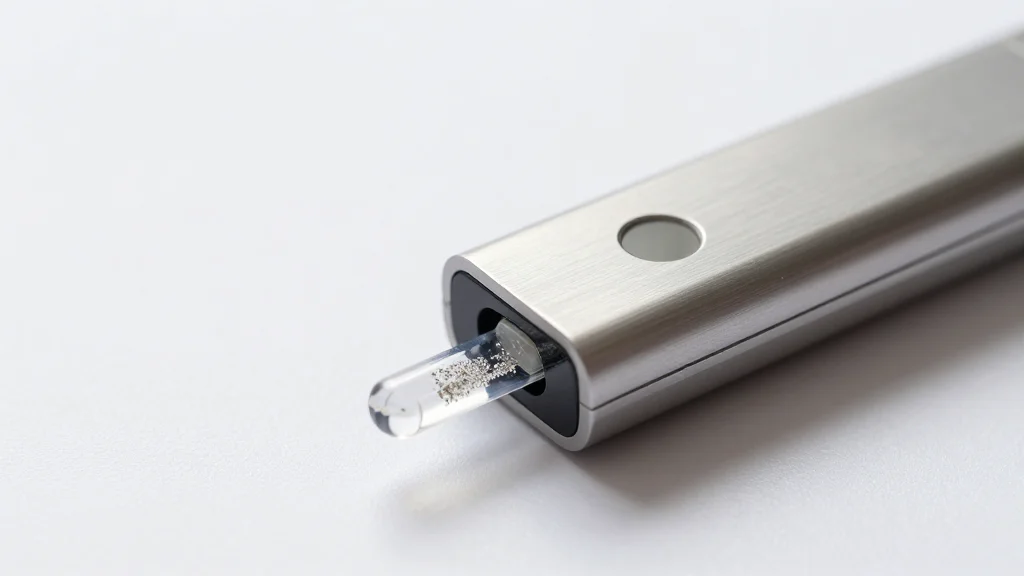
Nanotechnology Sensor Reads Creatinine in Seconds for Rapid Kidney Testing
Researchers at Tohoku University and City College of New York unveiled a nanotechnology‑based creatinine biosensor that reads concentrations from 1 to 300 mg/dL in about 35 seconds. The device uses a platinum‑nanoparticle polymer composite tuned near the percolation threshold, eliminating the...

Vibrations in Your Skull May Be Your Next Password
Rutgers researchers unveiled VitalID, a software biometric that authenticates XR users via skull‑borne vibrations from breathing and heartbeat. The method captures unique vibration patterns with headset motion sensors, eliminating passwords, PINs, and iris scans. In trials with 52 participants across...
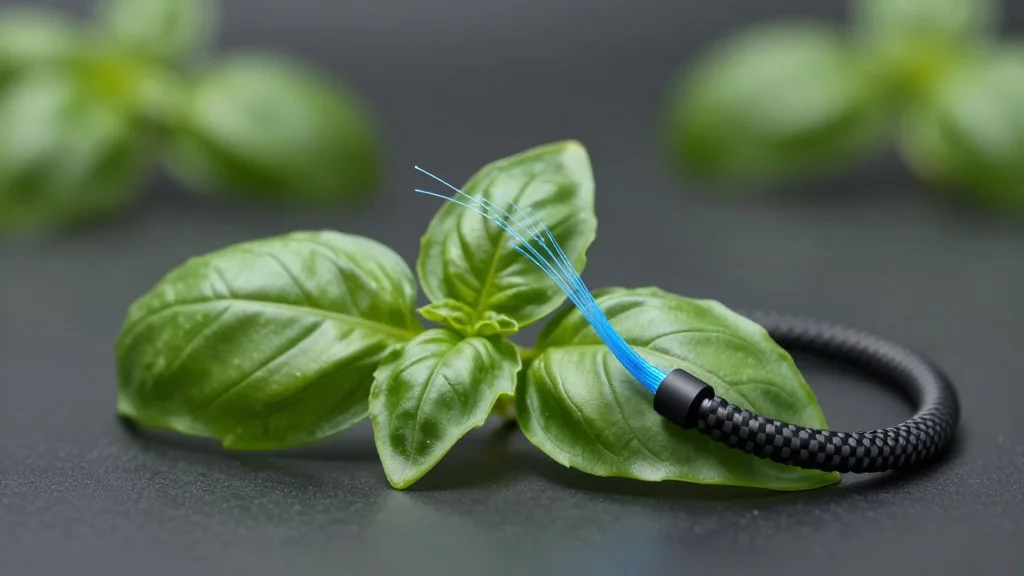
Durable Nanofilm Electrodes for Monitoring Leaf Health
Researchers at Institute of Science Tokyo unveiled a carbon‑nanotube nanofilm electrode only 70‑320 nm thick that can be pierced by leaf trichomes while remaining transparent and water‑resistant. The device maintains stable electrical contact for weeks, and in some tests stayed functional...

Thousands of Pico-Satellites May Transform How Phones Connect to Space
Researchers in Japan demonstrated that tens of thousands of pico‑satellites can operate as a single, distributed phased‑array antenna for direct‑to‑smartphone communication. By wirelessly synchronizing each tiny satellite to a reference signal, the system eliminates bulky cabling and costly large‑satellite platforms....

Industrial Papermaking Process Yields a Sorbent that Pulls Drinking Water Even From Dry Air
Researchers have leveraged conventional papermaking lines to produce a hygroscopic sheet infused with lithium chloride and polypyrrole‑chloride, creating a sorbent that captures water from air and releases it using solar heat. The material powers a lightweight, continuously rotating crawler that...
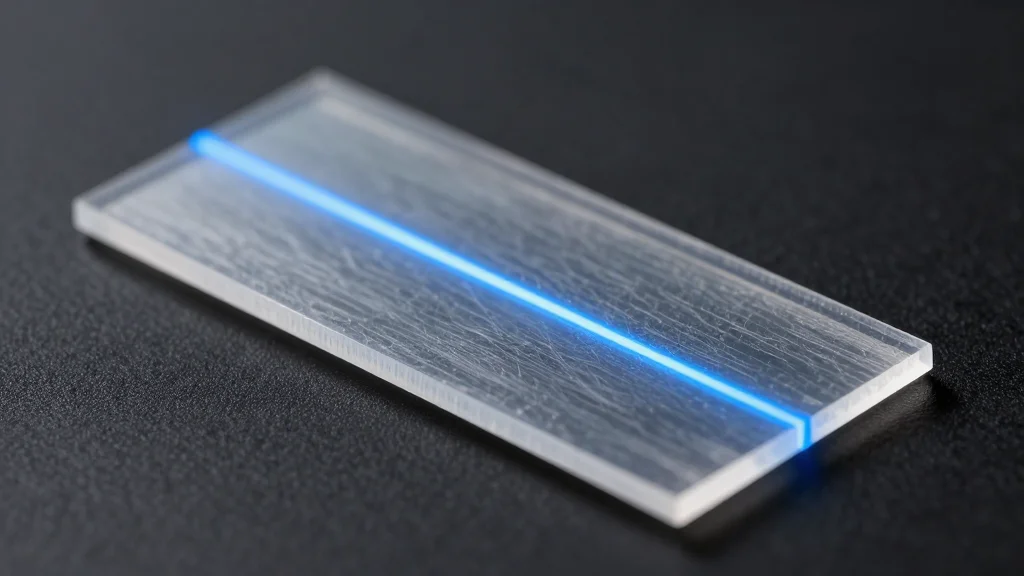
2D Materials Enable Artificial Charged Domain Walls for Nanoelectronics
Researchers at the University of Illinois Urbana‑Champaign have engineered the first artificial charged domain wall (CDW) in a two‑dimensional ferroelectric material by stacking oppositely polarized α‑In₂Se₃ layers. The interface becomes a highly conductive channel with resistance orders of magnitude lower...
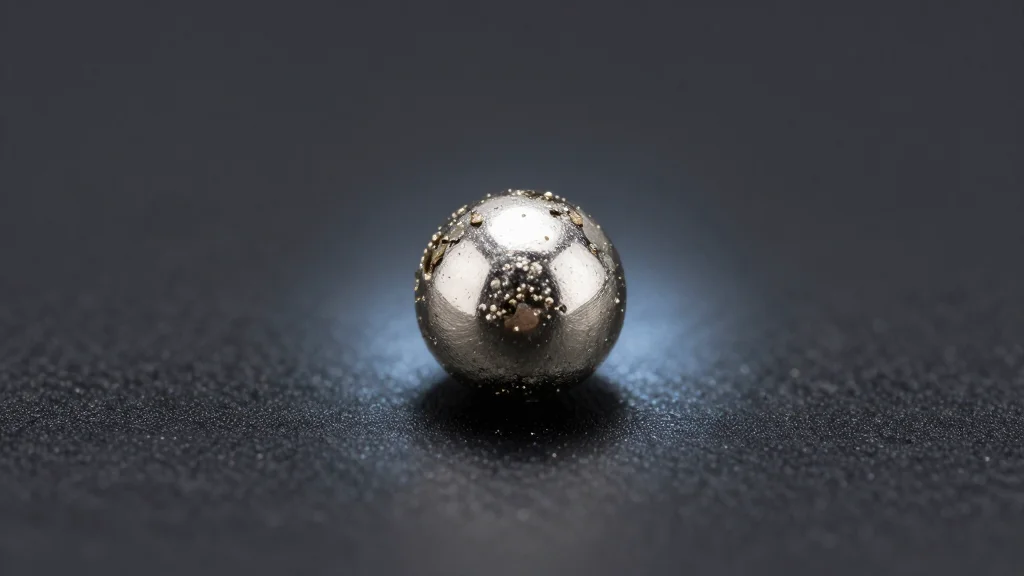
One Nanometer Sits Between Neural Stimulation and Silence
A multi‑institutional team has published a theoretical framework that explains the nonlinear physics of magnetoelectric nanoparticles (MENPs), clarifying why tiny variations in size or composition cause dramatic differences in neural stimulation. The model shows that a single‑nanometer change in a...
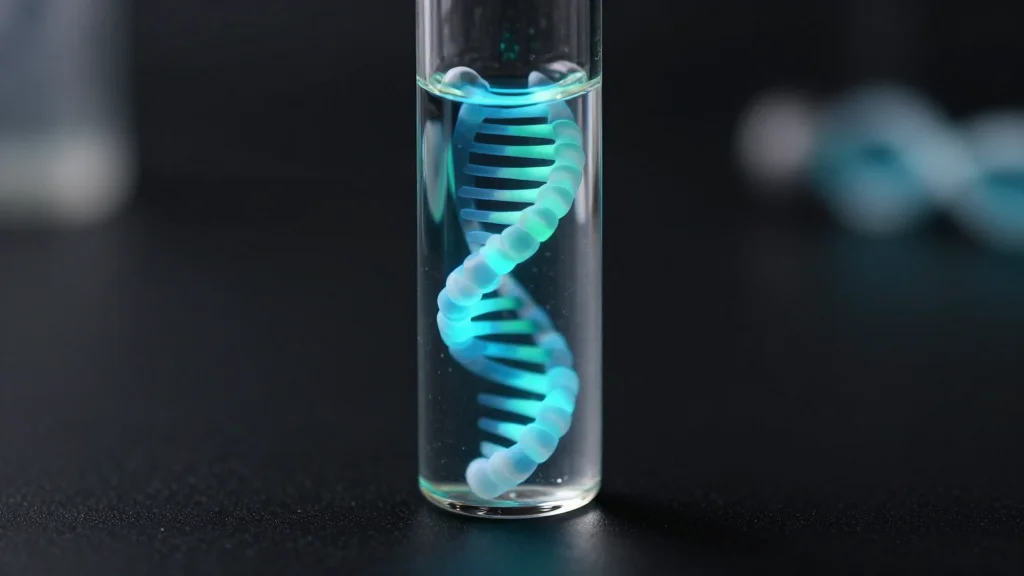
Adding Letters to the DNA Alphabet Expands Nanotechnology's Design Options
Researchers have demonstrated that expanding DNA's alphabet with synthetic AEGIS bases enables nanostructures that break the traditional purine‑pyrimidine pairing rule. By pairing large purines with large purines (fat) and small pyrimidines with small pyrimidines (skinny), they created wider helices that...
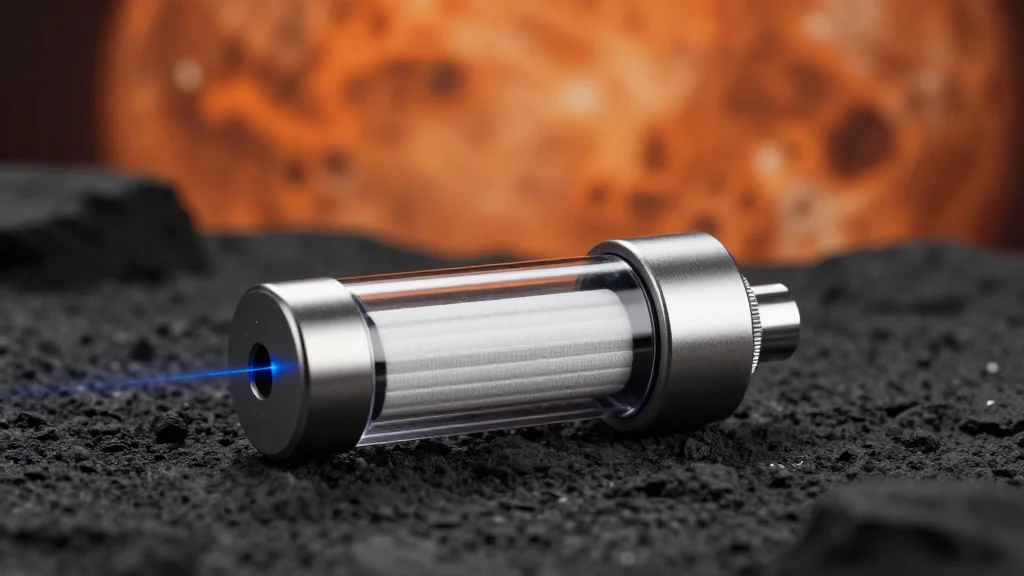
Taming the Acid Clouds with a New Blueprint for Making Fuel on Venus
The Chinese Academy of Sciences team unveiled a modular instrument designed to survive Venus’s corrosive, high‑pressure atmosphere while filtering acid aerosols, enriching trace gases, and performing laser‑based spectroscopy. The three‑stage filtration unit achieves over 99.99% removal of sulfuric‑acid droplets as...
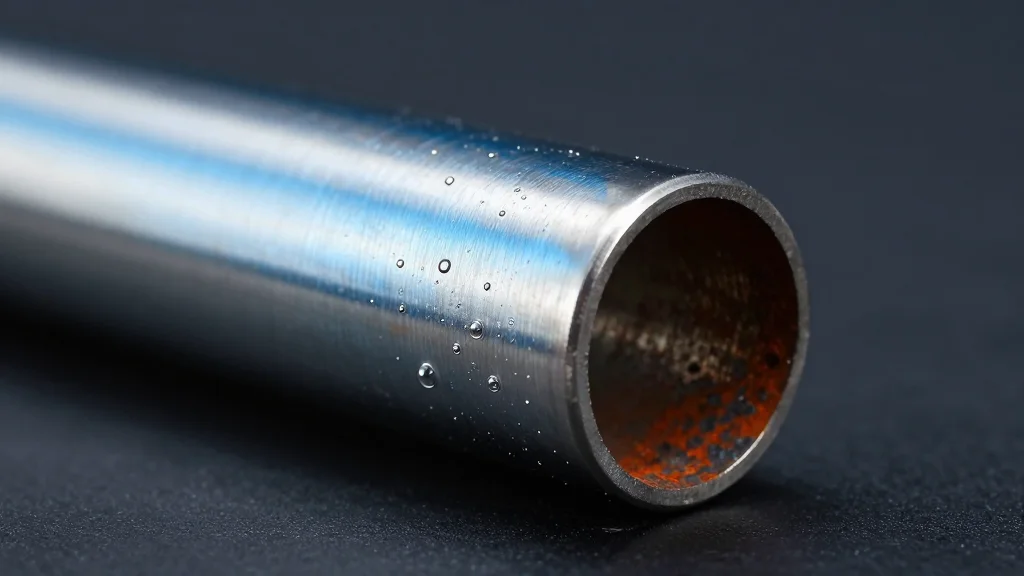
Researchers Reveal Why Hydrogen Metal Testing Methods Produce Unreliable Results
Researchers at IIT Bombay and the Max Planck Institute uncovered why the electrochemical permeation technique often yields unreliable hydrogen‑diffusion data in steel. They showed that high charging currents induce surface rust, dislocations and hydrogen bubbles, which artificially lower measured flux. Switching...
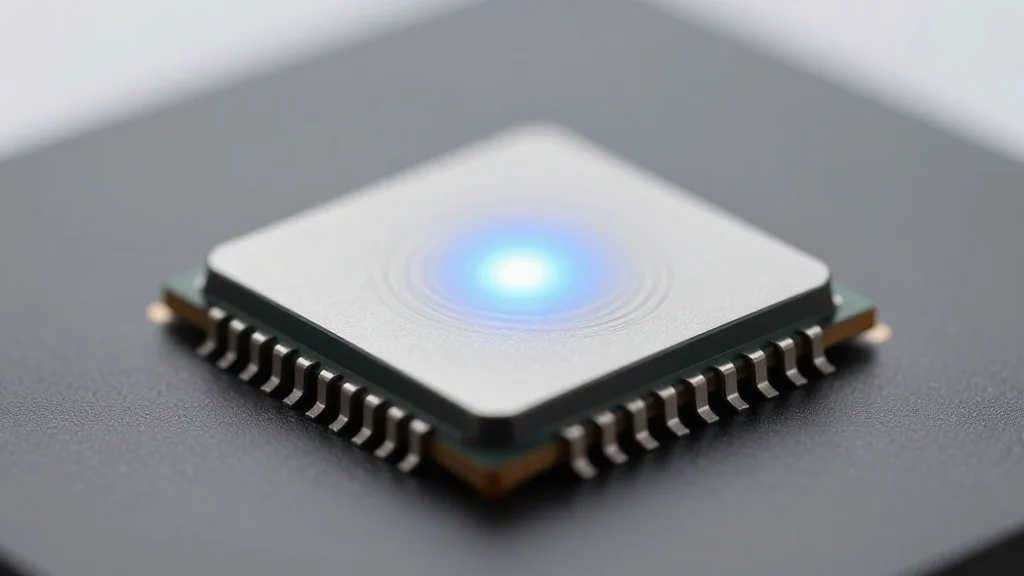
All-Optical Neuron Breaks the Nanosecond Barrier Using Tellurium Phase Transition
Researchers have demonstrated an all‑optical neuron built from a thin tellurium film that melts in under 260 picoseconds, breaking the nanosecond barrier for photonic activation. The device operates with threshold energies as low as 0.4 picojoules and occupies less than 5 µm², enabling...

Designer Carbon Materials Enable CO2 Release Below 60 Degrees Celsius
Researchers at Chiba University have created nitrogen‑doped carbon adsorbents called viciazites that release captured CO₂ at temperatures below 60 °C, far lower than the >100 °C needed for conventional amine scrubbing. By positioning nitrogen functional groups adjacently on the carbon surface, the...

Transistor-Inspired Triboelectric Nanogenerator Powers Human-Machine Interfaces without Batteries
Researchers at Chonnam National University unveiled an air‑breakdown triboelectric nanogenerator (AB‑TENG) that harvests static electricity from human skin to power ultrathin input devices without batteries. The device delivers up to 290 V and 22 mW at a modest 24 N contact force, outperforming...
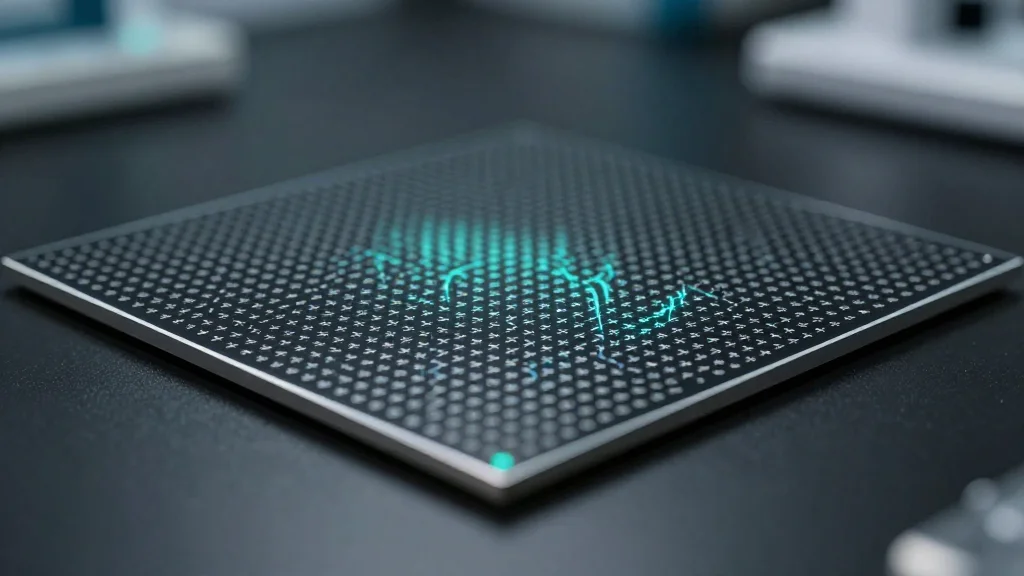
Programmable Metasurface Achieves Beam Scanning and Multi-Band Radar Cross-Section Reduction
Researchers at Xidian University unveiled a programmable metasurface only 0.065 wavelengths thick—87% slimmer than traditional stealth designs—that can dynamically steer beams and suppress radar signatures. The 12 × 12 prototype scans ±45° at 5.2 GHz with a 17.23 dBi peak gain while delivering more than ‑6 dB...
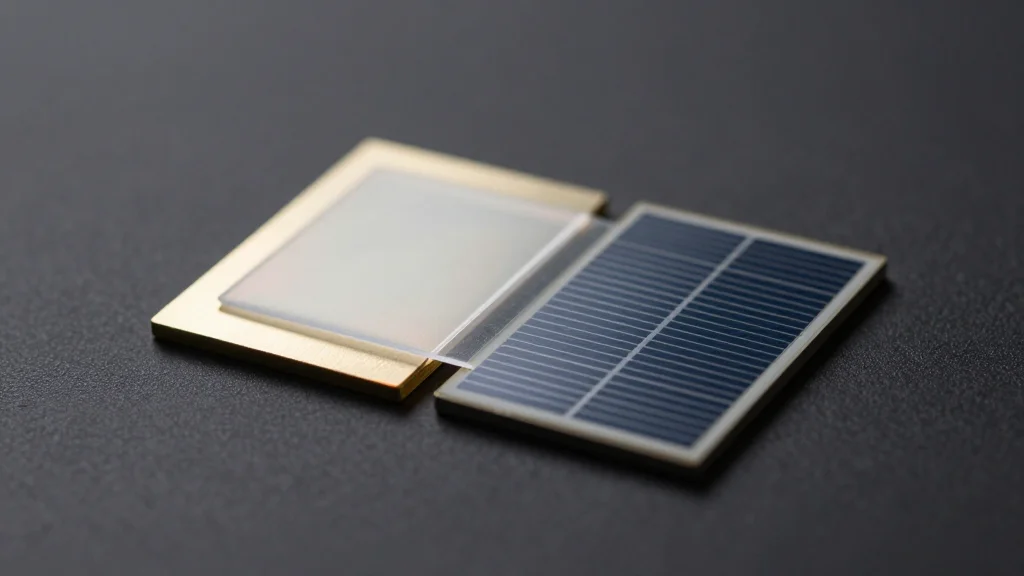
Spin-Flip Emitter Harvests Doubled Excitons for Higher Solar Cell Efficiency
Researchers at Kyushu University and JGU Mainz have created a molybdenum‑based spin‑flip emitter that harvests singlet‑fission triplet excitons with a quantum yield of about 130%. By tuning the metal complex’s energy levels, they suppressed competing Förster resonance energy transfer, allowing...
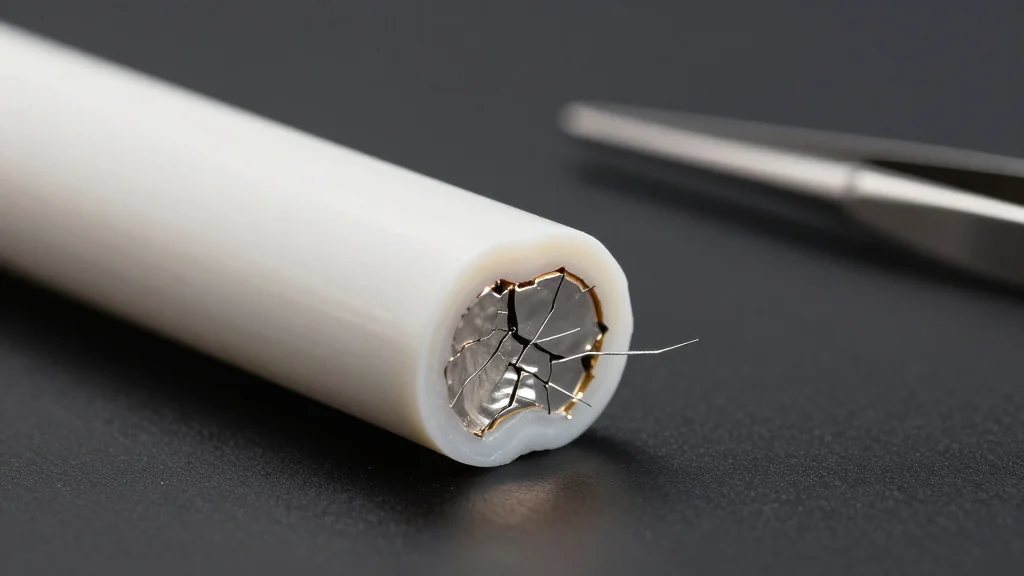
Why Solid-State Batteries Keep Short-Circuiting
MIT researchers have uncovered that metallic dendrites in solid‑state batteries grow under far lower mechanical stress than previously believed, with stress levels as low as 25% of expected values. Using birefringence microscopy, they directly measured stress around actively forming dendrites...
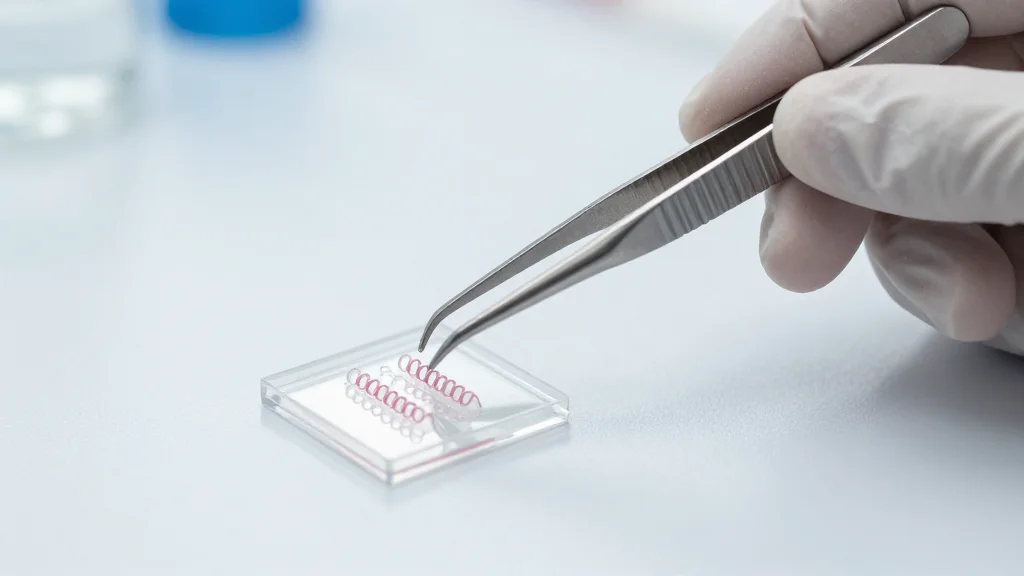
Programmable DNA Origami Nanodevice Reveals Force-Dependent Protein Interactions
Yale researchers have engineered a DNA‑origami nanodevice equipped with programmable hairpin springs that apply 5–9 pN tension to target proteins. The platform generates millions of identical units, enabling bulk pull‑down assays and mass‑spectrometry identification of force‑dependent binding partners. Using the talin1...

3D Nanoscale Imaging Maps Lipid Organization in Cellular Membranes
An international team has unveiled Lipid‑CLEM, a correlative light‑electron microscopy workflow that visualizes individual lipid molecules in three dimensions at nanometer resolution. By using bifunctional lipid probes, photo‑crosslinking, and click chemistry, the method maps lipid distribution within cellular membranes without...

Vanadium Dioxide Single Crystals Enable Room-Temperature Gas Sensing with High Sensitivity
Researchers at Tohoku University have created belt‑shaped VO₂(B) single crystals that detect ethanol vapor at room temperature with roughly 19 times higher sensitivity than conventional V₂O₅ nanofibers. The crystals are produced via a hydrothermal reduction process, eliminating the need for...
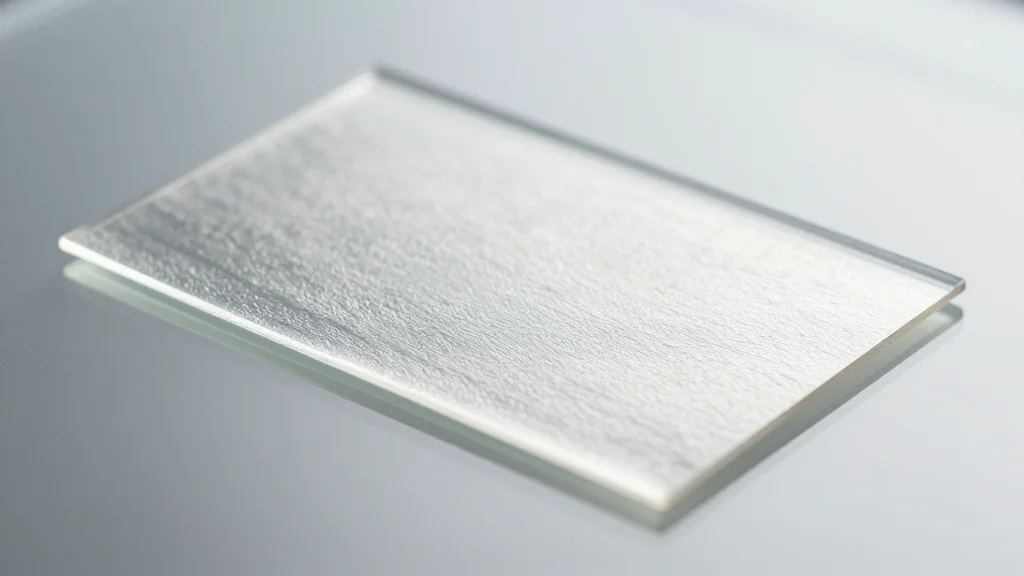
New Design Guidelines for Atom-Thin Oxide Transistors Enable Reliable 3D Chip Integration
Researchers at National Taiwan University introduced a unified analytical framework that captures how channel thickness, trap states, interface quality, and surface roughness together dictate the performance of ultrathin indium‑oxide and tungsten‑doped indium‑oxide transistors. The model accurately reproduces I‑V characteristics across...
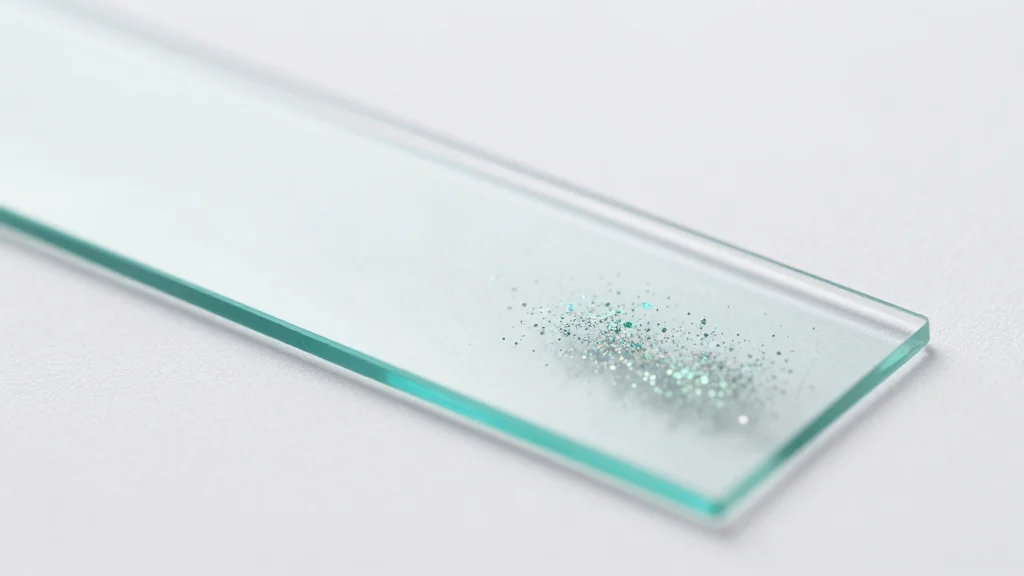
Researchers Explain Why Polarity Inversion only Works in Certain Polymers
Researchers at Sungkyunkwan University have identified why polarity inversion—where polymer semiconductors switch from p‑type to n‑type conduction—occurs only in certain materials. By systematically comparing polymers, they discovered that inversion happens when dopant uptake exceeds a critical threshold, allowing dopant‑derived anions...
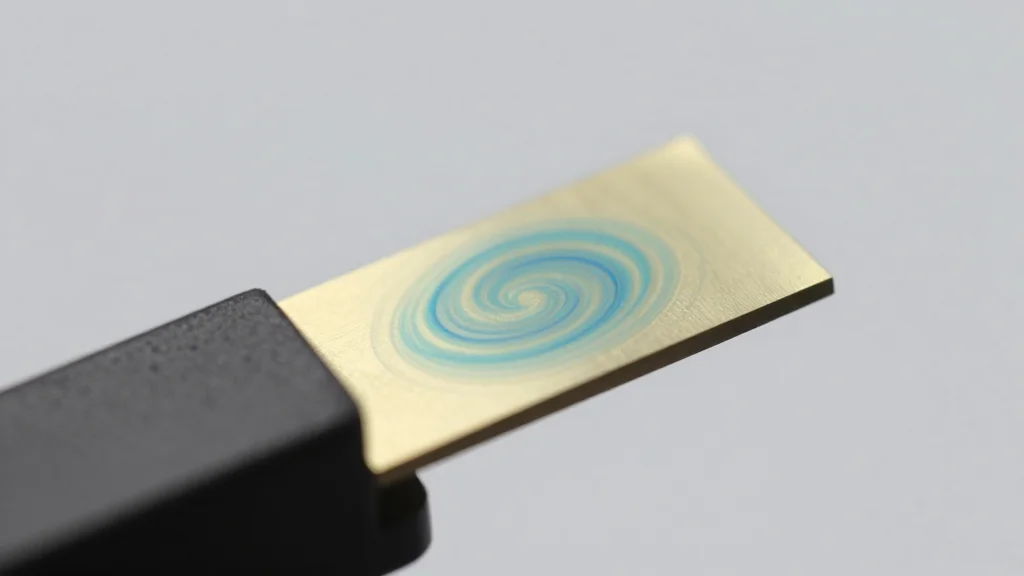
Electric Current Stabilizes Spins at Unstable Points, Opening a Path to New Computing
A team of researchers demonstrated that an electric current can actively stabilize spins in energetically unfavorable states within a near‑isotropic tungsten‑cobalt‑iron‑boron‑magnesium‑oxide thin film. By fine‑tuning the film’s heat treatment, the material allows spins to point in any direction, producing large...

Shift in Key Cosmic Inflation Measurement Could Be a Statistical Artefact
Researchers at the University of Tokyo have shown that the recent shift in the scalar spectral index (n_s) observed when combining cosmic microwave background (CMB) and baryon acoustic oscillation (BAO) data is a statistical artefact arising from a mild BAO‑CMB...
Optimus Protein
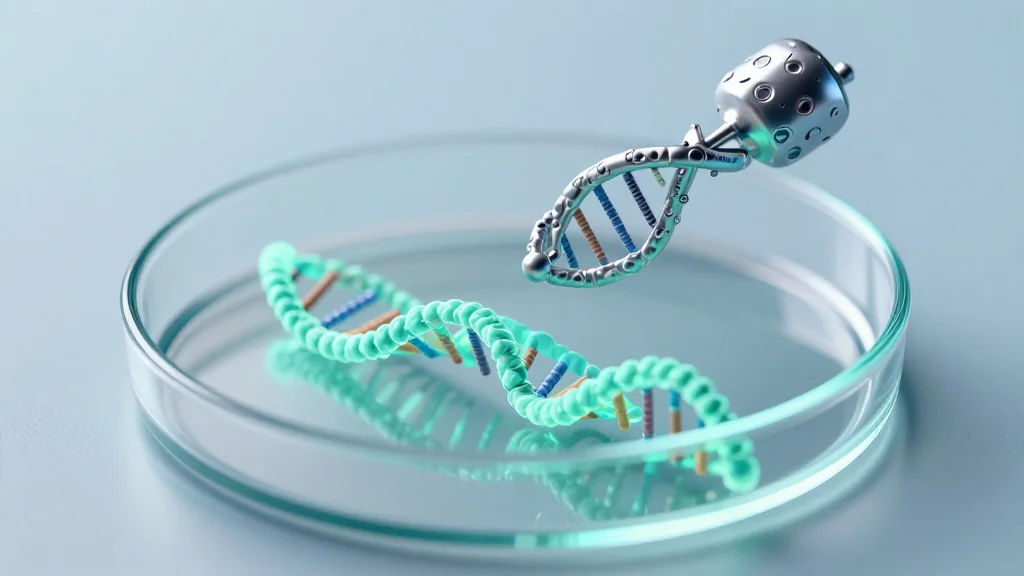
Researchers at Kyoto University and RIKEN identified the RNA‑binding protein DHX29 as the sensor that detects non‑optimal codons in human mRNA. Genome‑wide CRISPR screens, ribosome profiling, and cryo‑EM revealed that DHX29 binds ribosomes translating suboptimal codons and recruits the GIGYF2·4EHP...
Ion Pump for Clean Water
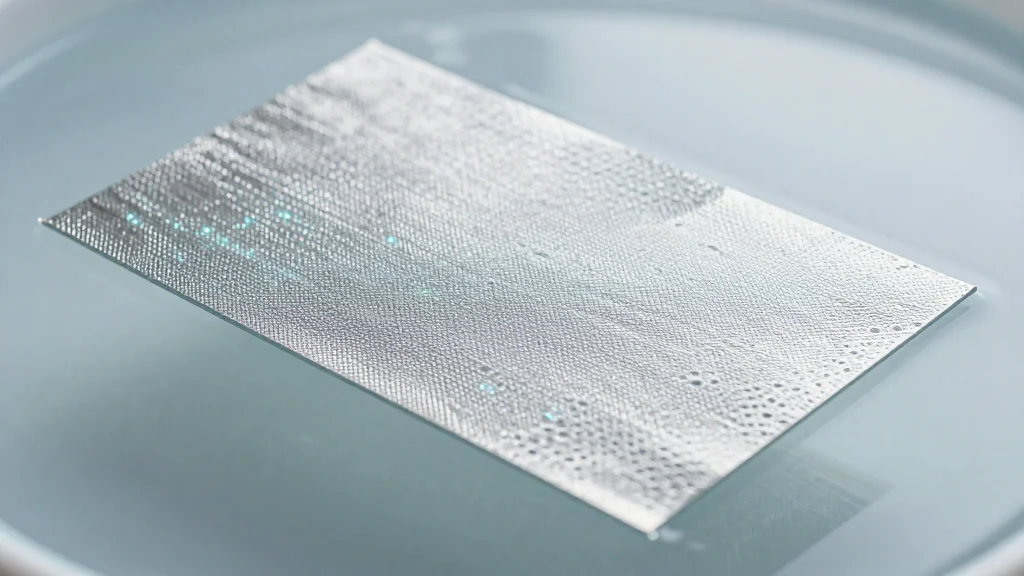
Scientists at UC Irvine, Tel Aviv University, UMass Boston and Lawrence Berkeley Lab have created a nanoporous membrane that transports ions using a capacitive electrochemical ratchet, eliminating the need for chemical reactions or moving parts. By applying rapid low‑voltage pulses,...

Fluorescent Microneedle Biosensors Turn Skin Biochemistry Into Scannable QR Codes
The article reports a new biodegradable microneedle patch that uses binary fluorescent probes to turn interstitial pH and glucose levels into a scannable QR code. Each of the 25 needles acts as an on/off switch at a predefined concentration, eliminating...
Accelerating Battery Electrolyte Discovery with AI-Predicted Electrostatic Potentials
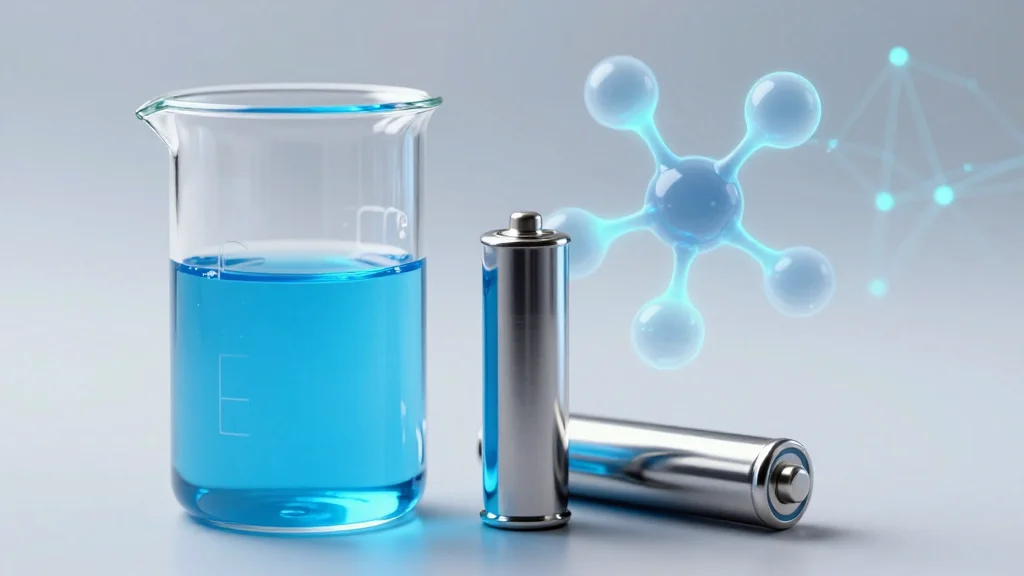
Researchers at Uppsala University demonstrated that machine‑learning models trained on molecular quadrupole moments can accurately reconstruct electrostatic potentials of battery electrolyte molecules, outperforming dipole‑based models. The quadrupole‑trained PiNet2 network achieved higher fidelity on both QM9 and SPICE benchmark datasets. By...

DNA-Engineered Silver Nanoclusters Enable Precision Killing of Drug-Resistant Bacteria
A team led by Kirill Afonin at UNC Charlotte engineered programmable DNA scaffolds that organize silver nanoclusters into highly potent antimicrobial agents. The spatially arranged DNA‑AgNCs showed up to 78‑fold greater killing efficiency against ESKAPE pathogens and meningitis‑causing bacteria compared...

4D-Printed Magneto-Plasmonic Microrobots De-Ice Exactly Where and when Needed
Researchers have created 4D‑printed microrobots that embed gold‑magnetite nanofillers, enabling magnetic‑field navigation and near‑infrared‑triggered plasmonic heating. The devices can melt ice with millimeter precision, demonstrated by a miniature ice‑breaker ship that traversed frozen surfaces while heating its hull above freezing....
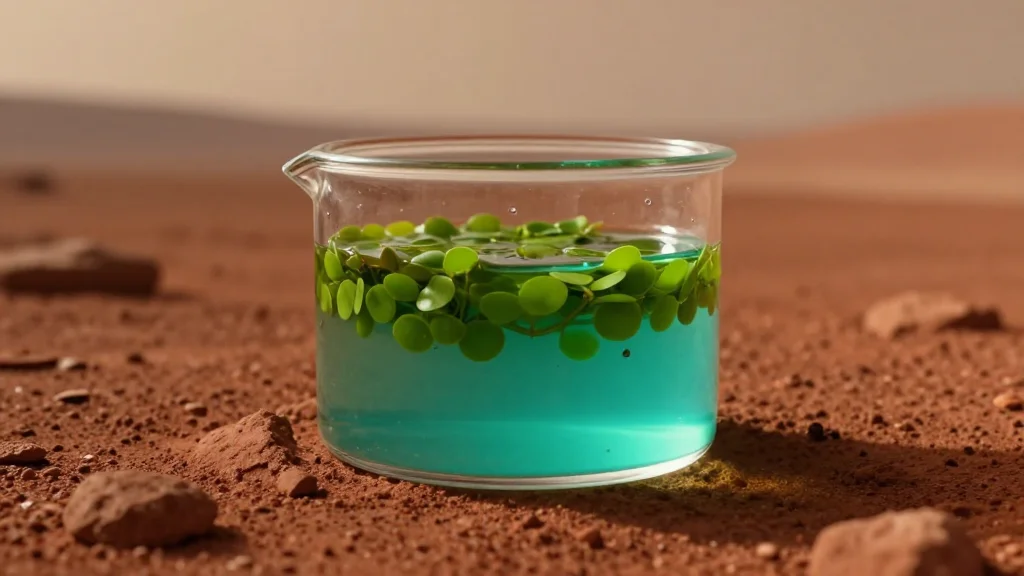
Fertilizer Made From Cyanobacteria Enables Plant Cultivation on Mars (W/Video)
Researchers have demonstrated a cyanobacteria‑based fertilizer that can be produced entirely from Martian resources and used to grow edible duckweed. The study optimized an anaerobic fermentation process at 35 °C, achieving high ammonium yields from simulated regolith. One gram of dry...