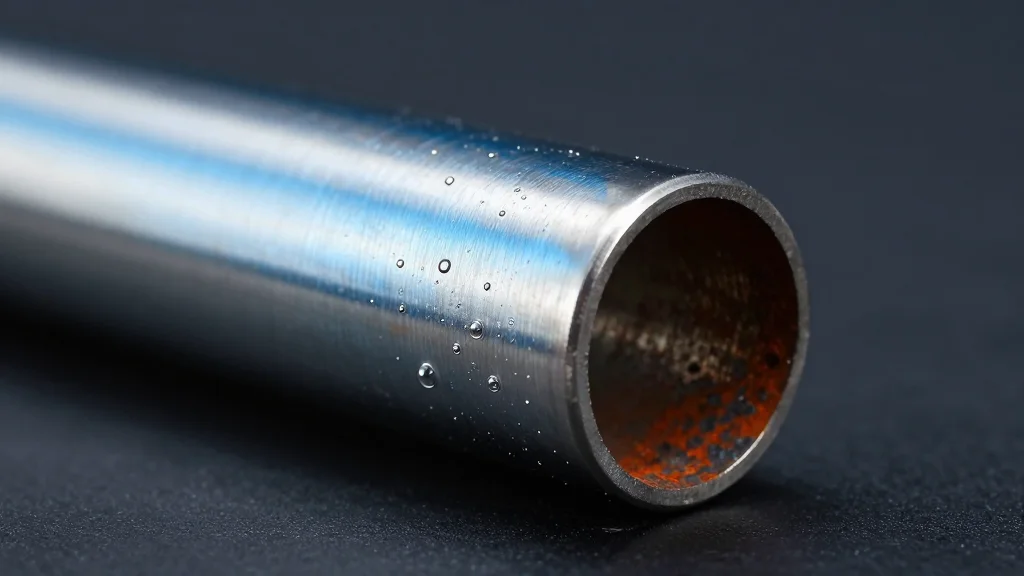
Researchers Reveal Why Hydrogen Metal Testing Methods Produce Unreliable Results
Key Takeaways
- •High charging currents create rust, dislocations, skewing hydrogen flux
- •Hydrogen bubbles cause Ohmic drops, further distorting measurements
- •Micro‑amp charging eliminates surface corrosion and bubble formation
- •Nickel coating on detector improves flux accuracy, cheaper than palladium
- •Reliable testing guides material selection for hydrogen‑blending infrastructure
Pulse Analysis
Hydrogen blending into existing natural‑gas networks promises rapid decarbonisation, but the smallest atom in the periodic table poses a formidable engineering challenge. When hydrogen permeates high‑strength steel, it can cause embrittlement, leading to cracks or leaks. Consequently, the industry relies on laboratory tests—most notably the electrochemical permeation technique—to quantify how much hydrogen a pipe can tolerate before its integrity is compromised. Yet, inconsistencies between test results and theoretical models have long hampered confidence in material selection, slowing investment in hydrogen‑ready infrastructure.
The breakthrough study by IIT Bombay and the Max Planck Institute pinpointed the root cause: excessive charging currents generate surface corrosion, create geometrically necessary dislocations, and produce hydrogen bubbles that interfere with the detector’s measurements. These artefacts manifest as a declining permeation flux, misleading engineers about a material’s true resistance to hydrogen. By reducing the charging current to micro‑amp levels, the researchers suppressed rust formation and bubble activity, achieving steady‑state fluxes that align with diffusion theory. Adding a thin nickel coating on the detection side further mitigated interference from iron oxides, offering a cost‑effective alternative to palladium while still delivering precise readings.
For pipeline developers and energy policymakers, the new protocol translates into tangible risk reduction and cost savings. Reliable diffusion data enable the selection of steels that meet safety thresholds without over‑engineering, accelerating the rollout of hydrogen‑blended pipelines across regions like India’s expanding network. Moreover, the methodology sets a benchmark for standards bodies to codify testing practices, fostering industry-wide confidence. As the hydrogen economy matures, such rigorous, reproducible testing will be a cornerstone of infrastructure resilience and investor assurance.
Researchers reveal why hydrogen metal testing methods produce unreliable results
Comments
Want to join the conversation?