
Engineered Bioprocess Converts CO2 Into Amino Acids at 97 Percent Efficiency
Georgia Tech researchers have unveiled a cell‑free biocatalytic platform that converts carbon dioxide into the amino acids serine and glycine with a 97% yield, the highest efficiency reported for any synthetic‑biology system. By introducing heat‑tolerant enzymes from Moorella thermoacetica and thermally denaturing residual cellular components, the team eliminated wasteful side reactions. A five‑fold reduction in the costly cofactor tetrahydrofolate (THF) cuts overall process expenses by 42%. The carbon‑negative, cost‑effective method is positioned for industrial scaling across pharma, feed and chemical sectors.
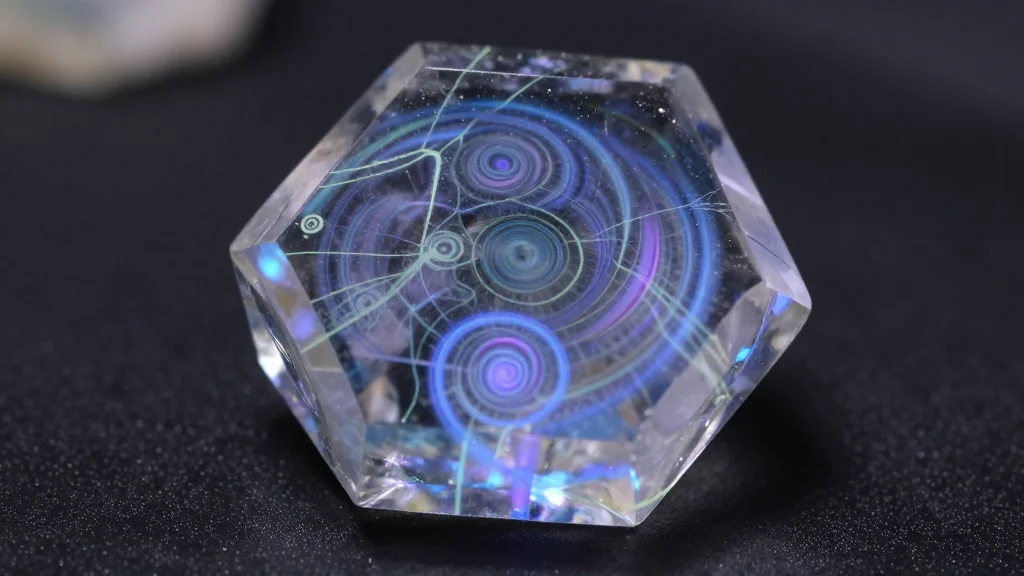
Magnetic Skyrmions Can Form Through Magnetoelastic Coupling Alone, New Theory Shows
Physicists at KAIST have shown that magnetoelastic coupling, a ubiquitous interaction in magnetic materials, can alone generate alternating skyrmion‑antiskyrmion arrays. Their theoretical model proves that neither crystal inversion asymmetry nor strong spin‑orbit coupling is required for these topological spin textures...
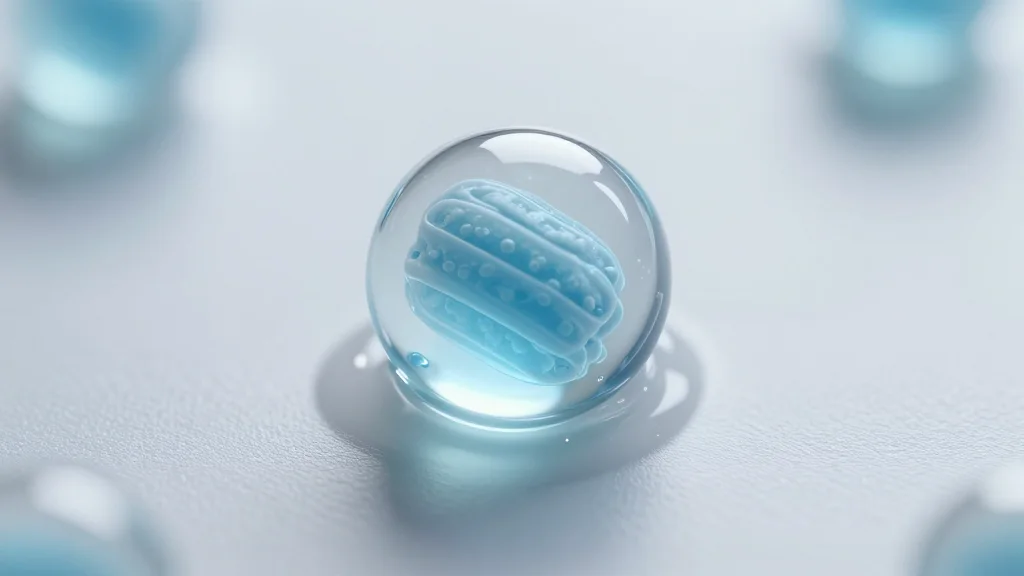
AI Model Uses 3D Lipid Structures to Improve mRNA Nanoparticle Delivery
Researchers at China’s National Center for Nanoscience and Technology have developed an AI‑driven platform that screens ionizable lipids based on their three‑dimensional conformations. The model identified a novel lipid, P1, which delivers mRNA 14.8 times more efficiently than the clinically...

MXene Nanosheet Catalytic Membranes Cut Pharmaceutical Wastewater Treatment Costs
Researchers at the Chinese Academy of Sciences have engineered MXene nanosheet‑based catalytic membranes that degrade antibiotics in pharmaceutical wastewater, integrating them with a membrane bioreactor to cut treatment costs by more than 30 % versus conventional methods. The membranes embed Fe₃O₄,...

Spray-On Fabric Coating Lightens the Environmental Load From Laundry
Researchers have created a spray‑on fabric coating that lets clothes be washed with water alone, eliminating the need for detergents. The bilayer coating, applied in five thin cycles, repels stains and reduces water, energy, and time use by more than...
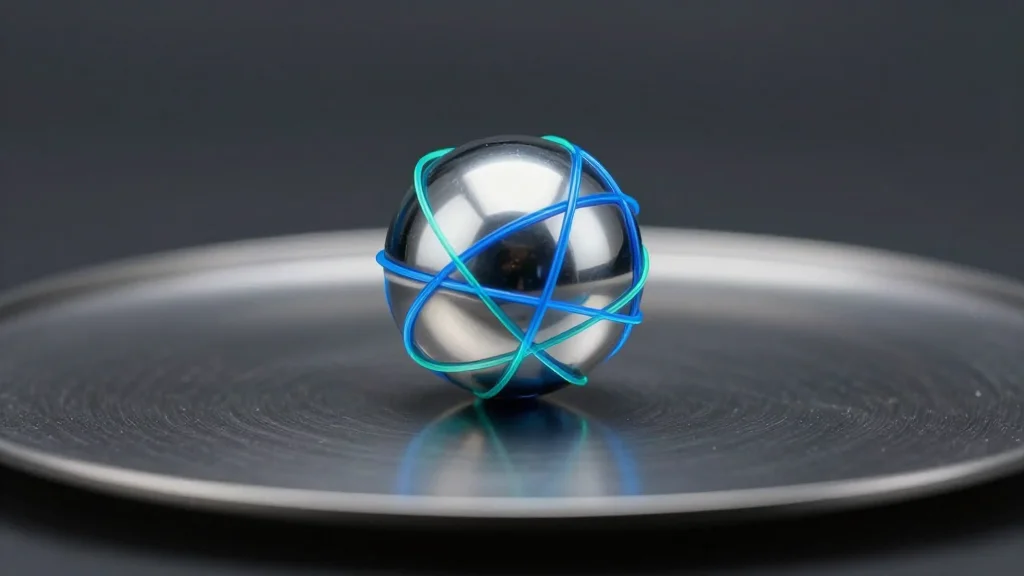
Challenging a 300-Year-Old Law of Friction
Researchers at the University of Konstanz demonstrated a new type of sliding friction that arises without mechanical contact, driven solely by collective magnetic dynamics. By varying the separation between two magnetic layers, they showed friction peaks at intermediate distances where...

How Young Galaxies Grew Magnetic Fields Faster than Expected
A study in Physical Review Letters proposes that turbulence generated by the gravitational collapse of plasma clouds can dramatically speed up the growth of large‑scale magnetic fields in nascent galaxies. The authors show that the collapse raises eddy turnover rates,...
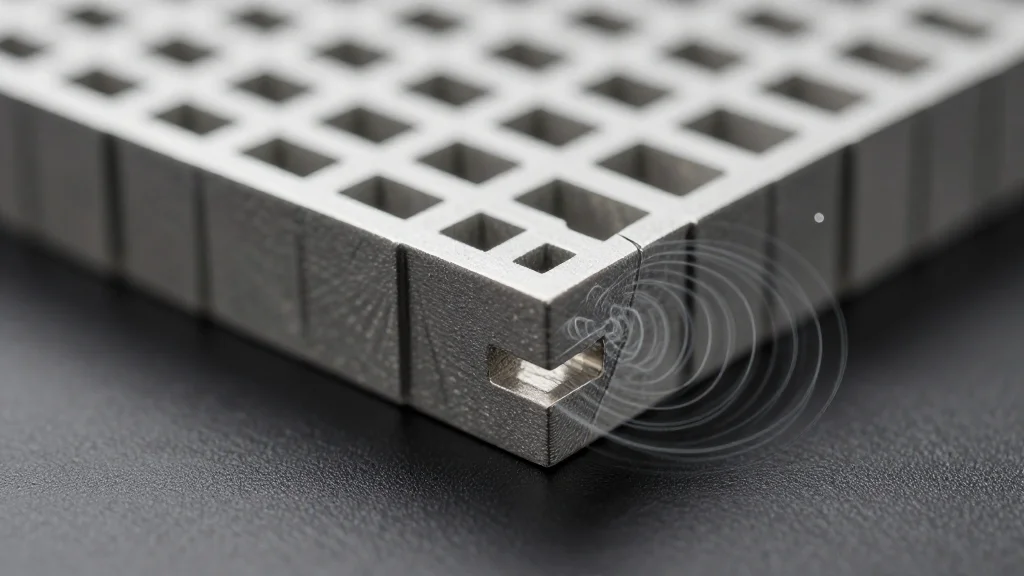
Sound Waves Could Be Used to Remotely Reprogram Material Stiffness
Researchers at UC San Diego, University of Michigan and CNRS have demonstrated that targeted acoustic frequencies can deterministically shift mechanical kinks in a topological metamaterial, instantly reconfiguring its stiffness profile. In a life‑sized chain of rotating disks, short sound pulses...
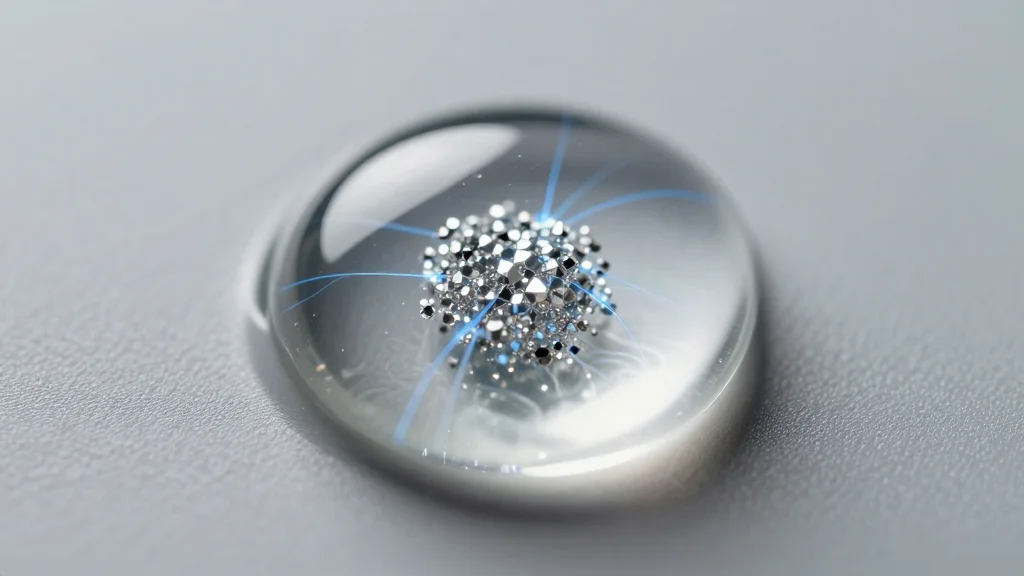
Machine Learning Maps Nanodiamond Nanofluid Performance on Wavy Surfaces
Researchers at Harbin Institute of Technology used a hybrid numerical‑simulation and neural‑network framework to map how nanodiamond aggregation, magnetic field strength, and surface waviness affect convective heat transfer. Aggregated nanodiamond particles lifted the Nusselt number by up to 30 % but...
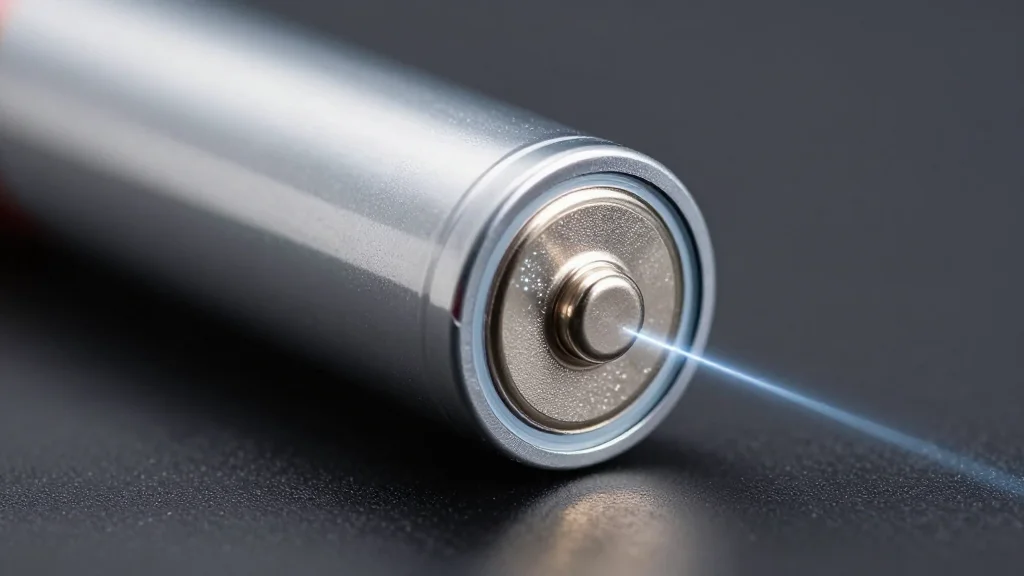
Laser Process Creates Silicon-Graphene Battery Anodes that Barely Lose Charge
Researchers at Tel Aviv University have unveiled a single‑step laser technique that fabricates prelithiated silicon‑graphene anodes under ambient conditions. The process embeds lithium directly into silicon nanoparticles within a graphene matrix, eliminating binders, conductive additives, and multi‑step chemistries. Resulting electrodes...
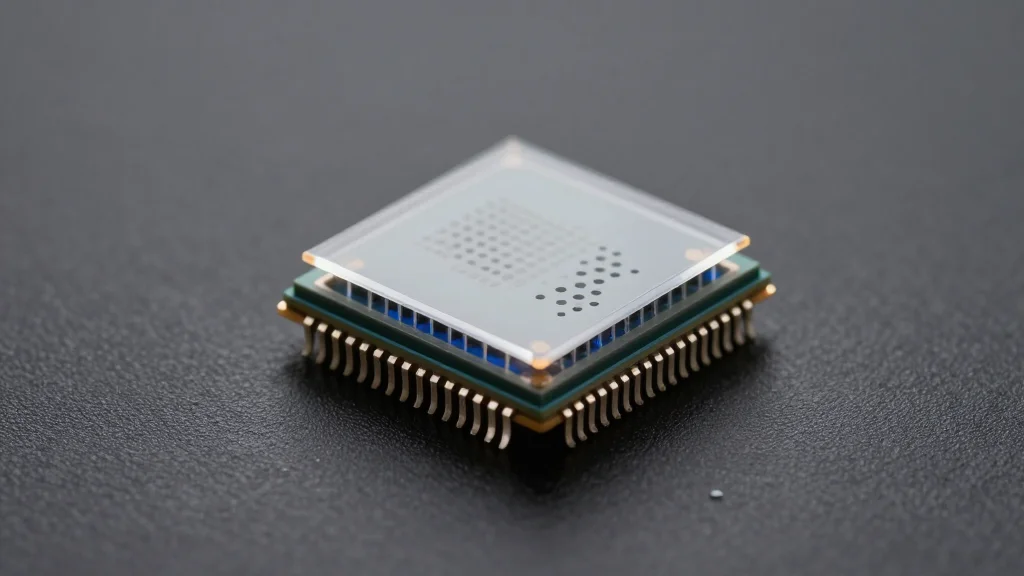
Dual-Gate Vertical Transistor Enables Stable Nanoscale 3D Chip Stacking
Researchers at DGIST unveiled a dual-modulated vertically stacked transistor featuring a graphene top gate and a micro‑hole bottom gate, achieving off‑state leakage as low as 10⁻¹² A. The design eliminates the need for expensive ultra‑precision alignment and operates at low temperatures,...
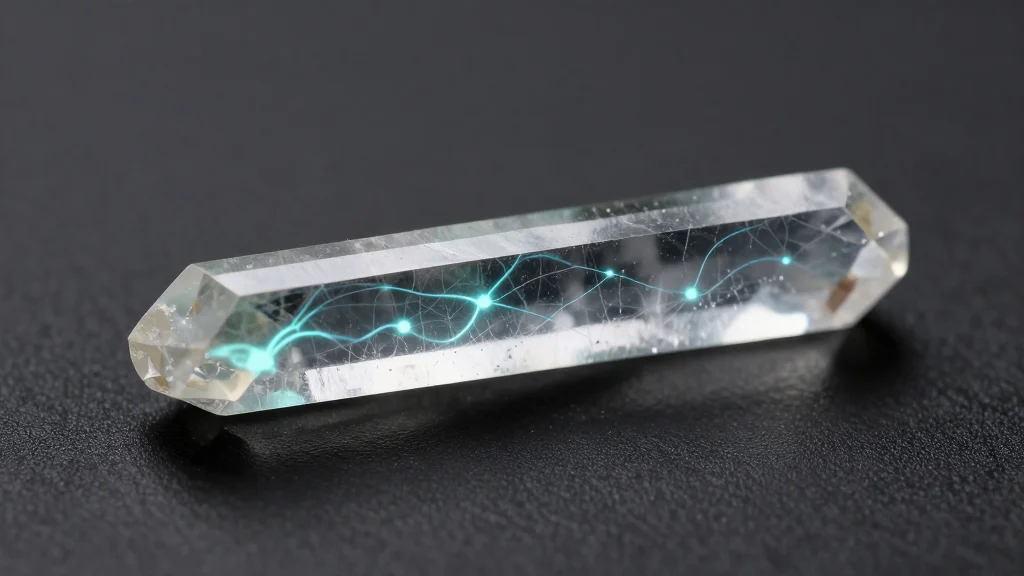
Dislocations Induce Ordered Polar Topologies in Antiferroelectric Thin Films
Researchers have shown that crystal dislocations in antiferroelectric PbZrO₃ thin films act as nucleation sites for ordered polar anti‑hedgehog lattices. Using atomic‑resolution TEM and phase‑field modeling, they demonstrated that electrostrictive and flexoelectric coupling at dislocation cores generates local electric fields...
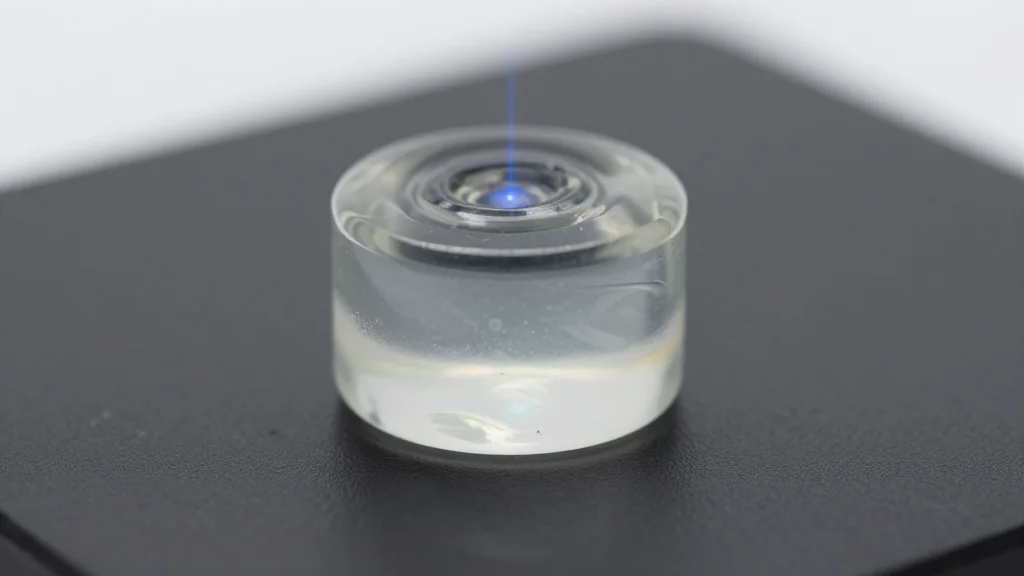
3D-Printable Metallic Glass Alloys Could Cut Electric Motor Energy Losses
Researchers at Saarland University have identified three iron‑based metallic‑glass alloys that can be fabricated with laser powder‑bed fusion 3D printing. The amorphous composition eliminates crystal‑lattice friction, dramatically reducing hysteresis (iron) losses in electric‑motor stators and rotors. These alloys contain 70‑80%...
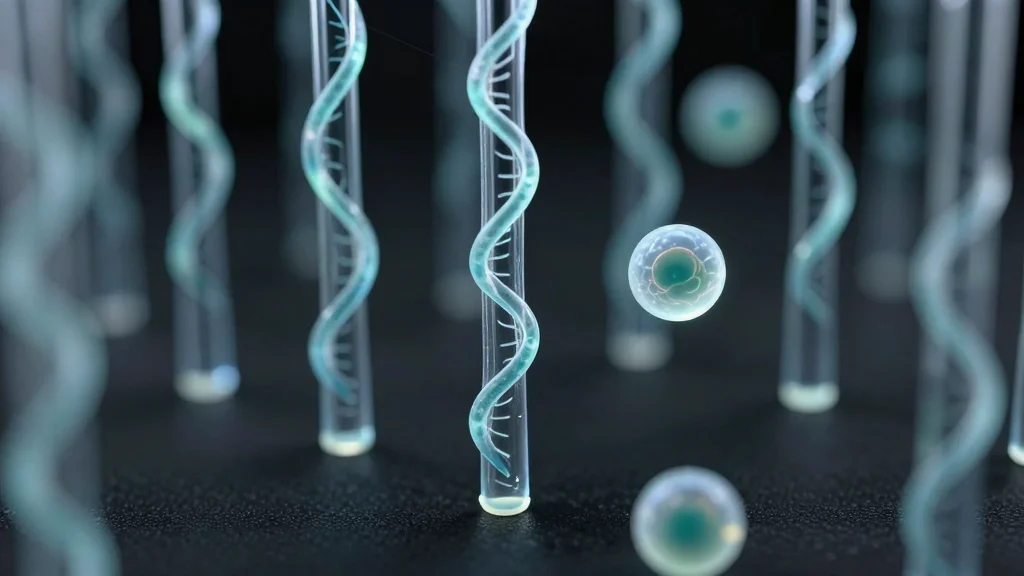
Silicon Nanotube Arrays Deliver mRNA Into Human Stem Cells While Preserving Pluripotency
A team from Monash and Deakin Universities demonstrated that silicon nanotube arrays can deliver functional mRNA into human induced pluripotent stem cells (hiPSCs) with transfection efficiencies between 55% and 64%. By redesigning nanotube geometry, using low‑molecular‑weight poly‑D‑lysine, and adjusting the...
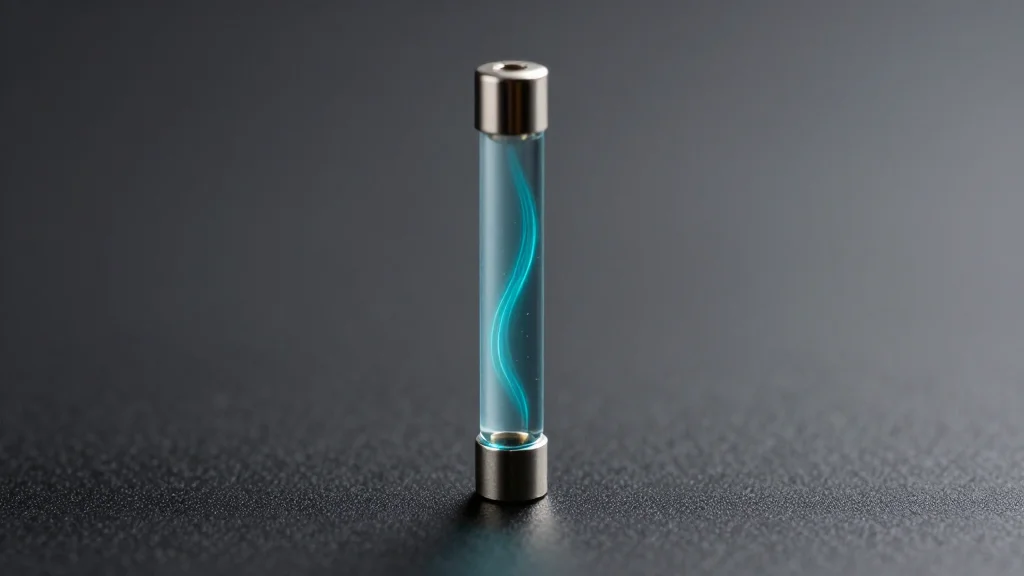
Hydrogen-Controlled AI Semiconductor Enables Learning and Memory in Two-Terminal Device
Researchers at DGIST have demonstrated the first AI semiconductor that uses electrically controlled hydrogen‑ion migration to perform both computation and memory in a vertical two‑terminal device. The hydrogen‑based resistive switching replaces traditional oxygen‑vacancy mechanisms, delivering uniform, stable operation over more...
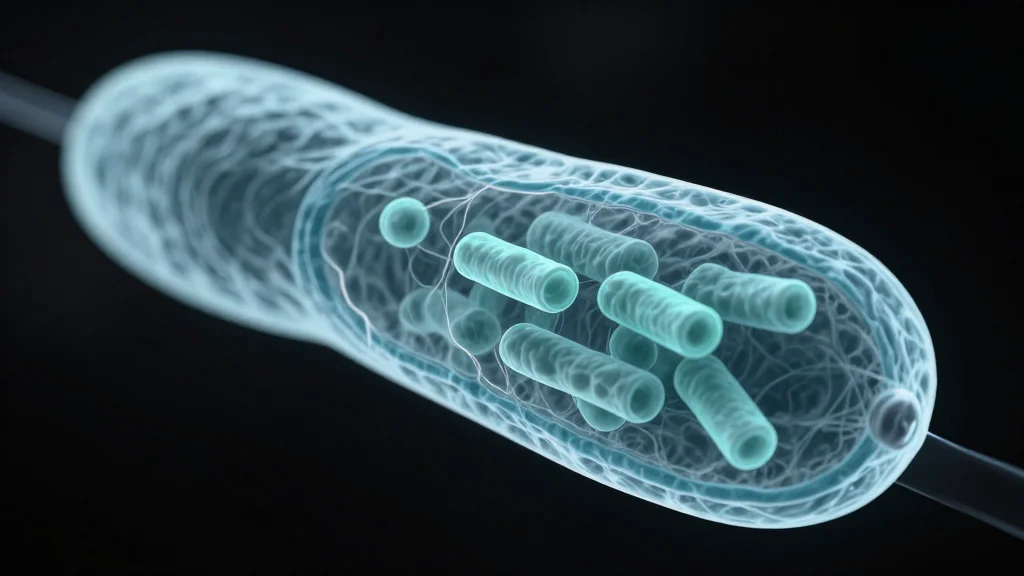
Electron Microscopy Reveals How Mitochondrial Stress Proteins Remodel to Protect Cells
Researchers at University Medical Center Göttingen employed cryo‑electron tomography to capture near‑atomic structural remodeling of the mitochondrial heat‑shock protein 60 (mHsp60) under proteostatic stress. The protein reconfigures its barrel‑shaped complex, boosting folding activity and preserving mitochondrial function in stressed human...
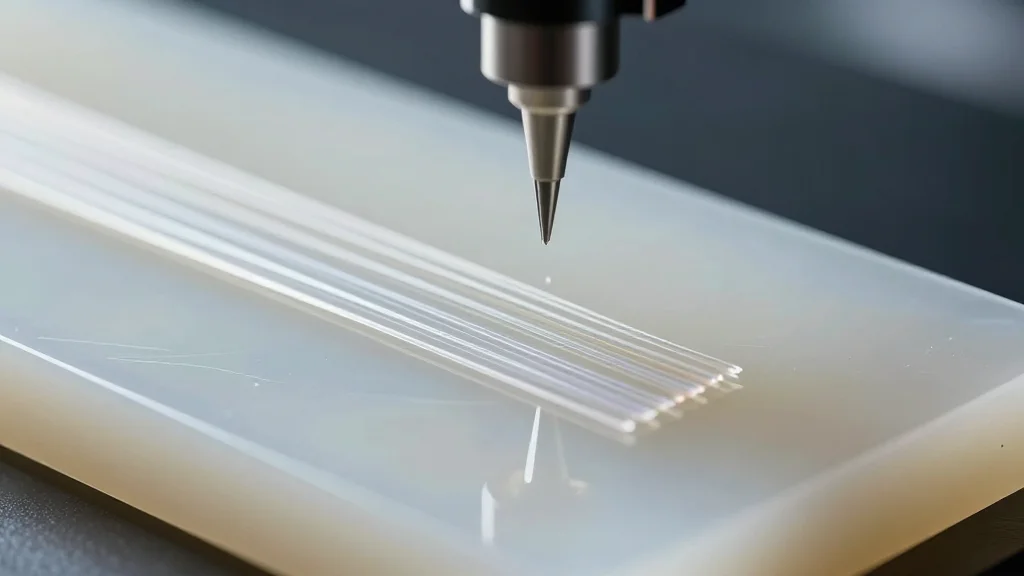
AI Decodes the Rules Behind Self-Assembling Protein Nanoribbons
Researchers at Pacific Northwest National Laboratory used the machine‑learning tool AtomAI to analyze atomic force microscopy images of designed protein nanoribbons on mica. The study discovered that a thin water layer on the mineral surface, not the underlying potassium lattice,...

Magnetic Microbots Turn Nanodiamonds Into Steerable Quantum Sensors
Researchers have mounted nitrogen‑vacancy nanodiamonds on helically shaped magnetic microbots, creating Mobile Quantum Sensors that can be steered through fluid without optical power. The magnetic actuation eliminates heating and preserves the fragile NV spin states, enabling coherent Rabi oscillations while...

How Materials Informatics Aids Photocatalyst Design for Hydrogen Production
Researchers used machine‑learning interatomic potential (MLIP) calculations to screen dopants for orthorhombic Sn₃O₄, identifying aluminum as a stable dopant. Experimental hydrothermal synthesis confirmed the predictions, with 5 % Al‑doped o‑Sn₃O₄ delivering 16‑times higher hydrogen production under visible light. The study demonstrates...
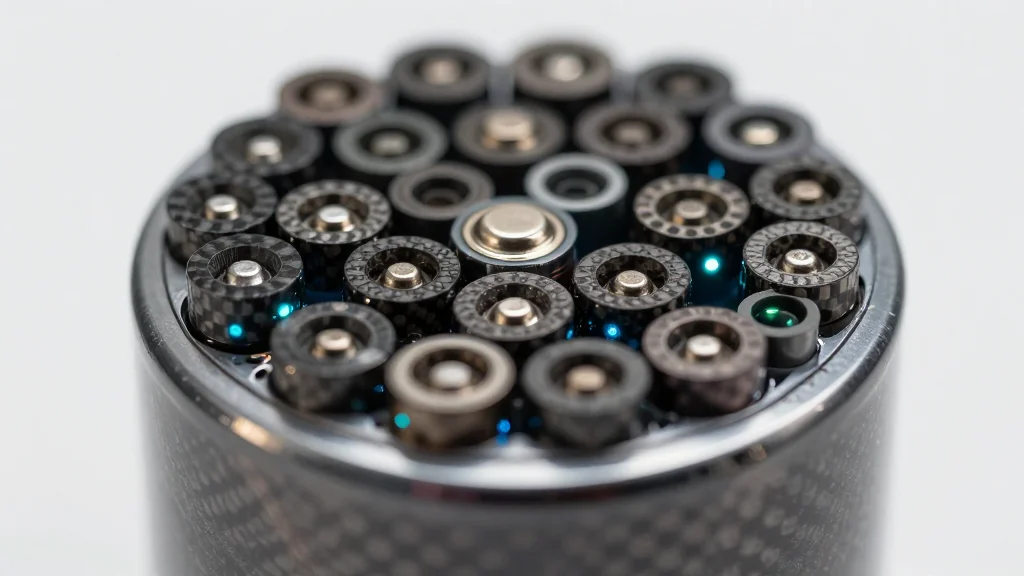
Sub-Nanometer Pores in Carbon Nanoreactors Trap Chlorine and Boost Li-Cl2 Battery Performance
Researchers have engineered hollow carbon nanoreactors with sub‑nanometer wall pores that physically trap chlorine‑electrolyte complexes inside Li‑Cl₂ battery cathodes. The 0.8 nm pores block 0.86 nm complexes while allowing lithium and chloride ions to pass, creating confined reaction chambers. This architecture delivers...
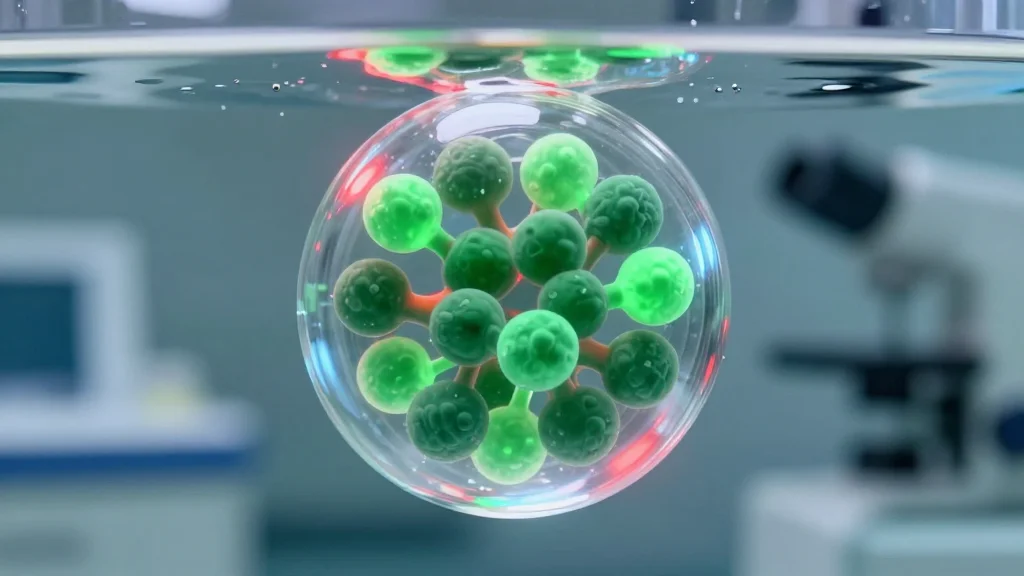
How an Alga Makes the Most of Dim Light
Osaka Metropolitan University researchers discovered that the freshwater alga Trachydiscus minutus captures far‑red light by arranging ordinary chlorophyll a into large, cooperative clusters within a novel protein complex called rVCP. Cryo‑electron microscopy revealed a tetrameric architecture composed of two heterodimers that...
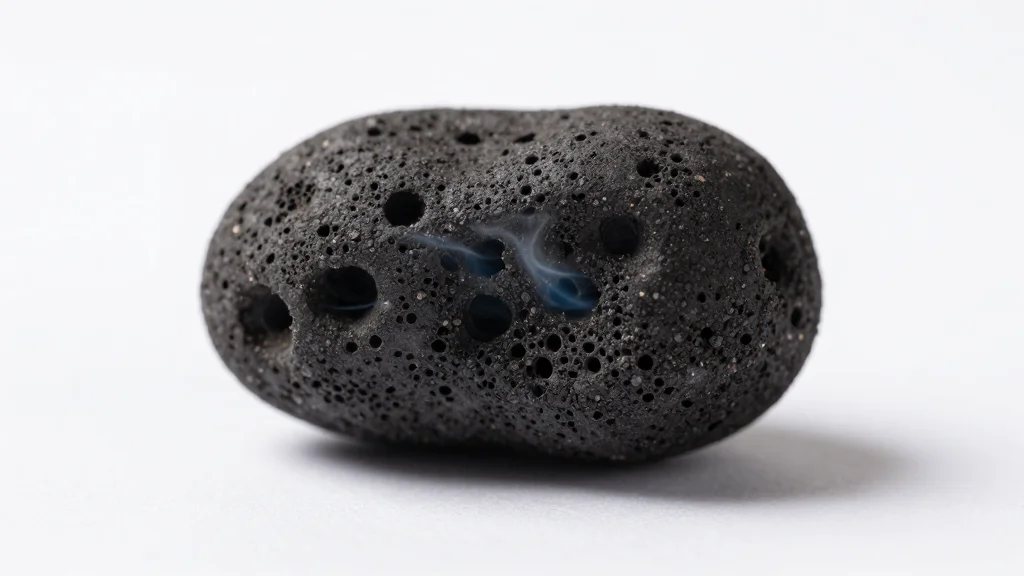
New Study Reveals Hidden Role of Larger Pores in Biochar Carbon Capture
Researchers at Shenyang Agricultural University have demonstrated that mesopores and macropores in biochar play an active role in CO₂ capture, overturning the long‑standing view that only micropores matter. By combining theoretical models with experiments on sawdust‑derived biochar produced between 300 °C...
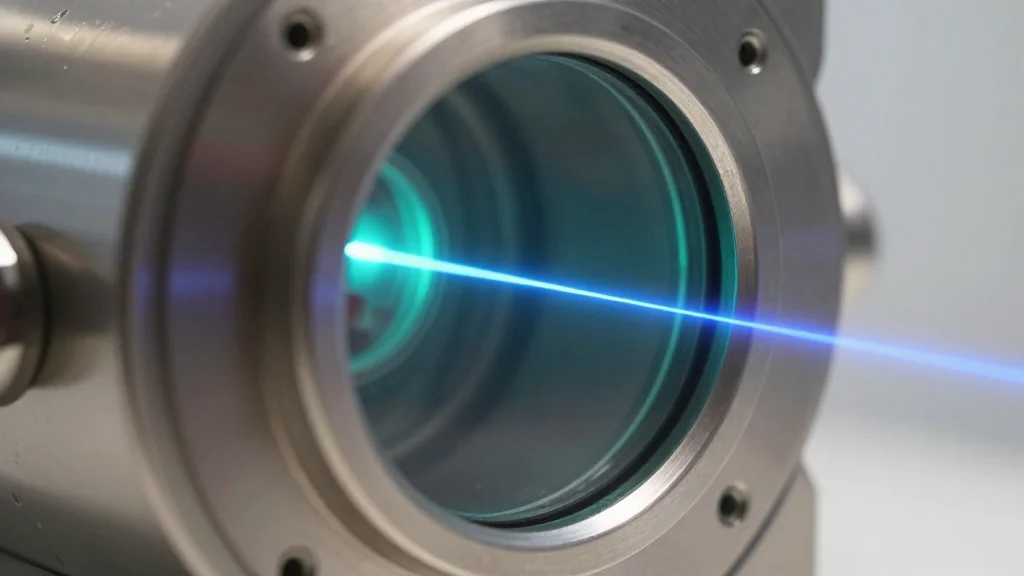
First Detection of Laser-Assisted Electron Scattering with Circularly Polarized Light
Physicists at Tokyo Metropolitan University have reported the first observation of laser‑assisted electron scattering (LAES) using circularly polarized femtosecond laser pulses on argon atoms. The measured energy and angular distributions displayed the characteristic Kroll‑Watson peaks, confirming the theoretical prediction, though...

Atomic Ratio Tuning in Catalysts Controls Carbon Nanofiber Production From CO2
Researchers reported a two‑stage tandem system that converts CO₂ and water into carbon nanofibers at 450 °C and ambient pressure. By varying the palladium‑to‑copper atomic ratio in a Pd‑Cu electrocatalyst, they tuned the syngas composition, achieving a peak CO partial current...

Gold Nanoclusters Could Help in Identifying Diseases
Researchers at the University of Jyväskylä used GPU‑accelerated simulations on the LUMI supercomputer to explore how chiral gold nanoclusters bind small chiral biomolecules. Nearly 100 cluster‑biomolecule pairings and 300 simulation runs revealed that only specific combinations trigger a measurable change...
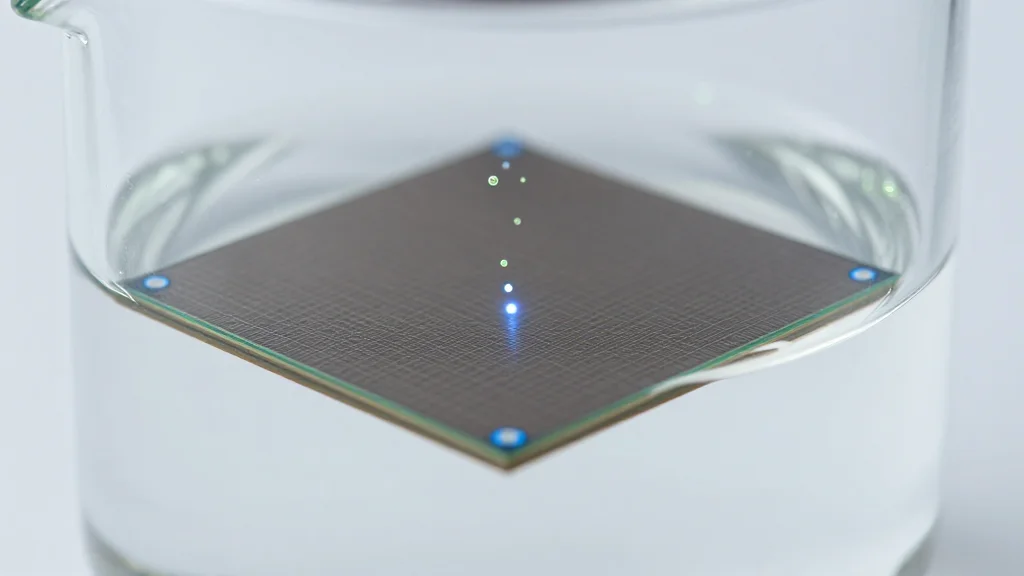
New Research Reveals How Semiconductor Electrodes Can Achieve Green Hydrogen Production
University of Jyväskylä researchers used a new constant inner potential density functional theory to model semiconductor electrochemistry, revealing that lowering the electrode potential creates polarons on TiO₂ surfaces that activate the hydrogen evolution reaction. State‑of‑the‑art Raman, electron resonance and photoelectron...

Comprehensive Digital Materials Ecosystem Streamlines Material Design
Researchers at Tohoku University have introduced a digital materials ecosystem that integrates databases, AI models, and closed-loop experimental workflows to accelerate material discovery. The platform automates candidate screening, prediction, and experimental planning, enabling rapid iteration across domains such as solid‑state...
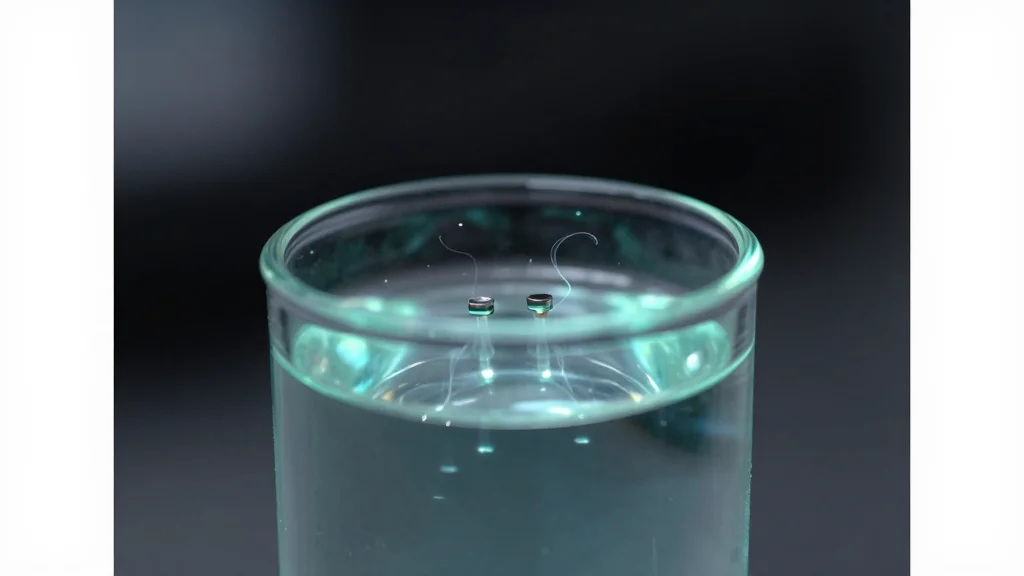
How Invisible Electric Fields Drive Device Luminescence
Researchers at Osaka Metropolitan University employed electroluminescence‑detected magnetic resonance (ELDMR) to directly observe fleeting electron‑hole pairs inside operating polymer light‑emitting electrochemical cells (LECs). Their measurements showed that mobile‑ion migration continuously reshapes the internal electric field, and that a lower, more...

How Orbital Overlap Dictates Molecular Conductance
Researchers at National Taiwan University introduced single‑atom bismuth and lead layers on gold electrodes to isolate the electronic contribution of the metal‑molecule interface. By measuring the interfacial hopping integral, they linked orbital overlap and molecular tilt directly to single‑molecule conductance....

Functionalized Nanoparticles Could Open the Door to Swallowable Insulin Pills
Researchers have grafted the permeation enhancer 1‑phenylpiperazine onto safe silica nanoparticles, creating a hybrid that boosts intestinal insulin absorption while eliminating toxicity. In obese, insulin‑resistant mice, oral insulin delivered with these functionalized particles lowered blood glucose for 8‑10 hours, outperforming...

Search Robot Thinks for Itself
Researchers at TUM have built a broom‑shaped robot that fuses 3‑D image recognition with large language models to understand and search real‑world spaces. By constructing centimeter‑accurate spatial maps and translating internet knowledge into robot‑specific cues, it can locate misplaced items...

Yttrium-Doped Nickel Catalyst Boosts Ammonia to Hydrogen Conversion Efficiency
Researchers at Tohoku University have created a yttrium‑doped nickel‑ceria catalyst (Ni₁Ce₁₋ₓYₓOα) that dramatically improves ammonia decomposition into hydrogen. The yttrium addition generates stable surface oxygen vacancies and tunes the electronic structure around nickel sites, lowering reaction energy barriers. The optimized...
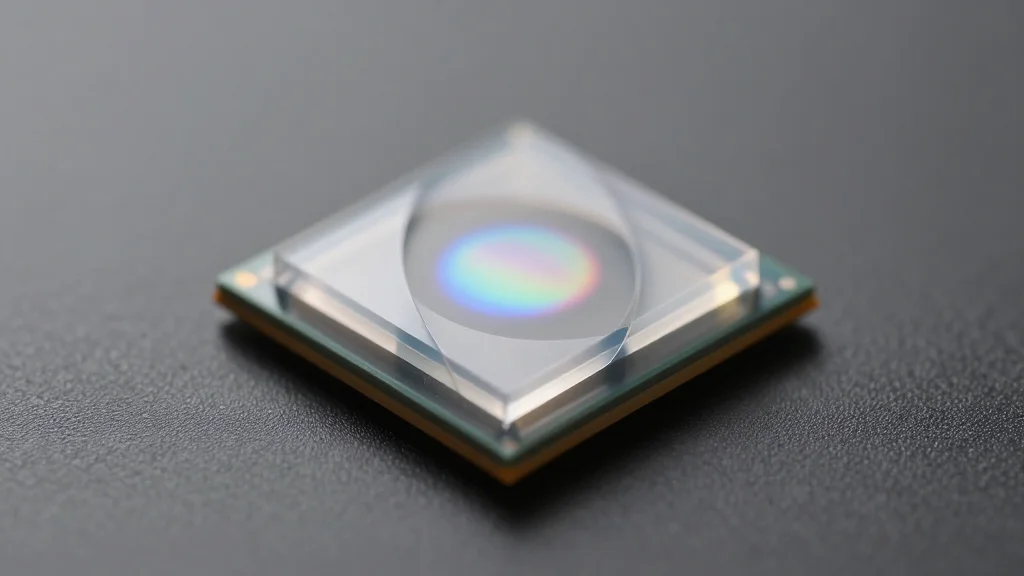
A Dynamic Twist of Light's 'Handedness'
Harvard SEAS engineers have unveiled a MEMS‑integrated twisted bilayer photonic crystal chip that can dynamically adjust its twist angle and inter‑layer spacing to control optical chirality. The reconfigurable device selectively transmits left‑ or right‑handed circularly polarized light, achieving near‑perfect discrimination...
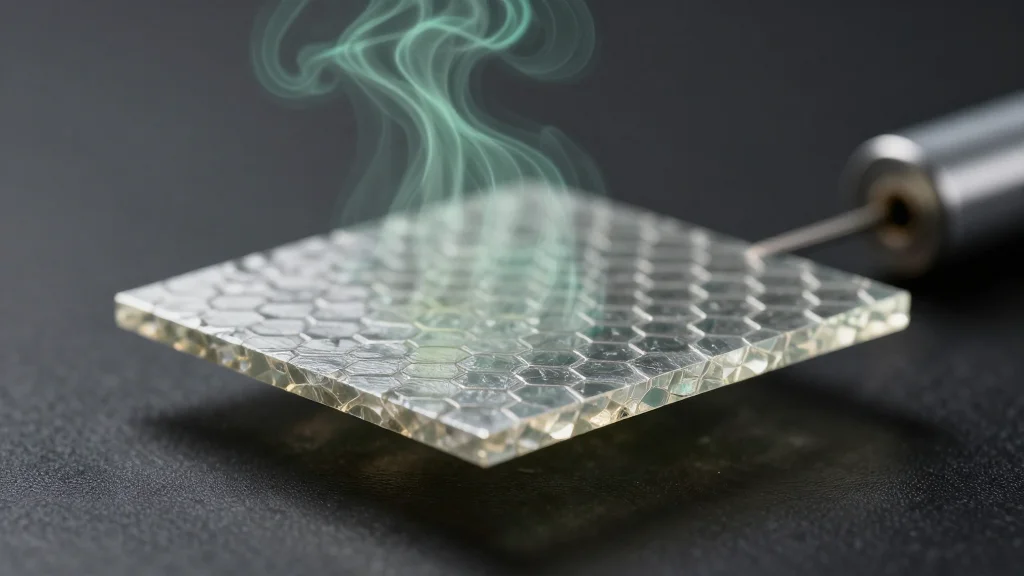
MXenes Move Closer to Real World Use in Energy Storage and Medicine
A Swiss research initiative, TailorX, has advanced the synthesis, modeling, and sustainable production of MXenes, a versatile class of 2‑D transition‑metal carbides and nitrides. The team built a high‑purity library of MAX‑phase precursors, deployed AI models to predict MXene structures...
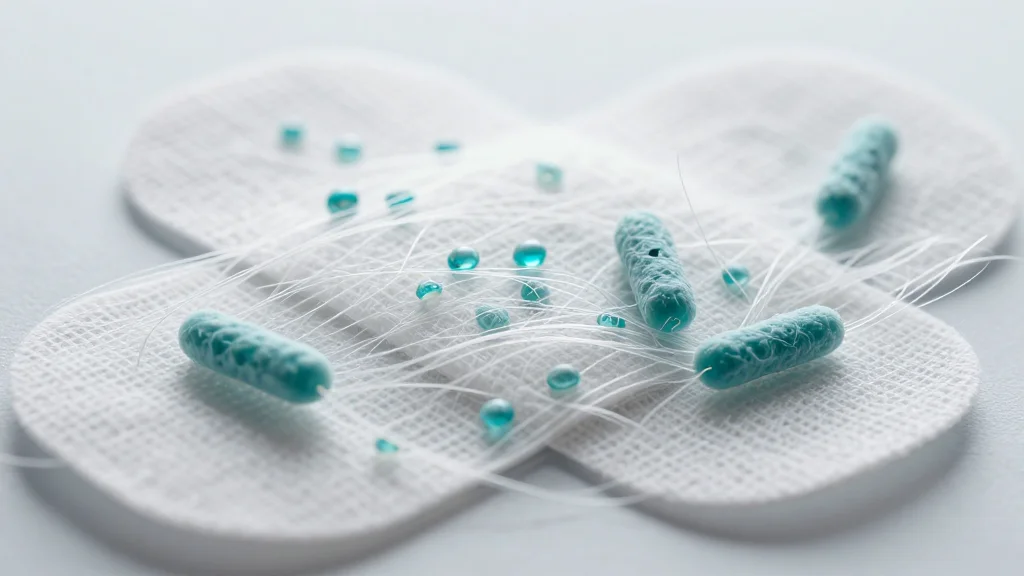
Graphene Oxide Destroys Bacteria without Harming Human Tissue
Researchers have demonstrated that graphene oxide (GO) selectively kills bacteria by forming hydrogen bonds with a phospholipid, POPG, found only in bacterial membranes. The study shows that GO’s oxygen‑rich surface is essential for this activity, achieving over 99% suppression of...

Atomic Force Microscopy Captures Thermal Fluctuations in Polymer Segments
Researchers at Kyushu University used atomic force microscopy to directly visualize the motion of individual polymer chain segments on solid surfaces. They identified three distinct dynamic states—thermally activated, thermally suppressed, and a switching state that alternates between the two—revealing non‑equilibrium...

Molecular Chainmail Made From Thousands of Interlocking DNA Rings
A team has created the first true “Olympic gel,” a material composed of over 16,000 distinct DNA plasmid rings that interlock mechanically rather than through covalent cross‑links. By employing a diversified lock‑and‑key design, each ring preferentially closes on itself, preventing...

Smart Ceramics Reveal a New Way to Control Heat Transfer, Boosting Thermal Conductivity Nearly Threefold
Researchers at Oak Ridge National Laboratory, Ohio State University and Amphenol demonstrated that applying an electric field to relaxor‑based ferroelectric ceramics dramatically extends phonon lifetimes, boosting thermal conductivity by nearly threefold along the field direction. Using inelastic neutron‑scattering at the...
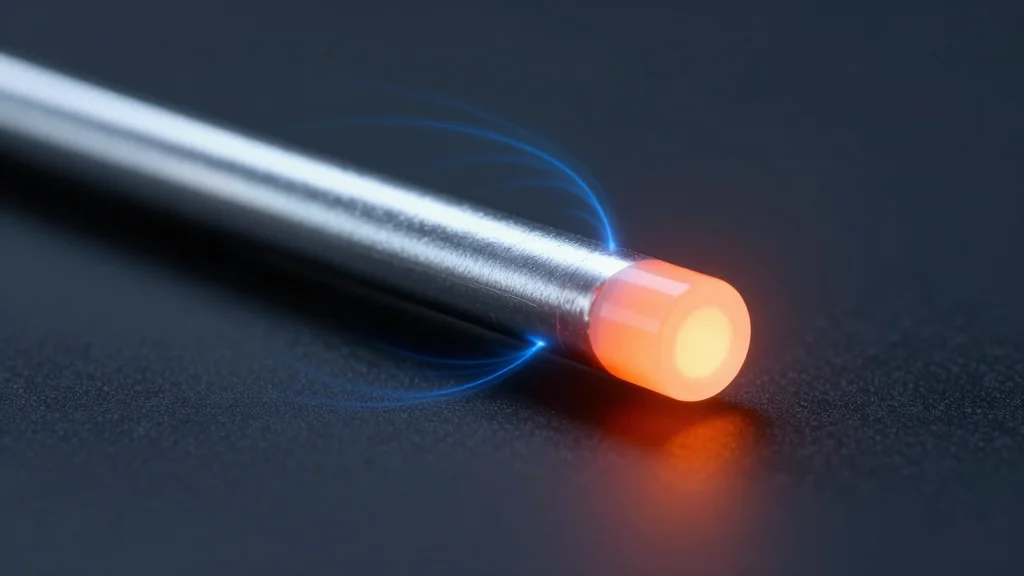
Metal Alloy that Shrinks when Heated Could Advance Precision Nanotechnology
Researchers at Tokyo Metropolitan University discovered that hydrogen‑treated cobalt zirconide contracts when heated due to a ferromagnetic phase transition, a mechanism distinct from the vibrational origin in its unhydrogenated form. The shrinkage occurs uniaxially and can be modulated by adjusting...

Eco-Friendly Cotton that Repels Water and Separates Oil
Researchers at INL have introduced a fluorine‑free technique that coats cotton with hydrophobic nanoparticles and hexadecyltrimethoxysilane, creating a water‑repellent, stain‑resistant fabric. The treatment forms micro‑ and nanoscale textures that preserve breathability while allowing oil to pass, enabling efficient oil‑water separation....
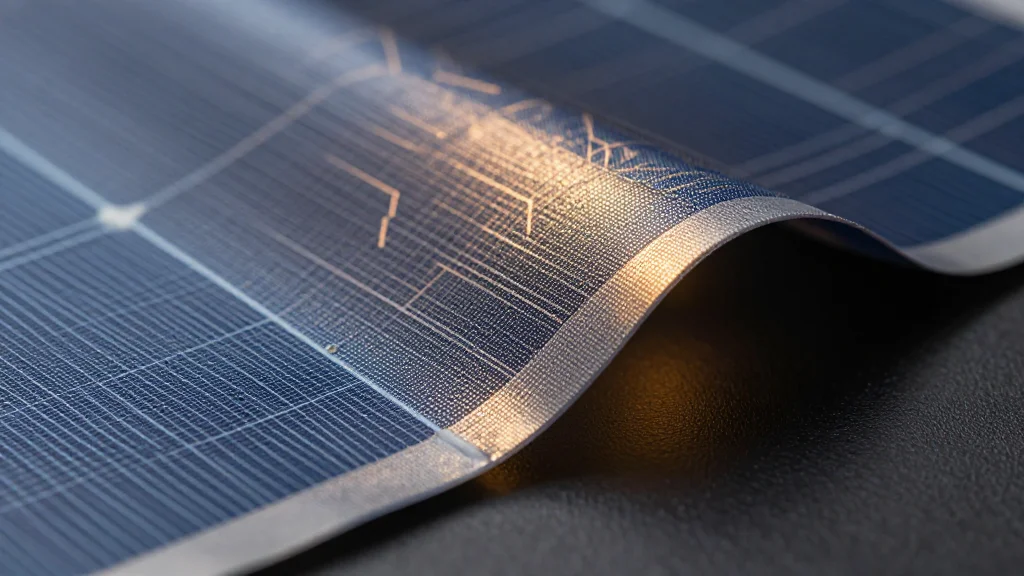
MXene Smart Textiles Could Track Vitals, Kill Bacteria, and Harvest Solar Energy
Researchers at the University of Georgia reviewed MXene‑based smart textiles that can monitor heart rate, blood pressure, and temperature while providing antimicrobial protection and solar energy harvesting. MXenes, a two‑dimensional metal‑derived material, can be coated or printed onto fabrics, turning...

Gradient Wall Microbottle Resonator Enables Large Scale Optical Trapping
The research team introduced a gradient‑thickness microbottle resonator that confines optical fields inside its silica walls, allowing large‑scale nanoparticle trapping over a 195 µm axial range with less than 0.2 mW of laser power. By shaping the wall thickness, peak fields are...

Tiny Thermometers Offer On-Chip Temperature Monitoring for Processors
Researchers at Penn State have created a microscopic on‑chip thermometer using a novel two‑dimensional bimetallic thiophosphate material. The sensor measures just one square micrometer, can be placed thousands of times on a processor, and responds to temperature changes in 100 nanoseconds....

A Quantum Property Is Hiding in One of the Most Common Lab Nanoparticles
Researchers have uncovered a room‑temperature quantum‑spin response in widely used carbon quantum dots, showing that their photoluminescence changes under modest magnetic fields. By heating simple amino‑acid powders, the team produced 19 dot variants, 16 of which displayed measurable magneto‑photoluminescence at...

AI Solves a Key Barrier to Making Hydrogen Cars More Affordable
Korean researchers at KAIST and Seoul National University used artificial intelligence to redesign hydrogen fuel‑cell catalysts, discovering that zinc directs platinum and cobalt atoms into a high‑performance intermetallic structure. The AI‑predicted Zn‑mediated catalyst outperforms commercial platinum catalysts in activity and...
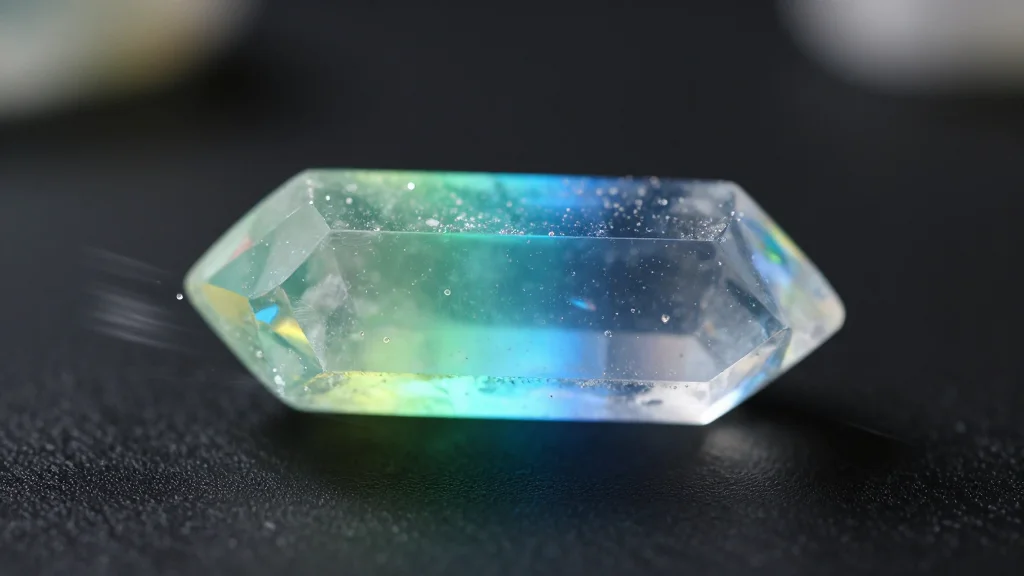
A Crystal that Changes Fluorescence Color and Moves when Heated
Chemists at National Taiwan University reported that a nonporous pentiptycene‑derived crystal can undergo a two‑step solid‑state transformation when gently heated. The first step creates gear‑like molecular rotations that open transient channels, allowing trapped dichloromethane to escape and shifting fluorescence from...

Synthetic Hydrogel Helices Amplify Movement without Muscles or Motors
The team from POSTECH and the University of Tokyo introduced a photopolymerization method that creates hydrogel helices with built‑in density gradients, enabling autonomous winding and unwinding. By using a helically wrapped UV‑blocking tape and a dissolved ruthenium absorber, they generate...
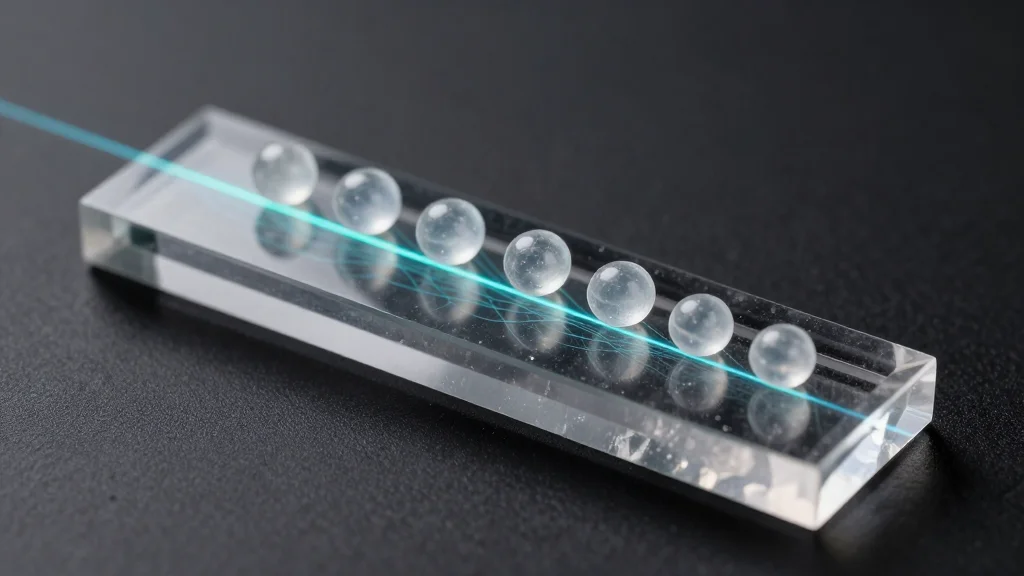
Light Alone Programs and Reprograms a Crystal Surface to Guide Living Cells
Researchers at Italy’s National Research Council have created an all‑optical bio‑photovoltaic interface using iron‑doped lithium niobate crystals. By projecting patterned laser light, they inscribe reversible electric fields that trap, align, and deform fibroblast cells without any electrodes or wiring. Cells...
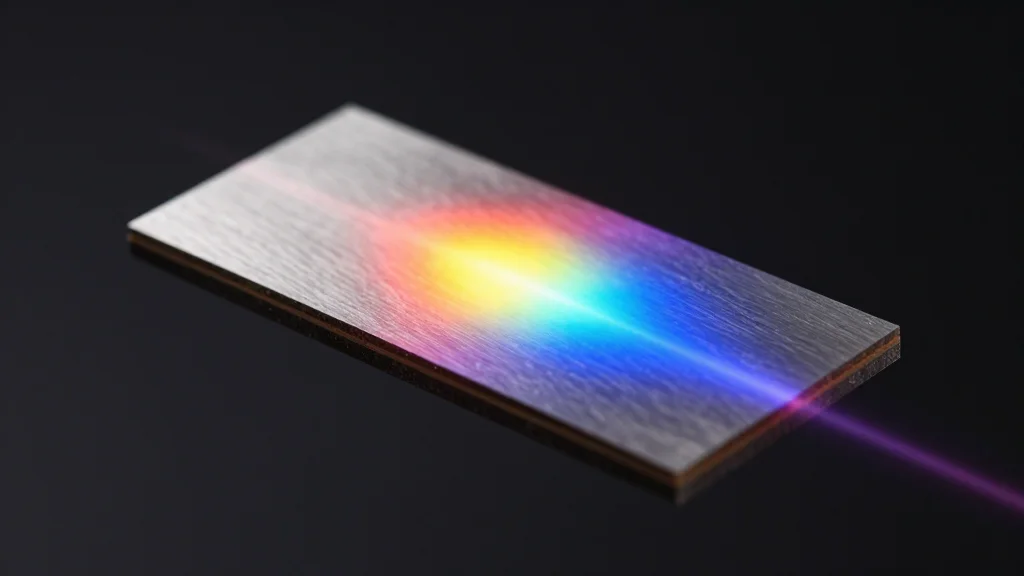
Femtosecond Laser Pulses Enable Ultrafast Broadband Optical Switching
Researchers at Waseda University used femtosecond laser pulses to raise the electronic temperature in an indium‑nitride (InN) film, triggering transient Pauli blocking that makes the material switch from opaque to transparent. The effect spans the visible to near‑infrared spectrum and...

Polar Bear Hair Inspires Graphene Fibers that Sense, Insulate, and Power Smart Clothing
Researchers in China have created hollow graphene aerogel fibers that replicate the hollow, porous structure of polar‑bear hair. The fibers achieve a record‑low thermal conductivity of 1.28 mW·(m·K)⁻¹ and an electrical conductivity of 1,457 S·m⁻¹ after high‑temperature annealing. Their architecture provides exceptional...