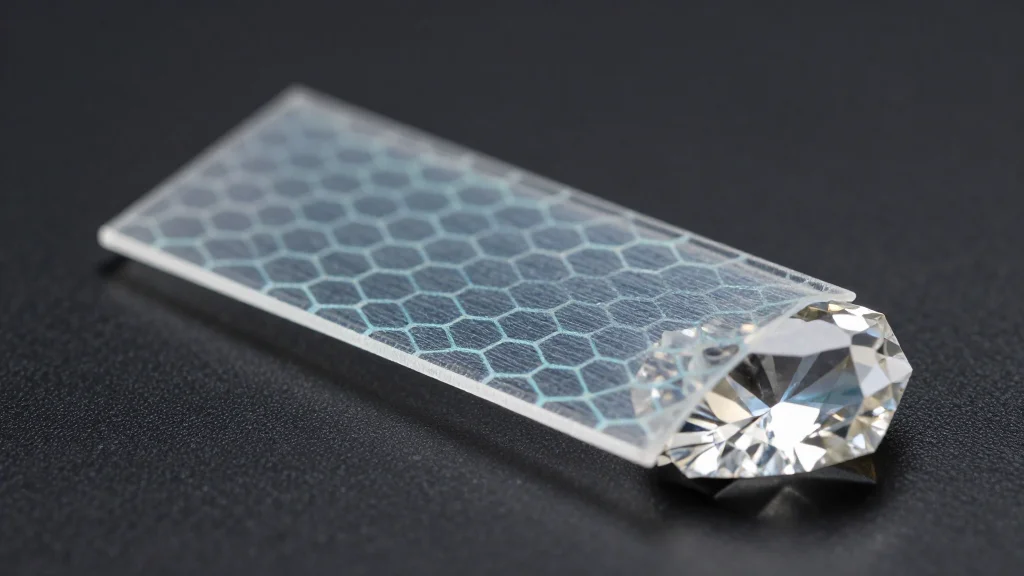
When the Softest Carbon Meets the Hardest
Researchers at Shanghai Jiao Tong University reviewed the emerging field of graphene‑diamond hybrids, materials that combine the flexibility and conductivity of graphene with the hardness and thermal stability of diamond. They categorize hybrids into van der Waals structures with weak interfacial bonding and covalent structures with strong carbon‑carbon links. New fabrication techniques, such as liquid‑gallium‑mediated growth, enable direct graphene formation on diamond, yielding superior heat‑transfer and wear‑resistant properties. However, large‑area production and consistent quality, especially for covalent hybrids, remain significant challenges.
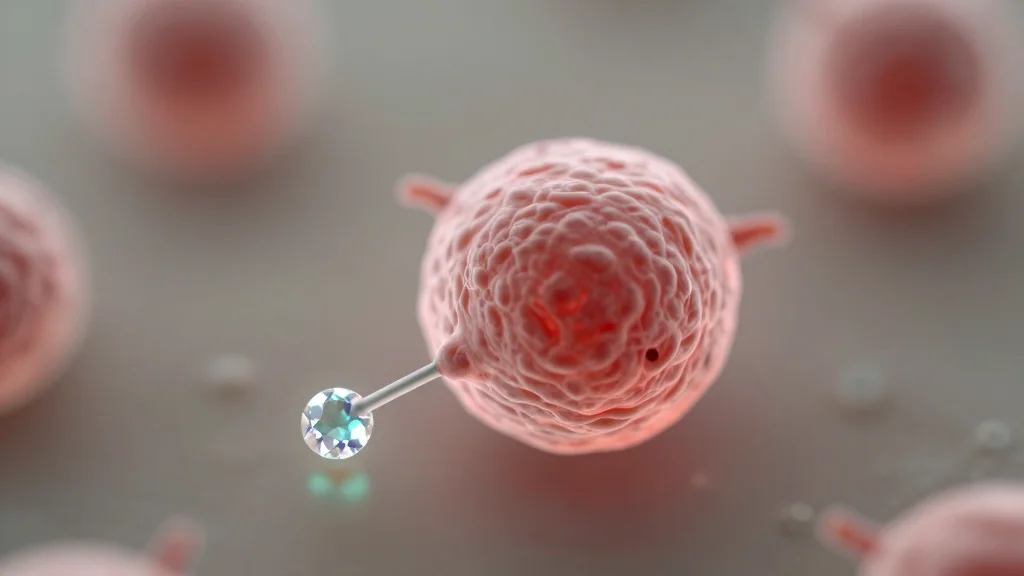
Diamond Quantum Sensors Detect Immune Cell Inflammation Through Electric Charge Shifts
Researchers at the University of Chicago and the University of Iowa have demonstrated that diamond nanoprobes containing nitrogen‑vacancy (NV) centers can detect inflammation in individual macrophages by measuring electric‑field‑induced shifts in the zero‑field splitting (ZFS) parameter. By introducing a secondary...

Unveiling Polymeric Interactions Critical for Future Drug Nanocarriers
Researchers at Chiba University have experimentally quantified how poloxamer 407 (P407) micelles interact in phosphate‑buffered saline, a physiologically relevant medium. Using small‑angle X‑ray scattering and dynamic light scattering, they derived the pair interaction potential and observed that micelles become more regularly...
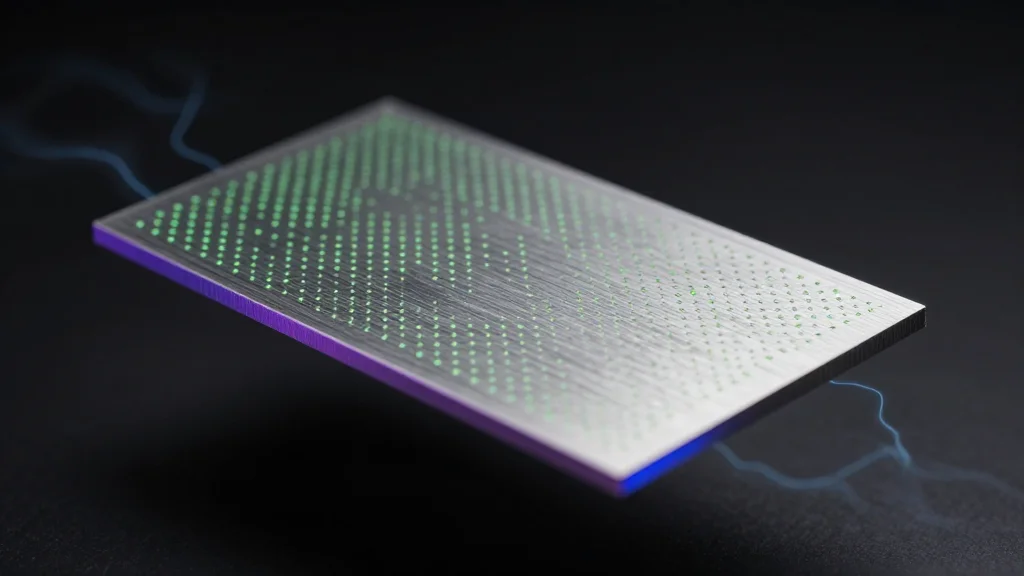
Production of Ultra-Clean MXenes with Outstanding Electrical Performance
An international team introduced a gas‑liquid‑solid (GLS) synthesis that produces MXenes with atomically uniform halogen terminations, eliminating the impurity‑laden surfaces of traditional chemical etching. The method, demonstrated on eight MAX phases, yields titanium carbide Ti₃C₂Cl₂ with a 160‑fold boost in...

New Method Measures Energy Dissipation in the Smallest Devices
Stanford researchers have unveiled a breakthrough technique that directly measures entropy production in quantum dots, providing the first experimental quantification of energy dissipation in a non‑equilibrium nanoscale system. By pulsing a laser to drive the dots far from equilibrium and...
Making Hydrogen Fuel Cells 'Less Precious'
Engineers at Washington University in St. Louis have stabilized inexpensive iron catalysts to replace platinum in hydrogen fuel cells, potentially cutting vehicle costs from $70,000 to $30,000. Platinum currently accounts for about 45 % of fuel‑cell stack expenses, limiting market adoption...
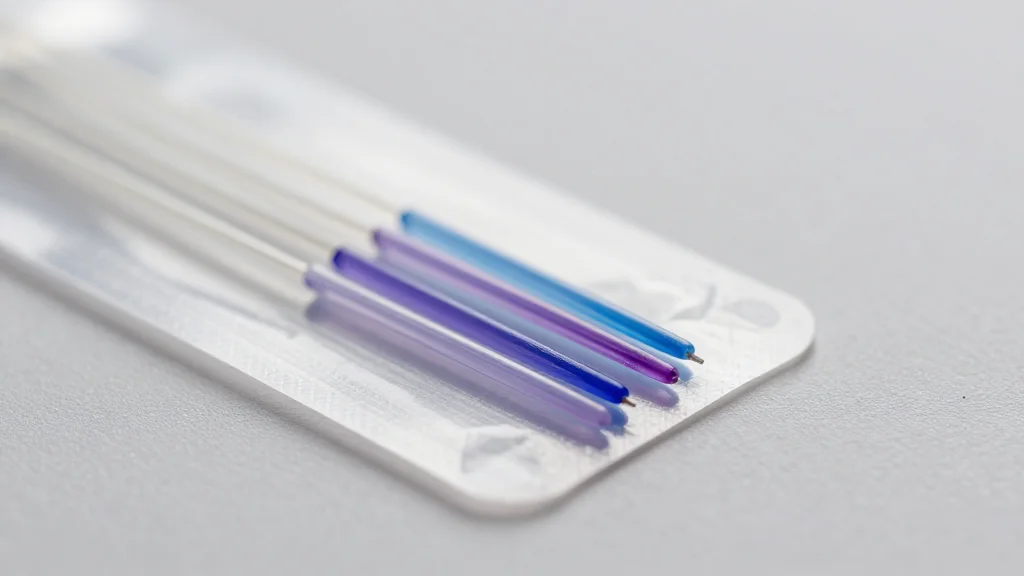
A Color-Changing Microneedle Sensor Made From Food Ingredients Can Detect Spoilage Through Sealed Packaging
Researchers have created a food‑safe gelatin microneedle sensor that pierces sealed packaging and changes color as protein‑rich foods spoil. The device embeds red‑cabbage anthocyanin, shifting from purple to blue when pH rises, providing a visual spoilage cue. Mechanical tests show...
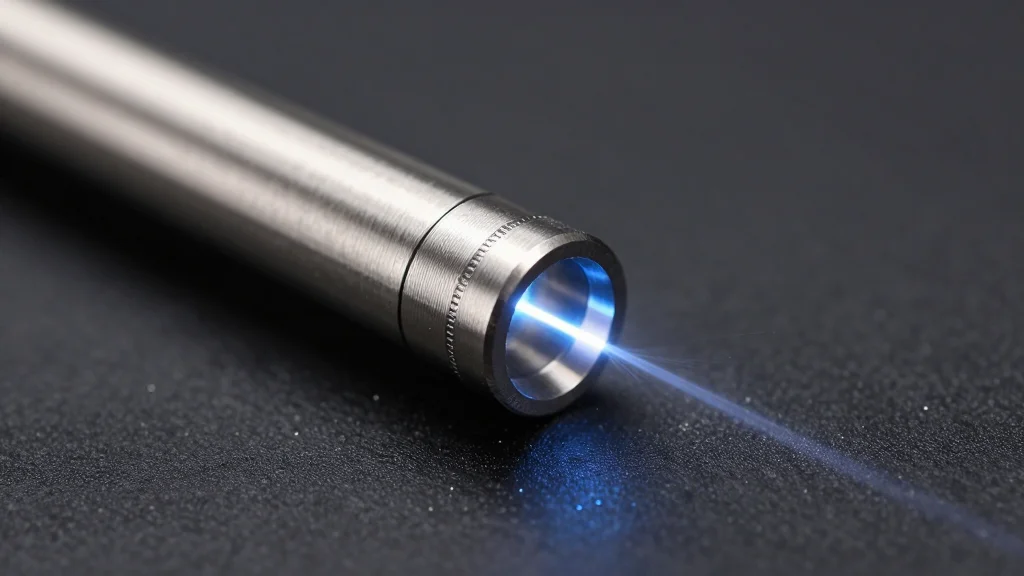
Researchers Find a Way to 3D Print One of Industry's Hardest Engineering Materials
Researchers at Hiroshima University have demonstrated a novel additive‑manufacturing route that uses hot‑wire laser irradiation to 3D print tungsten‑carbide‑cobalt (WC‑Co) cemented carbides. The process softens, rather than fully melts, the material and achieves industrial‑grade hardness above 1400 HV without defects. By...
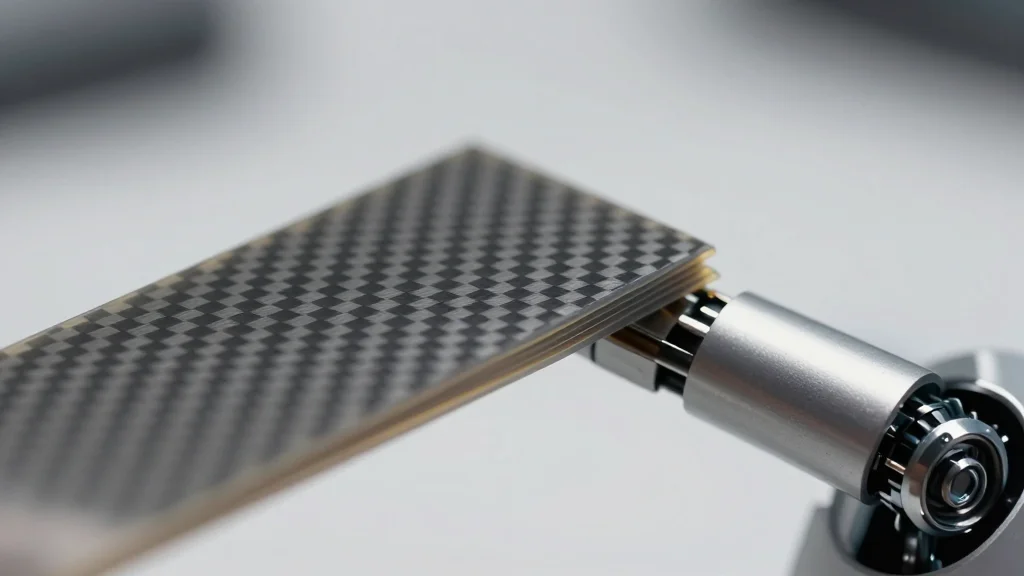
Stacked Carbon Nanotube Films Turn a Touch Sensor Into a Self-Computing Skin
Researchers at Xiamen University have created a flexible electronic skin that uses vertically stacked carbon‑nanotube films to sense both touch location and pressure simultaneously. The multilayer design produces a single analog signal for position and uses the number of activated...

Researchers Break Materials Theory with a New Type of Plastic
Researchers at Wageningen University have created a new class of plastic, dubbed a compleximer, that defies conventional materials theory. The polymer is held together by physical ionic attractions rather than chemical cross‑links, giving it glass‑like reshaping ability while retaining plastic‑like...

DNA Vaccine Scaffolding Boosts HIV Immune Response
Researchers at Scripps Research and MIT engineered a DNA origami scaffold that carries HIV envelope proteins while remaining immunologically silent, eliminating antibodies against the carrier. In mouse models the DNA‑based particles displayed 60 copies of the antigen and generated ten...
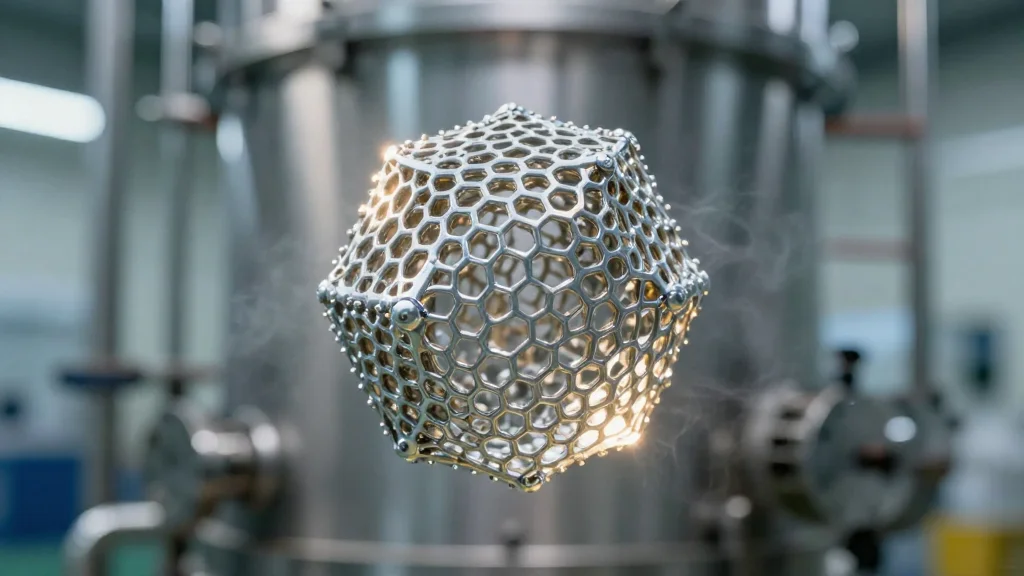
Industrial-Scale Production Could Bring MOFs From Lab to Everyday Pollution Control
Researchers at Kaunas University of Technology have demonstrated that metal‑organic frameworks (MOFs) can be manufactured at industrial scale with a financially viable techno‑economic profile. By adapting laboratory synthesis to existing industrial equipment, the study shows production lines capable of several...
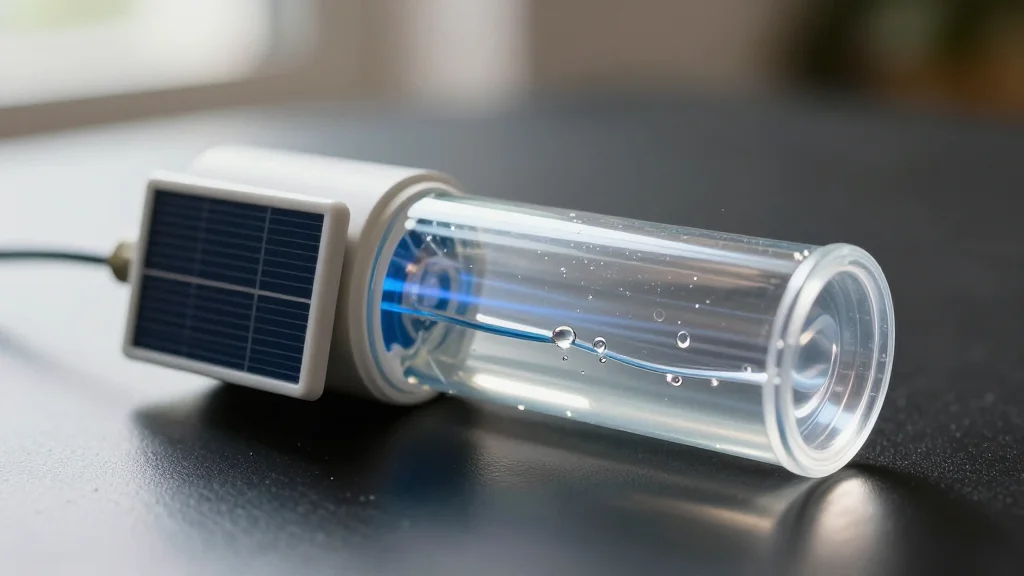
Electric Fields Remove Nanoplastics From Water without the Need for Nanoporous Filters
Researchers at Pohang University unveiled a solar‑powered electrokinetic water filter that eliminates nanoplastics and bacteria without nanoporous membranes. The hierarchical membrane uses a charge‑based depletion zone to repel particles smaller than 10 nm, achieving over 99.9% removal at fluxes above 400 L m⁻² h⁻¹...
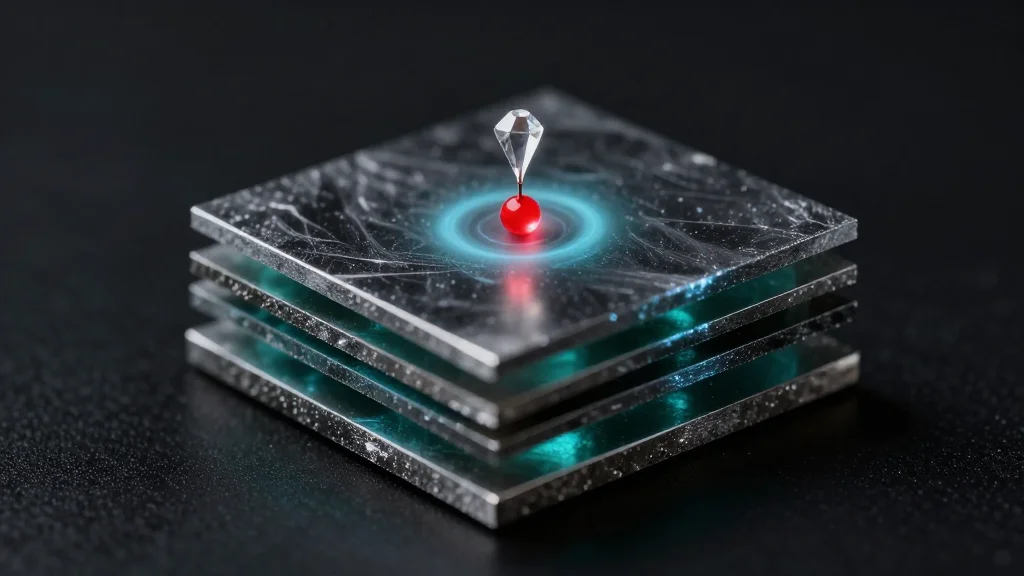
Twisted 2D Layers Reveal Stable Nanoscale Magnetic Structures
Researchers at the University of Stuttgart experimentally created and directly detected skyrmions in a twisted four‑layer chromium iodide (CrI₃) structure. By rotating two bilayers relative to each other, a novel magnetic state emerged that is robust against environmental disturbances. Detection...
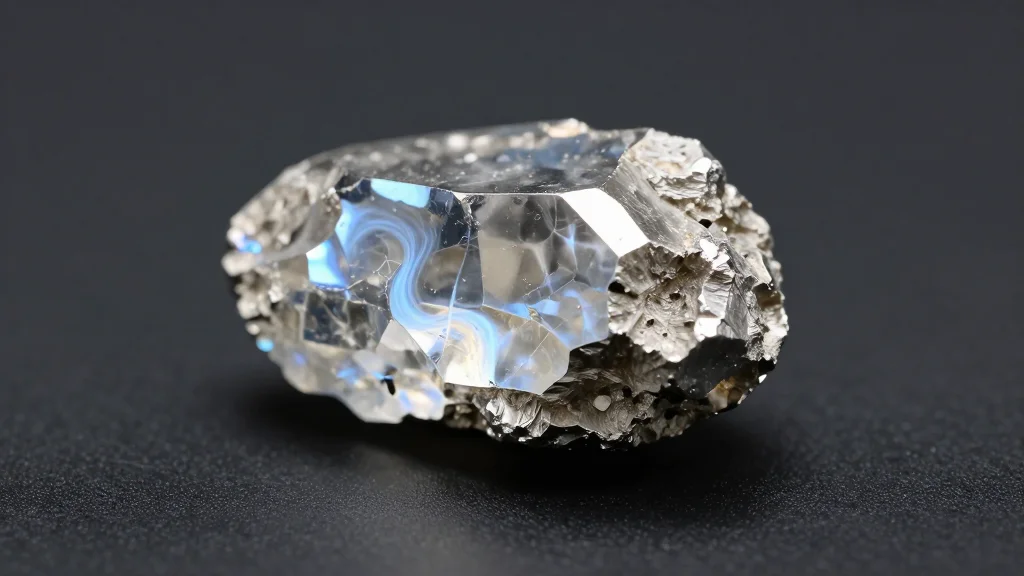
Controlling Magnetism to Unlock Better Hydrogen Storage Alloys
Researchers at Tohoku University have shown that magnetic properties control the thermodynamic stability of AB3‑type hydrogen‑storage alloys. By suppressing magnetism—particularly by substituting cobalt with nickel—they identified compositions that combine high gravimetric hydrogen capacity (up to ~3.4 wt %) with stable structures. Advanced...
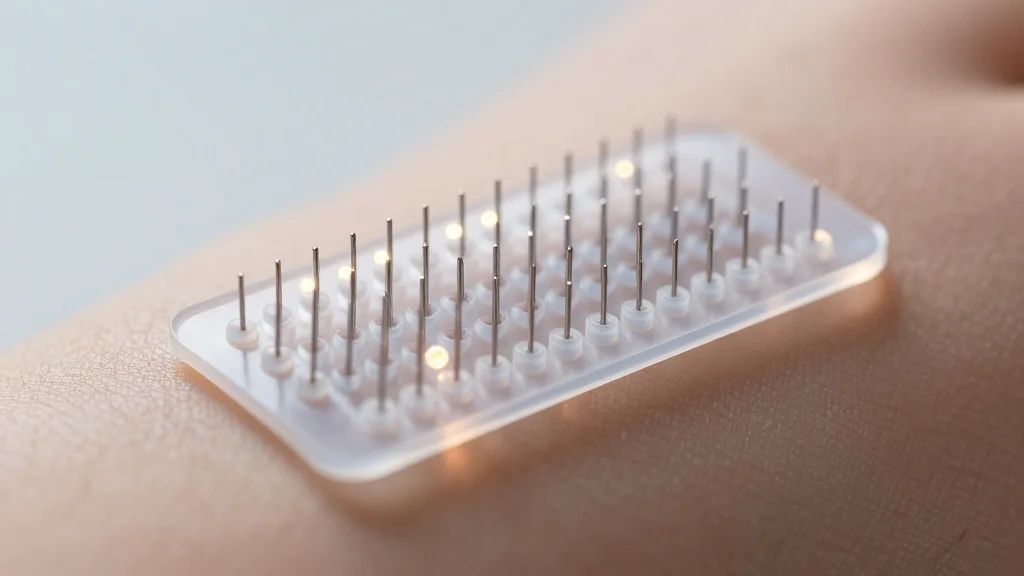
A 3D-Printed Delivery System Enhances Vaccine Delivery via Microneedle Array Patch
Researchers at the University of Tokyo used 3D‑printing to add a pillar‑backed layer to microneedle array patches (MAPs), preserving more live virus during fabrication. The pillar‑guided MAPs showed higher viral titers and induced protective immunity against SARS‑CoV‑2 in mice. This...
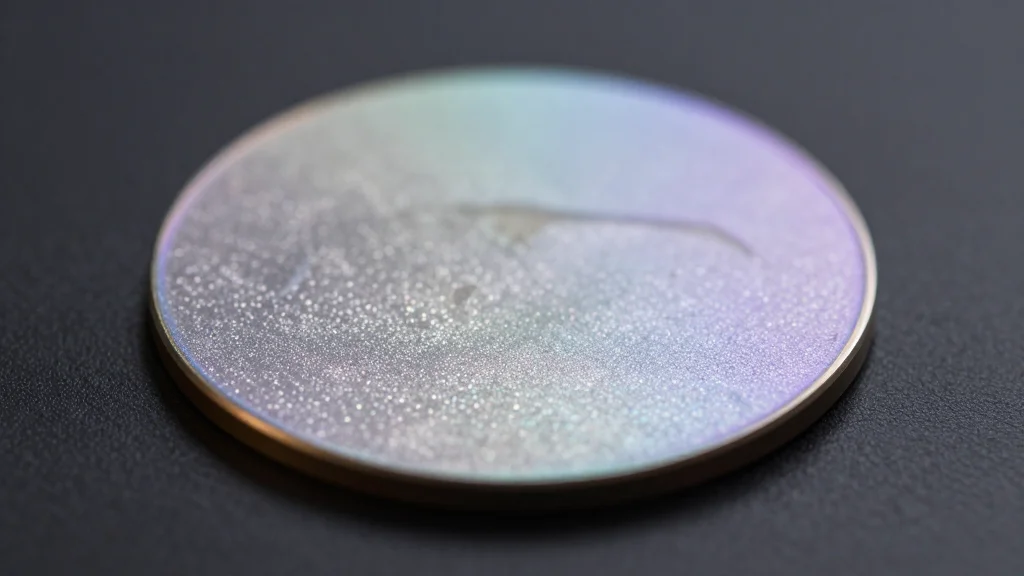
Humidity-Resistant Hydrogen Sensor Can Improve Safety in Large-Scale Clean Energy
Researchers at Chalmers University of Technology have unveiled a fingertip‑sized hydrogen sensor that uses platinum nanoparticles to catalyze a reaction that evaporates a surface water film, producing a color shift that triggers an alarm. The device performs better as humidity...

Terahertz Microscope Reveals the Motion of Superconducting Electrons
MIT physicists have built a terahertz microscope that squeezes THz light to micron‑scale spots using spintronic emitters and a Bragg mirror, overcoming the diffraction limit. The instrument captured the first direct image of a superfluid plasmon—collective terahertz‑frequency jiggles of superconducting...
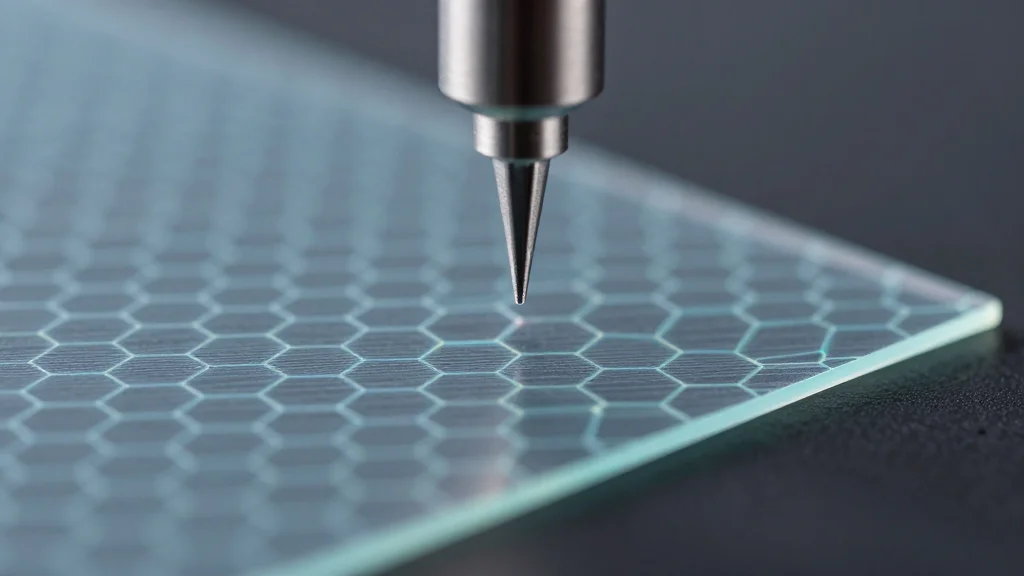
Uncovering Hidden Quantum Landscapes
Scientists at the Weizmann Institute have unveiled the Atomic Single Electron Transistor (Atomic SET), a scanning microscope that uses a single atom as a quantum sensor. The device achieves roughly one‑nanometer spatial resolution—about 100 × better than existing probes—and can detect...
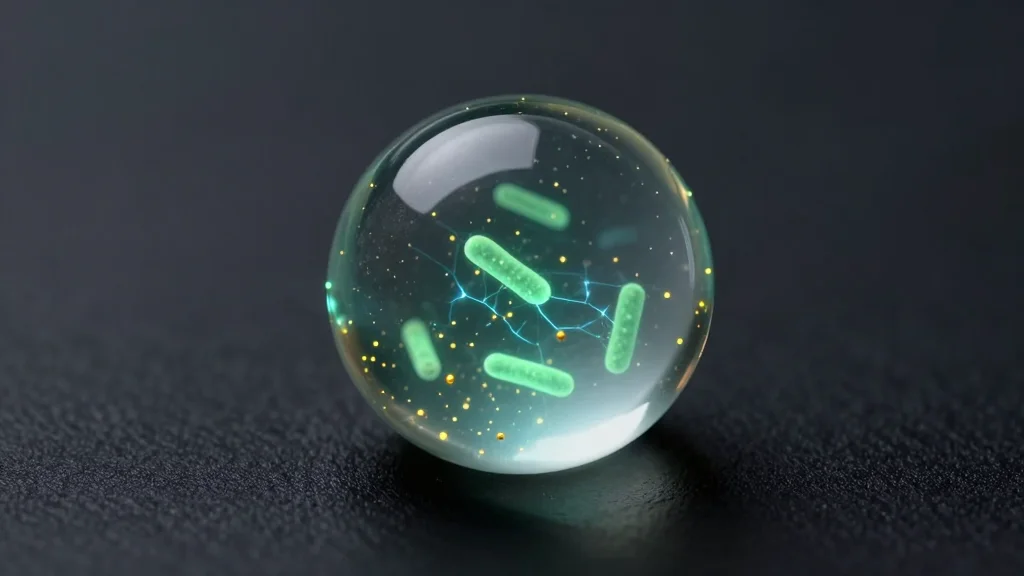
Crab Shell Gel Turns Kimchi Bacteria Into Living Food Safety Sensors
Researchers at Rice University engineered a naphthoquinone‑grafted chitosan hydrogel that embeds the food‑grade bacterium Lactiplantibacillus plantarum, achieving extracellular electron transfer 15.6 times higher than plain chitosan. The tethered quinone mediators stay fixed, preventing leakage and stabilizing performance for up to...

Edible Electronics Harvest Heat From Hot Food to Power Color-Changing Safety Displays
The research team at EPFL unveiled the first fully edible thermoelectric generator made from chitosan and alginate hydrogels cross‑linked with vanillin. The ionic devices convert the heat from hot meals into up to 62 mV /K, and a series of six units...
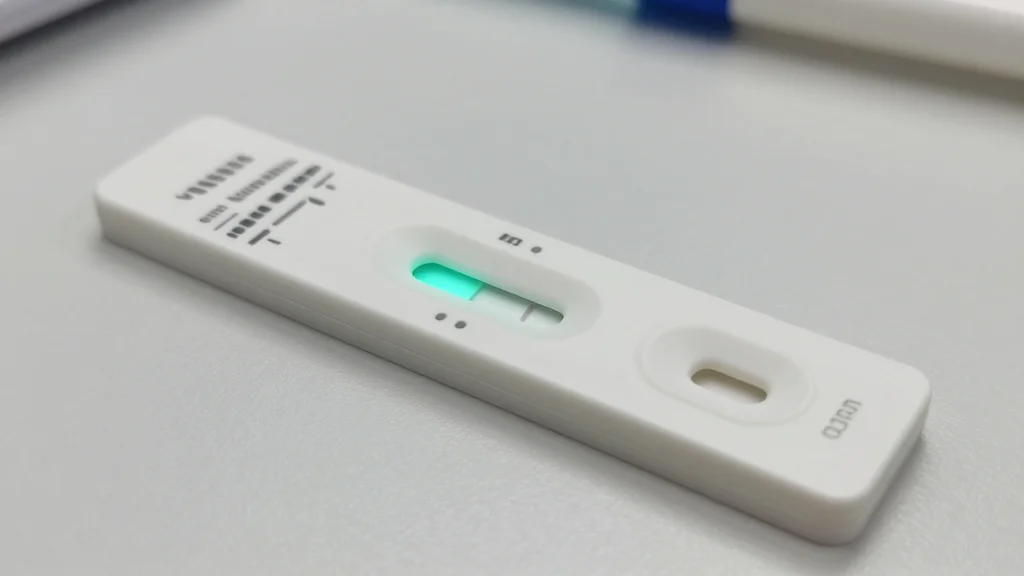
Test Strip Breakthrough for Accessible Diagnosis
A La Trobe University research team has created a single‑use test strip that detects disease‑related microRNAs at attomolar levels, far surpassing the sensitivity of traditional glucose strips. The device uses a specialised enzyme to amplify an electrical signal, allowing detection...
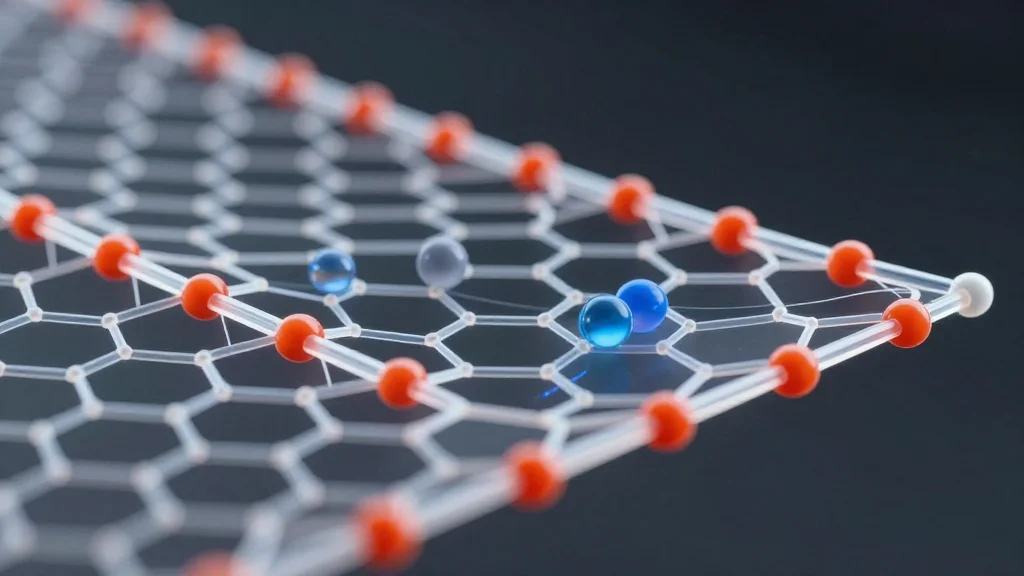
Oxygen-Modified Graphene Filters Boost Natural Gas Purification
Researchers at Chiba University have demonstrated that ultrathin graphene membranes functionalized with oxygen groups can selectively remove carbon dioxide from methane streams while preserving high gas permeability. Simulations identified a critical pore size near 0.4 nm, where oxygen‑modified edges attract CO₂...

Anomalous Magnetoresistance Observed in an Antiferromagnetic Kagome Semimetal
Researchers at the Chinese Academy of Sciences have demonstrated anomalous, low‑field oscillatory magnetoresistance in an FeSn/Pt antiferromagnetic kagome semimetal heterostructure. By breaking inversion symmetry at the interface they enhanced the Dzyaloshinskii‑Moriya interaction, allowing precise control of spin configurations. Magnetic force...
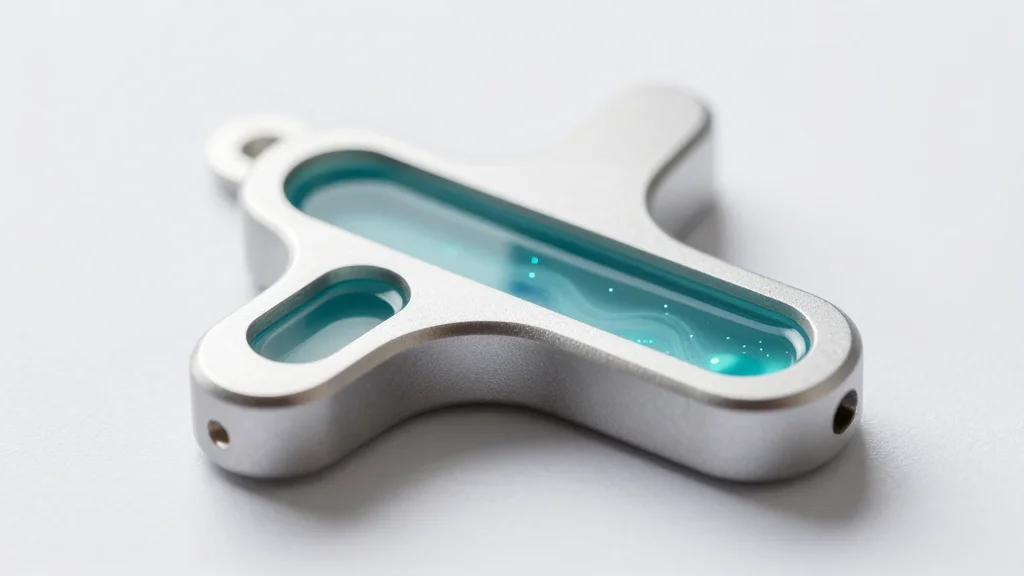
How Aircraft Wing Physics Could Accelerate the Next Generation of RNA Medicines
Researchers at University College Dublin have created an aerofoil‑shaped microfluidic platform that delivers consistent lipid nanoparticle (LNP) formulations from milliliter‑scale screening to liter‑scale production. The MiNANO‑form cartridge can run eight parallel, contamination‑free mixes using as little as 0.1 mL of reagents,...
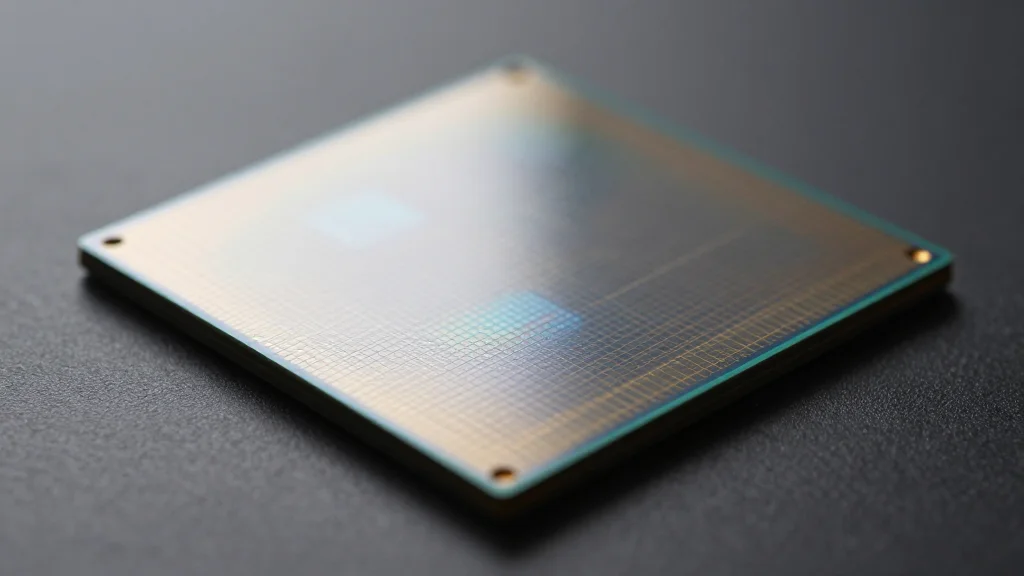
Thermonat Makes Nanoscale Thermal Prediction Practical for Real-World Chip Design
DARPA’s Thermonat program delivered nanoscale thermal modeling that matches atom‑level accuracy while cutting computation time by over 1,000×. The technology predicts chip temperatures within 1 °C of ground truth, addressing a critical barrier for sub‑10 nm transistor designs. Spin‑outs such as AtomTCAD...
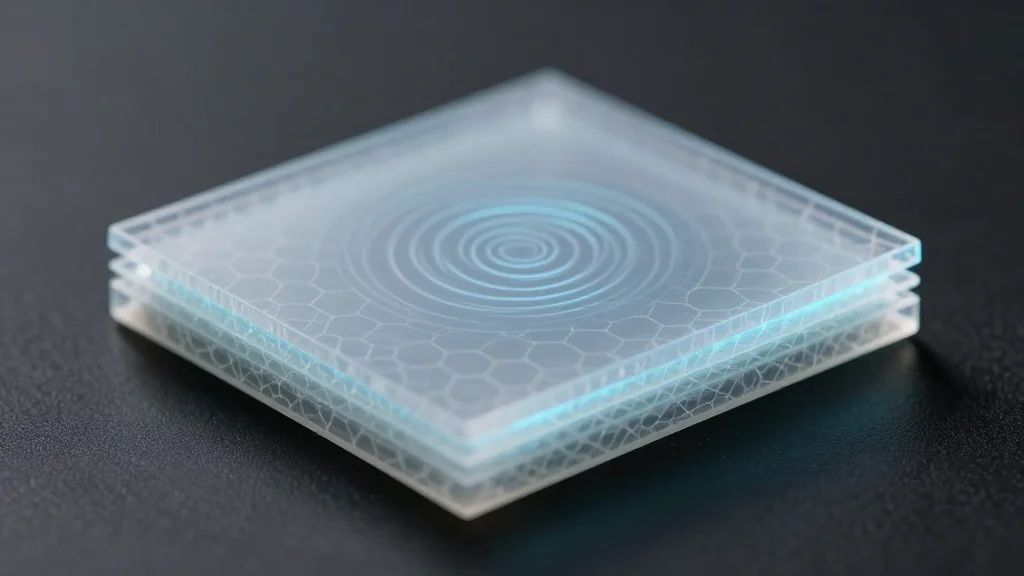
Voltage Tunable Polaritonic Crystals Bring Dynamic Control to Nanoscale Light
Researchers have created a hybrid polaritonic crystal that layers a patterned alpha‑phase molybdenum trioxide film with an electrically gated graphene sheet. The structure supports hybrid phonon‑plasmon polaritons, preserving the low‑loss, directional nature of phonon polaritons while gaining graphene’s voltage‑controlled tunability....
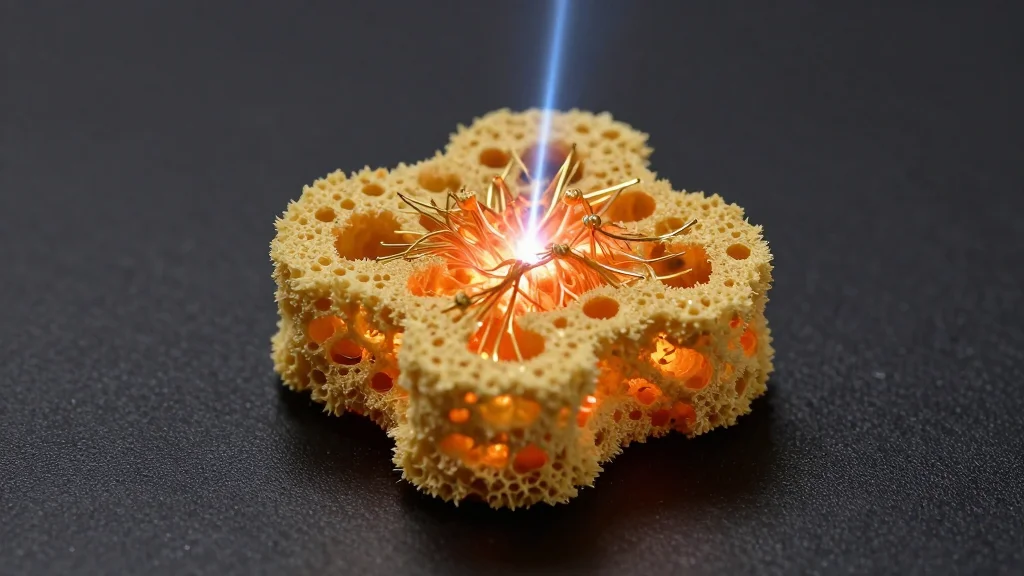
Reshaping Nanoporous Gold Leads to New Electronic and Optical Properties
Researchers at Umeå University have shown that reshaping gold into a nanoporous, sponge‑like metamaterial dramatically changes its interaction with light. When exposed to ultrashort laser pulses, the porous film reaches electronic temperatures of about 3200 K, far exceeding the 800 K observed...

Web-Based Tool Visualizes Catalyst Gene Profiles for Materials Design
Researchers at Hokkaido University have launched a web‑based graphical interface that visualizes catalyst gene profiles, turning complex catalyst datasets into intuitive, interactive visualizations. The platform clusters catalysts by sequence similarity, displays synchronized heat maps, and lets users explore global trends...
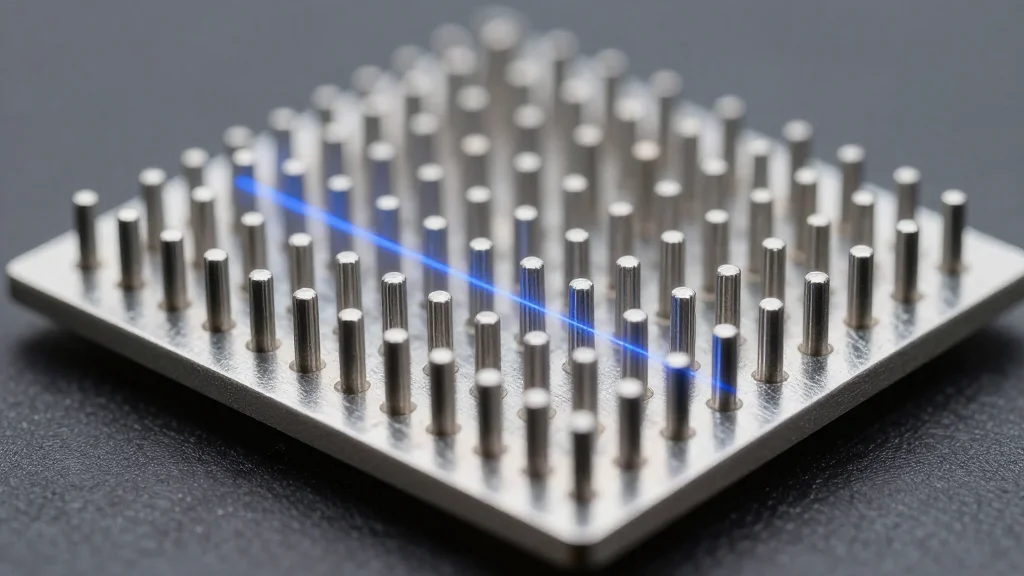
Tiny Titanium Pillars Move Hydrogen-Powered Flight Closer to Reality
Researchers at the University of Birmingham and Loughborough University have used digital design and laser micromachining to create ultrathin titanium flow distributors for polymer electrolyte fuel cells. The optimized micropillar structures achieved a record peak power density of 1.62 W cm⁻², translating...
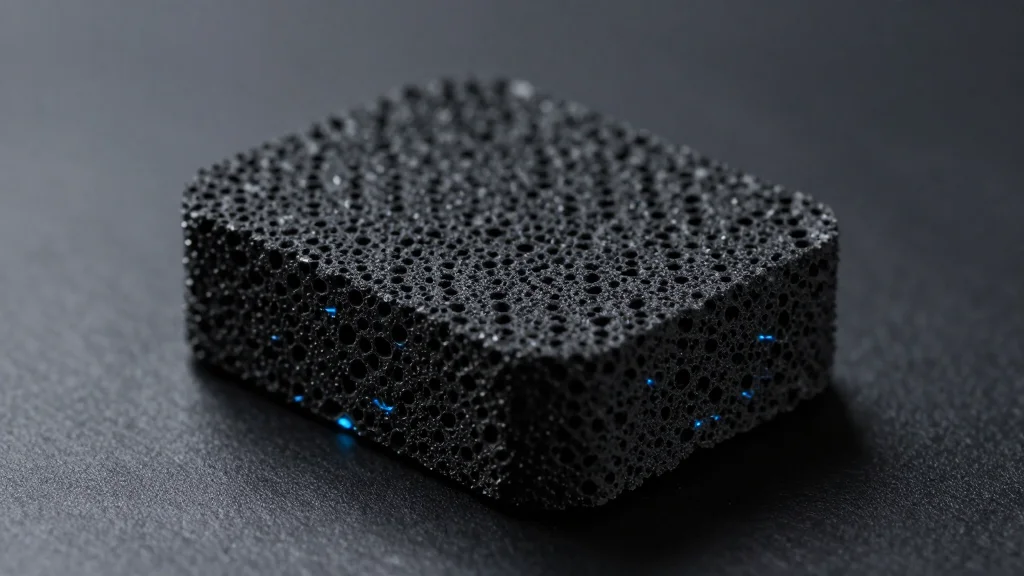
Cigarette Butts Could Power the Next Generation of Energy Storage
Researchers at Henan University have developed a scalable method to turn discarded cigarette butts into high‑performance carbon electrodes for supercapacitors. By combining hydrothermal carbonization with potassium hydroxide activation, they produced nanoporous carbon with a surface area of 2,133.5 m² g⁻¹ and a...
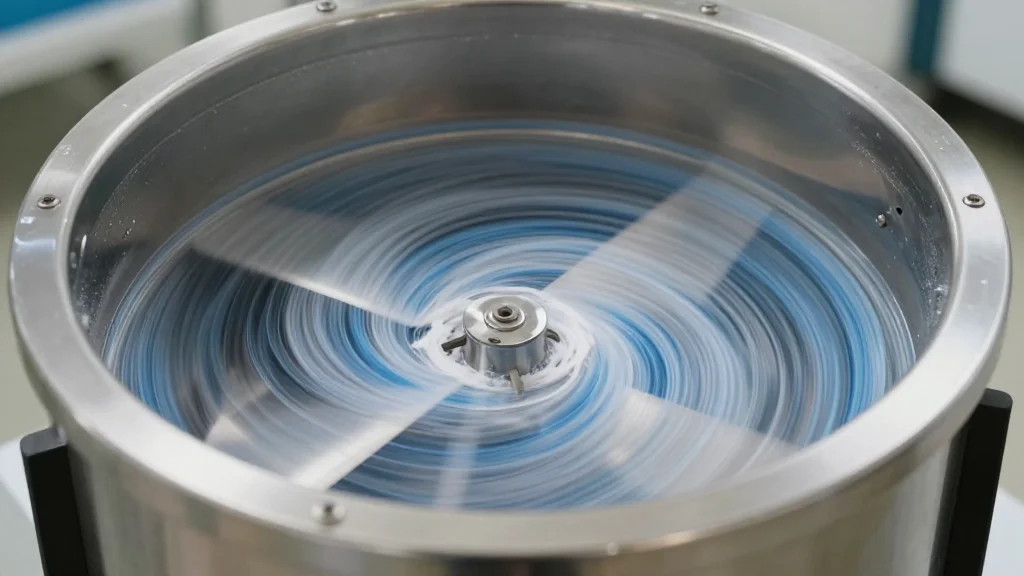
Mini Tornadoes Spin Out Dried Cellulose Nanofibers
Researchers at the University of Maine and Oak Ridge National Laboratory have unveiled a patent‑pending vortex drying technique that uses counter‑rotating, Mach‑3 heated air streams to rapidly remove water from cellulose nanofiber slurries. The high‑shear method avoids the fiber aggregation...

Computing Beyond Silicon May Depend on Circuits Built Molecule by Molecule
Molecular electronics that rely on quantum tunneling are emerging as a viable alternative to silicon scaling, with integration densities projected at 10^14 devices per cm²—about a thousand times current chip densities. Recent review research shows that atomic‑precision assembly, self‑assembled monolayers,...

Near-Frictionless Motion of Pico- to Nanoliter Droplets with Liquid-Repellent Particle Coating
Scientists at Japan’s MANA have created a liquid‑repellent particle coating that lets pico‑ and nanoliter droplets move with near‑zero friction. By spraying fluorocarbon‑modified fumed titania nanoparticles onto droplets, the team turned them into “micro liquid marbles” that slide via solid‑solid...
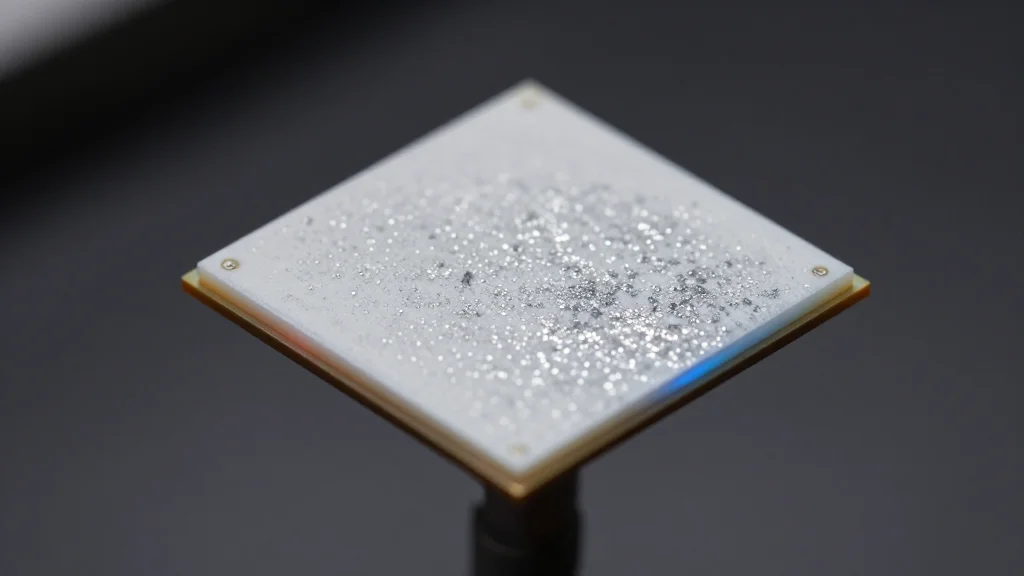
Nanosheet Sensor Detects Ethanol at Parts-per-Billion Levels Using Minimal Power
Researchers at Yonsei University have created a chemiresistive gas sensor that combines a tin‑dioxide thin film with ruthenium‑dioxide nanosheets, achieving ethanol detection down to 5 ppb while consuming less than 30 mW. The hybrid structure leverages catalytic activity and electronic sensitization to...
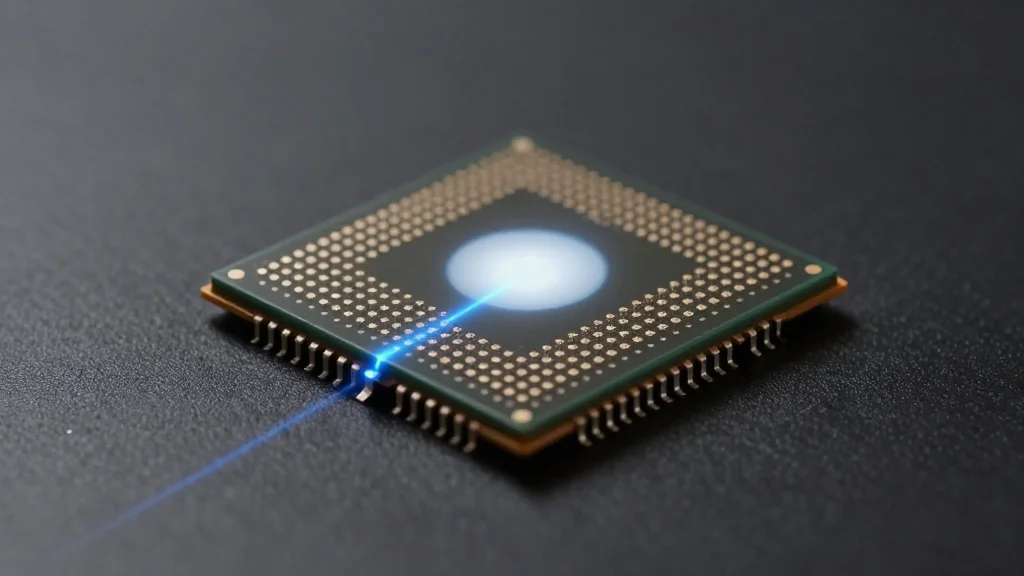
Metasurfaces Smooth Light to Boost Magnetic Sensing Precision
Researchers at Beihang and Westlake Universities introduced a polarization‑encoded metasurface that transforms a Gaussian laser beam into a uniform intensity profile for optical pumping. The chip‑scale device uses silicon nanoantennas to map intensity into polarization, producing a flat beam that...
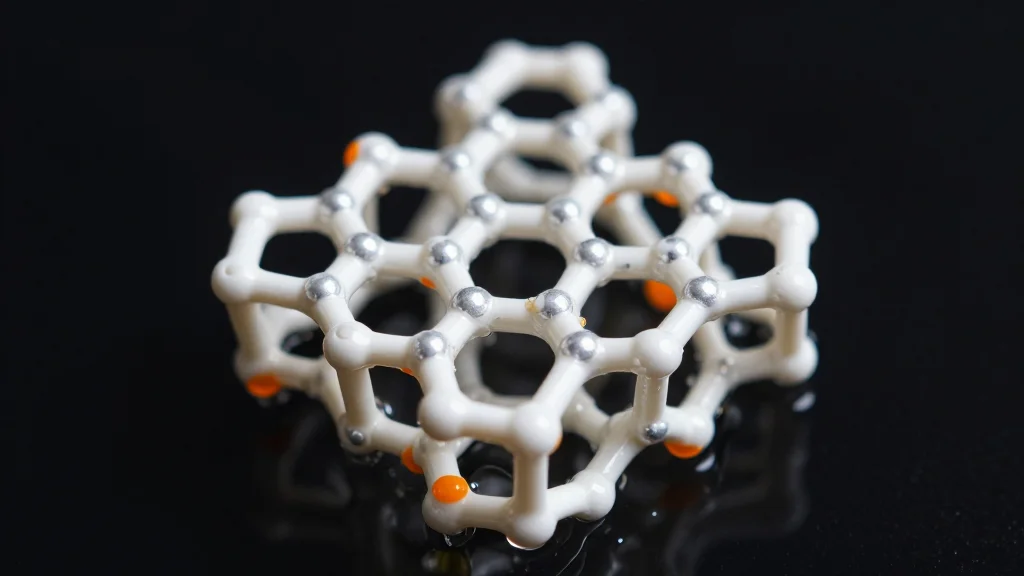
3D Covalent Organic Framework Offers Sustainable Solution for Wastewater Treatment
Researchers at Tohoku University unveiled TU-123, a three‑dimensional imidazole‑linked covalent organic framework that captures anionic dyes from wastewater with unprecedented efficiency. The material achieves a maximum adsorption capacity of 495 mg g⁻¹ for Acid Orange 7 and removes over 86 % of the dye...
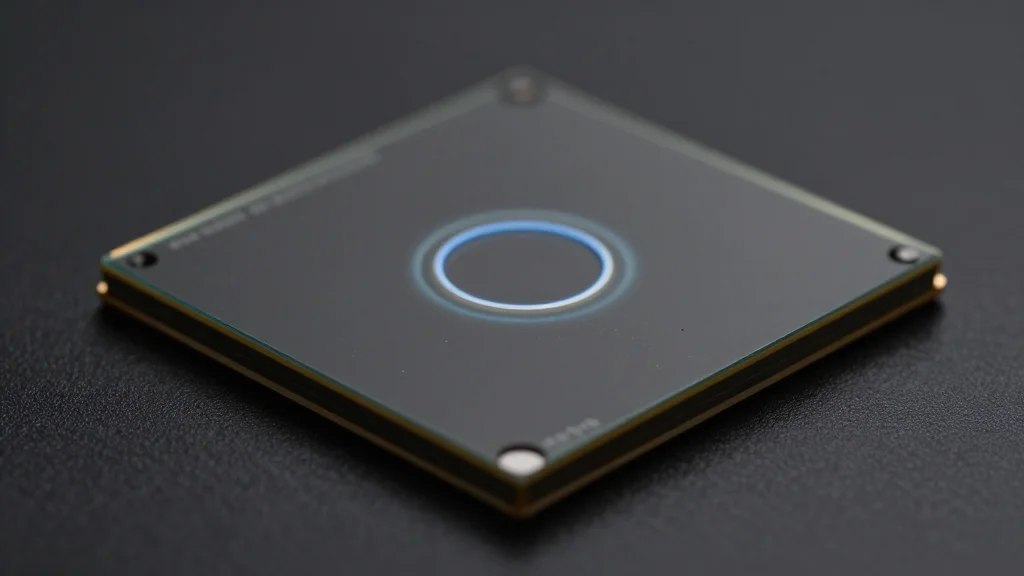
Atomic Layer Processing for Silicon Carbide-Based Quantum Photonic Circuits
Atomic‑layer etching (ALE) is being applied to silicon carbide (SiC) photonic components, dramatically reducing surface roughness and optical losses in waveguides and ring resonators. The ALP‑4‑SiC project, a collaboration between the Max Planck Institute for the Science of Light and Fraunhofer...
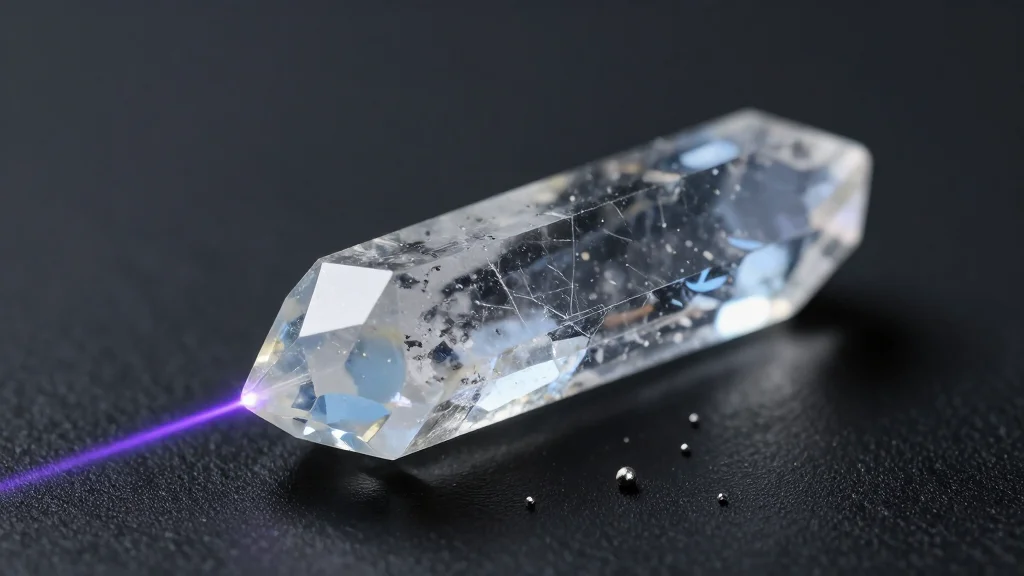
Zinc Doping Enables Visible-Light Programming of Ferroelectric Memristors for Neuromorphic Computing
Researchers at Hebei University have demonstrated that adding 5 mol % zinc ions to lithium niobate crystals reduces the ferroelectric polarization‑switching barrier by roughly 69 %, enabling reliable, non‑volatile programming of memristors with low‑intensity visible light. The zinc‑doped LiNbO₃ memristors operate with a...
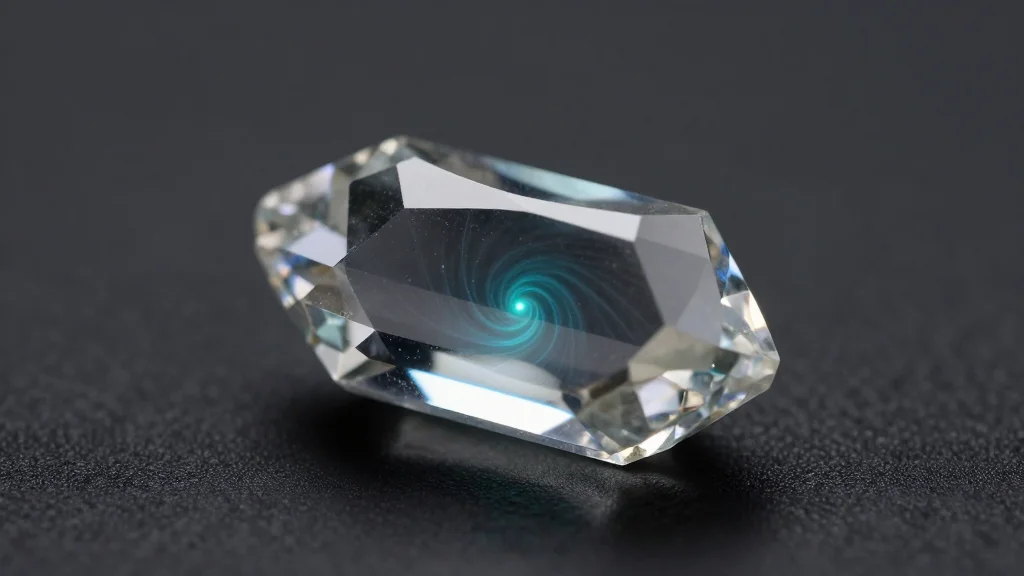
New Study Reveals Hidden Topological Structure in Polarons
A new PNAS study reveals that polarons can host symmetry‑protected vortex‑like atomic distortion patterns, giving them a hidden topological structure that is stable across many crystalline solids. The research, led by the University of Texas at Austin, used large‑scale supercomputing...
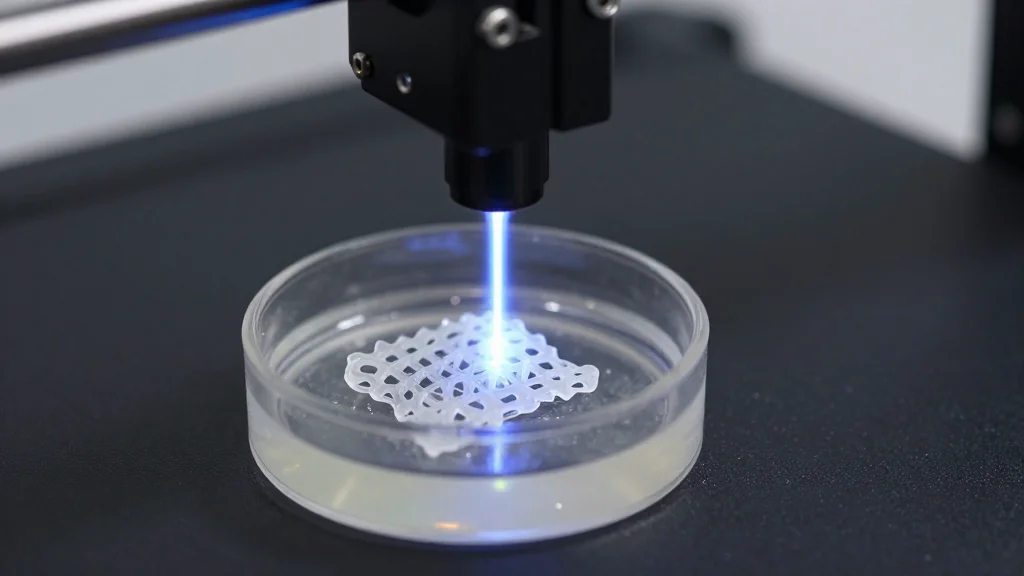
Light-Based 3D Printing Method Lets Scientists Program Plastic Properties at the Microscale
Researchers at Lawrence Livermore National Laboratory and partner institutions unveiled CRAFT, a light‑based 3D printing method that regulates thermoplastic crystallinity at the microscale. By adjusting light intensity during polymerization, the technique creates spatially varying rigid and flexible zones within a...

Low-Frequency Excitations Could Soon Be Mapped with Nanometer Precision
Researchers at ICFO have introduced wave‑mixing cathodoluminescence (WMCL), a theoretical method that captures low‑frequency far‑infrared and terahertz excitations with nanometer spatial resolution. The technique combines an electron beam‑induced excitation with a visible laser, using nonlinear wave mixing to encode terahertz...

New Light-Based Nanotechnology Could Enable More Precise, Less Harmful Cancer Treatment
Researchers at NYU Abu Dhabi have engineered hydroxyapatite‑based nanoparticles loaded with a near‑infrared II (NIR‑II) dye for photothermal cancer therapy. The particles are coated with lipids and polymers to prolong circulation and feature an acidic‑responsive peptide that promotes tumor‑cell entry....
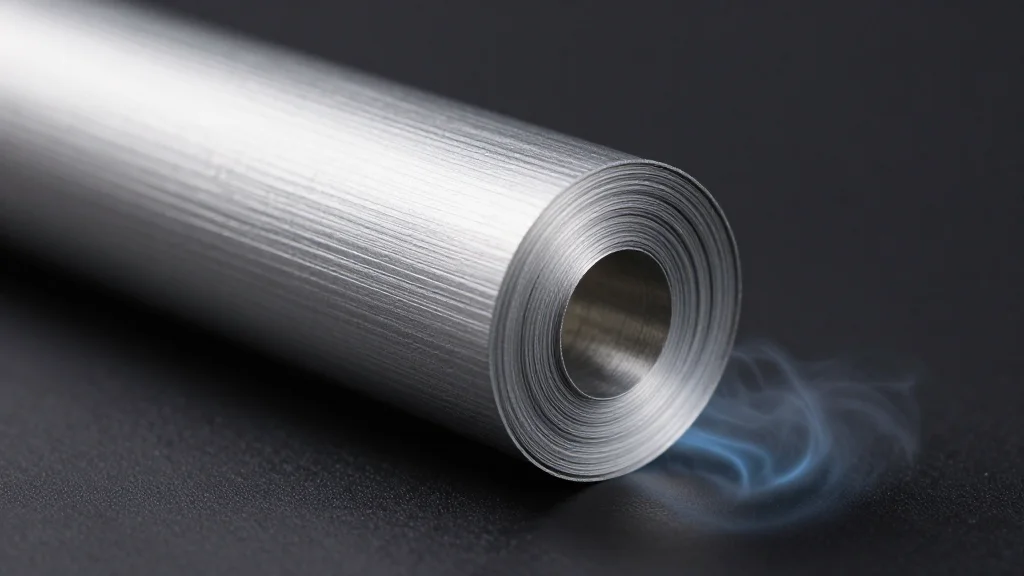
A New Method Rolls MXene Into Scrolls by the Gram Unlocking Superconductivity and Faster Ion Transport
Researchers at Drexel University and the University of Pennsylvania have devised a scalable method to roll MXene sheets into tubular scrolls, producing up to 10 g per batch with 45 % delamination efficiency. The scrolls exhibit a 33‑fold increase in electrical conductivity...

Flexible Photodetector Selects Wavelengths Through Electrical Control
Researchers at Xi’an Jiaotong University have created a flexible photodetector that switches its peak wavelength response using only a gate voltage. The device leverages an asymmetric graphene‑MoS₂‑carbon‑nanotube heterostructure, delivering up to 40.3 A W⁻¹ responsivity and a detectivity of 1.3 × 10¹¹ Jones. Spectral tuning...
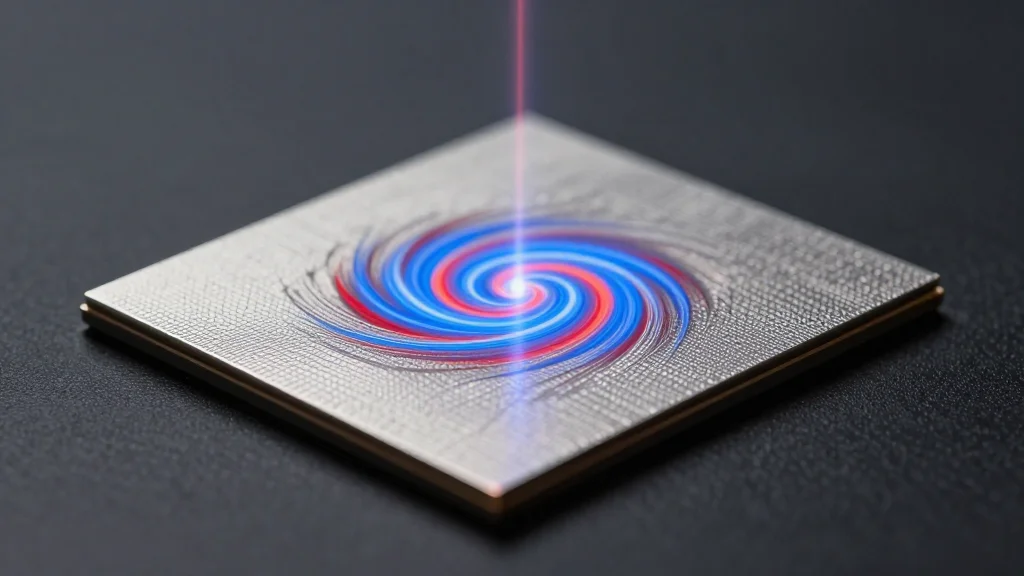
New Device Switches Terahertz Pulses Between Electric and Magnetic Skyrmions
Researchers at Tianjin University and Nanyang Technological University have demonstrated an optical device that can generate and actively switch between electric and magnetic skyrmion vortex patterns in free‑space terahertz pulses. The switching is achieved using a nonlinear metasurface illuminated by...
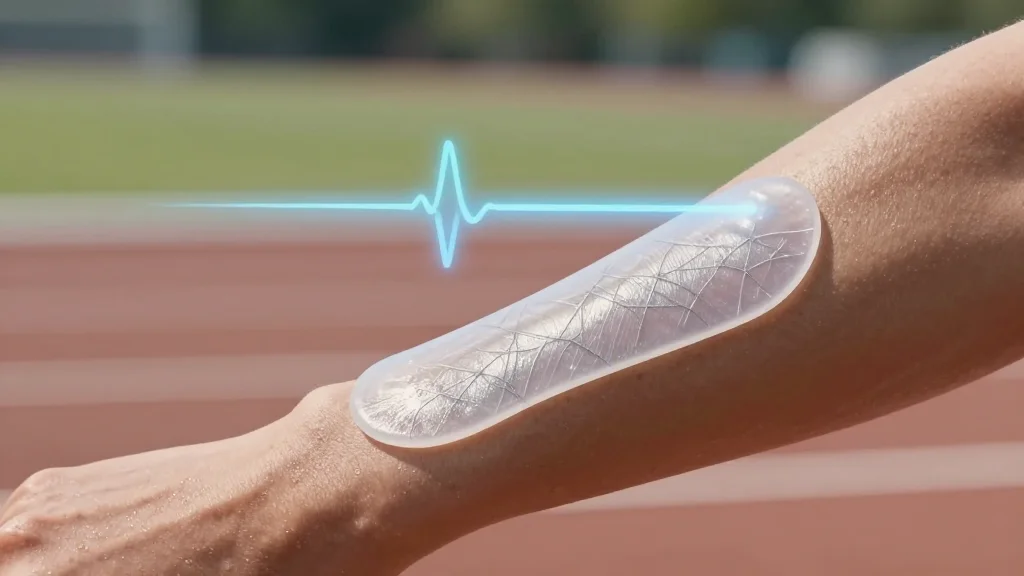
MXene Hydrogel Sensor Enables Heart and Breathing Monitoring in Endurance Sports
A stretchable MXene‑based hydrogel sensor has been demonstrated to monitor heart rate and respiration continuously during intense endurance exercise. The dual‑network polymer retains over 94 % of its water content after six hours at 38 °C, stretches up to 800 % strain, and...
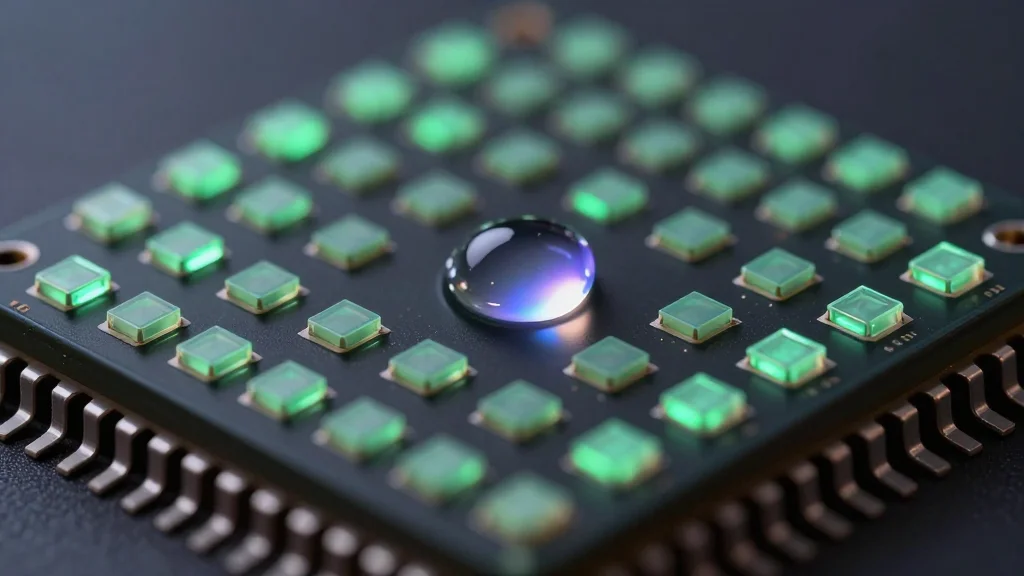
Reading Neurochemical Signals with Integrated Graphene-CMOS
Researchers at INL unveiled a CMOS platform that simultaneously reads 32 graphene field‑effect transistor sensors at 16 kS/s per channel, enabling real‑time, high‑resolution mapping of neurochemical signals. The integrated chip converts minute ionic currents into digital data while maintaining low power...
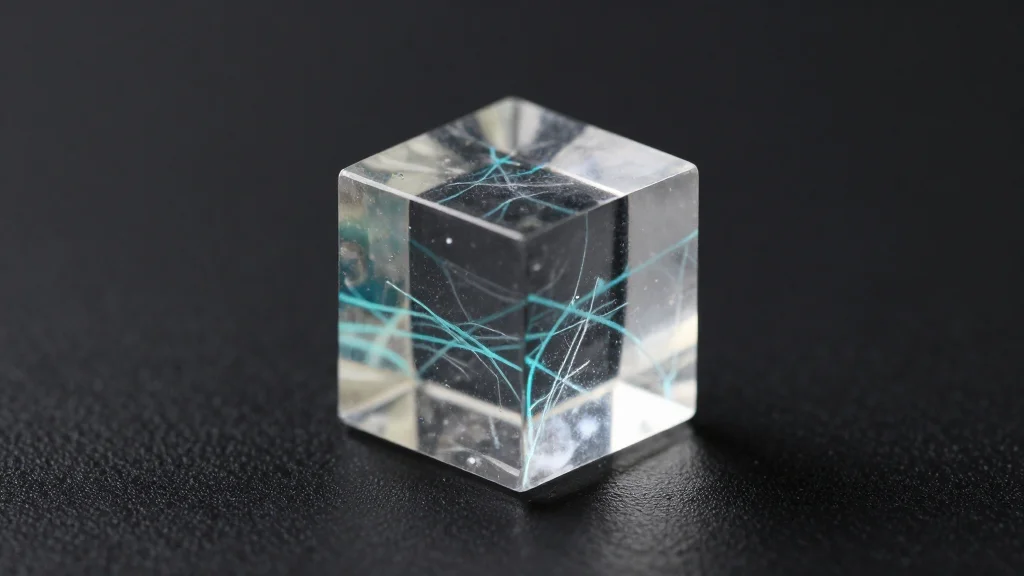
Battery Electrolyte Stays Solid at Room Temperature yet Conducts Ions Like a Liquid
Researchers at UNIST and KAIST have created a solid‑state electrolyte from ethylene carbonate that remains crystalline at room temperature yet conducts lithium ions at 0.64 mS cm⁻¹. By using a very low concentration of LiTFSI, the mixture (EC₀.₂ₜ) freezes around 29 °C, forming...
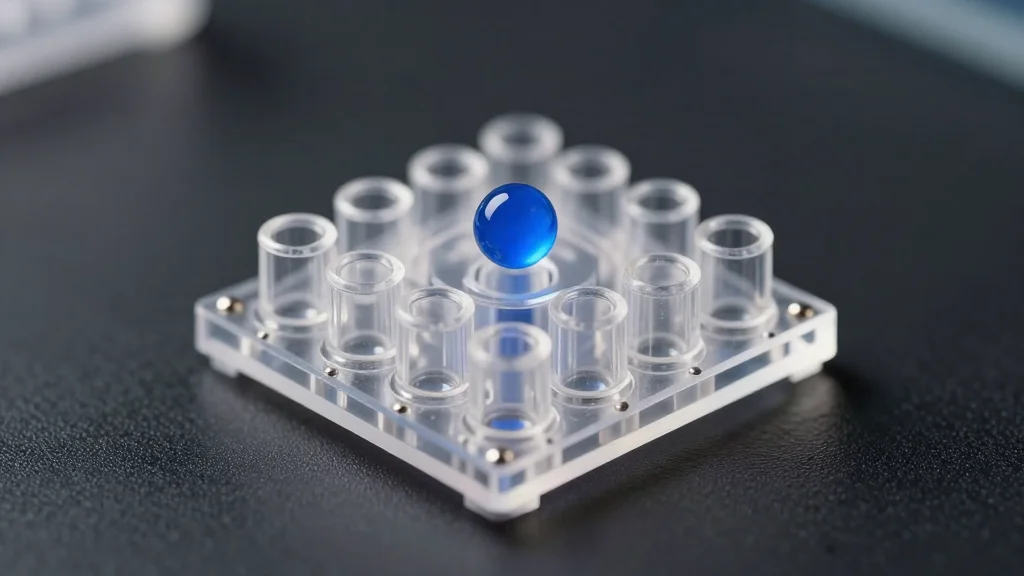
One-Step 3D Microfluidic Chip Brings Cells Closer to Real Tissues
Researchers at the University of Macau introduced a digital microfluidic chip fabricated in a single 3D‑printing step that incorporates micro‑structured wells directly onto the electrodes. The device precisely moves droplets, captures cells, and rapidly forms viable 3D spheroids that persist...