
Immune Cells in the Brain Discovered to Control Puberty and Reproduction
Researchers have identified microglia, the brain's resident immune cells, as essential regulators of puberty and fertility through the RANK signaling pathway. Deleting the RANK protein in mouse microglia prevents the onset of puberty and rapidly induces infertility in adults. Parallel human studies uncovered rare RANK gene mutations in patients with congenital hypogonadotropic hypogonadism, linking the mechanism to a clinical disorder. The discovery reshapes the neuroendocrine model by placing immune‑brain communication at its core.

Overlooked Brainstem Pathway Discovered to Control Human Hands
Researchers at UC Riverside have identified a conserved brain‑stem and cervical spinal‑cord circuit that works alongside the cortex to produce fine hand movements. Functional MRI in mice and humans revealed relay centers in the medulla and C3‑C4 propriospinal segments that...

Major Risk Factor for Rare Early-Onset Dementia Found
Researchers at VIB and the University of Antwerp have identified a repeat expansion in the GOLGA8A gene as a major genetic risk factor for atypical frontotemporal lobar degeneration with ubiquitin‑positive inclusions (aFTLD‑U). The expansion appears in nearly 60 % of examined...

High-Fat Diets May Allow Gut Bacteria to Infiltrate the Brain
A recent PLOS Biology study shows that a high‑fat diet induces gut dysbiosis and increased intestinal permeability in mice, allowing live bacteria to migrate directly to the brain via the vagus nerve. The bacterial presence was reversible when mice returned...

Teens with ADHD Face Higher Risks of Anxiety and Depression
A University of Edinburgh longitudinal study of over 5,000 UK adolescents found that teens with ADHD face markedly higher rates of anxiety (≈25%) and depression (≈40%). The analysis identified low self‑esteem and parental mental‑health problems as the strongest mediators linking...

Humans Are Born With a Biological Blueprint for Music
New research argues that humans are born with a biological blueprint for music, termed "musicality," which predates language. Evidence from newborns shows innate beat and pitch detection, while brain imaging reveals distinct neural pathways for music versus speech. Comparative studies...

Five High-Risk Neuron Groups Identified in ALS and FTD
Researchers mapped the transcriptomes of motor‑cortex neurons from roughly 80 post‑mortem brains and identified five excitatory neuron subgroups that are uniquely vulnerable to TDP‑43 protein aggregates in ALS and frontotemporal dementia. The study shows that TDP‑43 clumps disproportionately target excitatory...

Can High-Dose Vitamin D Prevent Long-COVID Cognitive Decline?
Researchers in the VIVID trial, one of the largest randomized studies on vitamin D and COVID‑19, found that a high‑dose vitamin D3 regimen (3,200 IU/day after a loading dose) did not lower acute disease severity, hospitalizations, or death. However, among participants...

How Your Brain Charts Your Emotions
A recent Nature Communications study reveals that the hippocampus and ventromedial prefrontal cortex (vmPFC) collaborate to form a cognitive map of emotions, organizing feelings along valence and arousal dimensions. Using fMRI data combined with the Tolman‑Eichenbaum Machine, researchers showed a...
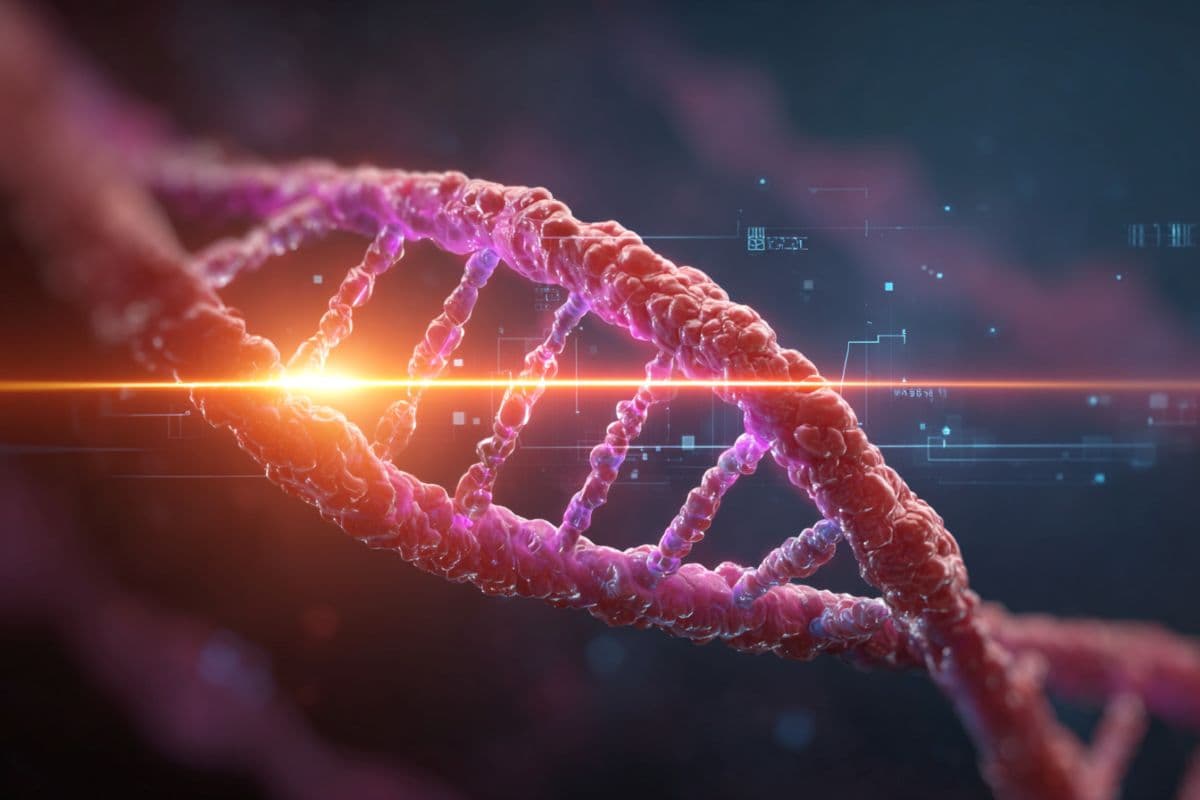
New Technology Unlocks More Autism Gene Varients
Researchers at UC San Diego used long‑read whole‑genome sequencing (LR‑WGS) on 267 autism families, uncovering 33% more structural variants and 38% more tandem repeats than short‑read methods. By pairing the genomic data with DNA‑methylation profiles, they could directly observe how...
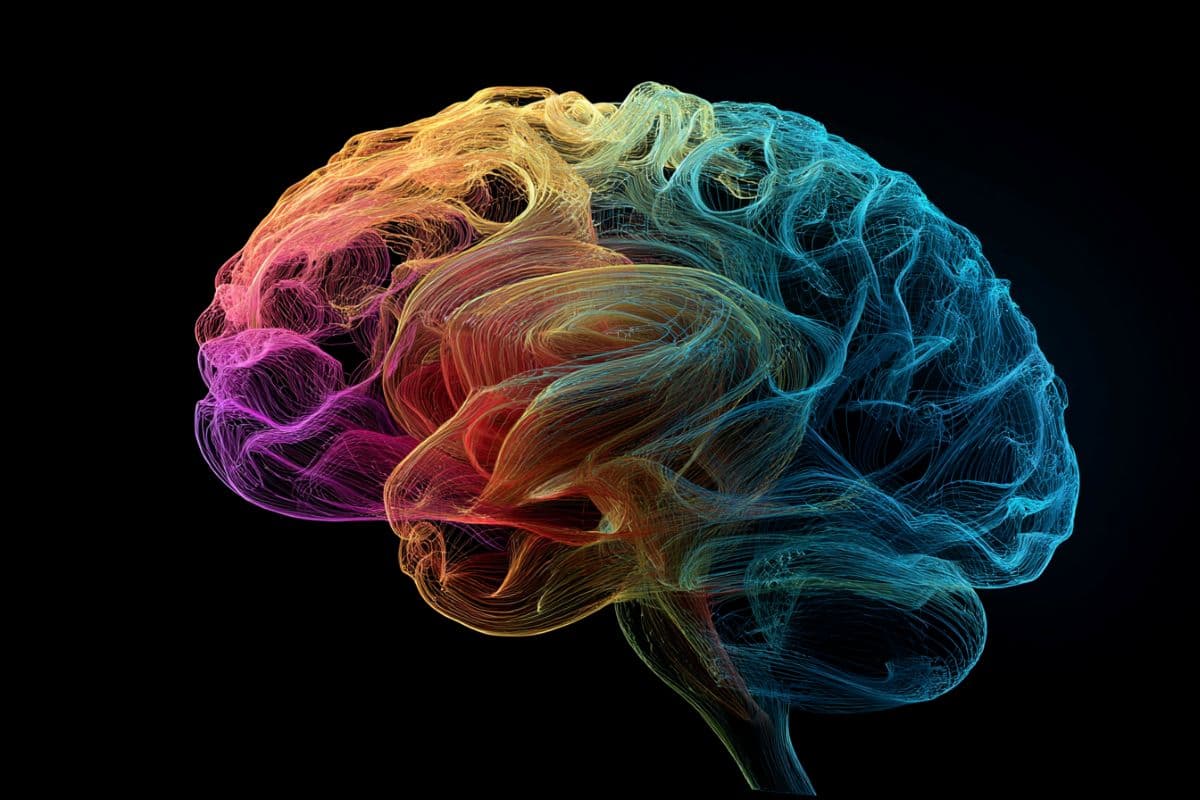
Single Workout Sparks Brain Ripples in Humans
Researchers at the University of Iowa recorded intracranial EEG from 14 participants before and after a 20‑minute stationary‑bike workout, finding a rapid increase in high‑frequency hippocampal ripples that spread to cortical regions involved in learning. This is the first direct...