New Space Economy
Covers commercial space ventures, markets, and economic impacts

What Are the Potential Military Applications of Orbital Data Centers?
The U.S. Space Force has earmarked $2.29 billion for a Space Data Network Backbone and $4.16 billion for SpaceX’s Space‑Based Airborne Moving Target Indicator program, highlighting a push toward low‑latency, high‑capacity space communications. In this context, orbital data centers—satellites equipped with on‑board compute—are being examined for military use, especially to process large sensor streams before they reach Earth. Near‑term applications focus on ISR data filtering, missile‑warning fusion, and secure SATCOM routing rather than direct weapons control. Adoption will hinge on security, launch economics, and the ability to meet strict reliability and legal standards.
Can Satellite-Based Systems Replace Terrestrial Early Warning Radar or Air Traffic Control Radar?
The FAA and U.S. Department of Transportation announced a $1.2 billion contract to replace up to 612 aging surveillance radars by June 2028, signaling continued investment in terrestrial radar. At the same time, space‑based ADS‑B and infrared sensors have moved into operational...
The SpaceX Slip Multiplier: A Reference-Class Model of Announced Vs. Actual Timelines
A new reference‑class analysis of SpaceX’s announced versus actual milestones reveals a systematic optimism bias. Across ten achieved milestones, novel flight hardware averages a 3.09× slip ratio—about 35 months later than first announced—while iterative upgrades like Starship V3 missed their...

Trump Signs Executive Order to Promote Advanced AI Innovation and Cybersecurity
President Donald J. Trump signed an executive order on June 2, 2026 to accelerate cyber defenses and create a voluntary framework for the secure deployment of advanced, "frontier" AI models. The order mandates 30‑day and 60‑day deadlines for agencies to...
Impulse Space Company Profile
Impulse Space announced a $500 million Series D on June 2 2026, pushing total capital raised above $1 billion and valuing the firm at roughly $4.26 billion. The funding will fuel expansion of its in‑space mobility portfolio, including the Mira payload‑hosting spacecraft and the high‑energy Helios...
Small Spacecraft Technology in NASA’s 2026 State-of-the-Art Survey
NASA’s May 2026 State‑of‑the‑Art Small Spacecraft Technology survey redefines small satellites as full mission systems rather than scaled‑down versions of traditional spacecraft. It highlights that power, propulsion, communications and autonomous operations now dominate design trade‑offs, while deorbit, tracking and ground‑segment services...
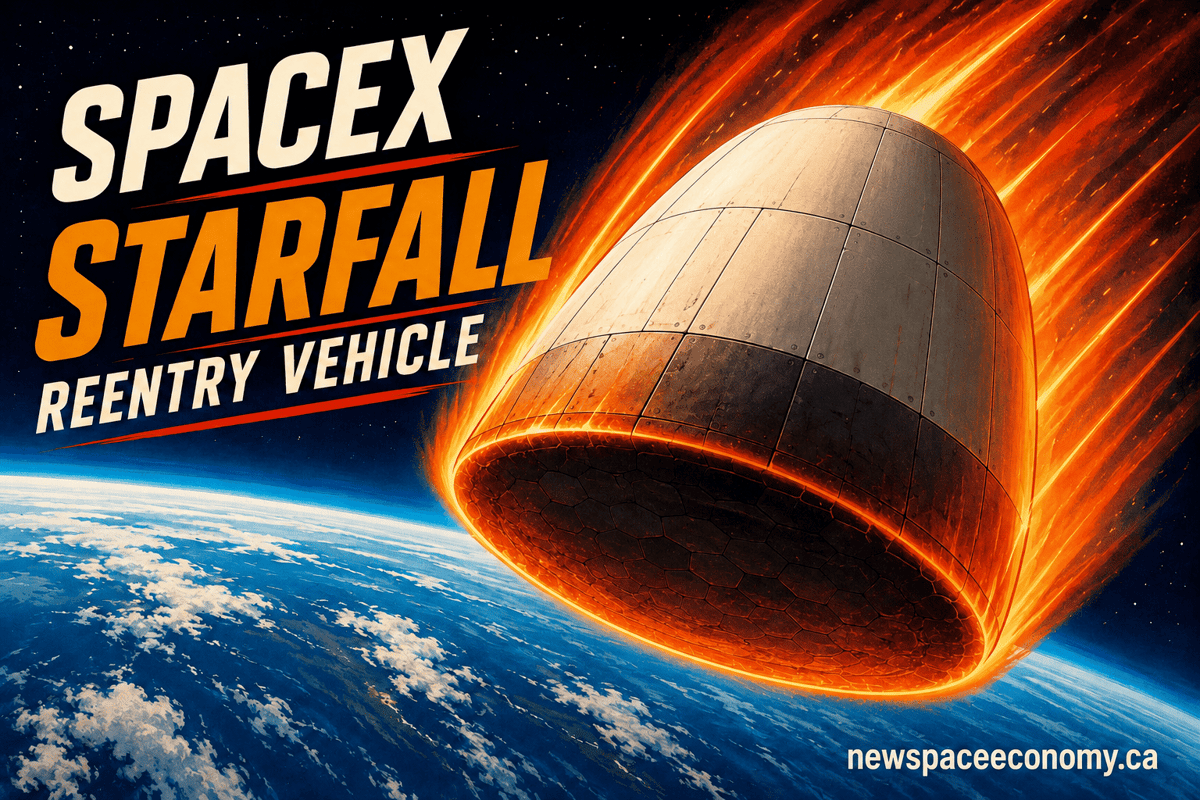
SpaceX Starfall Reentry Vehicle and the Emerging Return Path for In-Space Manufacturing
The FAA released a Final Environmental Assessment for SpaceX’s Starfall Reentry Vehicle, detailing two planned Pacific Ocean splash‑down tests. Starfall is a 0.75‑meter‑tall, 3.1‑meter‑diameter capsule weighing about 2,100 kg dry and capable of returning up to 1,000 kg of payload. While the...

The AI Vendor Trap That Can Quietly Break a Company’s Strategy (and Business)
The article warns that AI vendor lock‑in can quietly undermine a company’s strategy by tying workflows, data pipelines, and operational processes to a single provider’s models, pricing and policies. As AI systems evolve, changes in model behavior, pricing tiers, and...

Is China Right to Doubt Elon Musk’s Starship?
SpaceX’s Starship completed its twelfth test flight on May 22, 2026, but the Super Heavy booster failed to return and the upper stage landed with reduced margin. Chinese space analysts cite engine reliability, launch cadence, and financing as key doubts about...

How Media Coverage Characterizes the Artemis Program
Media coverage of NASA’s Artemis program has evolved dramatically since Artemis II’s successful crewed lunar flyby on April 1, 2026. The flight gave reporters concrete performance data, shifting the narrative from speculative schedules to tangible achievement, execution risk, and policy relevance. Delay stories...

Orbital Data Center Companies Building Space-Based Compute Infrastructure
Orbital data‑center firms have moved from laboratory demos to formal FCC filings, signaling the start of a commercial market for space‑based compute. Companies such as Starcloud, SpaceX, Blue Origin, Google, and Cowboy Space are proposing constellations ranging from tens of thousands...

What Orbital Data Center Failure Modes Could Break Space-Based AI?
A wave of proposals, led by SpaceX’s one‑million‑satellite Orbital Data Center plan, aims to move AI compute from terrestrial data centers into low‑Earth‑orbit constellations. The shift introduces new failure modes—thermal overload, radiation‑induced errors, optical‑link loss, and orbital safety incidents—that can...

How Does Open Source AI Software Compare With Leading Commercial AI Software?
The Open Source Initiative’s 2024 definition now clarifies what qualifies as open‑source AI, covering frameworks, model libraries, inference engines, agent tools, and local runners. Commercial AI suites—such as OpenAI’s GPT‑5.5, Anthropic’s Claude Opus 4.8, and Google’s Gemini—offer managed services, compliance tooling,...

What Type of Space Telescope Would Be Capable of Imaging Exoplanet Surface Features?
Imaging surface features on Proxima Centauri b demands angular resolution in the pico‑radian range, which translates to an effective optical baseline of tens of kilometres at visible wavelengths. A monolithic mirror cannot achieve this scale, so concepts focus on either a...

The History of Soviet Human Spaceflight
The Soviet human‑spaceflight program launched with Yuri Gagarin’s 108‑minute Vostok 1 flight in April 1961, establishing the USSR as the first nation to put a person in orbit. It then pioneered multi‑crew flights, the first spacewalk, the first woman in space, and...

How Have Space Accidents Shaped Spacecraft Design and Operations?
Space accidents—from Apollo 1’s cabin fire to the Challenger and Columbia disasters—have repeatedly forced engineers to overhaul spacecraft design, operational protocols, and organizational culture. Each tragedy produced concrete changes such as outward‑opening hatches, mixed‑gas launch atmospheres, mandatory pressure suits, redesigned solid‑rocket...
Space Manufacturing Measurement and the Hidden Output of the Space Economy
The Bureau of Economic Analysis (BEA) released a working paper introducing the Space Economy Manufacturing Plant Utilization Index (SEMPI), a tool that combines plant‑capacity data with space‑economy satellite accounts to gauge how fully space‑manufacturing facilities are being used. The paper...

What Is COSMIC and Why Is It Important?
NASA’s Space Technology Mission Directorate launched COSMIC in April 2023 to coordinate U.S. efforts on in‑space servicing, assembly and manufacturing (ISAM). Operated by The Aerospace Corporation, the consortium now includes over 300 member organizations and 1,200 individual members from government, industry,...

What Is CONFERS and Why Is It Important?
The Consortium for Execution of Rendezvous and Servicing Operations (CONFERS) began as a DARPA‑backed effort in 2017 and became an independent 501(c)(6) trade association in 2022. It brings together satellite operators, servicer manufacturers, insurers, regulators, and academia to create industry‑led...
Advanced Space Technologies and the National Security Space Economy
The Center for Security and Emerging Technology identified 91 U.S. firms working across five advanced‑space subsectors—PNT, SSA, exploration, in‑space satellite services, and in‑space manufacturing—signaling a shift from government‑only programs to commercial‑provided services. Commercial lunar landers such as Intuitive Machines’ IM‑1...

What Is the Lunar Surface Innovation Consortium, and Why Is It Important?
The Lunar Surface Innovation Consortium (LSIC), launched in 2018 with a $1 million seed grant to Johns Hopkins Applied Physics Laboratory, serves as NASA’s coordination hub for lunar surface technology development. It aggregates a community of roughly 4,000 members from over...
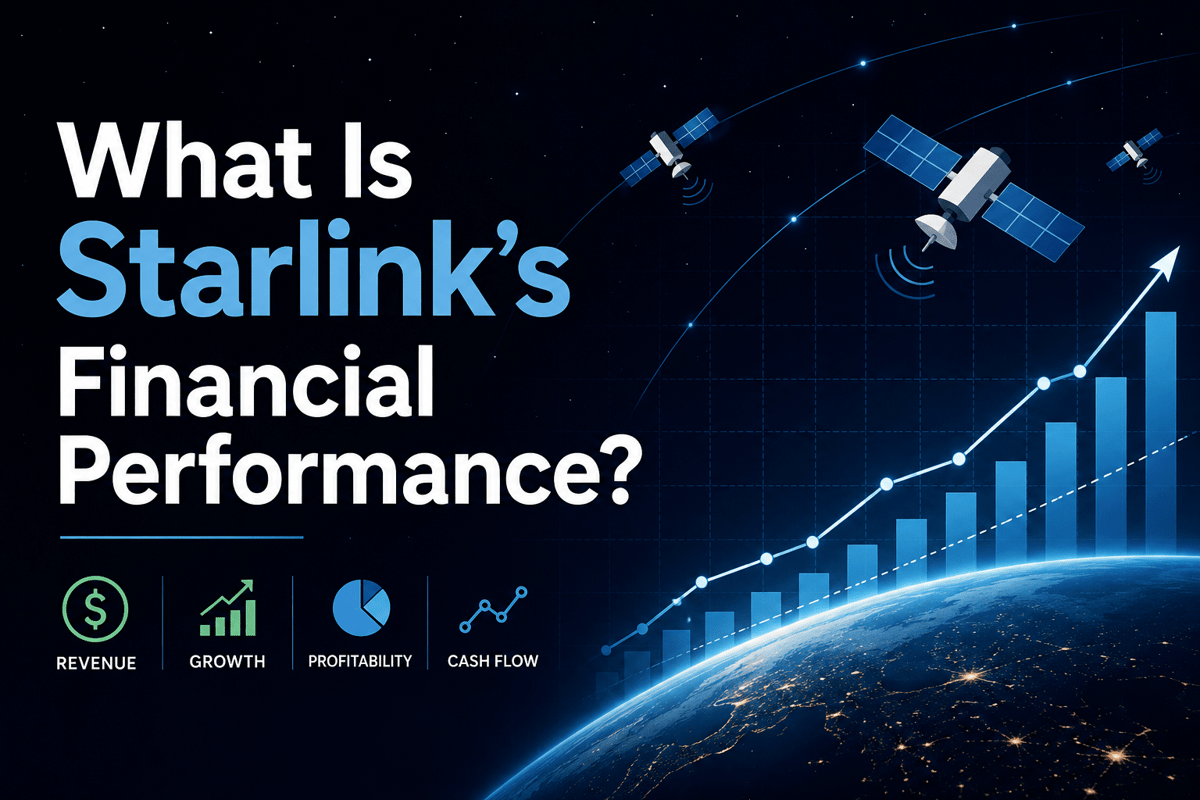
What Is Starlink’s Financial Performance?
SpaceX’s Connectivity segment, which houses Starlink, generated $11.39 billion in 2025 revenue—a 49.8% year‑over‑year increase—and posted a $4.42 billion operating profit with a 63% Adjusted EBITDA margin. The segment accounted for roughly 61% of SpaceX’s total 2025 revenue, while the launch and...

The Global Earth Observation Industry
The global Earth observation industry is transitioning from selling individual images to offering recurring data and analytics services. In 2024 the commercial market was valued at roughly $5 billion and is projected to exceed $8 billion by 2033. Government programs such as...
Direct-to-Device Satellite Services Market Analysis 2026
Direct‑to‑Device (D2D) satellite services are emerging as a niche coverage‑insurance product rather than a mass‑market broadband replacement. T‑Mobile reports usage at only 0.0002 % of its network, underscoring the gap between hype and actual traffic. Revenue is generated chiefly through carrier...
How Does Starlink Use Satellite Laser Communications?
SpaceX’s Starlink constellation now relies on optical inter‑satellite laser links, with each V2 Mini satellite carrying three 200 Gbps terminals. The laser mesh enables traffic to be routed in space, cutting dependence on ground gateways and boosting latency, capacity, and resilience,...
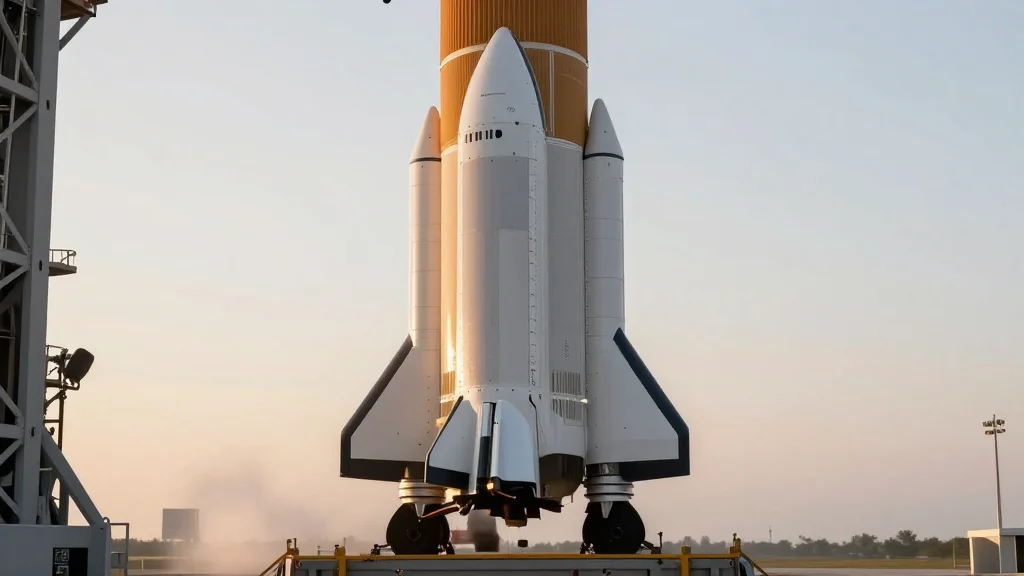
How Do New Glenn, Vulcan, and Starship Compare?
Blue Origin’s New Glenn family now includes a planned 9×4 super‑heavy variant that would lift 70 t to low‑Earth orbit with an 8.7 m fairing, while the operational 7×2 version already offers 45 t and reusable first‑stage capability. United Launch Alliance’s Vulcan remains...

Fiery Inferno Engulfs Blue Origin’s Giant Rocket – Shared Engines Threaten ULA’s Entire Program
On May 28 2026, Blue Origin’s New Glenn heavy‑lift rocket exploded during a static‑fire test at Cape Canaveral’s Launch Complex 36, destroying the fully stacked first stage and toppling a 600‑foot lightning tower. The blast involved all seven BE‑4 methane engines, prompting an FAA‑led investigation...

A Head-to-Head Comparison BE-4 Vs. Raptor
Blue Origin’s BE‑4 and SpaceX’s Raptor 3 are the United States’ two flagship methalox engines, but they follow opposite design philosophies. BE‑4 uses an oxygen‑rich staged‑combustion cycle that emphasizes proven reliability and high per‑engine thrust, while Raptor 3 employs a full‑flow staged‑combustion...

Canada Sovereign Counterspace and Space Domain Awareness Capabilities
Canada is moving from policy statements to a concrete sovereign counter‑space and space‑domain awareness (SDA) architecture, anchored by the newly formed 3 Canadian Space Division. The government’s "Our North, Strong and Free" strategy and Defence Industrial Strategy earmark investments in Arctic...
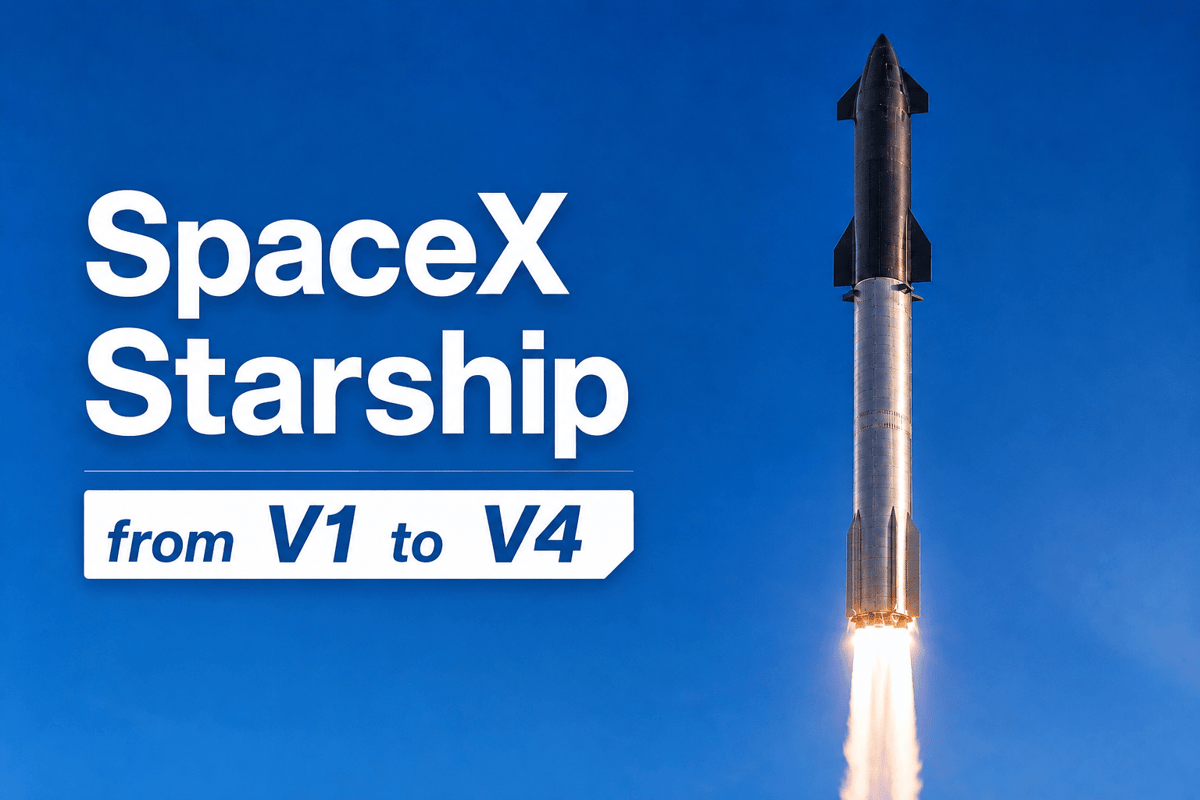
SpaceX Starship From V1 to V4
SpaceX’s Starship program has progressed through four distinct vehicle families, moving from early atmospheric prototypes to the V3 configuration that debuted on May 22 2026. V3 introduced Raptor 3 engines, a redesigned Super Heavy booster, docking interfaces and propellant‑transfer hardware, marking a shift...
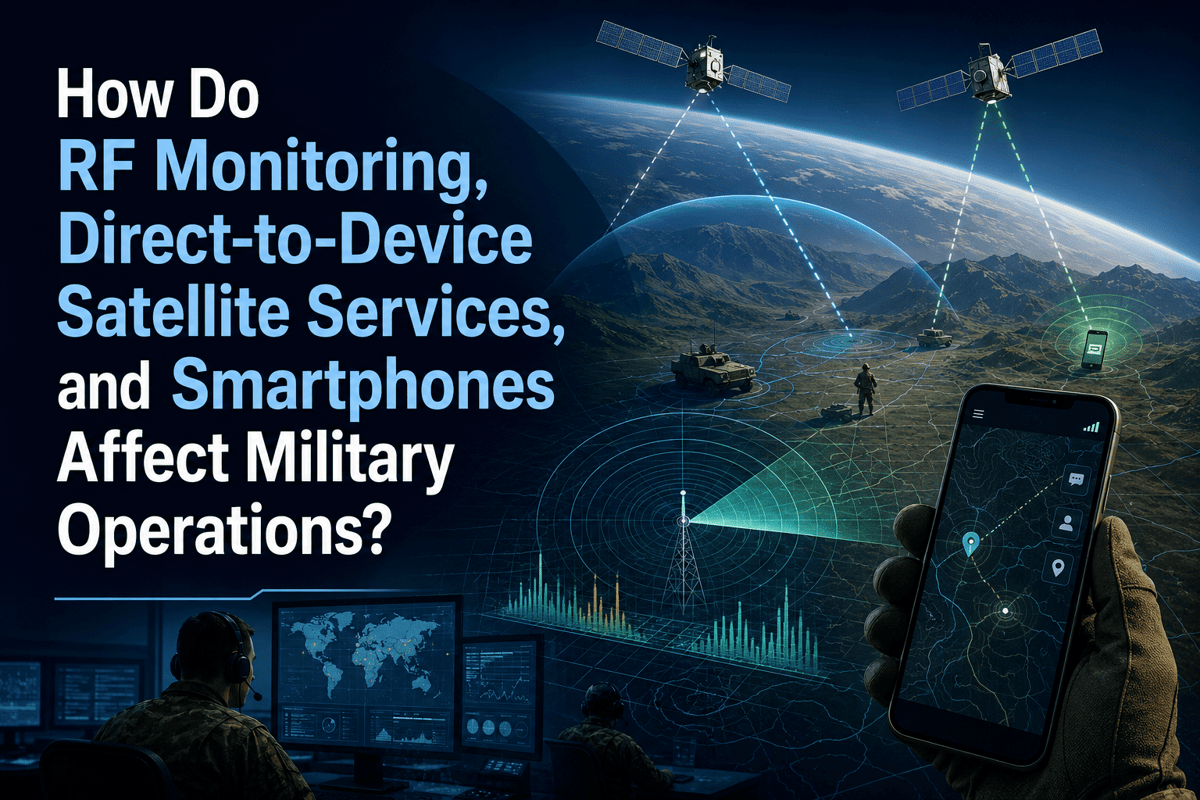
How Do RF Monitoring, Direct-to-Device Satellite Services, and Smartphones Affect Military Operations?
The Department of Defense’s 2018 restriction on device geolocation highlights how RF emissions, direct‑to‑device (D2D) satellite links, and everyday smartphones can expose military movements. Commercial firms such as HawkEye 360, Unseenlabs and AST SpaceMobile now sell space‑based RF monitoring and D2D...
Satellite Laser Communications Primer
NASA’s Artemis II mission demonstrated a laser‑based optical terminal that moved 484 GB of high‑definition video, images, and telemetry between Orion and Earth, marking the first crewed lunar‑distance use of satellite laser communications. Recent demonstrations such as TBIRD’s 200 Gbps downlink (4.8 TB in...

What Is the Van Allen Belt?
The Van Allen belts are two doughnut‑shaped zones of trapped protons and electrons held by Earth’s magnetic field. Discovered by Explorer 1 in 1958, they were later mapped in detail by NASA’s Van Allen Probes, which revealed rapid changes and even a temporary...
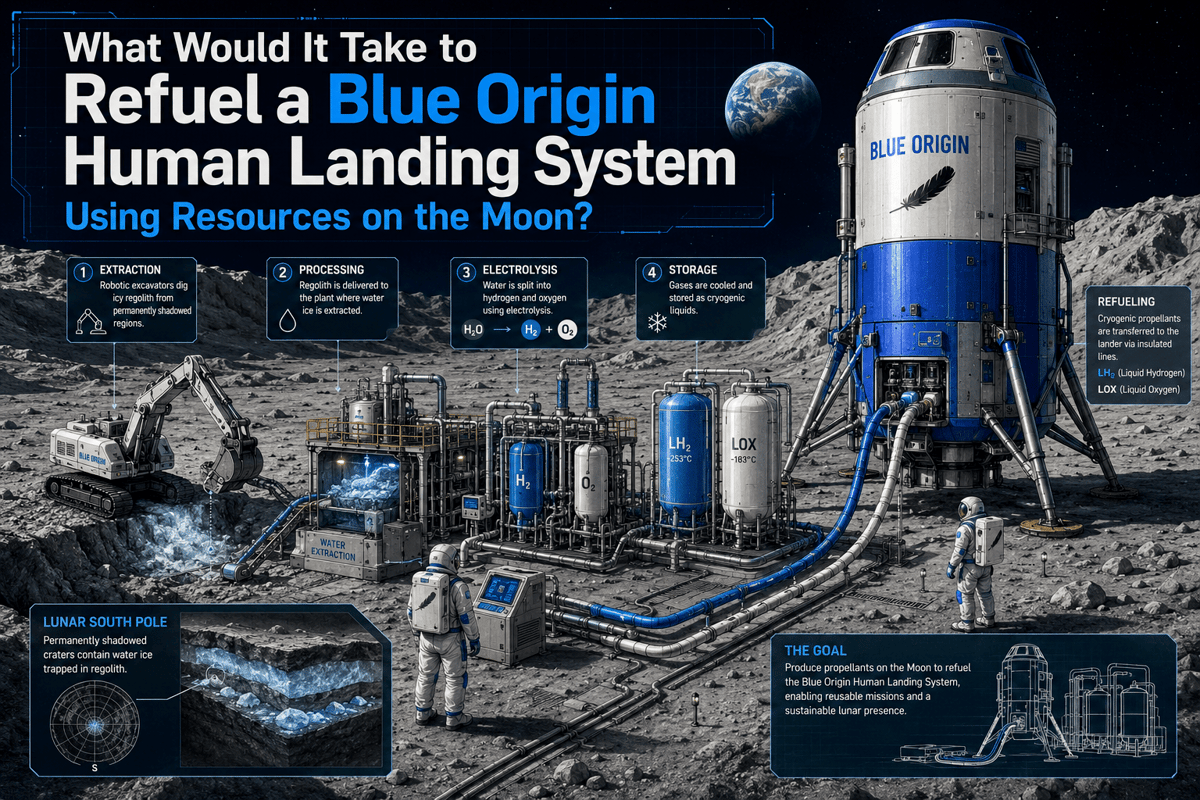
What Would It Take to Refuel a Blue Origin Human Landing System Using Resources on the Moon?
NASA’s $3.4 billion Blue Moon lander will need roughly 40 metric tons of LOX/LH₂ propellant for a crewed descent and ascent. Converting this to water means about 51 t of lunar ice must be extracted, with losses pushing the target to 57‑69 t. At...
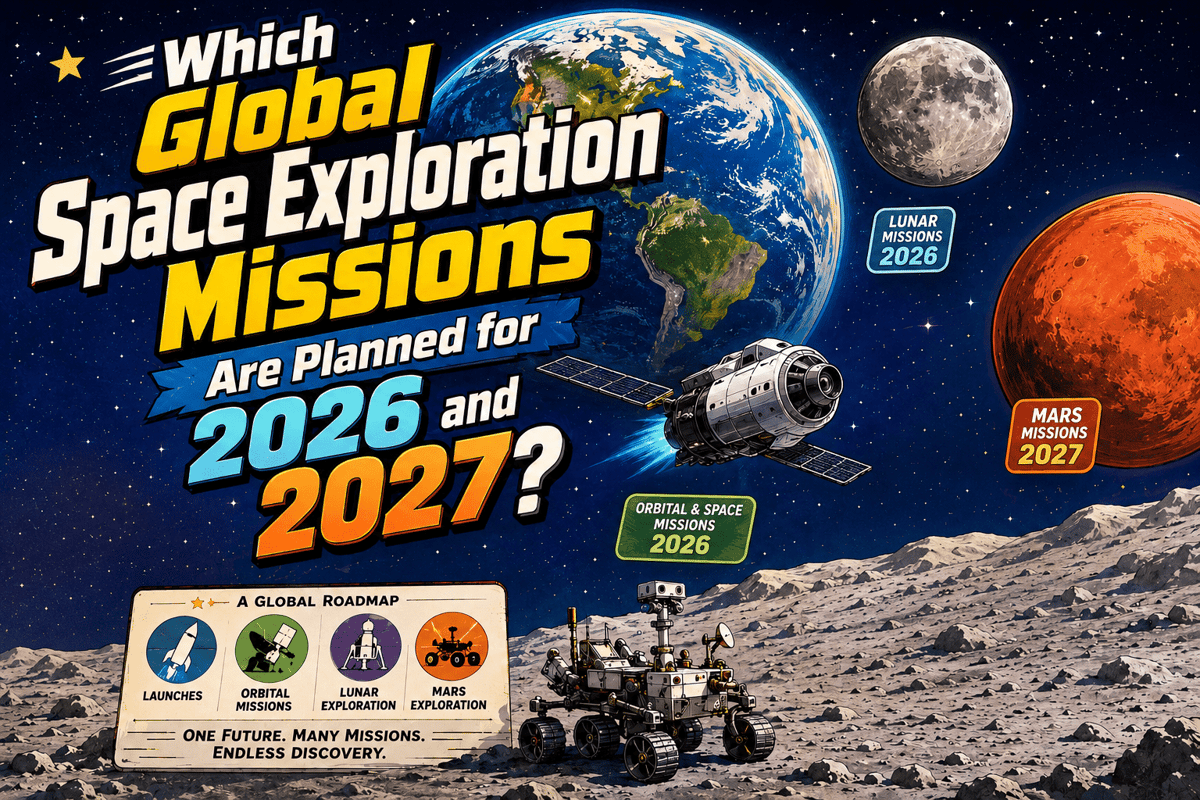
Which Global Space Exploration Missions Are Planned for 2026 and 2027?
The 2026‑2027 space‑exploration window is unusually crowded, with a wave of lunar missions—both governmental and commercial—dominating the schedule. NASA’s CLPS program, China’s Chang’e‑7, and several private landers are targeting the lunar south pole, while Artemis III will test crewed docking in...
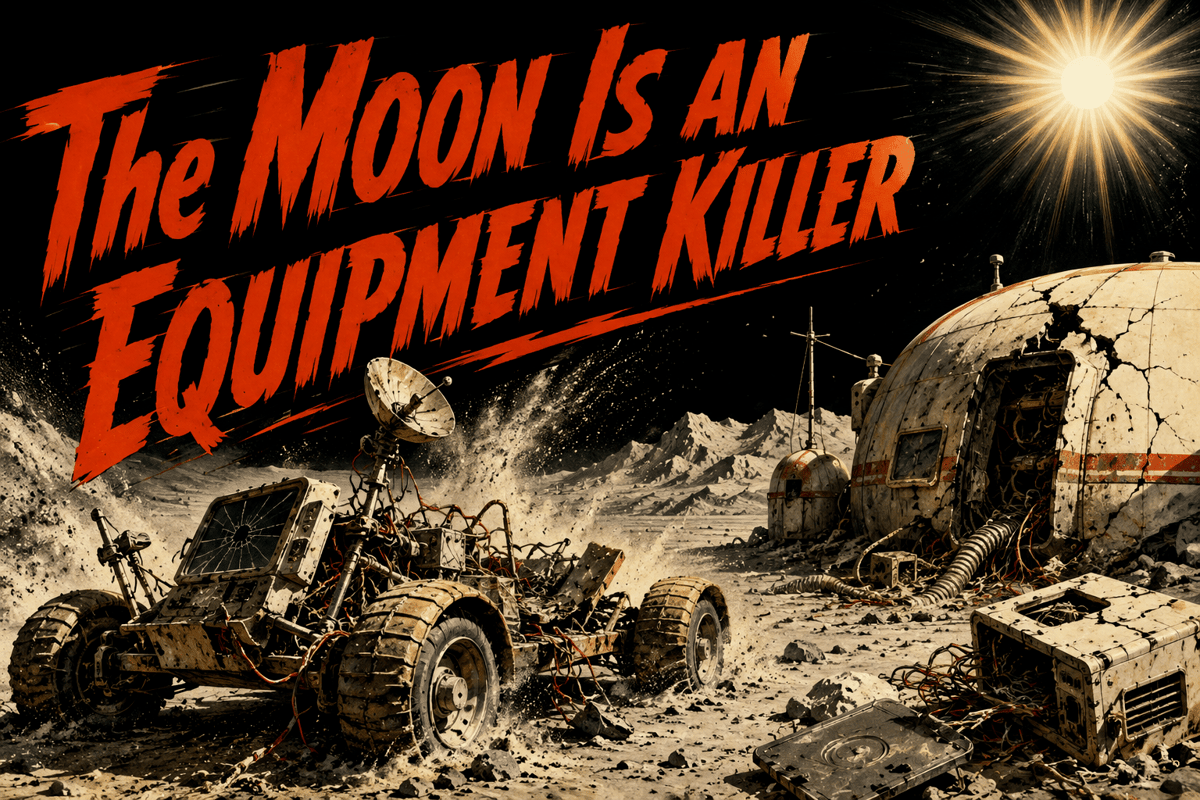
The Moon Is an Equipment Killer
The Moon’s harsh environment turns ordinary hardware into a liability, with abrasive, electrostatically charged regolith grinding seals, optics and joints. Temperature swings from over 250 °F in sunlight to below –410 °F in shadow cause thermal fatigue, battery loss and radiator contamination....
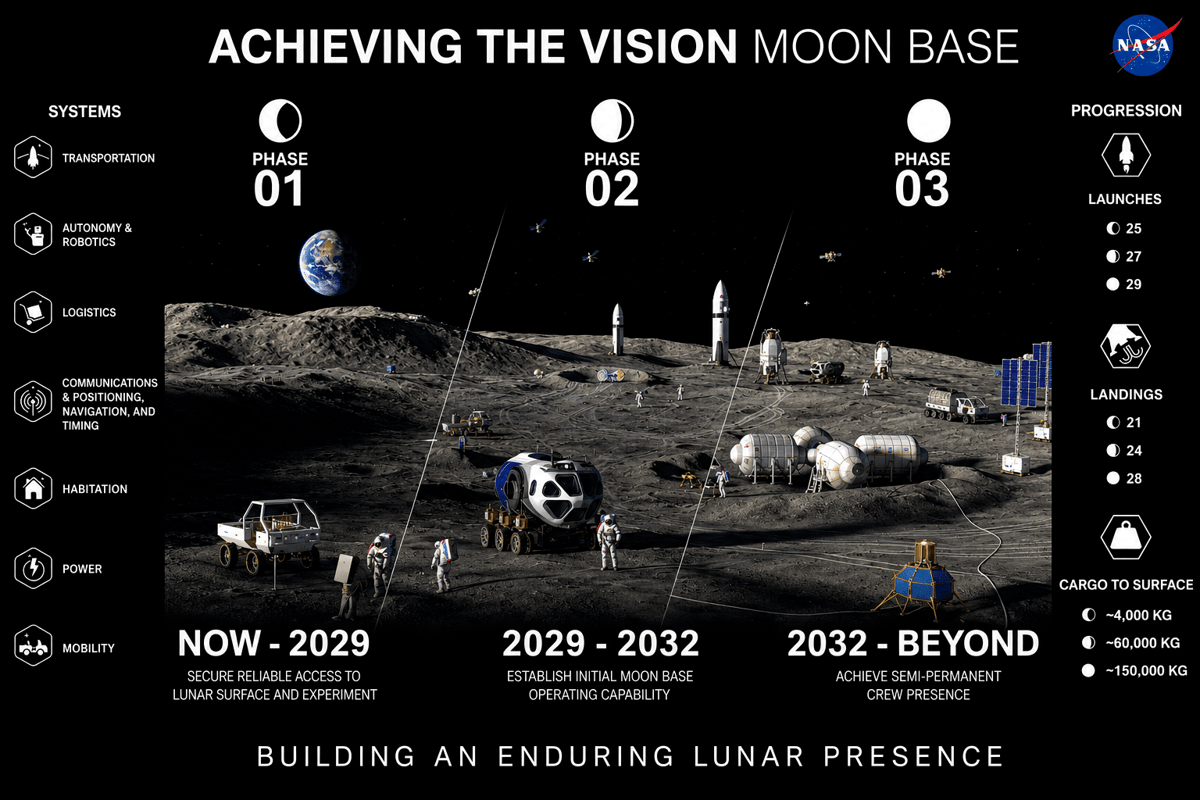
NASA Moon Base Plans: Artemis, the Lunar South Pole, and the Buildout of a Permanent Human Outpost
NASA’s Moon Base plan pivots to a phased, permanent outpost at the lunar South Pole, integrating robotic precursors, commercial landers, and the Artemis program. The strategy emphasizes extended solar illumination, water‑ice resources, and a distributed network of habitats, power, and...
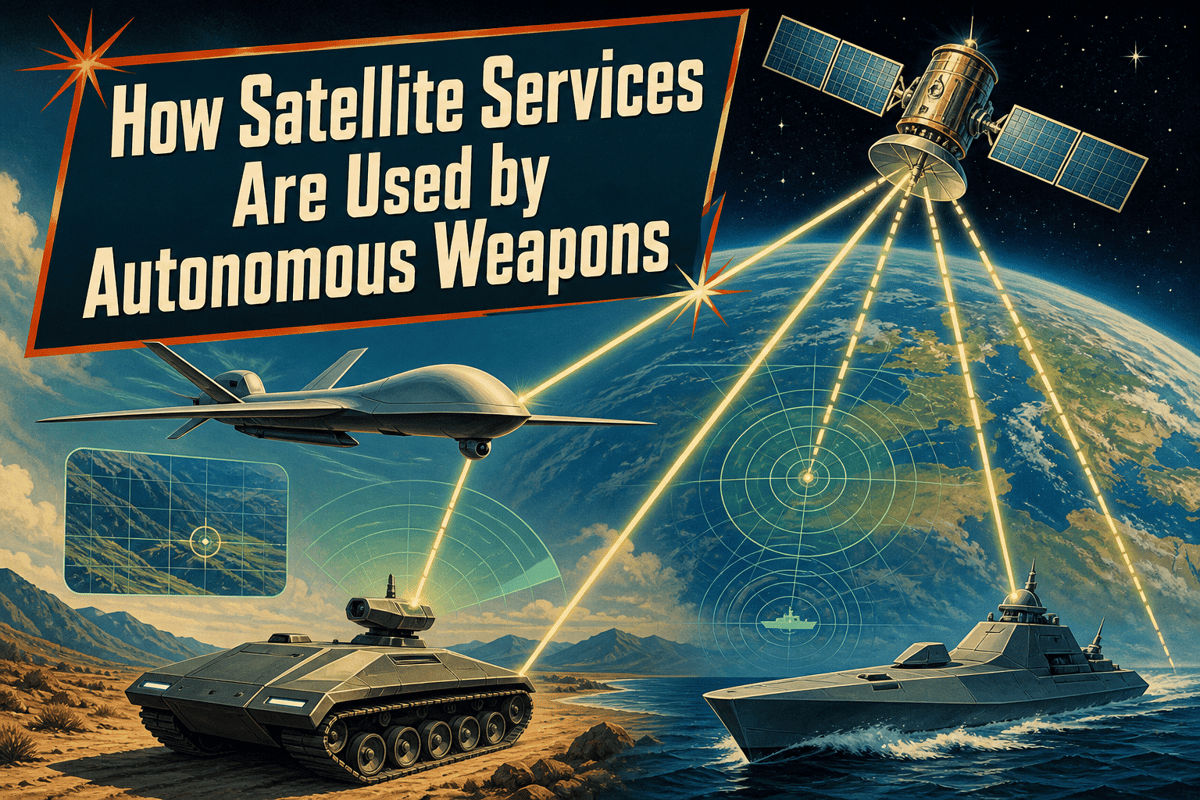
How Satellite Services Are Used by Autonomous Weapons
Satellite services are becoming the connective tissue for autonomous weapons, delivering command‑and‑control data, navigation, timing, imagery, and weather intelligence. A 2025 Starlink outage that paused two dozen U.S. Navy unmanned surface vessels highlighted how communication links, not the weapon itself,...
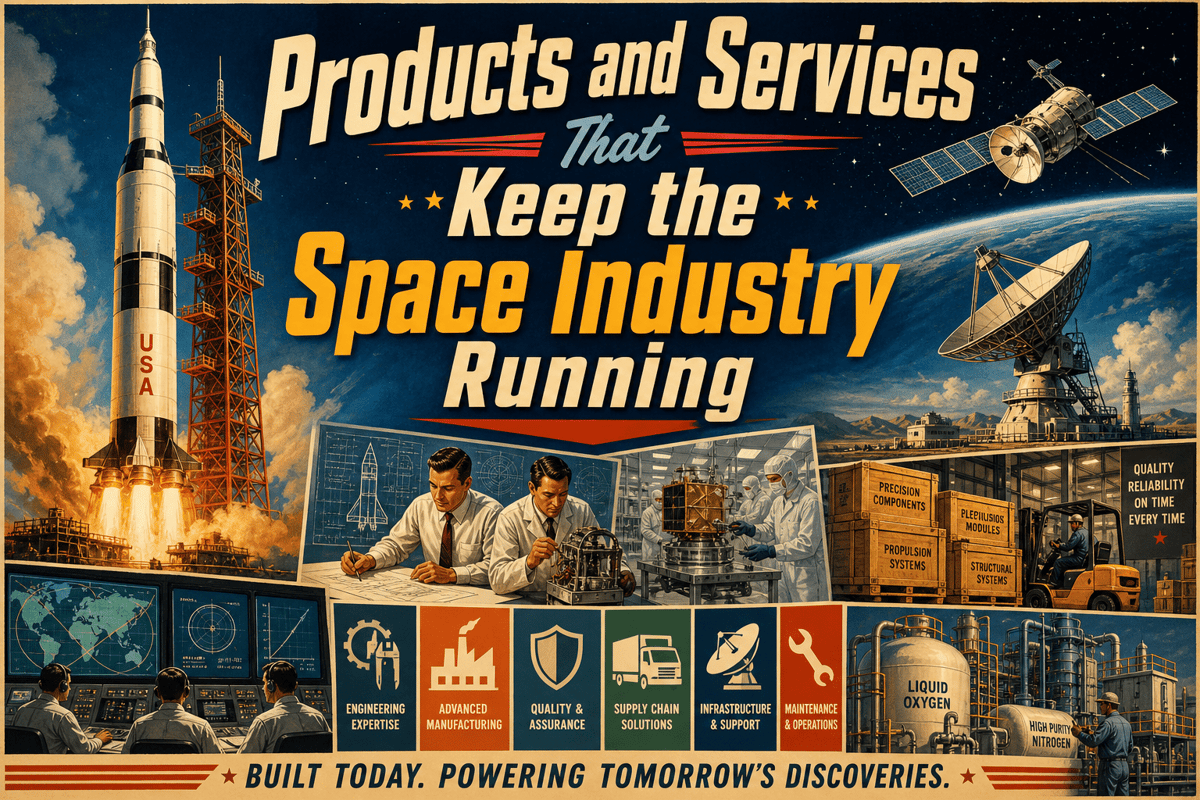
Products and Services That Keep the Space Industry Running
The ancillary economy that supports rockets and satellites is emerging as one of the largest chapters of the space sector. While the global space‑technology market is projected to reach $770 bn by 2030, services such as ground‑station networks, propellant supply, testing,...

Hypersonic Weapons and Canada Northern Early Warning Radar Systems
The rise of hypersonic glide vehicles, which travel at Mach 5+ below traditional radar horizons, threatens North America’s existing early‑warning architecture. Canada’s aging North Warning System, built in the 1980s, cannot reliably track these low‑altitude, high‑speed threats, compressing warning times from...

Earth’s Magnetic Field and Its Benefits, Risks, Measurements, Missions, and Changing Behavior
The article explains how Earth’s magnetic field is generated by the geodynamo in the liquid outer core, producing surface strengths of 20 000‑65 000 nanotesla and shielding the planet from solar radiation. It details how ground observatories, satellite missions such as Swarm, MMS...
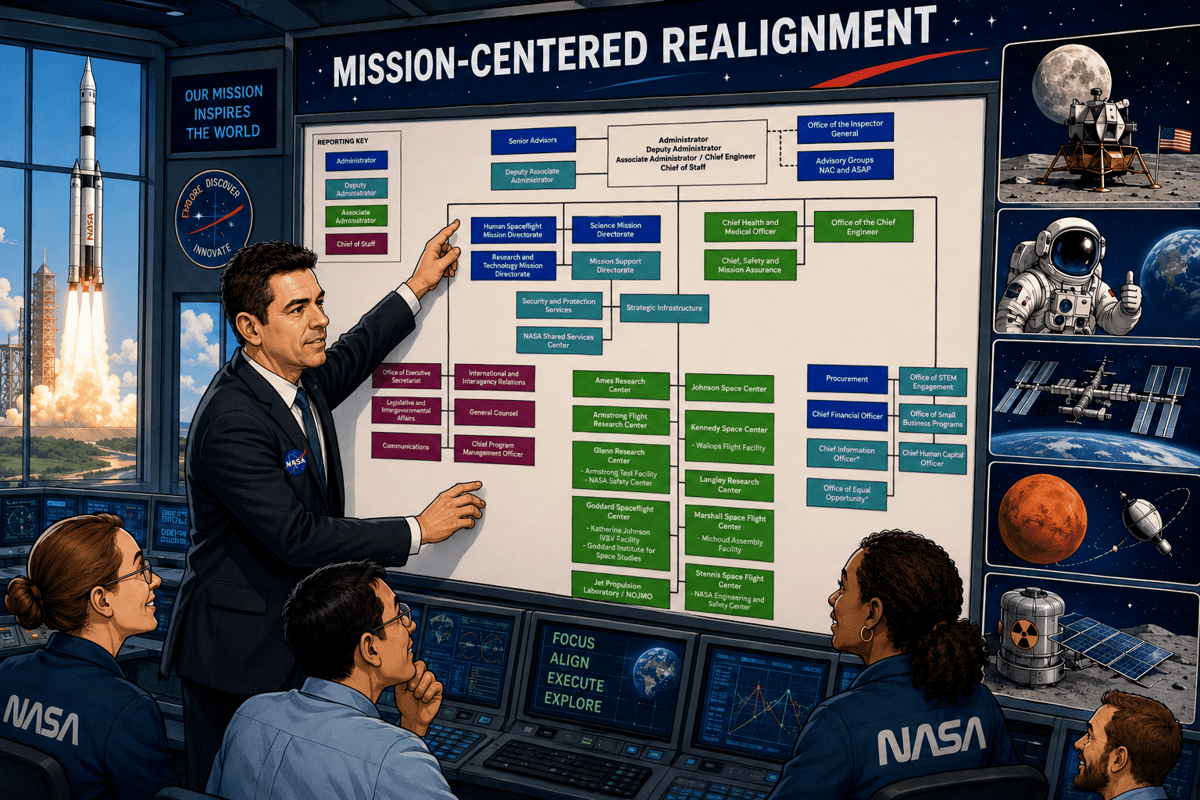
NASA Administrator Jared Isaacman Workforce Message Signals a Mission-Centered Agency Realignment
On May 22, 2026 NASA Administrator Jared Isaacman issued a workforce message that reshapes the agency around mission delivery. The realignment moves all mission directorates to report directly to the administrator, merges several directorates into Human Spaceflight and Research & Technology units, and...

How Life and Intelligent Life Emerged on Earth
Researchers continue to debate how non‑living chemistry gave rise to the first self‑replicating systems and, billions of years later, to intelligent life. The article reviews leading origin‑of‑life models—information‑first (RNA world), metabolism‑first, and compartment‑first—alongside proposed settings such as hydrothermal vents, warm...
Earth-Based Countermeasures in Modern Space Warfare
Modern space warfare is increasingly fought from the ground, as nations develop kinetic missiles, high‑energy lasers, electronic jamming and cyber tools to neutralize orbital assets without launching their own satellites. Non‑kinetic weapons provide deniable, rapid strikes that avoid the debris...

Canadian Arctic Terrestrial Radar Systems and Space Based Early Warning Defense
Canada has allocated a $38 billion CAD (≈$28 billion USD) program to overhaul its Arctic early‑warning architecture, centering on the Northern Approaches Surveillance System. The plan replaces the legacy North Warning System with over‑the‑horizon radars that point upward into the cold sky,...

Satellite Services for Biodiversity Monitoring
Satellite biodiversity monitoring has shifted from selling raw imagery to providing repeatable, policy‑grade outputs such as alerts, change‑detection layers, and auditable reports. Public missions like Landsat, Copernicus, and NISAR supply the free data foundation, while commercial firms add higher‑resolution or...
The Military Value of the Moon
The article outlines how the Moon is becoming a pivotal military asset, offering high‑ground space‑domain awareness, in‑situ propellant production, and strategic control of Lagrange points. It details the technical challenges of cislunar navigation, latency, and infrastructure needs, while highlighting ongoing...

Vast High-Power Satellite Buses Extend a Space Station Company Into Orbital Infrastructure
Vast announced Vast Satellite, a 15 kW high‑power satellite bus line that repurposes technology from its Haven space‑station program. The bus offers 700 kg dry mass, over 350 kg payload capacity, and a five‑year design life, targeting communications, Earth‑observation, national‑security and orbital‑compute customers....

Tesla Robot and Space Exploration Applications
Tesla’s Optimus humanoid robot, slated for mass production in its Fremont and Texas factories, is primarily built for repetitive industrial work. While its bipedal form shares traits with space‑focused robots, significant redesign would be needed to survive vacuum, radiation, dust...

Censorship and Commercial Earth Observation
Commercial Earth observation (EO) has shifted from a government‑only service to a market where high‑resolution, low‑latency imagery is sold to insurers, newsrooms, humanitarian groups, and defense agencies. Providers such as Vantor, BlackSky, Airbus Pléiades Neo, and Planet now deliver sub‑meter optical and...