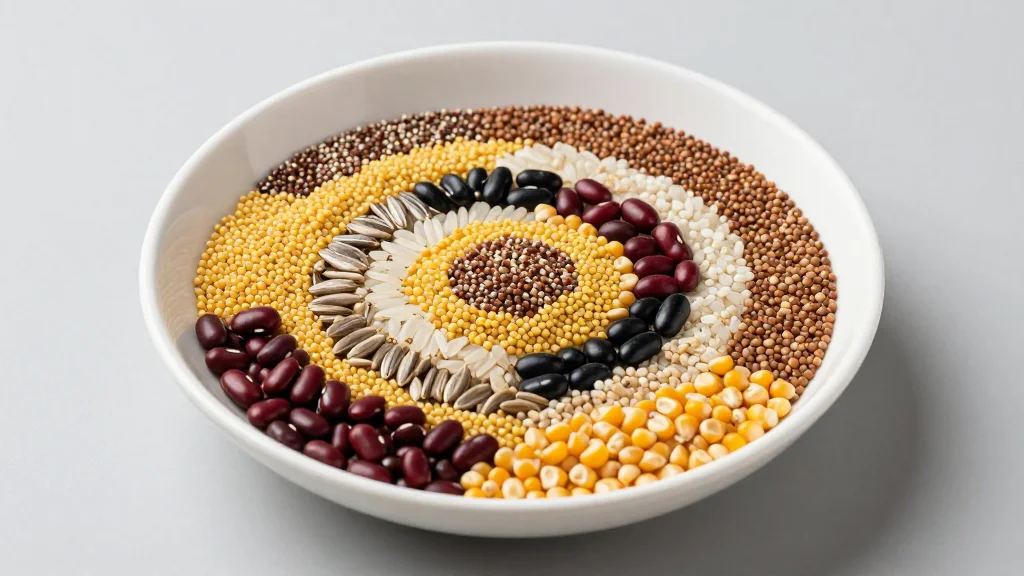
AI-Driven Breeding Strategy Aims to Boost Orphan Crops for Food Security
A team led by Prof. Xu Cao at the Chinese Academy of Sciences has proposed an AI‑empowered breeding framework, dubbed DSAP, to accelerate the domestication of orphan crops such as fonio, tef, and cowpea. The strategy integrates de novo genome editing, speed breeding, and high‑throughput AI phenomics to shorten generation cycles and identify elite varieties. By rapidly improving yield, quality, and climate resilience, the approach aims to broaden the global food base beyond the 30 staple crops that currently dominate calories. The findings were published in Nature Communications in November 2025.
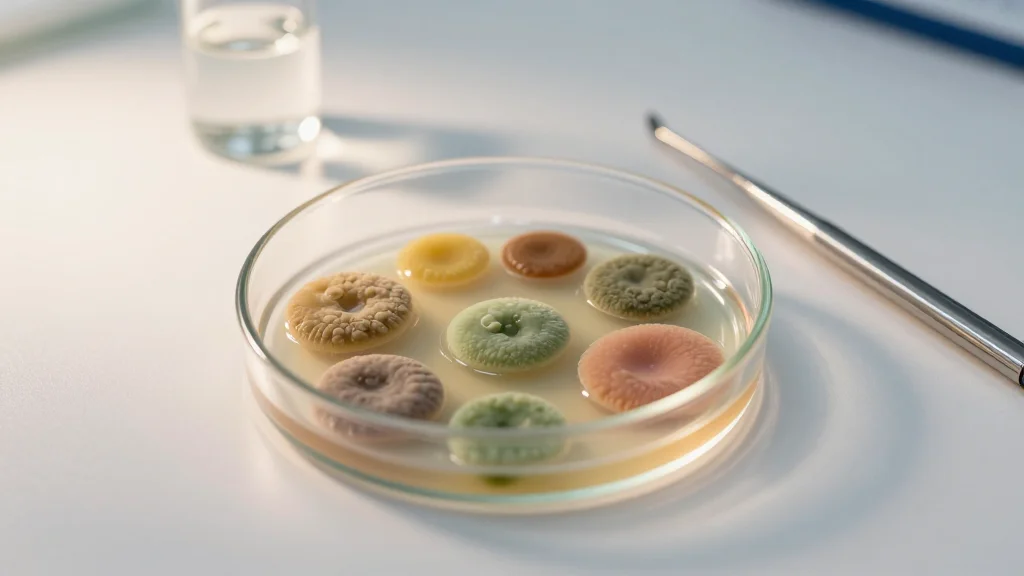
The Gut Bacteria that Put the Brakes on Weight Gain in Mice
University of Utah researchers identified the gut bacterium Turicibacter as a potent modulator of metabolic health, showing it markedly reduces weight gain, blood sugar, and blood lipids in mice fed a high‑fat diet. The microbe’s effect stems from a suite...
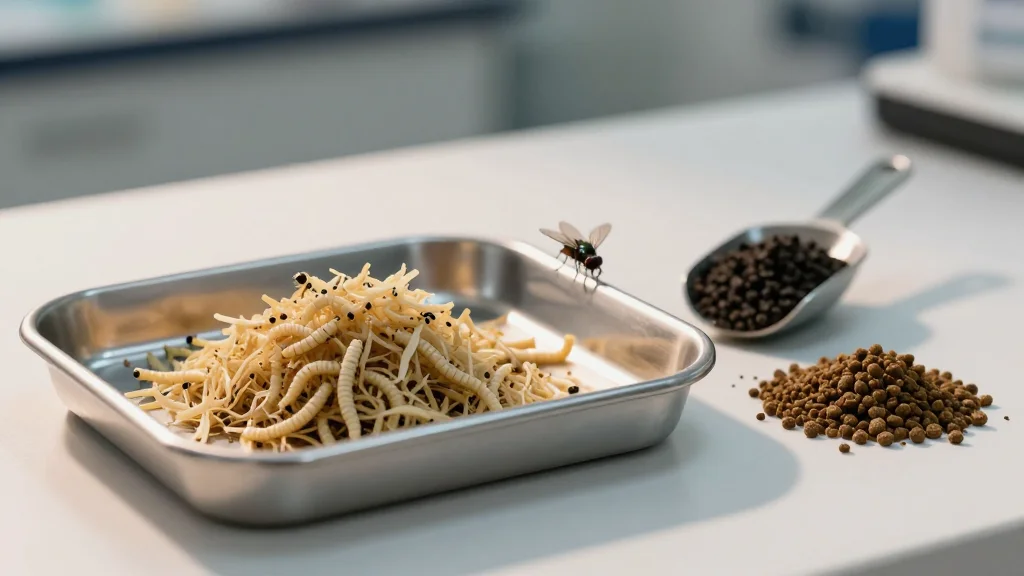
A DIY, Fly-Powered Food Waste Recycling System
University of California‑Riverside researchers have engineered a DIY black‑soldier fly bioreactor that converts on‑site food waste into high‑protein larvae and nutrient‑dense frass. The system uses off‑the‑shelf materials, operates under a single caretaker, and yields roughly one pound of larvae per...
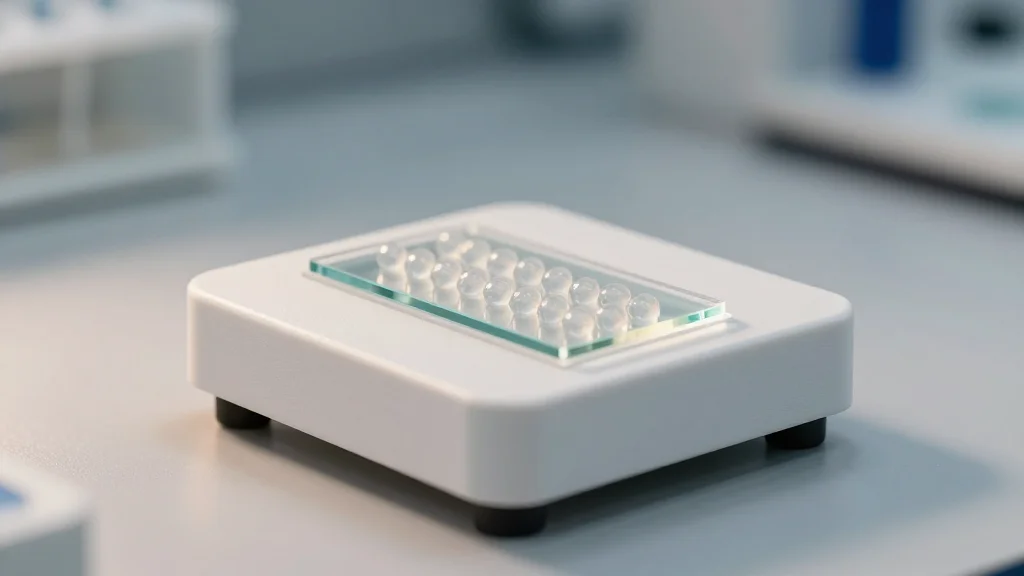
New Microfluidics Technology Enables Highly Uniform DNA Condensate Formation
Researchers at Chuo University introduced a vibration‑induced local vortex (VILV) platform that creates highly uniform DNA condensate droplets using a low‑cost piezoelectric vibrator. The system replaces traditional microfluidic pumps with stable micro‑vortex arrays generated on a simple micropillar device, enabling...
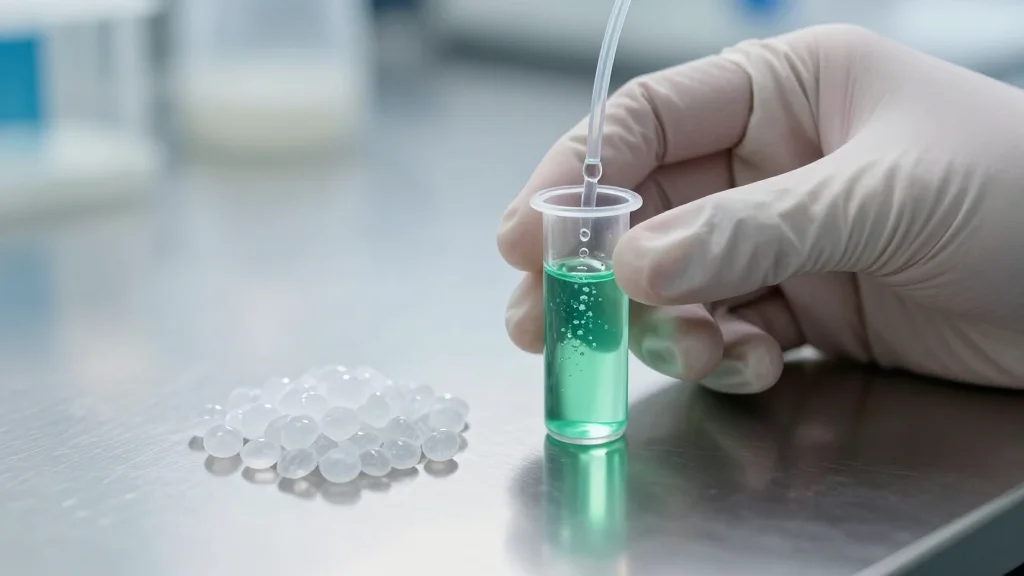
Artificial Metabolism Turns Waste CO₂ Into Useful Chemicals
Northwestern and Stanford researchers have engineered a fully synthetic, cell‑free metabolism called the Reductive Formate Pathway (ReForm) that converts CO₂‑derived formate into acetyl‑CoA and subsequently into malate, a high‑value chemical. The pathway relies on five engineered enzymes arranged in six...
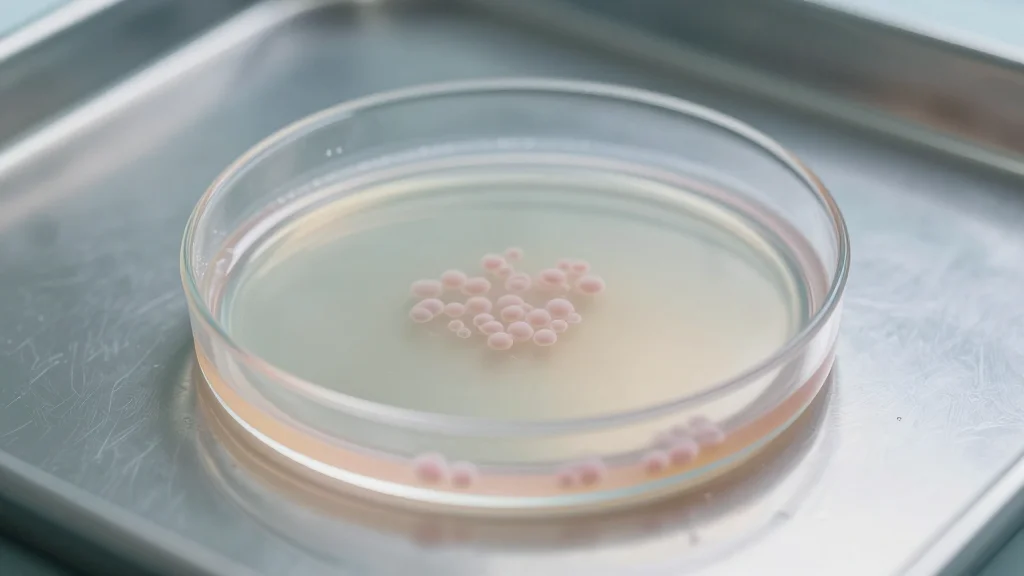
Induced Pluripotent Stem Cells: From Dish to Freezer and Back
Kobe University researchers have devised a cryopreservation protocol that freezes induced pluripotent stem cells (iPSCs) directly in their 2‑dimensional culture dishes. The method uses the inexpensive amino acid D‑proline combined with a synthetic polymer and a brief enzymatic step to...
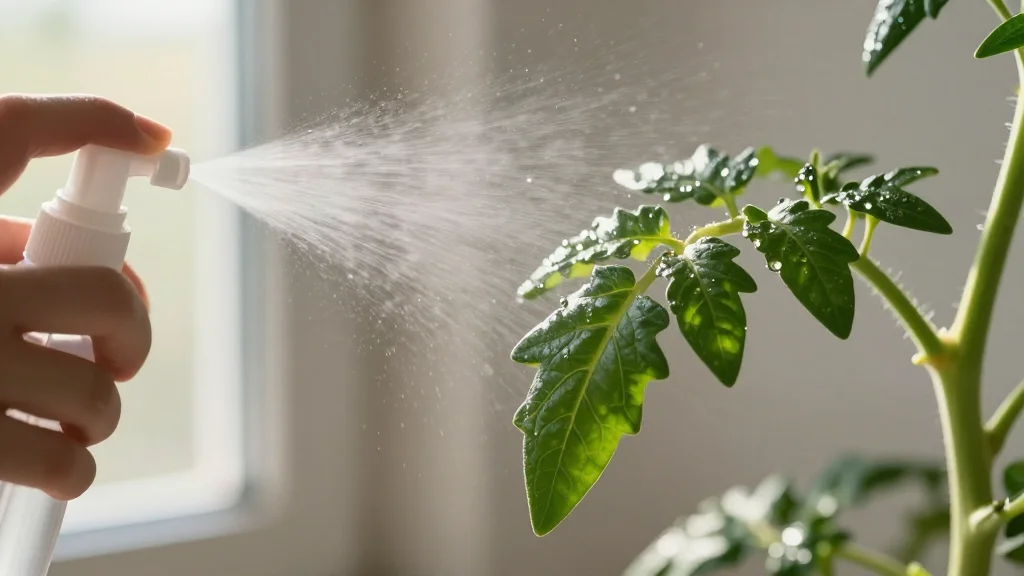
Spray-On Antibacterial Coating Offers New Protection for Plants Against Disease and Drought
UC San Diego engineers have created a water‑based spray polymer coating that shields plant leaves from bacterial infection and improves drought tolerance. The polynorbornene polymer carries positive charges that disrupt bacterial membranes while remaining gas‑permeable for normal leaf respiration. Laboratory...
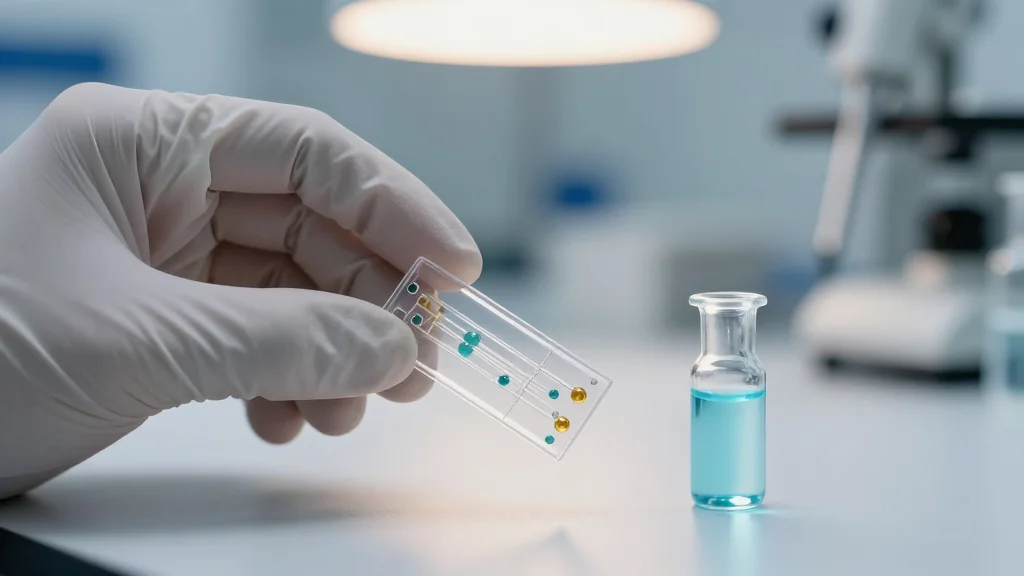
Researchers Co-Develop New Deep Learning Platform to Advance Precision Medicine
Researchers from Marshall University and the University of Missouri unveiled G2PDeep, a web‑based deep‑learning platform that fuses six major omics data streams to predict complex health outcomes. The peer‑reviewed study in *Biomolecules* demonstrates the tool’s ability to identify molecular markers,...