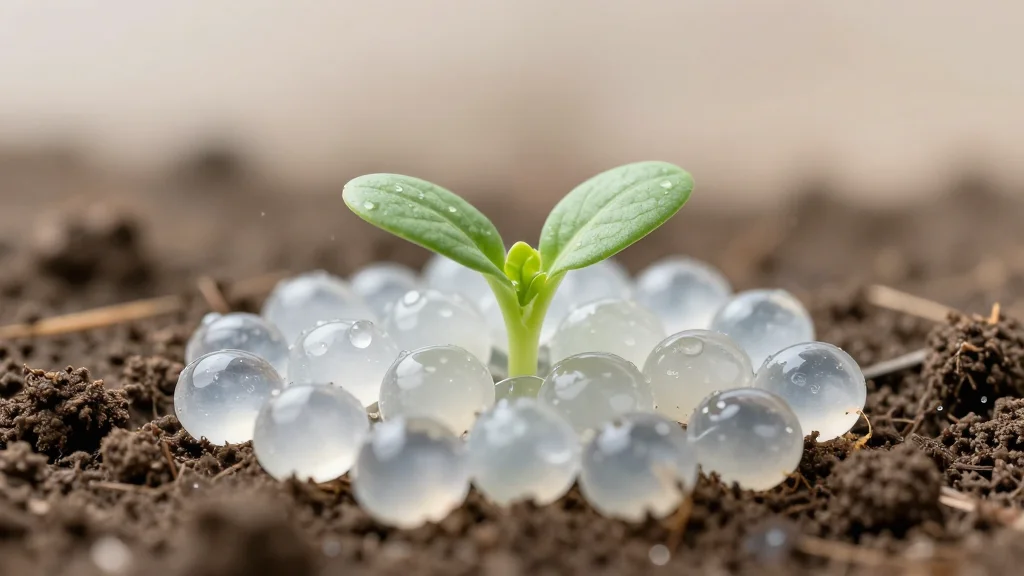
Biopolymer-Based Hydrogel Formulations for Improved Seed Coating Performance
Researchers at Nazarbayev University have created biodegradable hydrogels from starch and carboxymethyl cellulose that can absorb up to 17.5 g of water per gram and degrade about 67 % in soil. When applied as seed coatings, the formulations doubled sugar beet seedling length compared with untreated seeds. The study also incorporated wood ash, adding essential minerals while the hydrogel retained moisture. The authors suggest the technology could replace petroleum‑based superabsorbents in sustainable agriculture.
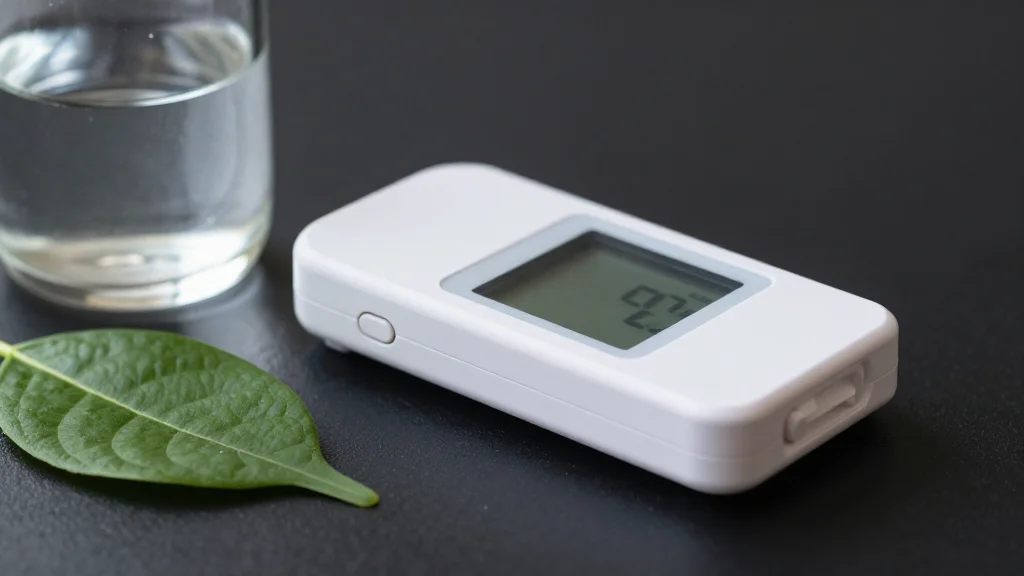
Pocket-Sized Device Rivals Bulky Lab Machinery in Disease and Environmental Testing
Micronix Co., Ltd. has launched POTA, a pocket‑sized spectrophotometer that matches the performance of traditional lab‑grade instruments. The device, developed at Kumamoto University, uses a novel tapered spatial filter to suppress stray light, allowing a simple LED and color sensor...
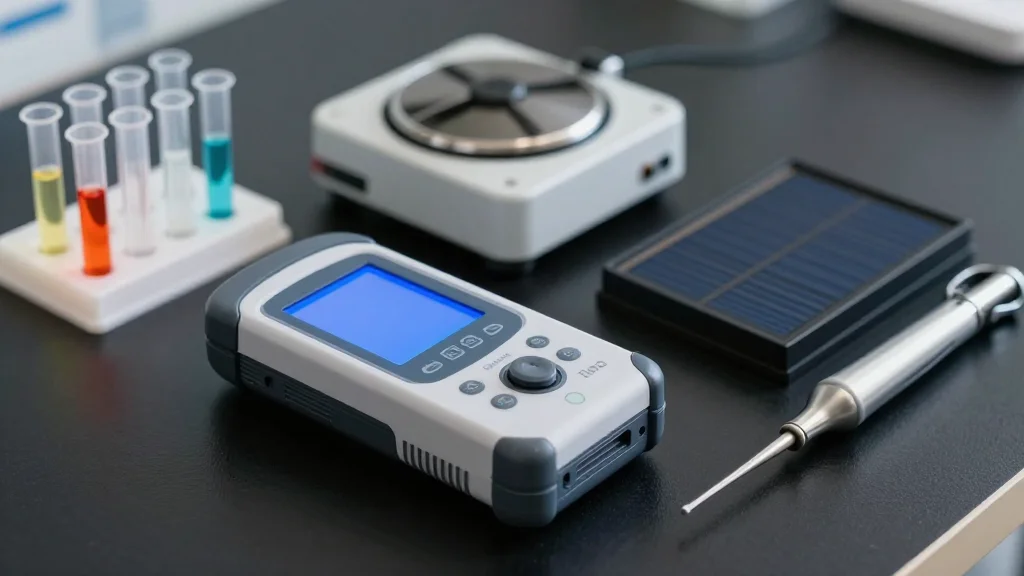
Freeze-Dried Reagents and Hand-Powered Hardware Bring Biomanufacturing to Remote Labs
Researchers at the University of Toronto’s Leslie Dan Faculty of Pharmacy have created a low‑cost, portable biomanufacturing platform that combines freeze‑dried cell‑free reagents with a 3D‑printed hand‑powered centrifuge. The system can produce research‑grade proteins, a SARS‑CoV‑2 vaccine candidate, and diagnostic...
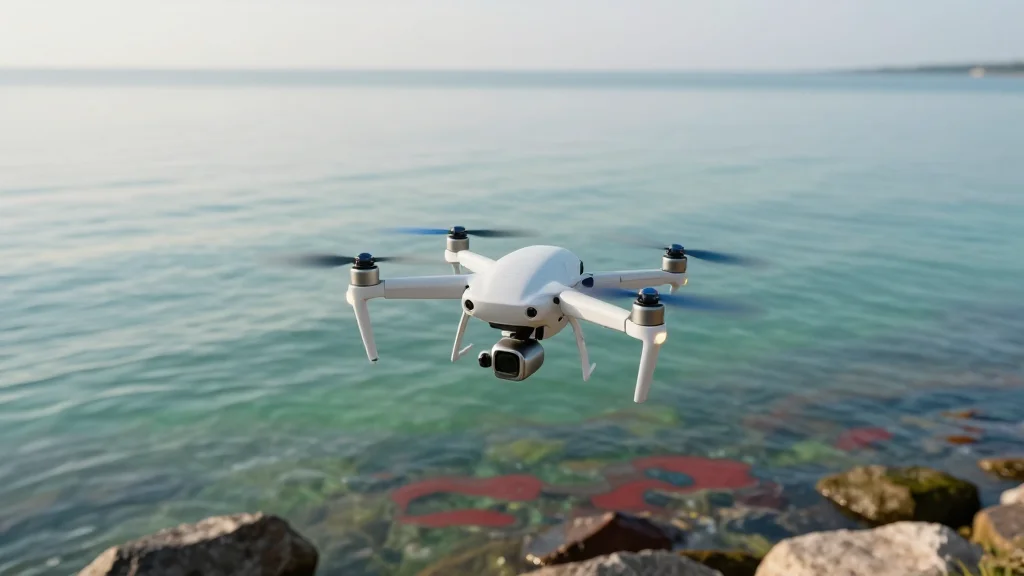
AI and Drones Can Help Improve Early Warning Systems for Vibrio Bacteria in the Baltic Sea
Researchers at the Leibniz Institute for Baltic Sea Research have built an AI model that can forecast the presence of Vibrio vulnificus up to five weeks ahead in the Baltic Sea. The model fuses high‑resolution environmental measurements, satellite observations and...
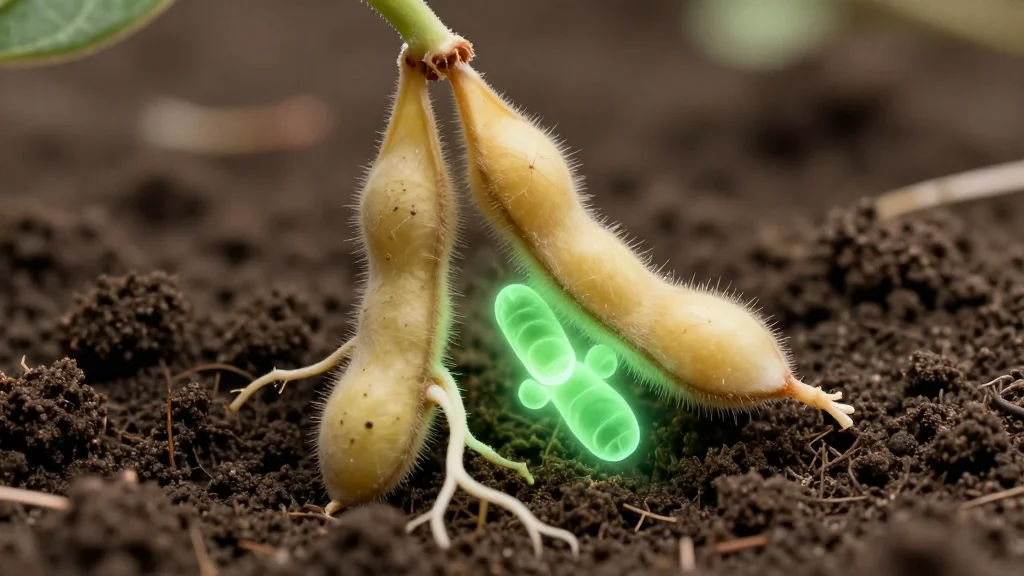
Nitrogen-Fixing Genes Moved Into New Bacterial Strains, Opening Path Beyond Fertilizer
Researchers at Washington State University have successfully moved a large cluster of nitrogen‑fixation genes, known as a symbiosis island, from rhizobia into previously non‑fixing bacterial strains. Using a novel genetic tool, they achieved high‑efficiency mating and created bacteria that can...
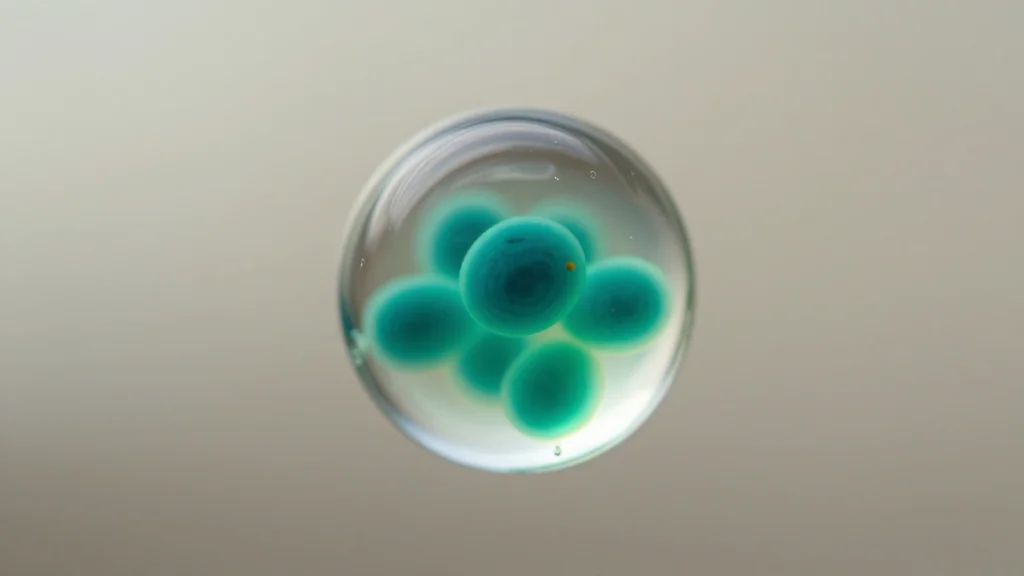
Genetically Engineering Cyanobacteria for the Production of Sulfated Polysaccharide
Researchers at the Institute of Science Tokyo and Tokyo University of Agriculture have engineered the cyanobacterium Synechococcus elongatus to produce the sulfated polysaccharide synechan by transferring a full gene cluster from Synechocystis sp. PCC 6803. The engineered strain secretes extracellular SPS...
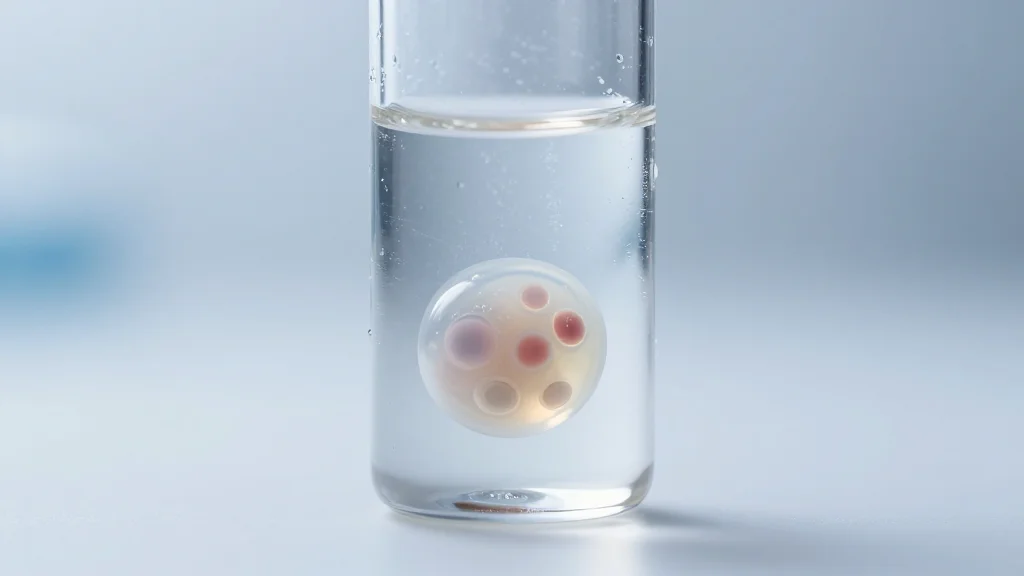
Improved Embryo Freezing Technique Could Preserve Endangered Species
A Cornell research team has developed an ultrafast embryo vitrification protocol that cools cells 30 times faster than conventional methods, preventing ice crystal formation. Tested on large bovine embryos, the technique kept embryos ice‑free even with 30% less cryoprotectant and...
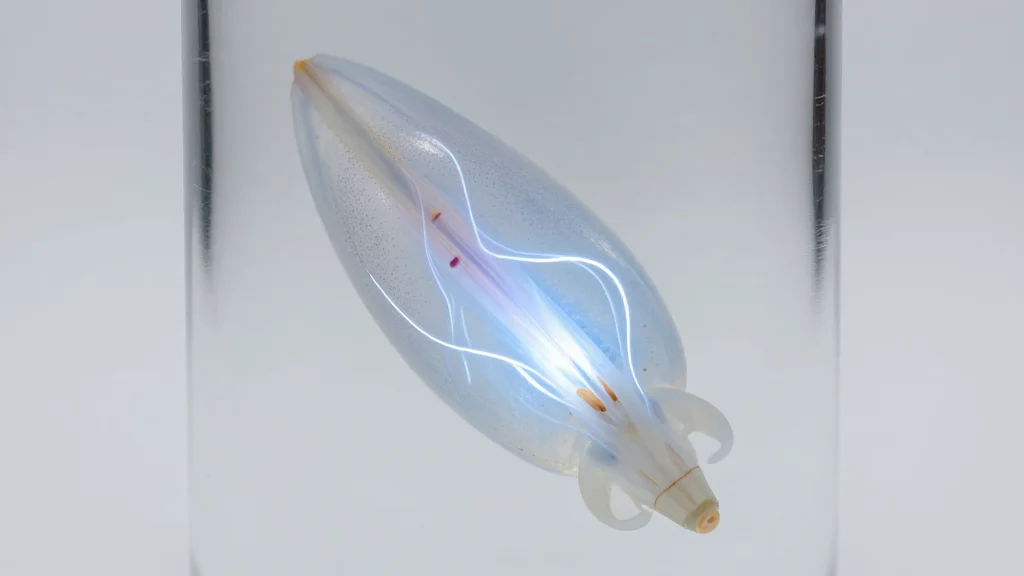
Electrical Pulses Reverse Aging in Sea Squirts, Offering Clues for Extending Human Longevity
Scientists at Stanford have shown that brief electrical pulses can reverse aging markers in sea squirts, extending their laboratory lifespan from months to several years. The 15‑minute treatment triggers a rapid shutdown and rebound of gene expression, effectively rebooting stem‑cell...
Platform Fast-Tracks Microbial Design for High-Temp Manufacturing
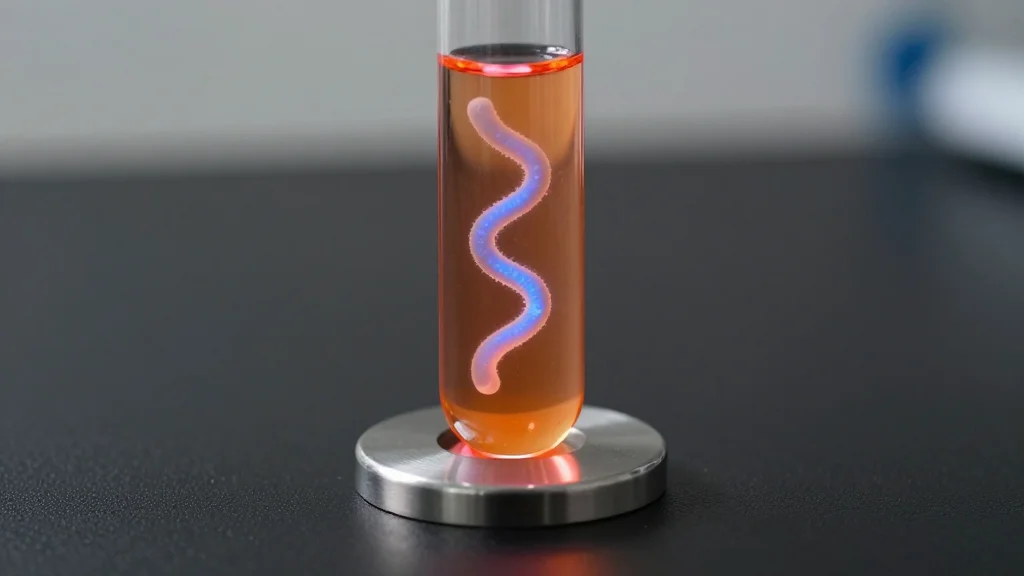
Scientists at Oak Ridge National Laboratory unveiled tSAGE, a thermophilic Serine recombinase Assisted Genome Engineering platform that can insert DNA into heat‑loving microbes within weeks. The tool accelerates strain development for *Clostridium thermocellum*, a bacterium that efficiently breaks down plant...
DNA 'Nicks' Make for Safer, More Precise Genetic Analysis
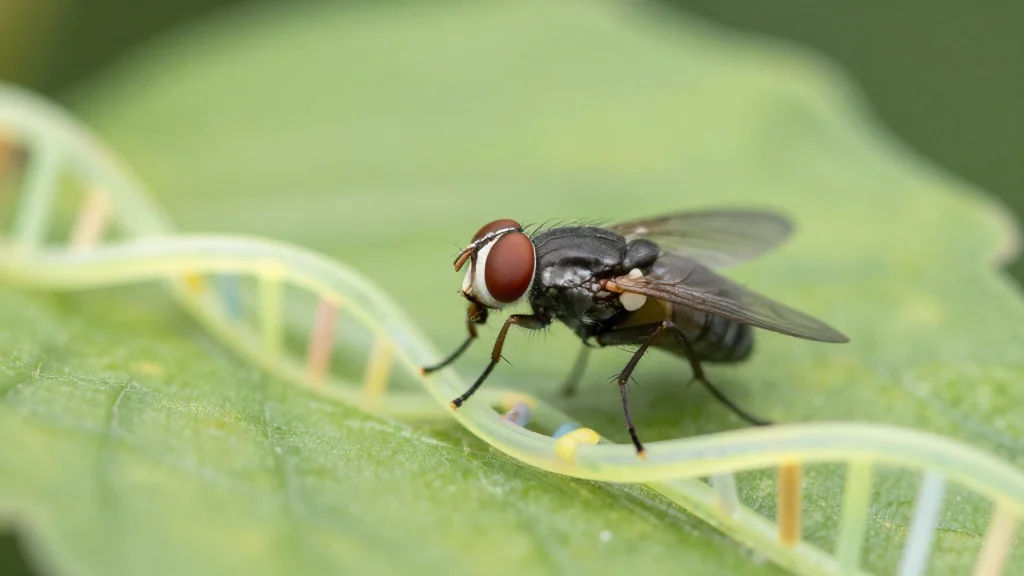
Cornell researchers have upgraded the CRISPR‑based MAGIC technique by swapping double‑strand cuts for single‑strand DNA nicks. Using Cas9‑derived nickases, they demonstrated that a lone nick can still drive mitotic recombination in fruit‑fly tissues, dramatically lowering cellular toxicity. The study, published...
Sea Squirt Reveals Glowing Spines and Unexpected Nervous System Anatomy
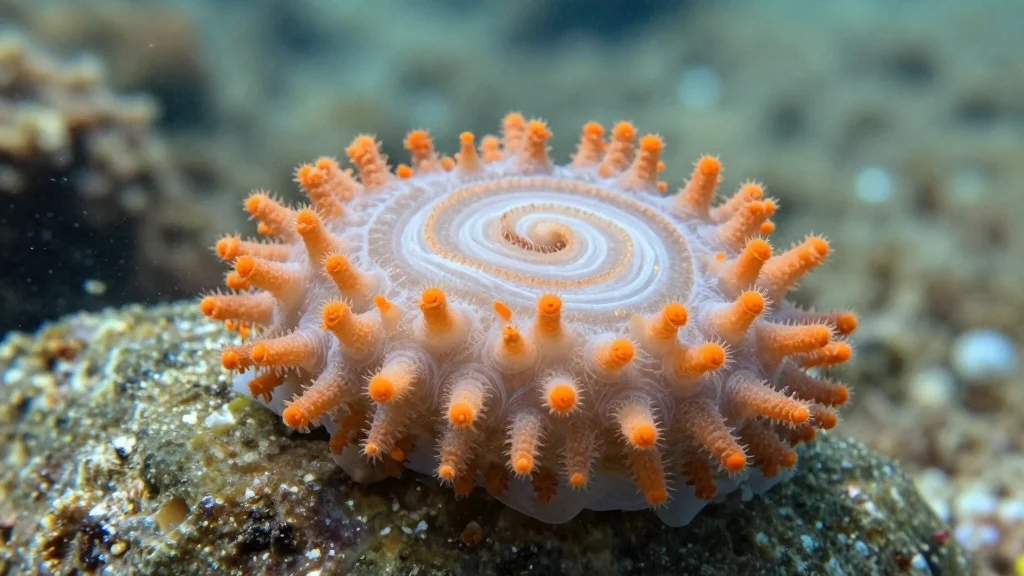
Researchers at Ruhr University Bochum employed multimodal imaging—including light, confocal, MRT and synchrotron tomography—to examine the ascidian Halocynthia papillosa. They discovered pronounced autofluorescence in the tunic’s cuticular spines and mapped a spirally organized cellulose structure. The study also revealed an...
Advancing Detection of Genome-Edited Crops in Food Mixtures
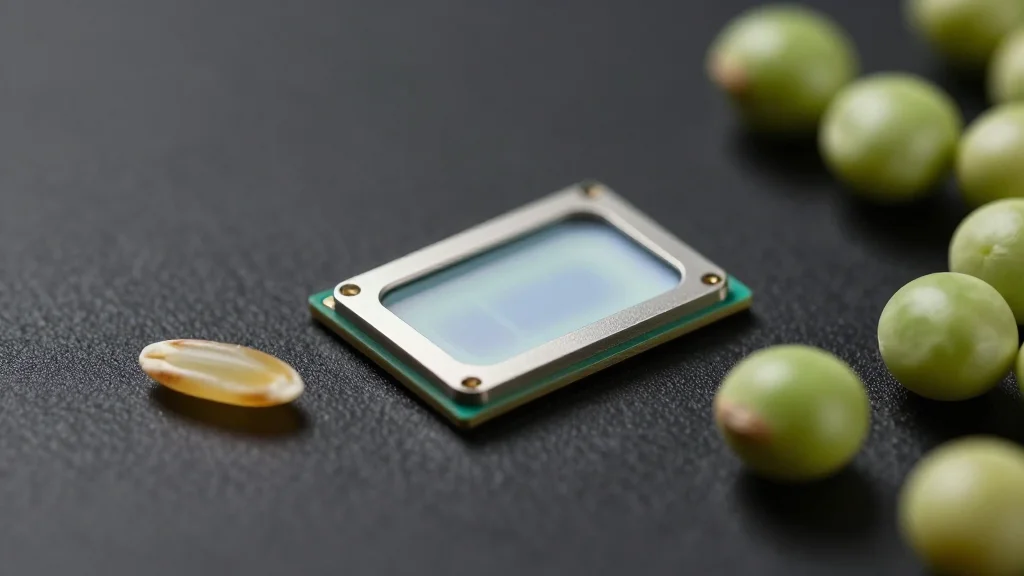
Researchers from Sciensano, part of the DARWIN project, published a paper in npj Science of Food describing a novel detection method for genome‑edited crops in complex food mixtures. The technique combines high‑throughput nanopore sequencing with adaptive sampling to selectively enrich...
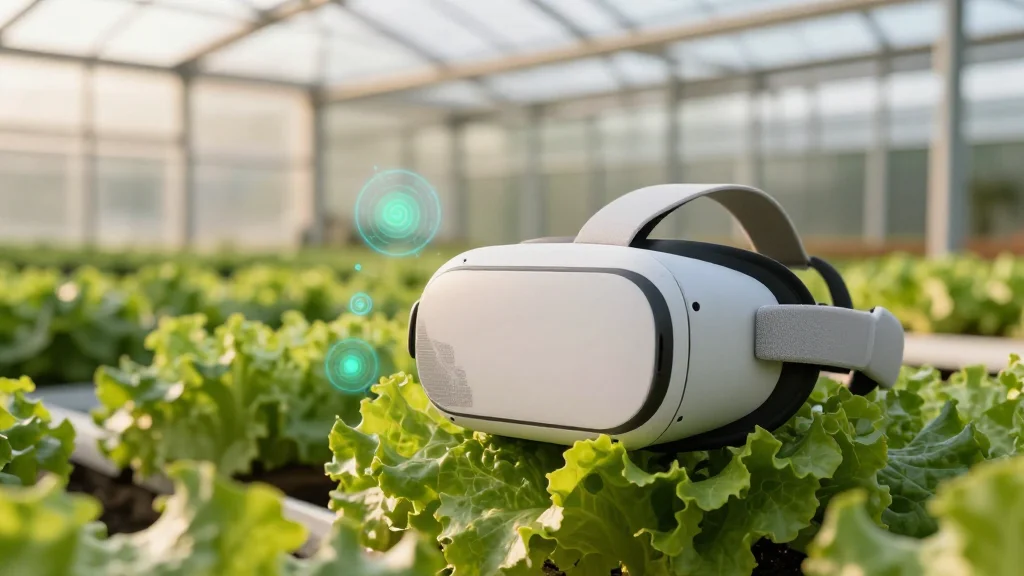
Your Own Personal Farmville: This VR Greenhouse Lets Users Monitor Crops Remotely
Engineers at Binghamton University have built a mixed‑reality digital twin that recreates a real greenhouse in VR, linking live IoT sensor data to 3‑D plant models. Users wearing goggles can walk through the virtual space, view temperature, humidity and gas...
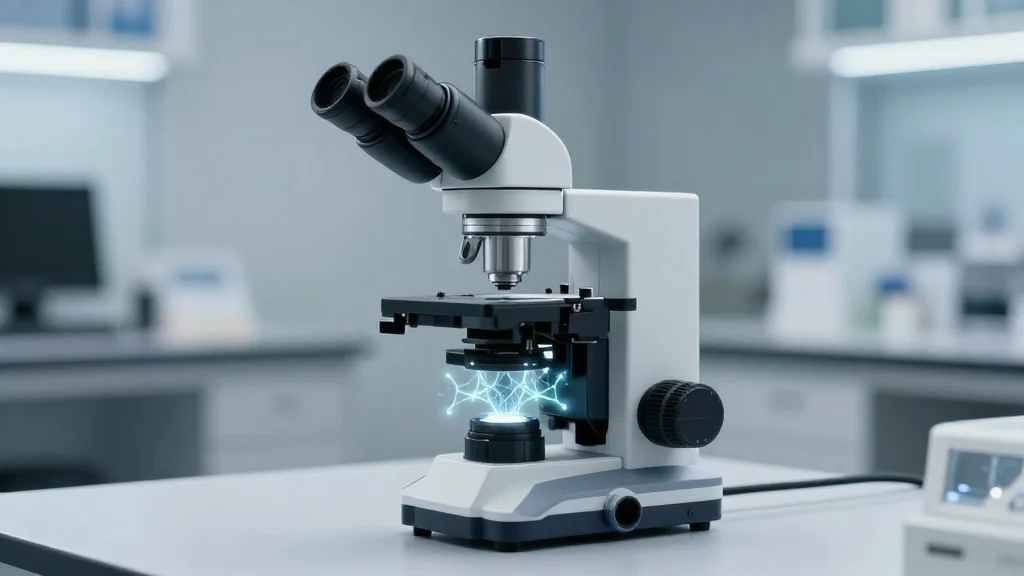
Agentic AI Could Help Electron Microscopes Plan, Adapt and Analyze Experiments
A Georgia Tech team proposes “thinking electron microscopes,” embedding agentic AI directly into transmission electron microscopes. Specialized large‑language‑model agents would handle planning, simulation, critique, and real‑time data analysis, turning the instrument into a co‑scientist. The researchers are building cloud‑based agentic...
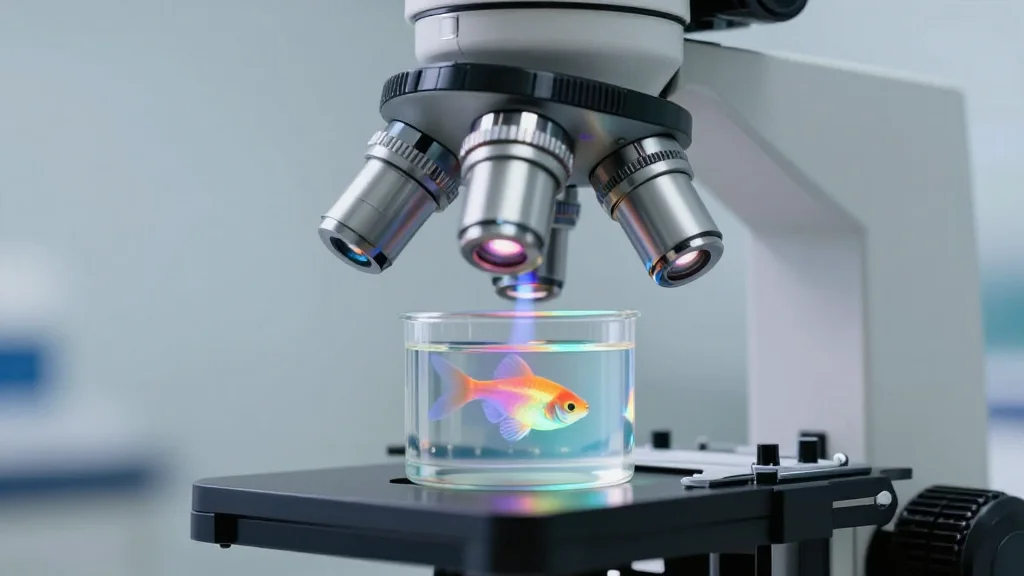
Hi-Res Microscopes Give Biologists Petabytes of Data. Scientists Are Creating an AI Assistant to Make Sense of It
University of California, Berkeley researchers have built MOSAIC, a multimodal microscope that integrates twelve imaging techniques into a single platform, generating petabyte‑scale, five‑dimensional (3D + time + color) data sets. The system captures live cellular and organismal dynamics at unprecedented resolution, from single molecules...