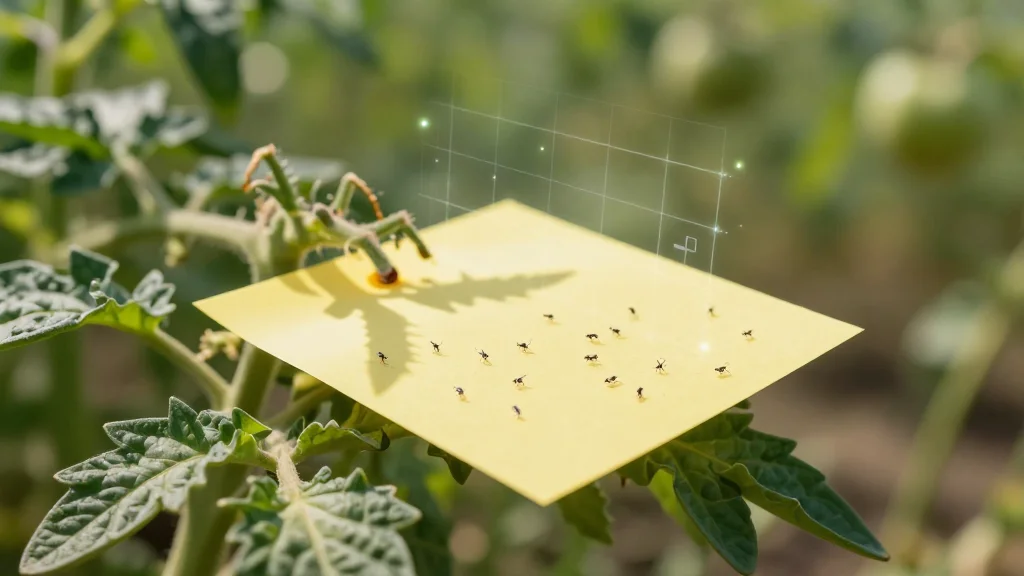
AI-Powered Forecasts Sharpen Early Warning for Destructive Crop Pest
Texas A&M AgriLife researchers used machine‑learning models to forecast western flower thrips populations with up to 88% accuracy in open fields and 85% in high‑tunnel environments. The study analyzed data from nearly 1,700 yellow sticky traps and 16 environmental variables, delivering week‑ahead warnings of pest pressure. Early detection could shift growers from reacting to damage toward proactive, targeted interventions. The findings demonstrate that AI‑driven pest forecasting is ready for commercial deployment across diverse microclimates.
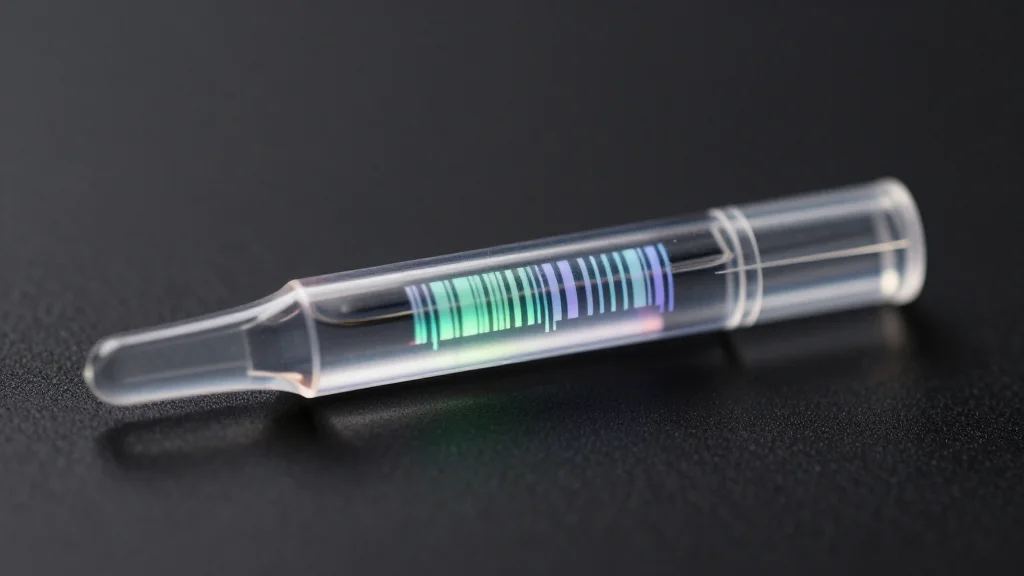
CRISPR Speed Patterns Can Identify Multiple Viruses and Variants Simultaneously
KAIST researchers and partners have unveiled a CRISPR‑Cas13 diagnostic that reads the enzyme's reaction speed to identify multiple viruses and variants in a single test. By encoding kinetic patterns as a barcode, the method distinguishes pathogens without needing separate gene...

Gene Circuits Reshape DNA Folding and Affect How Genes Are Expressed, Study Finds
MIT researchers published in Science that the physical arrangement of genes—termed "gene syntax"—dramatically reshapes DNA supercoiling and alters transcription. Divergent gene pairs boost expression of both genes, while tandem pairs cause the upstream gene to suppress the downstream one, producing...

Autumn Leaves Transformed Into Biodegradable Mulch Film Can Curb Farm Plastic Pollution
Researchers at Korea Advanced Institute of Science and Technology have created a biodegradable agricultural mulch film from fallen leaves. By extracting nanocellulose and blending it with polyvinyl alcohol using an all‑water process, the film matches conventional polyethylene mulch in UV...
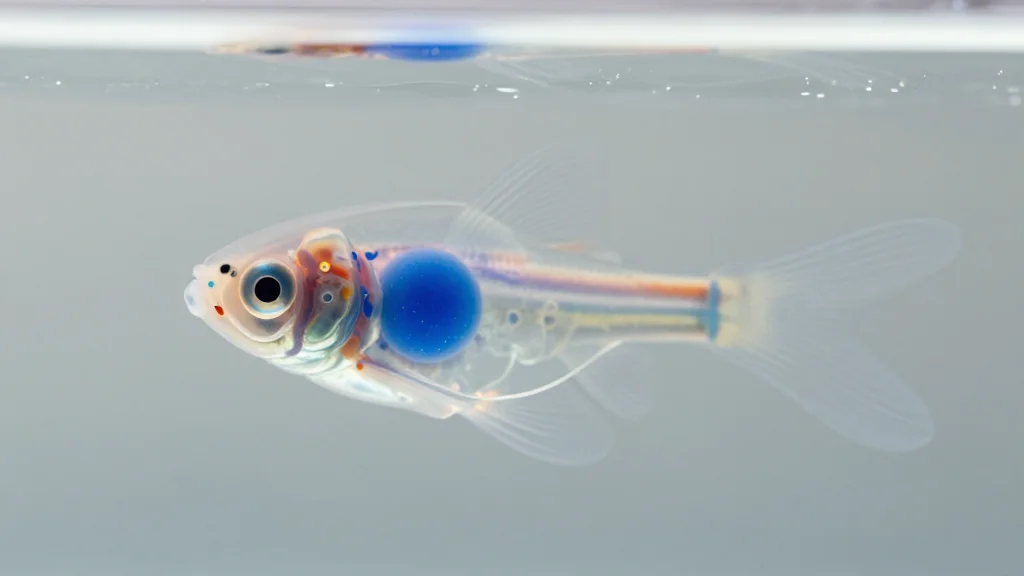
Light-Activated Protein Illuminates when Embryos Can Cope with Disruptions to Cell Division
Researchers used a light‑activated molecule to inhibit centromere‑associated protein E (CENP‑E) in zebrafish embryos, revealing stage‑specific sensitivity to mitotic disruption. Pre‑gastrula embryos suffered lethal defects after brief CENP‑E inhibition, whereas gastrula‑stage embryos tolerated several hours of the same interference. The tolerance...
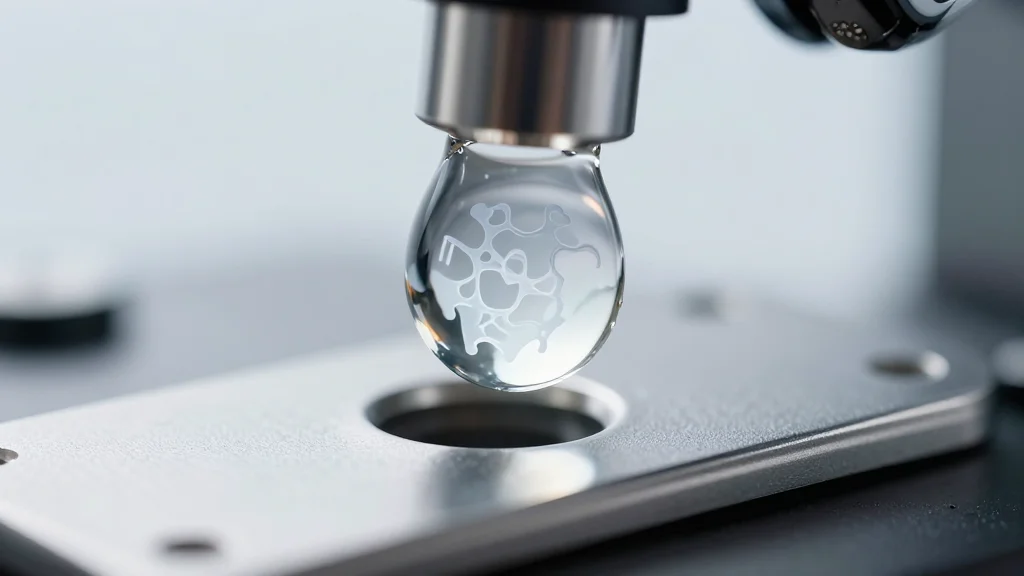
Water Molecules Found to Actively Drive Gene Transcription Process
Researchers used sub‑2 Å cryo‑electron microscopy to map individual water molecules inside RNA polymerase II, revealing over a thousand waters positioned at catalytic sites. The study shows these waters actively mediate proton transfer, substrate recognition, and structural stabilization during transcription. This challenges...
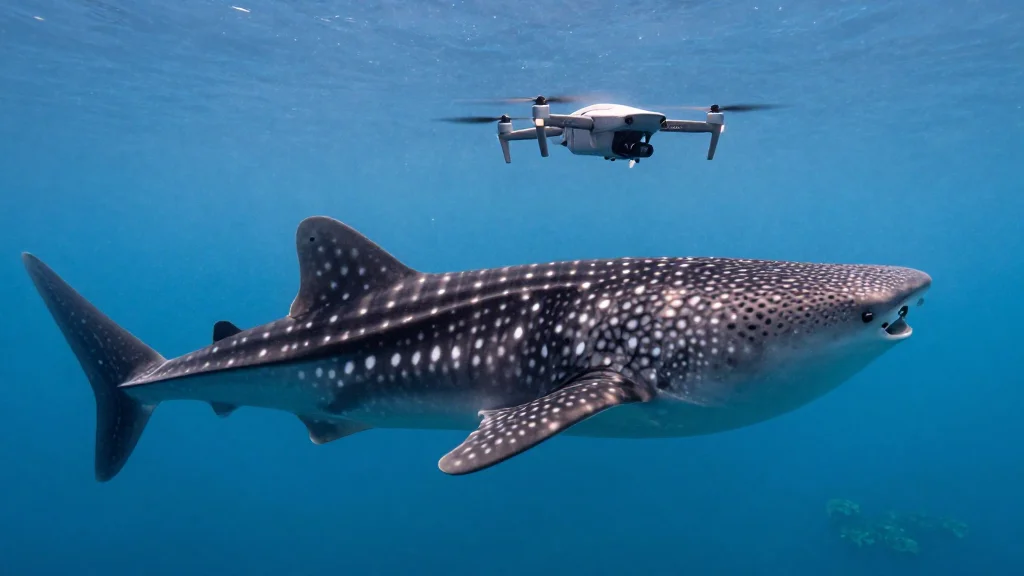
Assessing the Impact of Drones on Whale Sharks
A Murdoch University team used biotelemetry tags on 13 whale sharks at Ningaloo Reef to compare swimming effort, tail movement and diving behavior with and without overhead drones. The drones were flown at altitudes ranging from 10 to 60 metres...
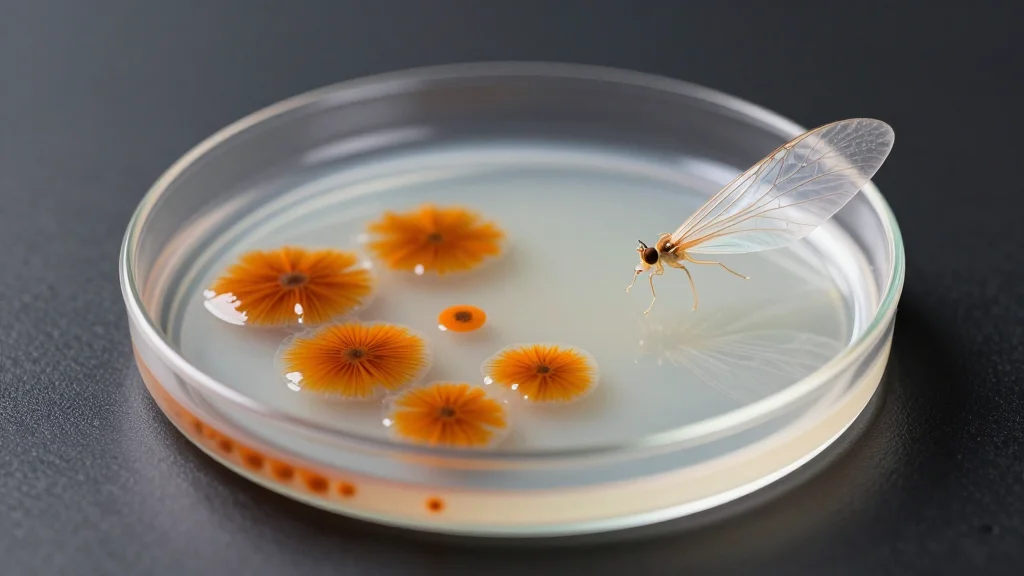
Buried in Soil, a 100-Million-Year-Old Bacterial Toxin Could Reshape Pest Control and Antibiotic Discovery
Researchers from McMaster, Harvard, Yale and European partners have identified a new class of insect‑killing proteins, SAIPs, produced by rare Streptomyces strains. These toxins, structurally distant from diphtheria toxin, target an insect‑specific surface protein called Flower, leaving humans unharmed. The...
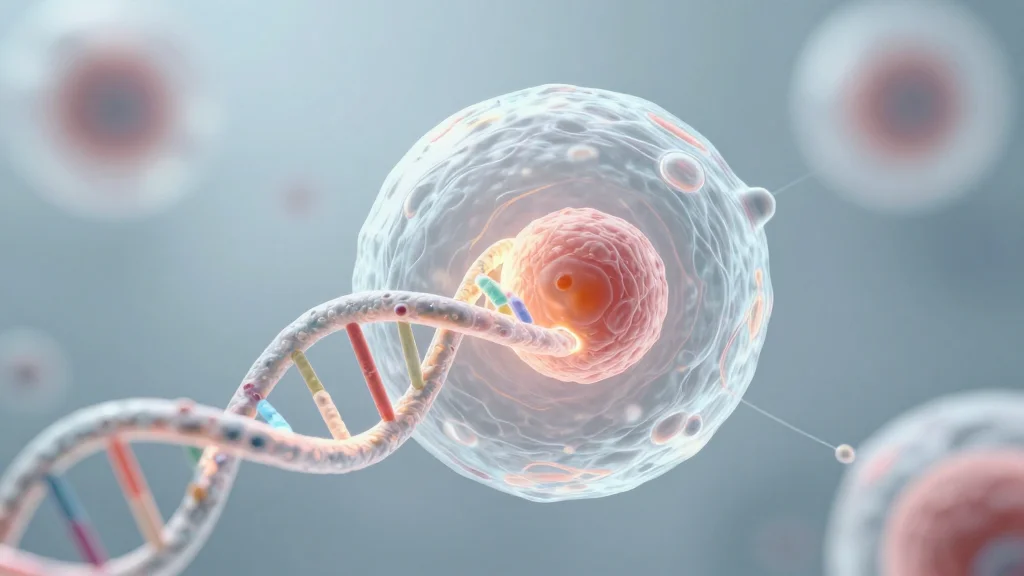
New Genome Editing Method Could Swap Entire Genes and Correct 1000 Mutations at Once
Scientists have unveiled a new genome‑editing platform called prime assembly that can insert DNA segments up to 11,000 base pairs, enabling the replacement of entire genes rather than single‑point edits. The method uses overlapping flaps to attach donor DNA without...

Fertilizer Can Be Made From Local Resources Instead of Fossil Fuels
Fraunhofer IGB has demonstrated a pilot‑scale system that extracts nitrogen and phosphorus from manure, digestate and municipal wastewater and turns them into ready‑to‑use ammonium sulfate, phosphate salts and organic soil conditioners. The technology replaces fossil‑fuel‑derived ammonia and urea, which have...
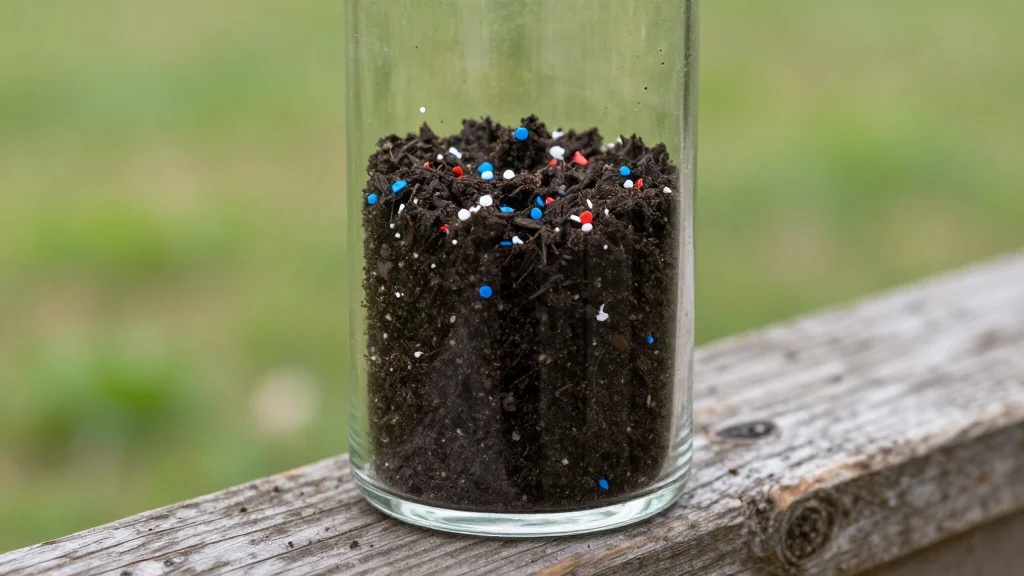
Low-Cost Method Could Standardize Microplastic Extraction From Soils Worldwide
University of New England researchers have unveiled a low‑cost, high‑recovery technique for extracting microplastics from agricultural soils. The method, developed by Ph.D. candidate Nivetha Sivarajah, combines organic‑matter digestion with density separation and achieves over 92% recovery of six common plastic...
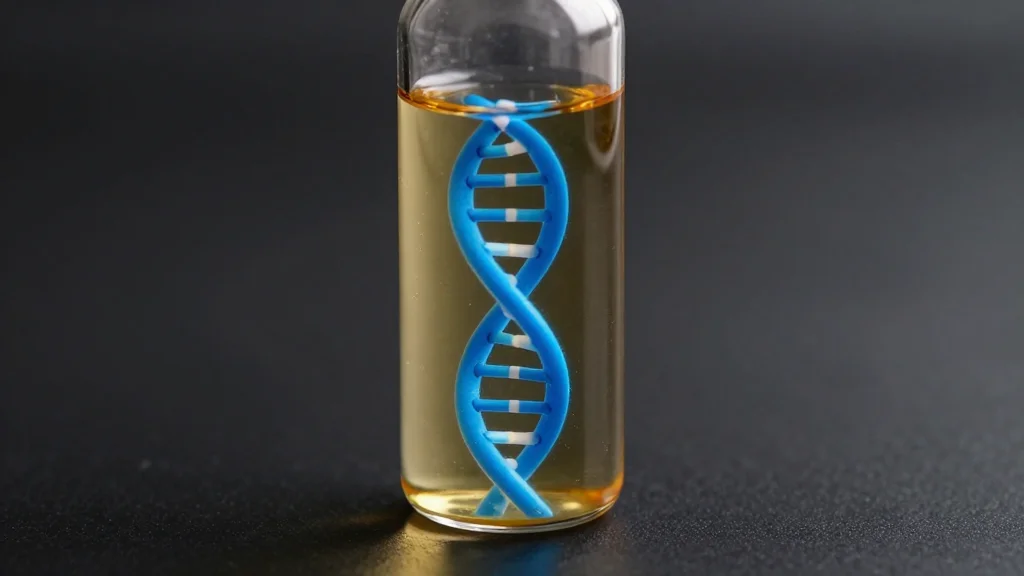
AI Drug Target Platform Pairs Prediction with Benchmarking to Improve Early Discovery
Insilico Medicine unveiled an integrated AI framework that couples its Target Identification Pro (TargetPro) predictive engine with the TargetBench 1.0 benchmarking suite to improve early‑stage drug target discovery. The system uses disease‑specific models trained on 22 omics and text scores,...
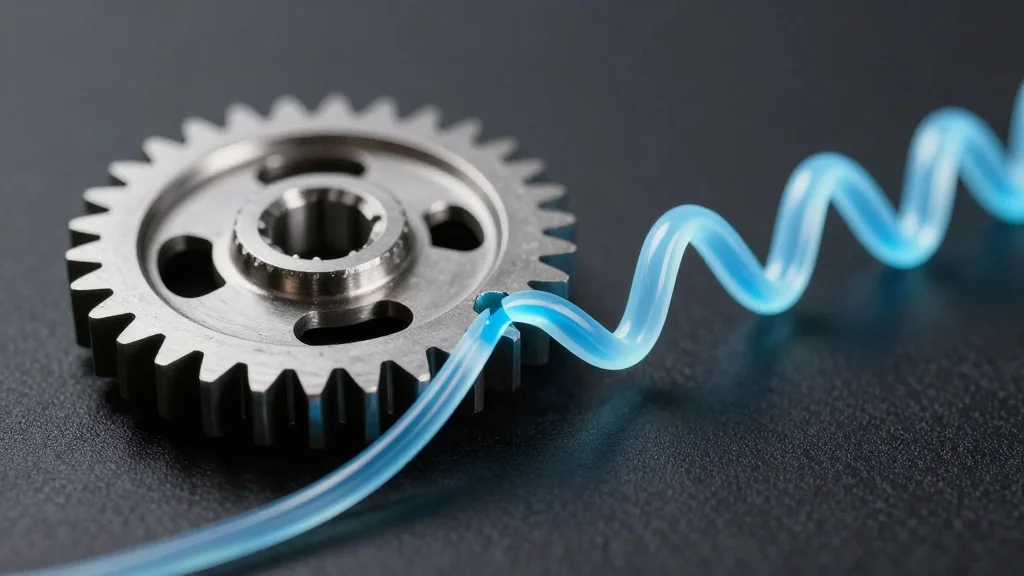
Revolving Doors and Efficient Engines: How Proteins Escape a Molecular Tangle
Researchers at the Weizmann Institute revealed that the AAA+ disaggregase ClpB moves protein substrates via a Brownian‑motor, revolving‑door mechanism rather than the previously assumed hand‑over‑hand pulling. Real‑time three‑color fluorescence tracking showed a protein segment threading through the channel in just...
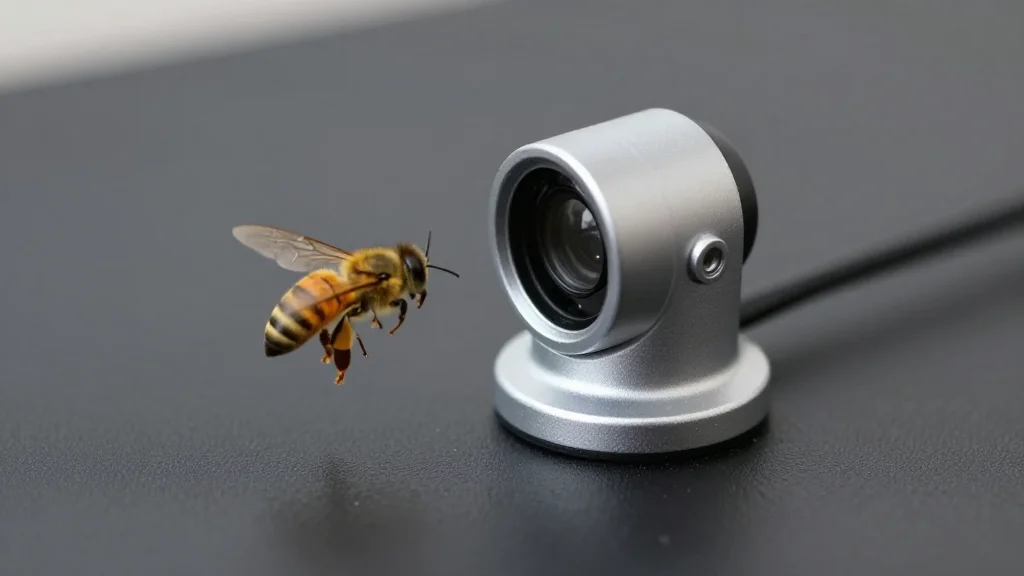
Wingbeat Radar Signatures Let AI Sort Bees, Wasps and Other Insects
Researchers at Trinity College Dublin demonstrated that millimeter‑wave radar combined with machine‑learning can identify flying insects by their wing‑beat signatures. By extracting over 70 harmonic, spectral and temporal features from micro‑Doppler reflections, the AI model achieved 96% accuracy distinguishing bees...

Egg-Scanning AI May Let Hatcheries Sort Life, Death and Sex Before Chicks Emerge
University of Illinois researchers have demonstrated that hyperspectral imaging combined with machine‑learning can predict chicken‑egg outcomes before chicks hatch. Their model identified dead embryos with 97% accuracy by day 4 and classified sex at day 0 with 75% accuracy. The approach is...

Stick-On Gel Delivers Drugs Directly to Plants to Clear Infections Quickly
UC San Diego engineers have created a stick‑on adhesive gel that can be loaded with drugs or nanoparticles and applied directly to plant surfaces, delivering cargo systemically and clearing bacterial infections within 48 hours. The gel combines polyacrylamide for flexibility...
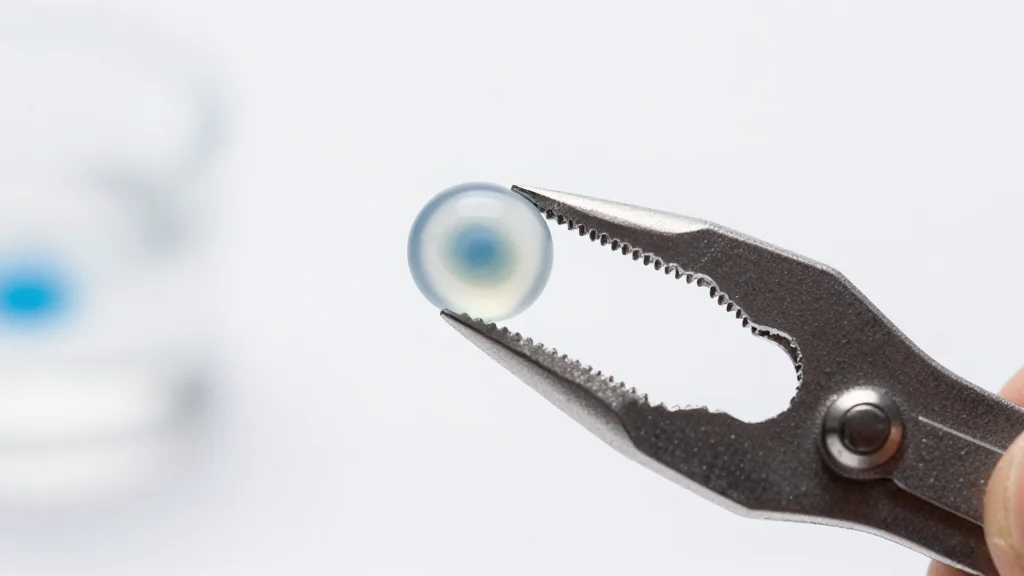
Handle with Care: Mobile Microgrippers Pick up Cells in a Pinch
Researchers at Purdue University unveiled a force‑sensing mobile microgripper (MMG) that uses magnetic fields to gently pick up and arrange fragile cell spheroids for tissue engineering. The device provides real‑time grip feedback, preventing damage during manipulation. In‑vitro tests showed successful...

An Acoustic Device Helps Reduce Bycatch of Endangered Black Sea Porpoises
Researchers in Bulgaria conducted a four‑year field trial of acoustic deterrent devices in the Black Sea turbot fishery, where by‑catch kills more than 10,000 harbor porpoises each year. After two early pinger models failed, the German‑engineered PAL Wideband pinger reduced...
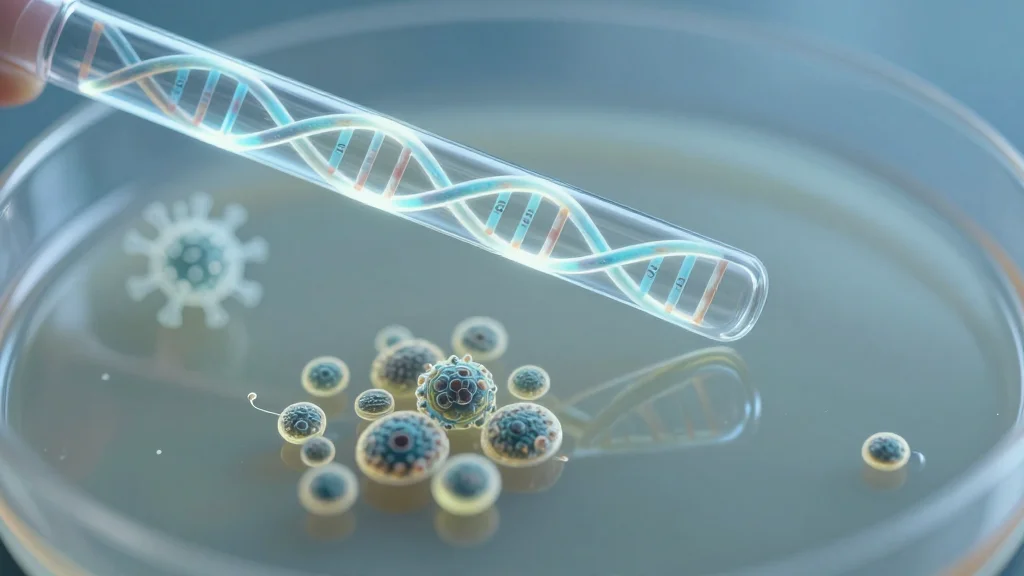
Bacterial Defense System Builds DNA in Unexpected New Way to Stop Viruses
Scientists at Stanford have identified a bacterial antiphage system called DRT3 that synthesizes double‑stranded DNA with a precise GT/AC repeat pattern. The system relies on two reverse transcriptases: Drt3a copies an RNA template, while Drt3b builds its complementary strand using...
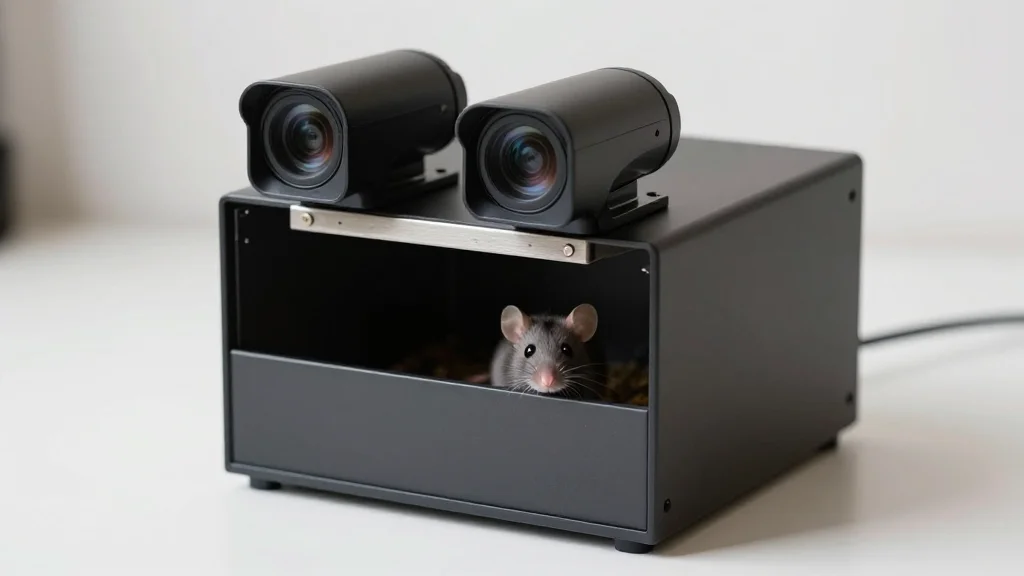
Improving Animal Welfare in the Lab: AI Helps Better Detect Pain
ETH Zurich’s 3R Hub unveiled GrimACE, an open‑source AI system that monitors mice in a dark, standardized box using dual infrared cameras. The algorithm analyzes facial expressions and body posture in real time to flag pain, delivering scores that match...
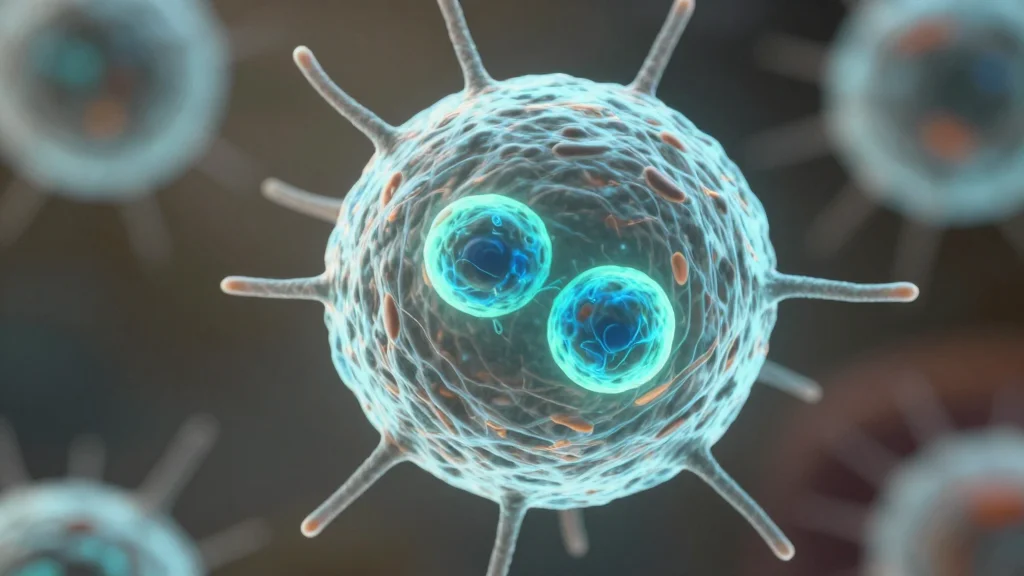
Fluorescent Probe Lights up Centrioles and Cilia in Living Cells Across Species
Scientists at EPFL have unveiled CenSpark, a fluorescent probe that selectively labels centrioles and cilia in living cells. The probe binds to the unique microtubule architecture of these organelles, enabling super‑resolution and live‑cell imaging across a spectrum of species, from...
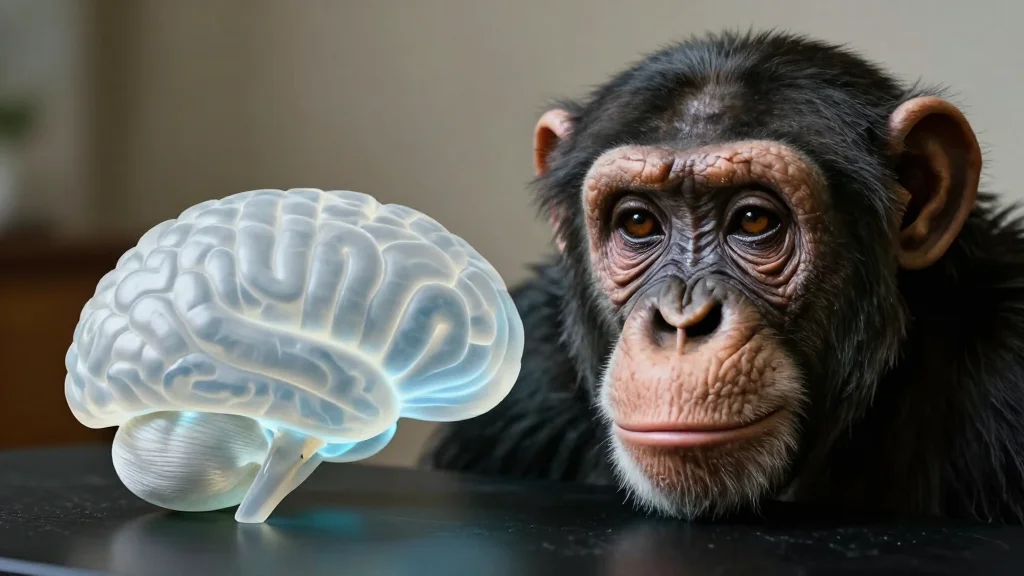
Inside 18 Years of Ape Minds, a Vast Record that May Upend How Human Intelligence Began
Researchers from the University of Stirling and the Max Planck Institute have released EVApeCognition, the world’s largest great ape cognition dataset. The open‑access collection aggregates 262 experimental datasets from 150 publications, covering over 80 individual apes across an 18‑year span...
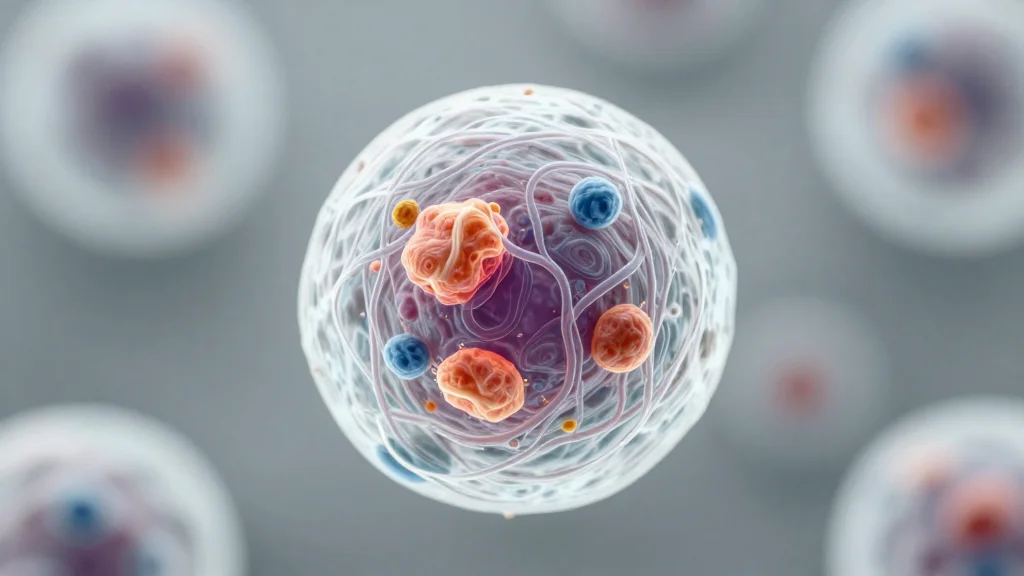
High-Resolution Imaging Shines Light on Nanoscale Nuclear Organization
Researchers at the Indian Institute of Science have upgraded DNA‑PAINT microscopy to tag up to 12 nuclear biomolecules at once, delivering 3–5 nm resolution. The revamped method visualizes nine targets in under four hours, a dramatic speed‑up from the hours‑per‑target pace...
Genomic Tool Untangles How Microbes Spread—Even when They Look Almost Identical
Researchers unveiled TRACS, a new genomic algorithm that pinpoints how microbes spread by detecting minute genetic differences. Published in Nature Microbiology, the tool successfully mapped transmission of SARS‑CoV‑2, Streptococcus pneumoniae, and Plasmodium falciparum across diverse cohorts. By distinguishing recent direct...

New Bioreactor Turns Stem Cells Into an Immune-Cell Factory, Producing 40 Million Human Macrophages per Week
Researchers at Hannover Medical School have unveiled a medium‑scale bioreactor that converts induced pluripotent stem cells into human macrophages at commercial‑grade volumes. The system can harvest up to 40 million immune cells per bioreactor each week for up to ten weeks,...
These 'Good' Viruses Hold up a Booming Industry—AI Just Found a Faster Way to Track Them
Researchers at North Carolina State University combined electrochemical impedance spectroscopy with machine‑learning models to quantify viral vectors, eliminating the need for costly ELISA tagging. Six AI models accurately measured virus titers across five orders of magnitude, even with pH‑induced noise....
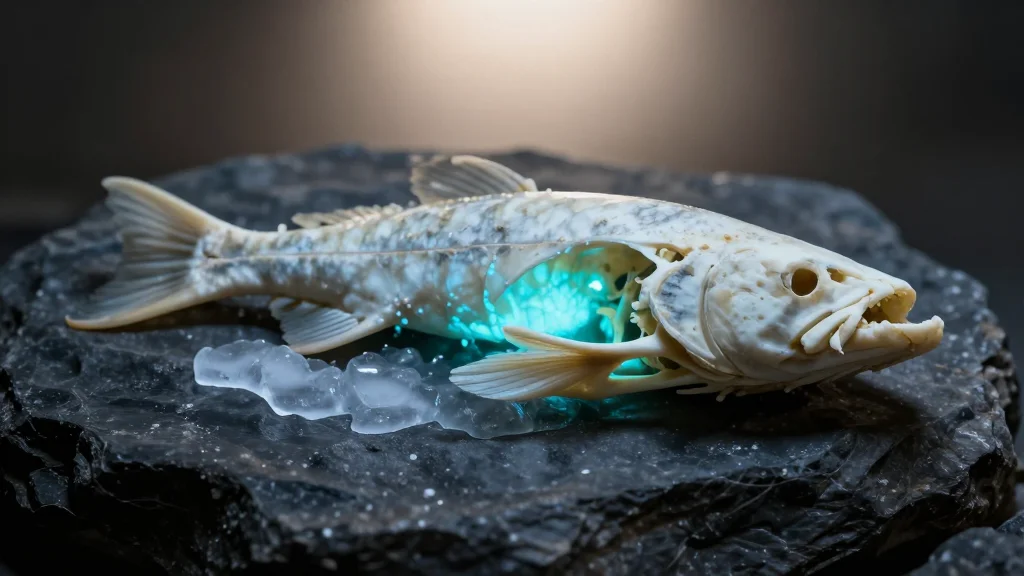
Inside the Skull of a Devonian Fish From Gondwana, Revealed by Neutron Imaging
Flinders University scientists used neutron tomography to peer inside the skull of *Koharalepis jarviki*, the only known fossil of its family preserving internal braincase structures. The 1‑metre Devonian fish, recovered from Antarctica’s Lashly Mountains, shows air‑intake openings and a light‑detecting...
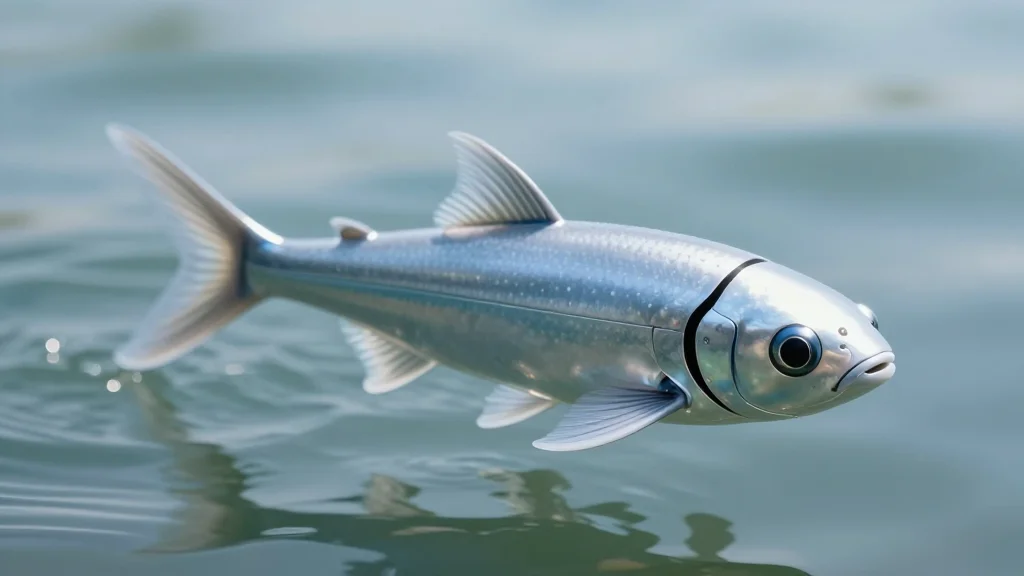
Robotic Fish Prototype Cuts Aquaculture Stress While Inspecting Nets and Water
The Centre for Research in Robotics and Underwater Technologies (CIRTESU) at Universitat Jaume I has unveiled UJIFISH, a modular, bio‑inspired robotic fish designed for aquaculture inspection and sensor deployment. By using undulatory propulsion instead of propellers and avoiding high‑intensity lighting, the...
AI Model Designs New Antibiotic for Staph Infections After Exploring 46 Billion Compounds
Researchers at McMaster University unveiled SyntheMol‑RL, a generative AI model that explored up to 46 billion virtual compounds and designed a novel, water‑soluble antibiotic named synthecin. The AI‑crafted drug demonstrated strong efficacy against drug‑resistant Staphylococcus aureus in mouse wound models when...
E. Coli Editing Technique Expands Into a Universal Toolkit for Rewriting Bacterial DNA
Scientists at Gladstone Institutes have expanded their retron‑based genome editing platform, originally limited to E. coli, to work in 15 phylogenetically diverse bacterial species. The study, published in Nature Biotechnology, introduced ten engineered retron variants—dubbed recombitrons—that achieved editing efficiencies ranging from...
What if Humans Could Regrow Tissue? New Study Moves Science Closer
Researchers at Texas A&M have demonstrated that a sequential application of fibroblast growth factor‑2 (FGF2) followed by bone morphogenetic protein‑2 (BMP2) can regenerate bone, tendon, ligament and joint structures in amputated mouse digits. The two‑step protocol first redirects fibroblasts away...
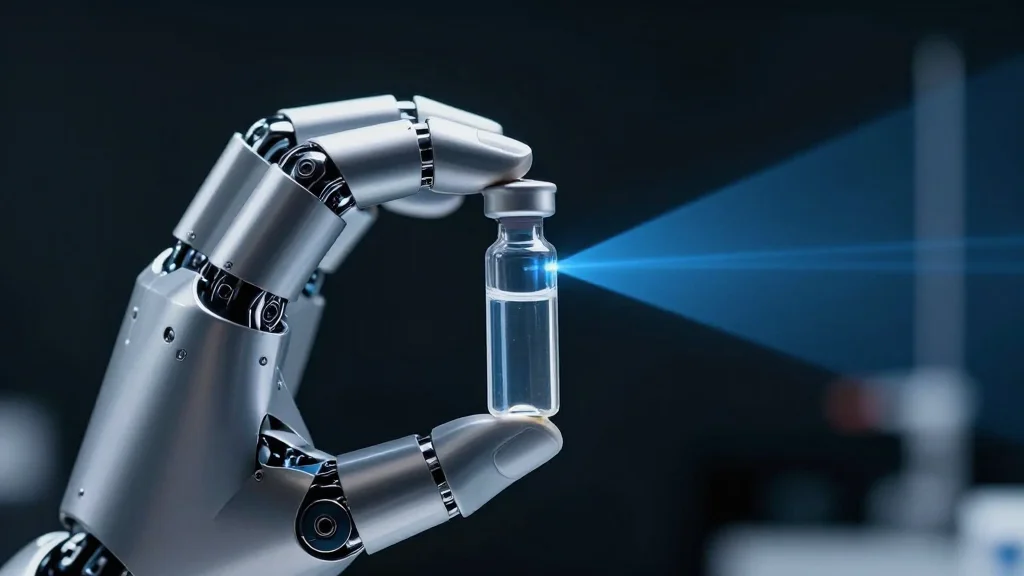
Accelerating Drug Discovery with Fragment Screening
Scientists at DOE’s Brookhaven National Laboratory are piloting a publicly‑available fragment‑based drug design (FBDD) platform at the NSLS‑II synchrotron. Using macromolecular X‑ray crystallography, the program couples robotics, automation and AI to screen small chemical fragments against protein targets. Early tests...

Chicken Gene-Editing Advance Opens Path to Drug-Producing Eggs
University of Missouri researchers used CRISPR to insert a gene cassette into the chicken housekeeping gene GAPDH, overcoming epigenetic silencing that has hampered stable transgenic poultry. The inserted reporter stayed active for months of cell division, proving continuous expression. This...
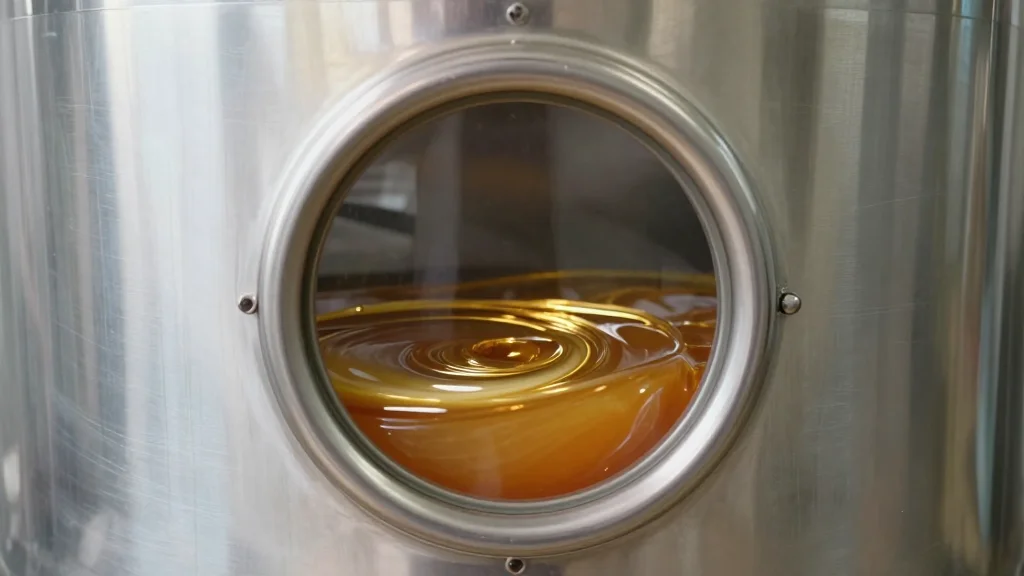
Cosmetics From Waste? Microbial Discovery Unlocks Greener Route to High-Value Chemical Products
Researchers at the University of Toronto have identified how chain‑elongating bacteria can be coaxed to produce medium‑chain carboxylic acids (MCCAs) such as octanoic acid, a high‑value chemical used in cosmetics, surfactants and animal feed. The study, published in Nature Microbiology,...

How a Faster Protein-Screening Tool Could Strengthen US Rare-Earth Supply Chains
Lawrence Livermore National Laboratory unveiled SpyCI‑LAMBS, a high‑throughput assay that screens bacterial lanmodulin proteins for rare‑earth element binding in weeks instead of years. The method captured data on 600 protein variants in a single month, revealing eight distinct clusters with...
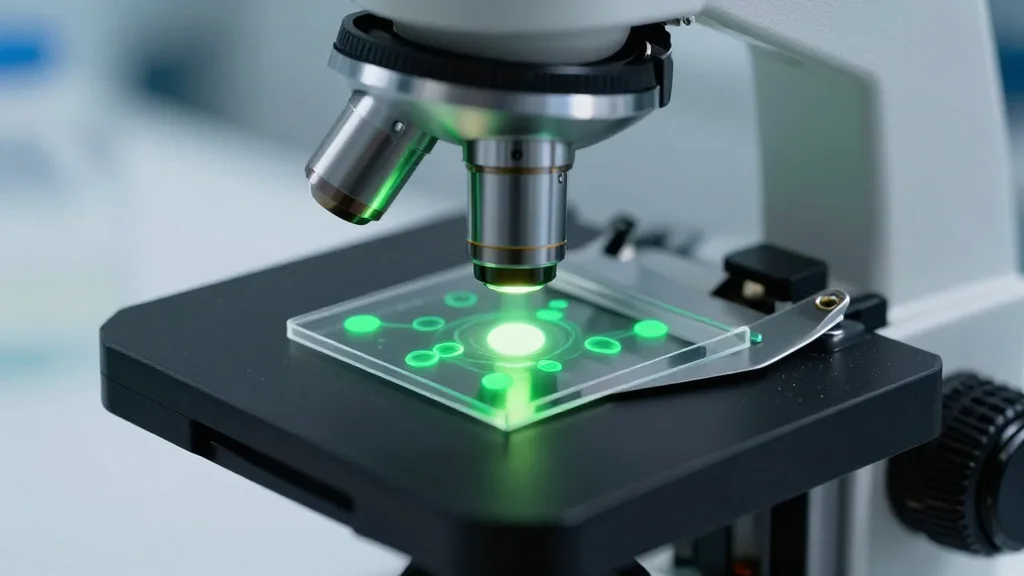
Seeing Is Believing: Smart Probes Reveal Proteins Inside Living Cells with Unprecedented Clarity
Scientists at Albert Einstein College of Medicine and the Salk Institute introduced VIS‑Fb, a new class of fluorescent nanobody probes that light up only when bound to specific proteins, dramatically cutting background noise. The probes degrade when unbound, achieving up...

AI Tool Predicts How New Drug Molecules Move Before Costly Lab Tests
University of Oregon researchers unveiled an AI‑driven simulation tool that predicts how novel drug molecules move and bind inside the body, using only their chemical structure. By integrating physics‑based energy data with machine‑learning sampling, the model delivers coarse‑grained motion pathways...

One-Step Method Reveals Structures of RNA-Protein Complexes in Living Cells
Researchers at Baylor College of Medicine introduced a one‑step biochemical technique called multi‑site DMS‑MaP (msDMS‑MaP) that maps RNA three‑dimensional structures and protein‑binding sites directly in living cells. The method simplifies RNA structure probing, uses inexpensive reagents, and integrates with high‑throughput...

Each Protein in the Epigenome Produces a Different Pattern of Gene Expression, Study Finds
A study published in iScience reveals that each of the 87 epigenome proteins tested on a single yeast promoter generates a distinct gene‑expression trajectory, ranging from rapid activation to delayed spikes and variable noise. Researchers measured real‑time dynamics in about...

AI Model 'Reads' Protein Pairs, Unlocking New Insights Into Disease and Drug Discovery
Researchers at the National University of Singapore unveiled a paired protein language model (PPLM) that learns from two interacting proteins simultaneously, a departure from traditional single‑sequence AI approaches. Trained on more than 3 million protein pairs, the model powers three tools—PPLM‑PPI,...

Alkaline Cement Tiles Boost Baby Coral Survival From 12% to 52%
University of Miami researchers found that cement tiles infused with sodium carbonate dramatically improve early‑stage coral survival. The alkaline tiles boosted survivorship of mountainous star coral larvae from roughly 12% to 52%, a four‑fold increase. Experiments showed that flat tiles...

Editing Grapevine DNA Could Boost Resistance to Disease and Drought
Researchers at Stellenbosch University and the Agricultural Research Council used CRISPR to knock out the VvDMR6.1 gene in grapevines, marking the first successful DNA edit of a woody crop in Africa. The edited vines showed markedly reduced susceptibility to downy...

Simple Mineral Treatment Rescues Flaxseed Oil, Slashing Bitterness and Keeping Omega-3-Rich Flavor Intact
Researchers at the Leibniz Institute for Food Systems Biology and the Technical University of Munich used magnesium‑aluminum silicate, a bleaching earth, to strip cyclolinopeptides from flaxseed oil, cutting bitterness by more than 80% while preserving its omega‑3 alpha‑linolenic acid (ALA)...
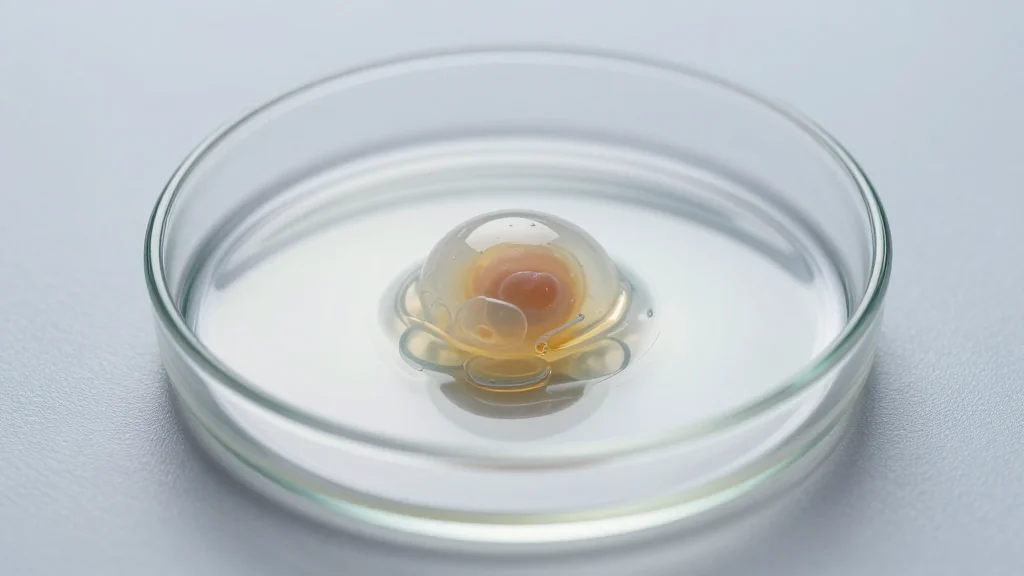
Stem Cell Embryo Model Grows Yolk Sac without Hypoblasts or Gene Editing
University of Michigan researchers have created a transgene‑free stem‑cell embryo model that forms a yolk‑sac‑like structure without hypoblasts or gene editing. By patterning human pluripotent stem cells on 0.8 mm circular islands and exposing them to BMP‑4, the cells self‑organized into...
A Protein Engineering Method May Lead to More Exact Cancer Treatments
Researchers at the University of Texas at Dallas unveiled ProSSpeC, a machine‑learning model that predicts protease substrate specificity by mining evolutionary data from thousands of related enzymes. The model identified engineered synthetic proteases that outperformed the commonly used tobacco etch...

Migratory Blackcap Bird Brain Mapped for the First Time, Opening a New Era of 3D Digital Atlases
Scientists at UCL and the University of Oldenburg have produced the first high‑resolution 3D digital brain atlas of the Eurasian blackcap, a migratory songbird. Using serial two‑photon tomography, they imaged eight brains and generated a template with 44 annotated regions...

A Light-Controlled 'Muscle' Could Give Synthetic Cells a New Way to Move
Engineers at Georgia Tech have created a light‑controlled protein network that mimics a muscle, using calcium‑triggered contraction instead of ATP‑driven motors. The system relies on the ciliate protein Tcb2 and a light‑sensitive calcium cage to release calcium on demand, achieving...
Two Bacteria Join Forces to Turn Chemical Signals Into Electricity, Opening up Low-Cost Sensing Options
Rice University researchers, together with Tufts and Baylor collaborators, unveiled e‑COSENS, a modular bioelectronic sensor that pairs engineered *E. coli* with quinone‑producing bacteria to turn chemical detection into an electrical signal. By using quinone as a programmable trigger, the system can...

Shrink, Remove and Modify: Team Successfully 'Trims' Wheat Chromosomes
Researchers at Germany's Leibniz Institute of Plant Genetics and Crop Plant Research have used CRISPR‑Cas9 to cut satellite DNA, successfully shrinking or completely removing wheat chromosomes. The virus‑based delivery system bypassed traditional transformation, enabling rapid, large‑scale chromosomal edits. In some...
Q&A: Will Agentic AI Replace Human Scientists?
Agentic AI, described as an “in silico team” that orchestrates multiple specialized AI agents, is beginning to perform tasks traditionally done by biomedical scientists. A new Nature Biotechnology paper from Cedars‑Sinai demonstrates that the technology can shrink software‑engineering timelines from...