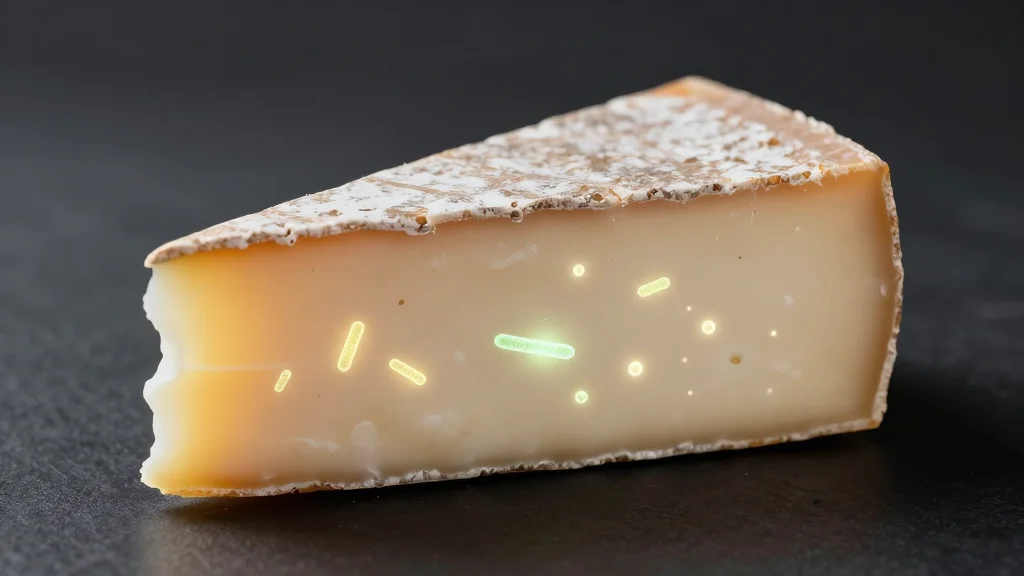
Bacteria Found in Artisan Cheeses May Ease Disease
Researchers at the University of Reading mapped the bacterial communities in three British artisan cheeses, revealing that the microbes responsible for flavor also have probiotic potential. The study tracked bacterial populations from early maturation to full ripeness, identifying strains such as Streptococcus thermophilus, Lactococcus lactis, and Propionibacterium freudenreichii. Findings show that cheese rinds and aging processes generate prebiotic fibers and reduce lactose, enhancing gut‑health benefits. The authors call for dietary trials to confirm the health impacts of consuming these bacteria.
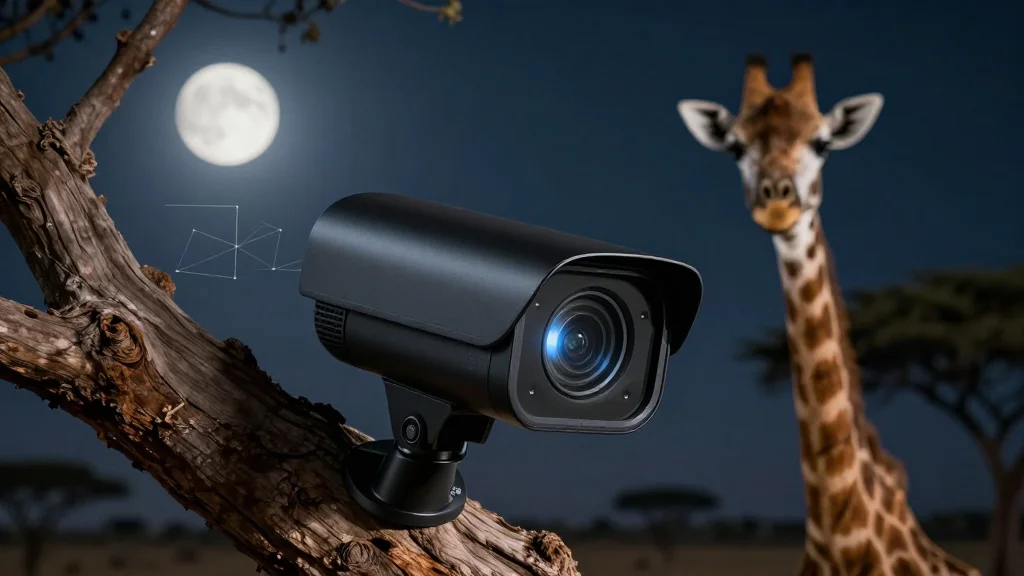
AI Camera Platform to Help Monitor Zoo Animals' Welfare
University of Surrey and Marwell Wildlife have launched a three‑year AI camera platform to monitor nocturnal behavior of zoo animals, starting with giraffes and red river hogs. The system uses machine‑learning algorithms to analyze video footage and flag abnormal patterns...

New Research Offers Practical Biosecurity Tools to Limit Poultry Disease Spread
Texas A&M researcher Lindsey Wythe published three field‑based studies that evaluate common poultry biosecurity practices under realistic farm conditions. The work identified contamination hotspots such as doorknobs, vehicle tires and ventilation inlets, and showed that boot covers, footbaths and powdered...

Glowing Fungi Expose Final Enzyme that Could Make Bioluminescent Tools More Efficient
Researchers have identified caffeylpyruvate hydrolase (CPH) as the final enzyme in the fungal bioluminescence pathway, confirming it breaks down oxyluciferin into caffeic and pyruvic acids. The recycled caffeic acid re‑enters the light‑producing cycle, while pyruvic acid can be shunted into...
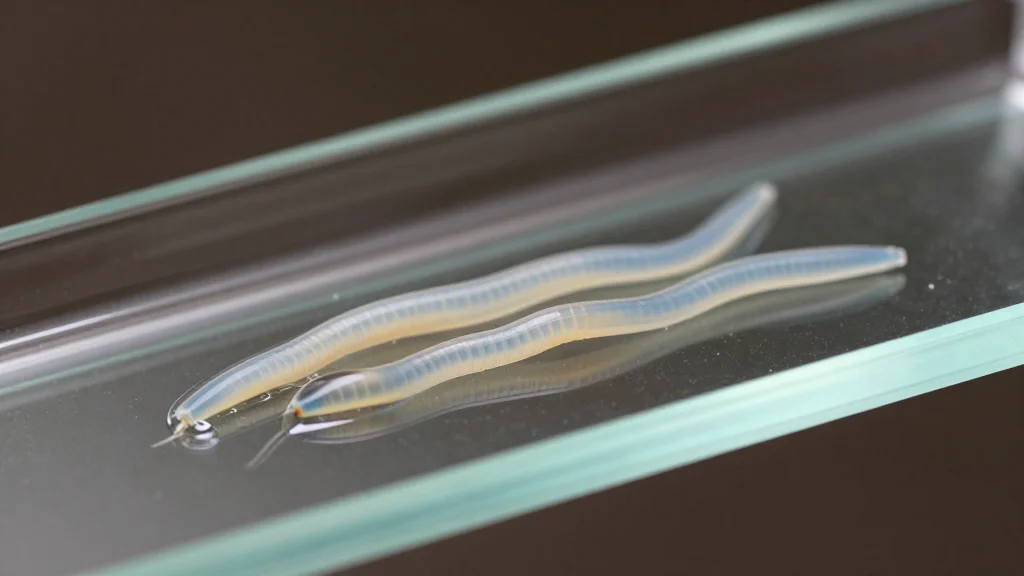
Field-Ready Tool Identifies Rare and Zoonotic Parasitic Worms Missed by Standard Tests
Researchers at the University of Melbourne and UNSW have created a field‑ready diagnostic that uses Oxford Nanopore long‑read sequencing to profile the full community of parasitic nematodes in stool from humans and animals. Validation showed sensitivity and specificity comparable to...

Proteins that Create Ice Inspire 'Cool' Applications, From Cryomedicine to Artificial Snow
Researchers from Aarhus University and Oregon State University demonstrated that ice‑nucleating proteins (INPs) from the bacterium Pseudomonas syringae attach to both hydrophilic and hydrophobic artificial surfaces in a uniform, single‑molecule layer. The proteins retain their ice‑forming orientation, enabling ice to...

Bats Create 'Silent Frequency Zones' To Detect Prey in Noisy Flight, Researchers Reveal
Researchers at Doshisha University and the American Museum of Natural History discovered that greater Japanese horseshoe bats actively create a "silent frequency zone" above their reference echo frequency. By adjusting their echolocation calls, the bats suppress clutter echoes, allowing faint...
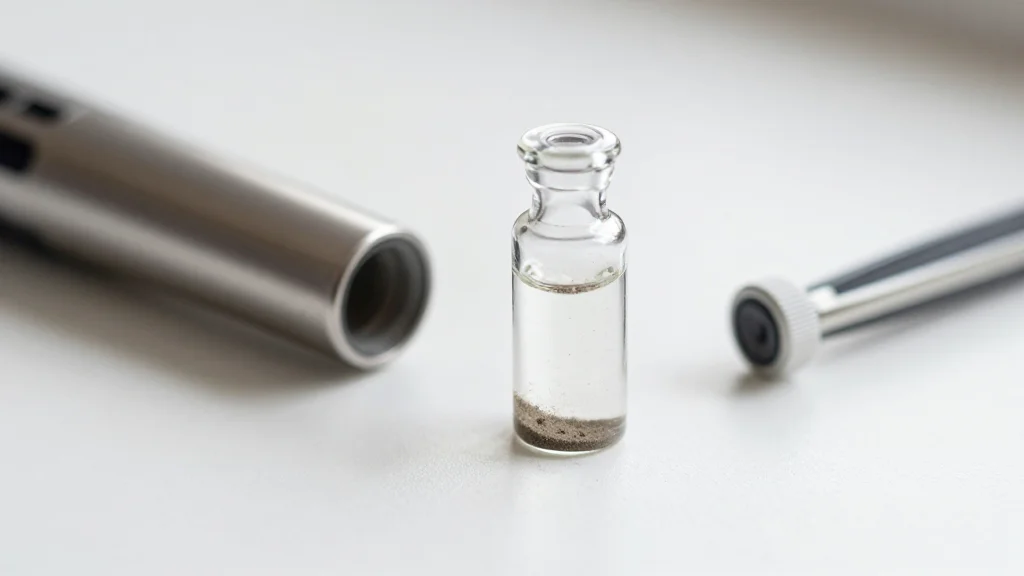
Dust Reveals 54 Viruses in Buildings, Pointing to New Outbreak Warning Tool
Researchers at Ohio State University demonstrated that routine vacuuming of indoor dust can reveal a broad spectrum of viral pathogens. Analyzing 30 dust samples from schools, dorms and offices uncovered 54 distinct viruses, including SARS‑CoV‑2 and influenza, using PCR and...
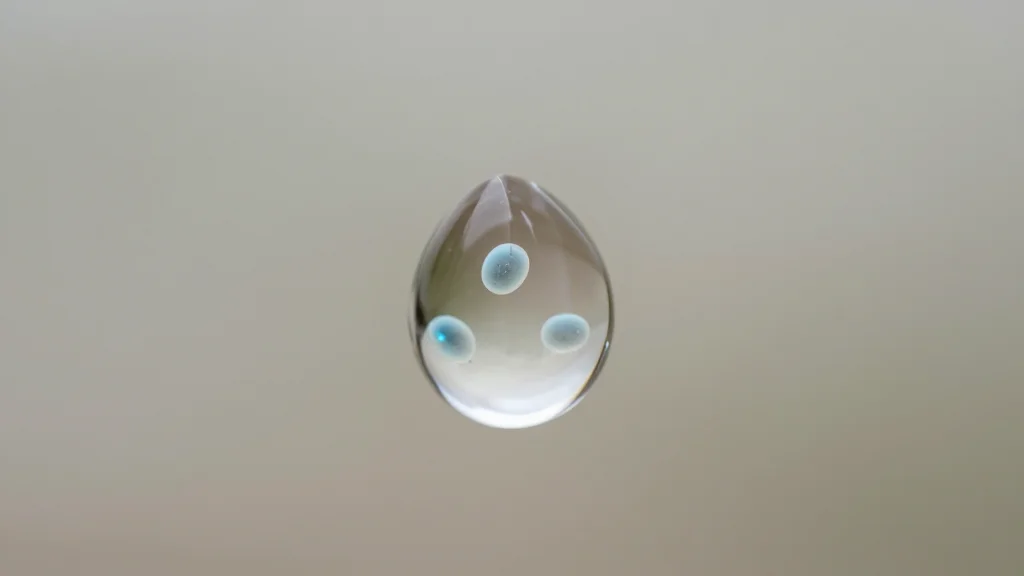
Fluorescent RNA Sensor Gets 10 Times More Sensitive for Water Safety
Northwestern University engineer Julius Lucks has upgraded the ROSALIND platform, a cell‑free biosensor that translates contaminant detection into a fluorescent RNA signal, making it ten times more sensitive than its first version. The new signal‑amplification circuit reuses an enzyme to...
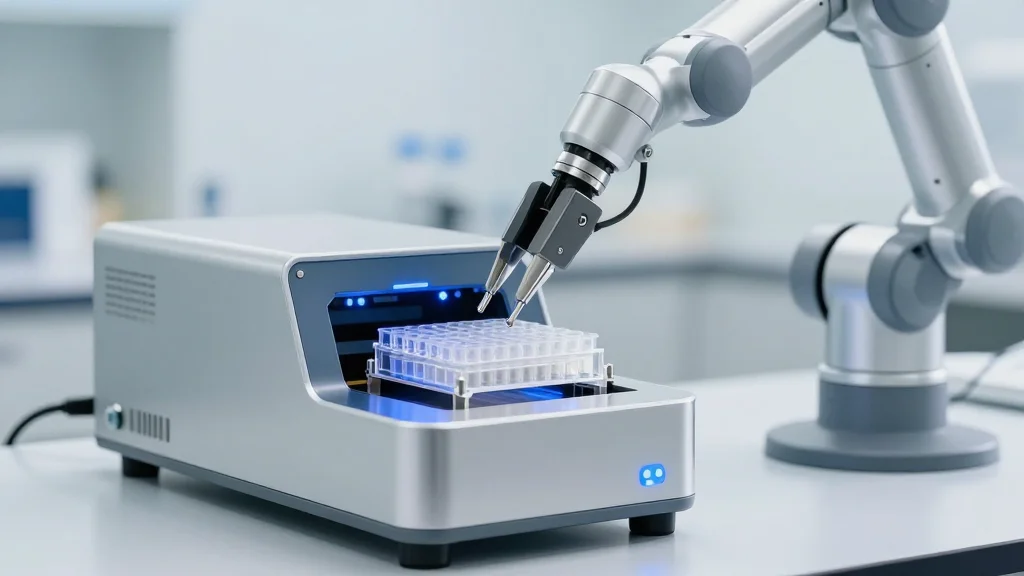
Student-Built System Unlocks Fully Autonomous Electroporation for 96- and 384-Well Workflows
At UCLA’s Living Biofoundry, two students engineered a fully autonomous version of the Fisher Scientific BTX Gemini X2 electroporator, enabling 96‑ and 384‑well plate workflows without human intervention. They built a custom software bridge to communicate with the instrument’s proprietary...
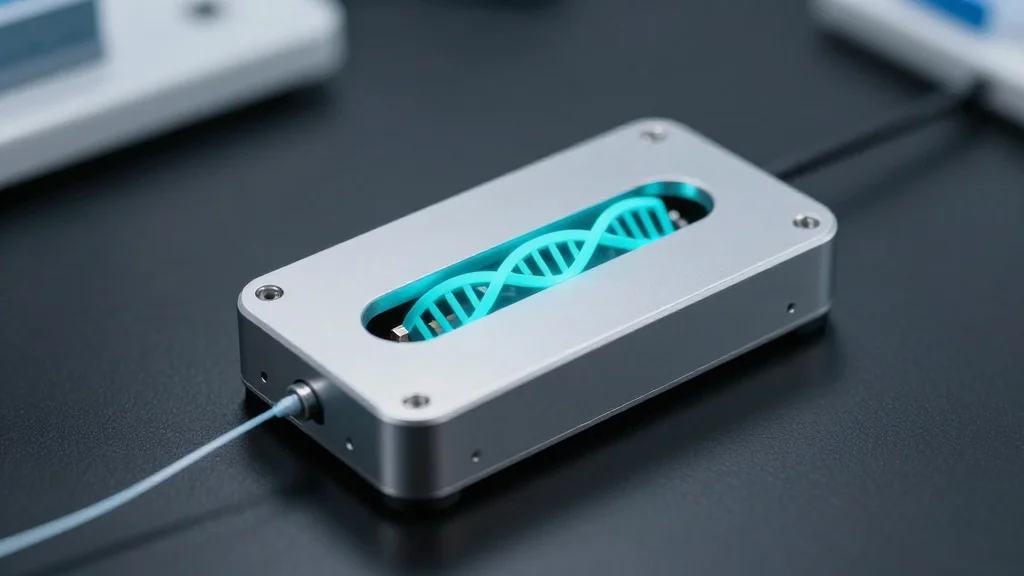
Single-Molecule RNA Mapping May Reveal How Shape Shifts Steer Health and Disease
Researchers at Singapore’s A*STAR Genome Institute have unveiled “sm‑PORE‑cupine,” a technique that combines chemical labeling with nanopore direct RNA sequencing to map RNA structures at single‑molecule resolution. The approach tags non‑paired bases, enabling full‑length reads that expose how individual transcripts...
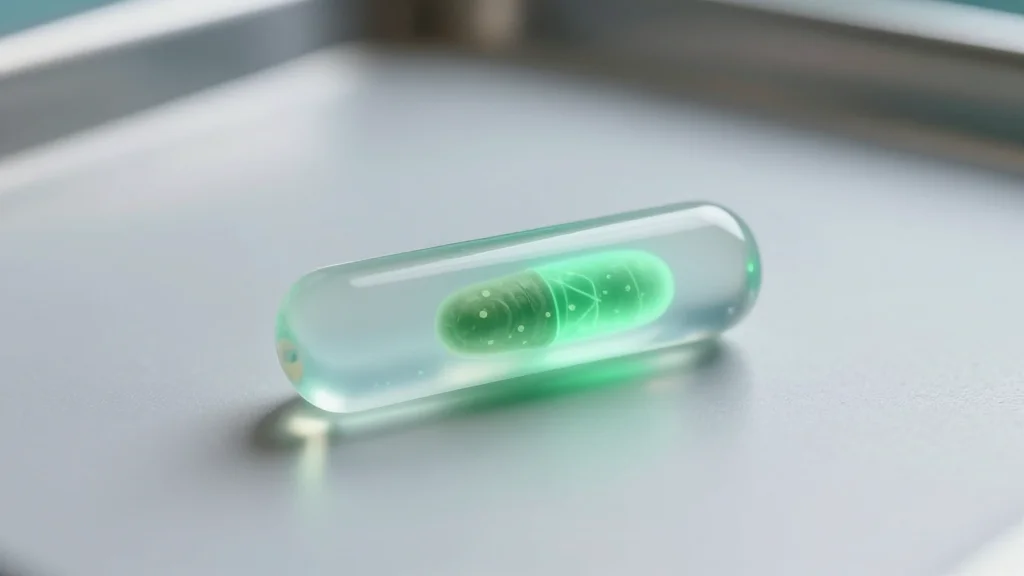
Implantable Bacteria Can Now Be Safely Contained, Clearing a Major Hurdle for Fighting Infection and Cancer
Harvard researchers have engineered a polyvinyl alcohol (PVA) hydrogel scaffold that securely contains therapeutic bacteria for up to six months, preventing escape while allowing drug‑release functions. The scaffold’s stiffness and toughness give it a ten‑fold higher fatigue threshold than prior...
Bacterial Energy Enzyme Reveals Dual-Trigger Sodium Pump Mechanism, Offering Antibiotic Clues
Researchers used modified AI tools and supercomputer‑scale molecular dynamics to capture the hidden motions of the bacterial sodium‑pumping enzyme Na⁺‑NQR. The simulations revealed a dual‑trigger mechanism where sodium binding and electron transfer drive conformational changes in subunits NqrD and NqrE,...
Experimentally Validated AI Model Predicts Virulence of Tomato Yellow Leaf Curl Virus
Researchers at Sungkyunkwan University unveiled DeepTYLCV, an AI model that predicts the virulence of tomato yellow leaf curl virus (TYLCV) from genome sequences. The hybrid Transformer‑CNN framework achieved 100% concordance with experimental infection assays across 15 diverse isolates, surpassing the...
Discovery Could Reshape RNA Editing with DNA-Guided CRISPR
University of Florida engineers unveiled the first DNA‑guided CRISPR system, allowing Cas12 enzymes to locate and edit RNA targets using stable DNA guides. The approach cuts guide‑synthesis costs, boosts specificity, and delivers near‑perfect diagnostic accuracy for viruses like HIV and...

Engineered Proteins Store Digital Files with 30 Times Density at One-Tenth Cost
Researchers at Hong Kong Polytechnic University engineered proteins to store digital data, achieving 30 times higher density and only 10 % of the cost of previous peptide‑based methods. The custom proteins were expressed in *E. coli*, retrieved via LC‑MS/MS, and reconstructed with error‑correction...
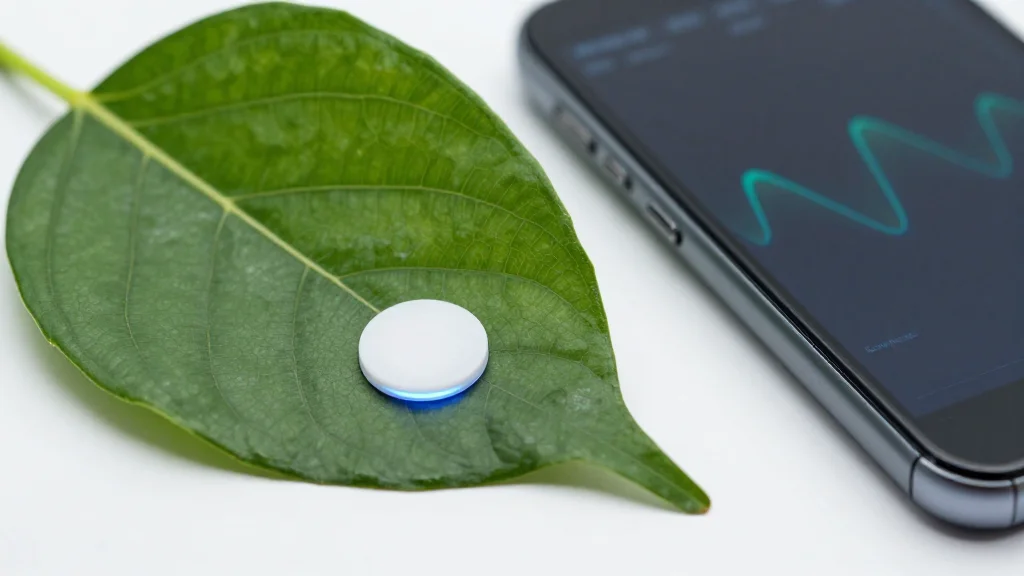
Biodegradable Sensors Attached to Plants Detect Pesticides in 3 Minutes
Researchers at Brazil's University of São Paulo have unveiled a biodegradable, screen‑printed sensor that adheres directly to plant surfaces and identifies three major pesticide classes in just 3 minutes and 28 seconds. The device uses cellulose acetate bioplastic and carbon ink,...

A Fresh Approach to Peppermint: 250 New Variants Could Boost Flavor and Fight Disease
Scientists at UC Davis used gamma‑ray mutagenesis to create over 250 new peppermint variants, introducing 1,406 large‑scale mutations into the sterile Black Mitcham clone that has been genetically unchanged for more than 200 years. The effort, commissioned by Mars Inc.,...
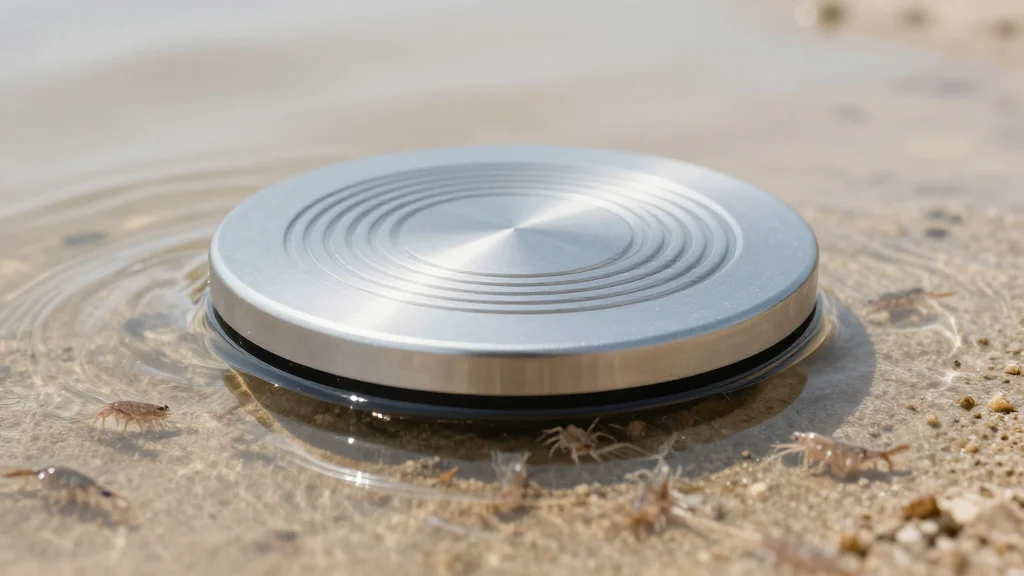
A New Method Could Help Washington Shellfish Farmers Control a Pesky Shrimp
University of Washington researchers have demonstrated a non‑chemical vibro‑compaction platform that kills burrowing shrimp, a long‑standing pest in Washington shellfish farms. The floating platform applies vibration and pressure to a 50‑square‑foot sediment area, suffocating shrimp and achieving 72‑98% mortality in...
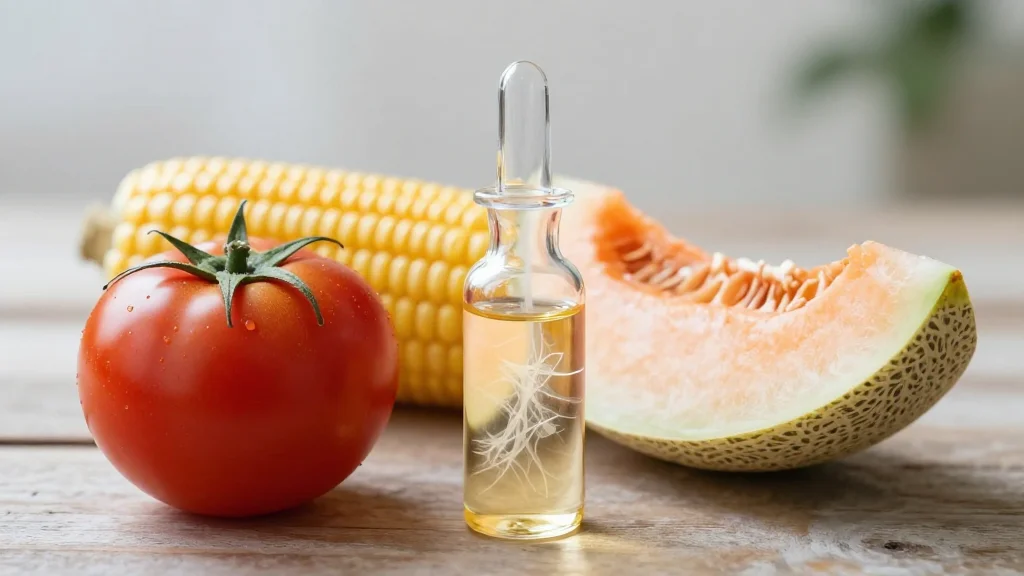
Fungus-Powered Farming Delivers Higher Yields and Better-Tasting Crops, Says Study
Researchers at Hebrew University of Jerusalem have shown that an extract from the fungus Pseudozyma aphidis dramatically improves both yield and taste of staple crops. Field trials on tomatoes, corn and melons recorded up to 60% more fruit weight for...
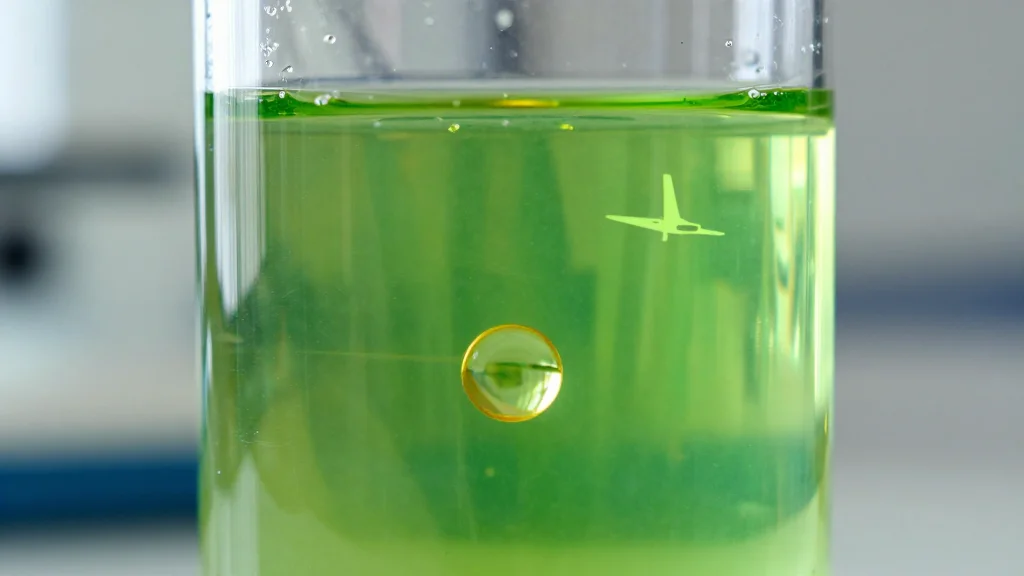
Microalgae Can Photosynthetically Produce and Secrete Biofuel Precursors
Researchers at Saitama University engineered a cyanobacterial strain of Synechococcus elongatus that photosynthetically produces and secretes free fatty acids, key precursors for sustainable aviation and diesel fuels. By disabling the native Aas gene and overexpressing an endogenous efflux transporter plus...
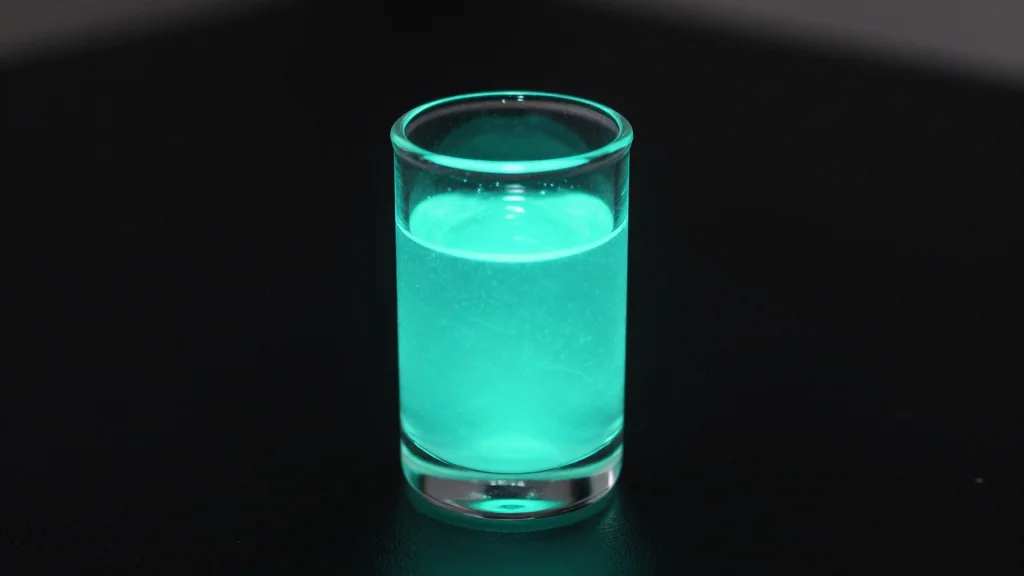
A Marine-Inspired Sunscreen Ingredient Made by E. Coli
Researchers at Jiangnan University engineered Escherichia coli to biosynthesize the marine UV‑protective molecule gadusol, achieving a 93‑fold yield increase to 4.2 g per litre. The bacterially produced gadusol demonstrated strong UV‑blocking and antioxidant properties comparable to vitamin C in early tests. By...

AI Generates First Complete Models of Proteins in Motion
Scientists at EPFL have unveiled LD‑FPG, an AI‑driven generative framework that creates full‑atom, dynamic models of proteins, moving beyond static predictions like AlphaFold. The system leverages graph neural networks and latent diffusion to generate ensembles that capture side‑chain motions and...
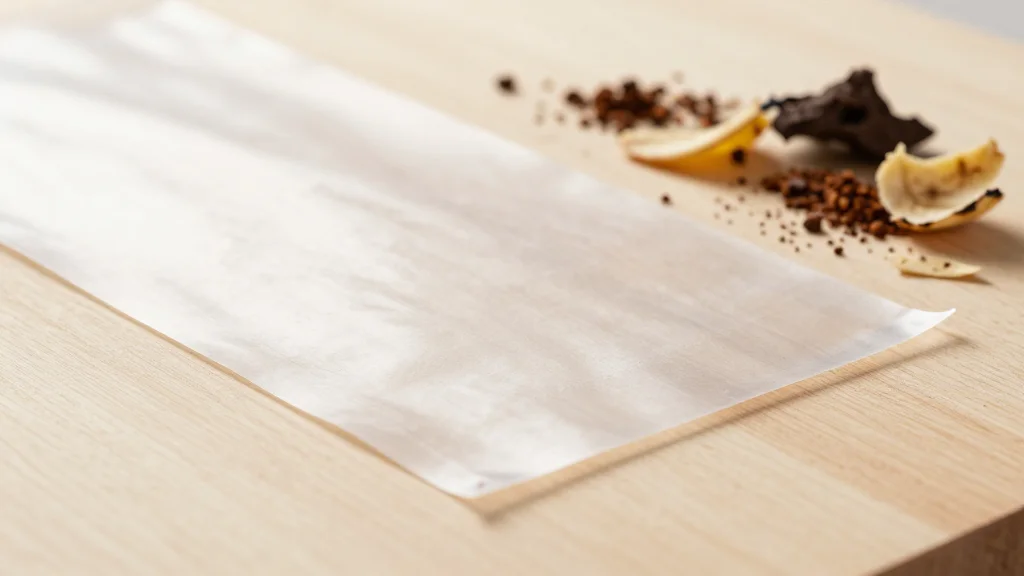
How Can Low-Value Agricultural Waste Be Transformed Into High-Value Products?
Researchers at South Dakota State University have developed biodegradable films from low‑value agricultural waste such as coffee grounds, banana peels, soybean hulls, and even cow dung. By extracting cellulose and cross‑linking it with calcium ions, the team creates flexible, compostable...

Water-Based Nanocrystal Provides a Sticky Solution to a Pesky Agricultural Problem
University of Waterloo researchers have created a water‑based nanocrystal formulation that dramatically improves pesticide adhesion to plant leaves. The cellulose nanocrystal (CNC) suspension stabilizes droplets, preventing splash and runoff even in wind and rain. Early field trials on cabbage in...
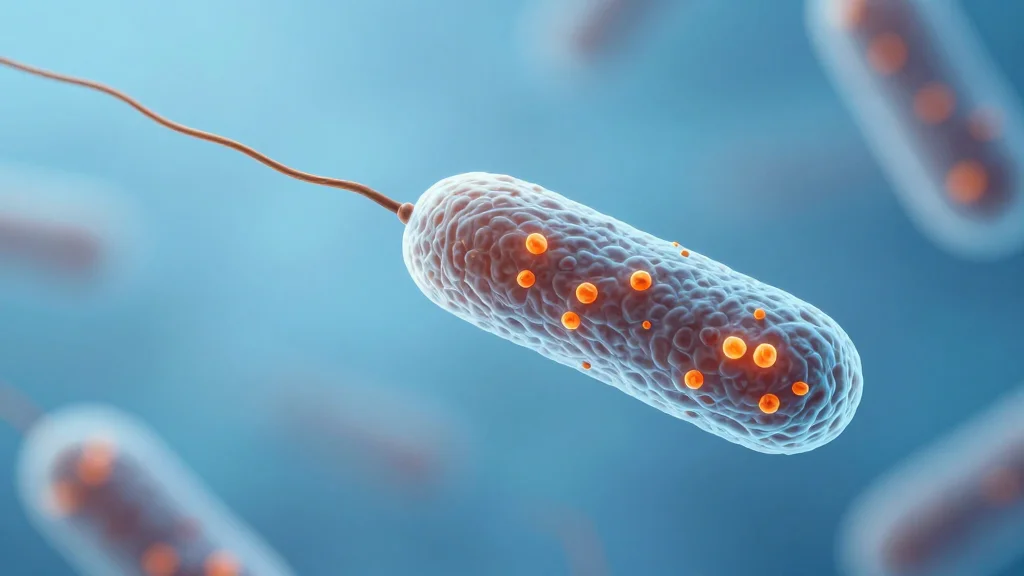
Super-Resolution Microscopy Provides Real-Time Picture of Bacteria Degrading Biomass with Enzyme Complexes
Researchers at the National Laboratory of the Rockies used super‑resolution microscopy combined with machine‑learning clustering to analyze 15,000 images of the bacterium Clostridium thermocellum. The study visualized and quantified cellulosome complexes, showing they concentrate at points where the microbe contacts...
A Roadmap for Safer, Explainable Protein-Design AI
A perspective paper in Nature Machine Intelligence outlines a roadmap for making protein‑design AI safer and explainable. The authors identify four critical checkpoints—training data, input sequence, model architecture, and input‑output behavior—to interrogate a protein language model’s decisions. They categorize current...
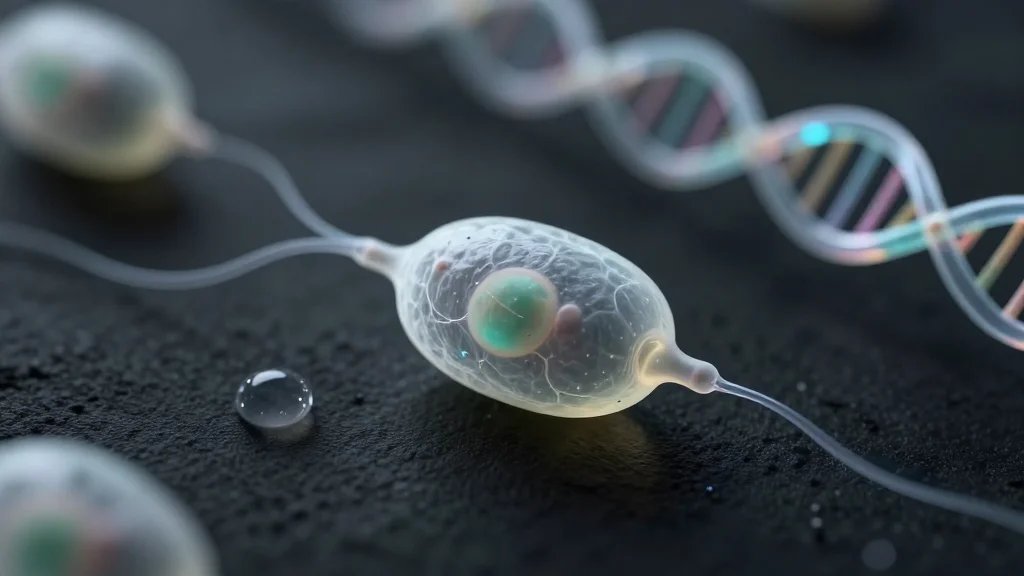
Reading Genetic Activity From Living Cells without Destroying Them
A team from Technical University of Munich and Helmholtz Munich unveiled Non‑destructive Transcriptomics via Vesicular Export (NTVE), a virus‑like particle system that extracts messenger RNA from living cells without lysing them. The extracted RNA can be sequenced, delivering transcriptome data...
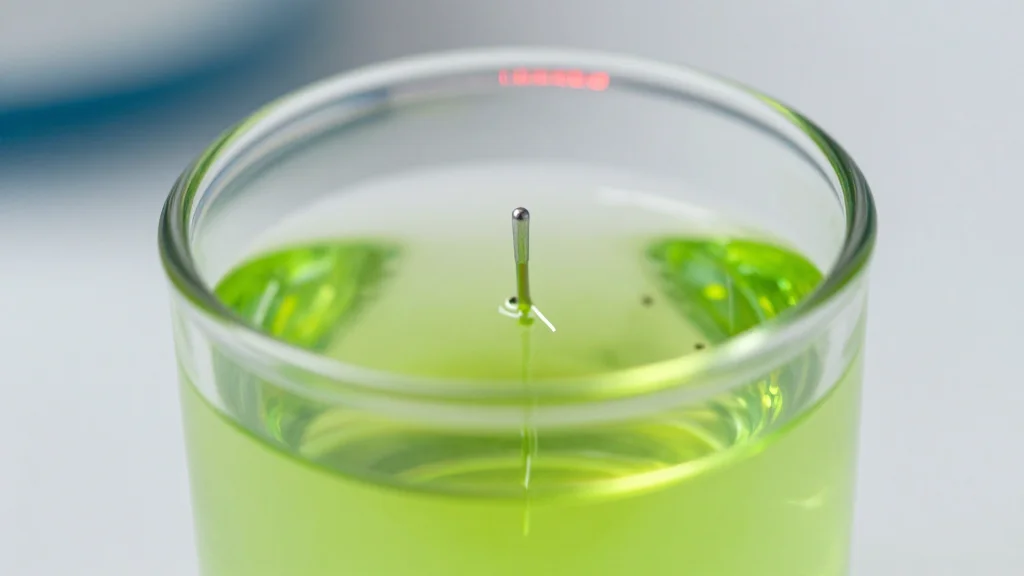
CRISPR Safeguard Changes How Engineered Microbes Can Be Controlled
Researchers have developed an irreversible CRISPR‑dCas9 base‑editing biocontainment system that disables essential genes in engineered microbes without causing DNA double‑strand breaks. By targeting the start codons of multiple essential genes, the platform permanently halts cell viability and dramatically lowers escape...
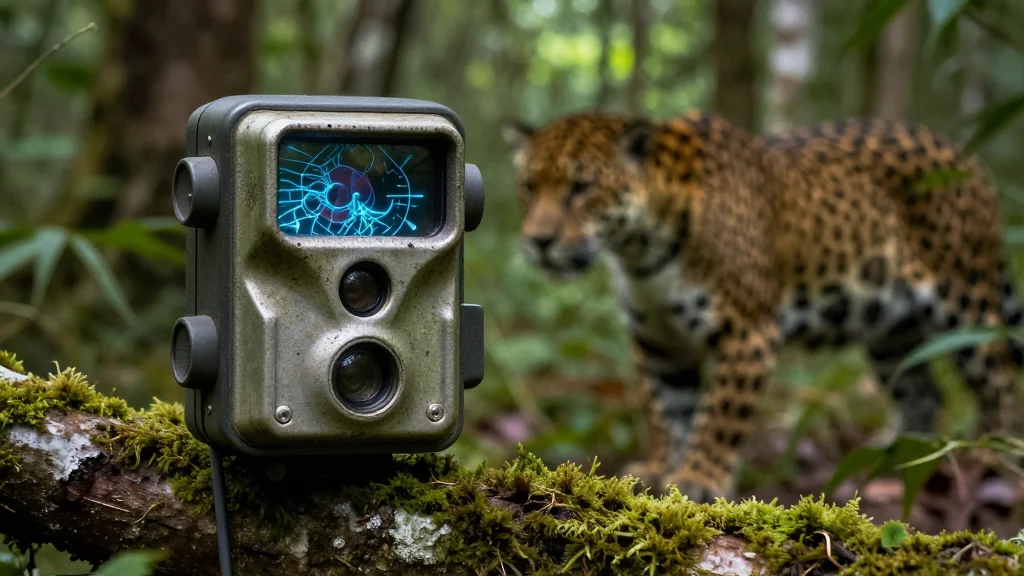
AI Cuts Wildlife Tracking Time From Months to Days
A joint study by Washington State University and Google shows that a fully automated AI system, SpeciesNet, can process camera‑trap images in days instead of the months‑long effort traditionally required. The AI‑generated occupancy models aligned with human‑expert models 85‑90% of...
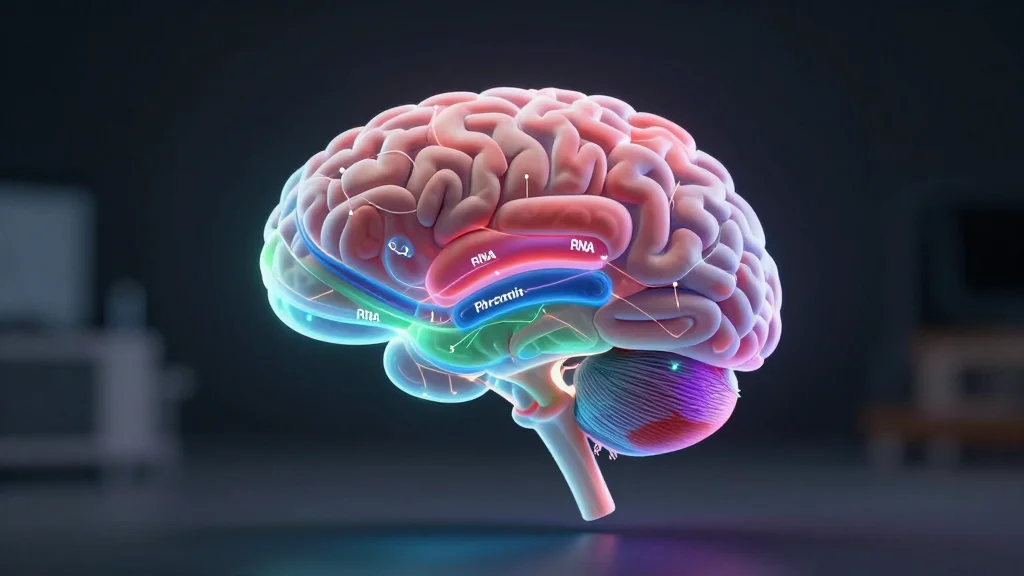
AI Tool Unifies Fragmented Cell Maps Into Spatial Atlases Across Tissues
A new AI-driven framework called SpaMosaic unifies fragmented spatial multi‑omics datasets by aligning RNA, protein, chromatin accessibility and histone‑modification layers across batches and technologies. The tool combines contrastive learning with graph neural networks, outperforming existing integration methods on mouse brain...
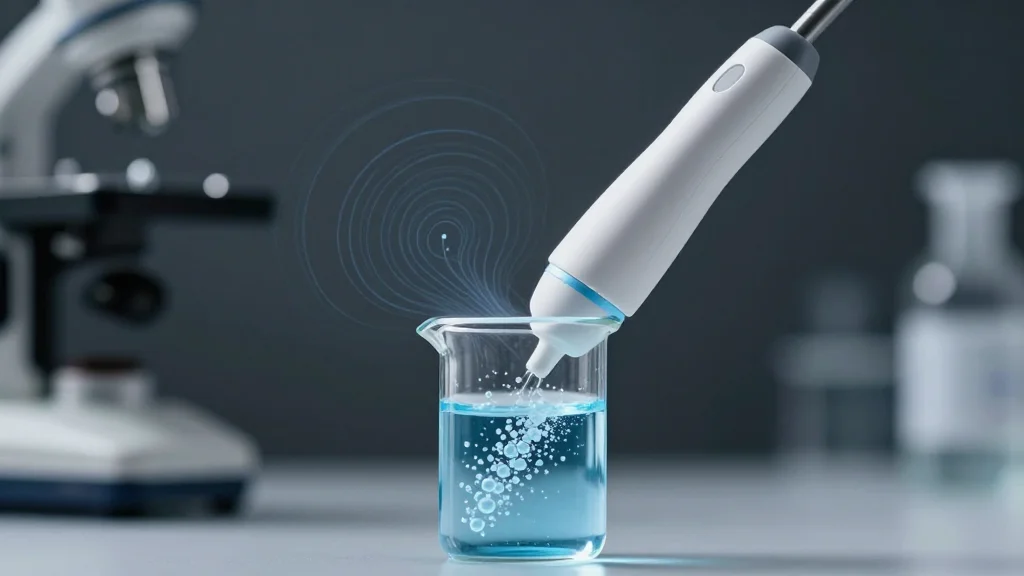
Ultrasound Waves Rupture COVID-19 and Flu Viruses without Damaging Cells
Researchers at the University of São Paulo have shown that high‑frequency ultrasound waves (3–20 MHz) can rupture the envelopes of SARS‑CoV‑2 and H1N1 viruses while leaving human cells unharmed. The effect, termed acoustic resonance, exploits the spherical geometry of enveloped viruses,...
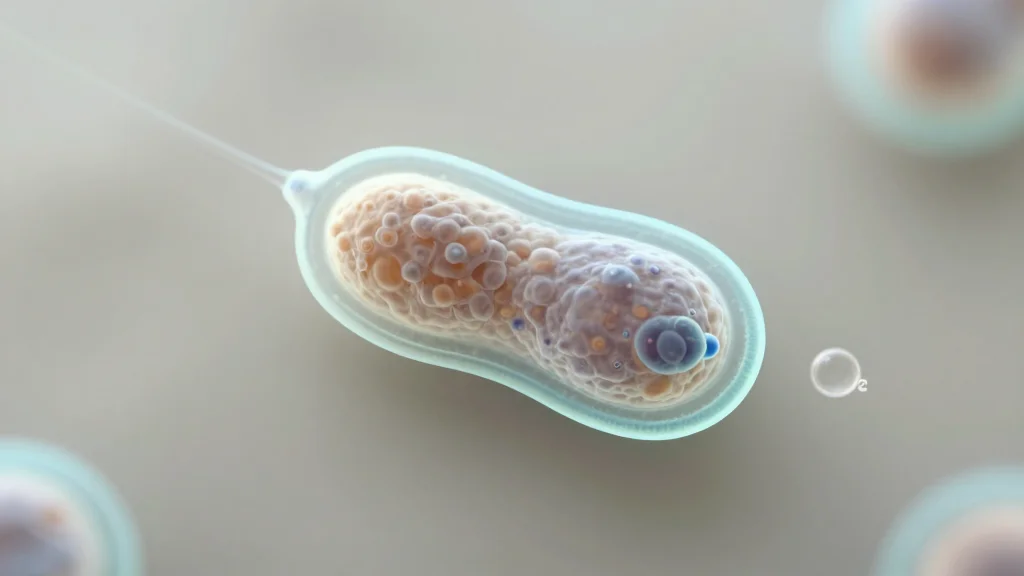
Membrane Complex Aids Rock-Eating Microbes in Converting Carbon Dioxide to Biomass
Researchers at the Universities of Potsdam and Marburg have detailed the structure of the DAB2 membrane complex in the sulfur bacterium Halothiobacillus neapolitanus. The complex enables lithoautotrophic microbes to convert CO₂ directly into bicarbonate (HCO₃⁻) using the cell’s membrane potential,...
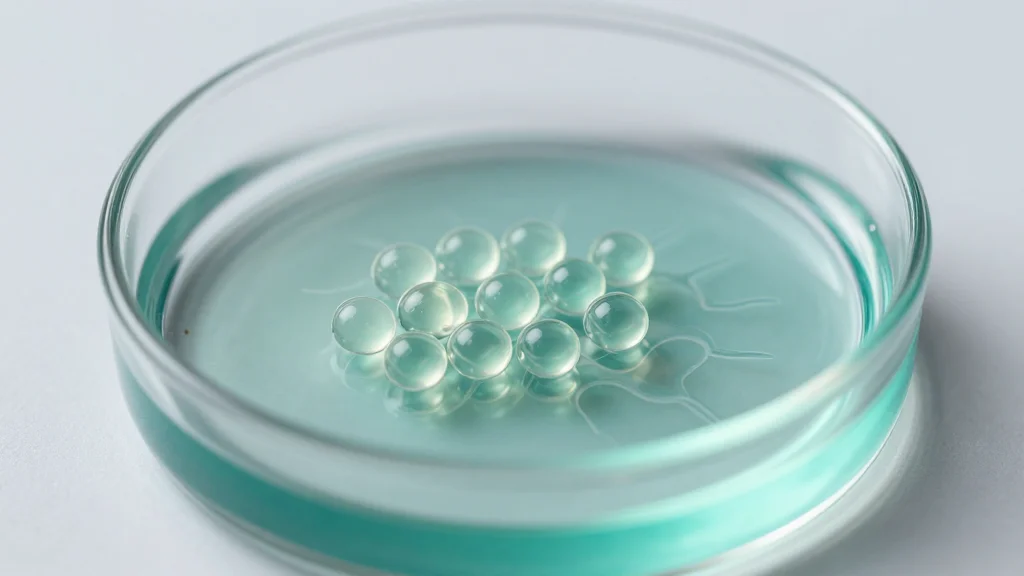
Death-Defying Protein Found in Tardigrades Preserves Synthetic Cells
Researchers at the University of Michigan and the University of Chicago have shown that the tardigrade‑derived protein CAHS12 can protect synthetic cells from dehydration. By embedding CAHS12 into lipid‑bound vesicles, the engineered cells survived drying and regained protein‑making activity after...
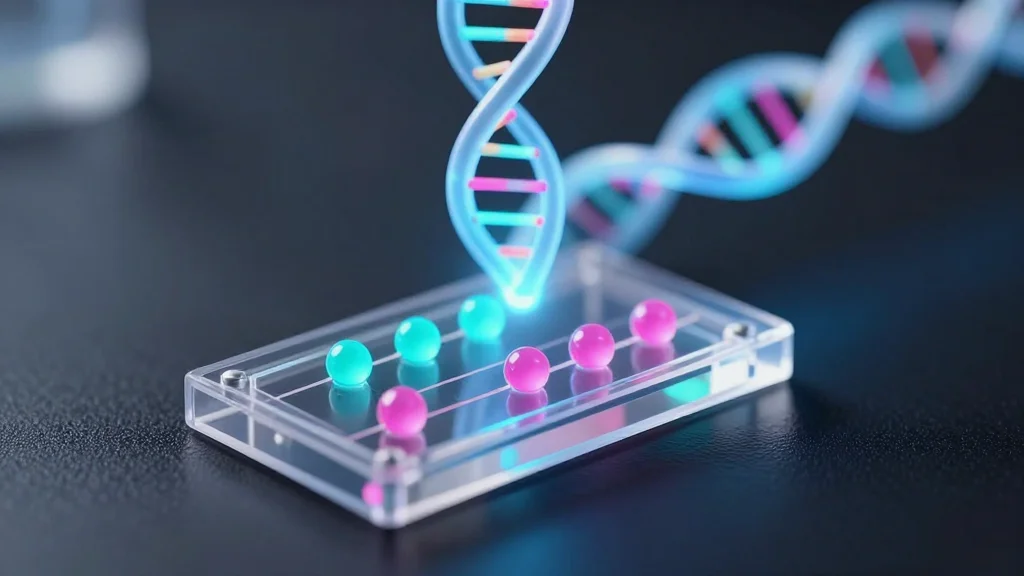
DNA-Guided CRISPR Flips Gene Editing Script, Opening a New Path for Precise Diagnosis and Antivirals
Researchers at Hong Kong University of Science and Technology have created the first DNA‑guided CRISPR‑Cas12a system that can programmatically target and cleave RNA. The new platform, called SLEUTH, combines the DNA‑guided enzyme with isothermal amplification to achieve attomolar‑level detection of...
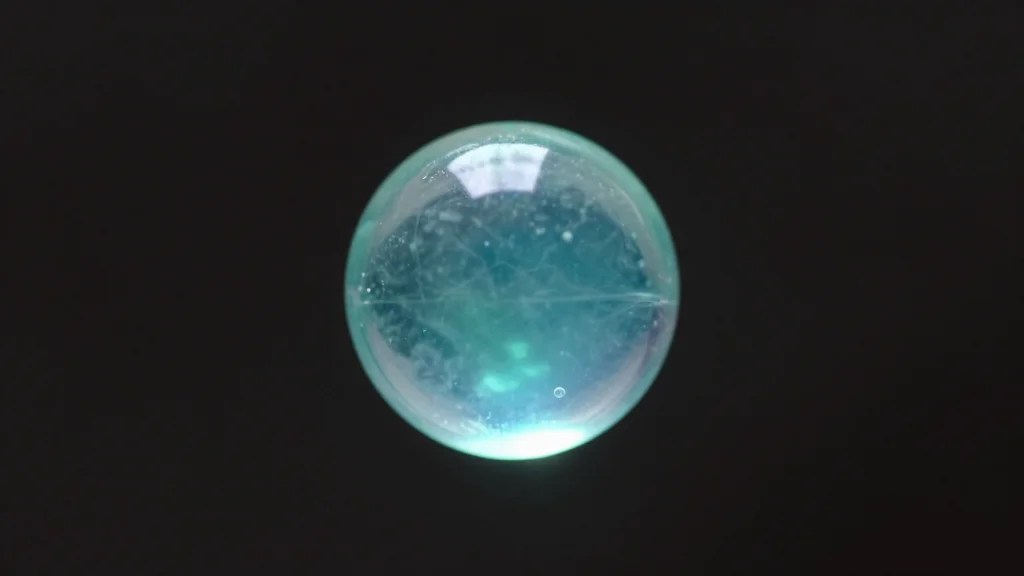
Light without Electricity? Glowing Algae Could Make It Possible
University of Colorado Boulder researchers discovered that acidic (pH 4) or basic (pH 10) solutions can sustain the bioluminescence of Pyrocystis lunula algae for up to 25 minutes. By embedding the algae in a water‑based hydrogel and 3D‑printing it into shapes, they...

Introducing Ecotech, Nature's Innovation Accelerator
A Duke‑led international team has coined the term “ecotech” to describe ecosystem‑inspired technologies that go beyond traditional biotechnology. Their roadmap, published in Science Advances, outlines a multidisciplinary framework for scaling solutions to climate change, biodiversity loss, and economic instability. The...
Dark Proteome Yields 1,785 New Microproteins that Could Reshape Disease Research
Scientists have identified 1,785 microproteins hidden in the human dark proteome, a roughly 10% increase to the known protein catalog. These tiny proteins, 65% under 50 amino acids, were uncovered by mining 95,520 mass‑spectrometry experiments and 3.7 billion spectra. The team...
A New Kind of CRISPR Could Treat Viral Infection and Cancer by Shredding Sick Cells' DNA
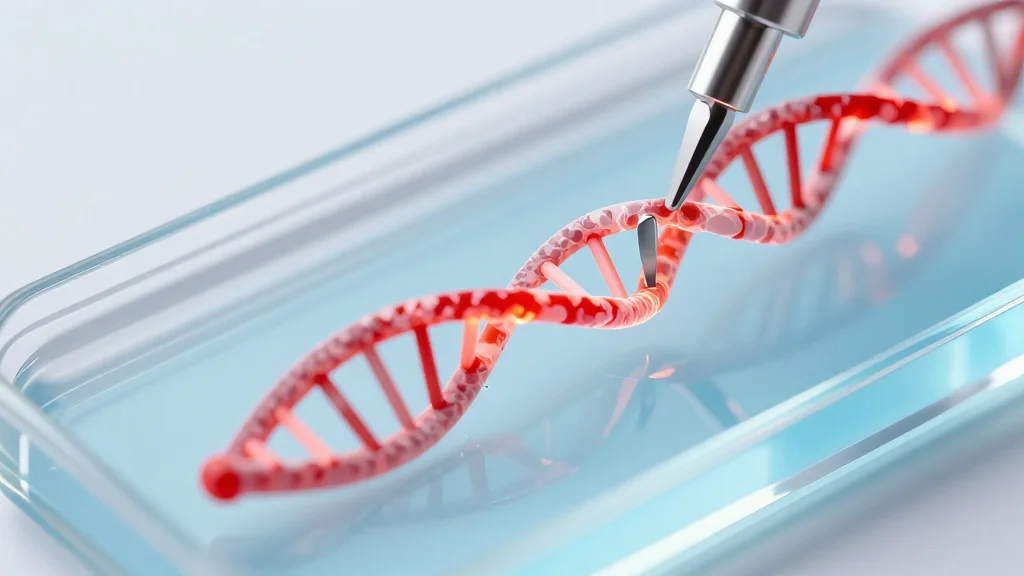
Researchers have engineered a novel CRISPR protein, Cas12a2, that acts as a molecular shredder, destroying DNA in cells that express a specific RNA trigger. In vitro, Cas12a2 cut the growth of KRAS‑mutant lung‑cancer cells by 50% and eliminated over 90%...
With Large DNA Fragment Assembly, Scientists Can Design Microbes that Produce Countless Complex Products
A new review in Quantitative Biology shows scientists can now reliably assemble very large DNA fragments, enabling the construction of whole metabolic pathways and even extra chromosomes inside microbes. This capability turns yeast and bacteria into efficient cell factories that...
Scientists Map Genetic Switches on Mosquito Reproductive Genes, Advancing Tools to Fight Disease
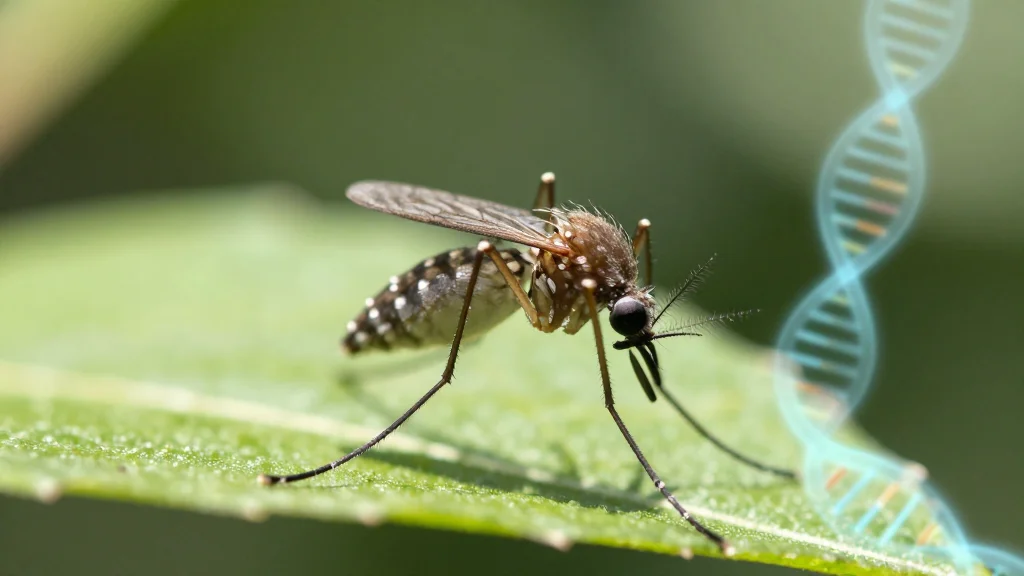
Scientists at Keele University have produced the first detailed map of cis‑regulatory elements that govern reproduction in Anopheles gambiae, the primary malaria vector. The atlas identifies hundreds of genetic switches and the exact nucleotides that drive germline expression in both...
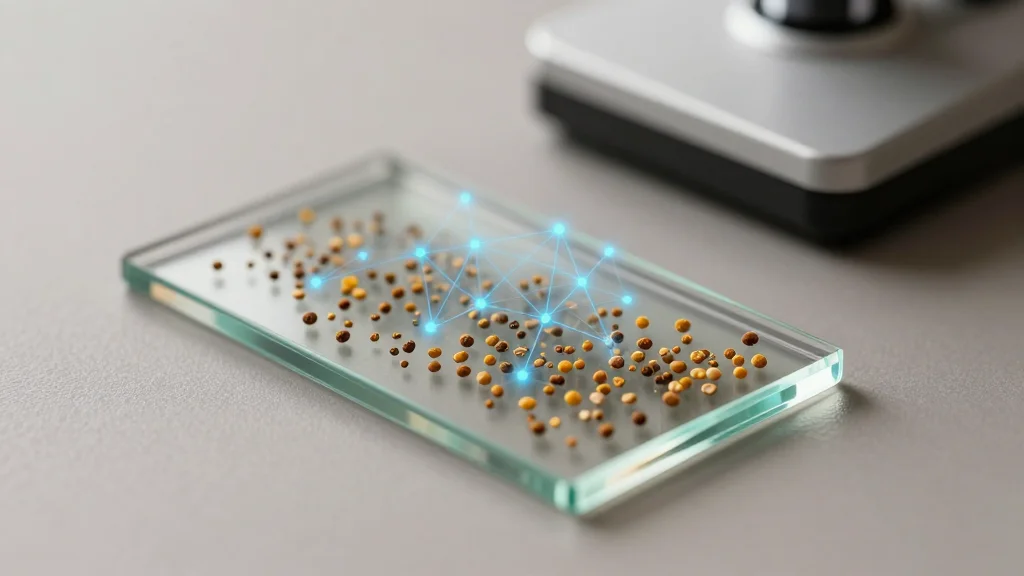
Digitizing Microscope Slides Can Uncover Billions of Fossils for Natural History
Researchers have developed a slide‑scanner protocol that digitally images entire microscope slides, revealing an estimated 4.3 billion microfossils in the Denver Pollen Collection—four times the total previously counted across the world’s largest natural‑history museums. The method preserves fragile specimens, captures high‑resolution...
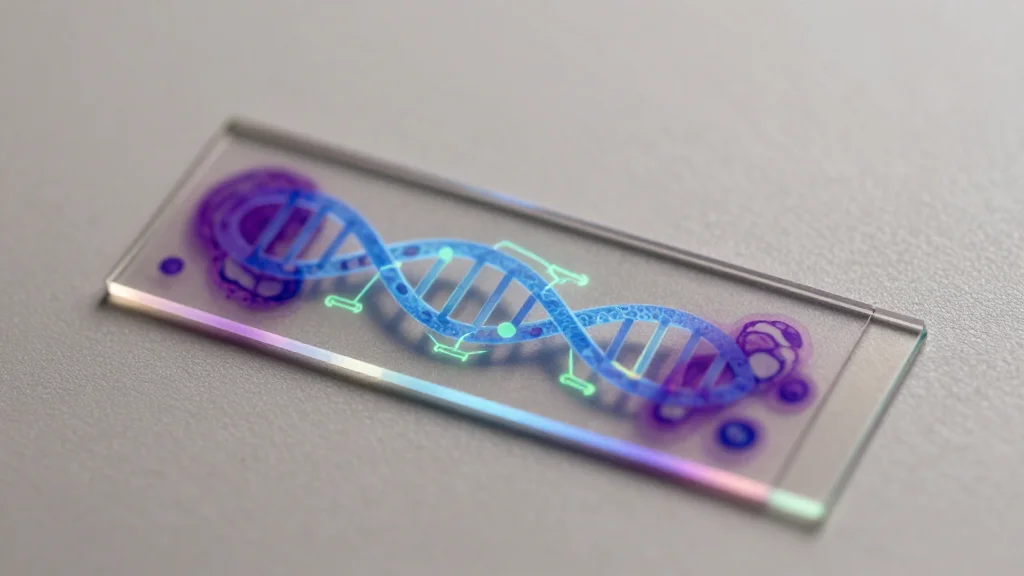
Super Transformer Aims to Bring Order to Biology's Data Under One AI Model
A KAUST‑led team has unveiled a “super transformer,” a multimodal AI architecture that unifies DNA sequences, gene‑expression profiles, spatial maps and tissue images into a single model. Published in Nature Methods, the system leverages transformer attention to translate disparate biological...
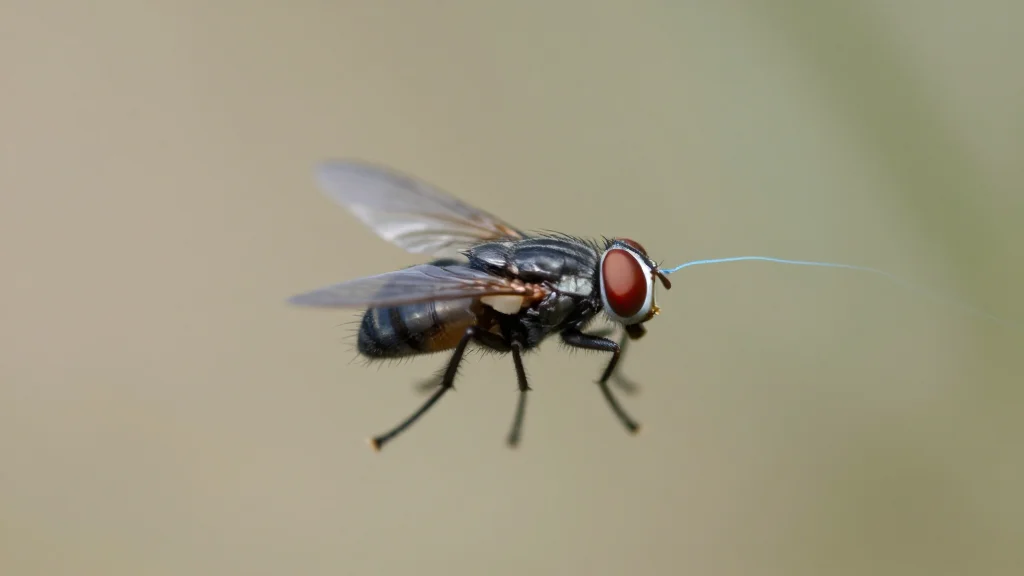
Tiny Insect Brain Discovery Offers a Blueprint for Faster and More Efficient AI and Robots
Researchers at the University of Sheffield discovered that house flies and fruit flies employ a "high‑frequency jumping" mechanism that triples the speed of visual data transmission to the brain. This active, movement‑driven process synchronises eye saccades with body motion, eliminating...
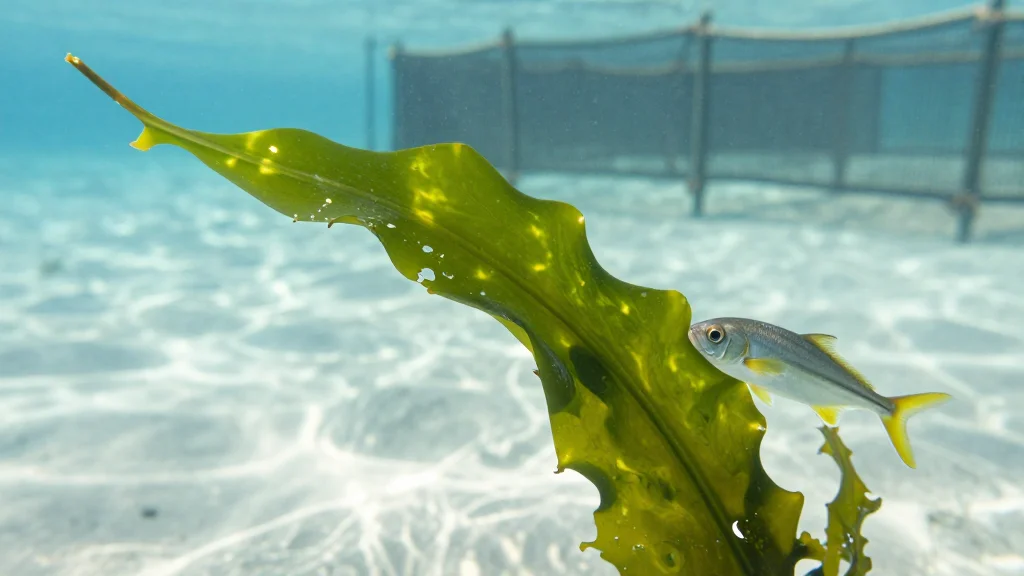
Seaweed Integration Boosts Efficiency and Cuts Waste in Aquaculture, Study Finds
A University of Miami study demonstrated that integrating native seaweed species into marine finfish farms can virtually eliminate total ammonia nitrogen waste. Researchers ran a pilot‑scale IMTA system on Florida’s Virginia Key, testing four macroalgae varieties with yellowtail snapper effluent....
DNA-Reading AI Reconstructs Ancestry in Minutes, Matching Top Statistical Methods
University of Oregon researchers have built a GPT‑2‑based artificial‑intelligence model that reads DNA like text to infer coalescence times, the point at which gene pairs shared a common ancestor. Trained on simulated evolutionary histories across bacteria, rodents, mosquitoes and primates,...

How 'Digital Twins' Could Help Predict the Fate of a Forest
Michigan State University researchers created a digital twin of a loblolly pine stand using lidar and AI. The model captured 90% of the 3,555 trees on a 7.5‑acre site and simulated thinning scenarios, revealing that shifting the starting row can...
Speed 'Training' Prepares Bacteria for Complex Tasks, Like Munching Plastics
Researchers at the National University of Singapore unveiled Lytic Selection and Evolution (LySE), a phage‑based platform that can rapidly evolve large gene clusters up to 40 kb. In a proof‑of‑concept, LySE boosted a five‑gene pathway enabling E. coli to consume ethylene glycol,...

Novel Wheat Hybrids Increase Resistance to Major Fungal Disease by up to 70%
Researchers have transferred a novel resistance locus from the wild weed Elymus repens into wheat, creating hybrids that slash Fusarium head blight (FHB) infection by up to 70%. The new locus, named Fhb.Er‑1StL, showed a 69% reduction in diseased spikelets...

Synthetic Biology Promised to Rewrite Life—With the Death of Its Pioneer, J. Craig Venter, How Close Are Scientists?
J. Craig Venter’s 2010 breakthrough—creating a cell controlled by a fully synthetic genome—proved that DNA could be written like software, launching modern synthetic biology. Since then researchers have engineered microbes to produce medicines such as artemisinin, explored bio‑fuel production, and built...