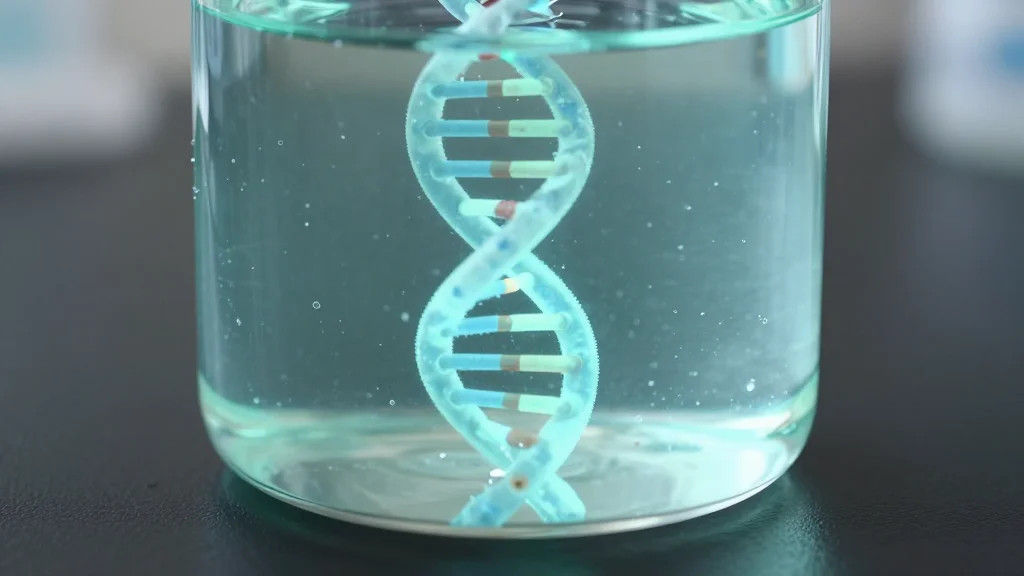
With Large DNA Fragment Assembly, Scientists Can Design Microbes that Produce Countless Complex Products
Why It Matters
Large‑scale DNA assembly accelerates the shift from fossil‑based production to bio‑derived chemicals, opening faster, greener routes to essential products and reshaping the biotech market.
Key Takeaways
- •Large DNA assembly now reliably builds multi‑megabase fragments
- •Enables insertion of whole pathways and extra chromosomes into microbes
- •Accelerates creation of microbial cell factories for medicines, fuels, chemicals
- •Integration with AI and automation shortens design‑build cycles
- •Promises greener, scalable biomanufacturing reducing fossil‑fuel dependence
Pulse Analysis
The ability to stitch together DNA segments that span millions of base pairs has long been a bottleneck in synthetic biology. Traditional methods struggled with error rates and limited fragment size, forcing researchers to piece together genomes in a labor‑intensive, stepwise fashion. Recent breakthroughs in enzymatic assembly and in‑vitro recombination now deliver high‑fidelity, large‑scale constructs in a single workflow, effectively turning the genome‑editing toolbox into a rapid‑prototyping platform for complex biological systems.
Coupled with advances in robotics and machine‑learning‑driven pathway design, these large‑fragment assemblies are reshaping how companies engineer microbial cell factories. AI algorithms can predict optimal gene arrangements, while automated liquid‑handling systems execute the builds with minimal human intervention. The result is a dramatic reduction in the design‑build‑test cycle, allowing firms to move from concept to pilot production in weeks rather than months. This speed is especially critical for high‑value markets such as biopharmaceuticals, where time‑to‑market can dictate commercial success.
Beyond speed, the technology promises a more sustainable manufacturing paradigm. By enabling microbes to synthesize complex molecules that previously required petrochemical processes, companies can lower carbon footprints and reduce reliance on volatile oil markets. Investors are taking note, with venture capital flowing into firms that combine synthetic biology, AI, and automation. However, scaling these bio‑processes will require clear regulatory pathways and robust bio‑security frameworks to ensure safe deployment. As the industry matures, large DNA fragment assembly is poised to become a cornerstone of the next generation of green, high‑precision biomanufacturing.
With large DNA fragment assembly, scientists can design microbes that produce countless complex products
Comments
Want to join the conversation?
Loading comments...