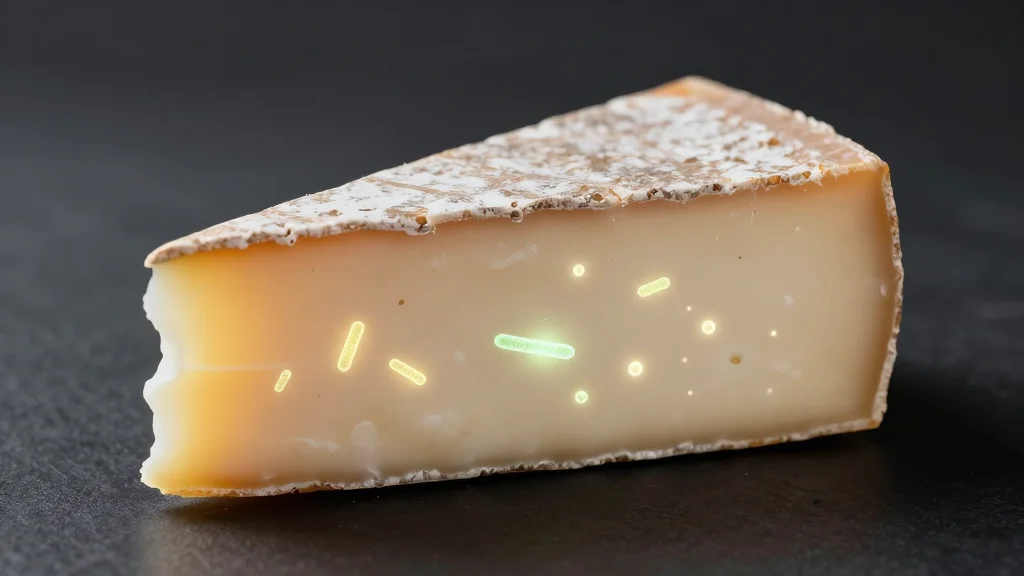
Bacteria Found in Artisan Cheeses May Ease Disease
Why It Matters
The research positions artisan cheese as a natural probiotic carrier, opening new avenues for functional‑food development and consumer health benefits. It highlights a low‑cost, widely consumed food that could support gut‑microbiome health, a priority for the nutrition and dairy sectors.
Key Takeaways
- •Streptococcus thermophilus dominates semi-soft and hard cheeses throughout aging
- •Propionibacterium freudenreichii in washed-rind cheese produces anti-inflammatory propionic acid
- •Penicillium candidum rind generates chitin fiber acting as a prebiotic
- •Hay-aged cheese shows fourfold increase in bacterial species diversity at maturity
- •Mature cheeses contain negligible lactose, aiding lactose-intolerant consumers
Pulse Analysis
The University of Reading’s Food Microbial Sciences Unit has provided the first comprehensive microbial map of three British artisan cheeses, linking flavor‑defining bacteria to potential health benefits. By sampling cheeses at multiple stages—from a week‑old soft rind to a nine‑month hay‑aged semi‑hard—the researchers identified a stable core of probiotic strains, including Streptococcus thermophilus and Lactococcus lactis, that survive the maturation process. Notably, the washed‑rind variety harbors Propionibacterium freudenreichii, a producer of propionic acid known for anti‑inflammatory and cholesterol‑modulating effects, while the white‑mold rind of the soft cheese supplies chitin, a dietary fiber that feeds beneficial gut microbes. This dual role of cheese—as a flavorful product and a probiotic delivery vehicle—adds a compelling dimension to the growing functional‑food market.
For the dairy industry, these findings could reshape product positioning and labeling strategies. Consumers increasingly seek foods that support gut health, and artisan cheeses now have scientific backing to claim probiotic content, provided regulatory approvals are secured. The near‑complete breakdown of lactose during fermentation also broadens appeal to lactose‑intolerant shoppers, potentially expanding market share for premium cheeses. Companies may invest in targeted microbial cultures to amplify health‑related compounds, creating differentiated offerings that command higher price points.
While the study offers promising insights, translating microbial presence into measurable health outcomes requires human intervention trials. Future research should assess how cheese‑borne bacteria survive gastric passage, colonize the intestine, and influence microbiome composition. Successful trials could catalyze collaborations between cheesemakers, biotech firms, and nutrition scientists, driving innovation in probiotic‑rich dairy products. As the evidence base grows, artisan cheese could move from a niche indulgence to a mainstream functional food, reinforcing the link between traditional food craftsmanship and modern health science.
Bacteria found in artisan cheeses may ease disease
Comments
Want to join the conversation?
Loading comments...