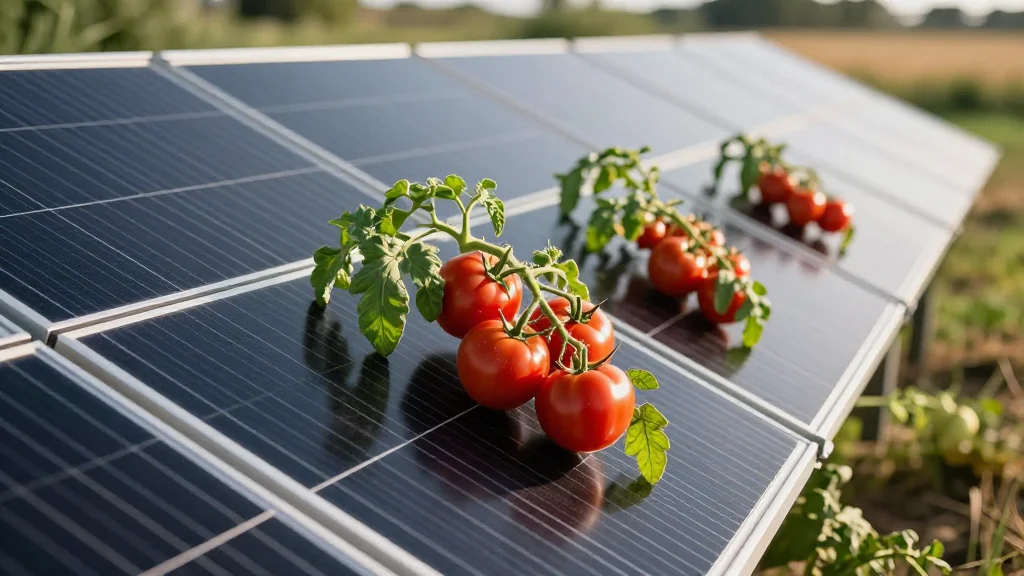
Agrovoltaic Systems Can Save Water, Generating Energy and Making Tomato Cultivation More Sustainable at the Same Time
Researchers from the University of Seville and the Polytechnic University of Madrid demonstrated that tomatoes can be cultivated under photovoltaic panels while generating solar power, creating a dual‑use agrovoltaic system. By pairing regulated deficit irrigation with the shade of solar arrays, water consumption fell roughly 50%, though tomato yields dropped about 20%. The combined output yielded Land Equivalent Ratios of 1.54 in Madrid and 1.67 in Seville, indicating higher overall efficiency than separate farming and energy plots. The study suggests precision sensors could further balance water stress and productivity.
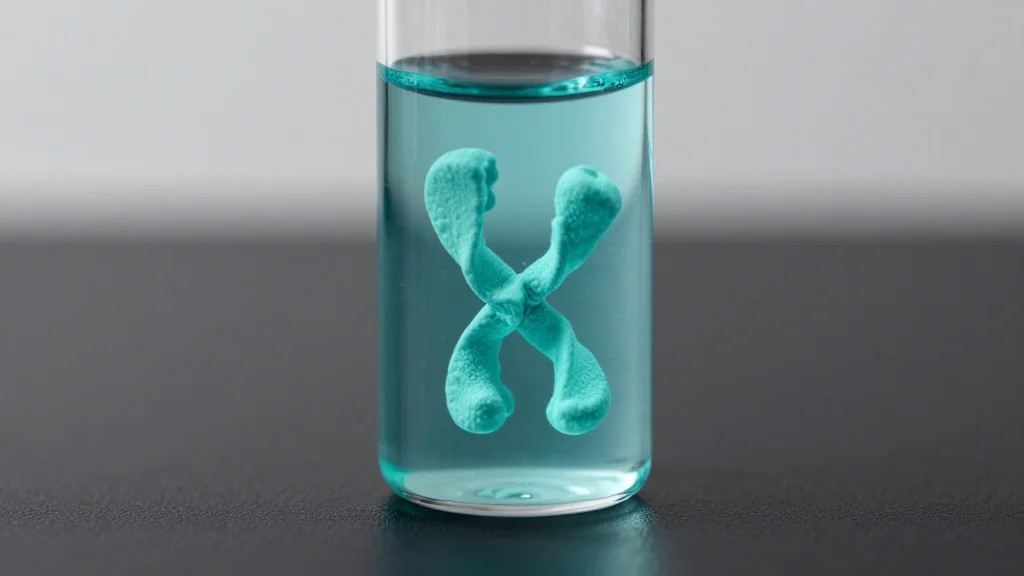
From Lockdown to the Lab: Researcher Develops 'Decoy Molecule' To Slow Down Coronavirus
During the COVID‑19 lockdown, Ph.D. candidate Koen Rijpkema engineered decoy molecules that bind tightly to the coronavirus Mac1 enzyme, which normally dampens immune signaling. By mimicking the enzyme’s natural substrate, the decoys keep Mac1 occupied, allowing the immune system to detect...
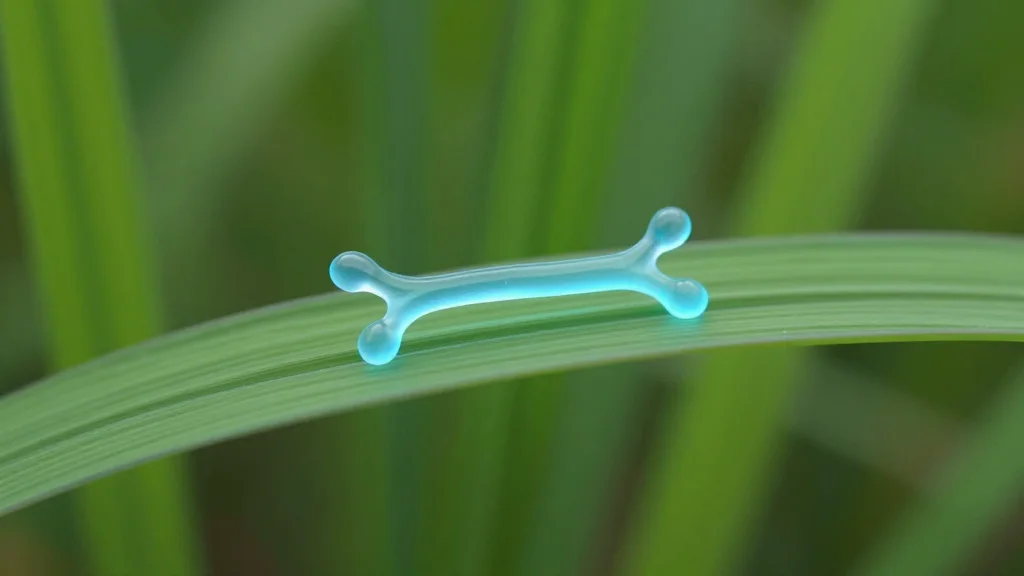
Gene Discovery Opens New Path for Disease-Resistant Rice Breeding
Researchers at the Chinese Academy of Sciences and partner universities have cloned a broad‑spectrum bacterial blight resistance gene, Xa48, in the indica rice variety Shuangkezao. Xa48 encodes an NLR immune receptor that directly detects the XopG effector, triggering degradation of...
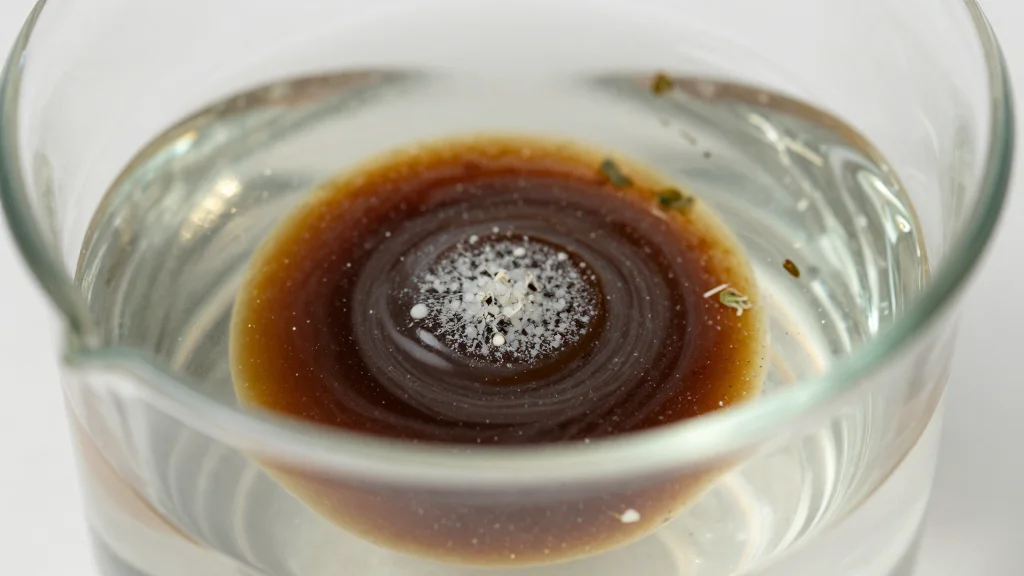
Common Asian Plant in Brazil Shows Potential for Removing Microplastics From Water
Researchers at ICT‑UNESP in Brazil demonstrated that a saline extract from Moringa oleifera seeds can coagulate and remove microplastics from drinking water, performing on par with aluminum sulfate and even better in alkaline conditions. The study, published in ACS Omega,...
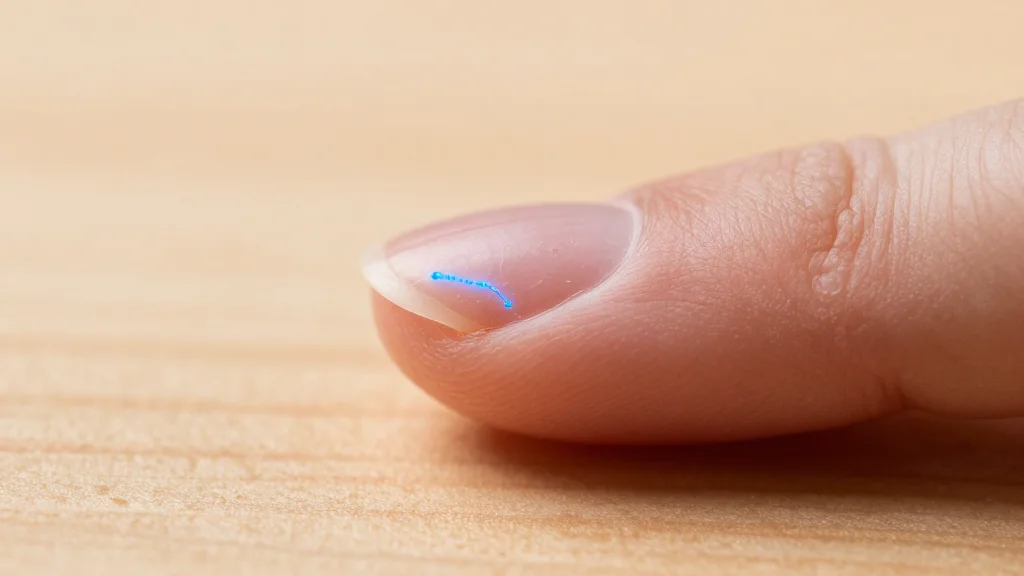
For Regrowing Human Limbs, This Salamander Gene Could Hold the Key
Scientists identified SP6 and SP8 as conserved genes that drive limb regeneration in axolotls, zebrafish and mice, and demonstrated that a viral gene‑therapy delivering FGF8 can partially rescue digit regrowth in mice lacking these genes. The work, published in PNAS,...
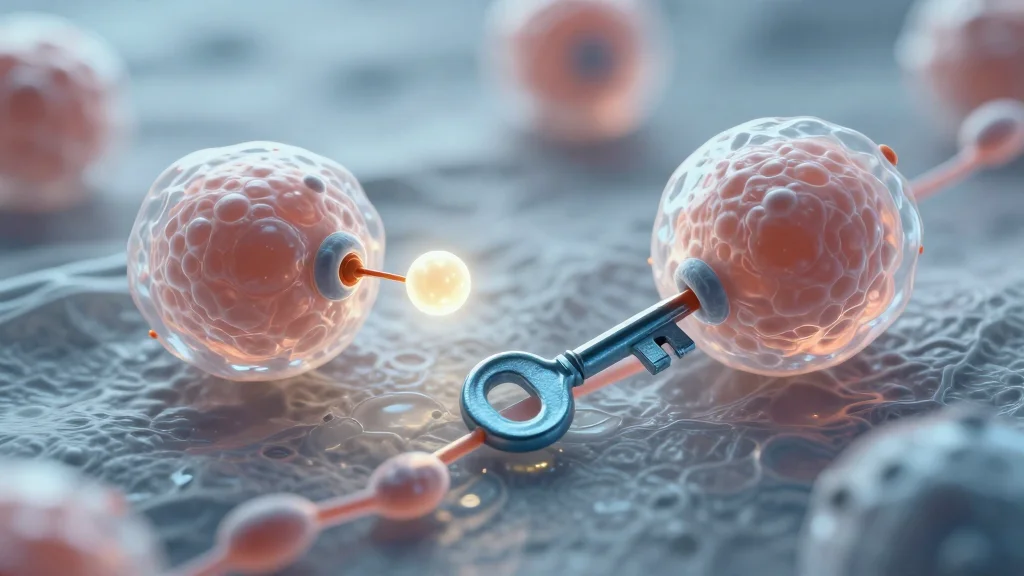
Cells Have a Secret 'Courier System' That Could Open Hard-to-Reach Targets for RNA and Gene Therapies
University College Dublin researchers have identified a previously unknown cellular "courier system" in which nanoparticles acquire a protein‑RNA "condensate corona" that shuttles functional biomolecules between cells. The corona forms a stable droplet that protects its cargo, escapes degradation, and delivers...
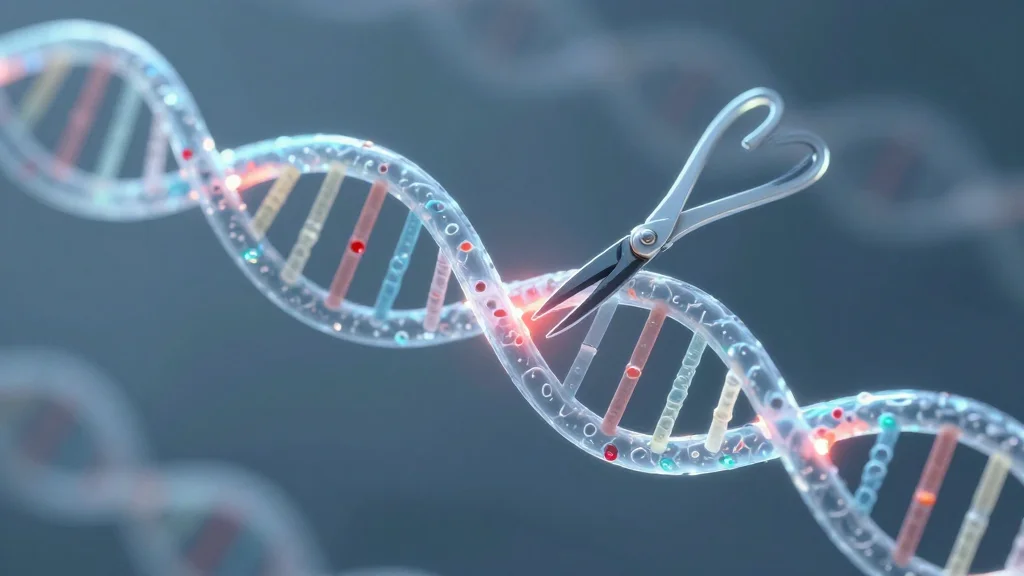
CRISPR Variant Selectively Targets Tumor DNA
Researchers at Van Andel Institute and Wageningen University have engineered a CRISPR variant, ThermoCas9, that reads DNA methylation patterns to differentiate tumor DNA from healthy DNA. The enzyme selectively cuts methylated cancer sequences while sparing unmethylated normal genes, a finding published...
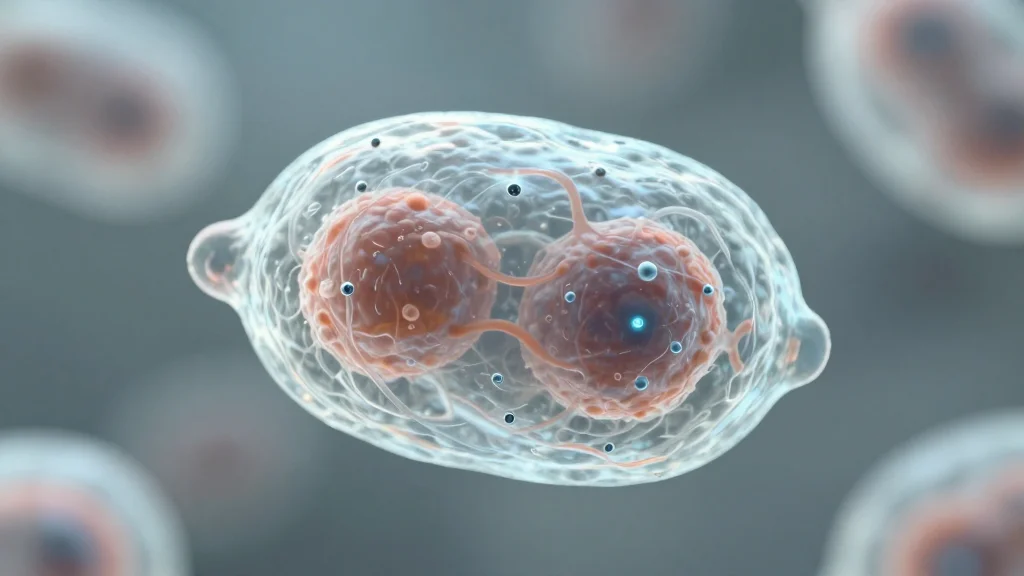
New Technique Maps Cancer Drug Uptake Inside Living Cells
Researchers at the University of Surrey and King's College London have unveiled a new analytical workflow that maps metal‑based cancer drugs inside living cells. By pairing SEISMIC capillary sampling with laser‑ablation ICP‑MS, they detected trace thallium—used as a surrogate for...
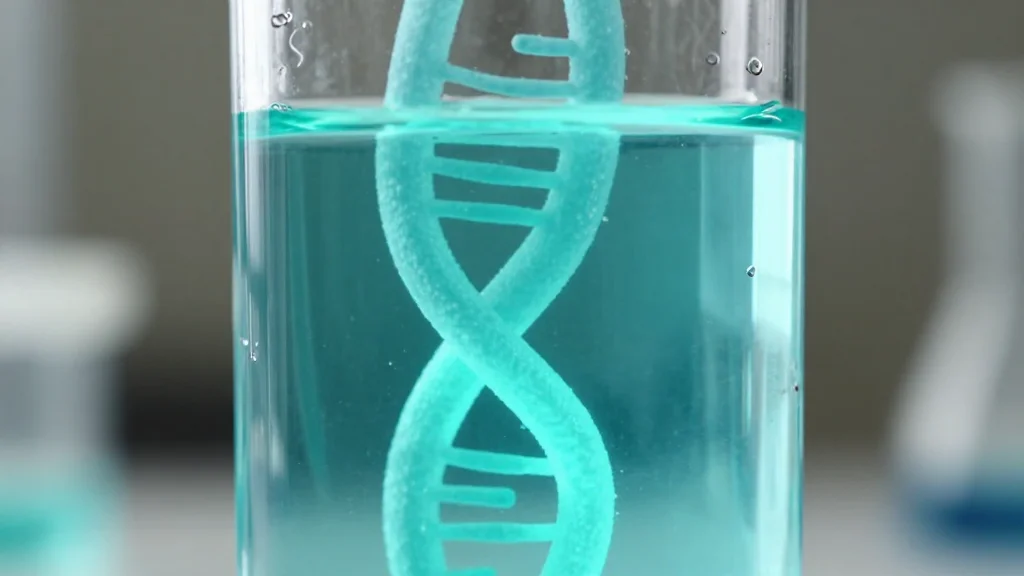
Scientists Turn AI-Generated Proteins Into Smart Molecular Sensors
An international team led by Queensland University of Technology used artificial intelligence to engineer tiny "smart" proteins that activate only when they bind a chosen molecule. Published in Nature Biotechnology, the AI‑designed switches produce color, light or electrical outputs, and...
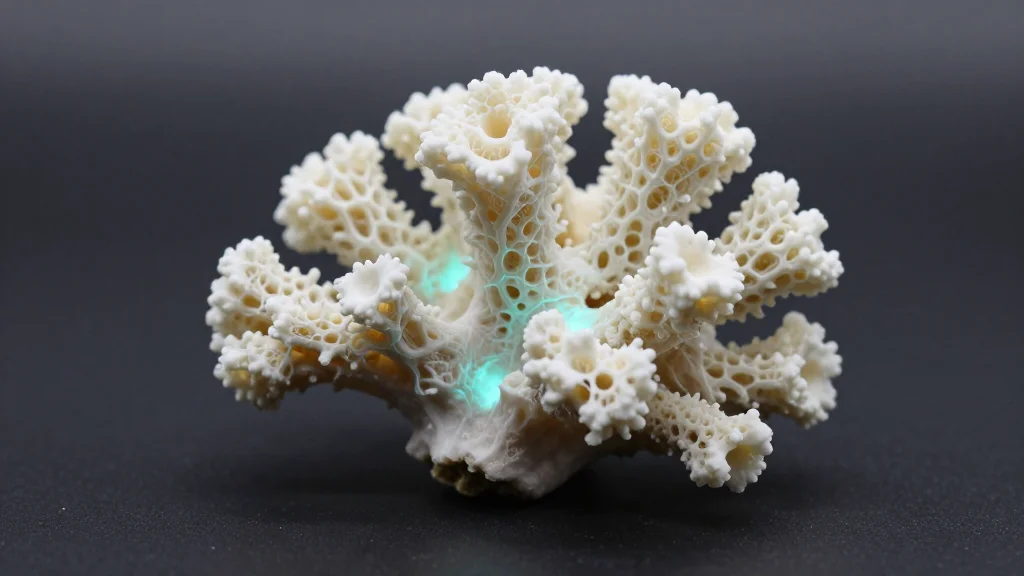
Hidden Damage in Stony Corals Revealed Using 3D Imaging and AI
Researchers at Florida Atlantic University used X‑ray micro‑computed tomography combined with deep‑learning segmentation to examine the microscopic skeletons of stony corals affected by Stony Coral Tissue Loss Disease (SCTLD). By training three U‑Net‑based models on healthy and diseased specimens of...
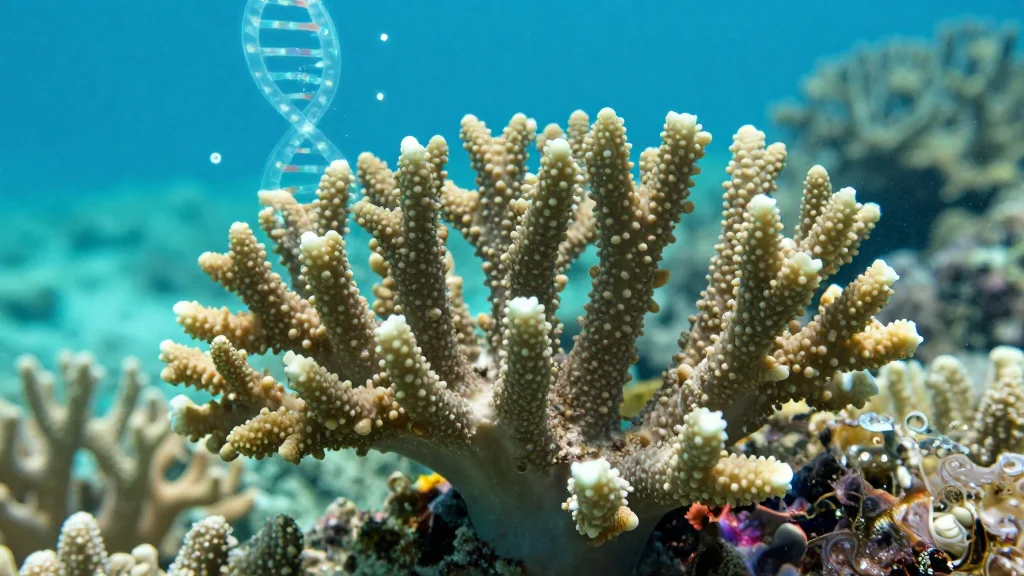
Researchers Unveil New AI-Driven System Set to Transform Coral Reef Restoration
University of Derby researchers have launched BlueBiome, an AI‑driven platform that merges image analysis, microbiome genetics, and targeted probiotics to monitor coral health. The system can detect early signs of stress such as bleaching, lesions, and pigment changes, addressing the...
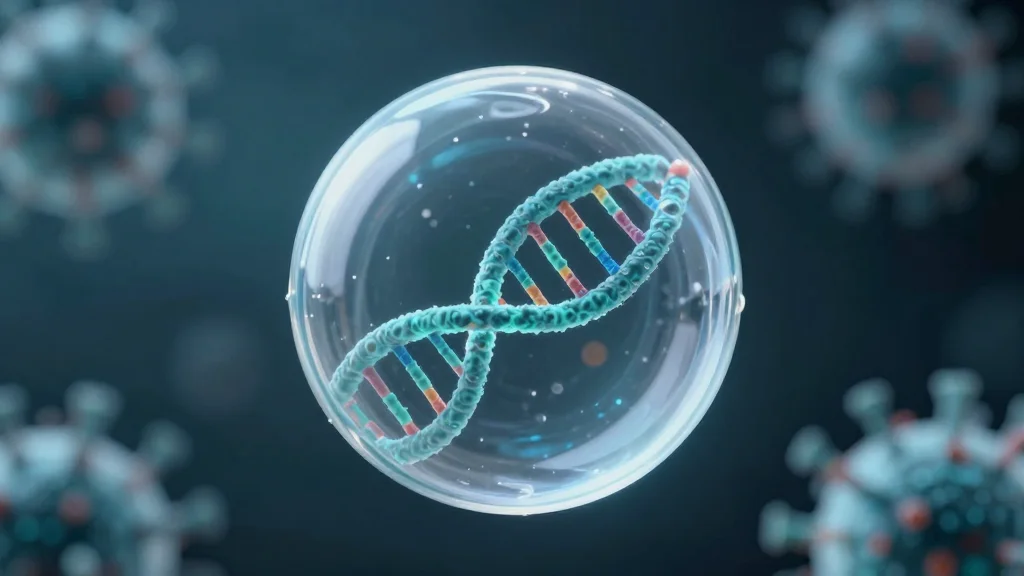
Compact CRISPR System Unlocks Targeted In-Body Gene Editing, with up to 90% Efficiency
Researchers at UT Austin have engineered a compact CRISPR enzyme, Al3Cas12f RKK, that fits into AAV vectors and achieves up to 90% editing efficiency in human cells. The enzyme’s small size overcomes the delivery bottleneck that limits most CRISPR systems...
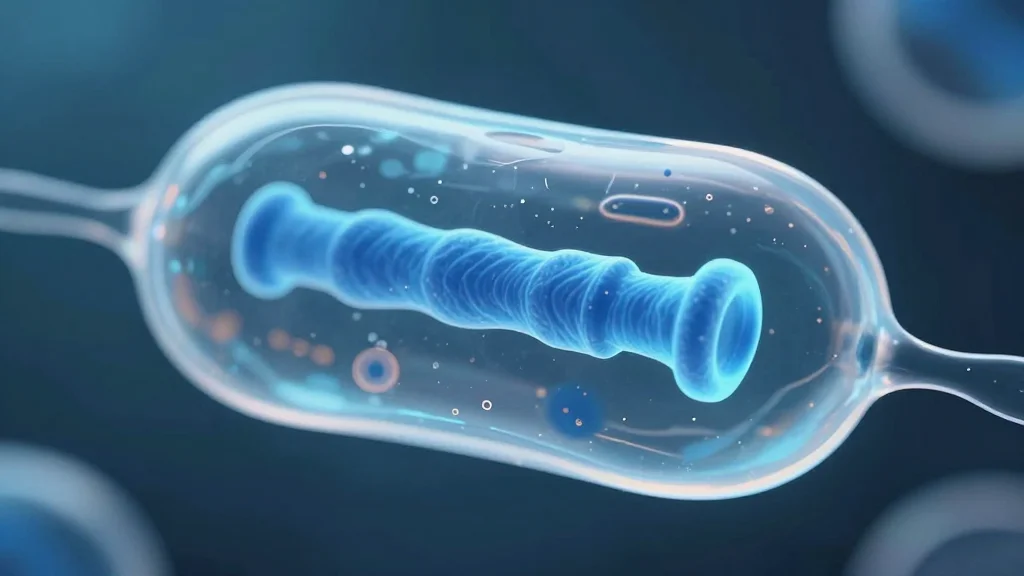
Designing Better Membrane Proteins by Embracing Imperfection
Scientists at the VIB‑VUB Center for Structural Biology discovered that deliberately reducing stability—through “negative design”—can improve the folding of synthetic transmembrane β‑barrel proteins. In cell‑free experiments with lipid vesicles, designs that incorporated subtle destabilizing mutations folded correctly and avoided aggregation,...
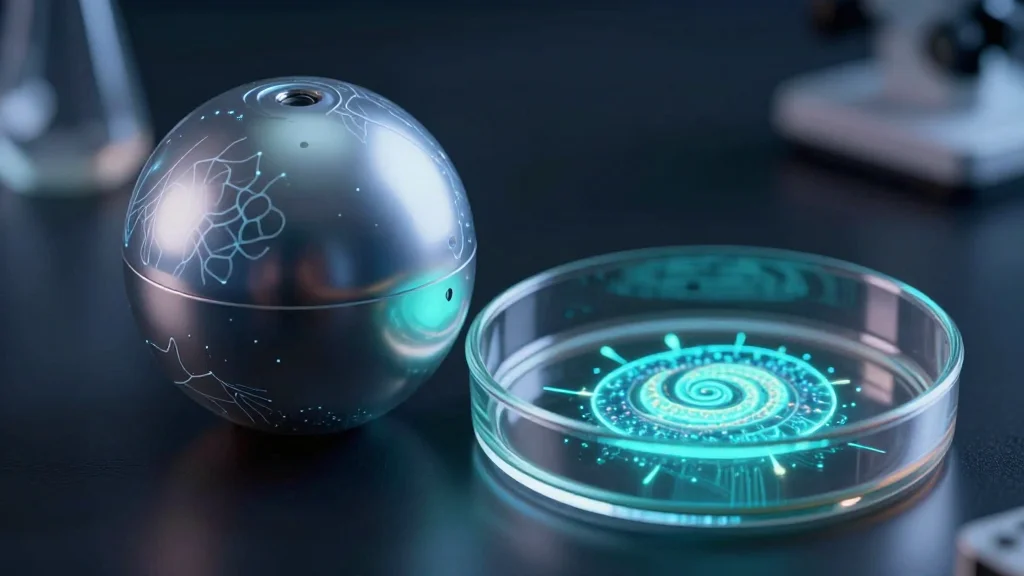
AI Can Design and Run Thousands of Lab Experiments without Human Hands. Humanity Isn't Ready
In February 2026 OpenAI and Ginkgo Bioworks reported that GPT‑5 autonomously designed and ran 36,000 biological experiments through a robotic cloud laboratory, slashing protein‑production costs by about 40%. The AI‑driven loop—design, build, test, learn—turns biology into an engineering discipline, enabling...
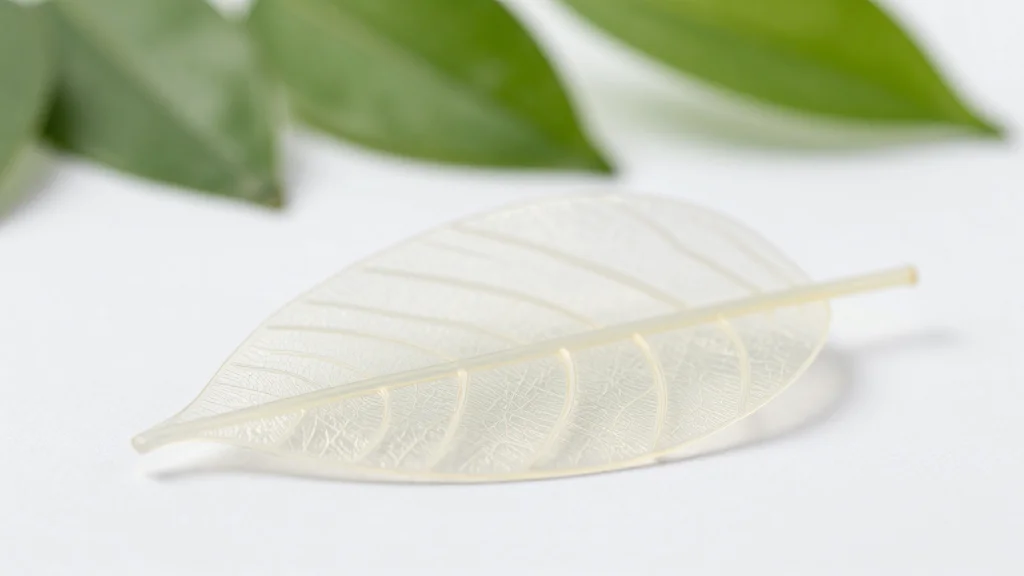
Inquiry-Based Biomimicry Course Inspires Students to Design Solutions by Learning From Nature
Texas A&M’s biomedical engineering department launched an inquiry‑based biomimicry course that guides students to solve medical‑device challenges by emulating nature. Professor Charles Patrick’s scaffolded model lets students iterate designs throughout the semester, culminating in a nature‑inspired final project. Measured imagination competency...
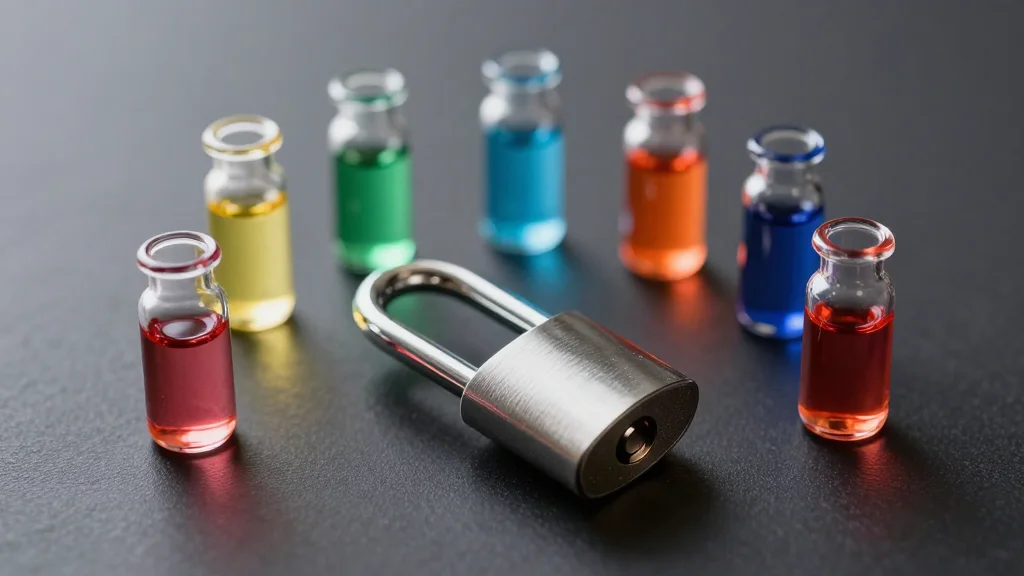
Hackers Meet Their Match: New DNA Encryption Protects Engineered Cells From Within
Researchers published a new DNA‑level encryption system that scrambles engineered cells' genetic code, making it unreadable until a precise chemical sequence restores it. The lock uses a series of nine chemicals arranged as a two‑digit keypad, yielding 45 possible inputs,...
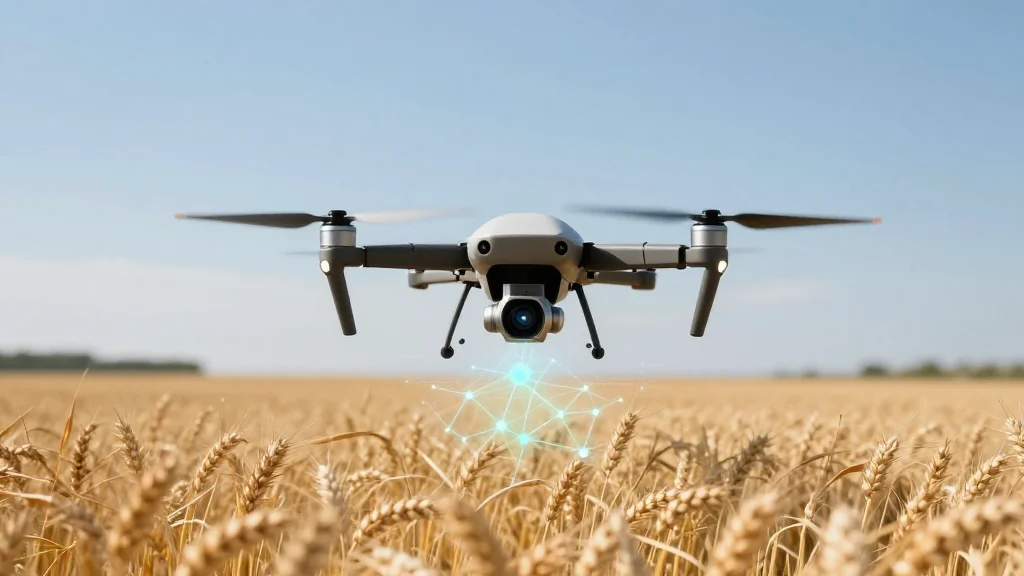
AI and Drones Can Select the Most Resilient Wheat
Researchers at the University of Barcelona and the Agrotecnio research centre have demonstrated that artificial intelligence combined with drone imaging can pinpoint wheat varieties that are most resilient to climate stress. By scanning thousands of plots, the system rapidly identifies...
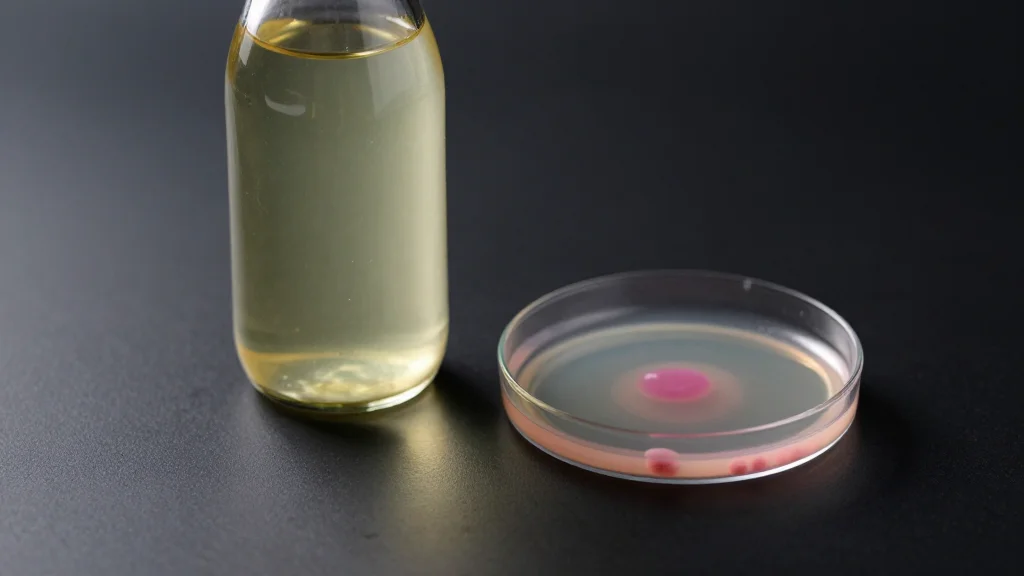
Bacteria From Bumblebees Can Produce Vitamin B₂ in Soya Drinks
Researchers at Denmark's Technical University (DTU) used a droplet microfluidics platform to screen the bumblebee gut microbiome, identifying a Lactococcus lactis strain that ferments soy drinks while producing vitamin B₂. The transparent soy medium and fluorescence‑based detection cut screening time from...
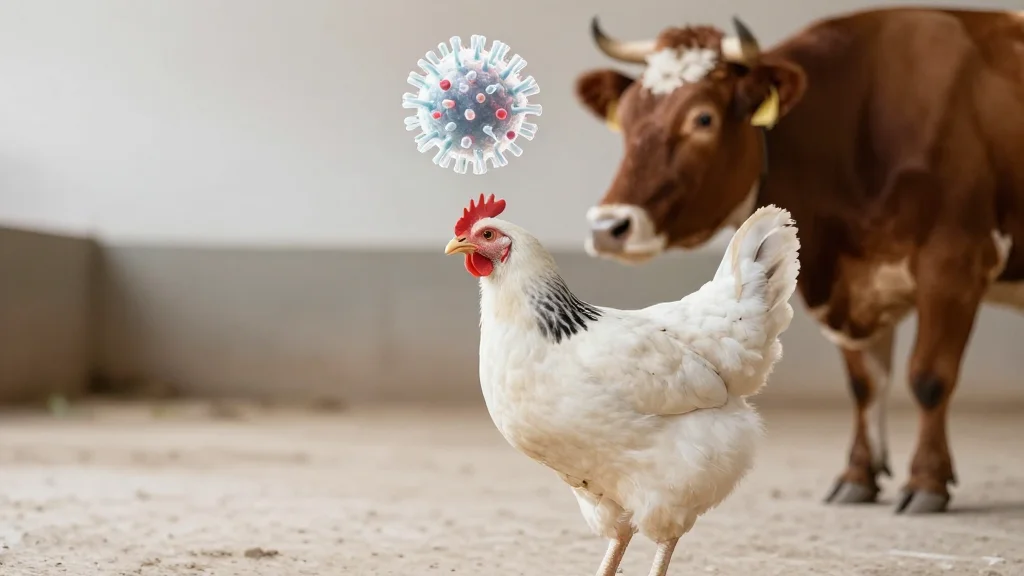
Why Experts Say Now Is the Time to Vaccinate US Dairy Cattle Against Bird Flu
The H5N1 bird‑flu virus, which devastated U.S. poultry in 2022, has jumped to dairy cattle, affecting over 1,000 herds in 19 states and generating an estimated $14 billion economic hit, including $4 billion in dairy losses. Researchers argue that vaccinating cattle could...
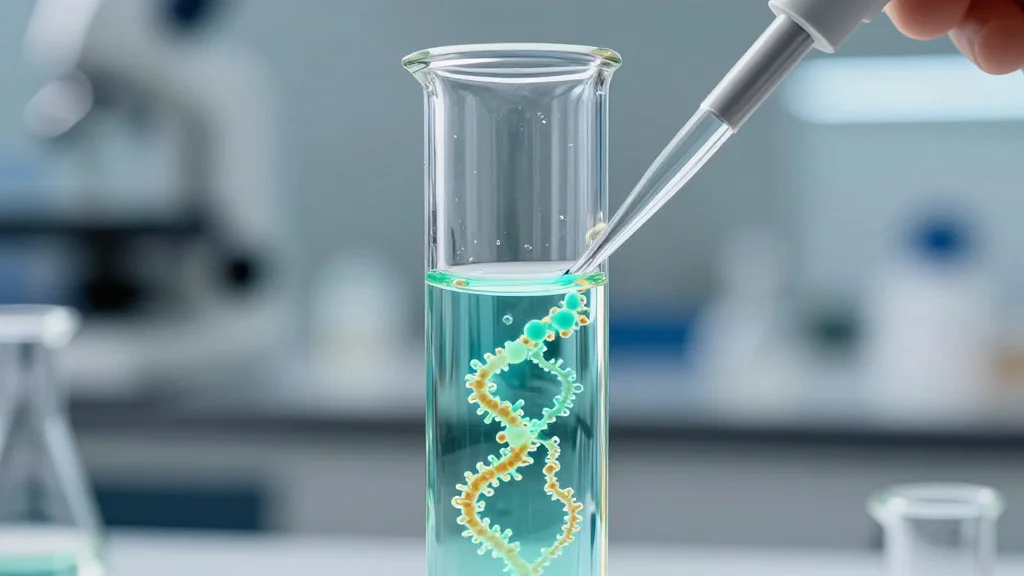
AI-Designed Proteins Built From Scratch Can Recognize Specific Compounds
Researchers at KAIST, led by Gyu Rie Lee and David Baker, used an AI model to design artificial proteins from scratch that selectively bind specific compounds. The team experimentally validated six de novo binding proteins, including a cortisol‑responsive biosensor that functions as a chemical‑induced...
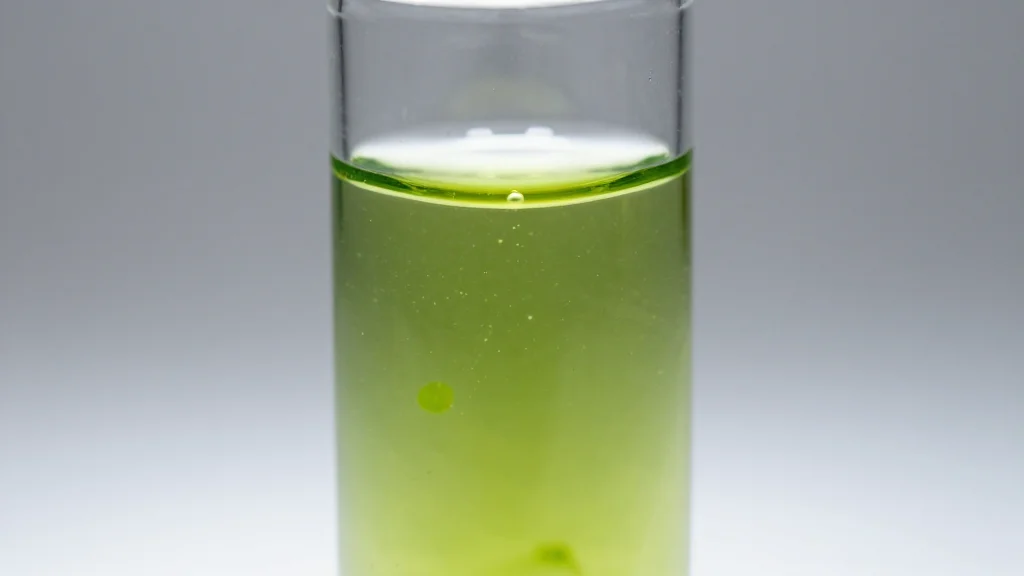
Unlocking the Hidden Metabolism of Algae to Advance the Promise of Renewable Fuels and Sustainable Biomass
Researchers at the Donald Danforth Plant Science Center used isotope‑assisted metabolic flux analysis to map how the green microalga *Chlamydomonas* rewires its central metabolism when supplied with both light and acetate. The mixotrophic cells activate carbon‑conserving pathways, suppress costly processes,...
AI Diffusion Models Tailor Drug Molecules to Custom-Fit Protein Targets, Speeding Drug Development and Evaluation
University of Virginia researchers unveiled YuelDesign, an AI diffusion‑model platform that simultaneously generates drug‑like molecules and their flexible protein binding pockets. Complementary tools YuelPocket and YuelBond locate precise binding sites and ensure chemically realistic bonds, respectively. Early validation on the...
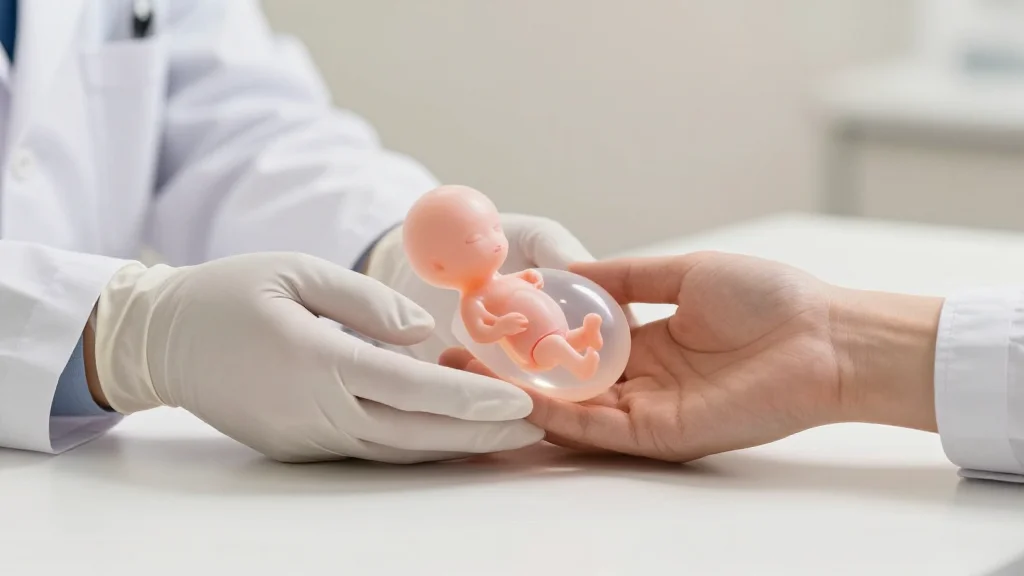
Examining Embryo Model Ethics Beyond Box-Checking
A coalition of stem‑cell researchers and ethicists has proposed an embedded ethics framework for human stem‑cell‑based embryo model (hSCBEM) research. The model replaces traditional “box‑checking” approvals with continuous, interdisciplinary dialogue throughout the project lifecycle. It aligns with the latest ISSCR...
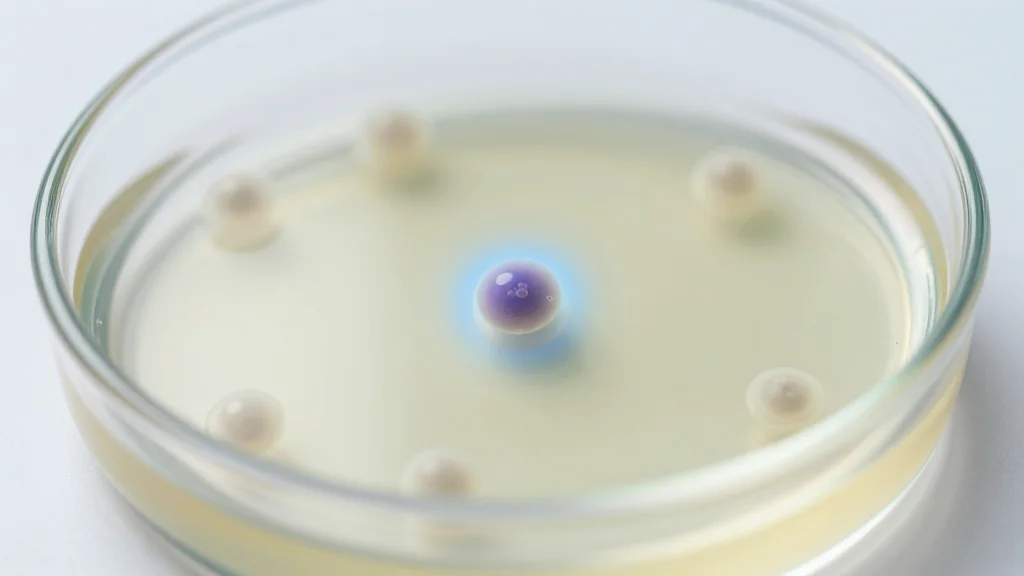
A 'Stemness Checkpoint' Helps Control Stem Cell Identity
Researchers from USC and the NIEHS have identified the protein GSK3α as a universal "stemness checkpoint" that governs differentiation across multiple stem‑cell types. Inhibiting GSK3α allowed mouse embryonic stem cells and epiblast stem cells to retain their distinct identities even...
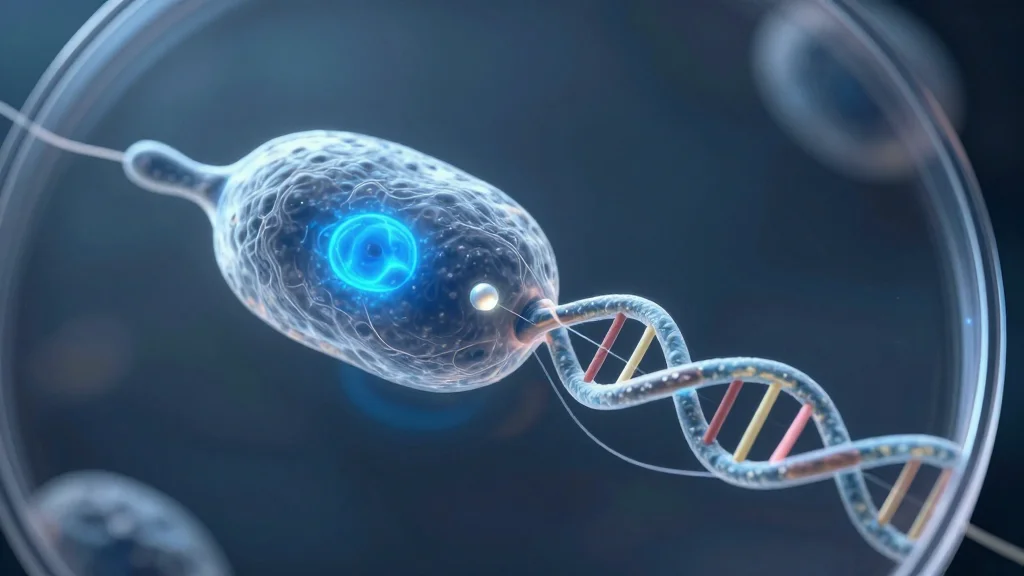
Molecular 'Leash' Measures Force-Sensing Protein Activation at About 15 Piconewtons
Researchers at the National University of Singapore engineered a DNA‑based molecular leash that pulls directly on the mechanosensitive ion channel Piezo1, allowing forces as low as 15 piconewtons to be applied with nanometer precision. Real‑time calcium fluorescence showed that Piezo1...
How Stem Cell Descendants Preserve Flexibility While Maintaining Distinct Identities
Stem cells act as the body’s shape‑shifters, simultaneously preserving their own numbers while spawning specialized cells. Recent research highlights that early progeny can revert to a stem‑cell state through dedifferentiation, a process that restores the stem‑cell pool when it is...
What This AI Epitope Library Means for Vaccines, Immunotherapy and Biosensors
CIC biomaGUNE, together with Multiverse Computing, has launched epiGPTope, an AI‑driven platform that designs and classifies synthetic epitopes at scale. The system can generate a library of hundreds of thousands of protein fragments and predict whether they originate from viruses...
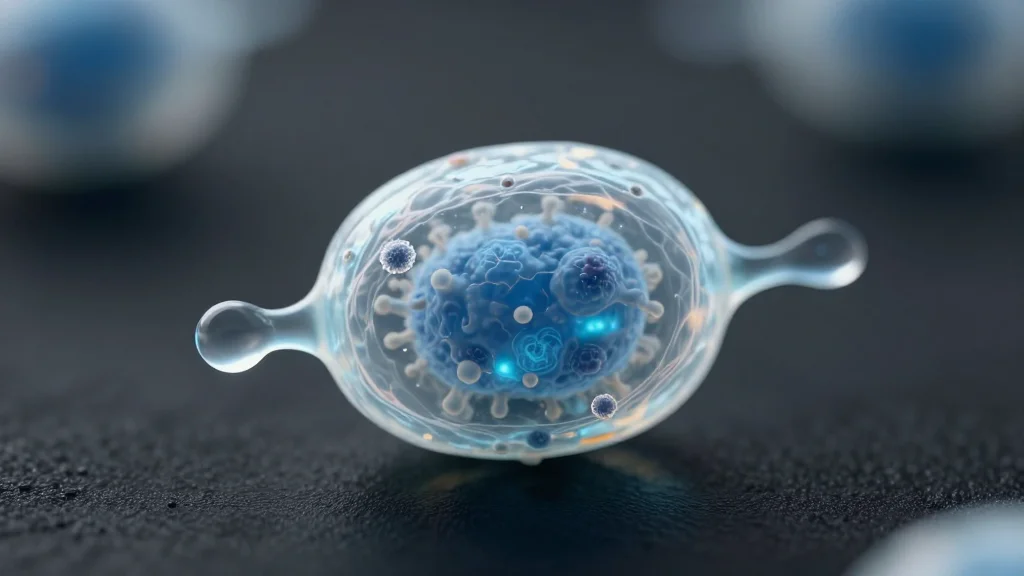
3D Microscopy Reveals How a Tick-Borne Virus Reshapes Human Cells to Replicate
Researchers at Umeå University used advanced 3D microscopy to map how tick-borne encephalitis virus (TBEV) remodels human cells into specialized replication factories. The imaging revealed the virus hijacks cellular membranes, forming distinct compartments where viral RNA synthesis and particle assembly...
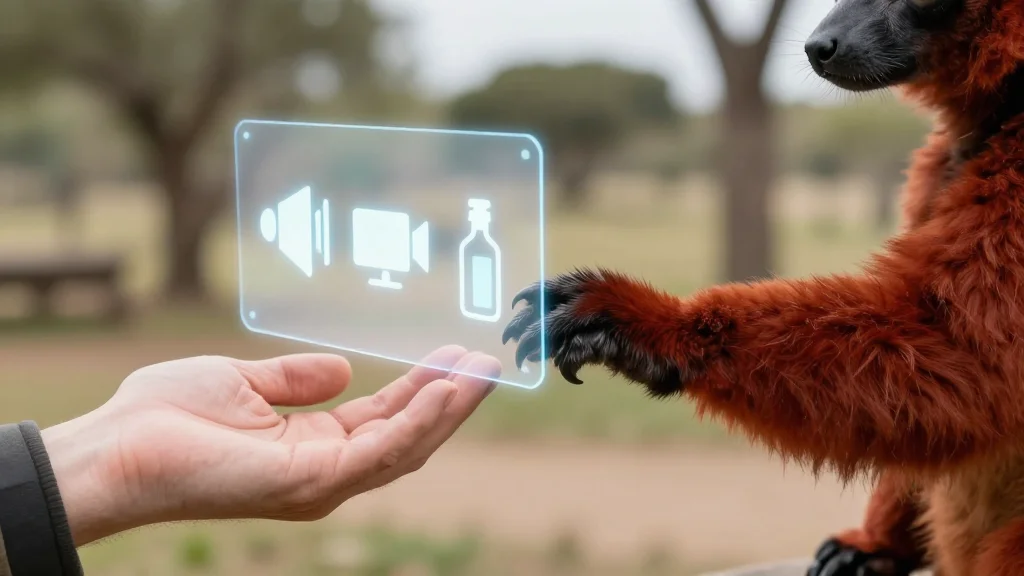
Tech Can Enable Cross-Species Experiences, New Research Suggests
University of Glasgow researchers unveiled CreatureConnect, a dual‑interface system that lets red‑ruffed lemurs and zoo visitors jointly control sounds, videos and scents. During a 20‑day trial at Blair Drummond Safari Park, lemurs engaged more when sharing control, while visitors stayed longer and...
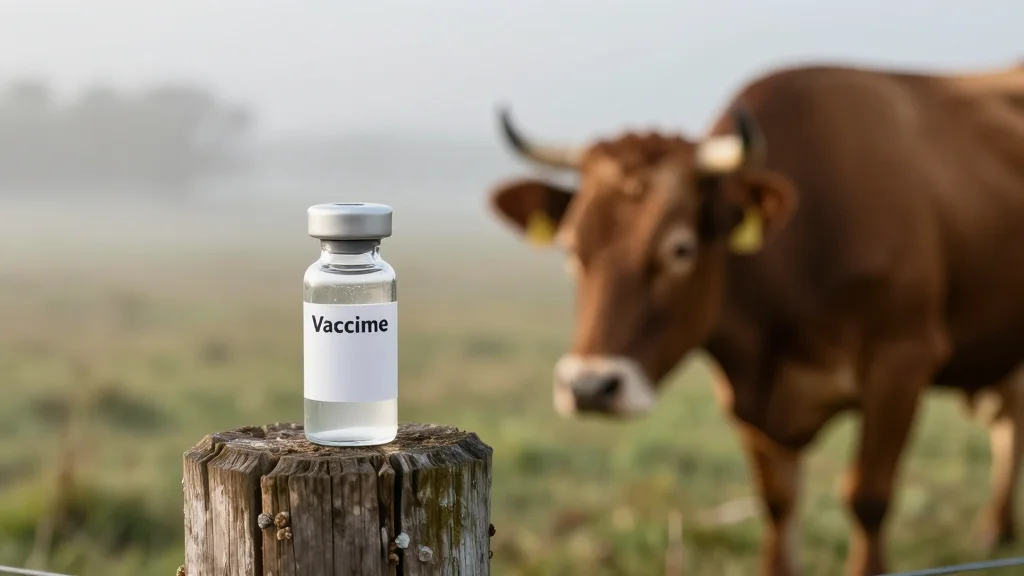
15 Years After the Eradication of Rinderpest, Lessons Still Ring True
Fifteen years after the United Nations declared rinderpest eradicated, the disease stands as only the second pathogen ever eliminated, following smallpox. The success hinged on a heat‑stable, freeze‑dried vaccine that bypassed cold‑chain constraints and a community‑driven, participatory epidemiology approach that...
Matcha Model Makes Drug Candidate Screening More than 30 Times Faster
Ligand Pro’s Matcha model, an AI‑driven molecular docking system, can screen drug candidates more than 30 times faster than AlphaFold 3 while maintaining comparable accuracy and greater physical realism. The algorithm processes a protein‑ligand complex in just 13 seconds, turning months‑long virtual screens into...
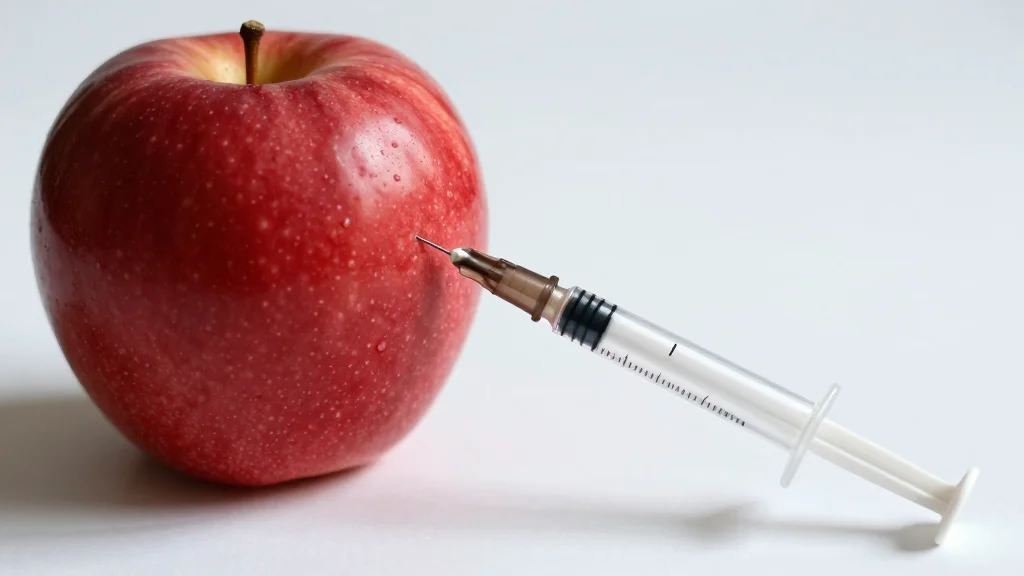
GMO Pictures May Reinforce Existing Views, Deepening the Divide of Attitudes Towards Them
A new study in the Journal of Science Communication examined how different images affect U.S. public attitudes toward genetically modified organisms. Researchers presented participants with either no image, a plain apple, or an apple paired with a syringe to suggest...
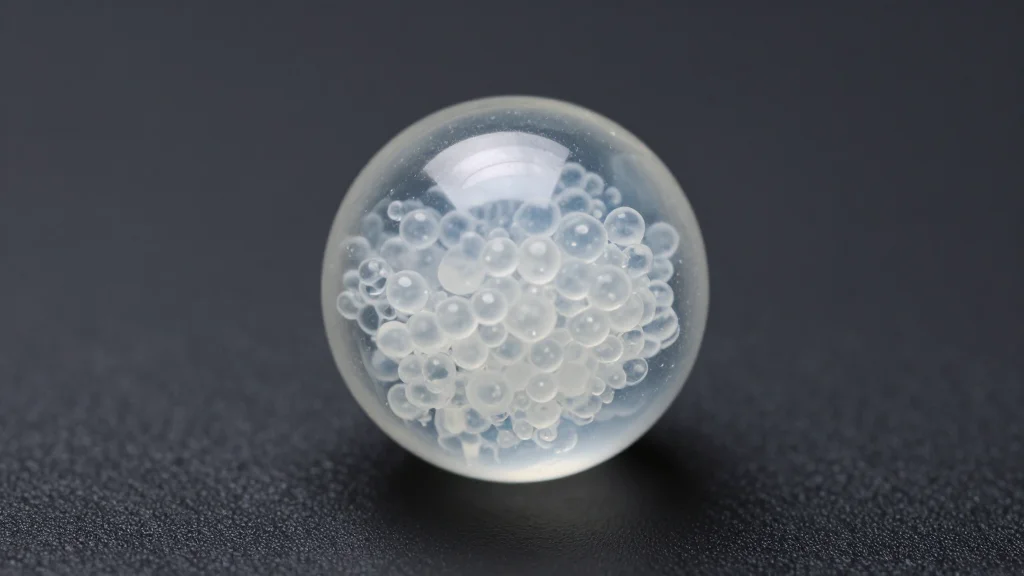
Cell 'Snowball' May Be Answer to Large-Scale Tissue Engineering
Researchers at Penn State have created bio‑hybrid cell spheroids that self‑assemble like a snowball, rapidly increasing in size while preserving oxygen and nutrient flow. By embedding living cells in microgel particles, the new spheroids overcome diffusion barriers that traditionally limit...
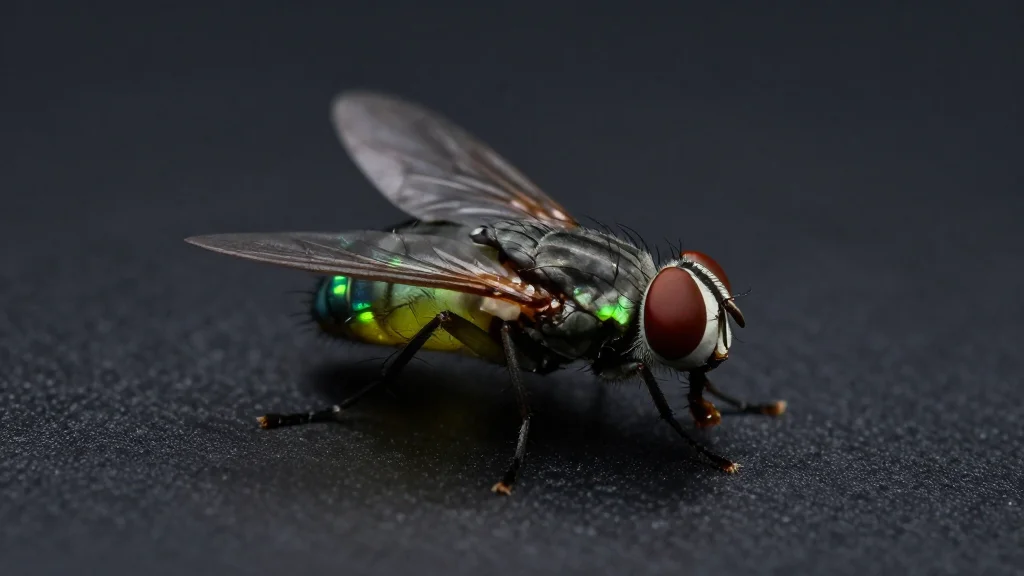
Expanded MAGIC Toolkit Makes Genome-Wide Single-Cell Mosaic Analysis Possible in Drosophila
Cornell researchers have expanded the MAGIC (Mosaic Analysis by gRNA‑Induced Crossing‑over) toolkit to provide genome‑wide coverage across all Drosophila chromosomes, including the historically recalcitrant fourth chromosome. The new kit accelerates single‑cell mutant generation, cutting analysis time from months to weeks,...
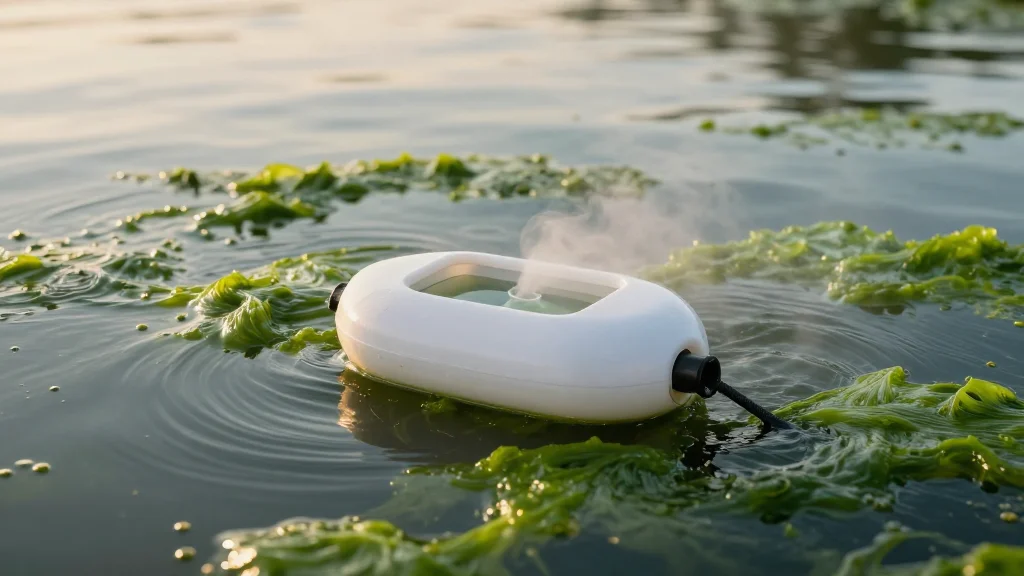
Stopping Algae Blooms with Bacteria-Busting Buoys
University of Toledo researchers have engineered PVC buoys that slowly release a hydrogen‑peroxide‑based algaecide to combat harmful cyanobacterial blooms. Laboratory tests using water from Lake Erie showed the buoys eliminated nearly all cyanobacteria within a week while leaving other microbes...
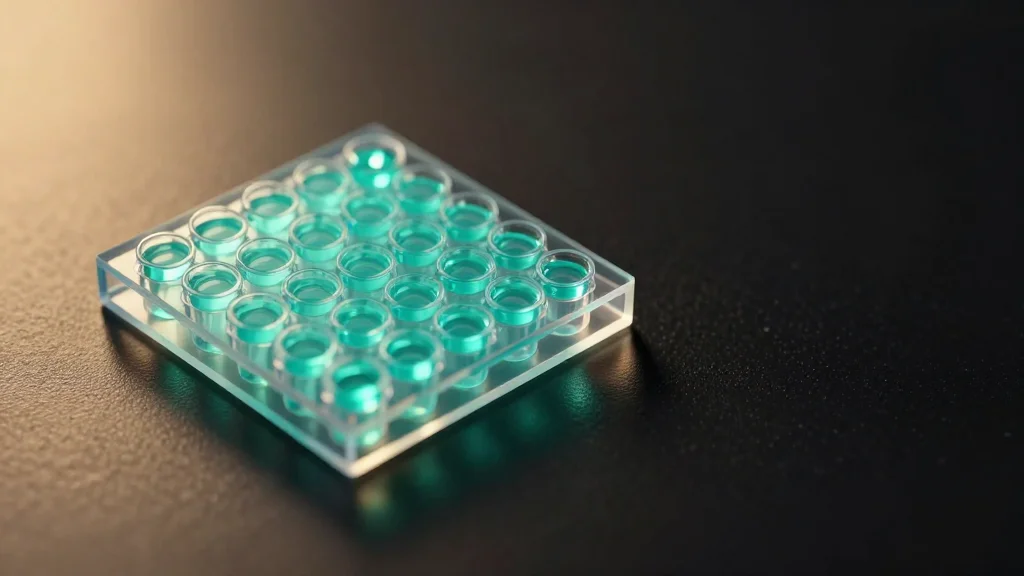
High-Throughput Platform Helps Engineer Fast-Acting Covalent Protein Drugs
A research team led by Bobo Dang and Ting Zhou at Westlake University has unveiled a high‑throughput platform that engineers fast‑acting covalent protein therapeutics. The system rapidly screens vast libraries of protein variants to select candidates that form irreversible bonds...
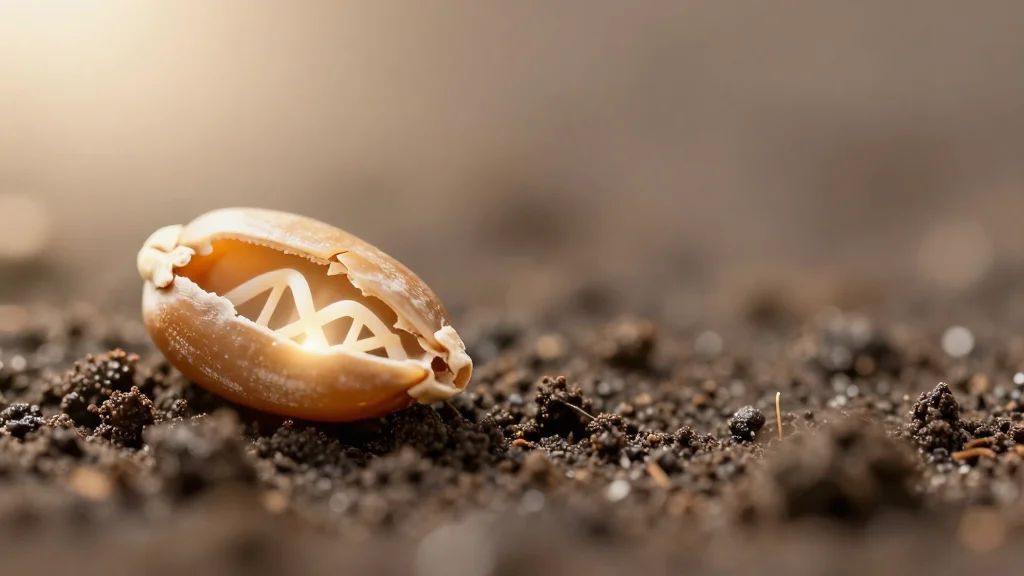
Seed Banks May Complicate Gene Drives Aimed at Controlling Weeds
Researchers at Cornell modeled the first plant gene‑drive systems, CAIN and ClvR, revealing that underground seed banks can dramatically slow or even stop the spread of engineered traits. The simulations show that longer seed longevity prolongs drive rollout and demands...
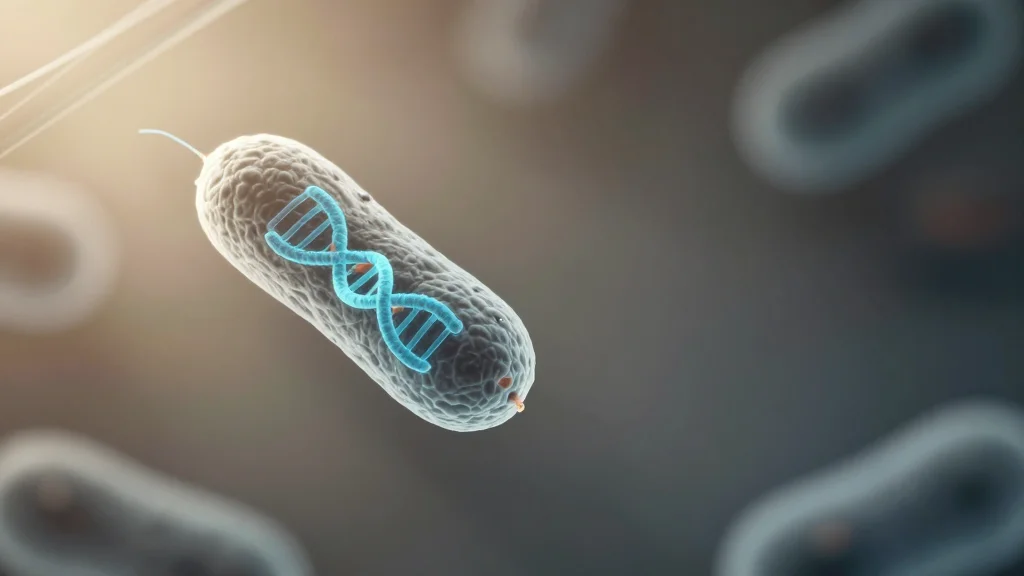
Platform for Precise Cellular Control Uses Non-Genetic DNA Decoupled From Genetic Information
Researchers at POSTECH have engineered a bacterial retron system to produce programmable, non‑genetic DNA inside living cells, allowing the DNA to act as a functional field agent rather than a static blueprint. The synthetic DNA fragments bind specific proteins, enabling...
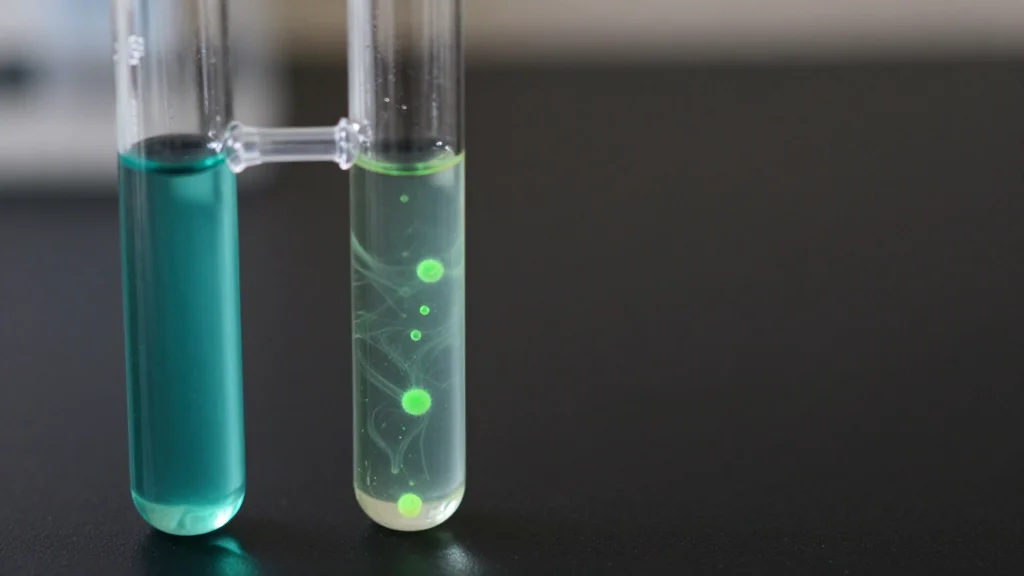
Engineered E. Coli Dependency May Help Contain Microbes to Defined Areas
Researchers at the University of Delaware engineered two E. coli strains to create a self‑contained microbial partnership. One strain synthesizes a non‑standard amino acid, while the other depends on that amino acid for growth and protein production. When co‑cultured, the...
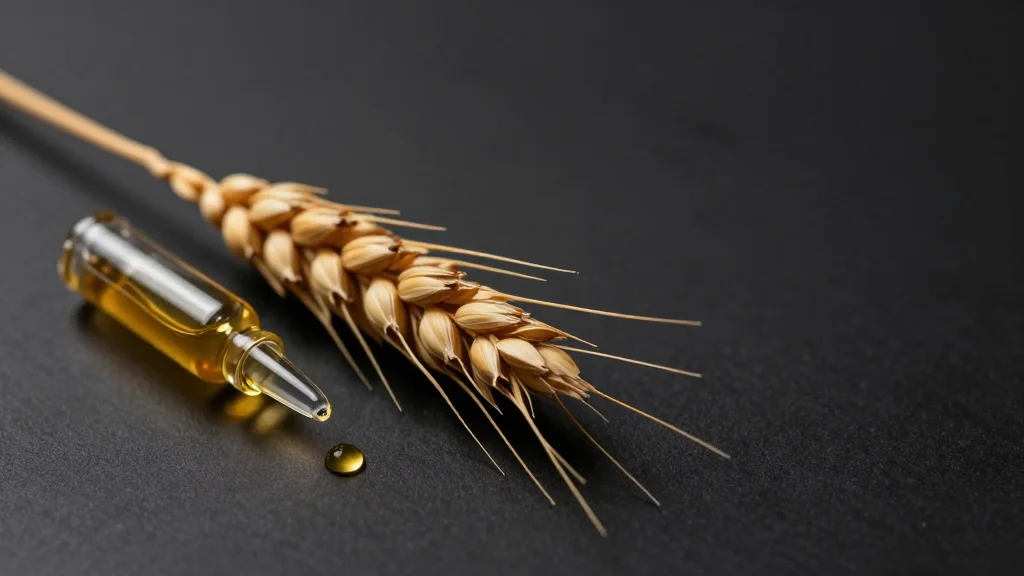
Omics Consortium Established to Supercharge Climate-Adapted Wheat Breeding
The University of Adelaide is spearheading the Wheat Spatial Omics Consortium (WSOC), a partnership of more than 30 institutions in nine countries, to build a comprehensive spatial omics atlas of wheat. By mapping genes, proteins and metabolites at subcellular resolution,...
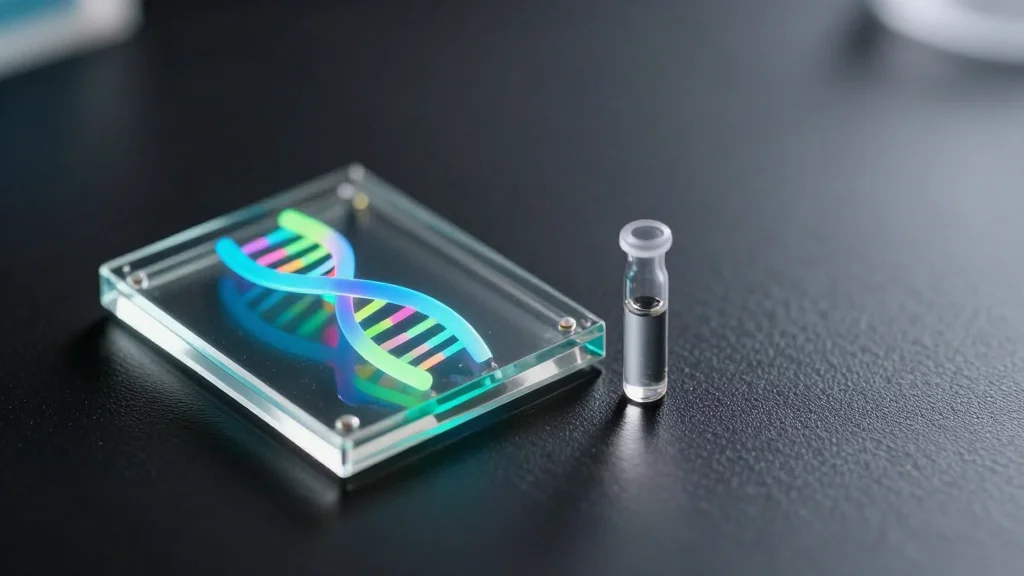
Software Package Makes Gene Regulation Easier to Study—And Tweak
Researchers at VIB and KU Leuven introduced CREsted, a new software package for modeling and designing gene regulatory enhancers. The framework unifies preprocessing, deep‑learning model training, interpretation, and synthetic enhancer generation into a single, reusable workflow. Demonstrated on mouse brain,...
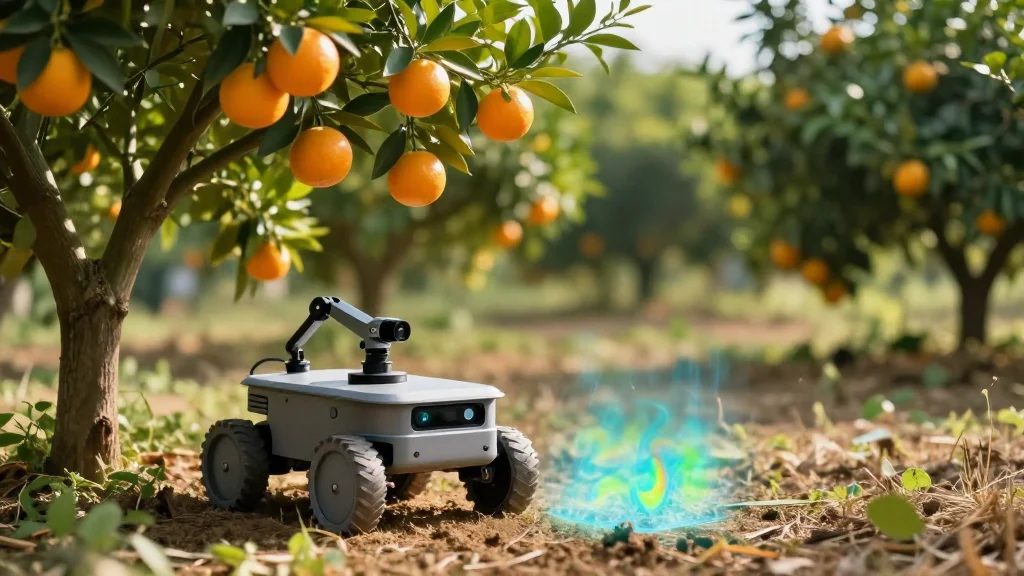
Watering Smarter, Not More: A Modern-Day Robotic Divining Rod
University of California‑Riverside researchers have created a robotic system that maps soil moisture at the individual tree level in citrus orchards. By measuring electrical conductivity and integrating data from existing moisture sensors, the robot generates detailed moisture maps that guide...
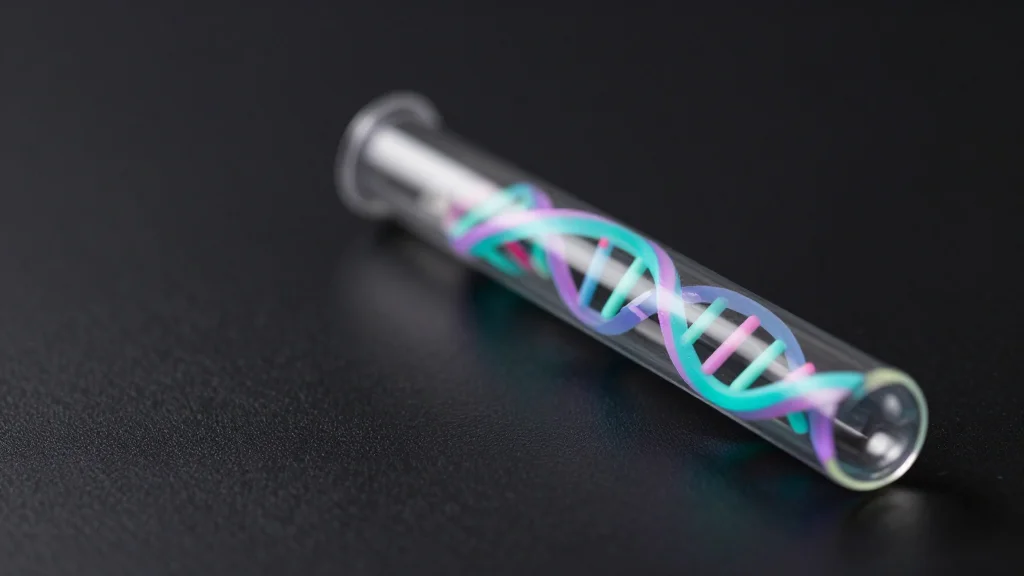
Nature's Photocopiers Caught 'Doodling'—Scientists Say It Could Revolutionize How DNA Is Written
Researchers at the University of Bristol have shown that DNA polymerases, the enzymes that normally copy genetic material, can also generate entirely new DNA sequences in a process dubbed “doodling.” By using nanopore sequencing they mapped thousands of these untemplated...
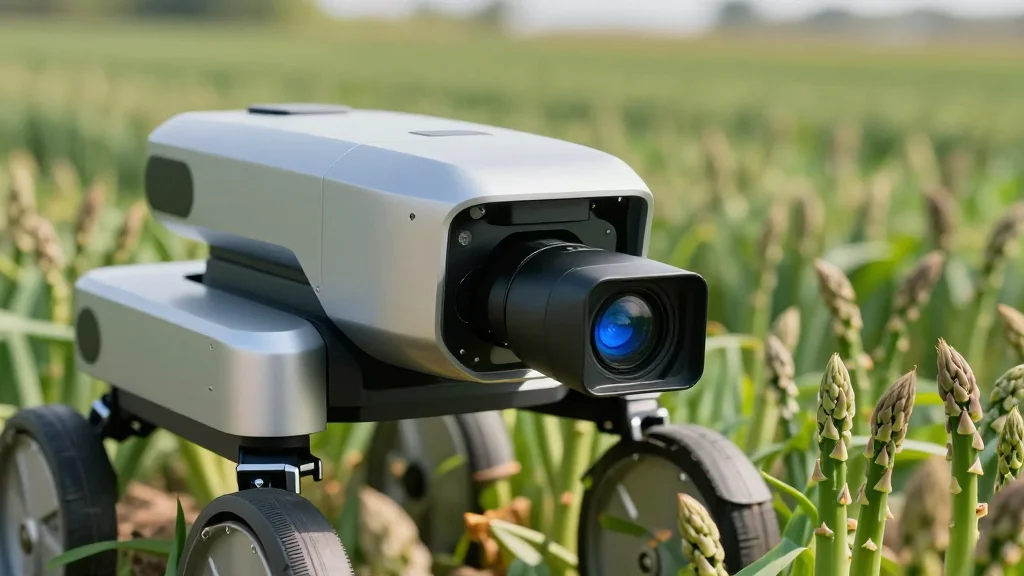
Teaching Robots to Harvest Asparagus
Researchers at the Technical University of Munich have unveiled a robot prototype that can detect and localize ripe green asparagus while moving at speeds up to 1 m s⁻¹. The system uses RGB‑D cameras and real‑time algorithms, exceeding the 0.33 m s⁻¹ speed considered...
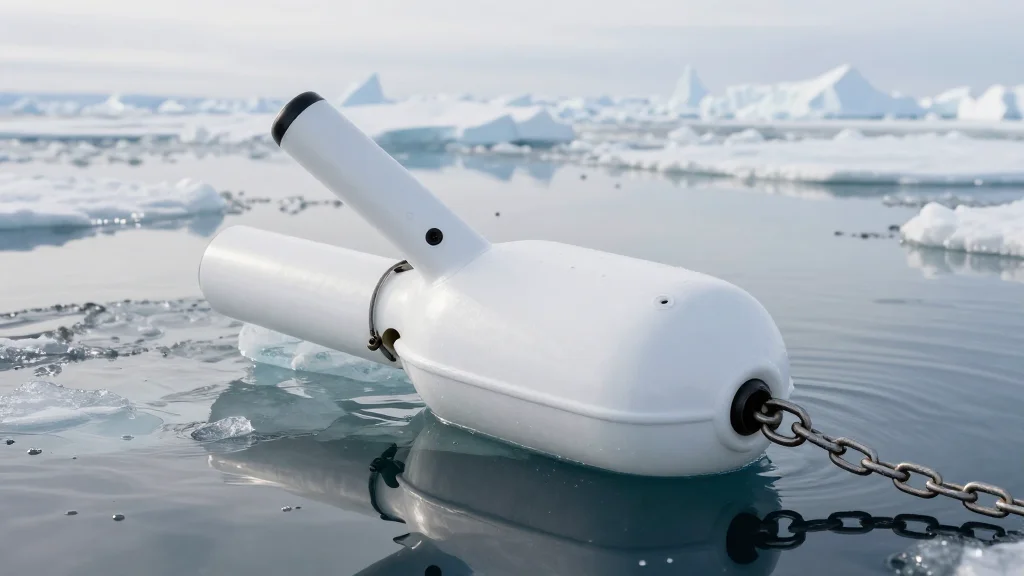
A New Way to Eavesdrop on Ocean Temperature in the Arctic
Scientists at UC San Diego’s Scripps Institution have demonstrated that underwater acoustic travel times can accurately gauge Arctic Ocean temperatures across a 2,600‑kilometer baseline. The method, known as ocean acoustic thermometry, was field‑tested during the 2019‑2020 CAATEX experiment using six...
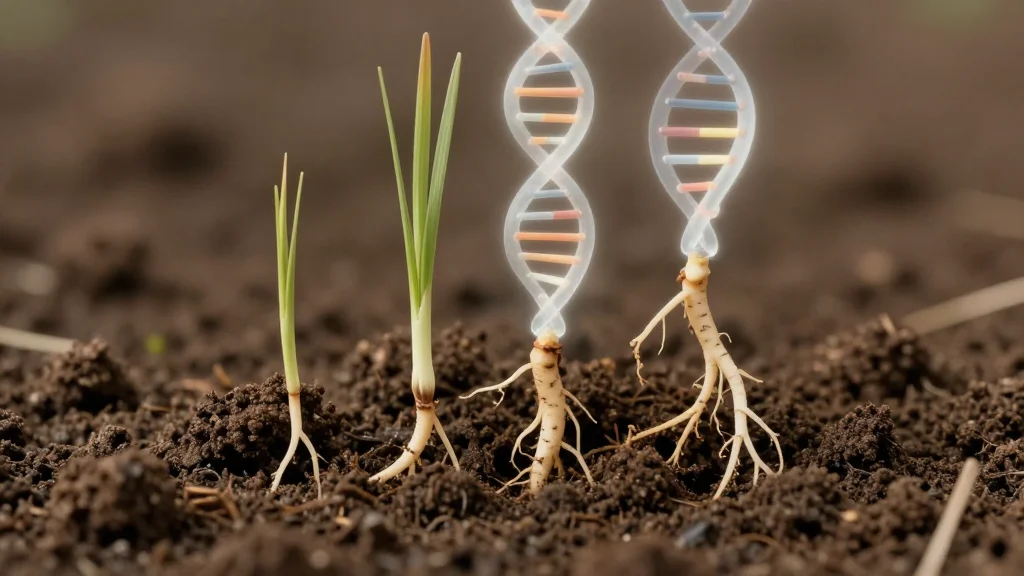
Unlocking Designer Roots for Future Cereal Crops
Researchers at the University of Queensland and Australian National University identified the CEPR1 signaling gene as a conserved regulator of root architecture across barley, rice, maize and Arabidopsis. Knocking out CEPR1 creates steeper, narrower roots that improve water and nutrient...
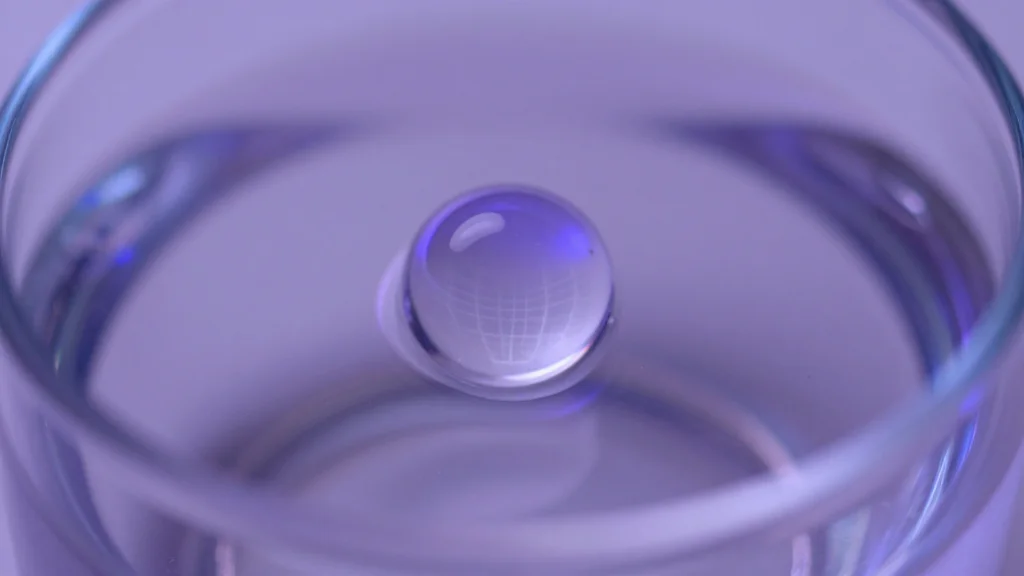
Light Switch for Life: Controlling Molecular Droplets with UV
Leiden’s Mashaghi Lab demonstrated that ultraviolet‑induced thymine‑dimer formation can serve as a molecular switch to rewire biomolecular condensates, allowing precise control of droplet stiffness, elasticity and fusion. The team paired this photochemical trigger with a novel microscope‑based platform that measures...
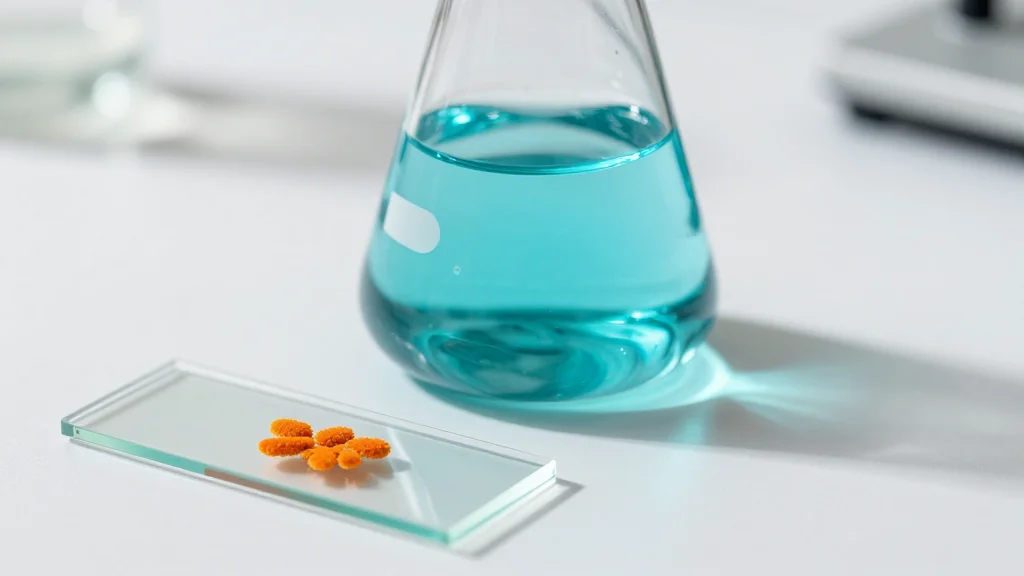
Soil Bacteria Break Down Toxic Chemicals in the Environment
Researchers at Ruhr University Bochum decoded the genome of *Rhodococcus opacus* 1CP, revealing a vast, redundant set of enzymes that can degrade toxic aromatic compounds such as phenol, cresol and styrene into carbon dioxide. Laboratory knock‑out experiments showed that disabling specific...
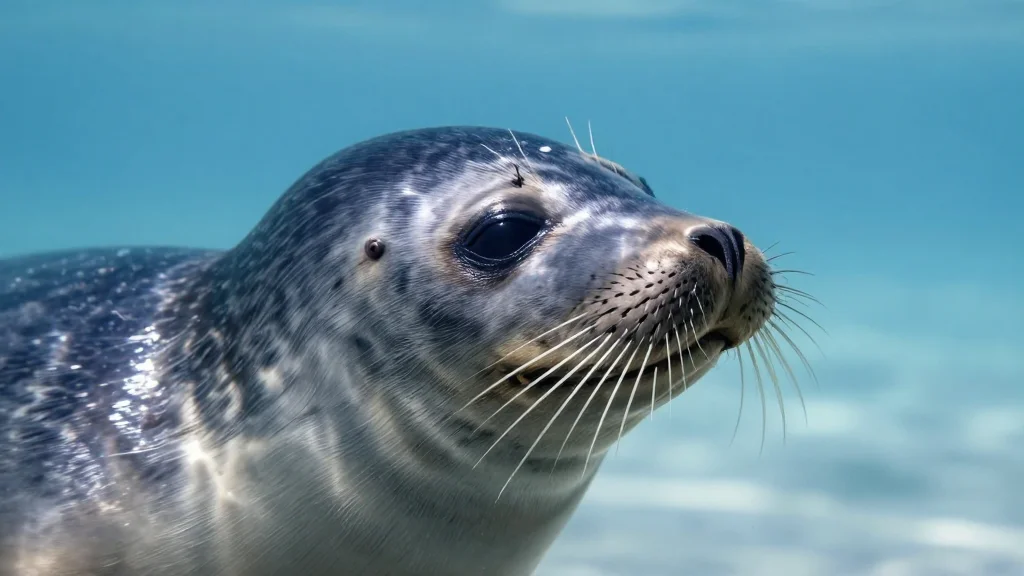
Seals Use Whisker Movement to Follow Underwater Trails—An Approach that Could Improve Robotic Sensing
University of Groningen researchers discovered that seals actively whisk their whiskers to improve detection of subtle water disturbances, enabling them to follow underwater trails. Using soft artificial muscle actuators, the team replicated this whisking motion and demonstrated that protracted whiskers...
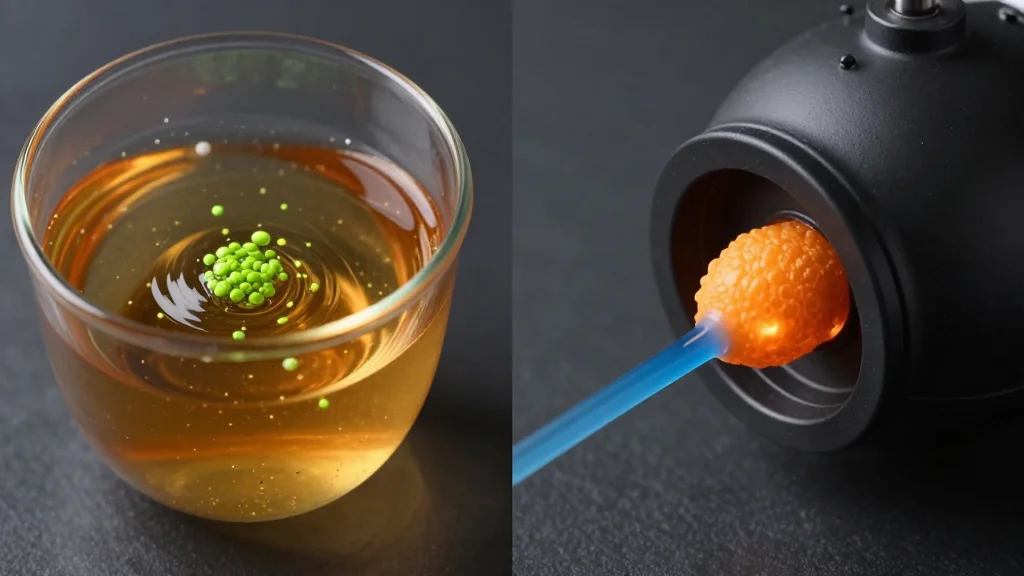
Why Use Living Cells? Researchers Are Making Chemicals with Enzymes Alone
Researchers at the National Laboratory of the Rockies (NLR) are advancing "cell‑free" biomanufacturing, using curated enzyme cocktails instead of living microbes to convert biomass into chemicals. By pairing high‑throughput robotics with machine‑learning analytics, they can evaluate thousands of enzyme variants...