
Pond-Dwelling Microalga Exposes a Parallel Track for RNA Processing
Researchers at RIKEN discovered that the pond microalga Euglena agilis processes the majority of its introns using a non‑canonical splicing code, bypassing the typical GT‑AG splice site signals. Over 70 % of its introns lack the standard motifs, instead following a distinct sequence pattern identified through cross‑species experiments. The study, published in PNAS, reveals a parallel RNA‑processing pathway previously unseen in eukaryotes. The team has launched a biotech venture to exploit the alga for nutritional, cosmetic, and biofuel production.

Too Many Deer in Your Area? Birth Control Could Help
Suburban deer populations have surged, driving a 50% rise in traffic accidents in Massachusetts over the past decade and prompting communities to seek alternatives to declining hunting licenses. Researchers at Tufts University tested the PZP‑22 vaccine, a porcine zona pellucida...

Thermogenetics: How Proteins Are Controllable by Heat
Researchers at Heidelberg University have engineered modular, heat‑responsive protein switches that function within the narrow 37 °C‑40 °C physiological window. By integrating a plant‑derived sensory domain into diverse proteins, they created allosteric thermoswitches capable of rapid, reversible activation. The technology was validated...
Microbial Assembly Line Makes Plastic Upcycling Programmable
Scientists engineered a programmable microbial assembly line that transforms PET plastic waste into pyruvate, a universal metabolic feedstock, which downstream microbes then convert into a range of valuable products such as dyes, biopolymers, fuels and electricity. The core bacterium, Pseudomonas...

With Evo 2, AI Can Model and Design the Genetic Code for All Domains of Life
Evo 2, an AI foundation model published in Nature, was trained on over 9.3 trillion nucleotides from 128 000 genomes spanning bacteria to humans. The model can pinpoint disease‑causing mutations, such as BRCA1 variants, with more than 90 % accuracy and design synthetic genomes...
Black Soldier Fly Larvae Show Promise for Safe Organic Waste Removal
Researchers demonstrated that black‑soldier‑fly (BSF) larvae can consume food waste, sewage sludge, and pig manure while substantially lowering the load of human‑pathogenic RNA viruses. In eight‑day trials, larvae grew across all feedstocks, and viral abundance dropped dramatically, though some viruses...
A Common CRISPR Platform Enables Comparative Studies of Multicellularity in Social Amoebae
A team led by Associate Professor Tetsuya Muramoto at Toho University has created a CRISPR‑based genome‑editing platform that works in multiple social amoeba species. The vector, combined with donor DNA, dramatically improves editing efficiency, allowing gene disruptions in previously intractable...

Synthetic Gene Medicines May Disrupt DNA Repair
Researchers at Karolinska Institutet reported that phosphorothioate antisense oligonucleotides (ASOs) directly bind key DNA‑repair enzymes, forming nuclear condensates that trigger a false DNA‑damage response. The effect was observed at concentrations commonly used in laboratory assays, though clinical doses reach lower...
How Flatworms Keep Their Regeneration Powers on Track
Scientists have identified a molecular checkpoint that guides planarian stem cells during regeneration. The roundabout A receptor (RoboA) suppresses inappropriate pharyngeal differentiation by regulating the transcription factor FoxA, while the extracellular protein Anosmin1a partners with RoboA to fine‑tune cell identity...

Newfound Third Cell Type Enables Fully Functional Hair Follicles in the Lab
Researchers identified a previously unknown accessory mesenchymal cell (PDGFRα⁺/Sca1⁺/CD34⁺) that enables complete hair follicle formation in a dish. By integrating this cell type with epithelial stem cells and dermal papilla cells, they created a three‑cell organ germ that grew downward,...

Researchers Create World's Largest Dog and Cat Tumor Database
Researchers from the University of Liverpool and the University of Las Palmas de Gran Canaria have launched the world’s largest open‑source tumor database for dogs and cats, containing over one million records. The registry covers more than 200 breeds and...

Why Crowning the Protein that Makes Jellyfish Glow Green as a Model Can Help Scientists Streamline Biology
The article proposes designating green fluorescent protein (GFP) as a model protein to standardize protein research, much like fruit flies or mice serve as model organisms. It argues that GFP’s visual read‑out makes it ideal for benchmarking AI‑generated protein designs...
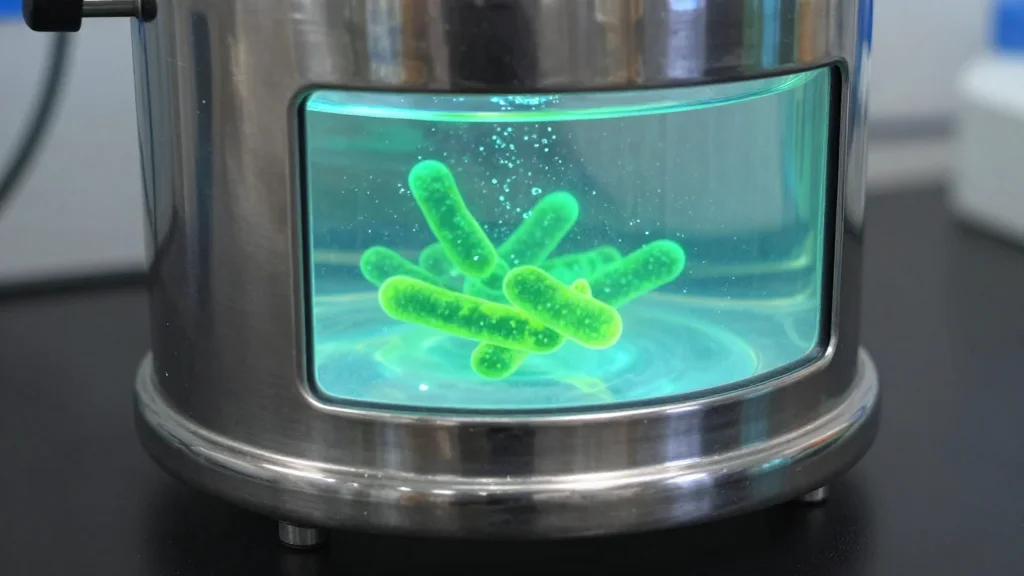
Stale Bread and Bacteria Could Power a New Era in Green Chemicals
Scientists at the University of Edinburgh's Wallace Lab engineered E. coli to generate hydrogen from simple sugars, including stale bread, and paired it with a palladium surface catalyst to hydrogenate organic molecules. The biocatalytic system achieved up to 99% conversion efficiency,...
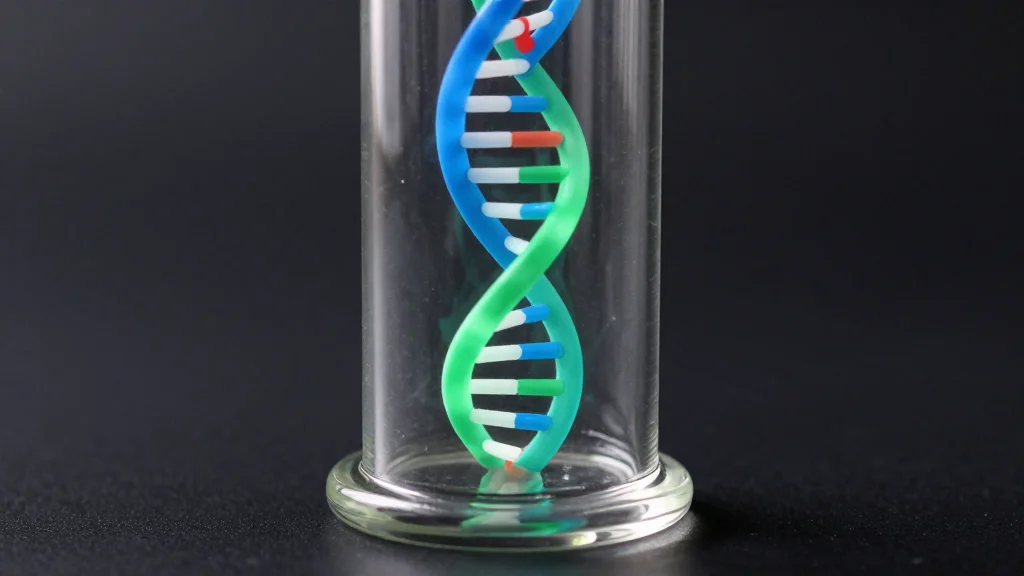
Promoters and Enhancers: Tool Catches Gene-Controlling DNA Sequences Doing Each Other's Jobs
Researchers at Cornell’s Weill Institute introduced QUASARR‑seq, a high‑throughput assay that measures promoter and enhancer activity simultaneously. The study found that most human regulatory elements can function as both promoters and enhancers, following a unified regulatory logic. A bidirectional feedback...
How RNA Binding Selectivity Arises From Disordered Regions
RIKEN scientists have shown that an intrinsically disordered region (IDR) of the DEAD‑box helicase DDX3X confers selective binding to specific mRNA structures, a mechanism uncovered using solution NMR spectroscopy. The discovery clarifies how DDX3X distinguishes target transcripts, linking its specificity...

How a 3D-Printed Synthetic Sea Lion Pelvis Enhances Veterinary Capabilities to Counter Ongoing Beaching
UNLV engineers have 3D‑printed a synthetic pelvis that replicates the bone, soft tissue, and blood flow of California sea lions, using DICOM data from micro‑CT and MRI scans. The lifelike model lets veterinarians practice blood‑collection techniques without relying on carcasses,...
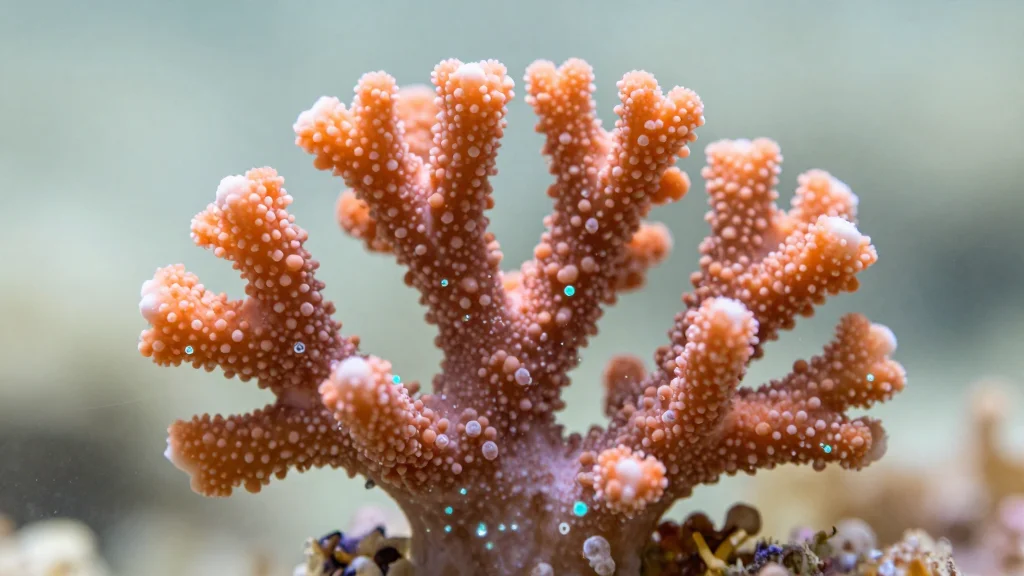
An Endangered Natural Pharmacy Hidden in Coral: Hundreds of Reef-Dwelling Microbes Reveal Untapped Potential
A new Nature study led by ETH Zurich researchers sequenced the genomes of 645 bacteria and archaea from over 800 coral samples, revealing that more than 99% of these reef‑dwelling microbes were previously unknown. The analysis showed that each coral...
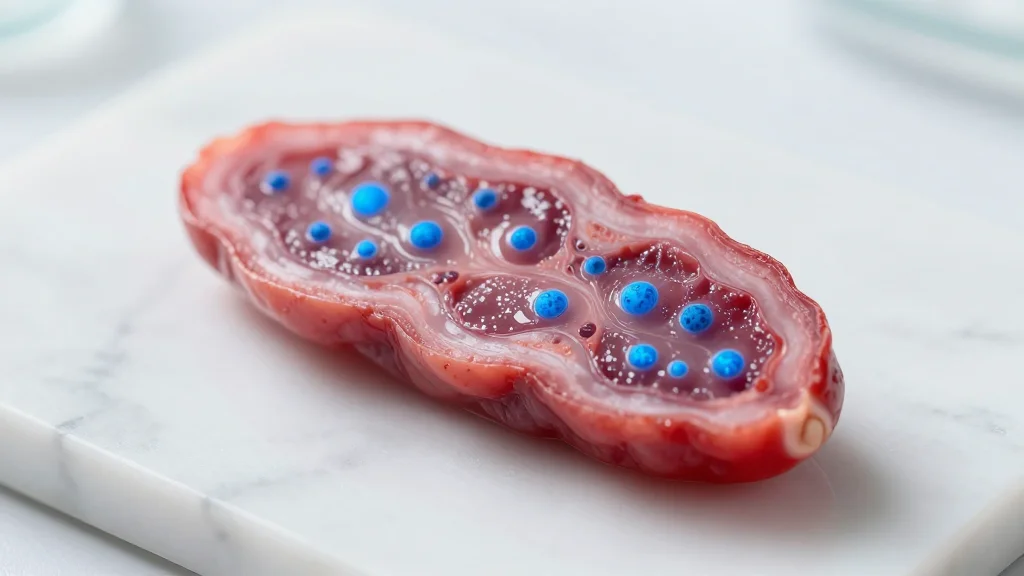
Engineered Bacteria Can Consume Tumors From the Inside Out
University of Waterloo researchers have engineered the anaerobic bacterium Clostridium sporogenes to eat solid tumors from the inside out. By inserting an oxygen‑tolerant gene and coupling it to a quorum‑sensing circuit, the bacteria survive at the tumor periphery only after...

AI Provides a More Precise Time of Death Post-Mortem
Researchers at Linköping University and Sweden's National Board of Forensic Medicine have created an AI model that estimates the post‑mortem interval with roughly one‑day precision, even up to 13 days after death. The system analyzes metabolite patterns in blood, leveraging...
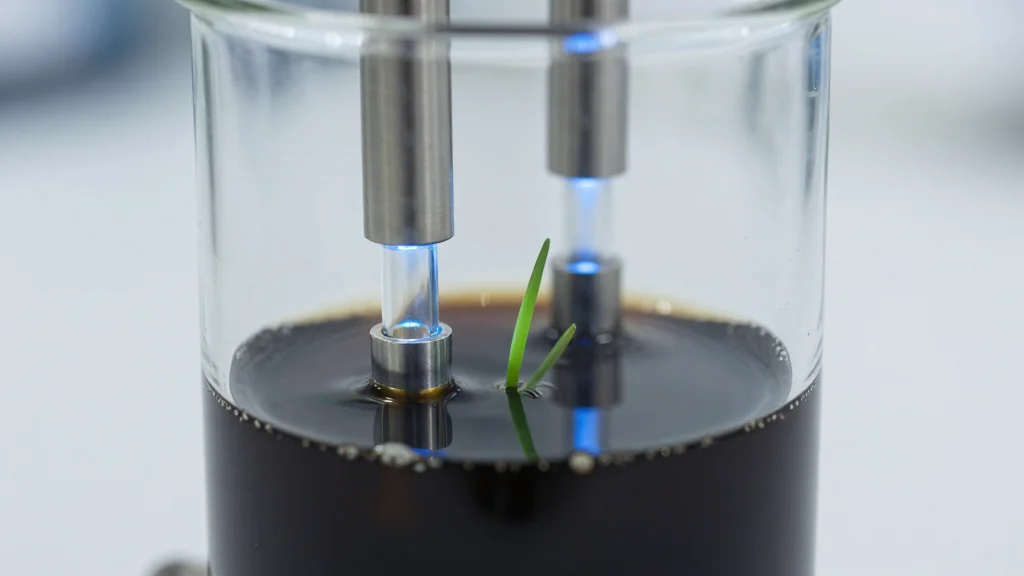
How Bacteria Can Reclaim Lost Energy, Nutrients and Clean Water From Wastewater
Researchers in a Frontiers in Science review highlight that global wastewater contains roughly 800,000 GWh of recoverable chemical energy and nutrients enough to meet 11 % of ammonia and 7 % of phosphate demand. Microbial electrochemical technologies (METs) using electrogenic bacteria can transform...

Animal Muscles Inspire Biomaterial Design for Agriculture, Fabrics and Medicine
Researchers at Washington University in St. Louis have engineered muscle‑inspired protein fibers using synthetic biology, creating filamin‑based threads that combine high tensile strength, toughness, damping and shape‑memory. By growing genetically modified microbes in bioreactors, they achieved higher protein yields and...
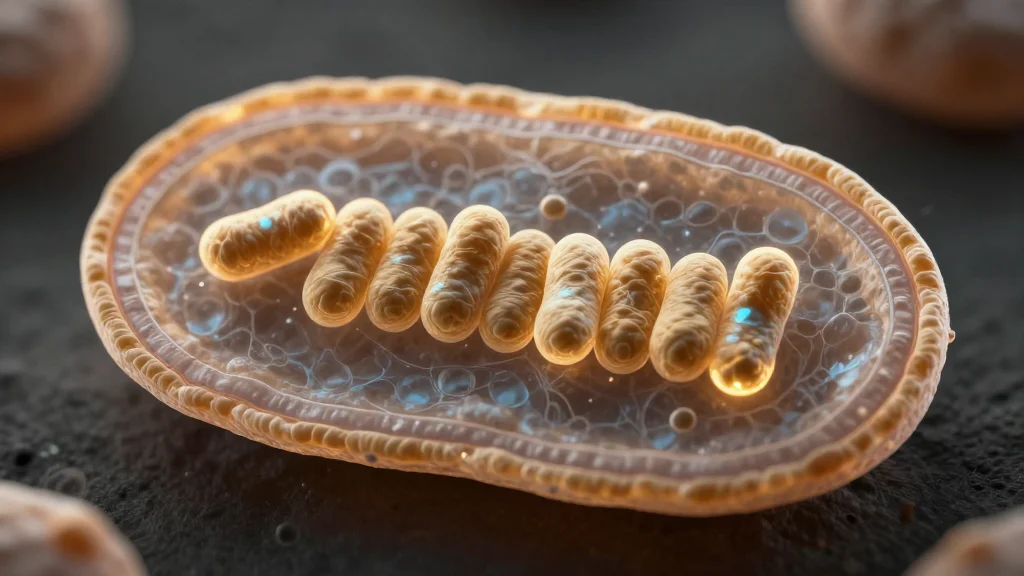
Electrochemical Signals Can Reshape Bacterial Protein Patterns, Boosting Electron Transfer
Cornell researchers discovered that the inner‑membrane protein CymA in Shewanella oneidensis can self‑assemble into a biomolecular condensate, a behavior previously unseen in electroactive bacteria. By applying an external electrochemical signal, they induced the condensate, reorganizing CymA and its electron‑transfer partners...

Bringing Quantum Ideas to the Messy World of Disordered Proteins
Intrinsically disordered proteins (IDRs) make up roughly 79 % of human cancer‑associated proteins and defy traditional structure‑based drug design. Akshay Uttarkar’s team introduced QuPepFold, a Python package that translates short peptide sequences onto a tetrahedral lattice and uses a CVaR‑optimized...

Reading the Enemy: How Genome Science Is Reshaping the Fight Against Wheat Stem Rust
Researchers used long‑read DNA sequencing to assemble chromosome‑level genomes of two wheat stem‑rust strains that caused recent outbreaks in Ethiopia and Italy. The study showed these strains are unrelated to the notorious Ug99 lineage and each harbors distinct avirulence‑gene mutations...
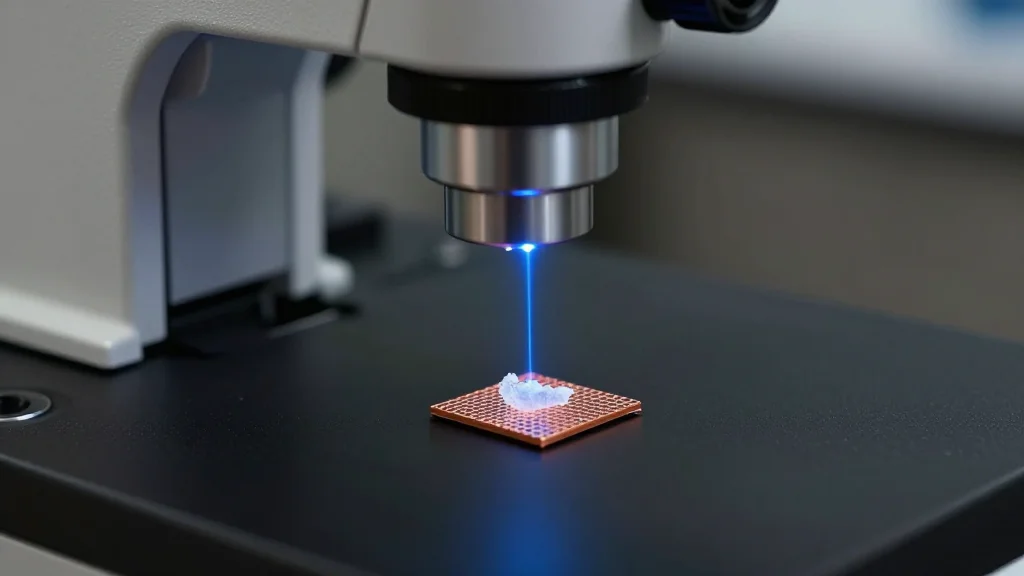
A Trillionth of a Second: How Lasers May Sharpen Next-Gen Cryo-ET Microscopy
Scientists at Columbia’s Zuckerman Institute and Cornell’s Maxson lab have linked a pulsed laser to a cryo‑electron tomography (cryo‑ET) microscope, creating a proof‑of‑concept that modulates electron phase to boost image contrast. The technique exploits laser‑induced lensing within a trillionth of...

How Your Body Senses Cold—And Why Menthol Feels Cool
Researchers used cryo‑electron microscopy to capture multiple conformational states of the cold‑sensing ion channel TRPM8 as it transitions from closed to open. The study revealed that actual cold and menthol trigger the channel through overlapping yet distinct allosteric pathways, with...
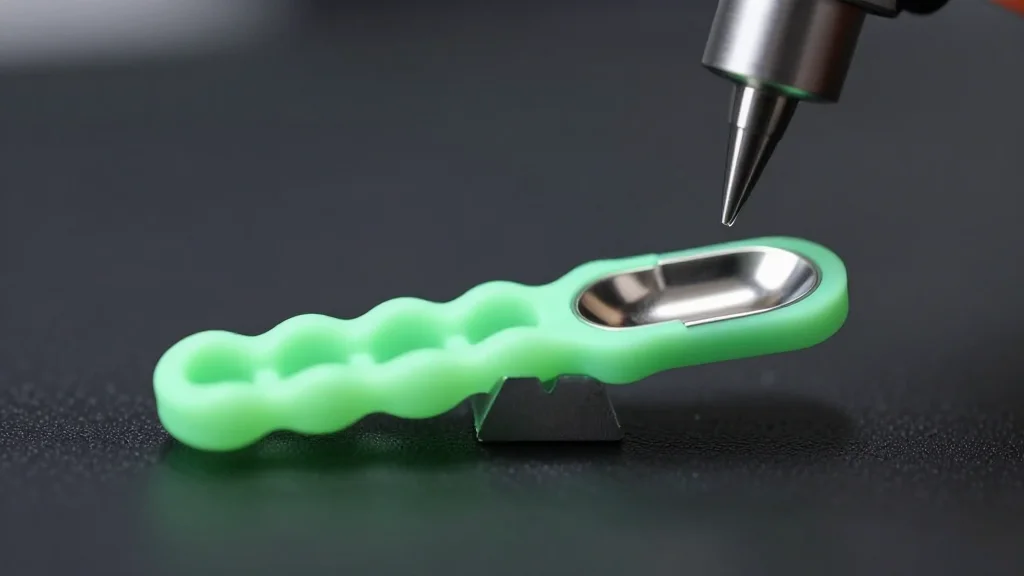
What Is a 'Seesaw Protein' That Switches Functions by Changing Shape?
Researchers at the Institute of Science Tokyo have engineered an artificial "seesaw protein" that alternates between a fluorescent marker and an enzymatic catalyst. The switch is controlled by a single amino‑acid change, pH shifts, or ligand binding, and only one...

New Insights Into How Bacteria Control DNA Synthesis Open the Door to Next Generation Antimicrobials
Researchers have solved the crystal structure of the bacterial transcriptional regulator NrdR and shown how its assembly shifts in response to ATP and dATP, directly controlling ribonucleotide reductase (RNR) gene expression. The work, performed on Escherichia coli and Pseudomonas aeruginosa,...
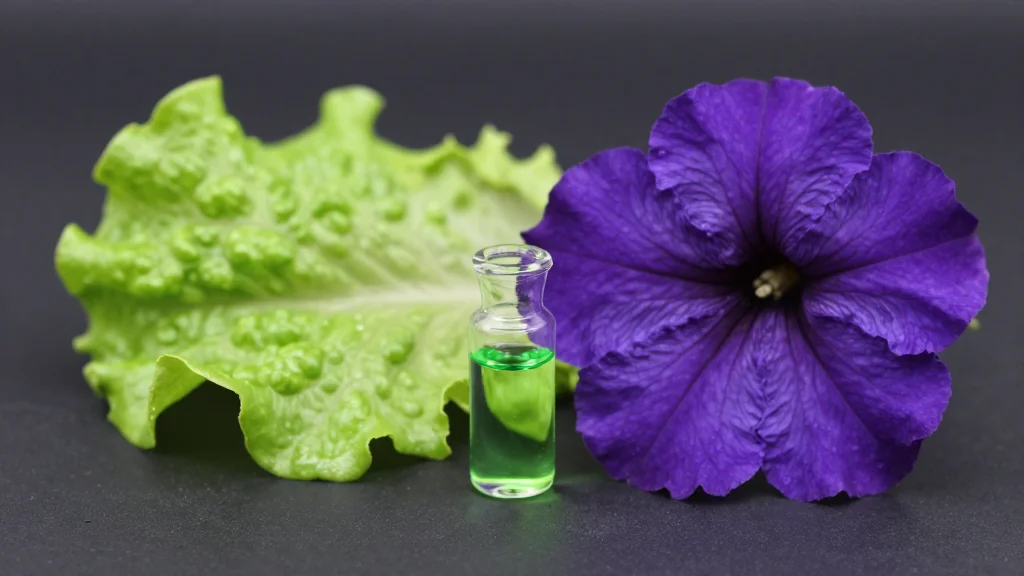
Stronger Scents and Healthier Crops: Unlocking Plants' Hidden Potential Through Precision Gene Editing
Researchers at Hebrew University used a virus‑based CRISPR/Cas9 system to edit the regulatory domain of the HMGR enzyme, removing its metabolic brake and dramatically increasing terpenoid production. The edit boosted scent intensity and flower size in petunias and enhanced flavor‑related...
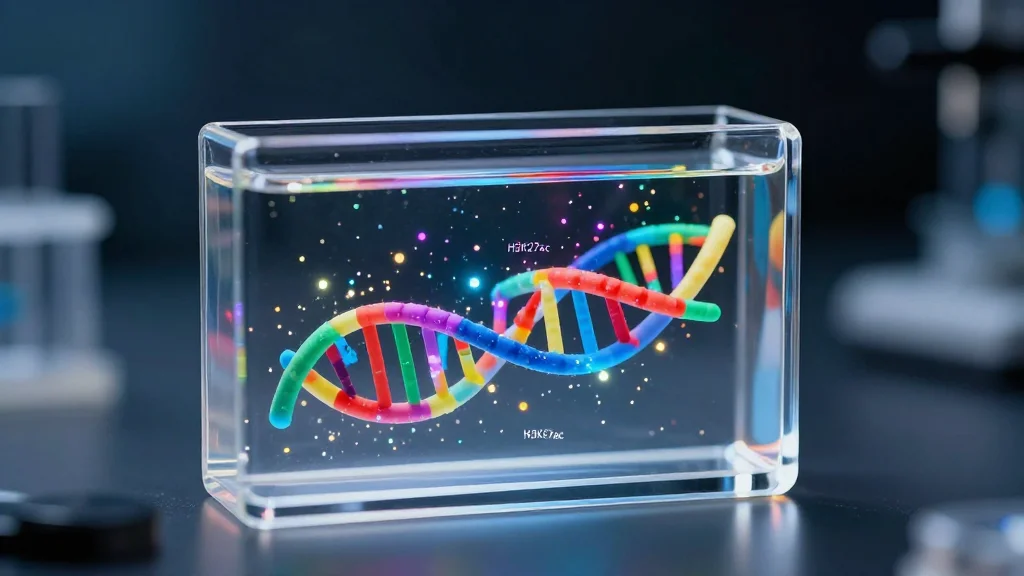
A New Method to Decode How DNA 'Switches' Control Gene Activity
Researchers unveiled e2MPRA, a massively parallel reporter assay that simultaneously measures regulatory activity, chromatin accessibility, and H3K27ac modifications across thousands of cis‑regulatory elements. Validated on ~10,000 synthetic and native sequences, the method links single‑base mutations to multi‑layered gene‑regulatory outcomes. The...
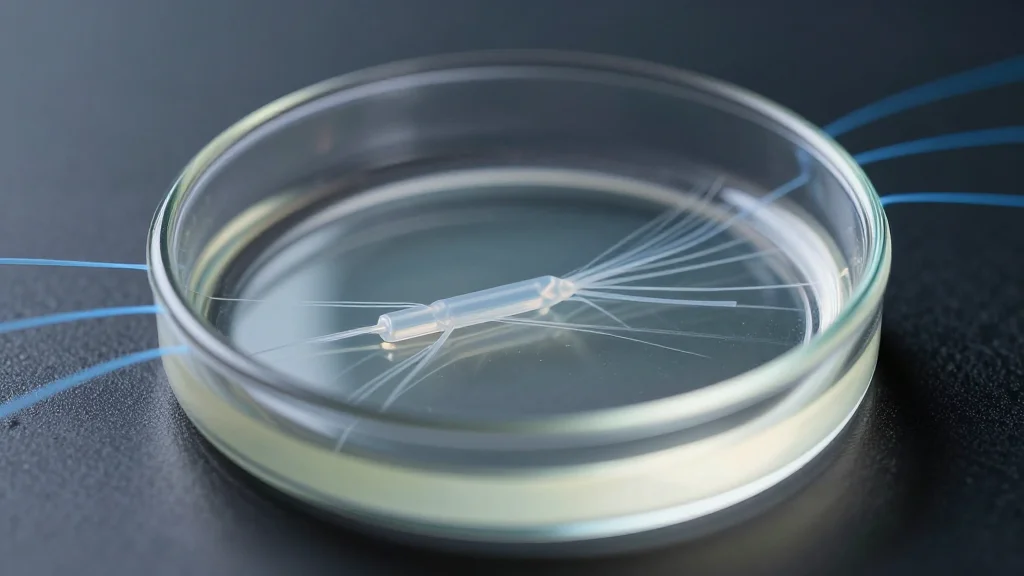
Quantum-Level Effects in Biology: Weak Magnetic Fields and Isotopes Can Alter Cell Protein Structures
University of Waterloo researchers demonstrated that weak magnetic fields and isotopic substitution can alter the structure of cellular proteins, specifically tubulin polymerization, in a quantum‑consistent manner. Published in Science Advances, the study bridges structural biology, biophysics, and quantum biology, revealing...

Does the Motion of DNA Influence Its Activity?
Researchers at the Salk Institute demonstrated that the dynamic three‑dimensional folding of the genome directly influences gene expression and cell identity. By depleting the cohesin‑loader protein NIPBL in human iPSC‑derived neurons and cardiomyocytes, they observed region‑specific unfolding of chromatin loops....
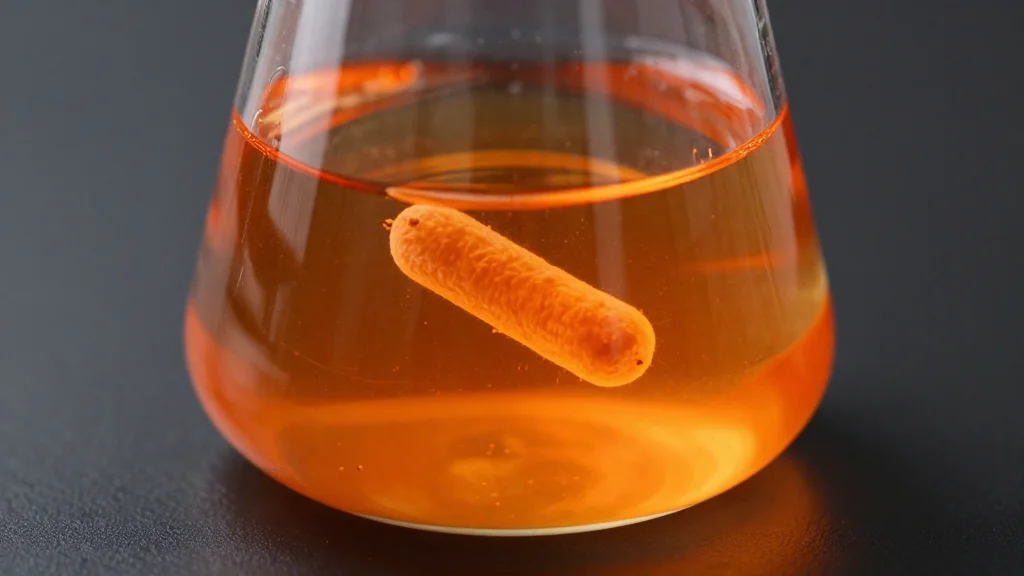
Rhododendron-Derived Drugs Now Made by Bacteria
Kobe University bioengineers have re‑programmed the gut bacterium Escherichia coli to synthesize orsellinic acid, the core of Rhododendron‑derived meroterpenoids, at 202 mg per liter—a 40‑fold increase over prior microbial attempts. This marks the first time the complex eukaryotic pathway has been...
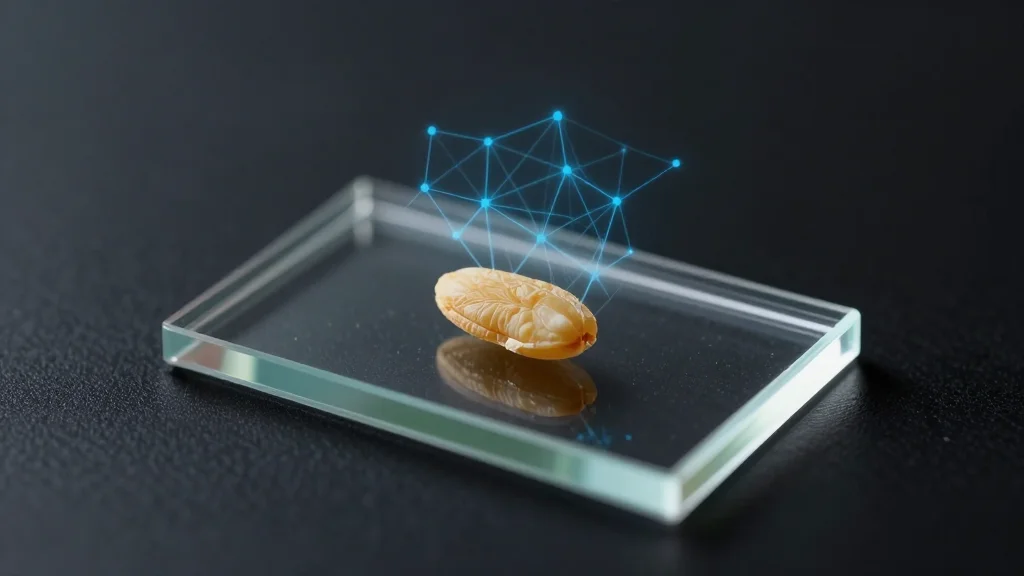
Exploring Electron Microscopy and AI as Key Players for Identifying Pollen Grains
Researchers at IIT Gandhinagar have merged scanning electron microscopy (SEM) with artificial intelligence to automate pollen grain identification. Using a dataset of 28 medicinal plant species, they built a computer‑vision pipeline that segments pollen via YOLOv11n and classifies it with...
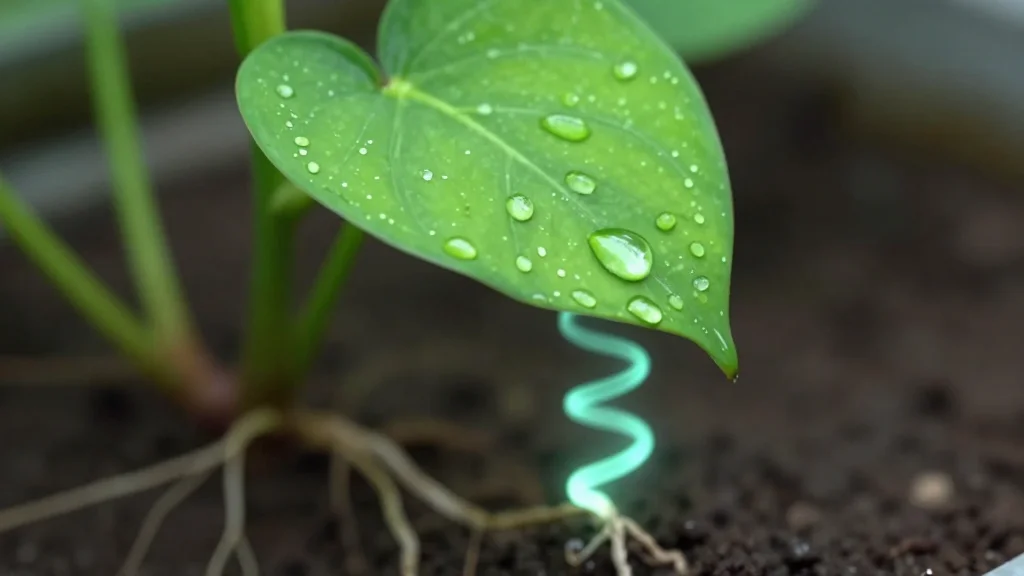
Moving Biopesticides Through Plants Opens New Opportunities
University of Queensland researchers demonstrated that double‑stranded RNA (dsRNA) biopesticides sprayed on foliage can travel systemically to a plant’s root system. The study, led by Dr. Chris Brosnan, also disproved the long‑standing belief that dsRNA must enter plant cells directly...
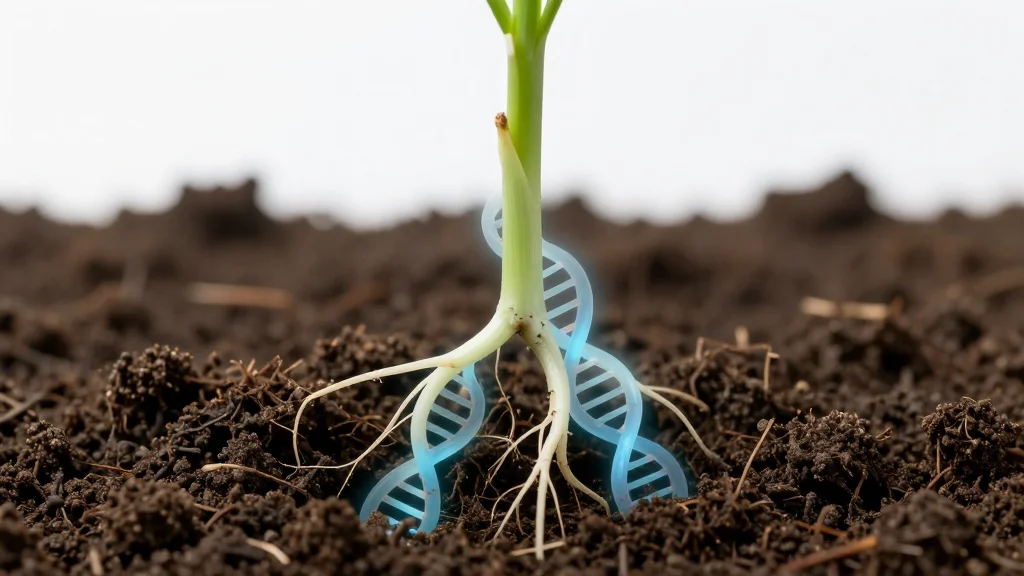
Longer Roots for Drought? How an Edited Protein Could Reshape Crop Resilience
Researchers at the University of Missouri have identified the protein SRFR1 as a key regulator of root depth in plants. By editing the SRFR1 gene, they induced significantly longer roots in test crops. The modified plants demonstrated enhanced water acquisition...
AI Model Learns Yeast DNA 'Language' To Boost Protein Drug Output
MIT chemical engineers have created an AI model that learns the DNA 'language' of industrial yeast, enabling the design of synthetic regulatory elements that boost protein production. Trained on extensive genomic data, the model predicts promoter strength and guides strain...

Q&A: Algorithm Achieves Near End-to-End Genome Assembly without Ultra-Long DNA Sequencing
Haoyu Cheng, an assistant professor at Yale School of Medicine, introduced hifiasm (ONT), an algorithm that can assemble complete human genomes using standard laboratory sequencing technologies. The tool bypasses ultra‑long DNA reads, which traditionally require 40 times more genetic material...

When AI Meets Physics: Unlocking Complex Protein Structures to Accelerate Biomedical Breakthroughs
Researchers at the National University of Singapore unveiled D‑I‑TASSER, a new AI‑driven software that predicts three‑dimensional protein structures with 13% higher accuracy than leading methods. The tool fragments complex proteins, models each segment with deep learning, then reassembles them using...
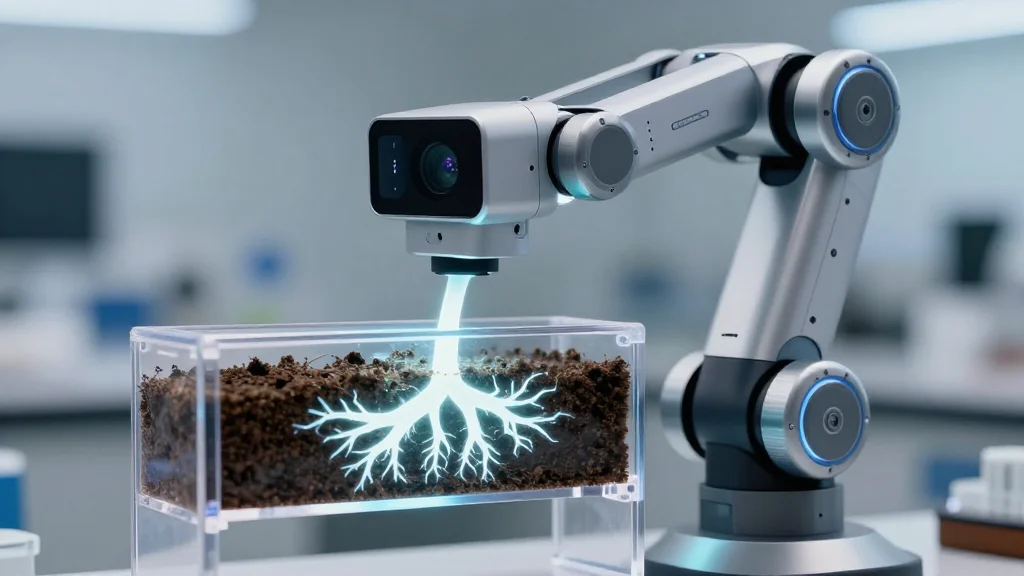
First-of-Its-Kind Automated Root Imaging Platform Speeds Plant Discoveries
The Department of Energy’s Oak Ridge National Laboratory unveiled a first‑of‑its‑kind robotic platform that automatically images plant root systems as they develop. The system captures high‑resolution, three‑dimensional data and delivers AI‑ready datasets in minutes rather than weeks. By accelerating root...

Basic Research on Listeria Bacteria Leads to Unique Cancer Therapy
After four decades of studying Listeria’s interaction with human cells, Daniel Portnoy’s team has re‑engineered the bacterium to act as a powerful immune adjuvant. By attenuating its virulence and inserting tumor‑targeting antigens, the modified Listeria can stimulate robust T‑cell responses...

Scientists Say Genetic Analysis Could Greatly Speed Restoration of Iconic American Chestnut
Scientists have leveraged advanced genetic analysis to pinpoint chestnut blight‑resistance genes, dramatically shortening the timeline for restoring the American chestnut. By combining high‑resolution genome sequencing with CRISPR editing and accelerated backcross breeding, researchers can now produce resistant saplings in a...
DNA-Binding Proteins From Volcanic Lakes Could Improve Disease Diagnosis
Scientists have identified novel DNA‑binding proteins in Icelandic volcanic lakes and deep‑sea vents over two kilometres below the North Atlantic. The proteins, isolated by a Durham University‑led team with partners in Iceland, Norway and Poland, demonstrate superior performance in rapid...
Software Tool Can Detect Hidden Errors in Complex Tissue Analyses
A new software tool called ovrlpy, developed by the Berlin Institute of Health at Charité, detects hidden errors in spatial transcriptomics by identifying vertically overlapping cells and tissue folds. Published in Nature Biotechnology, the tool is the first to analyze...
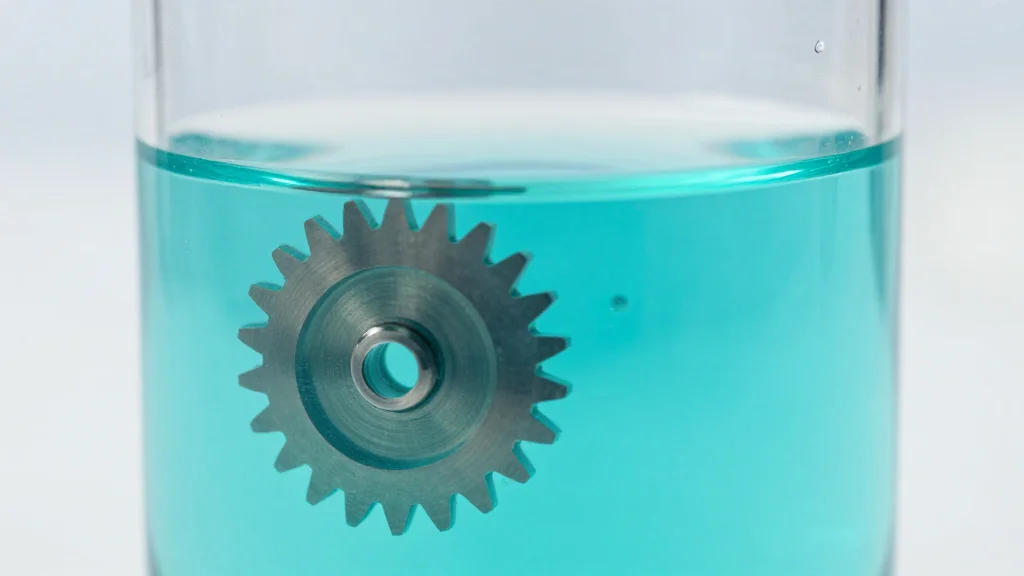
Researchers Rebuild Microscopic Circadian Clock that Can Control Genes
Scientists at UC San Diego and collaborators have reconstituted the minimal cyanobacterial circadian clock using just six proteins, demonstrating precise control of gene transcription through RpaA phosphorylation. The team built a synthetic clock that rhythmically drives a reporter gene in...

Upcycling Genes: 'SUPER' Platform Improves Underperforming Genetic Parts
A research team led by Professor Jongmin Kim at POSTECH introduced the Synthetic Upcycling Platform for Engineering Regulators (SUPER), a novel framework that dramatically boosts the performance and stability of underperforming genetic parts. By combining computational redesign with high‑throughput screening,...

Versatile Enzyme that Quickly, Accurately Synthesizes RNA Can Also Perform Reverse Transcription
Scientists at UC Irvine have engineered a novel polymerase, C28, that synthesizes RNA at speeds comparable to natural enzymes while maintaining high fidelity. Using directed evolution, the team introduced dozens of mutations that also grant the enzyme reverse‑transcription capability and...

Video: Can Robots Help Save Farming?
Robotics, AI, and automation are reshaping UK agriculture as the Lincoln Institute for Agri‑Food Technology (LIAT) showcases its latest innovations. The institute’s autonomous ARWAC field machine, the data‑rich HiRes‑Soils project, and Saga Robotics’ Thorvald harvest‑assist robot illustrate how technology can...
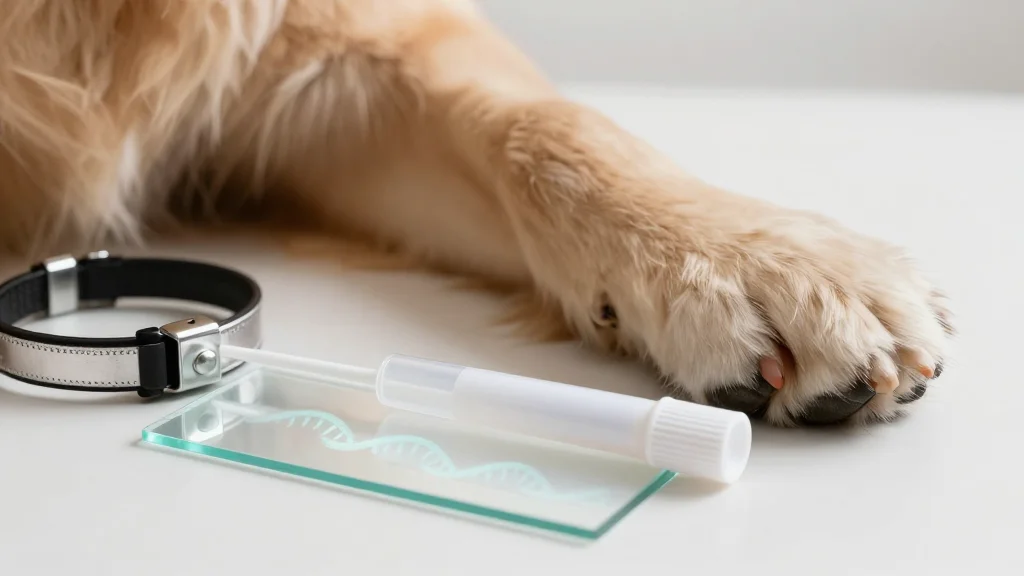
Silent Witnesses: Pets Offer a Fur-Ensic Tale
Researchers at Flinders University and Victoria Police have demonstrated that dogs and cats can act as intermediaries for human DNA transfer at crime scenes. Controlled experiments showed even brief contact leaves detectable DNA on pets, which can then be deposited...
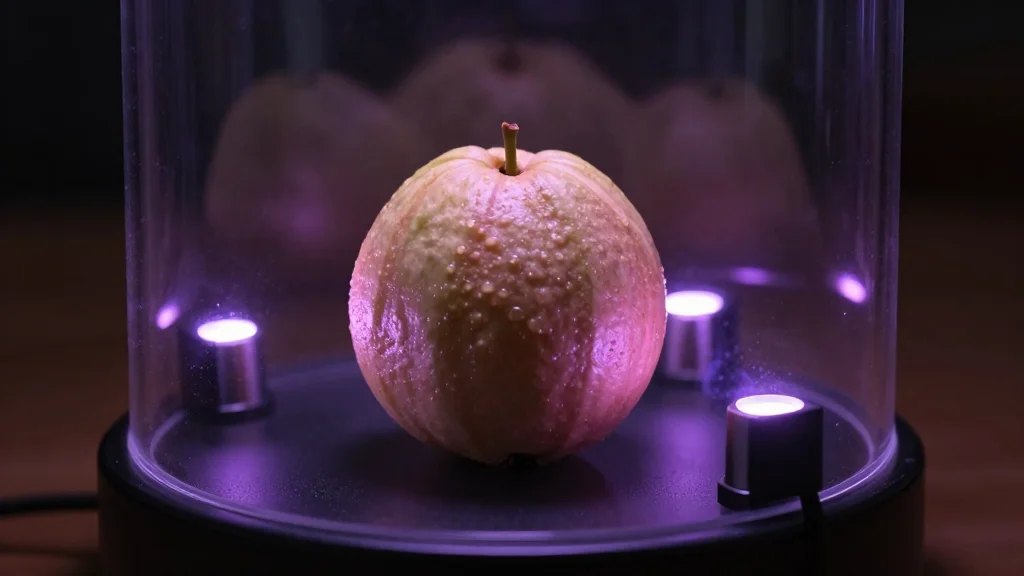
Modulated UV-C Light Increases the Shelf Life of Guavas, Study Shows
Researchers at Brazil's EMBRAPA have demonstrated that modulated UV‑C light—delivered in pulses rather than continuously—effectively suppresses anthracnose fungus on guavas, extending their post‑harvest shelf life. The treatment uses a cylindrical chamber with three strategically positioned UV‑C lamps that maximize surface...