
Virtual Staining Advances: AI Uses Cell Context to Improve Imaging Accuracy
Researchers at Ben‑Gurion University have introduced a contextual AI system that translates label‑free microscope images into virtual fluorescent stains, dramatically improving accuracy. By feeding the model metadata such as cell shape, neighborhood, and colony position, the AI can correctly label rare cellular events like division that previously confounded pixel‑only methods. The approach, detailed in a recent Nature Methods paper, promises high‑resolution, dye‑free imaging while preserving cell health. It also lays groundwork for a universal cellular language model that could work across microscopes and cell types.
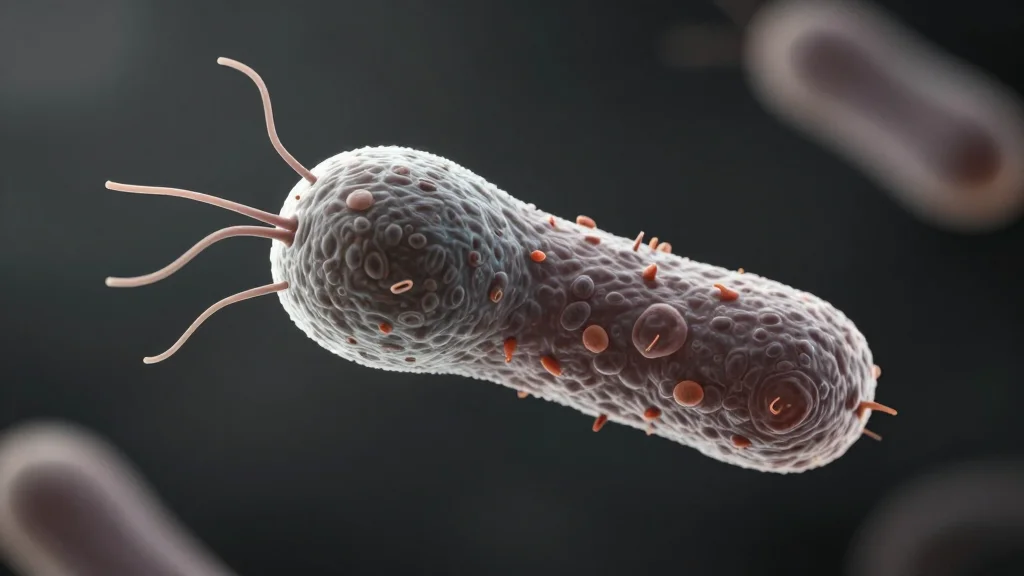
Golden Gate Method Enables Fully-Synthetic Engineering of Therapeutically Relevant Bacteriophages
Researchers at New England Biolabs and Yale have unveiled the first fully synthetic engineering platform for therapeutic bacteriophages targeting *Pseudomonas aeruginosa*. Using NEB’s High‑Complexity Golden Gate Assembly, they assembled a phage genome from 28 synthetic fragments and introduced point mutations,...
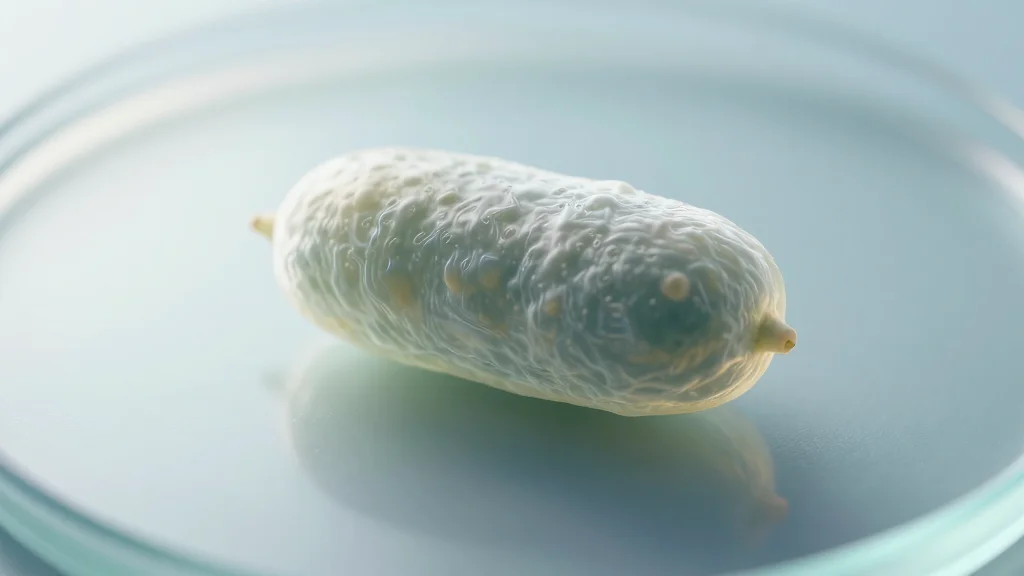
Piercing Pathogens: A New Anti-Biofilm Strategy
Researchers are developing mechano‑bactericidal surfaces that kill microbes by physically puncturing cells, a strategy inspired by nanopillars on cicada wings. These nanostructured materials, ranging from metal pillars to graphene spikes and metal‑organic framework (MOF) nanospikes, have demonstrated rapid bacterial death...
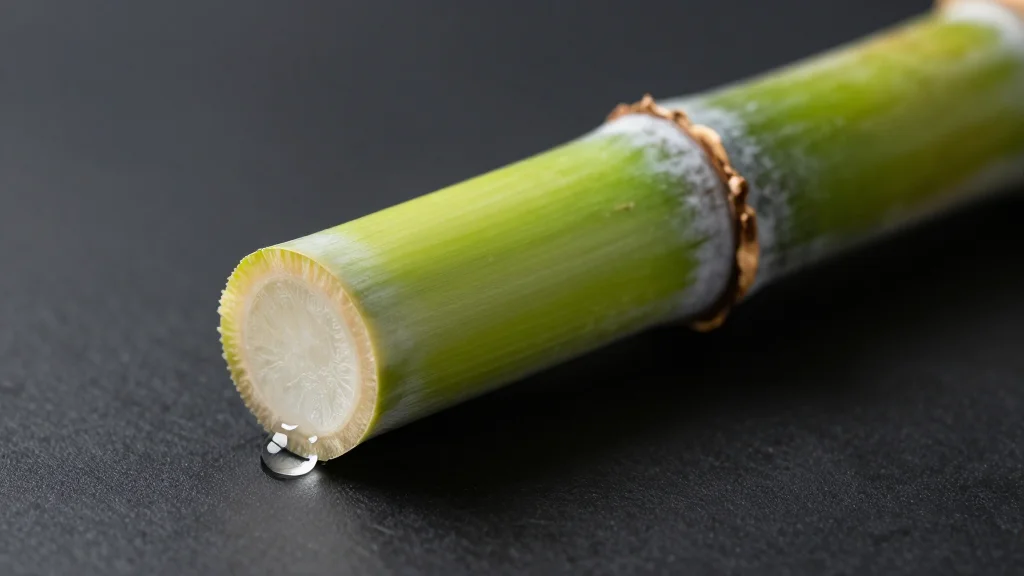
Sugarcane Hits the Sweet Spot for Sustainable Carbon
Researchers at the ARC Research Hub argue sugarcane is the most viable feedstock for sustainable aviation fuel, citing its existing large‑scale production and high biomass yield. They contrast it with algae and canola, which face economic or land‑use constraints. The...

New Fluorescent Labels Offer Clearer, High-Contrast Imaging of Live Cell Processes
Researchers at the Institute of Organic Chemistry and Biochemistry (IOCB) in Prague have created fluorogenic triazinium fluorescent labels that light up only when bound to specific cellular targets. The probes suppress background fluorescence, eliminating the need for repeated washing steps...
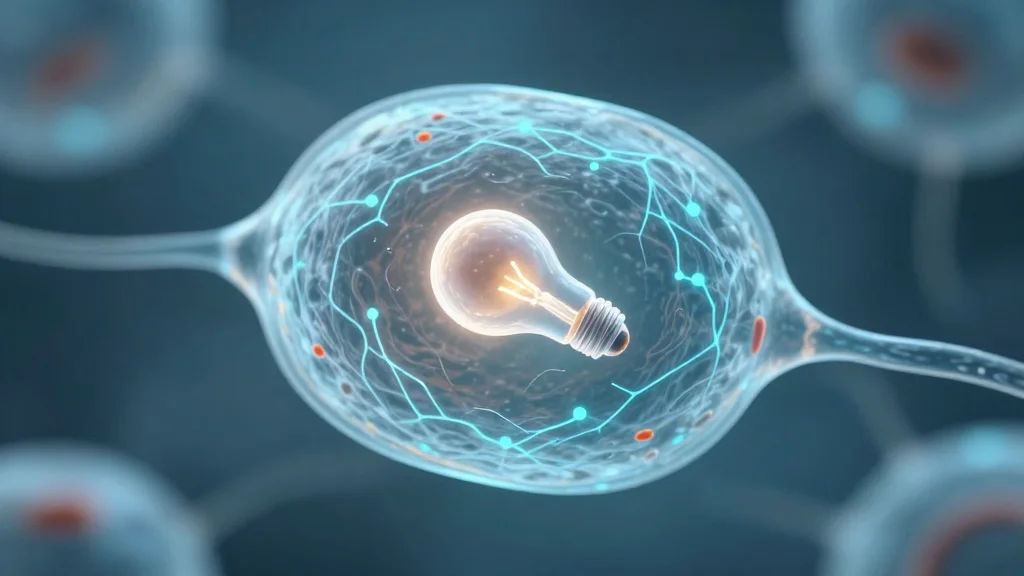
AI Tools Speed Development of Antibody Probes to See Activity Inside Living Cells
Researchers at Colorado State University used AI tools to convert conventional antibodies into intracellular “intrabodies” that light up specific histone modifications. By leveraging AlphaFold2 and ProteinMPNN, the team reduced design cycles to five candidates and achieved a 70% success rate,...
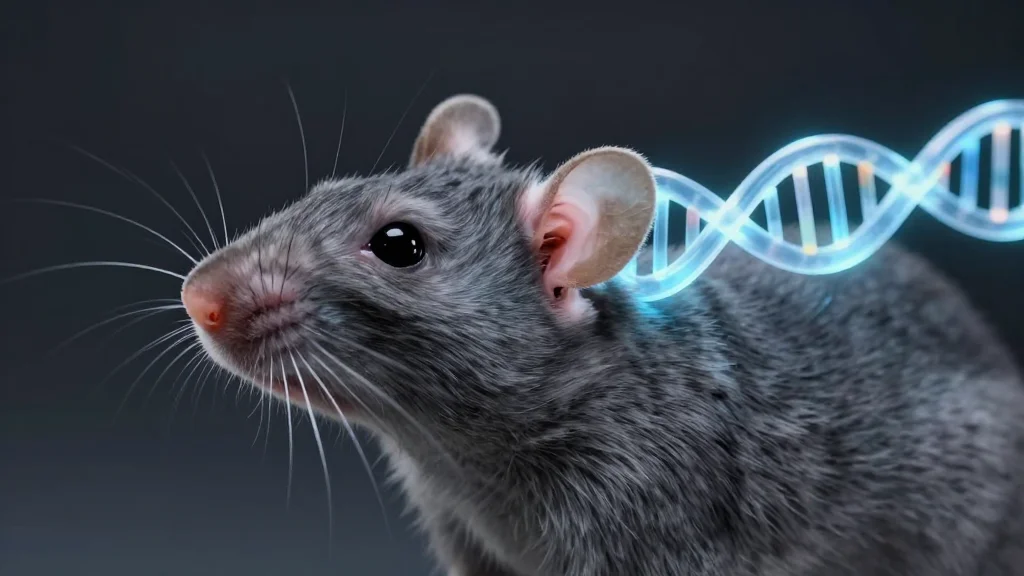
Two-Step Genome Editing Enables Creation of Full-Length Humanized Mouse Models
Researchers at the University of Tokyo unveiled TECHNO, a two‑step genome‑editing platform that swaps entire mouse loci for full‑length human genes exceeding 200 kb. By combining CRISPR/Cas9‑mediated landing‑site creation with BAC‑driven integration, the method achieves high‑efficiency replacement of coding and regulatory...
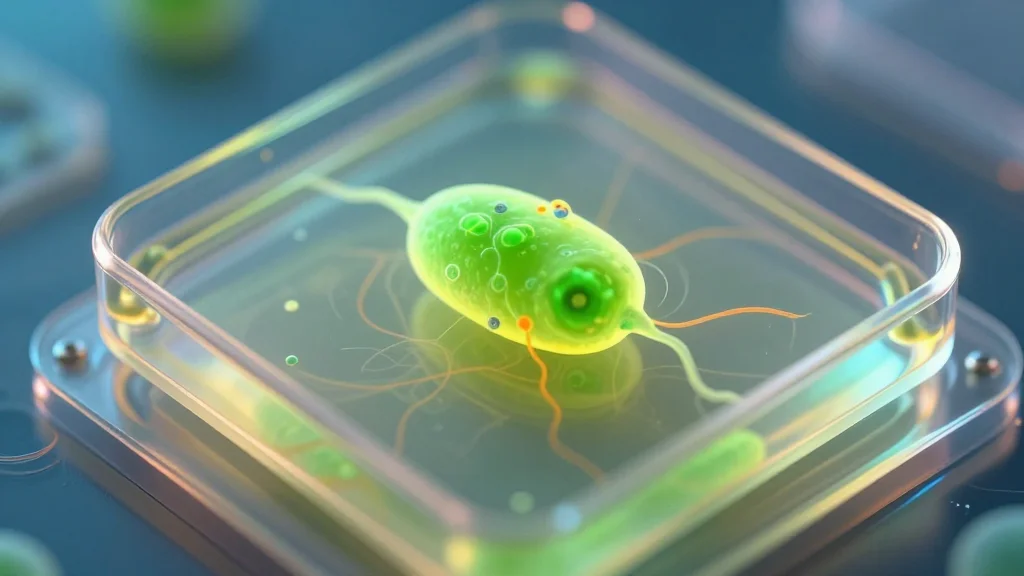
Scientists Transform Enigmatic Cell Structures Into Devices for Recording RNA Activity
Researchers have engineered the naturally occurring vault particle into a synthetic "TimeVault" that sequesters mRNA inside the ribonucleoprotein shell, protecting it from degradation for more than a week. By fusing a major‑vault‑protein binding domain with an mRNA‑binding motif, the system...
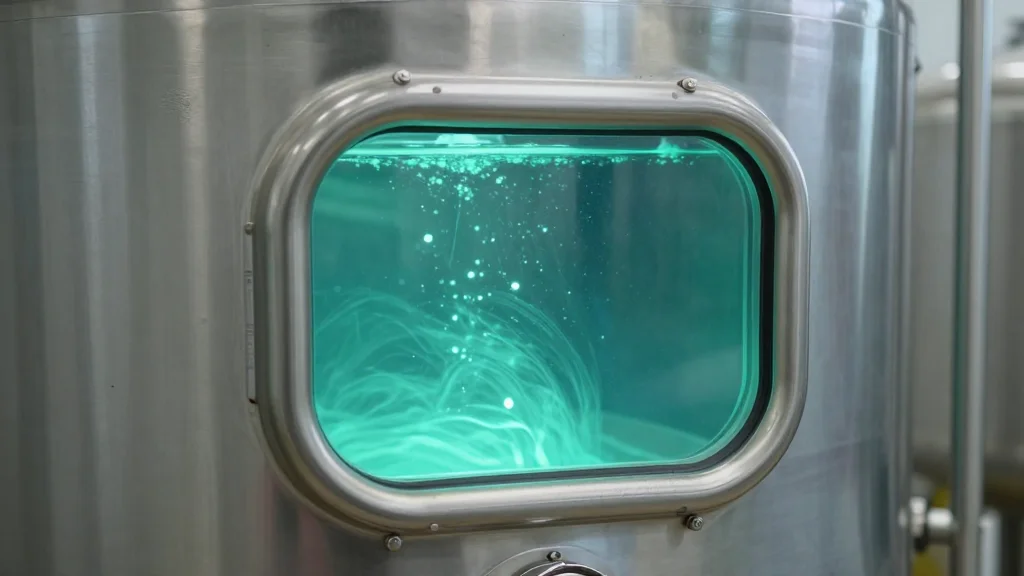
Exploring Metabolic Noise Opens New Paths to Better Biomanufacturing
Washington University researchers identified enzyme copy‑number fluctuations as the primary source of metabolic noise in engineered E. coli producing the yellow pigment betaxanthin. By combining microfluidic single‑cell tracking with a bright‑fluorescent metabolite, they observed rapid switches between high‑ and low‑production states....
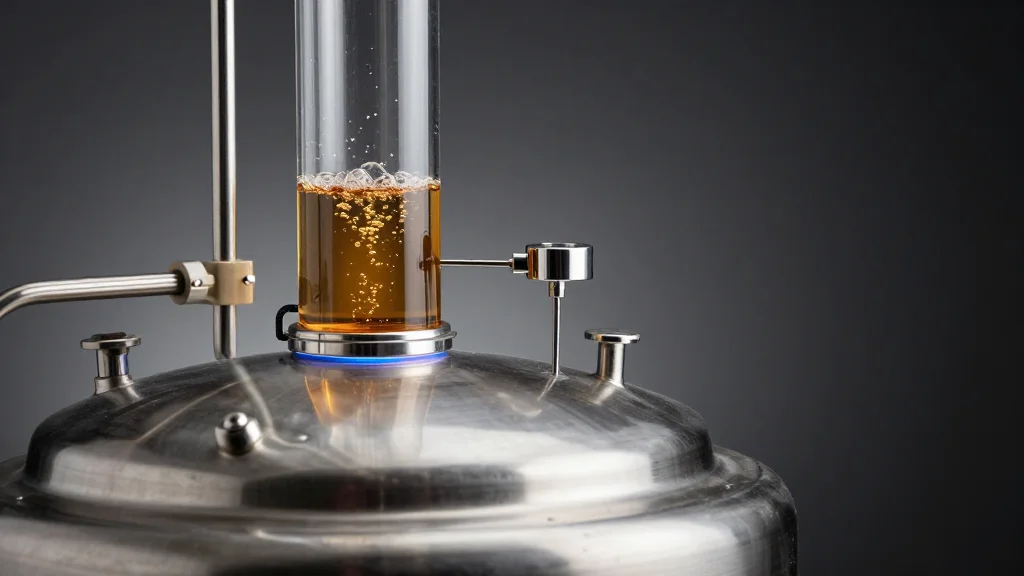
Monitoring Beer Fermentation at the Single-Cell Level with a Novel Raman Method
Scientists at the Qingdao Institute of Bioenergy and Bioprocess Technology have introduced “process ramanomics,” a single‑cell Raman spectroscopy workflow that monitors beer fermentation in real time. By capturing Raman fingerprints from individual yeast cells, the method accurately predicts 19 extracellular...

CRISPR–Cas3 Genome-Editing System Holds Therapeutic Potential
Researchers at the University of Tokyo demonstrated that the CRISPR‑Cas3 system can permanently suppress transthyretin (TTR) production in a mouse model of hereditary amyloidosis. Using lipid‑nanoparticle delivery, they achieved roughly 48% editing of hepatic TTR alleles and an 80% reduction...
A CRISPR Fingerprint of Pathogenic C. Auris Fungi for Precision Diagnostics
Researchers at Harvard’s Wyss Institute have unveiled dSHERLOCK, a digital CRISPR‑based diagnostic that can detect and quantify Candida auris from swab samples in under 40 minutes while simultaneously identifying antifungal resistance mutations. The platform merges SHERLOCK’s single‑nucleotide precision with single‑molecule...
First-Time Use of AI for Genetic Circuit Design Demonstrated in a Human Cell Line
Rice University researchers unveiled CLASSIC, a high‑throughput platform that couples long‑ and short‑read sequencing to generate millions of genetic‑circuit designs in human cells. By pairing this massive library with machine‑learning models, the team demonstrated the first AI‑driven design of functional...

Hydrogel Cilia Set New Standard in Microrobotics
Scientists at the Max Planck Institute, HKUST and Koç University have created 18 µm hydrogel cilia that beat at 5‑40 Hz when driven by a 1.5 V electric field. Using two‑photon polymerization, they printed arrays of hundreds of these microactuators on a flexible substrate...
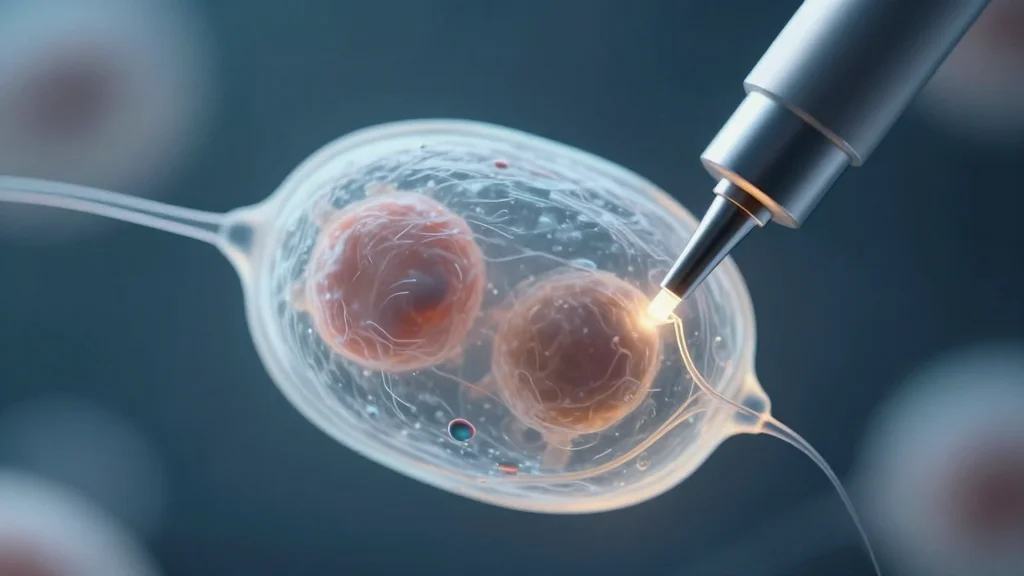
New Method Allows Scientists to 3D-Print Structures Within Cells
Scientists have developed a technique to 3D‑print micrometer‑scale structures inside living cells using a light‑sensitive photoresist and two‑photon laser polymerization. The method achieves sub‑micron resolution, allowing shapes such as barcodes, geometric patterns, and a miniature elephant to be fabricated intracellularly....
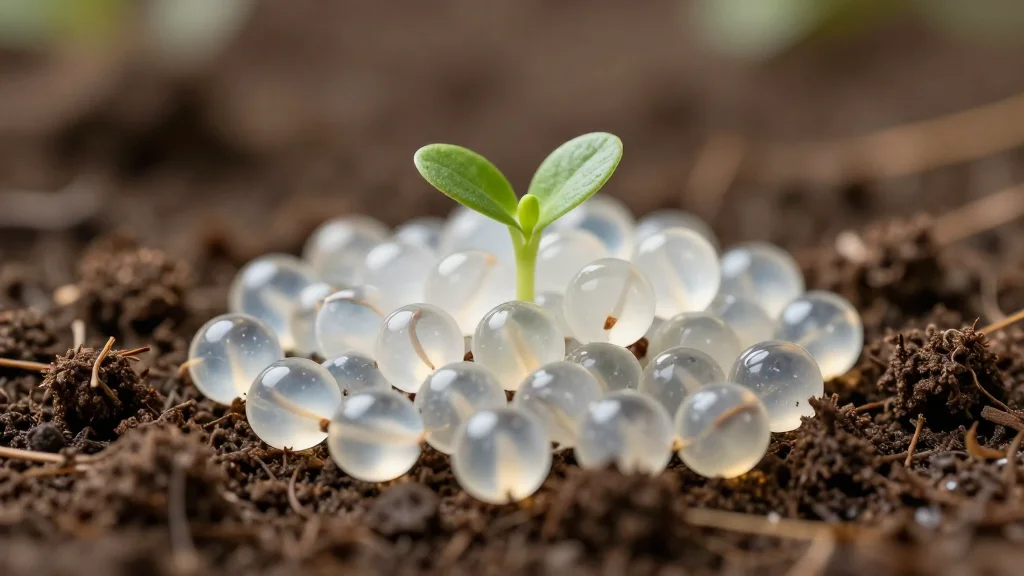
Starch Sachets Release Fertilizer in a Controlled Manner and Can Replace Petroleum-Derived Polymers
Brazilian researchers have created biodegradable starch sachets reinforced with copper‑zeolite nanoparticles to deliver granular fertilizers in a controlled manner. The sachets release nutrients gradually, reducing leaching and volatilization while offering antimicrobial protection against soil fungi. Mechanical strength peaks at 3 %...

Portable Device Enables Rapid Pathogen Detection in Diverse Field Environments
Purdue University engineers have unveiled IsoHeat, a portable water‑bath system that powers loop‑mediated isothermal amplification (LAMP) assays for rapid pathogen detection. The device reaches the required 65 °C in roughly 12 minutes—about one‑third the time of a leading commercial precision cooker—while...

Cyanobacteria Can Utilize Toxic Guanidine as a Nitrogen Source
Cyanobacteria have been shown to import and metabolize guanidine, using it as their sole nitrogen source. The study identified a high‑affinity ABC transporter, a guanidine hydrolase, and a riboswitch that together regulate uptake, degradation, and efflux. These mechanisms are widespread...

Researchers Urge Unified Approach to Sustainable Agriculture Innovation and Policy Reform
Researchers at the University of Bonn’s PhenoRob Cluster argue that Europe’s agriculture must shift from isolated fixes to a unified, vision‑led innovation system. Their paper in Agricultural Systems outlines how coordinated technology, business models, and policy reforms can make farming...
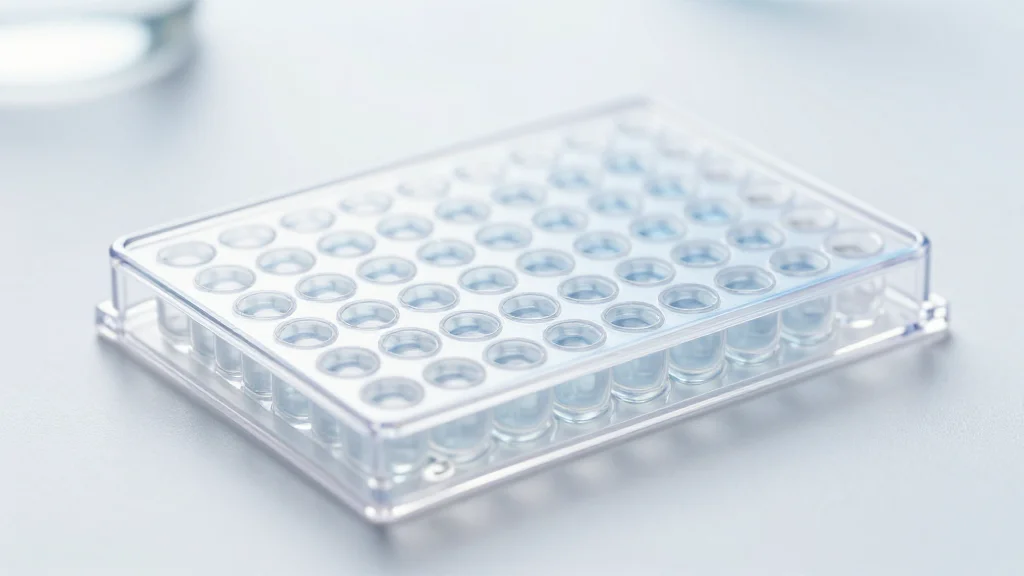
Open-Source Robotic System Cuts Manual Cell Culture Time by 61% While Boosting Seeding Consistency
Researchers unveiled the Automated Cell Culture Splitter, an open‑source system built around the Opentrons OT‑2 robot and a custom cell‑counting imager. In tests with HEK293T cells, the platform cut hands‑on passaging time by 61% and delivered a 92% usable imaging...
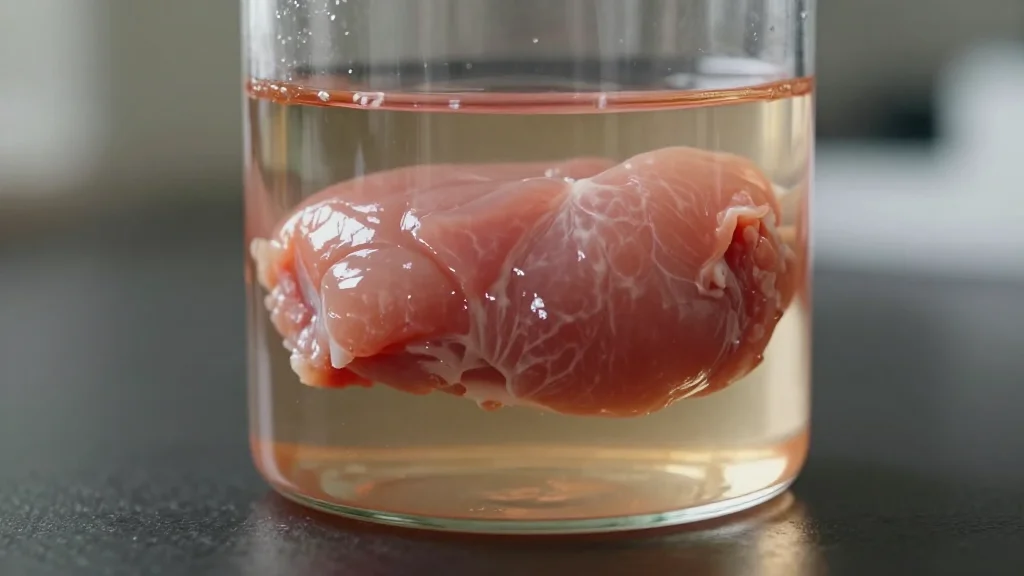
Open-Sourcing the Future of Food: New Cell Bank Makes Cultivated-Meat Tech Public
Tufts University's Center for Cellular Agriculture (TUCCA) and the Good Food Institute have purchased eight cultivated‑beef cell lines and serum‑free media from the defunct SciFi Foods. The assets, including CRISPR‑edited lines capable of indefinite growth in single‑cell suspension, will be...
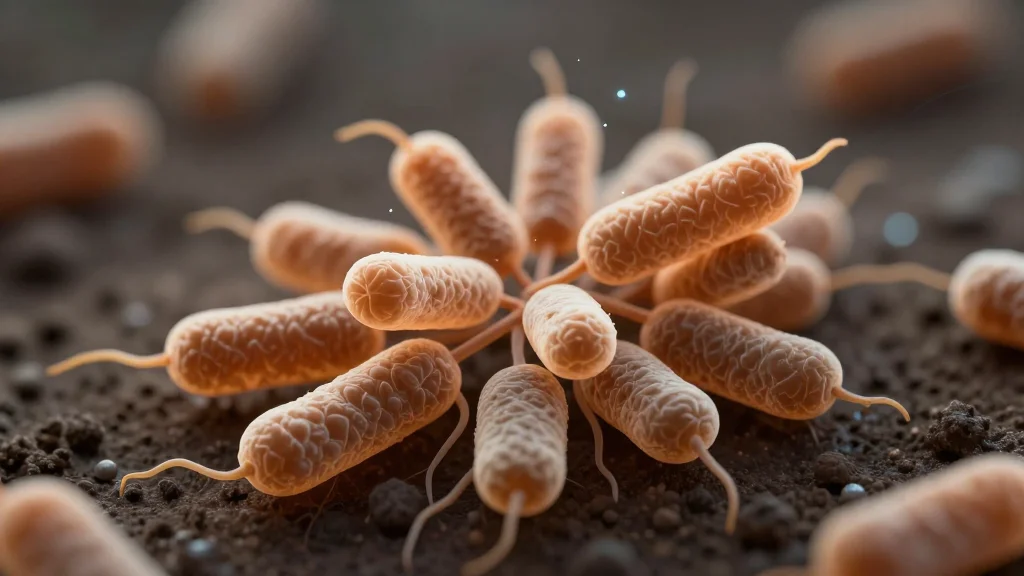
Gamma Rays Quickly Toughen Nitrogen‑fixing Bacteria
Researchers at Japan’s National Institutes for Quantum Science and Technology combined adaptive laboratory evolution with repeated gamma‑ray mutagenesis to create heat‑tolerant Bradyrhizobium diazoefficiens strains. By exposing cultures to stepwise temperature increases and ten 40 Gy irradiation rounds, they reduced development time...
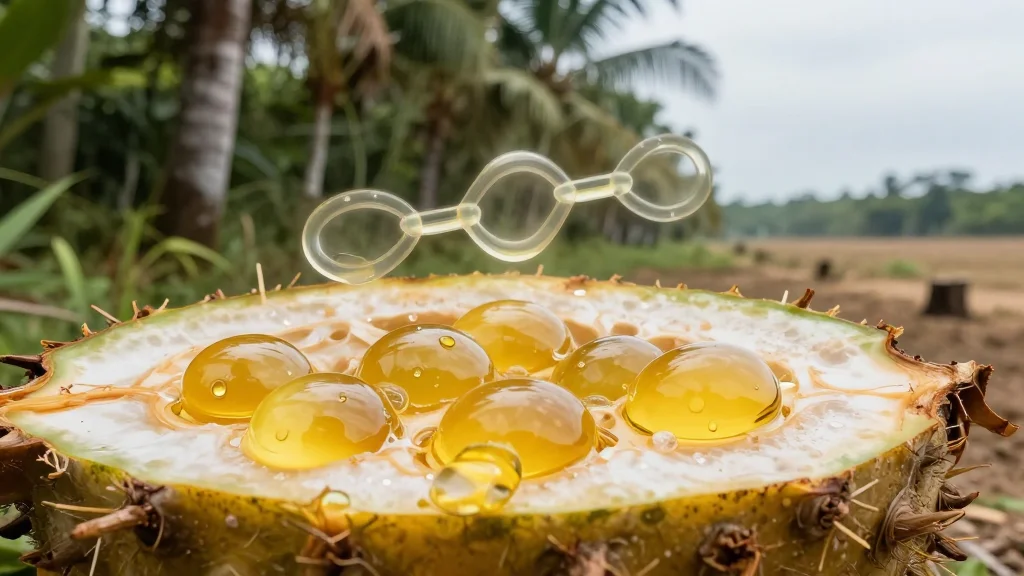
Designer Enzyme Enables Yeast to Produce Custom Fatty Acids, Reducing Need for Palm Oil
A team led by Prof. Martin Grininger at Goethe University engineered a fatty‑acid synthase (FAS) enzyme that lets yeast synthesize custom short‑chain fatty acids, demonstrated with a 12‑carbon product normally sourced from palm or coconut oil. By swapping a single...

Compressed Data Technique Enables Pangenomics at Scale
Engineers at UC San Diego introduced PanMAN, a new data structure and compression format for pangenomics. PanMAN stores mutation‑annotated trees in a network, capturing phylogeny, recombination and whole‑genome alignments while representing each mutation only once. The approach achieves up to...
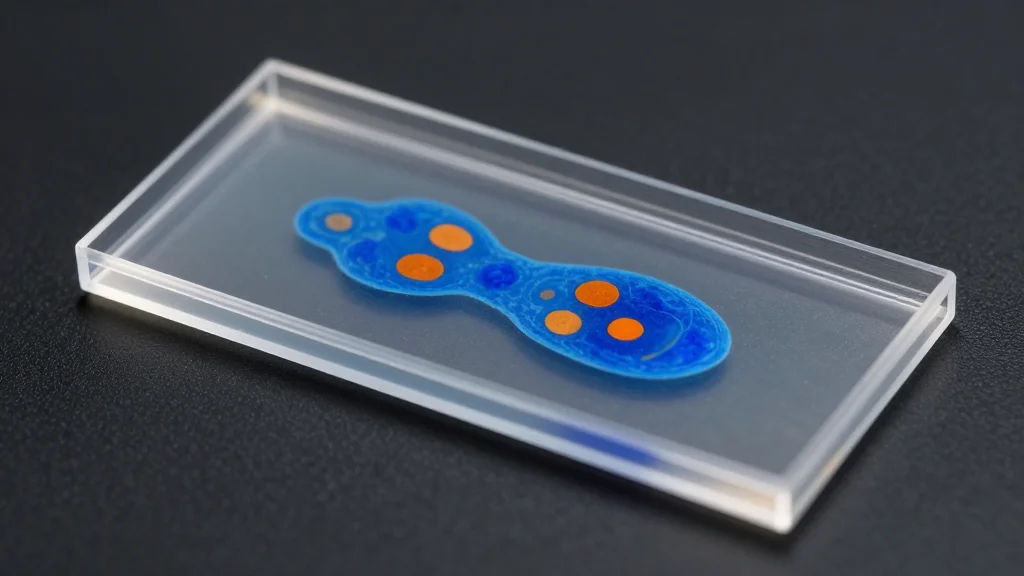
Eye for Trouble: Automated Counting for Chromosome Issues Under the Microscope
Researchers at Tokyo Metropolitan University unveiled a machine‑learning suite that automatically detects and counts sister chromatid exchanges (SCE) in microscope images. The system integrates chromosome identification, SCE classification, and clustering, achieving an overall accuracy of 84.1 %. Validation on cells lacking...

Living Sensor Display Turns Engineered Skin Into a Biological Monitor
Japanese researchers have engineered a skin graft that lights up in response to inflammation, creating a living sensor display that can be implanted under the skin. The graft uses genetically modified epidermal stem cells that emit green fluorescence when the...

A New AI Tool Could Dramatically Speed up the Discovery of Life-Saving Medicines
Researchers at Tsinghua University introduced DrugCLIP, an AI framework that can virtually screen millions of compounds against thousands of protein targets in hours, a speedup of up to ten million times over traditional docking methods. The system converts both molecules...
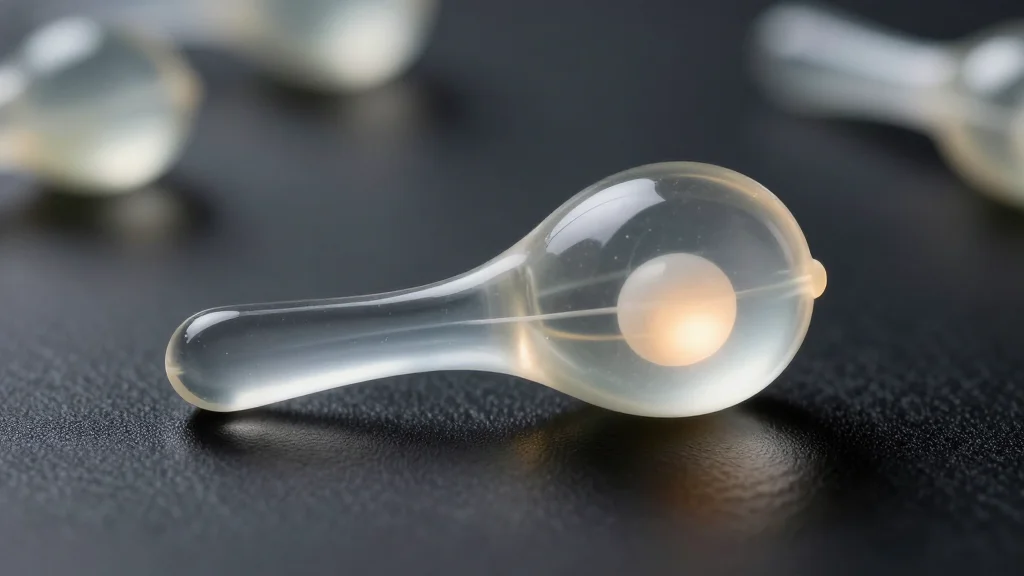
Q&A: What Do Scientists Need to Learn Next About Blocking Enzymes to Treat Disease?
Scientists are shifting drug discovery from enzyme inhibition to activation, focusing on speeding up molecular machines that are under‑performing in disease. Tarun Kapoor’s Rockefeller lab identified a compound that accelerates the ATPase VCP by binding a newly discovered “gearbox” region,...
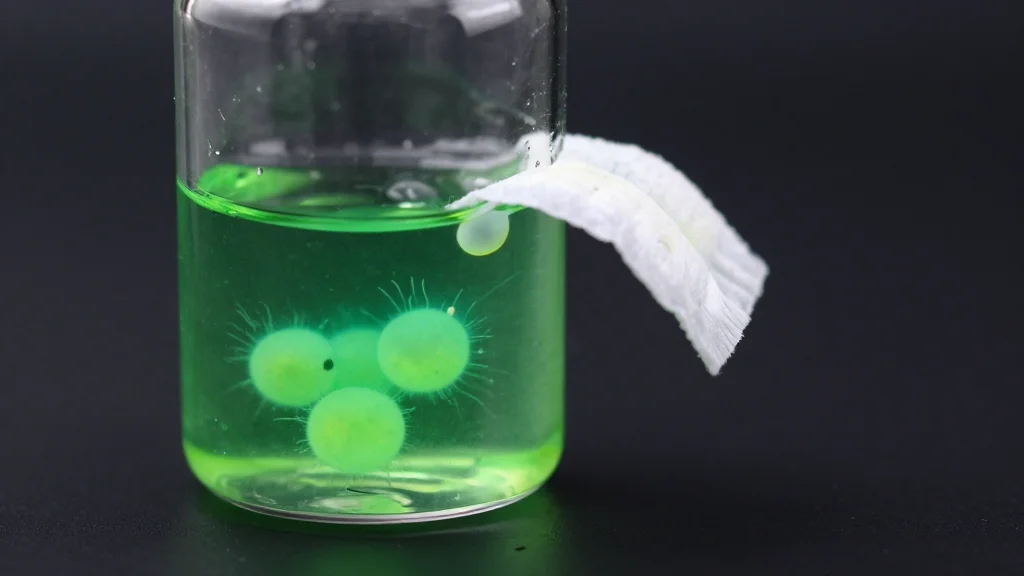
Commercially Viable Biomanufacturing: Designer Yeast Turns Sugar Into Lucrative Chemical 3-HP
Scientists at the University of Illinois and Penn State have engineered the acid‑tolerant yeast *Issatchenkia orientalis* to convert plant sugars into 3‑hydroxypropionic acid (3‑HP) at commercial‑grade yields and titers. The strain achieved a 0.7 g 3‑HP per g glucose yield and 92 g 3‑HP...

System Can Diagnose Infections in 20 Minutes, Aiding Fight Against Drug Resistance
Researchers from the UK and China unveiled AutoEnricher, a microfluidic‑Raman platform that identifies bacterial and fungal pathogens in just 20 minutes. Validated on 305 patient samples, the system achieved 95 % accuracy and could detect mixed infections missed by conventional cultures....

Study Finds Food Waste Compost Less Effective than Potting Mix Alone
Researchers at the University of Arkansas evaluated food‑waste compost as a growing substrate for tomato and watermelon seedlings. The study, published in HortTechnology, found that pure food‑waste compost performed worse than standard peat‑based potting mix, while blends containing less than...
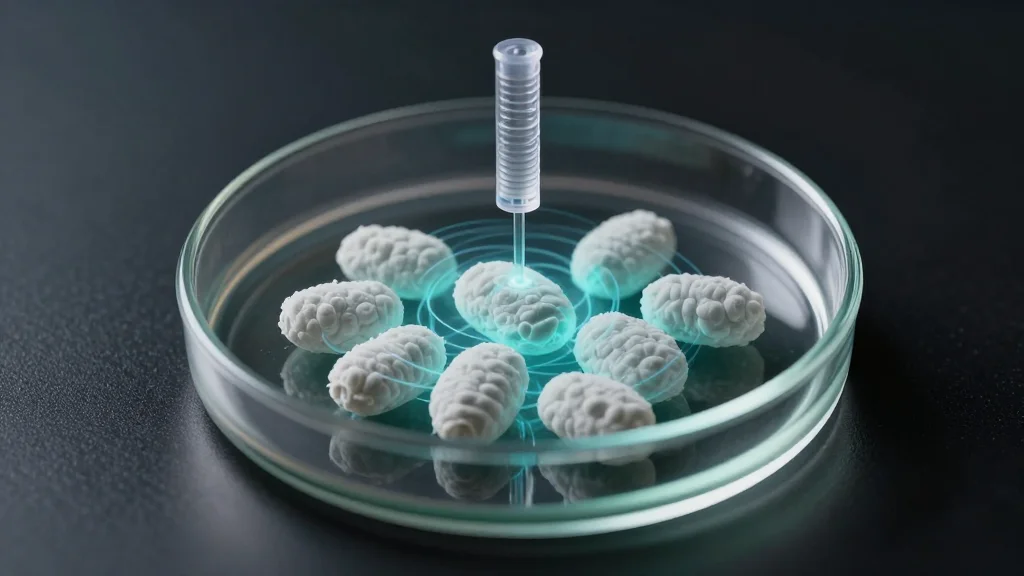
Deformable Adjuvants Can Enhance Immune Activation in New Vaccine Design
Researchers at the Chinese Academy of Sciences have engineered aluminum‑stabilized Pickering emulsions (ASPE) that act as deformable adjuvants, providing mechanical cues to dendritic cells. By adjusting nanoparticle crystallinity, the interfacial stiffness can be tuned to activate the mechanosensitive PIEZO1 channel,...
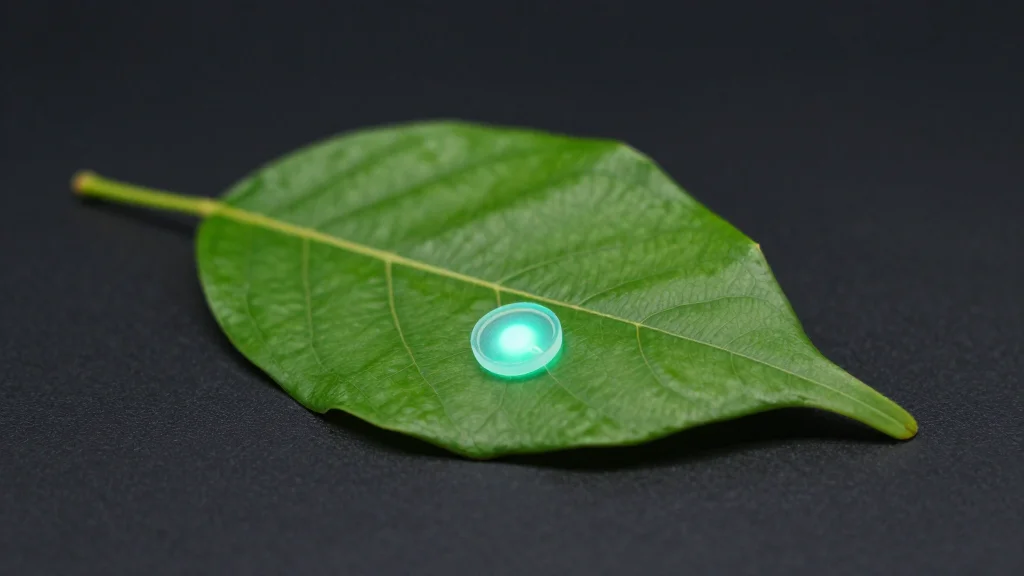
How Light Reflects on Leaves May Help Researchers Identify Dying Forests
Researchers at the University of Notre Dame have demonstrated that leaf spectral reflectance measured from airborne or satellite sensors can predict the expression of key stress‑related genes. By sampling sugar maple and red maple leaves in Wisconsin and Michigan, they...
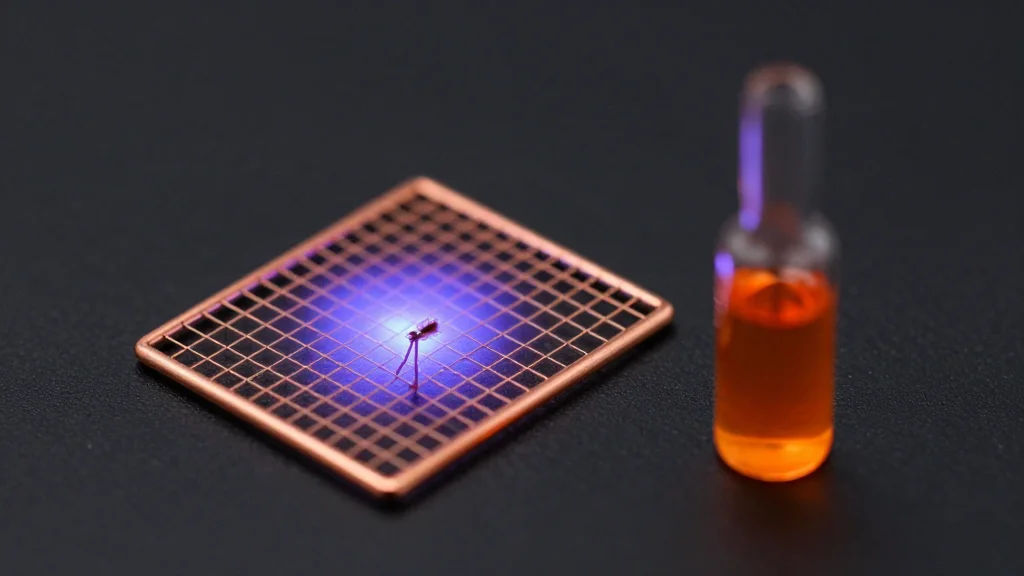
Coffee as a Staining Agent Substitute in Electron Microscopy
Researchers at Graz University of Technology have demonstrated that ordinary espresso can replace the hazardous uranyl acetate as a staining agent for electron microscopy. In side‑by‑side tests on ultrathin mitochondrial sections, coffee‑treated samples produced contrast equal to or better than...
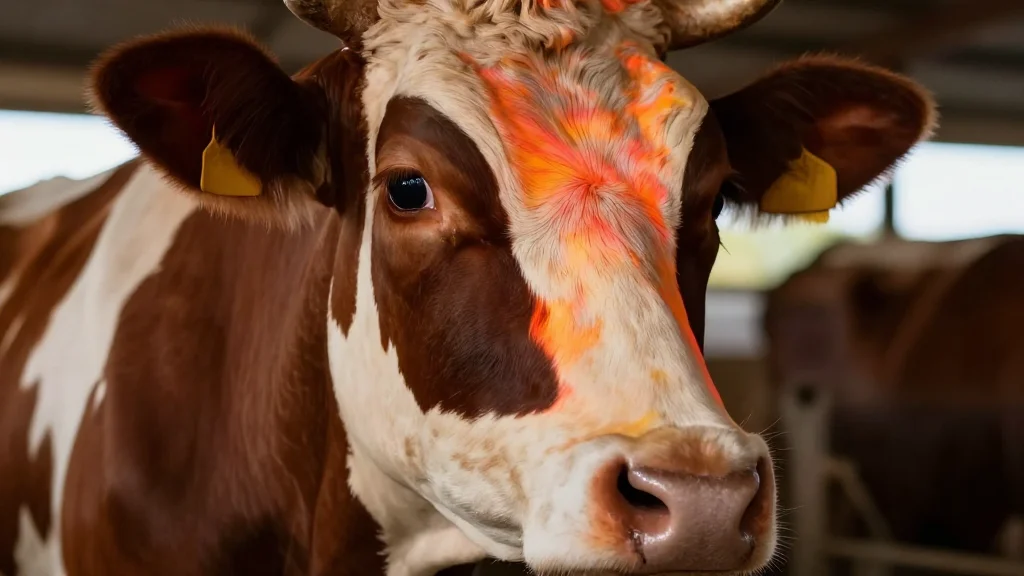
AI Tool Can Take a Cattle's Temperature with only a Photo
Researchers at the University of Arkansas unveiled CattleFever, an AI system that estimates a calf’s body temperature from a single RGB‑thermal photo. The model, trained on the newly released CattleFace‑RGBT dataset with 13 facial landmarks, achieved temperature predictions within one...
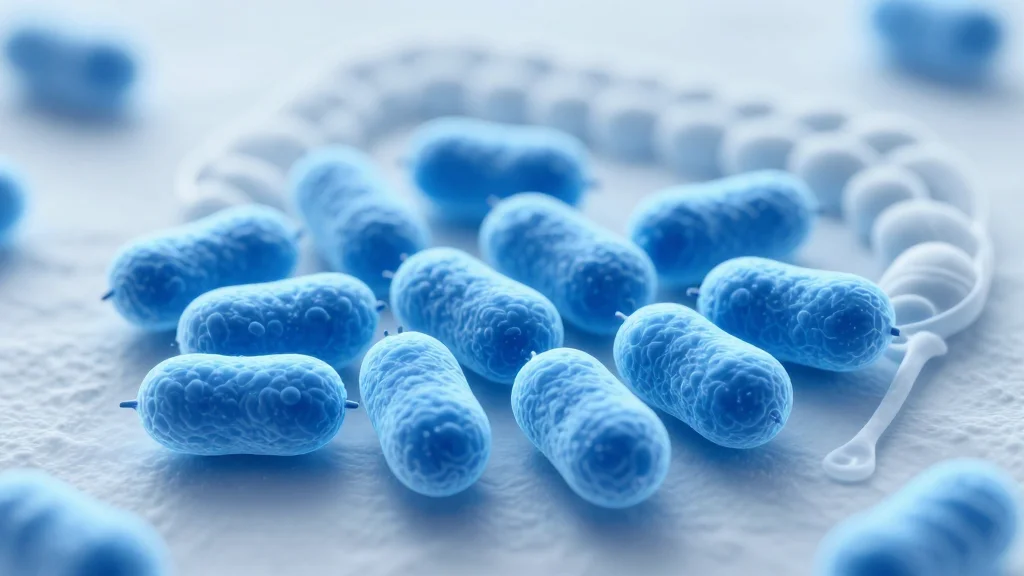
Ribosomal Engineering Creates 'Super-Probiotic' Bacteria with Enhanced Immune Activation
Researchers at Shinshu University used ribosome engineering to create a Lacticaseibacillus rhamnosus GG strain with a K56N mutation in ribosomal protein S12. The mutant displays markedly more surface moonlighting proteins, especially GAPDH, leading to double the adhesion to intestinal cells...
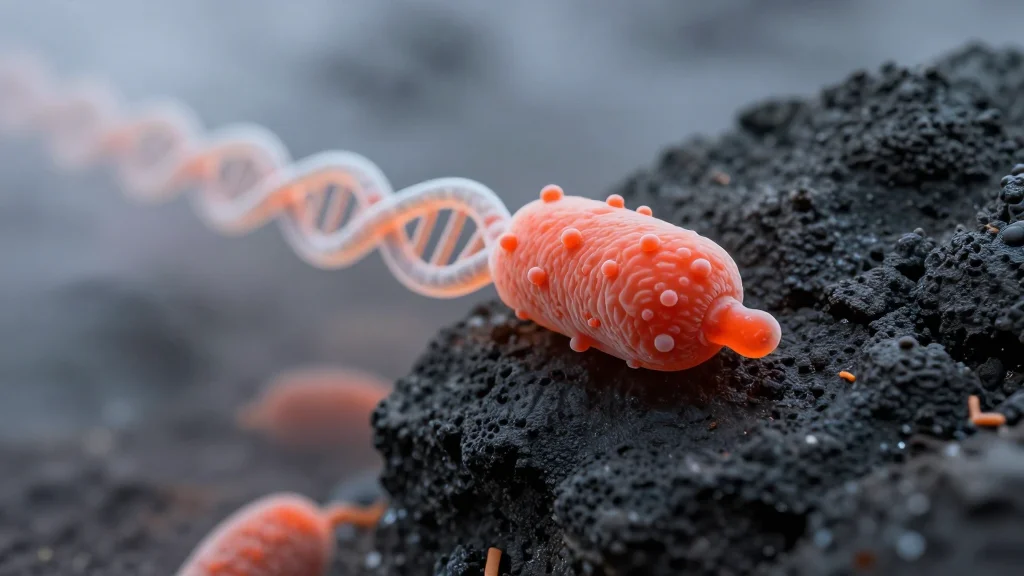
Sulfolobus Islandicus: Expanding the Genetic Toolkit for Drug Delivery and Biotechnology Applications
University of Illinois researchers used the CRISPR‑COPIES pipeline and multi‑omics profiling to map chromosomal integration hotspots in the hyperthermophilic archaeon Sulfolobus islandicus. They identified 66 crRNAs targeting 21 intergenic regions and functionally validated eight sites with a lacS‑β‑galactosidase reporter. Overexpressing...
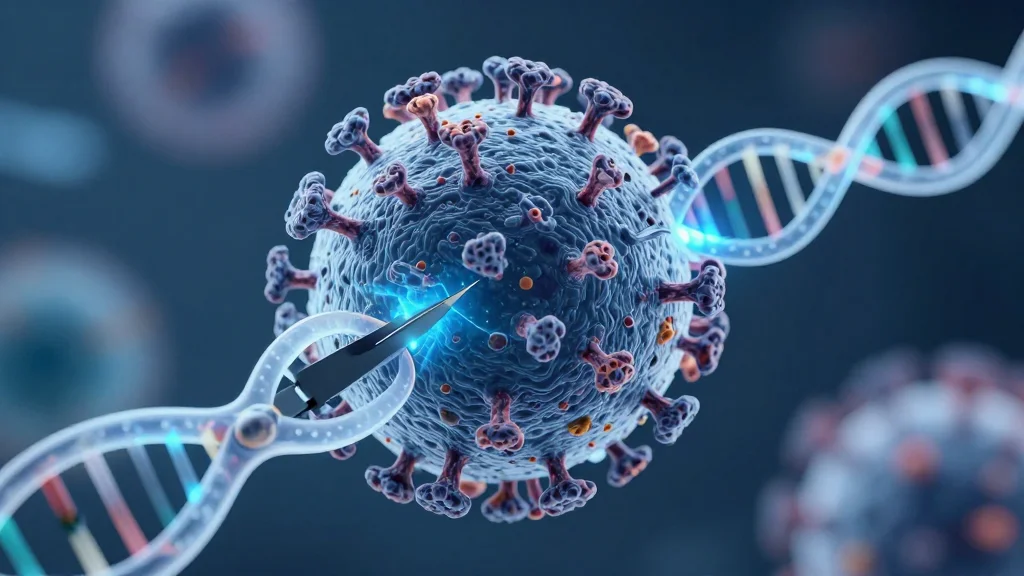
CRISPR Discovery Could Lead to Single Diagnostic Test for COVID, Flu, RSV
Utah State University researchers have uncovered a novel function of the bacterial immune protein CRISPR‑Cas12a3 that directly targets RNA and cleaves tRNA tails, halting viral protein production without damaging host DNA. Published in Nature, the work shows Cas12a3 can be...

Drone Monitoring Helps Dolphins
A Flinders University team demonstrated that drones equipped with infrared thermal cameras can accurately measure surface temperature and respiration rates of bottlenose dolphins. Analyzing more than 40,000 thermal images, researchers found optimal accuracy at 10‑15 m altitude directly overhead. The method...
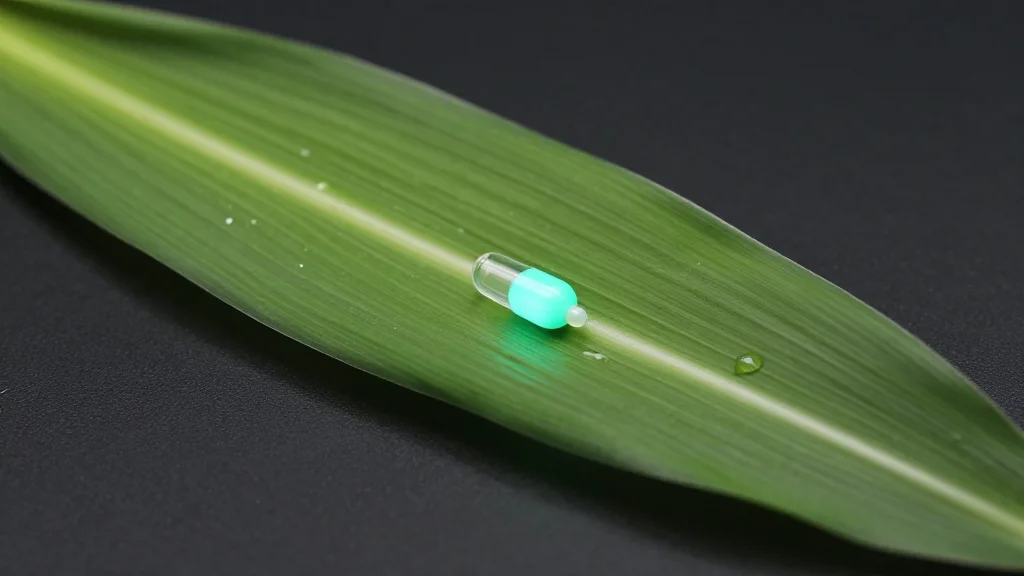
New Tools Turn Grain Crops Into Living Biosensors
Researchers at the Donald Danforth Plant Science Center, the University of Florida and the University of Iowa have engineered grasses, including a C4 model and major grain crops, to produce a visible purple anthocyanin pigment when exposed to specific chemicals....
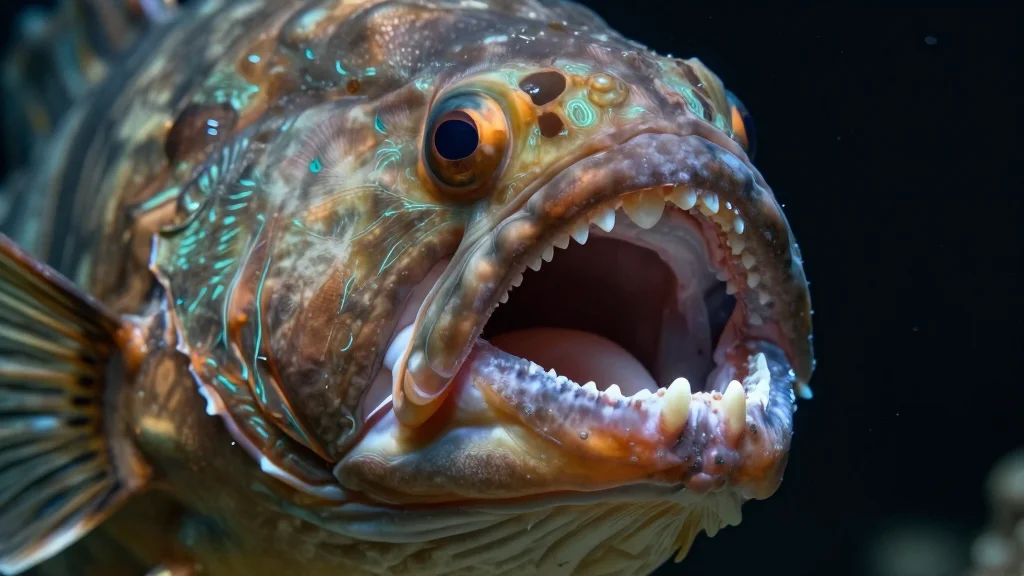
Dentin Inside Wolffish Teeth Is a Rare Material: When Compressed Along Its Length—It Also Shrinks in Width
Researchers led by Prof. Ron Shahar have identified a rare auxetic material, osteodentin, inside Atlantic wolffish teeth that contracts laterally when compressed along its length. Using phase‑contrast X‑ray tomography and digital volume correlation, they measured negative Poisson’s ratios between –1...

'Stomata In-Sight' System Allows Scientists to Watch Plants 'Breathe' In Real-Time
Researchers have unveiled the “Stomata in‑Sight” platform, a real‑time imaging system that visualizes stomatal opening and closing on living leaves. By combining high‑speed microscopy with machine‑learning algorithms, the tool records pore dynamics at sub‑second intervals. Early trials demonstrate precise measurements...
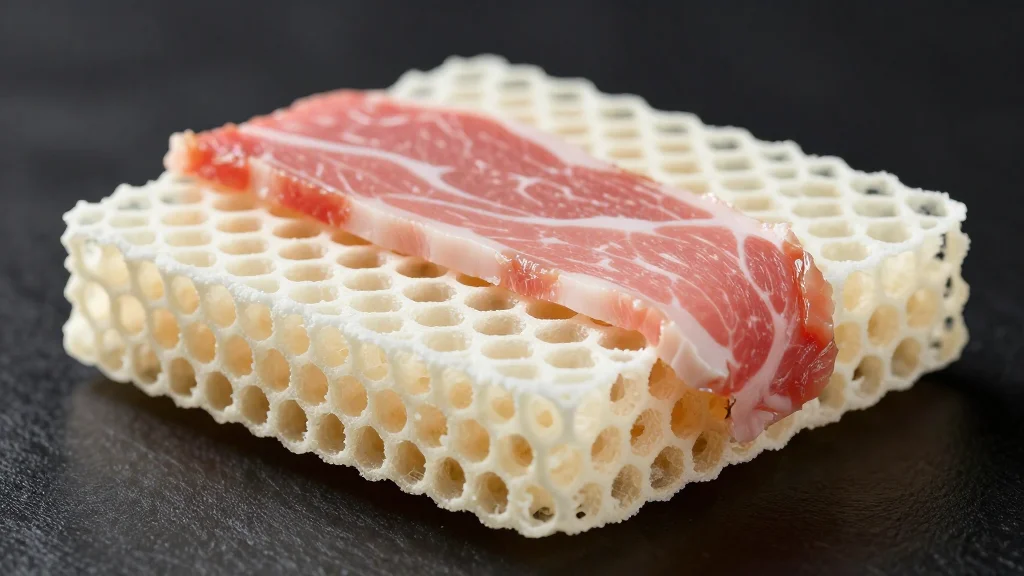
From Pint to Plate, Scientists Brew up a New Way to Grow Meat
Scientists at University College London have demonstrated that spent yeast from beer brewing can be converted into bacterial cellulose scaffolds suitable for cultivated meat production. The yeast‑derived cellulose matches or exceeds the texture of conventional scaffolds while being edible and...
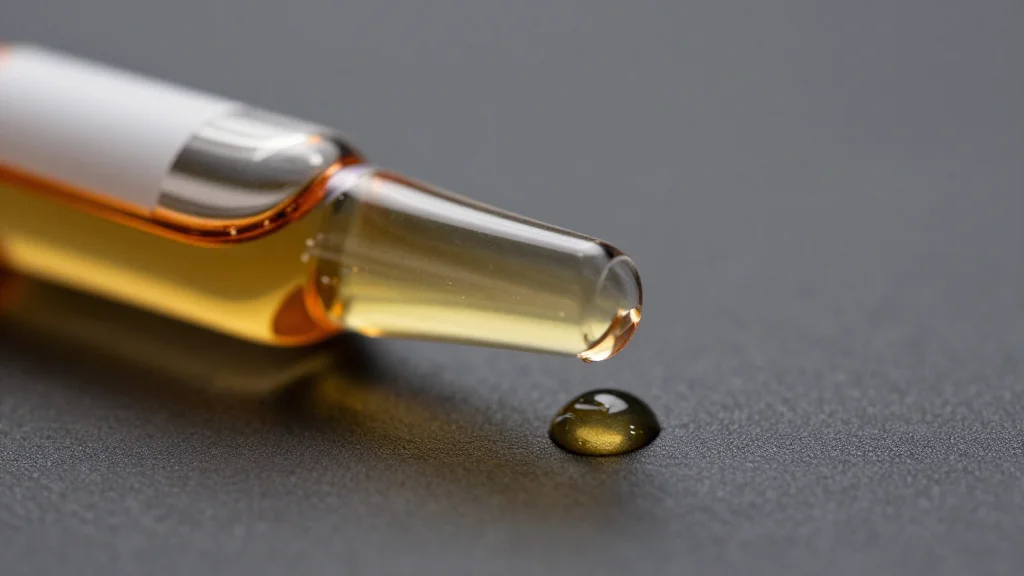
Researchers Sustainably Produce Triacetic Acid Lactone From Sugarcane
Researchers at the University of Illinois’s Center for Advanced Bioenergy and Bioproducts Innovation demonstrated a sustainable route to produce triacetic acid lactone (TAL) from sugarcane using fermentation followed by crystallization. By coupling experimental solubility data with the BioSTEAM simulation platform,...

Gene Editing in Indonesia: Can New Biotechnology Solve Old Agricultural Problems?
Indonesia faces mounting food‑security pressures as climate stress and import dependence strain its staple‑centric agriculture. Gene‑editing technologies, touted for precise, non‑transgenic trait improvements, are being positioned to boost rice, cassava and sorghum yields. Yet stakeholder interviews reveal deep skepticism, especially...
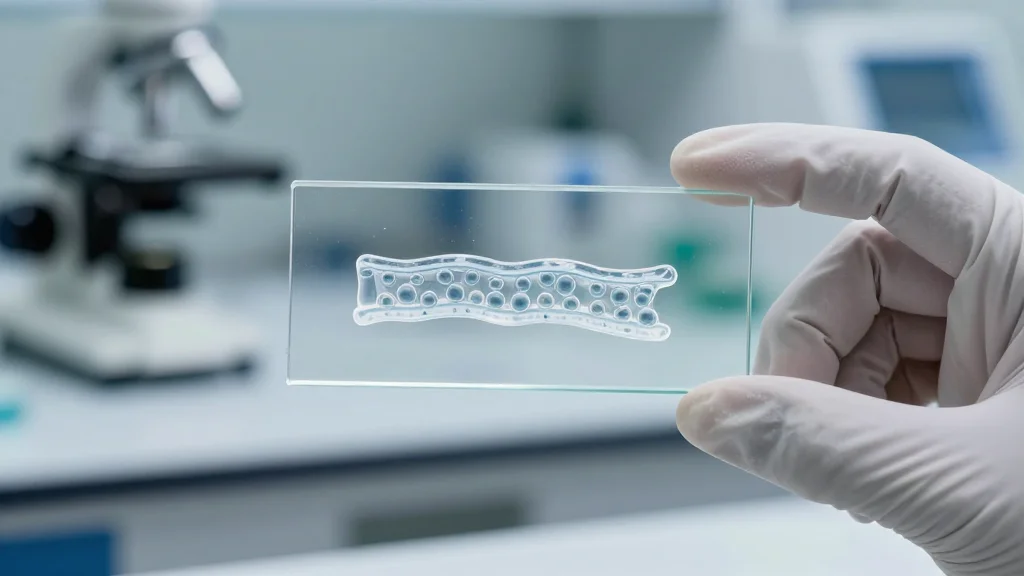
High-Throughput Platform Enables Aptamer Discovery and Kinetic Profiling
Researchers at the Chinese Academy of Sciences unveiled SPARK‑seq, a high‑throughput platform that merges CRISPR perturbations, single‑cell multi‑omics and aptamer sequencing to map aptamer‑target interactions in native cellular contexts. In a proof‑of‑concept study, the system screened over 8,000 single cells,...

Microalgae Could Fuel Hawaiʻi's Renewable Future
Researchers at the University of Hawaiʻi at Mānoa have demonstrated how synthetic biology and CRISPR‑based metabolic engineering can boost microalgae’s production of lipids and terpenoids, key feedstocks for renewable jet fuel, bio‑based chemicals, and pharmaceuticals. The study, published in Plant...
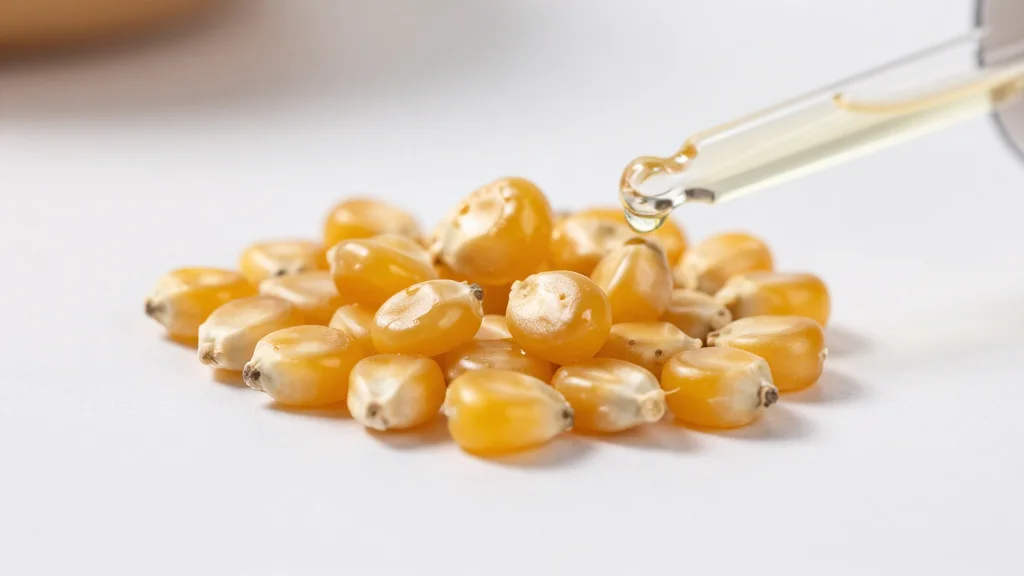
Nearly Every Corn Seed Planted in Colorado Is Covered in Insecticide: Lawmakers May Restrict the Chemical
Nearly every corn seed planted in Colorado is coated with a neonicotinoid insecticide, a practice that protects seedlings but also introduces the chemical into plants, soil and water. Environmental groups are drafting legislation that would ban such coatings unless farmers...
A Better Way to Detect Off-Target Genome Changes From Base Editors
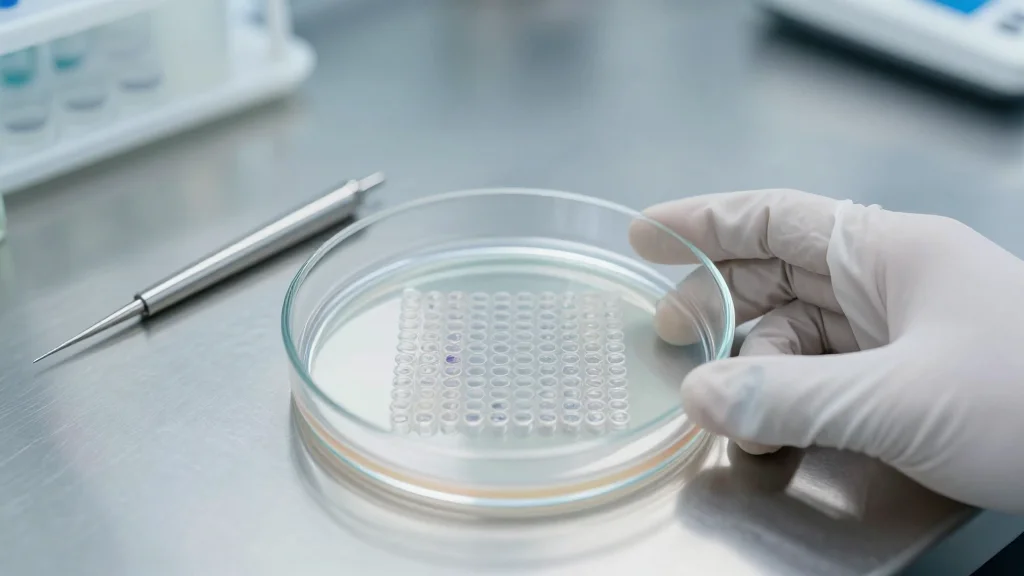
St. Jude Children’s Research Hospital unveiled CHANGE‑seq‑BE, a new assay that sensitively maps off‑target activity of CRISPR base editors while using only a fraction of sequencing resources. The method, published in Nature Biotechnology, demonstrated 95.4 % on‑target specificity in an FDA‑emergency case...
A Zero-Shot Learning Framework for Maize Cob Phenotyping
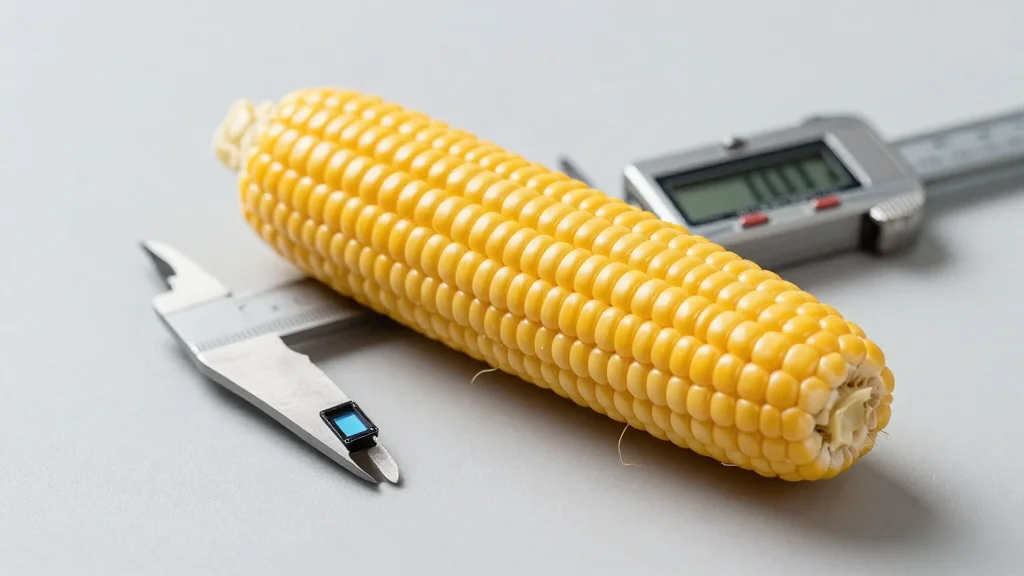
Scientists have unveiled a zero‑shot learning framework that phenotypes maize cob geometry without any model retraining. The system combines text‑guided object detection, lightweight segmentation, and calibrated trait extraction, delivering 98‑100% detection accuracy and over 0.95 correlation for trait estimates. It...