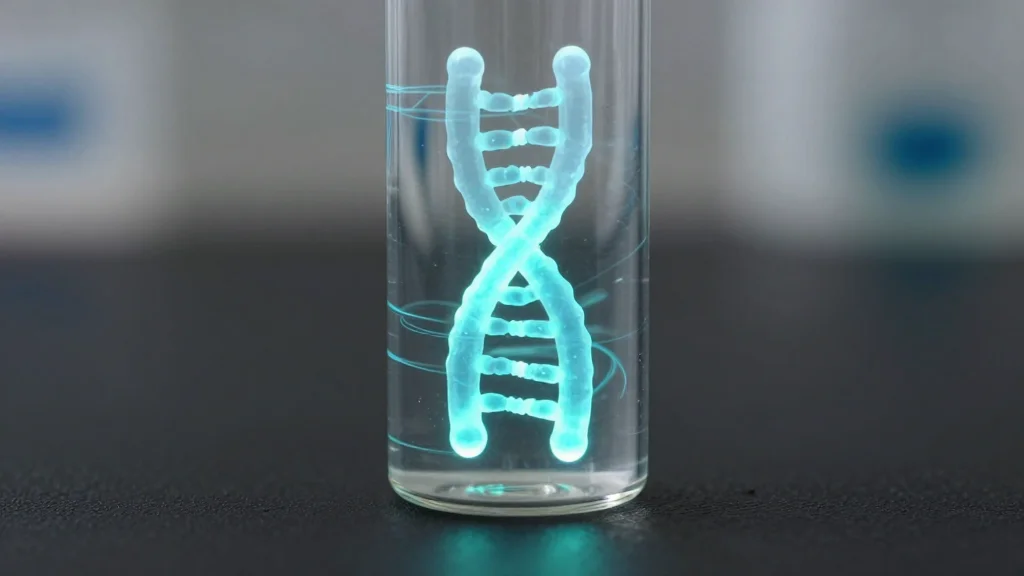
Designing Proteins by Their Motion, Not Just Their Shape
MIT researchers unveiled VibeGen, an AI diffusion model that designs proteins by specifying desired motion rather than static structure. The system pairs a designer AI that proposes amino‑acid sequences with a predictor AI that evaluates whether the sequences exhibit the target vibrational profile, iterating until the dynamics match. Simulations show the generated de novo proteins flex exactly as intended, revealing functional degeneracy where many unrelated sequences can share the same motion. The breakthrough opens pathways for therapeutics and bio‑based materials that rely on precise molecular mechanics.
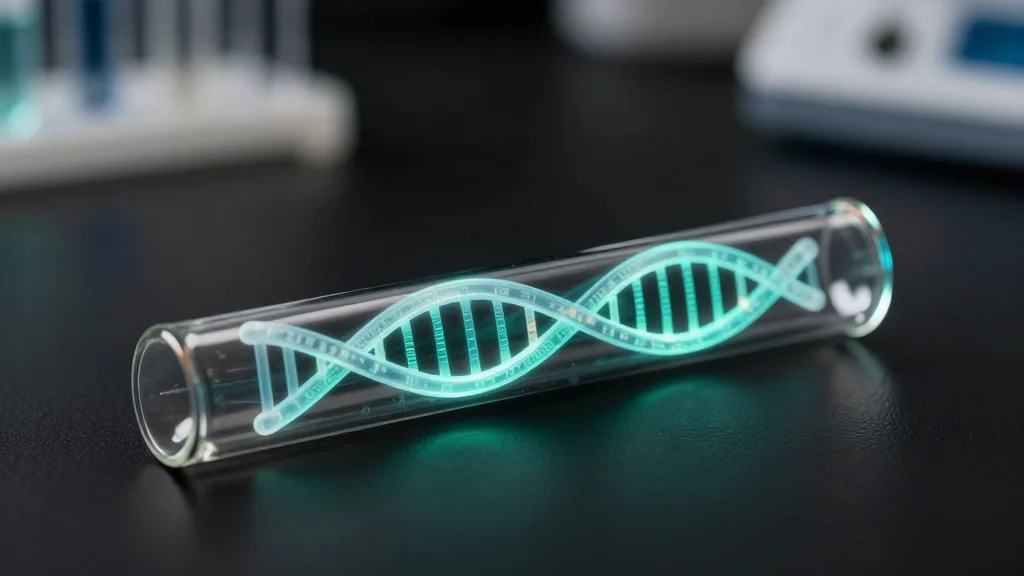
New Synthetic Origin of Replication Lets Multiple Plasmids Coexist in One Bacterial Cell
Rice University researchers have engineered a synthetic origin of replication that lets scientists control plasmid copy number and avoid incompatibility by using custom RNA control elements. The modular design was validated by co‑expressing six different plasmids in a single bacterial...
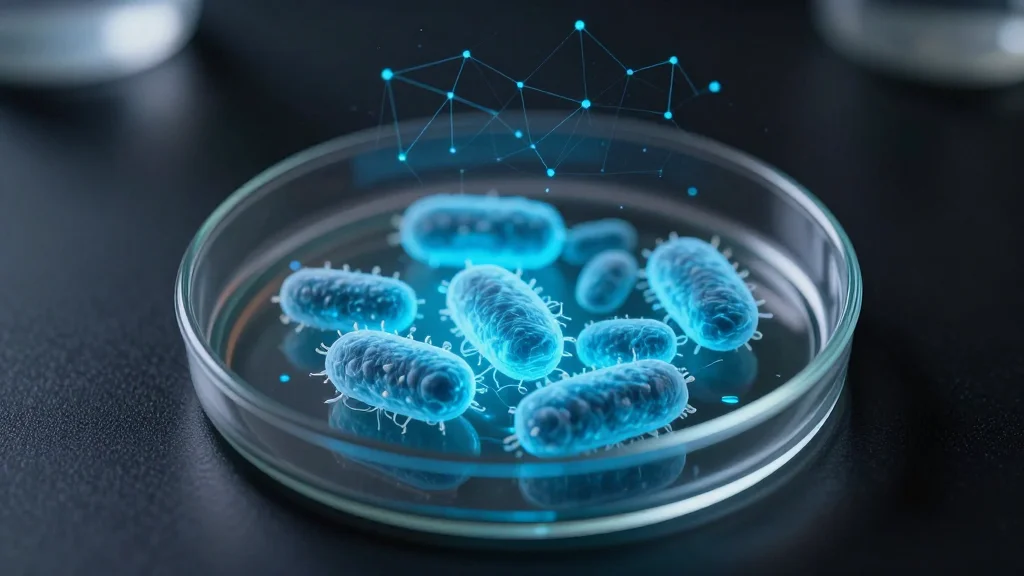
AI Tool Can Screen Unknown Bacteria for Disease-Linked Genes, Moving Closer to Preventing Pandemics
Researchers at Denmark's DTU unveiled PathogenFinder2, an AI system that screens unknown bacteria for disease‑linked genes using protein language models. Trained on over 21,000 genomes, the tool predicts pathogenic potential even for species with no known relatives and highlights the...
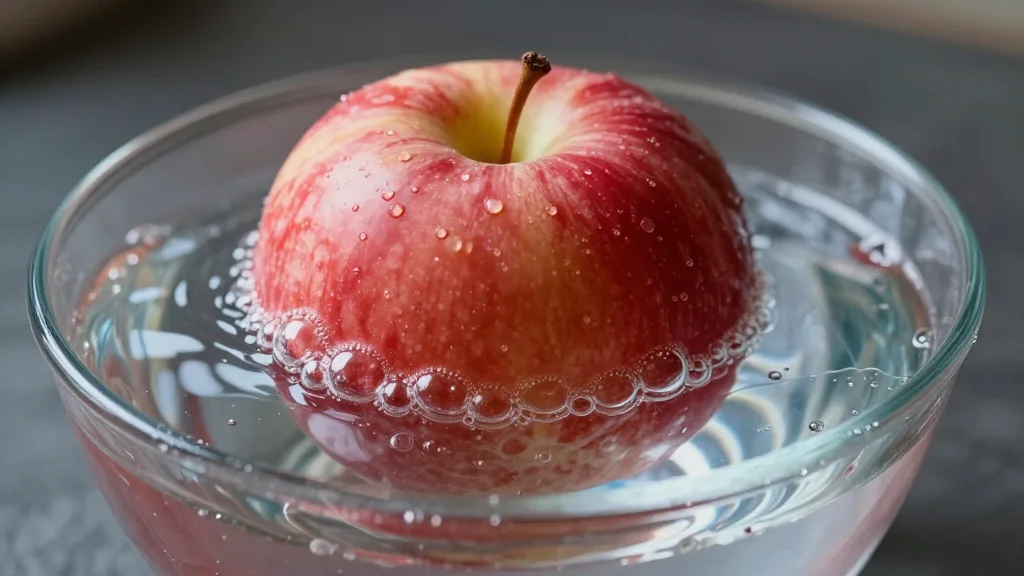
Tiny Bubbles, Sound Waves Clean Produce Safely and Effectively
Researchers at Cornell University have demonstrated that immersing fruits and vegetables in a water bath with tiny bubbles and a low‑frequency acoustic tone dramatically improves cleaning performance. The resonating bubbles act like microscopic scrubbers, achieving roughly 90% greater soil removal...
One-Pot Process Could Convert Sugarcane Waste to Jet Fuel
Researchers at the University of Queensland and IIT Delhi have demonstrated a one‑pot process that converts sugarcane bagasse into bioethanol using a deep eutectic solvent (DES). The DES pretreatment bypasses toxic acids, eliminates water‑intensive washing, and preserves enzymes for fermentation....
Deep Learning Counts River Herring Across Three Massachusetts Rivers, Matching Human Estimates
Researchers from Woodwell, MIT, and Intuit deployed underwater cameras and a deep‑learning pipeline to count river herring in three Massachusetts rivers. The system analyzed 1,435 video clips and 59,850 annotated frames, producing automated counts that matched traditional human estimates. In...
New Antibiotic Alternative Fights Foodborne Salmonella
Researchers in China isolated bacteriophage W5 from wastewater and demonstrated its ability to lyse antimicrobial‑resistant Salmonella and disrupt biofilms on milk, meat, eggs, and processing surfaces. The phage proved stable across diverse pH and temperature conditions and lacks virulence or...
RNA-Guided CRISPR System Activates Gene Expression
Researchers at Purdue and Columbia unveiled a naturally evolved CRISPR‑Cas12f variant that activates genes instead of cutting DNA. Two companion Nature papers detail the system’s biology and its near‑atomic cryo‑EM structure, showing how a dCas12f–σE–RNAP complex recruits RNA polymerase to...
Low-Cost Sensor System Could Warn Farmers of Salt Stress in Plants
Researchers at Penn State have built a low‑cost “electronic nose” that monitors volatile organic compounds (VOCs) emitted by crops to detect salt stress. Using metal‑oxide semiconductor sensors priced under $1, the system achieved up to 99.15% accuracy in distinguishing healthy,...

Bioelectronic Platform Enables Precise H₂S Delivery to Cells, Turning a Toxic Gas Into a Therapeutic Tool
Researchers at KAIST have created a bioelectronic platform that generates hydrogen sulfide (H₂S) on demand by applying electricity to harmless thiosulfate ions. The system uses a silver electrode to achieve high-efficiency electrosynthesis, allowing voltage and timing to fine‑tune H₂S concentration...
Single-Cell Imaging and Machine Learning Reveal Hidden Coordination in Algae's Response to Light Stress
Researchers from Parisian institutions created an automated fluorescence microscope coupled with machine‑learning algorithms to dissect three non‑photochemical quenching (NPQ) components in single *Chlamydomonas reinhardtii* cells. By training on mutant strains that express only one NPQ component, the system projects any...

What's that Critter? New Tech Guidelines Can Help Ensure We Get the Right Answer
Biologist Julie Allen, fresh from winning the 2024 XPRIZE Rainforest for surveying 100 hectares in 24 hours, helped draft nine guidelines to standardize biodiversity monitoring. The recommendations, published in PNAS, aim to harmonize data collection across AI‑driven image and sound...
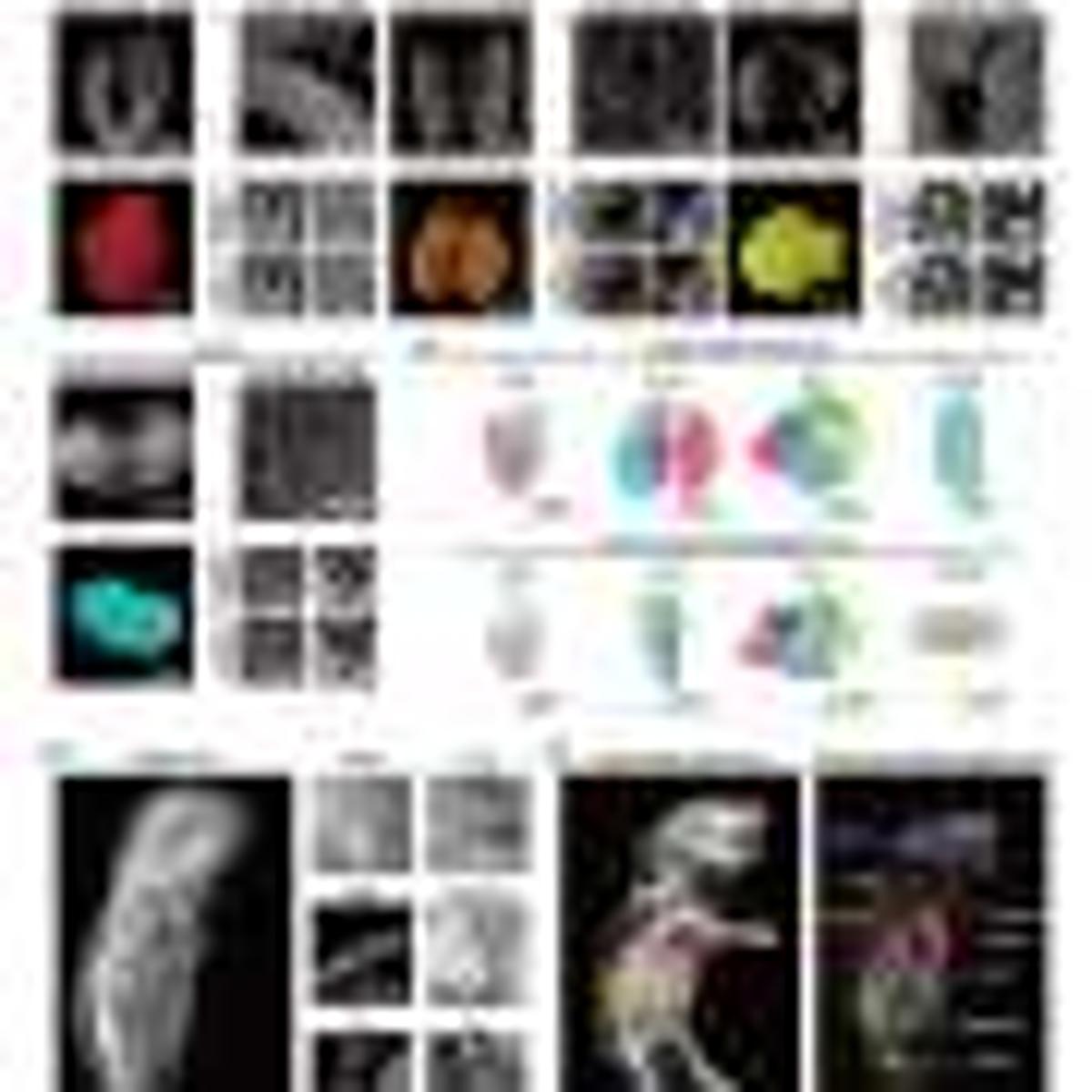
From Slices to Whole Bodies: How 3D Cell Atlases Could Reshape Pathology Research
Researchers at the University of Tokyo have built a comprehensive three‑dimensional cell atlas—called the CUBIC Organ/Body Atlas—covering every cell in whole organs and the entire neonatal mouse body. By refining the CUBIC tissue‑clearing method and pairing it with high‑resolution light‑sheet...
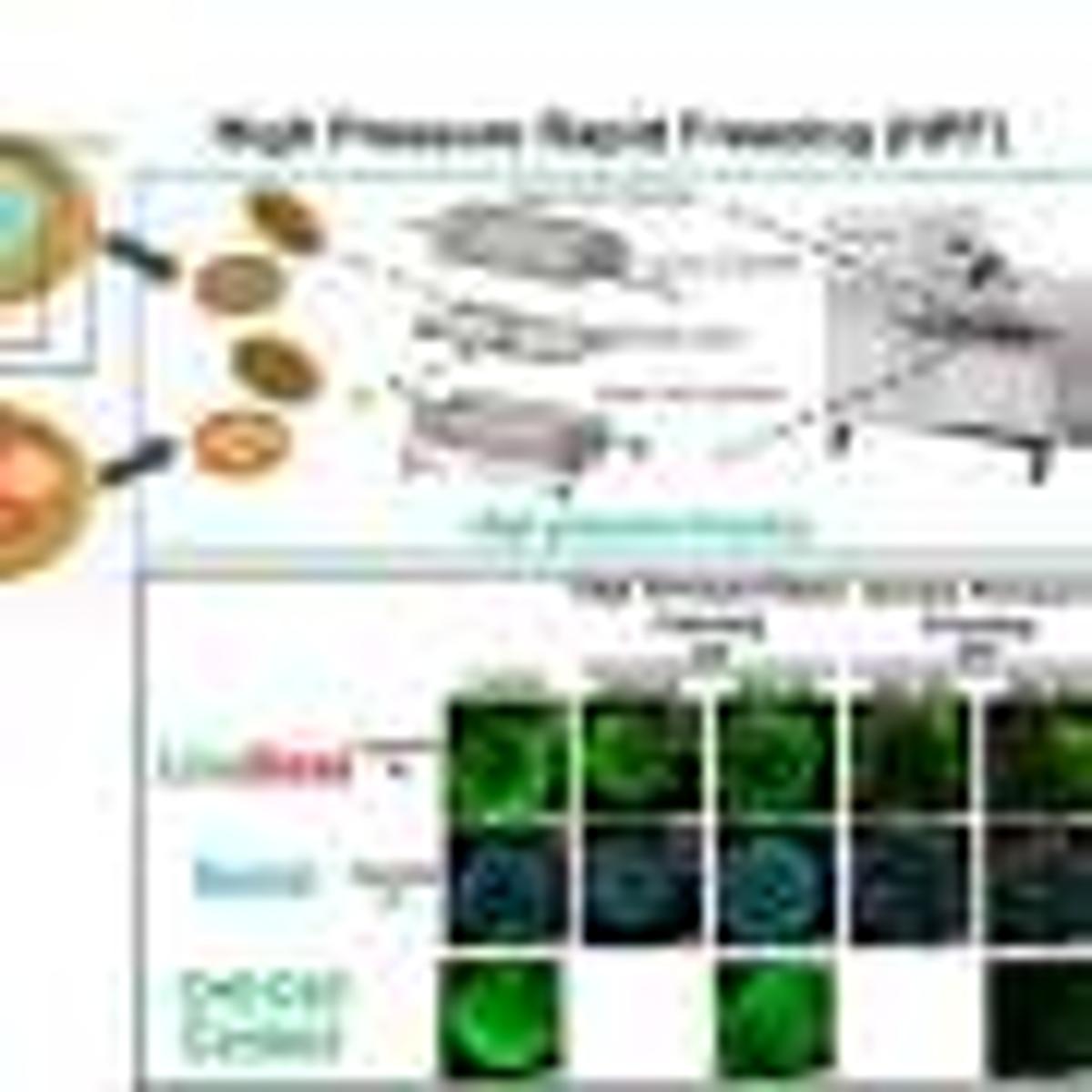
High-Pressure Freezing Boosts Cell Survival with Less Cryoprotectant, Study Shows
Researchers at the University of Tokyo demonstrated that high‑pressure freezing (HPF) enables vitrification of cells with only 20‑30% cryoprotective agents, down from the typical 30‑50%. Compared with conventional normal‑pressure vitrification, HPF‑treated samples showed higher viability, metabolic activity, and virtually no...
Engineered E. Coli Can Monitor Arsenic, Offering a Cheap Biosensor
Researchers at Cornell have engineered Escherichia coli to act as a whole‑cell biosensor that records arsenic exposure. The system uses Cre‑lox recombination to permanently mark DNA when arsenic is present, producing a fluorescent signal detectable after up to 12 bacterial...
CryoPRISM: A New Tool for Observing Cellular Machinery in a More Natural Environment
MIT researchers have introduced cryoPRISM, a purification‑free cryo‑EM workflow that images ribosomes directly from freshly lysed cells, preserving near‑native interactions. The method revealed that the elongation factor EF‑G can bind to ribosomes already blocked by the hibernation protein RaiA, a...

Field-Portable Assays Help Scientists Study and Explore Caves
A new study published in Applied and Environmental Microbiology shows that field‑portable nucleic‑acid extraction and sequencing tools can analyze cave microbiomes in near real‑time, matching laboratory accuracy. Researchers sampled hundreds of soil, water, air and fecal specimens across five U.S....
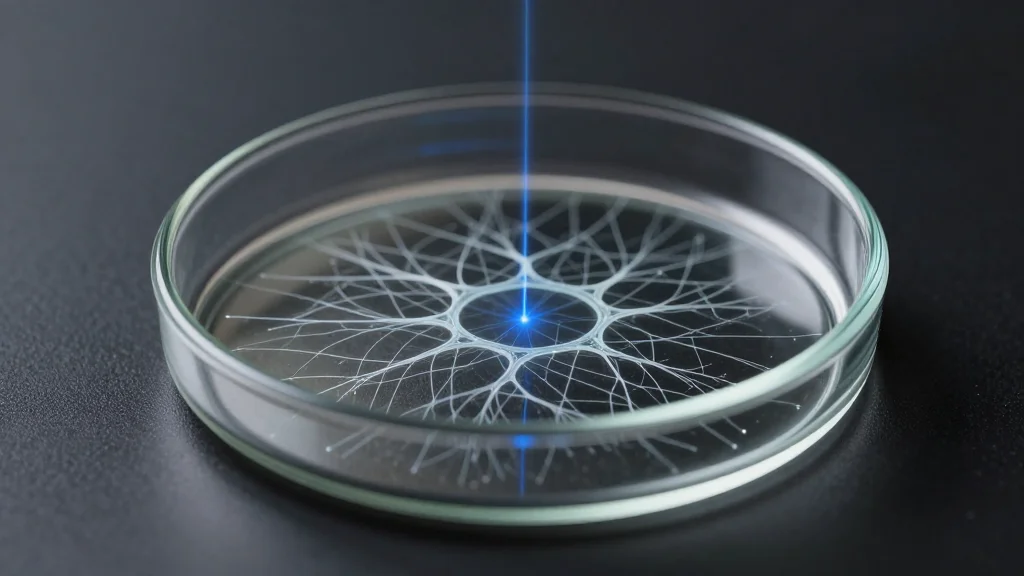
Light-Based Technique Creates Artificial Structures that Mimic the Scaffolding of Cells
Researchers at RIKEN have introduced a laser‑based optogenetic system that prints three‑dimensional actin networks directly onto lipid bilayers, effectively acting as a 3‑D printer for cytoskeletal scaffolds. By adjusting light intensity, pulse length, and pattern, they can independently control network...

How DICER Cuts microRNAs with Single-Nucleotide Precision
HKUST researchers have uncovered how human DICER achieves single‑nucleotide precision when cleaving microRNA precursors. Using high‑resolution cryo‑EM, they visualized DICER’s interaction with RNA and identified two distinct 5′‑end binding pockets—one favoring uridine and a newly discovered pocket favoring guanosine. The...
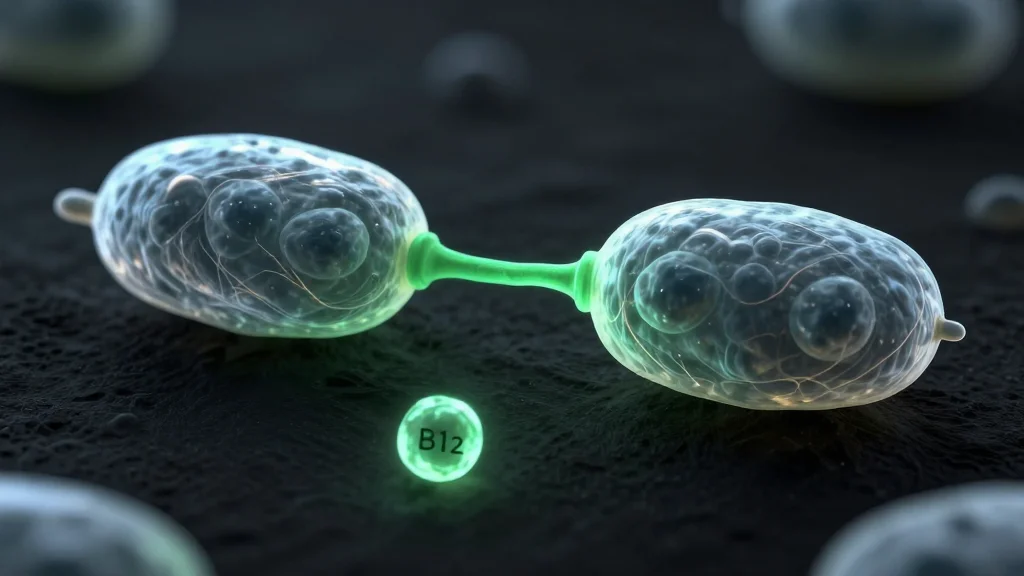
Chemo-Optogenetic Tool Uses Vitamin B₁₂ and Green Light to Precisely Regulate Cell Communication
Researchers at HKUST have created CarGAP, a chemo‑optogenetic system that couples vitamin B₁₂ binding with green‑light activation to toggle gap junctions on and off. In the dark, vitamin B₁₂ induces oligomerization of a bacterial CarHC domain, physically blocking connexin or innexin channels;...

Magnetic Fields Guide Lab-Grown Blood Vessels Into Precise Patterns for Drug Testing
Researchers at the Institute of Physical Chemistry (IPC PAS) and the University of Warsaw have created a magnetic‑field‑driven system that arranges endothelial‑cell‑coated microparticles into predefined lattices, prompting the growth of microvascular networks with precise architecture. By using super‑paramagnetic beads and micromagnets,...

Molecular Enhancements Help Plants Light up when They're Under Attack
Researchers at the MRC Laboratory of Medical Sciences have engineered plants to glow when their immune systems are activated, using a bioluminescent pathway from mushrooms linked to the plant hormones salicylic and jasmonic acid. The genetically modified Nicotiana benthamiana and...

New DNA Base Editor Minimizes Bystander Edits While Maintaining High Efficiency
Researchers at UC San Diego have engineered a minimally evolved adenine base editor (ME‑ABE) that dramatically cuts bystander DNA edits while preserving the high on‑target efficiency of newer ABE8 variants. By reverting five specific mutations in the older ABE7.10 scaffold,...
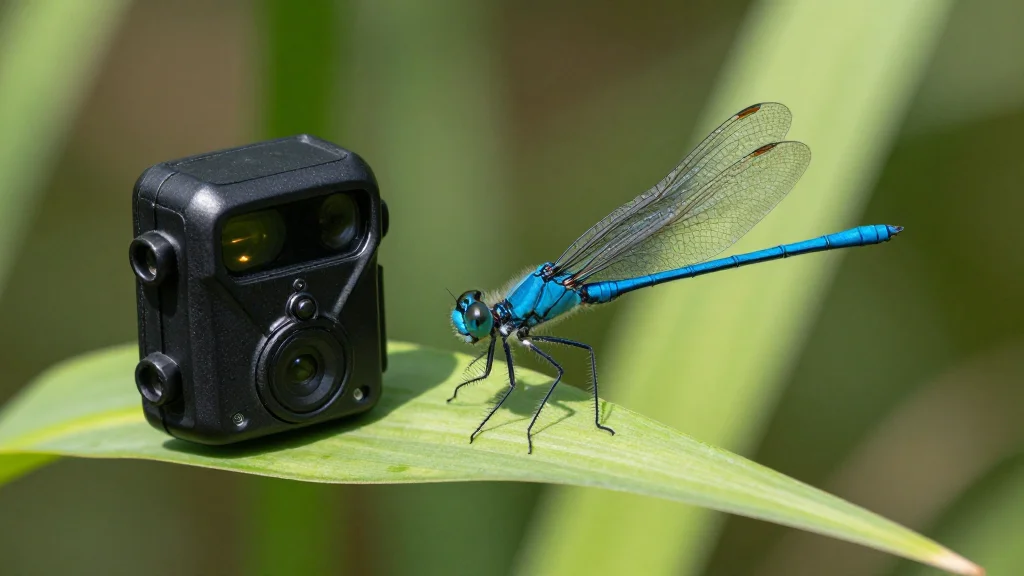
Global Insect Rescue Plan Requires New Technology to Ensure Success
A new study in Conservation Letters finds that the 23 biodiversity targets of the Global Biodiversity Framework could reverse insect declines if met, but current metrics lack insect‑specific sensitivity. Researchers highlight that only dragonflies and damselflies have been fully assessed...

Protein Sequencing Advance Offers New Insights Into Life's Foundations
Stanford bioengineers have unveiled a "reverse translation" chemistry that tags amino acids with DNA barcodes, allowing existing high‑throughput DNA sequencers to read protein sequences. The method achieves single‑molecule sensitivity, potentially analyzing thousands of cells and detecting proteins a thousand times...
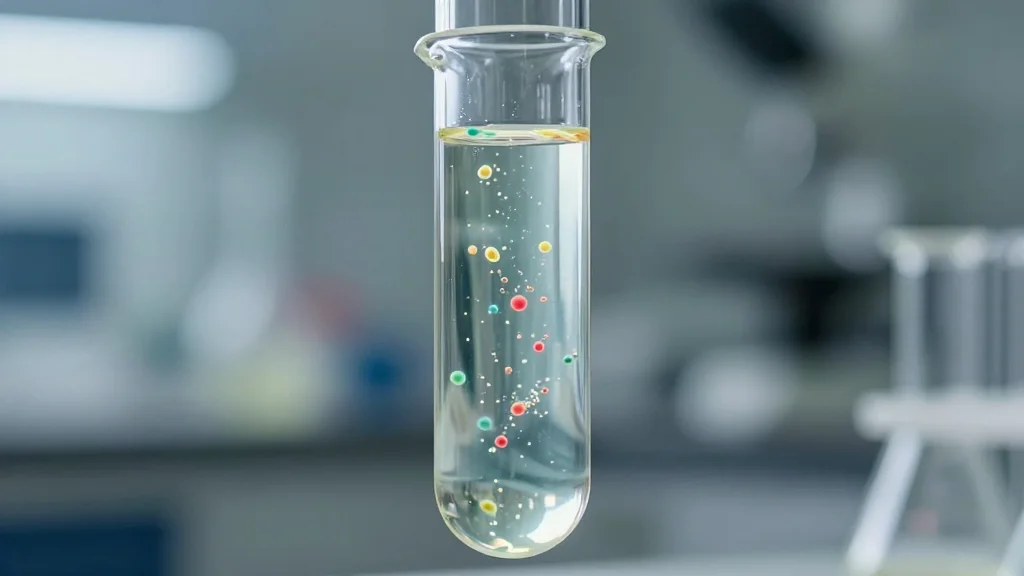
Engineered Anhydrobiotic Cells Detect Odors After Years of Dry, Room-Temperature Storage
Researchers at Japan’s National Agriculture and Food Research Organization engineered an anhydrobiotic Pv11 cell line to express the fruit‑fly odorant receptor Or47a and calcium‑sensitive reporter GCaMP6f. The resulting Pv11‑00443‑Or47a cells kept the insect’s extreme desiccation tolerance, enabling dry storage at...

Computational Bio Tool Automates and Standardizes Genome Sequencing Analysis
Scientists at Sanford Burnham Prebys and UCLA unveiled metapipeline‑DNA, a new computational tool that automates quality control, variant calling, and reporting for large‑scale genome sequencing. The pipeline processes roughly 100 GB per human genome and can scale to hundreds of samples,...
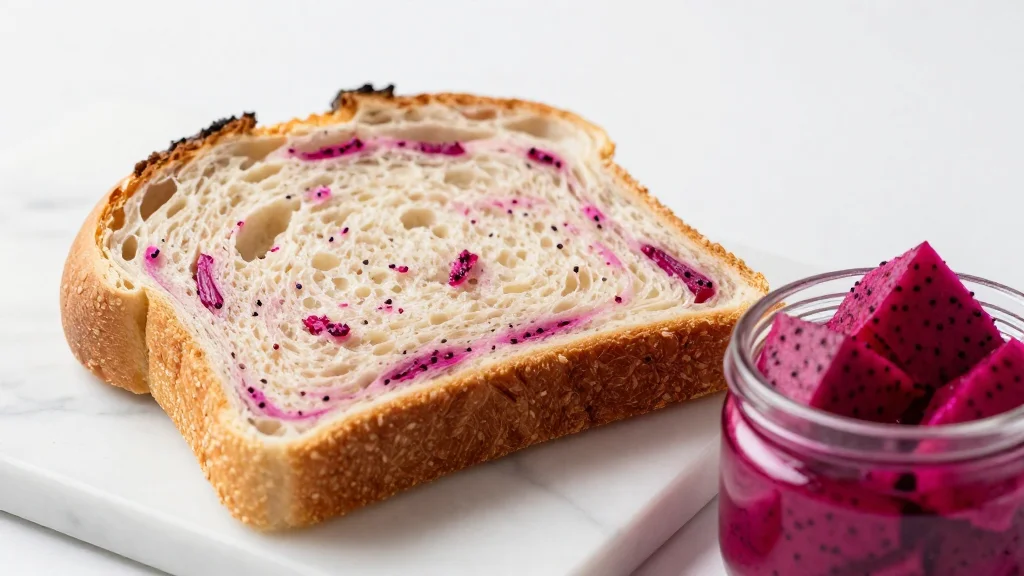
Scientists Show Dragon Fruit Peel Extract Boosts Bread Nutrition and Lowers Glycemic Potential
Researchers at the National University of Singapore have demonstrated that a purified betacyanin‑rich extract from red dragon fruit peel can be incorporated into wheat bread at a 0.75% level, enhancing antioxidant activity and slowing starch digestion. The fortified loaf maintains...
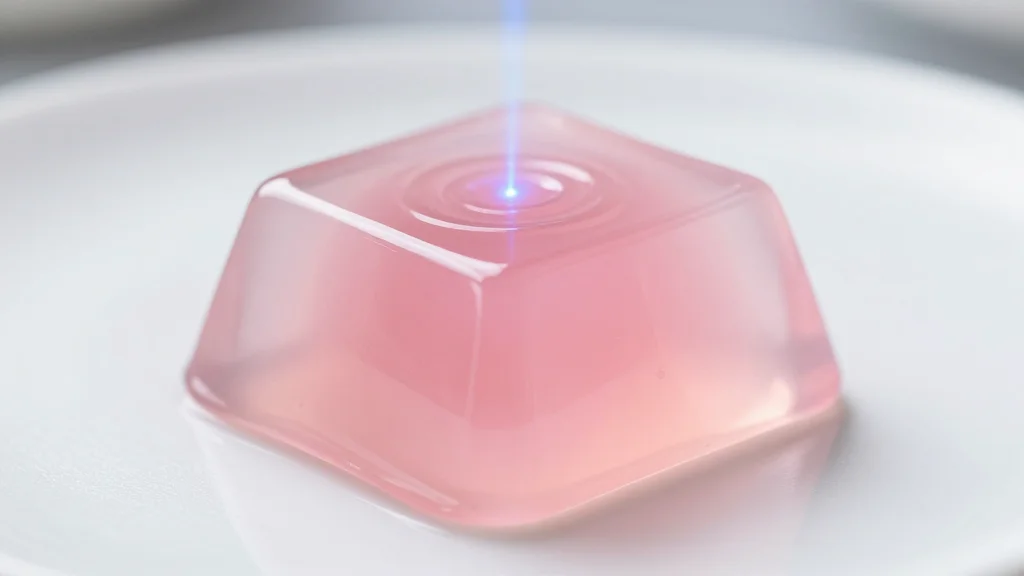
Light-Controlled Hydrogel Mimics Soft Human Tissue for More Realistic Cell Studies
Researchers at the University of Colorado Boulder have created a light‑controlled hydrogel that closely replicates the softness and viscoelastic behavior of human tissue. The material can be solidified or softened on demand using photopolymerization, allowing precise spatial control during 3‑D...
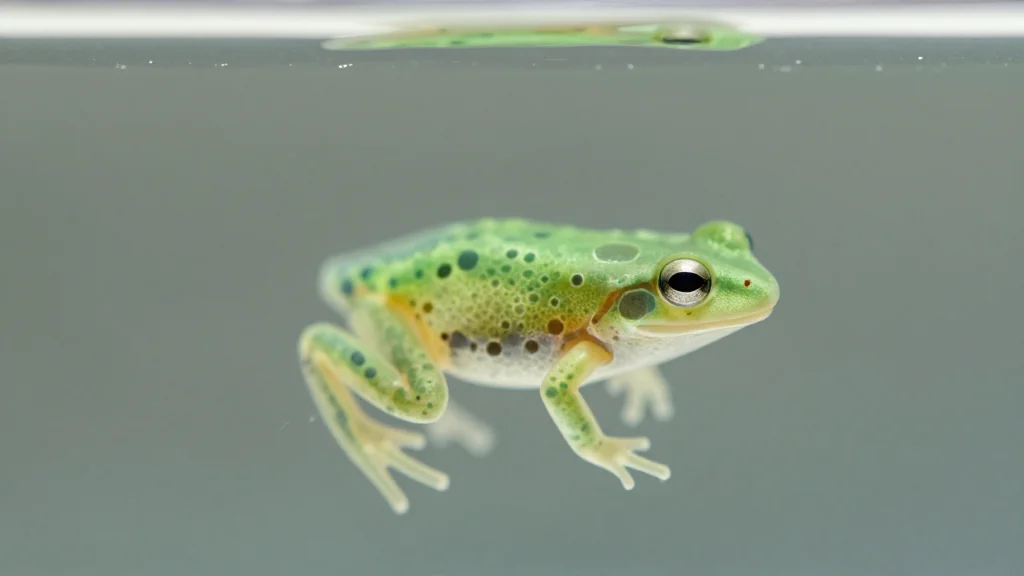
Frog-Cell 'Neurobots' Grow Self-Organized Nervous Systems and Alter Gene Activity
Researchers at the Wyss Institute have created the first “neurobots,” living robots built from frog embryonic cells that incorporate neuronal precursor cells to form self‑organizing nervous systems. The neurobots develop mature neurons that connect internally and extend processes to surface...
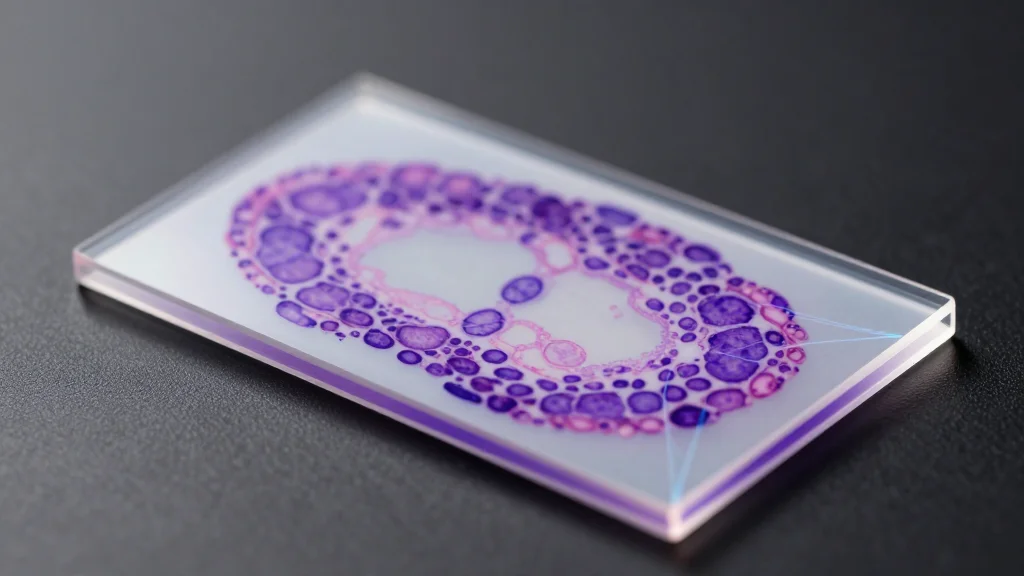
Computational Model Predicts Telomere Length From Routine Biopsy Slide Images
Researchers at Sanford Burnham Prebys unveiled TLPath, a machine‑learning model that infers telomere length from routine histopathology slides. The system was trained on 5,263 whole‑slide images covering 18 organs from 919 individuals and can predict telomere shortening in 11 tissue...

Horse IVF Milestone in Florida: Frozen-Thawed Sperm Fertilizes an Egg
University of Florida researchers have achieved the first successful in‑vitro fertilization of a horse egg using frozen‑thawed sperm. The study showed that frozen‑thawed stallion sperm, after undergoing stress‑induced capacitation, fertilized the oocyte more effectively than fresh or chilled sperm. This...
Bacterial Strain Breaks Decades-Old Bottleneck in Chemotherapy Drug Manufacturing
An international research team has engineered a bacterial strain that boosts doxorubicin output by 180% compared with current industrial methods, overcoming three long‑standing bottlenecks—insufficient redox partners, drug‑binding “sponge” proteins, and suboptimal enzyme positioning. The findings, published in Nature Communications, detail...

Fantastic Fungi Found with Ability to Freeze Water
An international team led by Virginia Tech researchers identified fungal proteins that act as ice nucleators at relatively high subzero temperatures. The proteins, encoded by a gene likely acquired from bacteria, could replace toxic silver iodide in cloud‑seeding operations. Because...
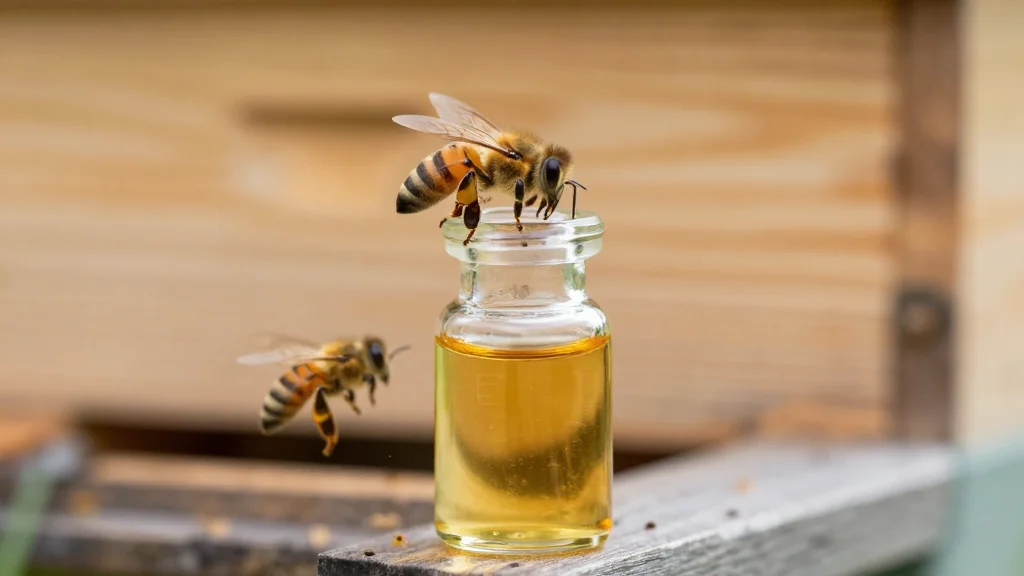
Pollen-Replacing Feed Strengthens Honey Bee Colonies, Long-Term Study Confirms
A large‑scale field trial led by Washington State University tested APIX Biosciences' nutritionally complete pollen‑replacing feed across five commercial beekeeping operations in California and Idaho. Colonies receiving the feed showed dramatically lower winter mortality—dropping from 28.8% to 15%—and emerged from...

Wood Surface Treatment Fights Harmful Bacteria
A University of Helsinki team compared bacterial colonisation on untreated versus treated wood surfaces, focusing on Staphylococcus epidermidis and Pseudomonas aeruginosa. Laboratory experiments showed higher counts and viability on raw wood, while field trials in public spaces confirmed the trend....
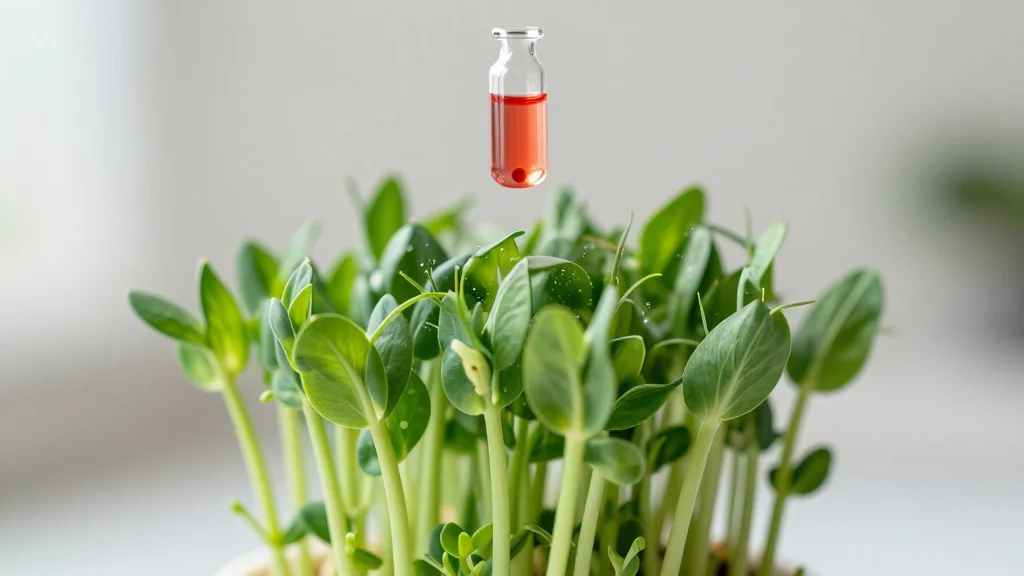
Fortified Salad Packs a Healthy Punch to Meet a Growing Vitamin B12 Need
A research‑industry partnership has used aeroponic indoor farming to fortify pea shoots with vitamin B12, delivering the full recommended daily allowance in a 15‑gram serving. The fortified shoots maintain B12 stability during cold storage and are bioavailable in simulated digestion tests....
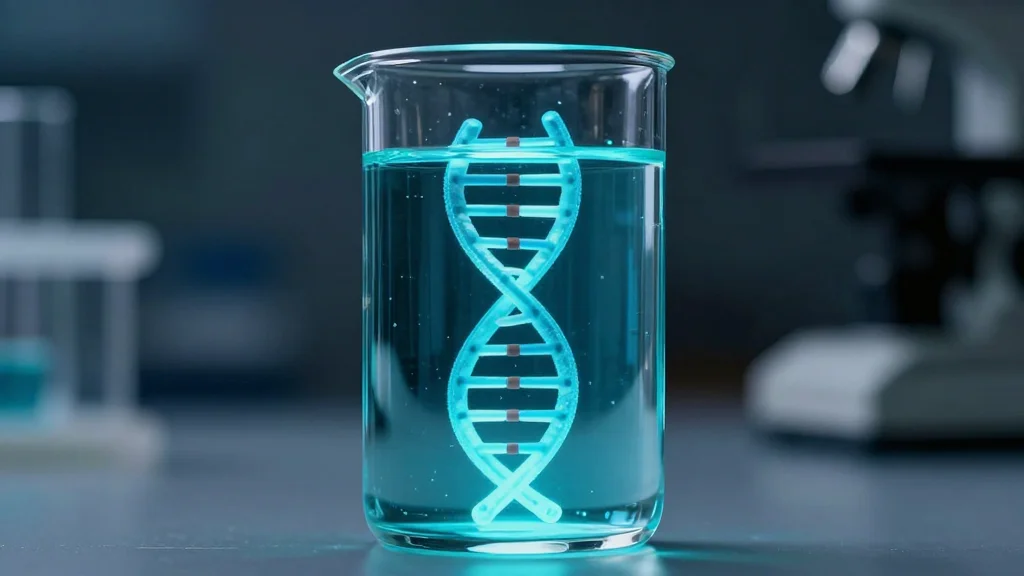
Researchers Use AI to Develop RNA-Based Synthetic NAND Switch in Living Cells
Researchers at TU Darmstadt have engineered the first RNA‑based synthetic NAND gate by linking two riboswitches that respond to distinct ligands. Using high‑throughput screening combined with a deep‑learning‑driven Bayesian optimization loop, they evaluated only 82 variants to isolate sequences that exhibit...
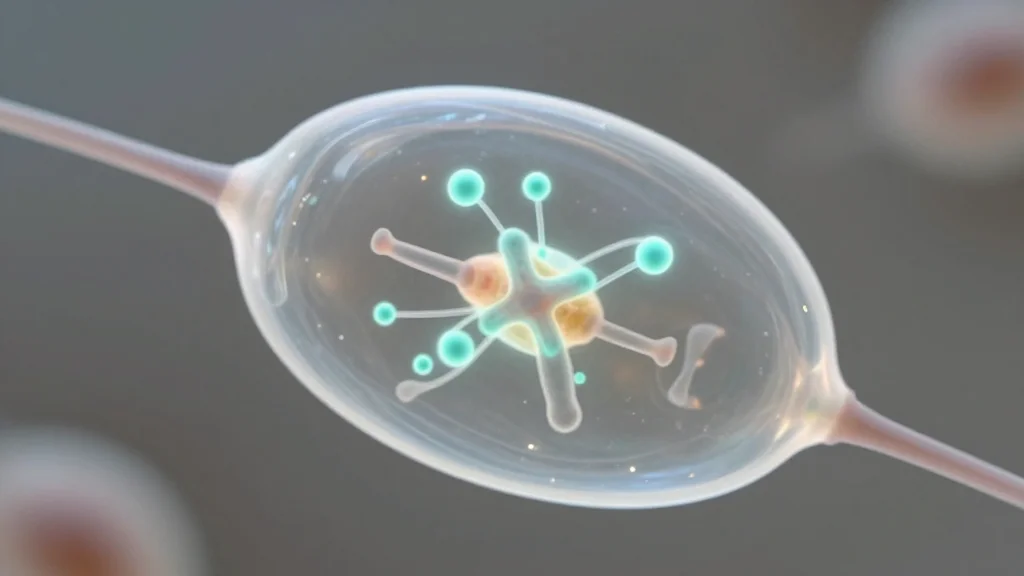
Artificial Kinetochores Take the Pressure Off Aging Chromosomes During Meiosis
Researchers at RIKEN have engineered protein‑based artificial kinetochores that compete with natural chromosome kinetochores for microtubule attachment during meiosis. By lowering the overall pulling force, these constructs keep weakened chromosome pairs together in aged mouse oocytes, restoring accurate DNA segregation....

3D-Printed Rattlesnake Reveals How the Rattle Is a Warning Signal
University of Texas at El Paso researchers built a lifelike 3D‑printed robotic rattlesnake to test how zoo animals react to rattling. In controlled trials, 38 species showed heightened avoidance when the rattle sounded, especially those that naturally share the snake’s range....
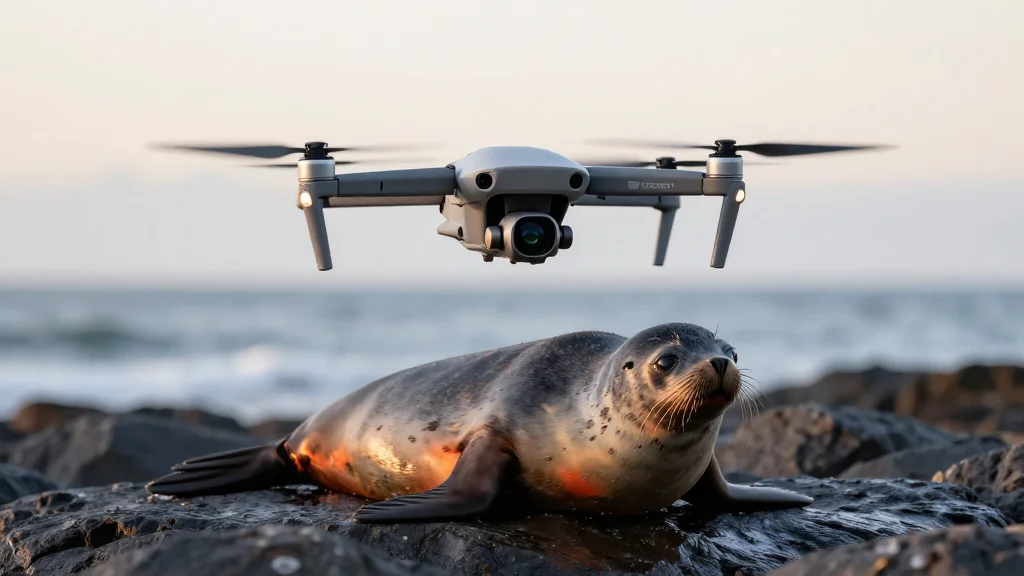
Thermal Drones Boost Detection of Entangled Seals
Researchers at Monash University and Phillip Island Nature Parks have demonstrated that thermal‑infrared drones can reliably spot marine‑debris entanglements in Australian fur seals. In 54 surveys, 81% of dual‑RGB + TIR detections showed a clear heat signature, with 95% agreement among human...

One Gene Makes the Difference: Breeding Winter-Hardy Faba Beans
An international team led by the IPK Leibniz Institute identified a single genetic locus that controls winter hardiness in faba beans. By improving the reference genome and analyzing over 400 spring and winter lines, researchers pinpointed a CBF/DREB transcription factor...

AI-Enabled Quantum Refinement Cracks the Code of Difficult-to-Map Proteins
A new tool called AI‑enabled Quantum Refinement (AQuaRef) merges quantum‑mechanical calculations with machine‑learning to refine protein structures. Developed by Lawrence Berkeley National Lab and Carnegie Mellon, it is integrated into the Phenix software suite used worldwide. In tests on 71...
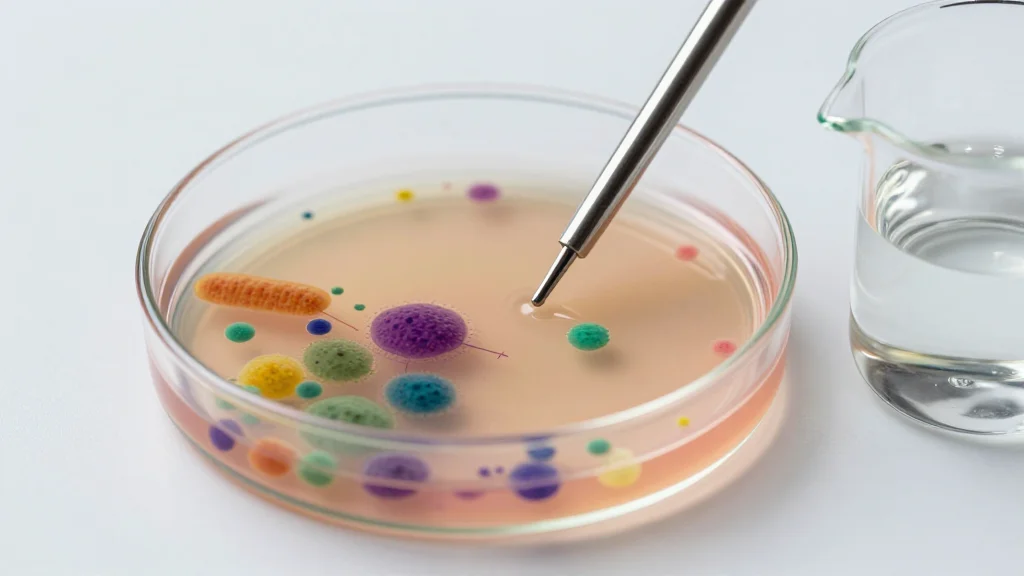
Antibiotic Resistance Can Vary Depending on Where the Bacteria Live
Researchers at the Technical University of Denmark discovered that antibiotic resistance measurements can shift dramatically when test conditions change. Standard laboratory assays use fixed, uniform environments, but altering factors such as growth medium or temperature can make the same bacterium...
Gene Edit Makes Probiotic Safer for Immunocompromised Patients
An international team genetically deleted the ENA1 gene from Saccharomyces boulardii, a common probiotic yeast. In immunosuppressed mice, the ENA1‑deficient strain showed no mortality, raising survival from 30‑40% to 100% compared with wild‑type isolates. The edit also reduced osmotic stress...
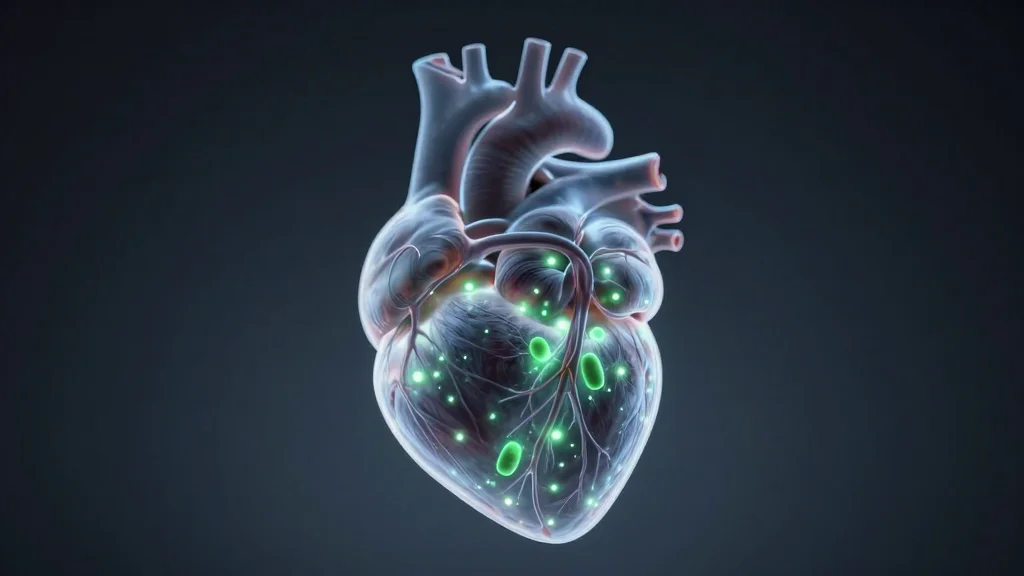
CRISPR-Based Technique Unlocks Healing Power of Mitochondria for Heart Failure Therapy
Researchers at Rice University and Baylor College of Medicine used a non‑editing CRISPR system to activate the PPARGC1A gene, boosting mitochondrial production in human cardiomyocytes. The technique safely increased cellular energy output, as shown by higher oxygen consumption in cell...

Why Simulating an Entire Cell Cycle Took Years, Multiple GPUs and Six Days per Run
University of Illinois researchers led by Zan Luthey‑Schulten have built a three‑dimensional kinetic model of the minimal bacterium JCVI‑syn3A that simulates an entire 105‑minute cell cycle. By assigning DNA replication to a dedicated GPU and running other cellular dynamics on...
Simultaneously Decoding the Transcriptome, Epigenome and 3D Genome Within a Single Cell
The team led by Inkyung Jung and Yarui Diao introduced scHiCAR, a trimodal single‑cell technology that simultaneously captures transcriptome, epigenome, and 3D genome architecture. By integrating AI, the method achieves ultra‑high throughput at roughly $0.04 per cell and was used...
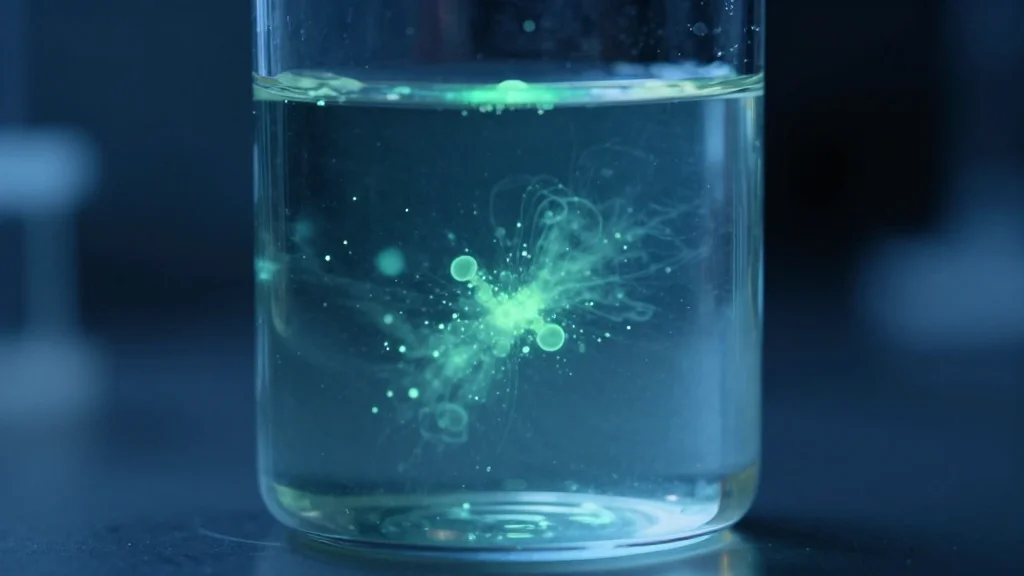
Methanol-Tolerant Microbial Strain Could Make Sustainable Biomanufacturing More Economically Viable
A UNIST research team engineered a methanol‑tolerant *Methylobacterium extorquens* strain that grows 1.7 times faster than conventional microbes at 2.5 % methanol. Using adaptive laboratory evolution, they identified recurring mutations in the metY and kefB genes that boost detoxification and energy...
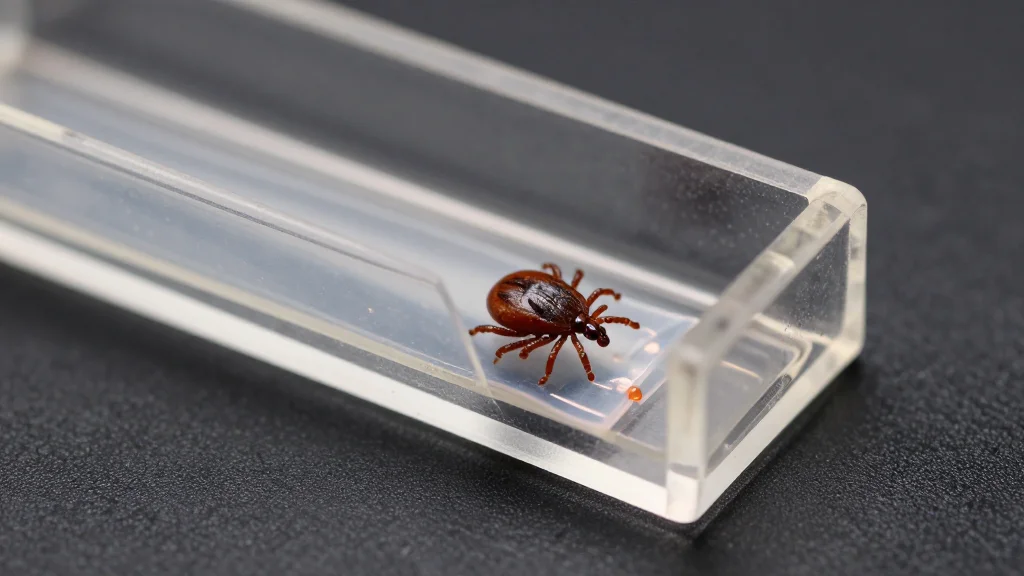
Artificial Feeding Platform Transforms Study of Ticks and Their Diseases
Researchers at the University of Melbourne have unveiled the world’s first laboratory‑based, host‑free feeding platform for the Asian longhorned tick (Haemaphysalis longicornis). The silicone‑membrane system, using defibrinated cattle blood, supports full feeding and reproduction without live animal hosts. This breakthrough...