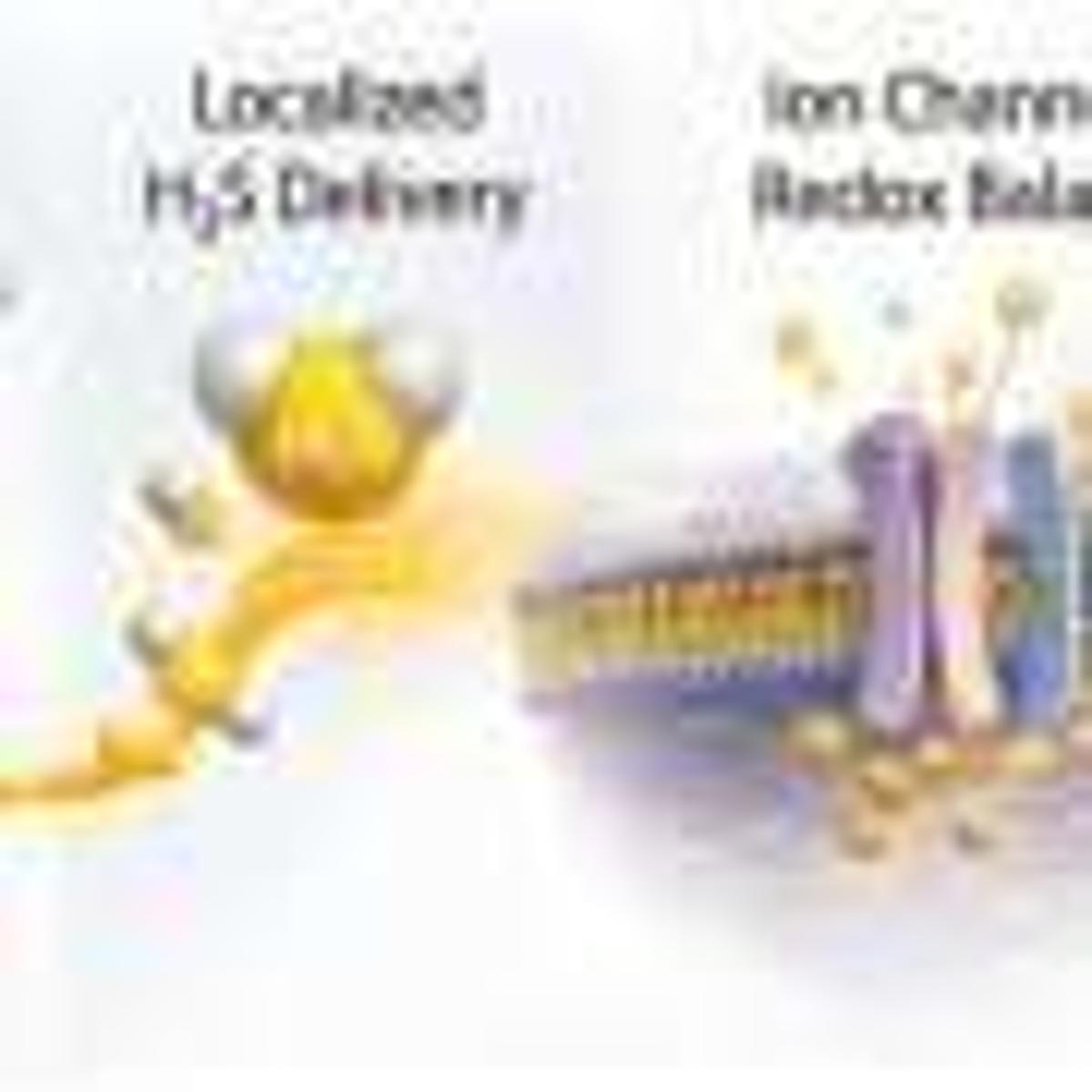
Bioelectronic Platform Enables Precise H₂S Delivery to Cells, Turning a Toxic Gas Into a Therapeutic Tool
Why It Matters
By turning a traditionally toxic gas into a programmable drug, the technology could enable targeted treatments for neurological and cardiovascular disorders while reducing systemic side effects.
Key Takeaways
- •Electrical control enables precise H₂S dosing.
- •Silver electrode offers highest H₂S electrosynthesis efficiency.
- •Platform restores redox balance in oxidative stress cells.
- •Potential for neurology and cardiovascular precision therapies.
- •Minimal cytotoxicity observed in human-derived cell tests.
Pulse Analysis
Hydrogen sulfide, once infamous for its rotten‑egg odor, has emerged in recent years as a critical gaseous signaling molecule that regulates protein function and cellular redox states. Traditional delivery methods—often involving chemical donors—suffer from poor spatial control and unpredictable dosing, limiting clinical translation. The KAIST team’s bioelectronic platform sidesteps these hurdles by converting thiosulfate, a biologically inert precursor, into H₂S through a simple electrochemical reaction, effectively turning an electrical switch into a biochemical one.
The core of the system is a silver electrode, identified after screening multiple metals for selectivity and electron‑transfer efficiency. By adjusting voltage amplitude and electrolysis duration, researchers can modulate both the amount and release profile of H₂S with sub‑second precision. This level of control mirrors digital circuitry, offering a reproducible, on‑demand therapeutic payload that can be synchronized with real‑time physiological cues. Moreover, the use of thiosulfate eliminates the need for hazardous gas handling, enhancing safety for both patients and clinicians.
Clinically, the ability to deliver H₂S precisely opens doors to novel interventions for diseases where oxidative stress and ion‑channel dysregulation play pivotal roles, such as chronic pain, ischemic heart disease, and neurodegeneration. The platform’s demonstrated efficacy in human‑derived HEK293 T cells—restoring redox balance and modulating TRPA1 channels without cytotoxicity—suggests a viable pathway toward implantable or wearable devices for continuous health monitoring and therapy. As the biotech industry seeks more programmable, patient‑specific solutions, this electro‑bio‑technology could become a cornerstone of next‑generation digital therapeutics.
Bioelectronic platform enables precise H₂S delivery to cells, turning a toxic gas into a therapeutic tool
Comments
Want to join the conversation?
Loading comments...