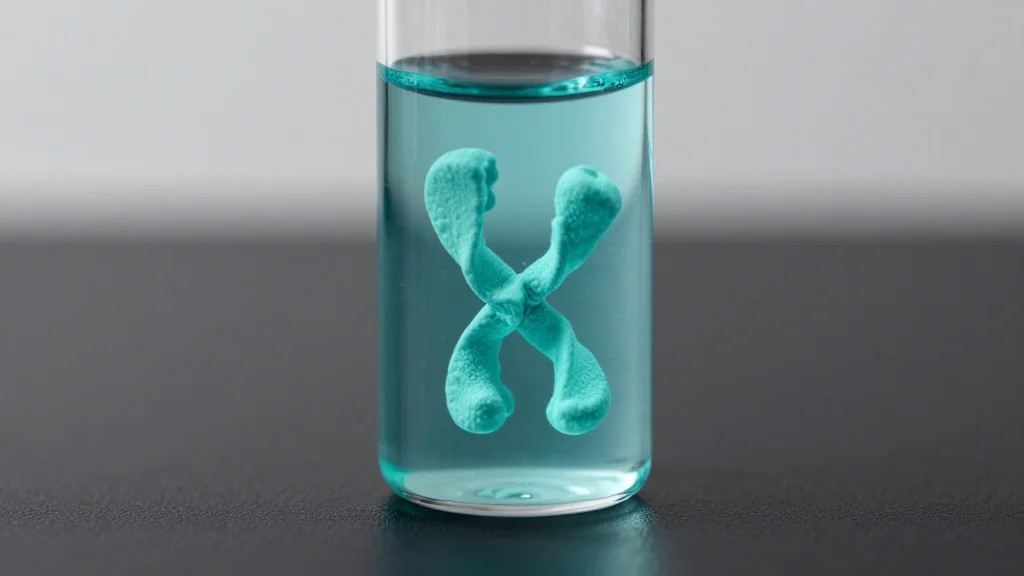
From Lockdown to the Lab: Researcher Develops 'Decoy Molecule' To Slow Down Coronavirus
Why It Matters
The study provides a concrete chemical scaffold that can accelerate the development of antivirals targeting viral immune‑evasion mechanisms, a priority for pharmaceutical pipelines worldwide.
Key Takeaways
- •Rijpkema created decoy molecules that out‑bind coronavirus Mac1 enzyme
- •Design relied on trial‑and‑error synthesis, not computational models
- •Another group published similar results, prompting focus on synthetic methodology
- •Decoy molecules act as research tools, not direct therapeutics
- •Findings give pharma a blueprint to target viral immune‑evasion enzyme
Pulse Analysis
The pandemic forced many researchers into remote work, but laboratory‑bound scientists like Koen Rijpkema seized the moment to tackle the virus at its molecular core. He zeroed in on Mac1, an enzyme that strips ADP‑ribose from host signaling proteins, effectively silencing the immune alarm. By crafting molecules that resemble the natural substrate yet bind with higher affinity, his team created a decoy that monopolizes the enzyme, restoring the body’s ability to sense infection. This strategy illustrates how targeted chemical interference can complement vaccines and traditional antivirals.
Rijpkema’s path to the “super molecule” was anything but computational. Early structural data on Mac1 were sparse, rendering in‑silico design unreliable. Instead, his group pursued a hands‑on, iterative approach: each candidate required a bespoke synthetic route, starting from simple building blocks and progressing through multiple reaction steps. Most early attempts failed, but each setback revealed subtle structure‑activity relationships, eventually guiding the assembly of the most potent analogue. The race intensified when a rival team published comparable biological findings, prompting Rijpkema to pivot his narrative toward the elegance and reproducibility of his synthetic methodology—a move that underscores the competitive yet collaborative nature of modern biomedical research.
While the decoy itself is not a market‑ready drug, it serves as a critical probe for understanding Mac1’s mechanics and for screening future inhibitors. Pharmaceutical companies can leverage these insights to design therapeutics that block the enzyme’s immune‑suppressive function, a promising avenue for broad‑spectrum antivirals. The work exemplifies how fundamental chemistry, even under lockdown constraints, can lay the groundwork for next‑generation medicines and reinforce the strategic importance of investing in early‑stage, mechanism‑focused research.
From lockdown to the lab: Researcher develops 'decoy molecule' to slow down coronavirus
Comments
Want to join the conversation?
Loading comments...