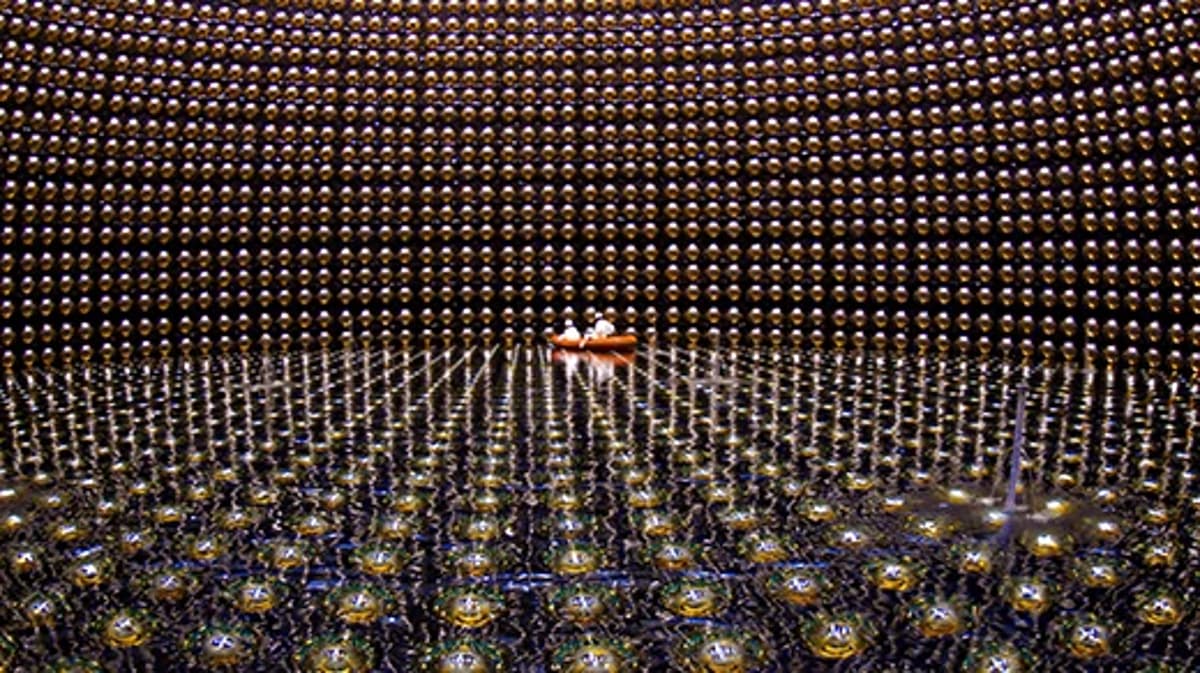
How Physicists Track and Trap the Elusive Neutrino
Physicists have spent seven decades building massive, deep detectors to capture the elusive neutrino, a particle once thought undetectable. Starting with Cowan and Reines' 10‑ton reactor experiment in 1956, the quest progressed through Davis’s Homestake chlorine tank, the water‑based Kamiokande and Super‑Kamiokande, and modern ice and sea observatories like IceCube and KM3NET. Recent facilities such as China’s JUNO and upcoming projects Hyper‑K and DUNE promise unprecedented precision on neutrino oscillations and mass. The cumulative effort has turned neutrinos from a theoretical ghost into a tool for probing stellar interiors and cosmic accelerators.
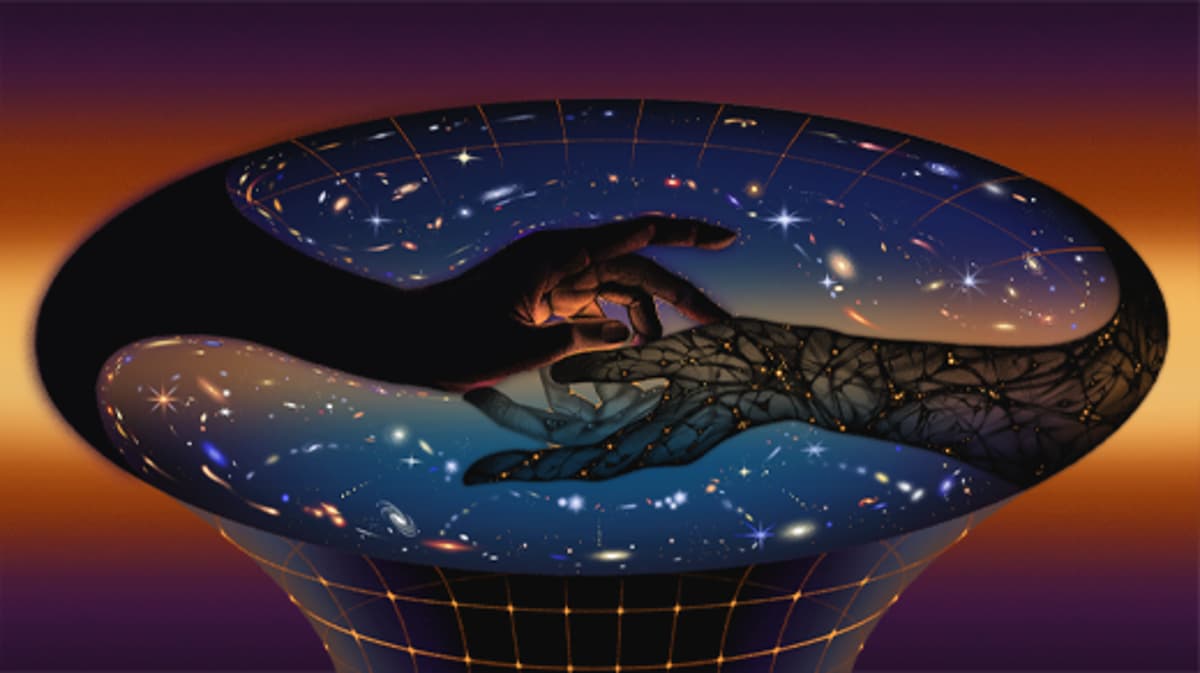
A Dark Dimension Could Link Two of the Universe’s Great Unknowns
Recent DESI observations indicate that dark energy’s density has been decreasing since a peak about two billion years ago, challenging the long‑held notion of a constant cosmological constant. Theoretical teams, building on earlier work, propose that dark energy and dark...
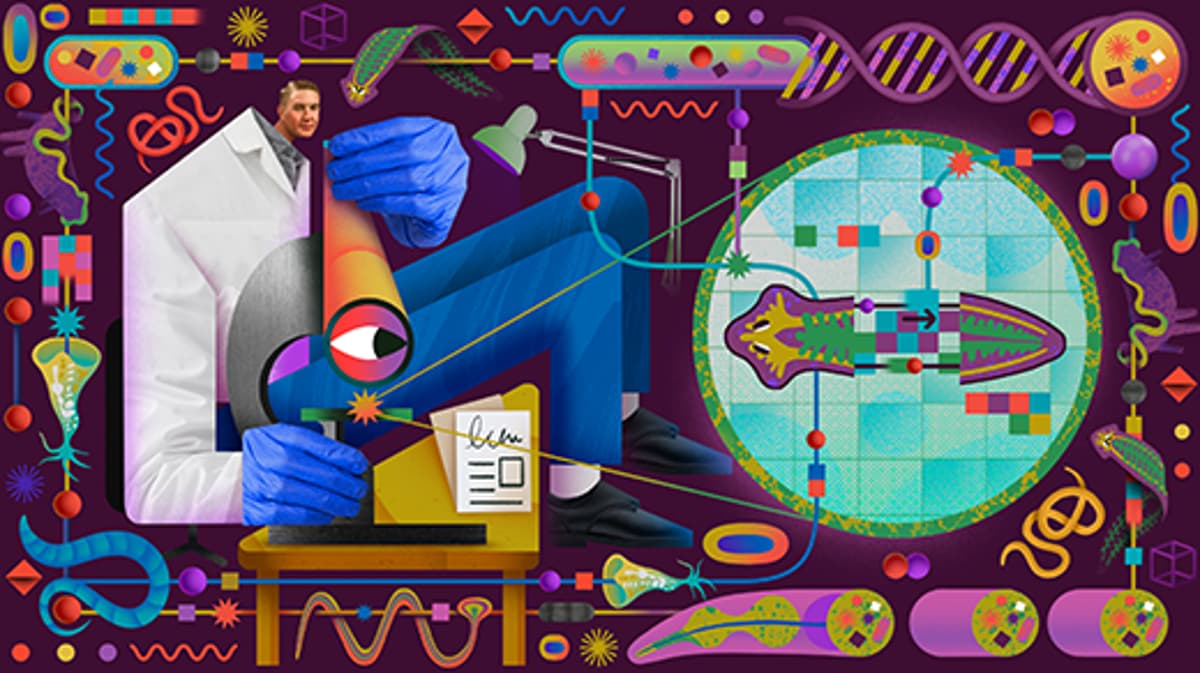
Are Memories Transferable — or Edible?
Harvard neuroscientist Sam Gershman’s lab tried to revive James McConnell’s 1960s planarian memory‑transfer experiments, but none of the worms learned to associate light with shock. The team sourced wild planarians from multiple U.S. locations and followed the original protocols, yet...
More Conversations, Complex Questions, and Bold Ideas in Season Five of ‘The Joy of Why’
Quanta Magazine’s *The Joy of Why* returns for its fifth season with 12 brand‑new episodes that dive into the most provocative questions in basic science and mathematics. Hosts Steven Strogatz and Janna Levin open the season on June 11 with Nobel...
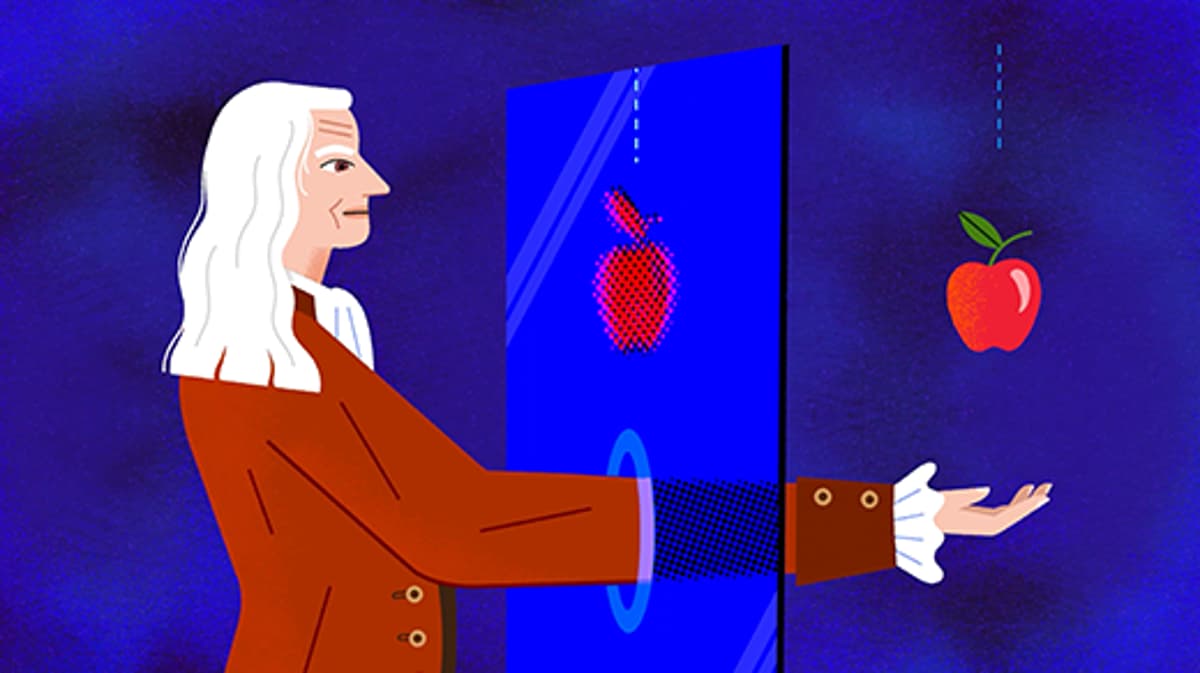
Entanglement Builds Space-Time. Now “Magic” Gives It Gravity.
Physicists have identified a quantum property called “magic” as the missing ingredient that lets space‑time bend, linking quantum information theory to gravity. Building on holographic models where entanglement creates the fabric of space, Charles Cao and collaborators showed that non‑Clifford gates—sources...
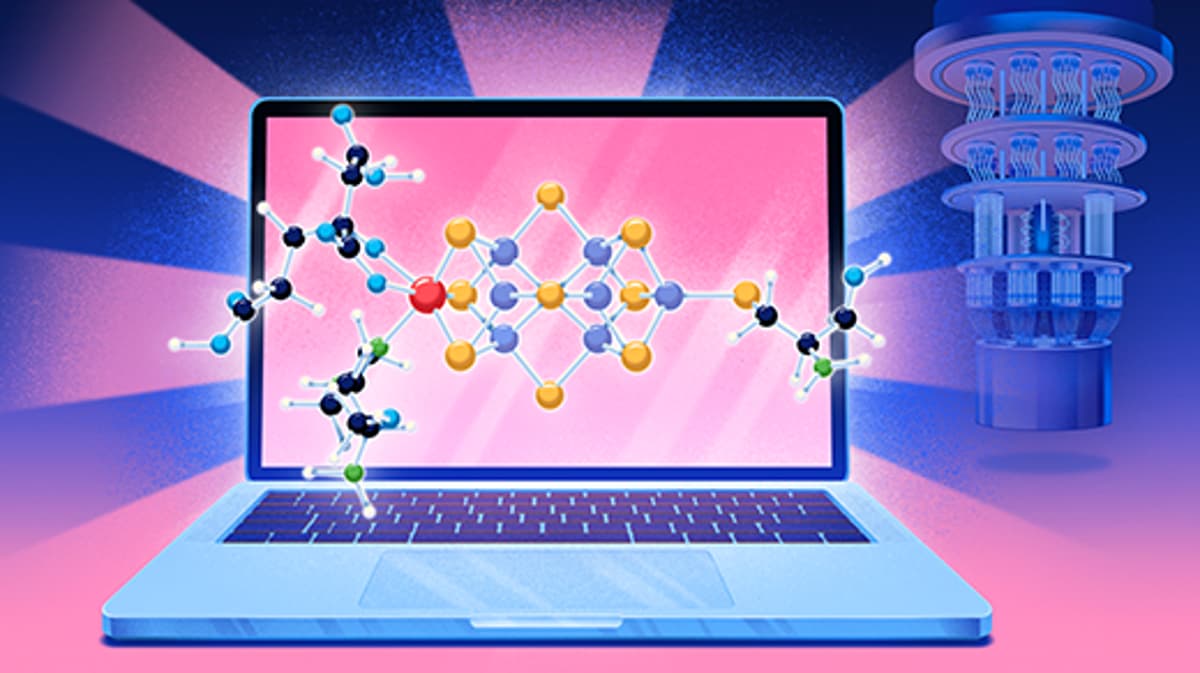
Key Chemistry Question Answered, No Quantum Computer Required
A team led by Caltech chemist Garnet Chan used purely classical algorithms to determine the ground‑state energy of nitrogenase’s FeMo‑co active site, a problem long touted as a benchmark for quantum computers. The breakthrough, achieved after years of algorithmic refinement,...
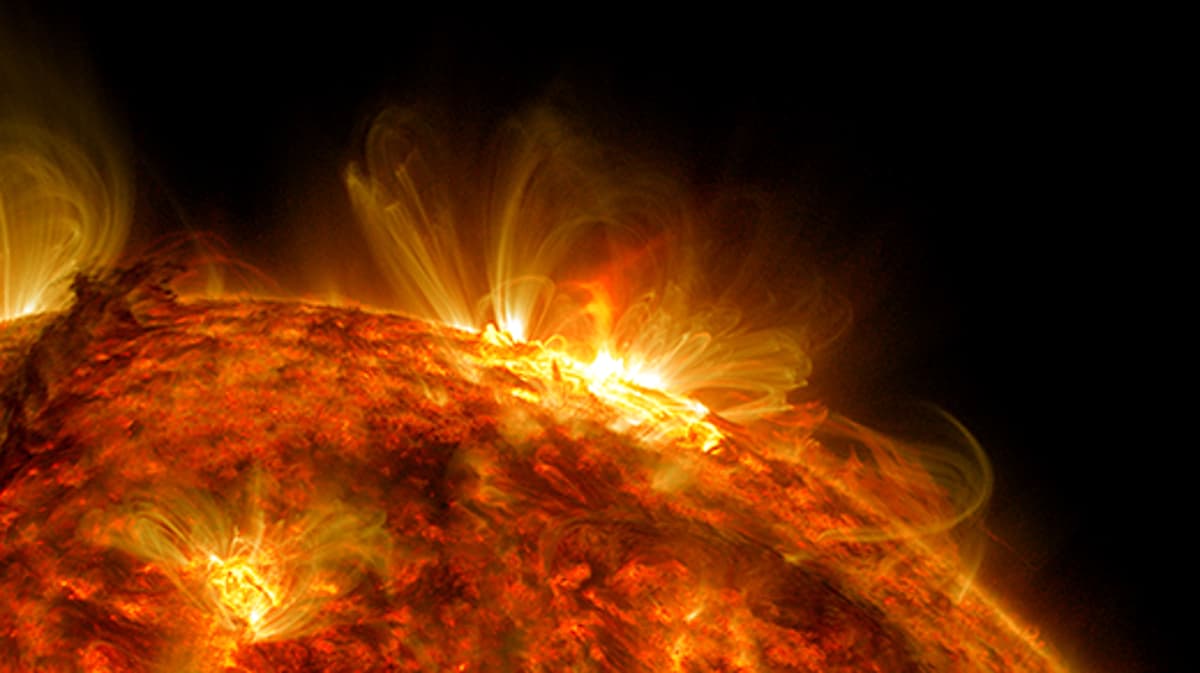
How We See the Beautiful, Violent Sun
From ancient clay tablets to 21st‑century spacecraft, humanity’s view of the Sun has evolved dramatically. Early observers like the Babylonians and Galileo recorded sunspots, while 19th‑century spectroscopy revealed helium long before it was isolated on Earth. The 20th‑century introduction of...
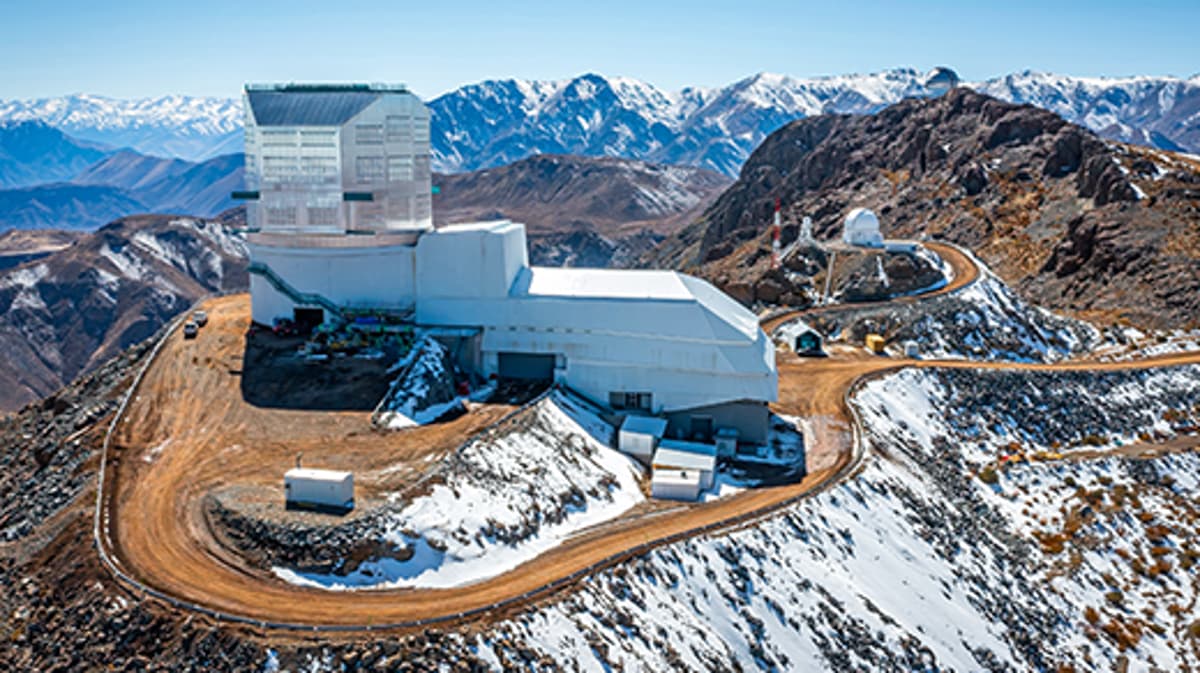
Rubin Tracks Skyscraper-Size Asteroids, Failed Supernovas, and Interstellar Visitors
The Vera C. Rubin Observatory has begun its first‑light survey, delivering a flood of images that will map the Southern sky nightly for a decade. In its initial data set, Rubin identified 1,500 new asteroids, including 19 rapid rotators such...
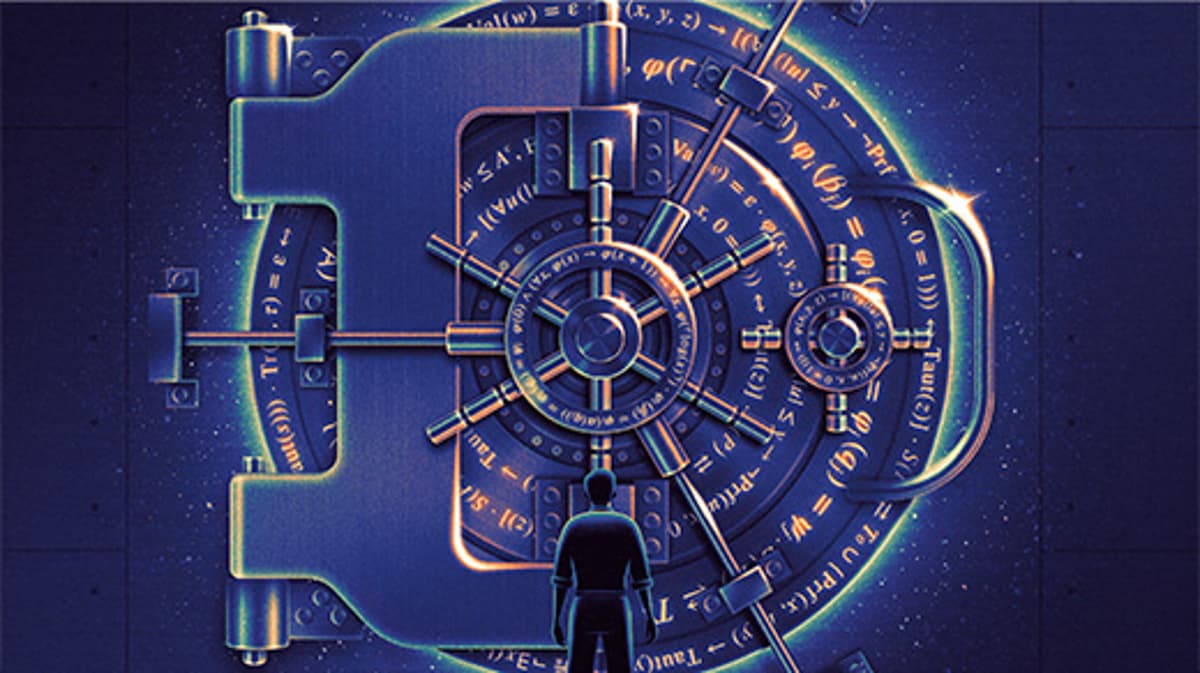
How Unknowable Math Can Help Hide Secrets
Graduate researcher Rahul Ilango has linked Gödel‑style unknowability to cryptography by inventing a new class of non‑interactive zero‑knowledge proofs called “effective zero knowledge.” The construction sidesteps the 1994 Goldreich‑Oren impossibility result by basing secrecy on statements that are provably too...
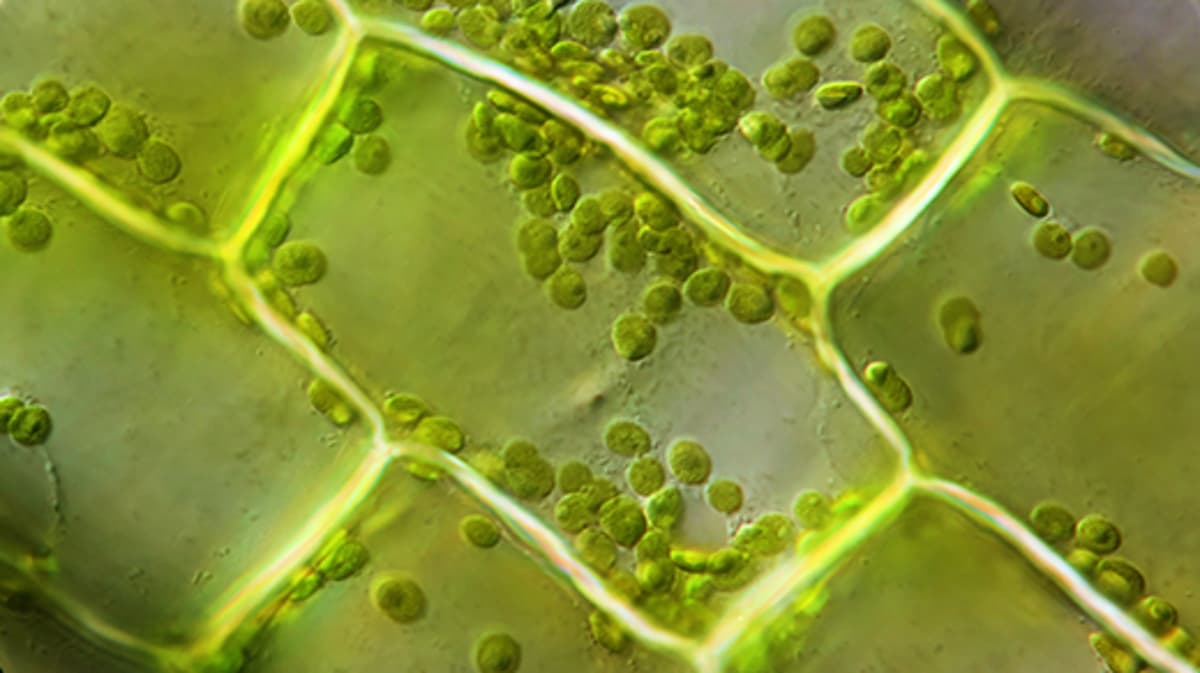
The Hidden Mathematical Dance Inside Plant Cells
Biophysicists Nico Schramma and Mazi Jalaal reported in PNAS that chloroplasts in the aquatic plant Elodea self‑organize into a mathematically optimal packing arrangement. The pattern balances maximal light capture with rapid retreat when illumination becomes excessive. Their experiments and modeling...
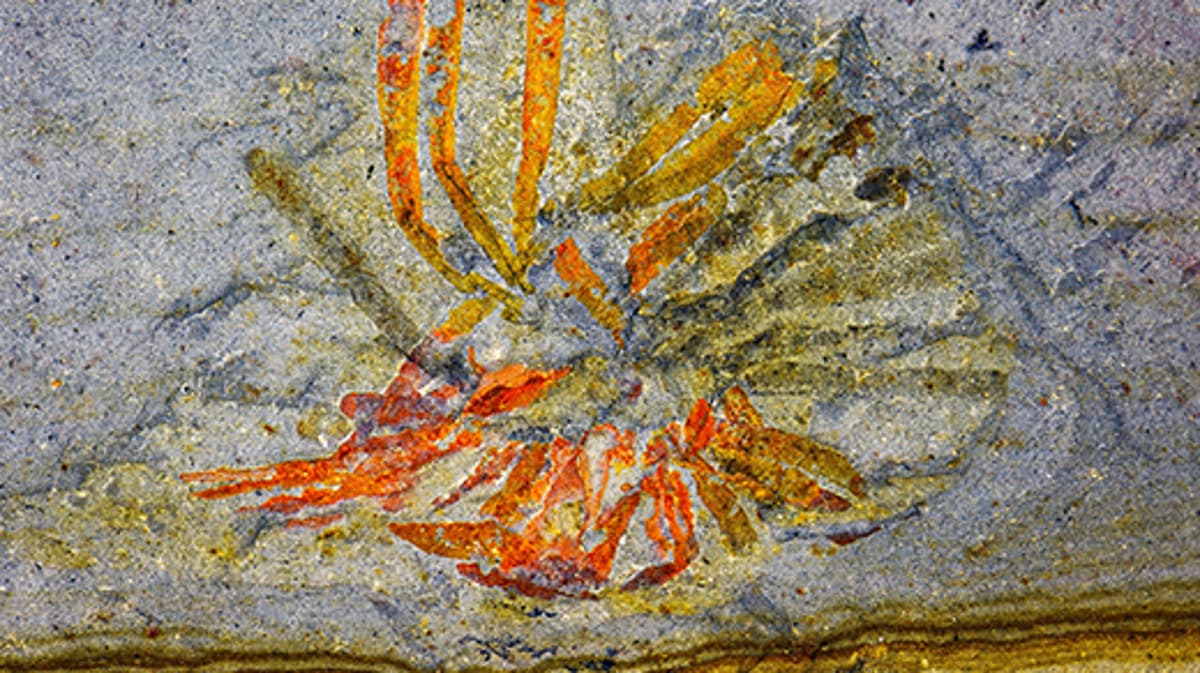
A Treasure Trove of Cambrian Fossils Rewrites the Story of Early Life
In 2026 paleontologists uncovered the Huayuan biota in southern China, a new Cambrian Lagerstätte containing 8,681 fossils across 153 species. More than half of the species are new to science, and the site dates to after the 513 million‑year‑old Sinsk mass‑extinction,...
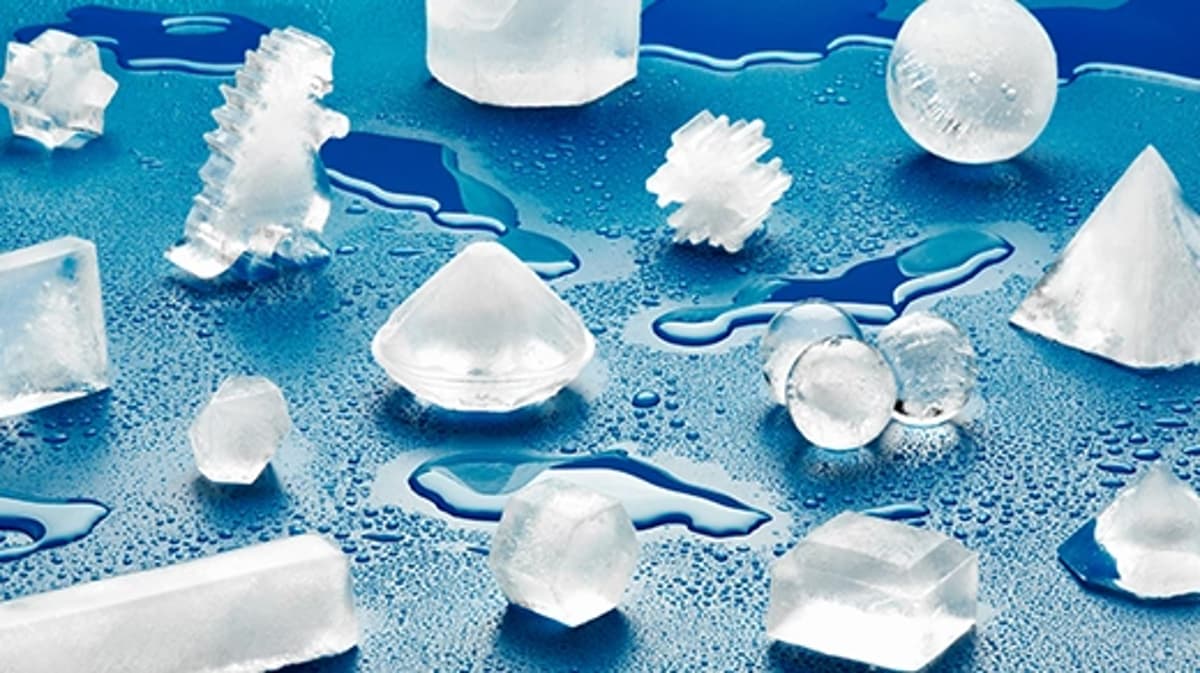
Physicists Discover the Most Complex Forms of Ice Yet
Physicists using diamond‑anvil compression and an X‑ray free‑electron laser have identified ice XXI, a crystal with a 152‑molecule repeat, and subsequently ice XXII with a 304‑molecule repeat—among the most complex ice phases ever observed. The discoveries stem from high‑speed imaging and scattering...
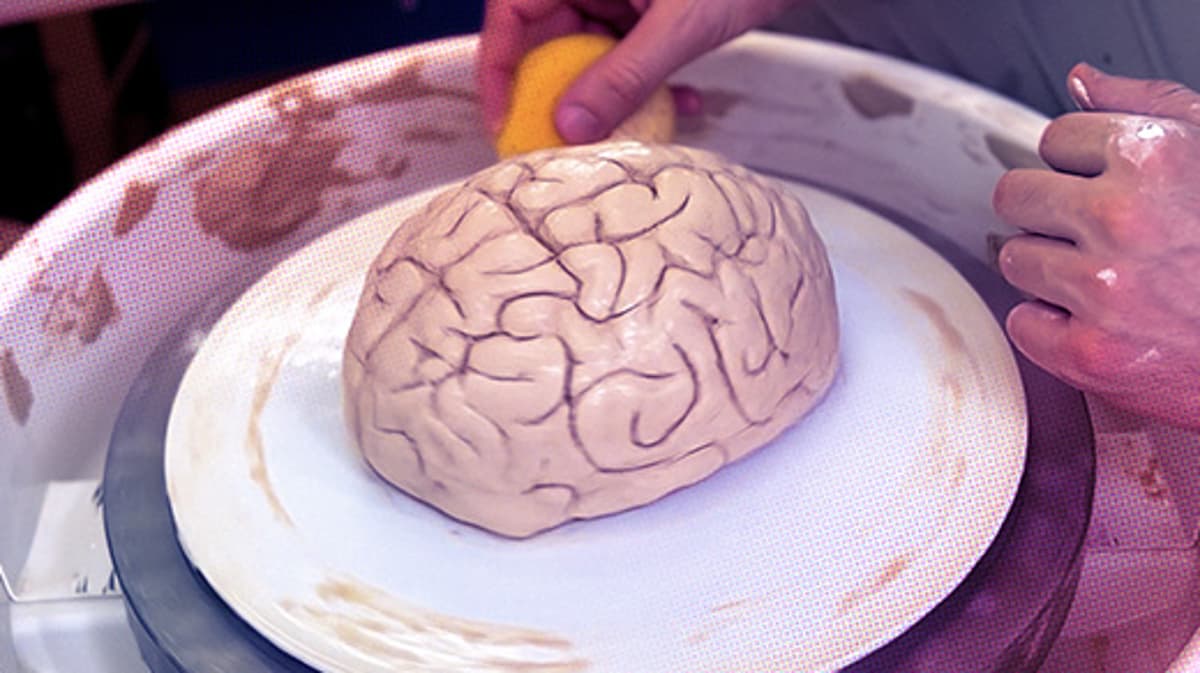
A New Type of Neuroplasticity Rewires the Brain After a Single Experience
Neuroscientists have identified a new form of neuroplasticity called behavioral timescale synaptic plasticity (BTSP) that can reshape hippocampal connections within seconds after a single experience. BTSP relies on dendritic plateau potentials that strengthen synapses active several seconds before or after...
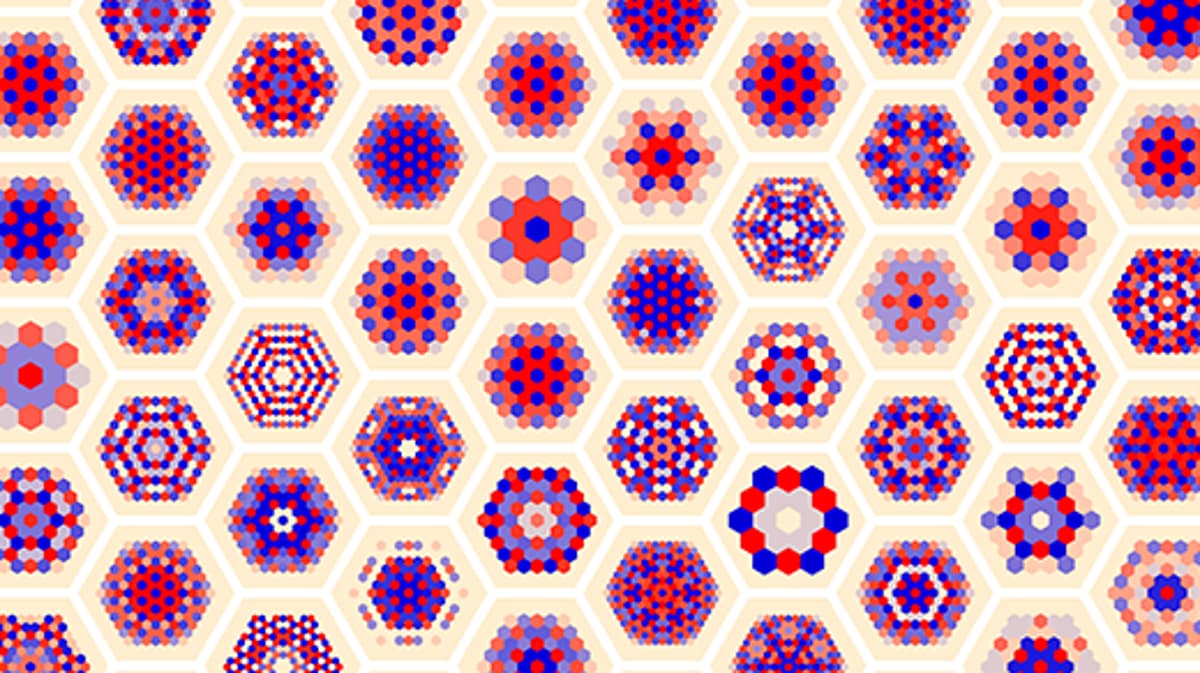
A Powerful New ‘QR Code’ Untangles Math’s Knottiest Knots
Researchers Bar‑Natan and van der Veen have introduced a new two‑variable polynomial invariant that acts like a QR‑code fingerprint for knots. The invariant, derived from a traffic‑model analogy, can be computed rapidly even for knots with hundreds of crossings. It correctly distinguishes...
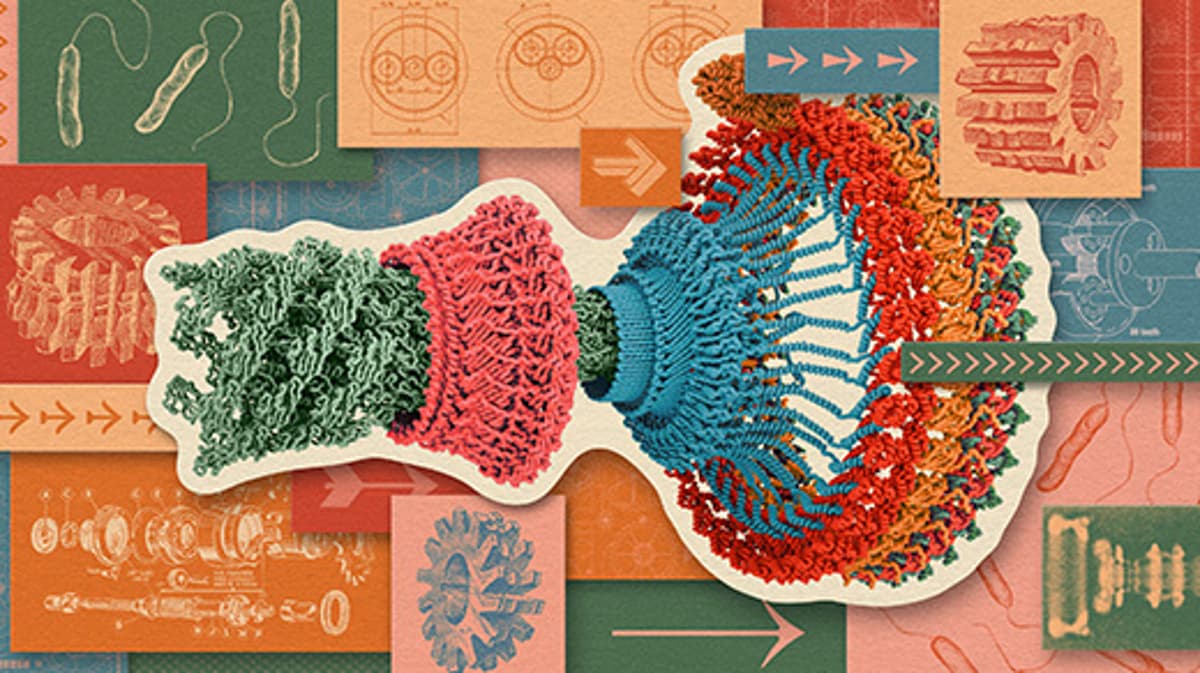
What Physical ‘Life Force’ Turns Biology’s Wheels?
Scientists have finally unraveled the molecular mechanism of the bacterial flagellar motor, revealing how proton flow through stator complexes generates torque that drives rotation and directional switching. Cryogenic electron microscopy studies completed by March 2026 identified the pentagonal‑ring stators and their...