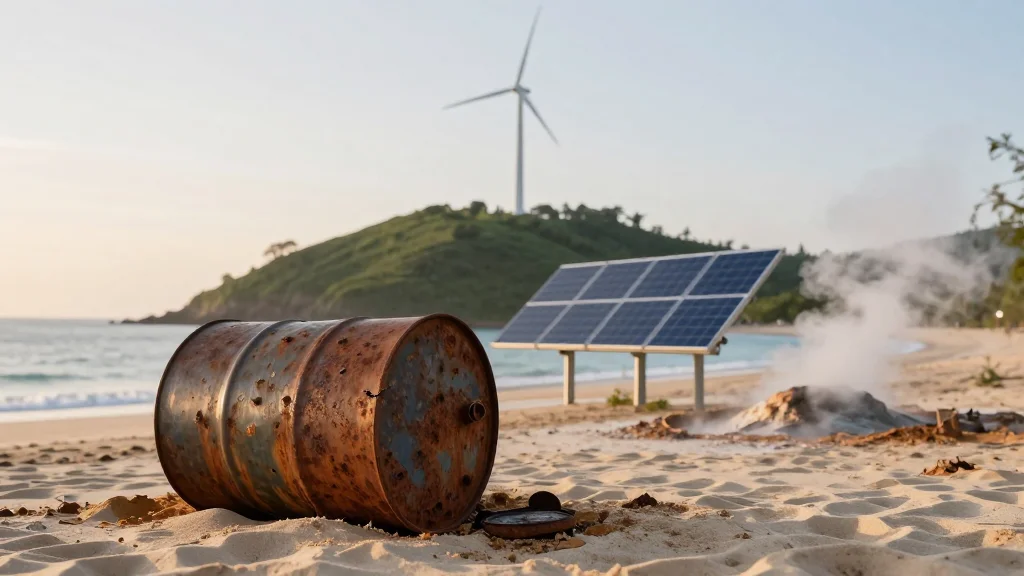
As Islands Grapple with Spiking Fuel Costs, Renewables Offer a More Secure and Affordable Option
The U.S. Energy Information Administration’s latest outlook shows light fuel oil‑based power costs climbing from $0.29 to $0.45 per kilowatt‑hour by 2050, a 33 percent rise driven by Middle‑East geopolitical shocks. For a typical 50‑MW island grid, that surge means roughly $34 million extra annual fuel spend, directly burdening governments and consumers. In contrast, solar‑battery storage is projected at $0.07/kWh and wind‑storage at $0.06/kWh, making renewables four to six times cheaper than fossil generation. The report argues that diversified, technology‑driven clean power can secure island energy systems while slashing costs.

Improving Energy Transition Assessments with Regional Pathways
Rocky Mountain Institute (RMI) is piloting a Transition Pathways Repository for Southeast Asia’s power sector, cataloguing nearly 60 region‑specific scenarios from 17 publications. The repository reveals a richer than expected pathway landscape, with most models delivering granular technology‑level capacity and...

Solving the Gridlock: America’s Electric Supply Chain Opportunity
Rising electricity demand and aging infrastructure have created a severe grid‑hardware shortage in the United States, with large power transformers now facing up to four‑year lead times and prices for cables and transformers soaring 75% since 2019. Domestic production satisfies...

The Geothermal Supply Chain Is America’s to Gain — or Lose
Next‑generation geothermal is poised for rapid expansion, with U.S. investment surging from $22 million in 2018 to $2.2 billion projected for 2025. The sector relies heavily on oil‑and‑gas expertise, yet key components such as super‑hot‑rock drill rigs and turbines remain scarce domestically....

Unpacking the PJM CIFP Decision: What PJM States Can Do to Ensure Affordable, Reliable Electricity During the Data Center Boom
On Jan. 16, 2026 PJM released its Critical Issue Fast Path plan to manage a projected 30 GW of data‑center load by 2030, aiming to curb soaring capacity prices and interconnection delays. The plan proposes revised load forecasting, bring‑your‑own generation options, a...

The World Wastes More Gas Each Year Than the Strait of Hormuz Supplies
The Strait of Hormuz historically shipped about 20% of the world’s LNG, but recent blockades have halted that flow, highlighting a larger issue: global venting and flaring waste more gas than the strait supplies. An estimated 112 billion cubic meters are...
What Michigan’s Clean Community Financing Ecosystem Can Teach Other US Regions
RMI’s analysis of Michigan’s clean‑community financing ecosystem shows how dense institutional networks, coordinated hubs, and targeted financing tools have unlocked over $1 billion in clean‑energy upgrades. Key players—including the nation’s oldest green bank, a robust C‑PACE marketplace, and CDFI coalitions—have leveraged...
Tracking the Growth of Wind and Solar in Rural America
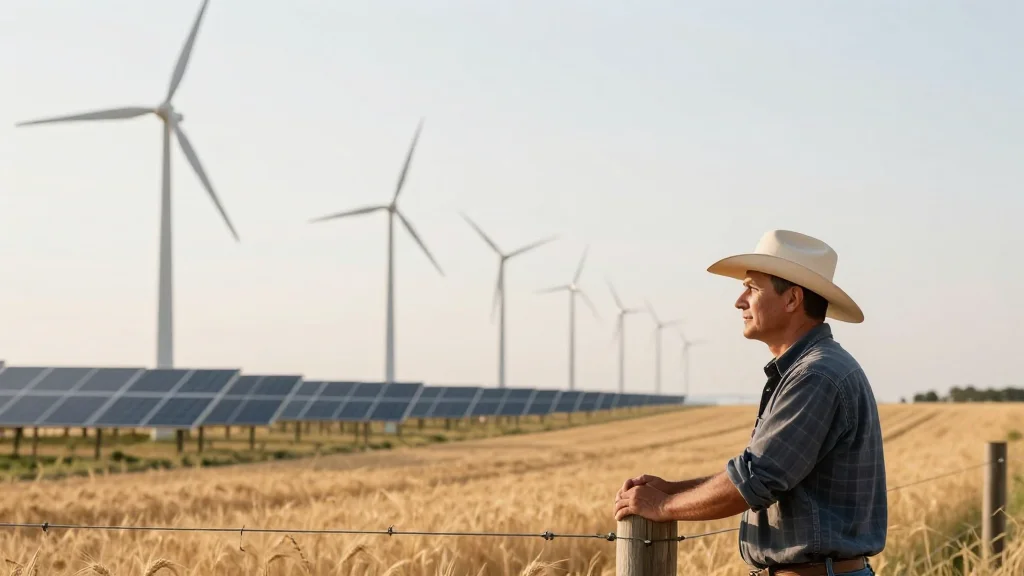
American farmers are increasingly leasing land for utility‑scale wind and solar, generating $23 billion in 2024 across nine states—about 63% of national revenue. This income rivals major agricultural commodities, with some states earning over $1 billion each. Wind projects minimally disrupt cropland,...
The Heat Is On: Decarbonizing Industrial Heat in India and Southeast Asia
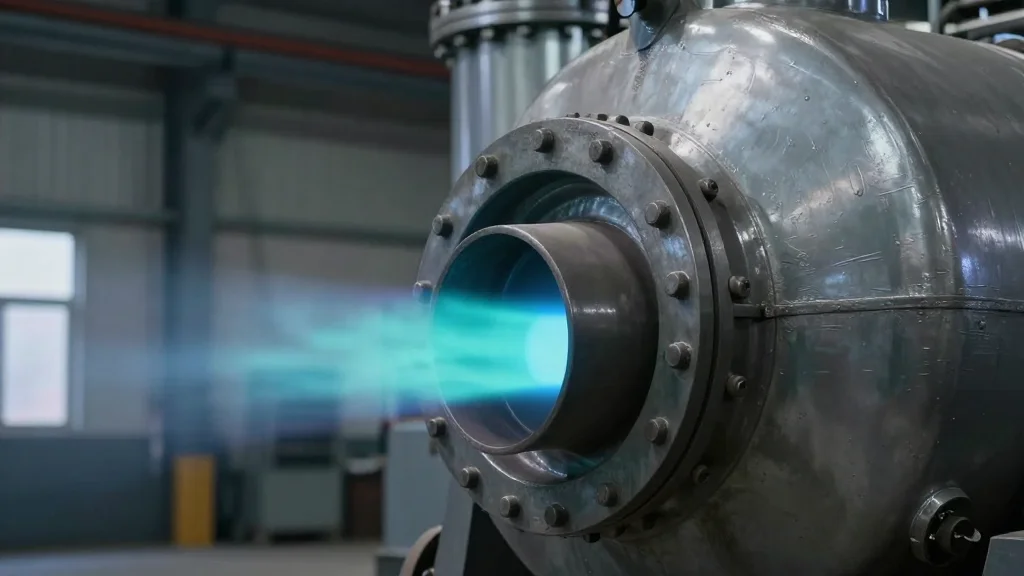
Industrial heat generates roughly 14% of global CO₂ emissions, matching the combined output of road, aviation and shipping. The market, currently valued at about $900 billion, is set to exceed $1 trillion by 2030, driven largely by rapid urbanization and industrial expansion...

Maximizing the Efficiency of Clean Steel Production and Achieving Cost Competitiveness
Clean steel production will require gigawatt‑scale clean electricity, prompting a search for energy‑saving solutions. Researchers at the University of Wisconsin‑Madison’s HERD Lab, together with Cleveland‑Cliffs, FuelCell Energy and other partners, have built a solid‑oxide electrolyzer (SOE) system that recycles CO₂‑rich...

Securing Energy Supply Chains: One Critical Mineral Deal at a Time?
The U.S. government has moved beyond traditional grants and loans, taking equity stakes in seven private critical‑mineral projects during 2025. These investments, largely led by the Department of Defense, aim to de‑risk domestic mining and processing of minerals such as...

From Pilot to Practice: Lessons From LC3 Deployment in India
India’s construction sector is confronting rising embodied carbon pressures, prompting developers like Lodha to trial low‑carbon concrete. Lodha deployed the country’s first commercial‑scale Limestone Calcined Clay Cement (LC3) pilot, demonstrating up to a 40% emissions reduction compared with ordinary Portland...

Appliance Efficiency Standards: A Proven Tool for Affordability and Grid Reliability
Federal appliance efficiency standards have cut U.S. electricity use by about 6.5% in 2024, delivering roughly $105 billion in combined household and business savings. By mandating cost‑effective technologies, the rules lower utility bills, curb winter peak loads by over 2 GW in...
Clearing the Air on Reclaimed Refrigerant
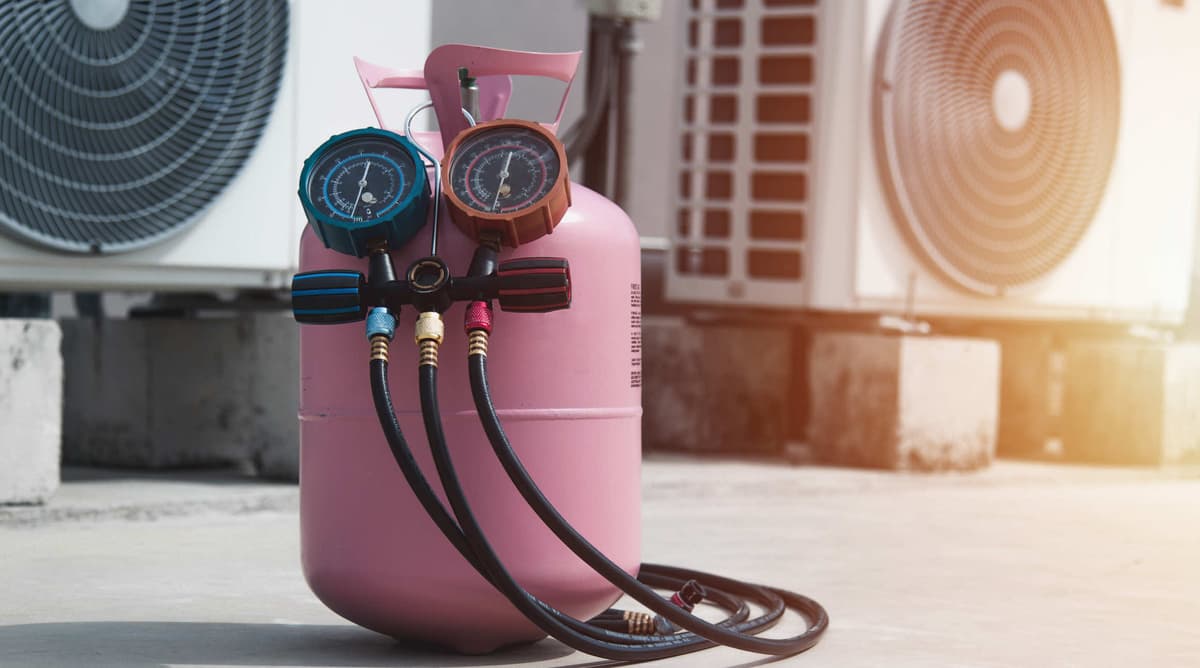
A joint RMI‑OTS R&D study found that reclaimed R‑410A refrigerant performs indistinguishably from virgin refrigerant across residential split and rooftop heat‑pump units. The United States is phasing down high‑GWP HFCs under the AIM Act, creating a looming supply‑demand gap for legacy...

Beyond Fossil Feedstocks: Methanol-to-Olefins and the Future of Sustainable Chemical Manufacturing
The article highlights the $210 billion ethylene and $133 billion propylene markets, which are projected to double by 2050, and the significant emissions from traditional steam cracking. It evaluates methanol‑to‑olefins (MTO) as a commercially mature alternative, noting that its climate benefit depends...