
Some Pterosaurs May Have Boasted Bold Iridescence
Scientists analyzing a 120‑million‑year‑old Sinopterus dongi fossil from northeast China have identified layered melanosomes that would have produced iridescent greens and magentas. The discovery, published on bioRxiv, marks the first evidence that pterosaurs displayed structural coloration similar to modern birds. Microscopic imaging and computer simulations suggest the iridescence arose from ordered pycnofiber structures, implying high metabolic rates and possible courtship displays. The findings reshape how paleontologists reconstruct the appearance and behavior of these early flying vertebrates.

A Drug May Help People on GLP-1 Meds Preserve Muscle
A proof‑of‑concept study published in Nature Medicine shows that the experimental myostatin‑blocking antibody apitegromab can halve lean‑mass loss in patients taking tirzepatide, a GLP‑1 weight‑loss drug. In a 24‑week trial of 102 overweight or obese adults, both groups lost similar...
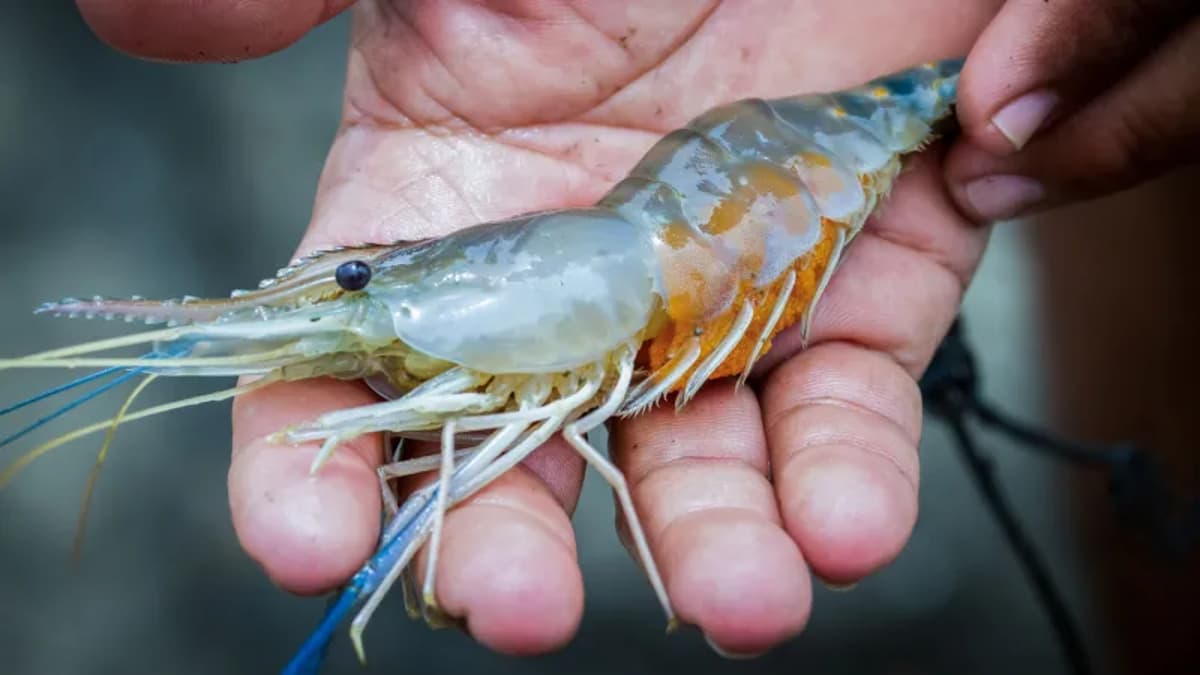
Honeybees and Shrimp Are Now Getting Vaccinated
Researchers at Dalan Animal Health have secured conditional USDA approval for a honeybee vaccine and are now reporting early laboratory results for a shrimp vaccine. The honeybee vaccine, based on inactivated *Paenibacillus larvae*, is being distributed across U.S. and Canadian...

Bumblebees Can Solve Problems on Their Own
Researchers at the University of Oulu demonstrated that buff‑tailed bumblebees can independently use a ball as a ladder to reach a sugar reward, without any prior training on the specific task. After teaching the insects that balls are movable and...

A Secret to Making a Queen Bee May Lie in the Wax Around It
Researchers published in Nature reveal that the wax surrounding a developing queen bee has distinct physical and chemical traits that influence her growth, challenging the long‑standing belief that royal jelly alone determines queen status. Analyses showed queen‑cell wax is softer,...
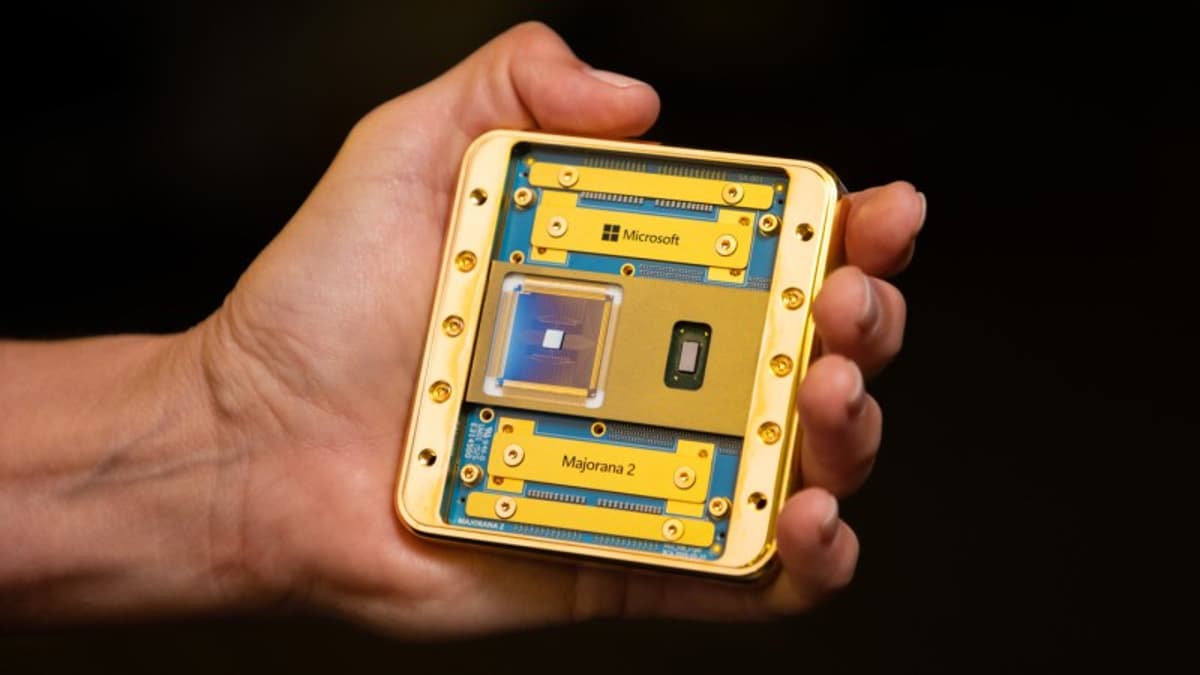
Microsoft’s Quantum Chip Got an Upgrade. Critics Are Still Skeptical
Microsoft unveiled an upgraded quantum chip at its Build conference, swapping aluminum for lead superconductors to boost qubit parity lifetime from milliseconds to about 20 seconds—a 1,000‑fold increase. The improvement targets topological qubits that store information in Majorana modes, promising...

A Tiny Part of Your Brain May Still Listen Under Anesthesia
Scientists used high‑density Neuropixels probes to record hippocampal activity in seven patients undergoing surgery for epilepsy while they were under general anesthesia. More than 70% of the monitored neurons responded to auditory tones and could differentiate rare oddball sounds from...
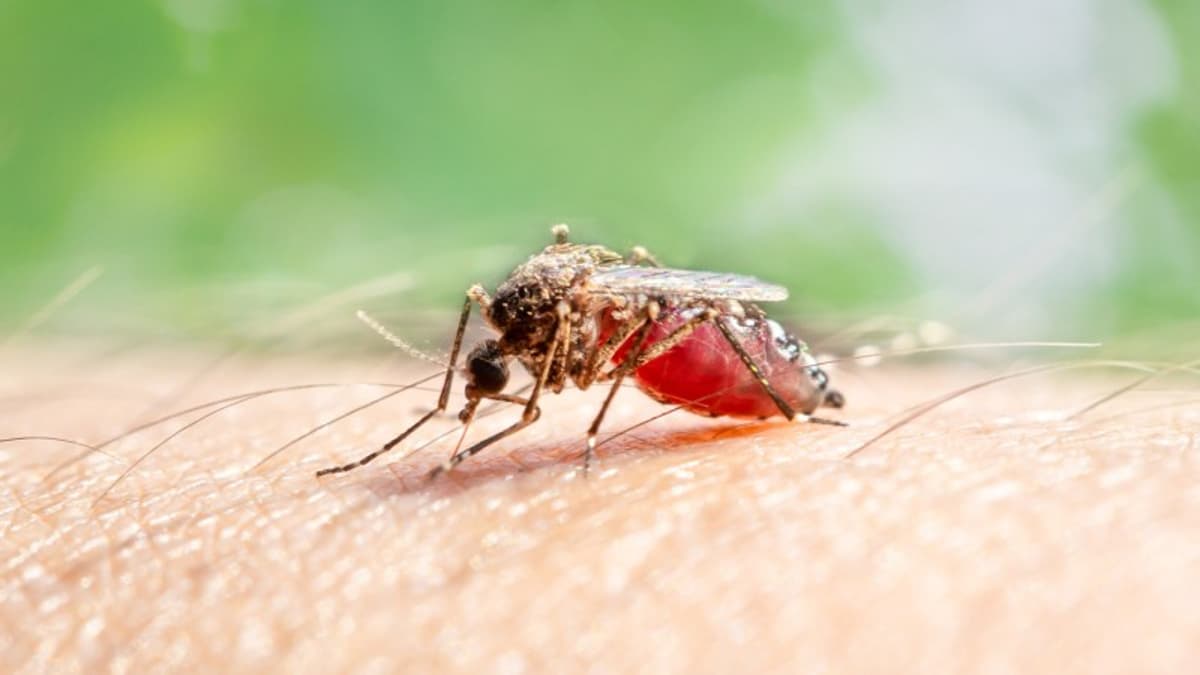
Can DEET Attract Mosquitoes? A Lab Study Offers Clues
Researchers demonstrated that yellow‑fever mosquitoes (Aedes aegypti) can be conditioned to associate the odor of the repellent DEET with a blood meal, showing attraction in laboratory trials. Trained mosquitoes approached a DEET‑treated hand while untrained insects avoided it, indicating that...
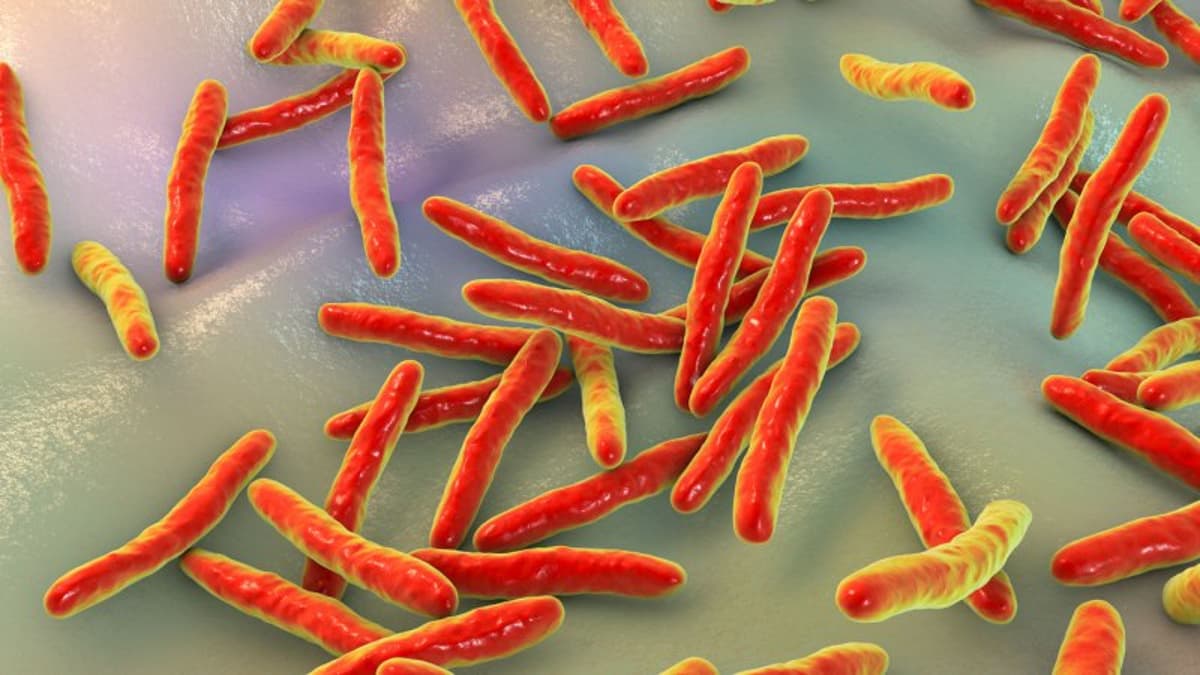
A $4 Tongue Swab Test Detects Tuberculosis Within 30 Minutes
Researchers have unveiled MiniDock MTB, a portable $400 device that uses $4 tongue‑swab tests to detect tuberculosis in 12‑25 minutes. The World Health Organization endorsed the test in March, marking the first official approval for a community‑based TB assay requiring minimal...
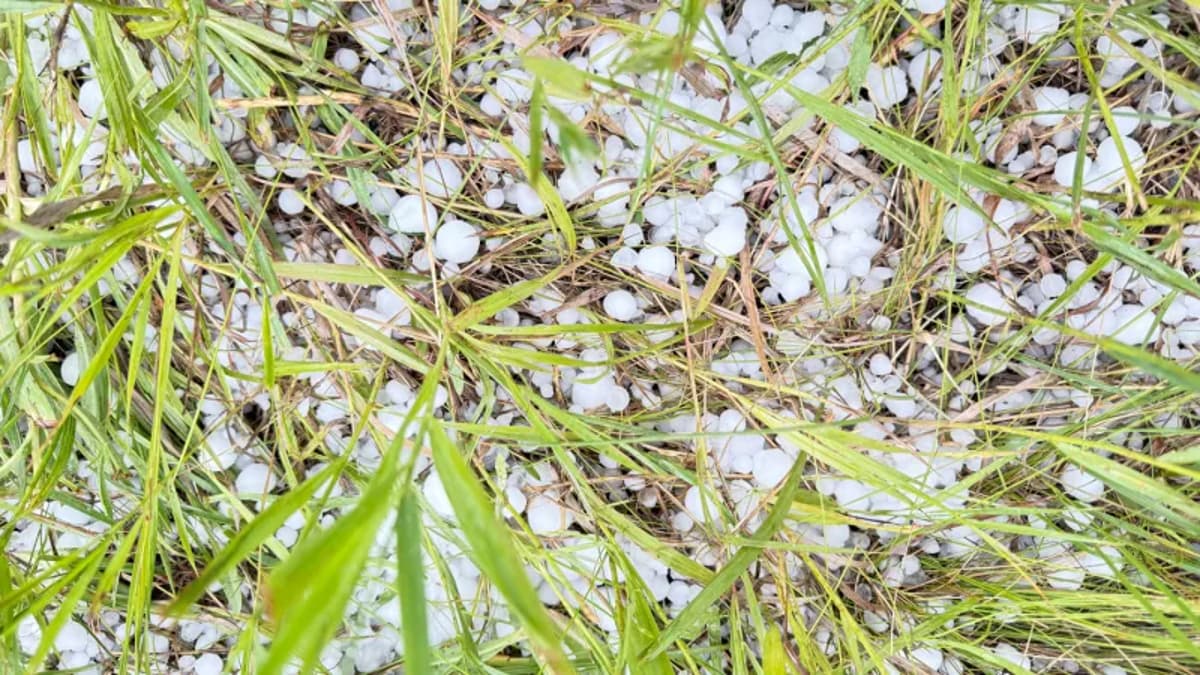
Grapefruit-Sized Hail May Become More Common in a Warmer World
A new study from Peking University, published in Nature, uses a computer model validated on over 14,000 historic hailstorms to project how hail size and frequency will shift under climate warming. The research finds that larger, more destructive hailstones are...

Why Is Hantavirus so Deadly? It’s Not What You May Think
New World hantaviruses such as Andes virus cause a rapid, lethal capillary‑leak syndrome rather than direct lung‑cell damage, killing up to 40 percent of those infected. An ongoing outbreak on the cruise ship MV Hondius has placed more than 150 people in...

Even Careful Scuba Divers Can Damage Coral Reefs
Researchers filmed 732 scuba divers in Indonesia and the Philippines, revealing that divers touch coral about once every four minutes. About 60% of these contacts are unintentional, and 75% of divers overestimate their reef‑avoidance abilities, making five times more contacts...
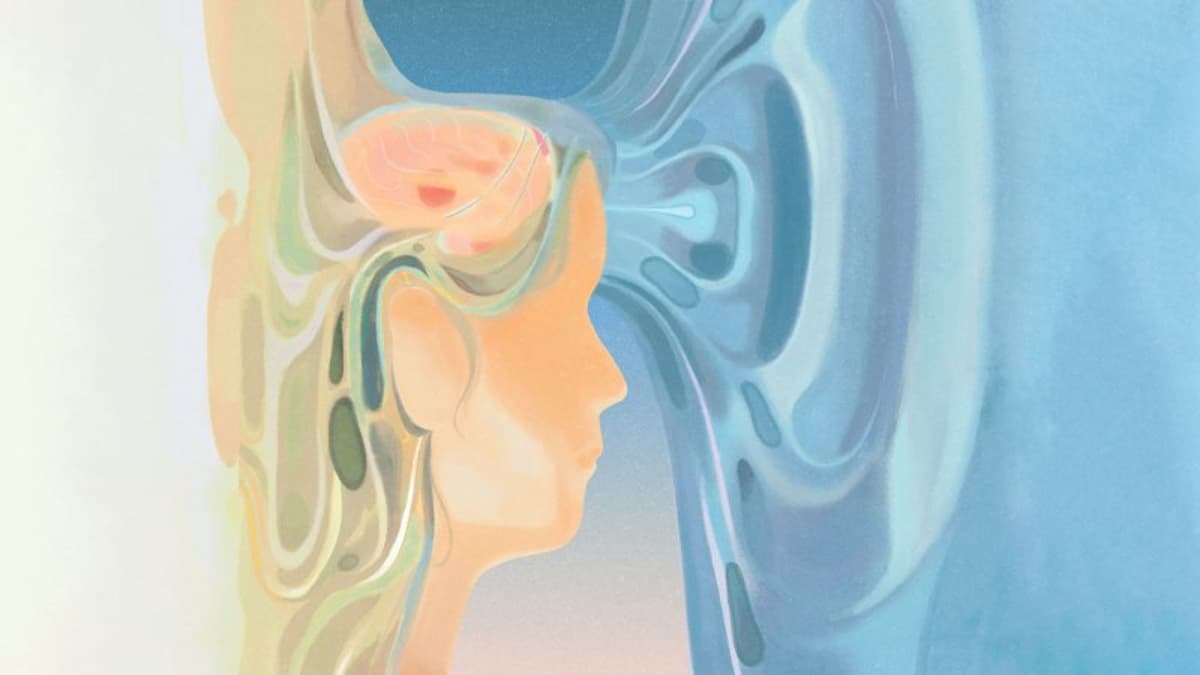
Ultrasound Aimed at the Brain Offers New Hope for Parkinson’s Patients
High‑intensity focused ultrasound (HIFU) received a 2025 FDA clearance for a new Parkinson’s indication, allowing bilateral brain lesions that target the pallidothalamic tract as well as the traditional tremor‑control region. The non‑invasive, MRI‑guided procedure creates permanent lesions with 1,024 ultrasound...

How House Design Can Curb Childhood Illnesses in Africa
Researchers in Tanzania tested 110 prototype "Star Homes" featuring screens, rainwater collection, and cement floors against traditional mud-and-thatch houses. Over a three‑year period, children in the Star Homes experienced 44% fewer malaria cases, 30% fewer diarrheal episodes, and 18% fewer...

New Tools May Help Diagnose Parkinson’s Earlier than Ever
Researchers are racing to create low‑cost, at‑home tools that could detect Parkinson’s disease years before symptoms become obvious. New prototypes—including a magnetoelastic tremor‑sensing ball, a tremor‑detecting pen, and AI‑driven smartwatch analytics—show promise in capturing subtle motor changes. Parallel advances in...