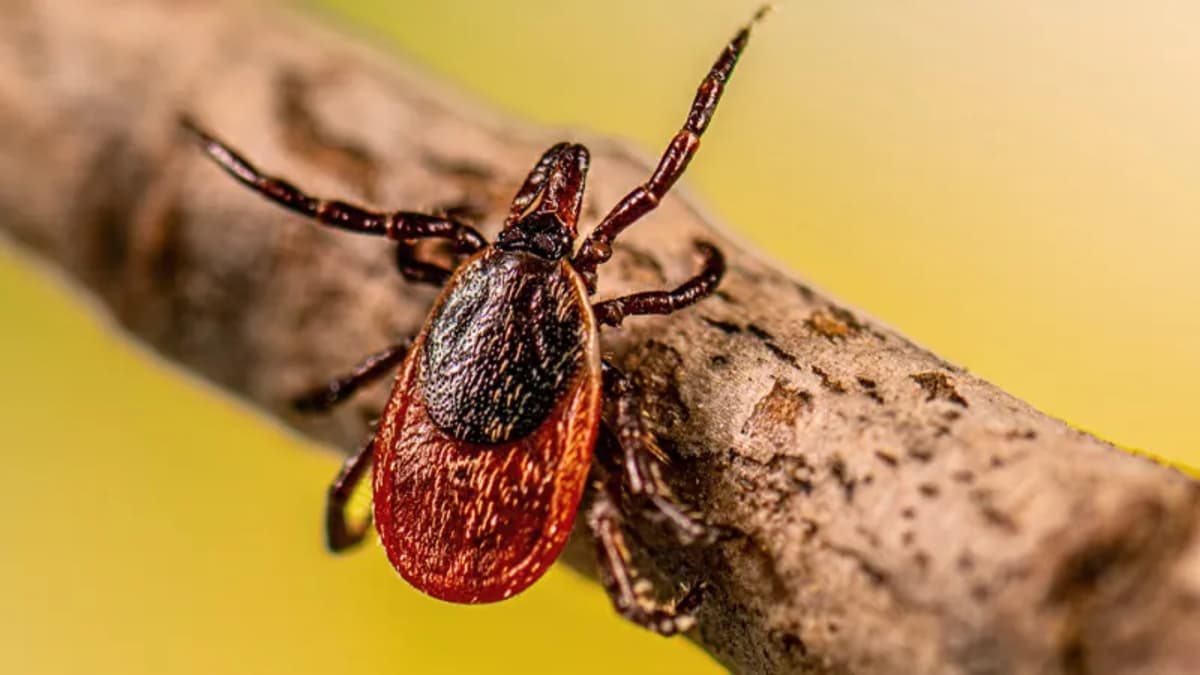
A Vaccine for Lyme Disease Could Be on the Horizon
Companies Mentioned
Pfizer
PFE

GlaxoSmithKline
Why It Matters
A licensed vaccine would give outdoor workers and recreationists a proactive tool against a growing tick‑borne threat, potentially lowering healthcare costs and disease burden.
Key Takeaways
- •LB6V showed ~70% efficacy versus placebo in late‑stage trial.
- •Vaccine requires four doses over 18 months, with possible boosters.
- •First U.S. Lyme vaccine candidate since LYMErix was pulled in 2002.
- •Researchers also pursue mouse‑bait vaccines and antibody therapies for rapid protection.
Pulse Analysis
Lyme disease has become a public‑health priority in North America and Europe, with the CDC estimating roughly 476,000 cases diagnosed annually in the United States alone. Warmer winters and expanding tick habitats have pushed the black‑legged tick into new regions, intensifying exposure for hikers, gardeners, and outdoor workers. In this climate, Pfizer and Valneva’s LB6V candidate, which achieved about 70 % efficacy in a recent Phase 3 trial, represents the most advanced human vaccine effort since the early‑2000s. Regulatory approval could finally give clinicians a preventive option beyond repellents and clothing.
LB6V works by inducing antibodies against OspA, a protein expressed on Borrelia burgdorferi while it resides in the tick. When a vaccinated person is bitten, the antibodies are taken up by the feeding tick, blocking bacterial transmission. The regimen consists of four injections spread over roughly 18 months, with periodic boosters to sustain protective titres. While the multi‑dose schedule and the lingering memory of the LYMErix controversy raise concerns about uptake, the modern formulation omits the OspA fragment linked to past arthritis reports, potentially easing safety worries.
Even with a licensed vaccine, experts stress a multipronged strategy. Field trials of OspA‑laden bait for white‑footed mice have cut infected tick numbers by roughly 43 %, and monoclonal antibody products are being explored for immediate, seasonal protection. Combining human vaccination, wildlife immunization, and traditional personal‑protective measures could dramatically lower disease incidence and associated medical costs. As the FDA and EMA review the LB6V data, investors and public‑health planners are watching closely, anticipating a market that could exceed $1 billion globally if the shot gains traction.
A vaccine for Lyme disease could be on the horizon
Comments
Want to join the conversation?
Loading comments...