
How Scientists Are Building the AI-Powered Laboratory
SLAC’s public lecture on June 4, 2026 features associate scientist Sean Gasiorowski discussing how artificial intelligence is transforming laboratory research. He explains that AI can not only analyze experimental data faster but also actively recommend the most informative next measurements, cutting costly trial‑and‑error cycles. The talk includes case studies from materials discovery to particle physics and outlines emerging trends in AI‑driven scientific workflows. Registration is open both in‑person at the Kavli Auditorium and online via YouTube.
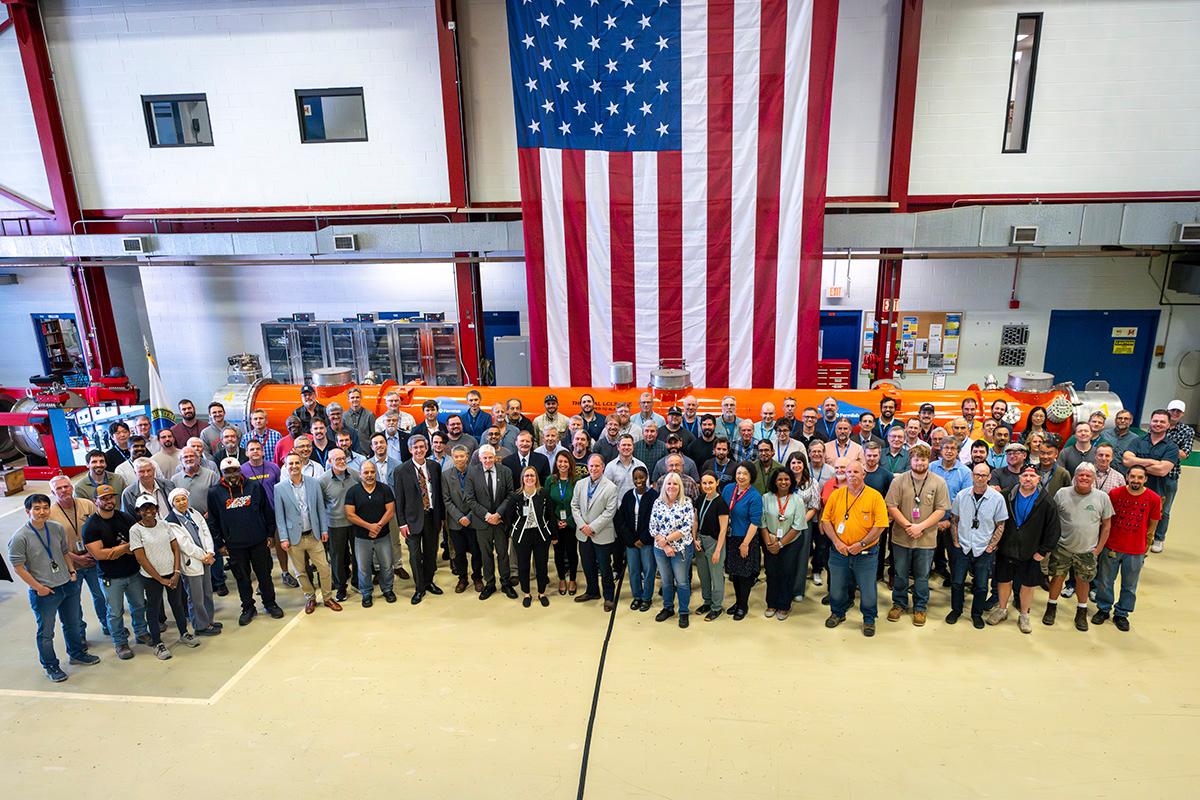
Fermilab Completes Its Part in Upgrading World’s Most Powerful X-Ray Laser
The U.S. Department of Energy’s Fermilab has finished building and shipping the final superconducting cryomodule for the high‑energy upgrade of SLAC’s Linac Coherent Light Source (LCLS). The upgrade adds 23 cryomodules, doubling the X‑ray beam energy and delivering pulses up...
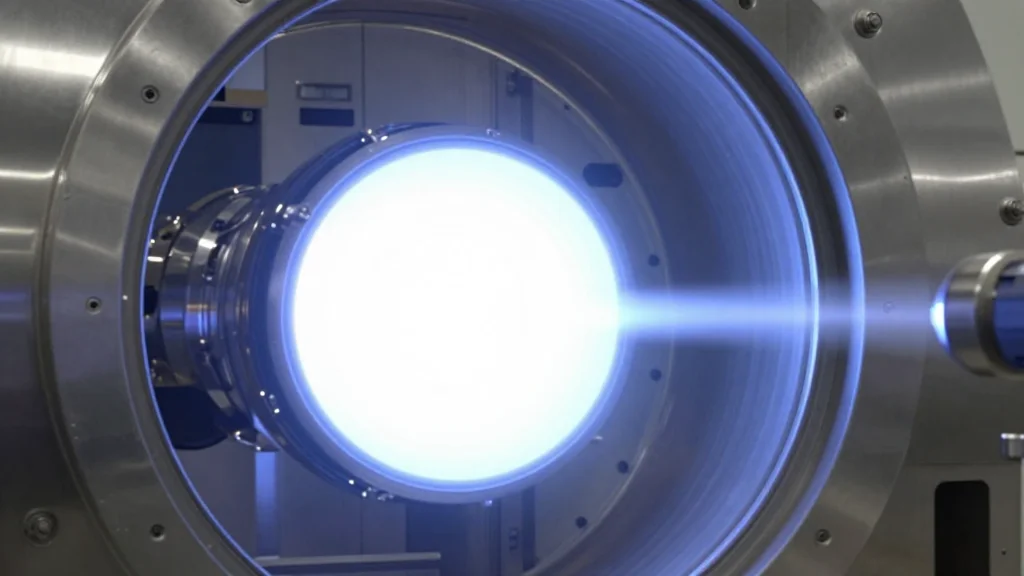
The Race for Laser-Driven Fusion Energy Heats Up
Laser-driven inertial fusion is entering a new competitive phase as national labs and private firms accelerate development of ultra‑high‑energy laser systems. The U.S. National Ignition Facility recently delivered a record 1.3 MJ of laser energy, while Europe’s Extreme Light Infrastructure plans...
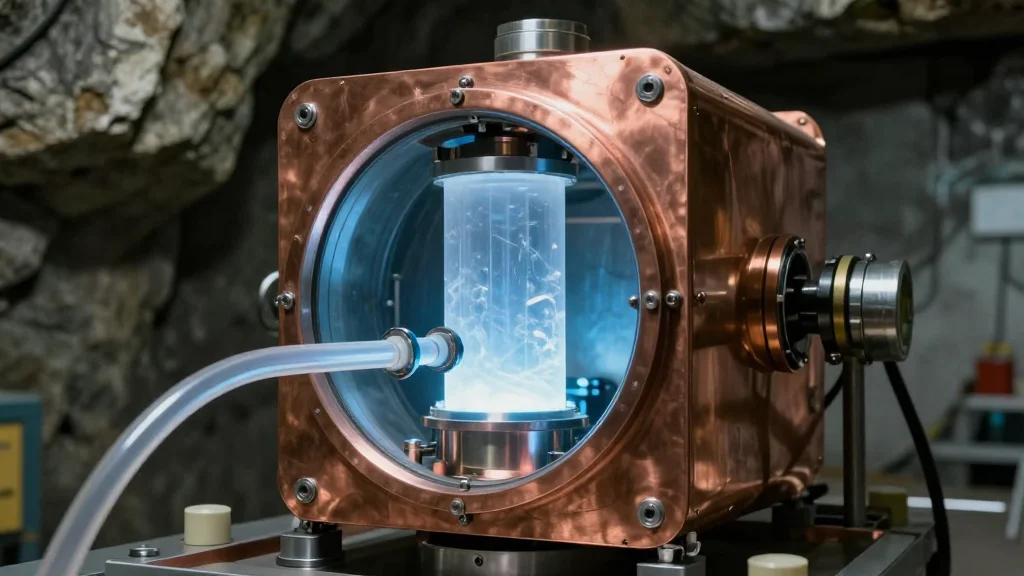
Deep Beneath Earth’s Surface, a Dark Matter Detector Is Ready to Make History
Physicists at Stanford’s SLAC National Accelerator Laboratory have completed construction of a next‑generation dark‑matter detector housed 1.5 km underground, where cosmic radiation is dramatically reduced. The experiment, named SuperCDMS SNOLAB, employs ultra‑cold germanium and silicon crystals to sense the faintest particle...
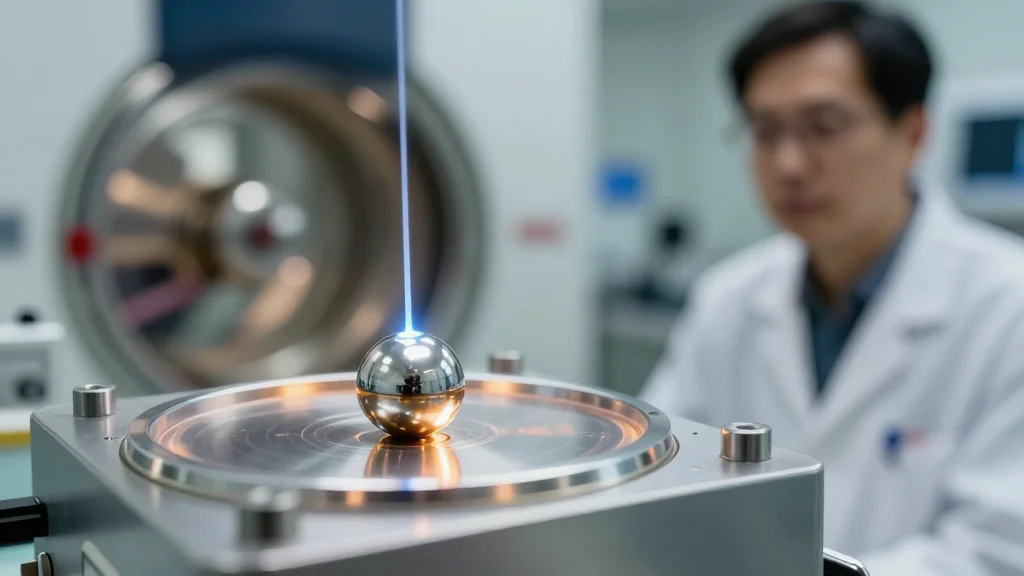
SSRL BL 10-2: Quick-Scanning XAS For Operando Catalysis
The Stanford Synchrotron Radiation Lightsource (SSRL) has launched beamline 10‑2, a quick‑scanning X‑ray absorption spectroscopy (XAS) platform designed for operando catalysis studies. The new setup can acquire full XAS spectra in sub‑second intervals, dramatically accelerating the observation of catalyst dynamics...
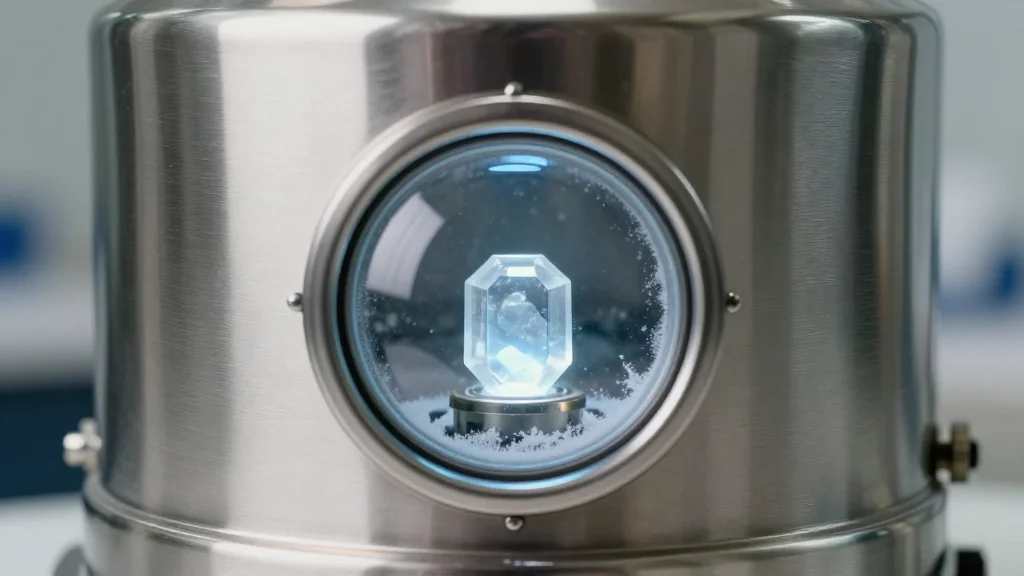
SLAC-Led SuperCDMS Experiment Reaches Operational Temperature
The Super Cryogenic Dark Matter Search (SuperCDMS) experiment, led by SLAC, has successfully cooled its detector array to its target operational temperature of roughly 15 milliKelvin. This milestone enables the cryogenic germanium detectors to function at the sensitivity required for low‑mass...
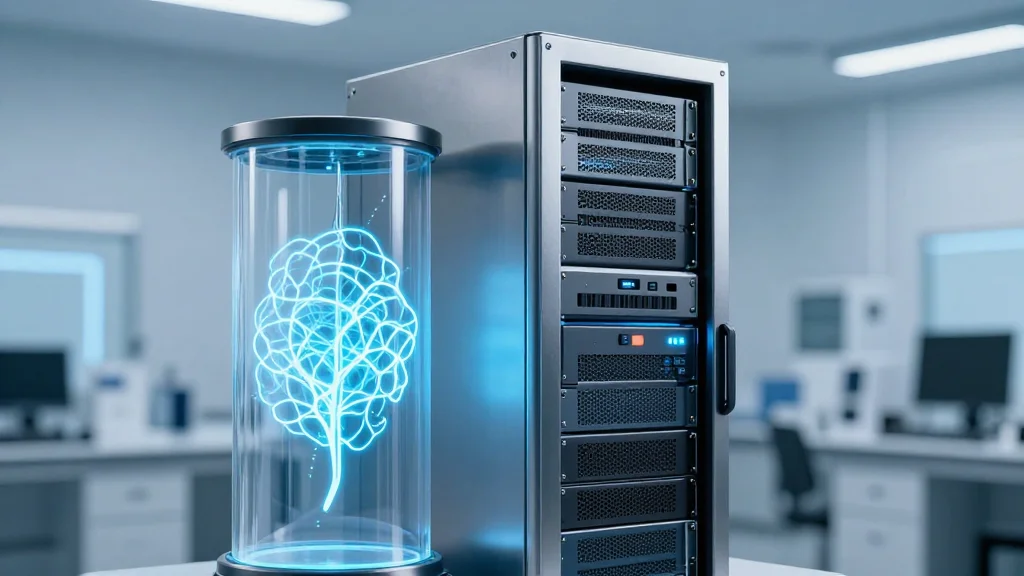
Why the Energy Department’s Science Labs Will Spearhead the Federal Push Into AI
The U.S. Department of Energy announced a coordinated push to embed artificial intelligence across its national laboratories, earmarking roughly $2 billion for AI research and development. Key facilities such as Oak Ridge, Argonne, and SLAC will integrate AI with high‑performance computing...
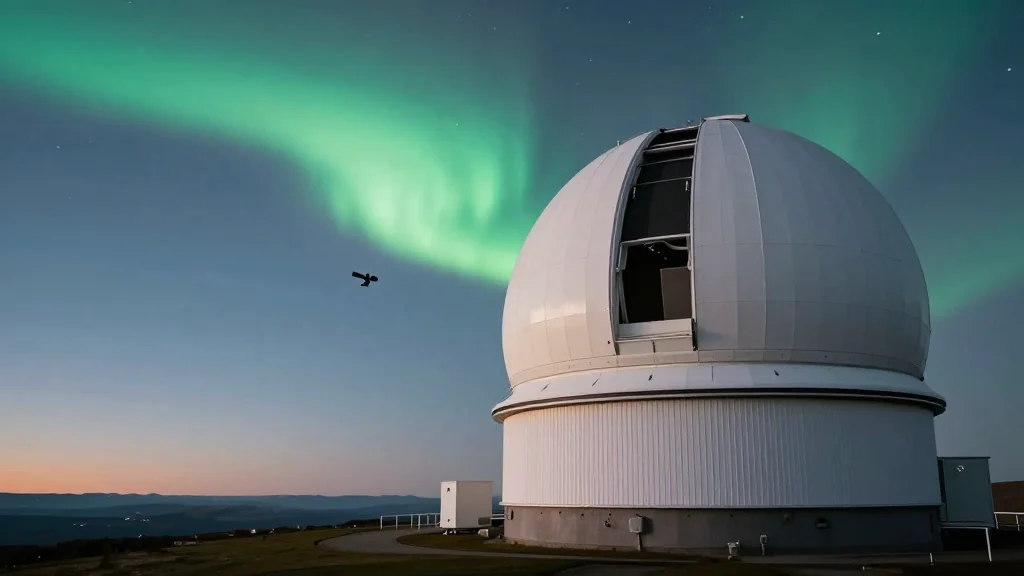
Launching an Alert System for the Changing Sky
Stanford’s SLAC National Accelerator Laboratory has unveiled a new real‑time alert system that monitors rapid changes in the upper atmosphere and space‑weather conditions. The platform integrates data from ground‑based telescopes, satellite sensors, and machine‑learning models to issue warnings within seconds...
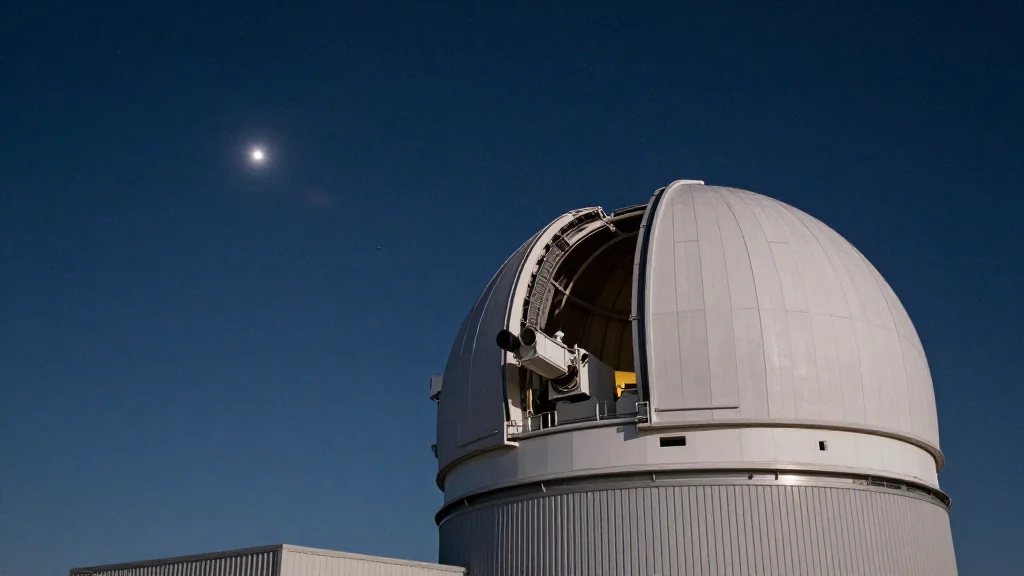
Rubin Observatory Has Started Paging Astronomers 800,000 Times a Night
The Vera C. Rubin Observatory’s Legacy Survey of Space and Time (LSST) has begun issuing roughly 800,000 alerts each night to astronomers worldwide. An automated paging system routes these alerts in real time, flagging transient phenomena such as supernovae, asteroid...
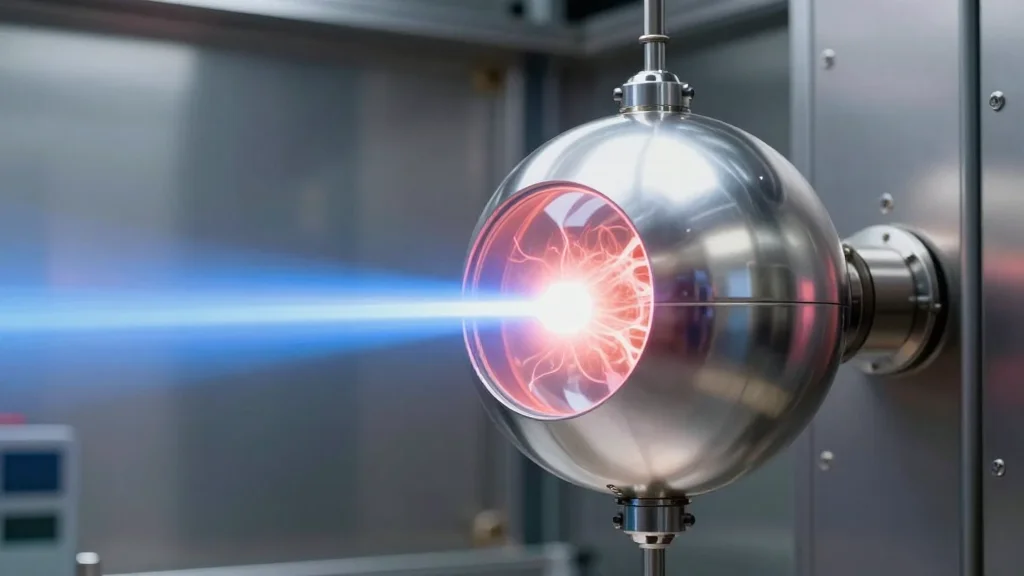
Giant X-Rays Deliver the Sharpest View Yet of Fusion Plasma Gone Haywire
Researchers at SLAC’s Linac Coherent Light Source used ultra‑bright X‑ray pulses to capture the sharpest images yet of a laser‑driven fusion plasma that went unstable. The snapshots, taken with sub‑micron spatial resolution and 10‑femtosecond timing, revealed filamentary structures and turbulence...
Illuminating the Invisible
The Linac Coherent Light Source II (LCLS‑II) at SLAC has begun delivering femtosecond X‑ray pulses that enable scientists to film atomic‑scale motions in real time. Using a newly installed high‑speed detector array, researchers captured molecular vibrations and electron dynamics previously...
Bay Area Light Sources Joint Users' Meeting
The U.S. Department of Energy’s three flagship light‑source labs—Advanced Light Source (ALS), Linac Coherent Light Source (LCLS) and Stanford Synchrotron Radiation Lightsource (SSRL)—will convene for their first joint users’ meeting at SLAC National Accelerator Laboratory from September 20 to 25,...