
Tailoring the Proximity of Metal‐Acid in Metal/Zeolite Bifunctional Catalysts for Enhanced N‐Hexane Hydroisomerization
Researchers used atomic layer deposition to place Pt nanoparticles on TiO2‑modified ZSM‑5, using the TiO2 layer as a tunable spacer that sets the distance between metal and acid sites. By varying this metal‑acid proximity, they observed a volcano‑shaped performance curve in n‑hexane hydroisomerization, peaking at a 67.5% iso‑C6 yield. The optimal spacing enhances diffusion confinement, steering reactants toward kinetically favorable pathways. The work demonstrates that precise nanoscale engineering of bifunctional catalysts can dramatically boost hydroisomerization efficiency.
Versatile Reactive Gradient Block Copolymer System for Highly Robust Nanopatterns With Spontaneous Vertical Orientation
Researchers introduced a reactive gradient‑random block copolymer (GRC‑BCP) that self‑assembles into vertically oriented nanopatterns without surface neutralization. The architecture permits post‑polymerization modification, enabling synthesis of diverse high‑χ derivatives such as organosilicon and organotin variants. Patterns as narrow as 7 nm were...
Highly Conductive and Supertough PVDF‐Based Electrolytes with Self‐Defective Fillers for Solid‐State Lithium Metal Batteries
Researchers introduced self‑defective silicon/silicon‑oxide (Si/SiOx) fillers into a poly(vinylidene fluoride) (PVDF) matrix, creating a solid‑state electrolyte that simultaneously delivers high ionic conductivity, robust mechanical strength, and a wide electrochemical stability window. The heterogeneous Si/SiOx interfaces generate a dipole effect that...

Subtle Hydrophobicity‐Triggered Vesicle Modulation for Label‐Free Rapid Detection of Native Fatty Acids and Steroids
The researchers present a gemini lipidoid that self‑assembles into vesicles only when exposed to hydrophobic molecules, creating a label‑free optical sensor for fatty acids and steroids. This platform distinguishes chain length, degree of unsaturation, and even cis‑trans isomers without any...

In Situ Crosslinked Diallylammonium‐Functionalized Poly(Biphenyl Alkylene) for High‐Performance Anion Exchange Membranes
Researchers have created crosslinked anion exchange membranes (AEMs) by in‑situ free‑radical cyclopolymerization of diallylammonium‑functionalized poly(biphenyl alkylene). By varying the diallyldimethylammonium comonomer, the ion exchange capacity (IEC) was precisely tuned between 2.32 and 3.39 meq g⁻¹ while maintaining a robust network. The optimized...
Increased Series Resistance in the Laser‐Enhanced Contacts of Polysilicon‐Based Solar Cells From an Additional Light Anneal
Researchers investigated an extra light‑anneal step applied after laser‑enhanced contacts in polysilicon TOPCon solar cells. The additional anneal caused a notable rise in series resistance, traced to hydrogen buildup at the metal/p+ emitter interface. Luminescence imaging and contact‑resistance tests confirmed...
Multifunctional Nanoparticles Inhibit HSPs Expression and Improve Pyroptosis Through ROS Amplification in Mild Photothermal Therapy of Oral Squamous Cell Carcinoma
Researchers have engineered folate‑acid‑modified polydopamine nanoparticles loaded with copper peroxide (PDCF NPs) to treat oral squamous cell carcinoma. The nanocarriers generate high levels of reactive oxygen species, which promote Gasdermin D palmitoylation and trigger robust pyroptosis while simultaneously downregulating heat‑shock...

Bacterial Armory: Engineering Dual Photosensitized Bacteria for a Triple‐Modal Therapy on Tumors
Researchers engineered a probiotic E. coli strain by coating it with polydopamine and a cationic BODIPY photosensitizer, creating the E@PB platform that combines photothermal, photodynamic, and immune therapies. The dual‑laser system (808 nm and 660 nm) induces localized hyperthermia and reactive oxygen...
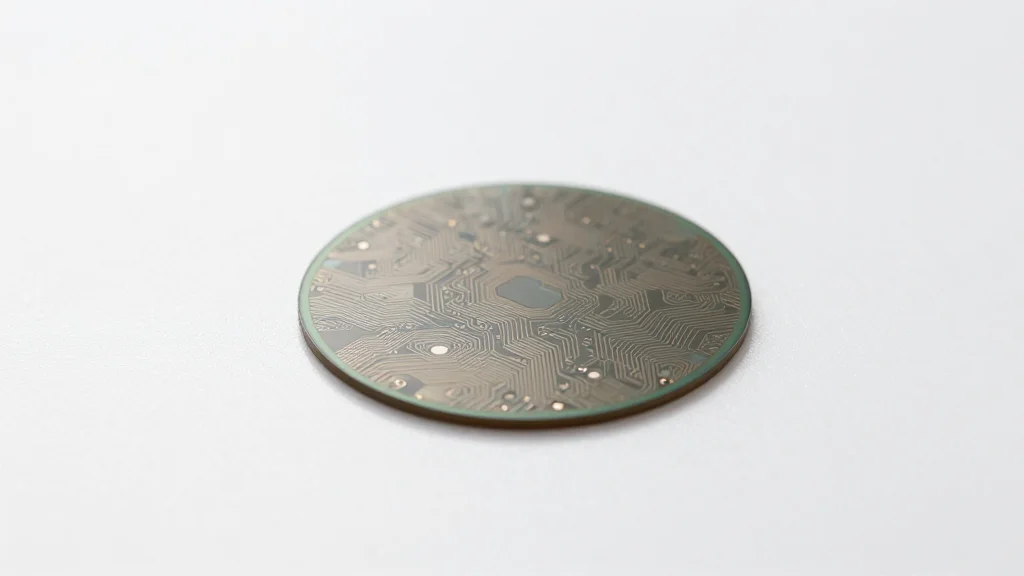
Fabrication of Fe Nanoparticles of 1‐nm Crystallite with Boosted Reactivity and Electron Efficiency
Researchers discovered that adding sodium anthraquinone-2-sulfonate (AQS) during aqueous Fe³⁺ reduction produces iron nanoparticles with crystallites as small as 1 nm—the smallest reported to date. The effect is highly specific; structurally similar sulfonates instead enlarge crystallites to 9‑32 nm. At an optimal...

Achieving Highly Stable and High‐Performance Proton Conductive Covalent Organic Frameworks via Chemical Post‐Modification Strategy
Researchers synthesized covalent organic framework COF-316 with irreversible ether linkages and chemically post‑modified its nitrile groups into carboxyl (316‑COOH) and amide (316‑AM) functionalities. The modified COFs preserved their crystalline architecture while showing markedly higher water vapor uptake and proton conductivity,...

Enhanced Visible‐Light Photocatalytic CO2 Reduction of Perovskite Nanocrystals via Interfacial Acid Reaction
Researchers introduced an oil–water interfacial reaction to supply H⁺ and Br⁻ to CsPbBr₃ perovskite nanocrystals, achieving simultaneous defect passivation and proton source generation. This single‑step treatment raised photoluminescence quantum yields and boosted visible‑light photocatalytic CO₂ reduction activity. In‑situ DRIFTS identified...

Atomic Layer Deposition of Aluminum Phosphorus Oxynitride and Its Application as a Passivation Layer on Aluminum Metal Anode
Researchers have introduced aluminum phosphorus oxynitride (AlPON) thin films using plasma‑enhanced atomic layer deposition (PEALD) as a novel passivation layer for aluminum metal anodes. The coating is deposited between 100 °C and 180 °C from trimethylaluminum, water, tris(dimethylamino)phosphine and oxygen plasma, yielding...

Pure‐Red Light‐Emitting Diodes Based on Lead Halide Perovskite Nanoplatelets Obtained by Ostwald Ripening and Two‐Step Anion Exchange
Researchers leveraged Ostwald ripening to grow monodisperse five‑monolayer CsPbBr3 nanoplatelets, then applied a two‑step bromide‑to‑iodide anion exchange to convert them into pure‑red CsPbI3 nanoplatelets. The resulting nanocrystals exhibit near‑unity photoluminescence quantum yield. Light‑emitting diodes built from these plates deliver a...
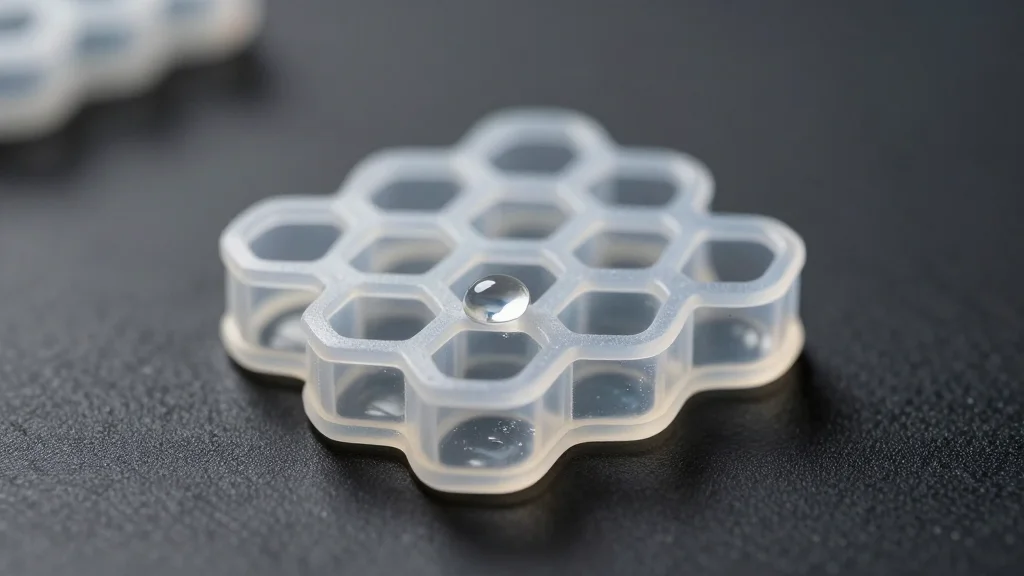
Bacterial Membrane Vesicles: Next‐Generation Nanoscale Antibacterial Biomaterials
Researchers are positioning bacterial membrane vesicles (MVs) as next‑generation antibacterial biomaterials. Their natural lipid bilayer enables encapsulation and protected delivery of antimicrobial agents, while intrinsic bioactivity can stimulate immune responses. Functionalization strategies improve biosafety, targeting specificity, and cargo loading, turning...

Unveiling the In Situ Dissolution and Reconstruction of CoMo for Electrocatalytic Nitrate Reduction to Ammonia
Researchers have engineered a Mo‑doped β‑Co(OH)₂/Co₈₅Mo₁₅ catalyst that undergoes in‑situ surface reconstruction, delivering abundant active hydrogen while strongly adsorbing nitrate ions. The catalyst achieves a Faradaic efficiency of ~96 % at –0.1 V vs RHE, 95 % ammonia selectivity, and maintains performance for...

Entropy‐Engineered HEO/Fe, N‐CNT Bioanode via Flash Joule Heating: Accelerated Electron Harvesting and Directed Geobacter Enrichment for High‐Power Microbial Fuel Cells
Researchers used ultrafast flash Joule heating to fabricate an entropy‑engineered bioanode that anchors high‑entropy oxide (HEO) nanoparticles onto Fe‑ and N‑doped carbon nanotubes. The hybrid HEO/Fe,N‑CNT electrode delivers a record 3.76 W m⁻² power density in microbial fuel cells, a 9.6% gain...
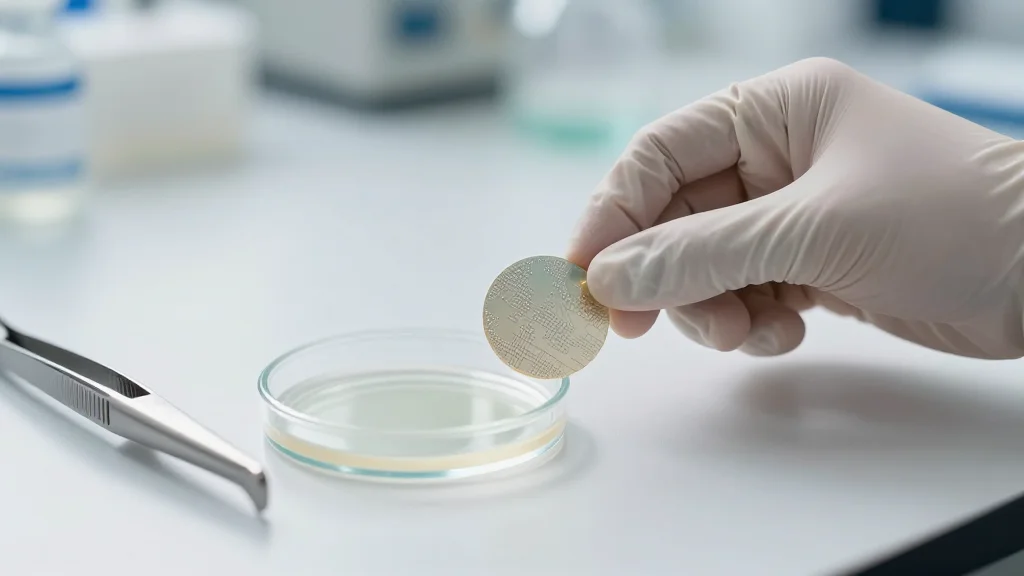
Amorphous Iron Vanadium on Anti‐Perovskite Nickel Zinc Nitride as an Electrocatalyst for Water‐Splitting
Researchers have engineered a bifunctional electrocatalyst by depositing an amorphous iron‑vanadium (FeV) layer onto anti‑perovskite nickel‑zinc nitride (NiZnN), designated FeV_NiZnN. The catalyst delivers low overpotentials of 201 mV for the oxygen evolution reaction at 10 mA cm⁻² and 115 mV for the hydrogen evolution...

Selenium‐Diffusional Precursor Engineering for High‐Efficiency CdSeTe Solar Cells with 80% Fill Factor
Researchers introduced O₂/CdCl₂‑assisted engineering of Se‑diffusional CdSe precursors, achieving deeper, uniform selenium interdiffusion and improved crystallization. The method yields dense, graded CdSeTe absorbers with fewer buried voids and reduced surface‑potential fluctuations, lowering interfacial recombination. Resulting solar cells reach 20.6% power...

Bioinspired Omnidirectional Iontronic Sensors Based on Triboelectric Charge
Researchers unveiled a bioinspired omnidirectional iontronic sensor (BOIS) that merges triboelectric coupling with iontronic effects. The device employs a cross‑scale architecture featuring a 70° inclined ciliary array optimized by a Fibonacci spiral, enabling simultaneous detection of normal and shear forces....
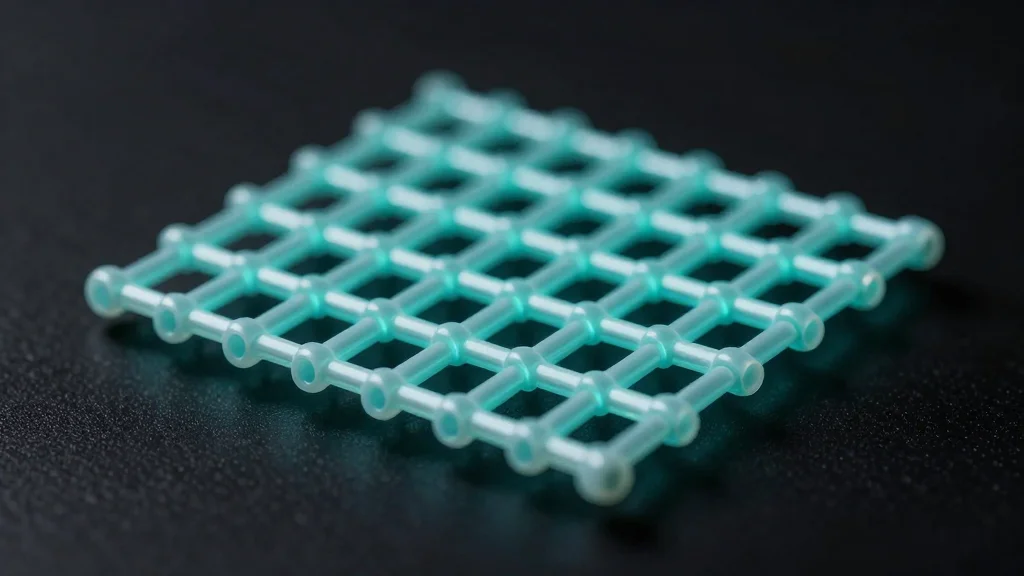
Tribocatalysis and High‐Temperature Resistance Characteristics of Magnetically Responsive Lubrication Additives
The paper presents a magnetic‑responsive composite lubricant that modulates friction in real time when a magnetic field is applied, producing a stepwise drop in coefficient of friction (CoF). At 250 °C the additive cuts CoF by 19.8% (from 0.131 to 0.105)...

Mesoporous Materials for Electrochemical Biosensors: From Broad Structure to Silica Film
The review examines how mesoporous materials—ranging from silica and carbon to metal‑organic frameworks—enhance electrochemical biosensors through tunable porosity, large surface area, and versatile chemistry. It highlights the unique role of mesoporous silica thin films as planar platforms that enable miniaturization...
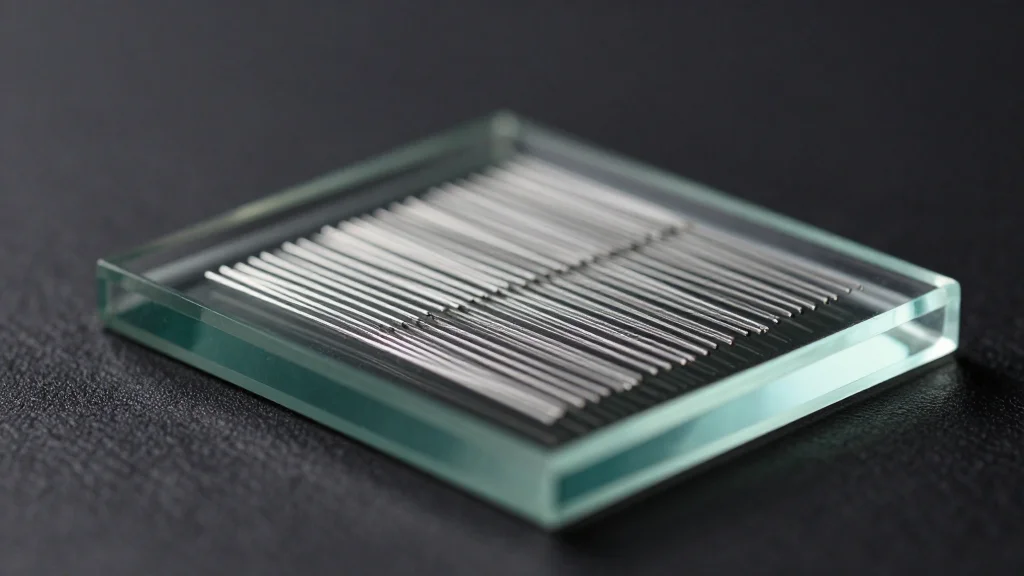
Advanced Characterization and Rejuvenation of End‐Of‐Life Lithium‐Ion Anodes: Toward the Development of a Green Upcycling Route
Researchers demonstrated that simple green solvents—deionized water and ascorbic acid—can rejuvenate end‑of‑life lithium‑ion battery anodes without delamination. Multimodal analyses, including high‑resolution X‑ray tomography, revealed removal of surface impurities and restored graphite microstructure. The regenerated anodes delivered a stable discharge capacity...

PH‐Responsive Psoralen Delivery System for Infected Bone Defects: Spatiotemporal Photothermal Disinfection Coupled with Osteogenesis and Osteoclast Regulation
Researchers introduced a pH‑responsive nanoplatform—PSO/ZIF‑8@PDA (PZP) nanoparticles—that couples photothermal activity with controlled psoralen release. The system degrades rapidly in acidic, infection‑laden bone tissue, delivering antibacterial action first, then promoting osteogenesis as the environment normalizes. In vitro studies identified an optimal...
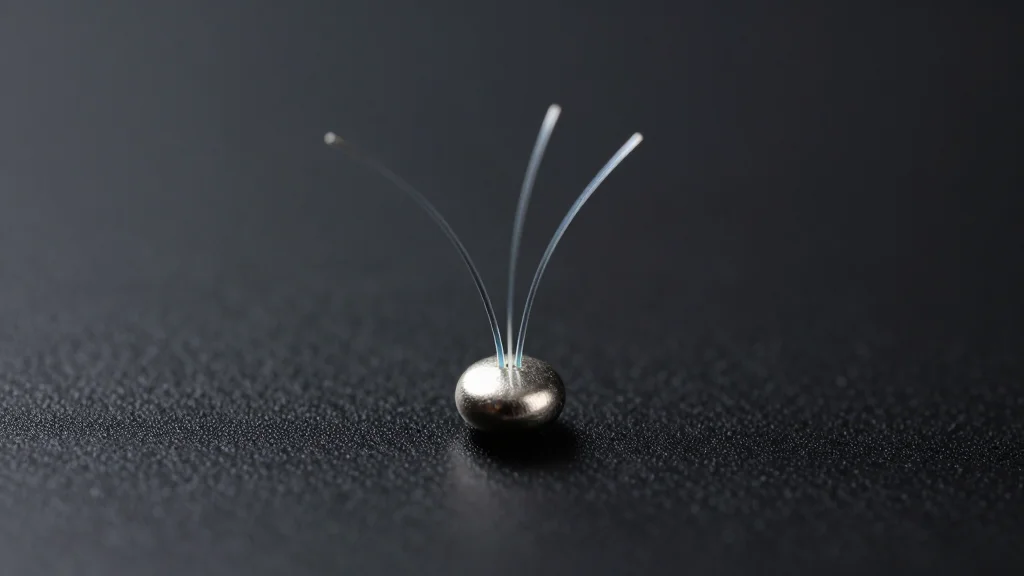
Chemiresistive Gas Sensors: Materials, Mechanisms, and Applications on the Road to Intelligence and Multifunctionality
The review outlines rapid advances in chemiresistive gas sensors (CGSs), detailing key performance metrics and a broad palette of sensing materials such as metal‑oxide semiconductors, carbon nanomaterials, conducting polymers, MXenes, and 2D TMDs. It evaluates engineering strategies—morphology control, heterojunctions, doping,...

Rigid‐Flexible Layered Immobilization Enables Precise Confinement and Dynamic Activation of Small Enzymes
A novel rigid‑flexible layered immobilization combines metal‑organic framework (MOF) micropores with hydrogel macropores to stabilize small enzymes (10–50 kDa) while preserving activity. The dual‑pore architecture reduces substrate‑enzyme distance by 34.2% and prevents leakage, enabling 40 consecutive cycles of high conversion for...

High‐Sensitivity Self‐Powered X‐Ray Detectors Based on Chiral Bismuth Perovskites
Researchers have introduced a lead‑free, chiral bismuth perovskite single crystal, (R/S‑NEA)4Bi2Cl10, that leverages the bulk photovoltaic effect for self‑powered X‑ray detection. The detector delivers a record sensitivity of 10,200 µC·Gy⁻¹·cm⁻² at 1000 V and operates without external bias, detecting as low as...

Enriching Triboelectric Signal Waveform Characteristics Based on Complex Interface Structure for Monitoring Device Operating Status
Researchers have created a PDMS‑encapsulated honeycomb nickel sheet that forms a complex polymer‑metal interface, enriching triboelectric nanogenerator (TENG) signal waveforms. The closed‑sandwich architecture delivers detailed vibration signatures and achieves roughly 95% recognition accuracy. Frequency monitoring errors remain under 4% across...
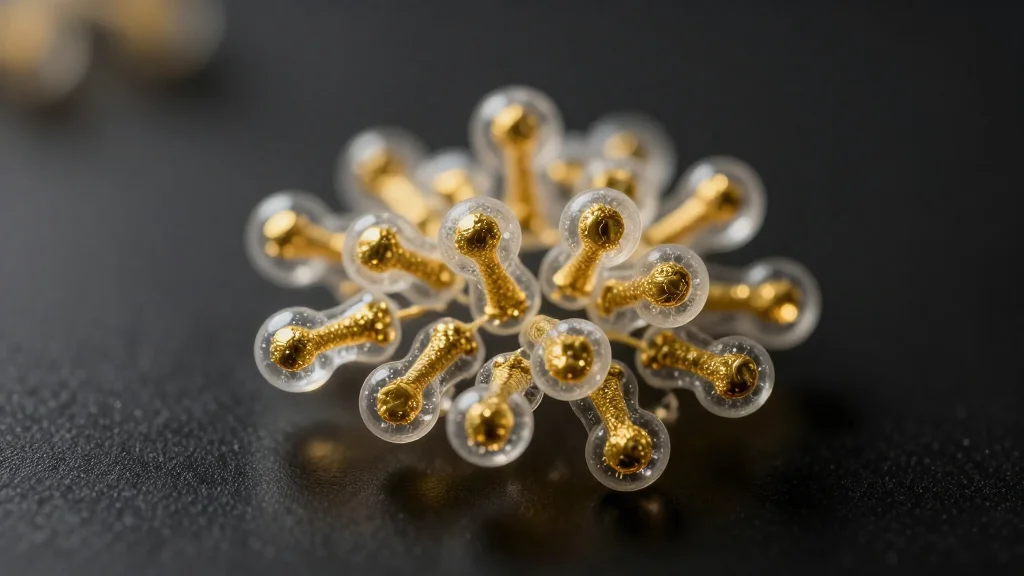
In Situ Growth of 2D Perovskite Nanocrystals to Induce Β–Phase of PVDF for Piezoelectric Nanogenerators with Ultra‐High Output Voltage
Researchers have demonstrated flexible piezoelectric nanogenerators (PENGs) by in‑situ growing 2D perovskite nanocrystals (PEA2MA2Pb3Br10) within a PVDF matrix. The nanocomposite achieves an 86.35 % β‑phase content and a piezoelectric coefficient (d33*) of 35.16 pm/V, delivering a peak output voltage of 66.54 V—over seven...

Triboelectric Wearable Devices for Wound Healing: Materials, Mechanisms, and Innovative Designs
A new review outlines triboelectric wearable devices—primarily triboelectric nanogenerators—as self‑powered platforms for wound healing. It details core design elements, including triboelectric and electrode materials, and structural strategies that enable electrical stimulation without external power. The paper explains multi‑scale mechanisms such...

Morphology‐Regulated Structural Dynamics and Stress Mitigation Enable Stable Chloride Storage for Bismuth Oxychloride Cathodes
Researchers introduced a pH‑tailored hydrothermal route to produce bismuth oxychloride nanoplates (BiOCl‑N) that serve as high‑performance cathodes for chloride‑ion batteries. The nanoplates feature a high surface area, mesoporous framework, and a low Cl⁻ diffusion barrier, which together accelerate ion transport...

High‐Temperature Afterglow Color Tuning via Förster Resonance Energy Transfer
Researchers have developed a low‑temperature processed boric acid matrix that embeds triphenylboronic acid (TPBA) to produce persistent luminescence at high temperatures. The hybrid material exhibits a phosphorescence lifetime of up to 2.56 seconds at 460 K, overcoming typical thermal quenching. By introducing...

Au LSPR Effect Enhanced R‐CeO2/G‐C3N4 S‐scheme Heterojunction for Accelerating CO2 Photoreduction Performance
Researchers engineered a ternary photocatalyst that couples oxygen‑vacancy‑rich CeO₂ with graphitic carbon nitride (g‑C₃N₄) and plasmonic Au nanoparticles. The Au‑induced localized surface plasmon resonance (LSPR) creates an S‑scheme heterojunction, dramatically improving charge separation and lowering the energy barrier for the...
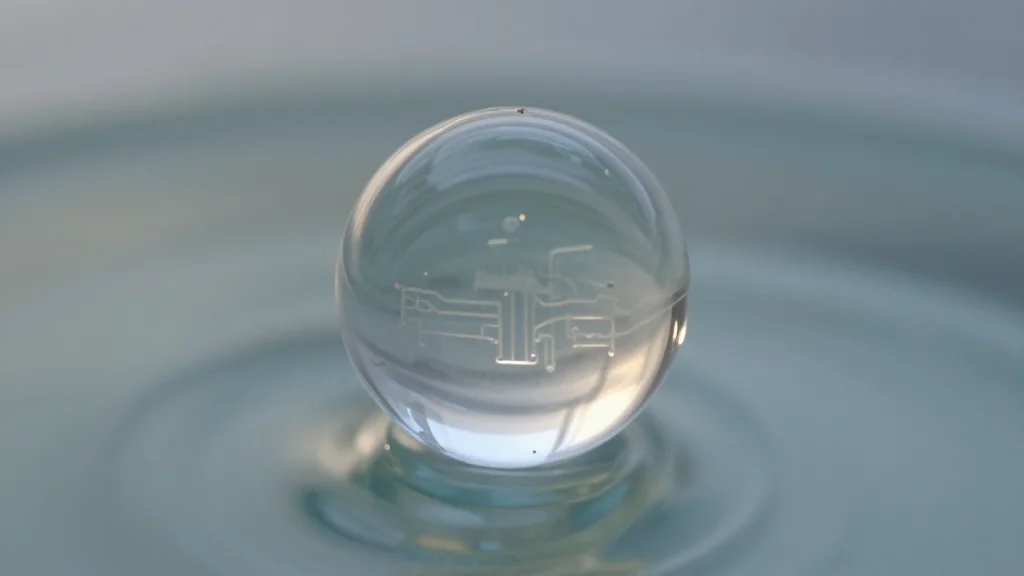
Synergistically Enhance the Mechanical and Electrochemical Properties of Fiber Batteries by Designing Aramid Fiber Skeletons
Researchers have introduced an aramid‑fiber reinforced skeleton for fiber lithium‑ion batteries (FLIBs) that separates charge transport from structural support. The composite achieves a tensile strength of 800 MPa and a modulus of 35 GPa, far surpassing traditional metal‑wire scaffolds. Energy density climbs...

Self‐Driven Interfacial Assembly of MIL‐68 MOFs on Group‐III Nitride Nanorod Arrays for Constructing Efficient Photoanodes
Researchers introduced a surface‑cluster‑assisted, self‑driven method to grow MIL‑68 metal‑organic framework layers directly on InN and GaN nanorod arrays. The resulting heterojunctions exhibit dramatically reduced interfacial resistance and a direct Z‑scheme charge‑transfer pathway. InN/MIL‑68 delivers a record photocurrent density of...

MXene 3D‐AJP: Three‐Dimensional Well‐Oriented Freeform Networks of 2D MXene Nanosheets via Aerosol‐Based 3D Printing
Researchers have unveiled an additive‑free aerosol jet 3D printing method that builds self‑supporting, high‑aspect‑ratio architectures from Ti₃C₂Tx MXene nanosheets. The technique exploits rapid droplet evaporation and real‑time ink thickening to create freestanding 3D geometries without binders. Demonstrated 3D microsupercapacitors exhibit...
In‐Built Reactive Polymer as Versatile Electrolyte to Shield the Bi‐Electrode Surfaces for Practical Li‐Metal Batteries
Researchers have introduced an in‑situ formed polymer electrolyte, PTGI, that simultaneously creates protective interphases on both the lithium metal anode and high‑voltage cathode. The material’s narrow orbital energy gap and strong electrode affinity trigger a sacrificial reaction that outpaces solvent...

Concurrently Suppressing Side Reaction and Freezing in Flexible Zinc–Air Batteries with a Robust Eutectogel Electrolyte
Researchers introduced a deep eutectic solvent‑based eutectogel electrolyte using formamide, which dramatically improves ionic conductivity and mechanical stability for flexible zinc‑air batteries (FZABs). The formamide’s –CONH2 groups bind water, limiting free‑water side reactions such as hydrogen evolution and zinc corrosion...

Electrocatalytic Valorization of PET Hydrolysates Into High‐Value Chemicals Coupled With Renewable Energy Generation
Researchers have devised a full‑molecule valorization route for PET waste by converting PET‑derived benzene‑1,4‑dicarboxylate into a bifunctional Pt/Ni‑BDC electrocatalyst. The catalyst delivers a record 378.8 mA cm⁻² ethylene glycol oxidation at 1.0 V vs. RHE with 90% selectivity toward glycolic acid while cutting...
Regulating Cu Atom Dispersity on Nitrogen‐Doped Carbon for Boosting Electrocatalytic Nitrate Reduction in Strongly Acidic Media
Researchers engineered a copper‑based electrocatalyst on nitrogen‑doped carbon by adjusting pyrolysis temperature, creating a hybrid of Cu single atoms and nanoparticles. This dual‑site architecture enables a two‑step relay mechanism that dramatically improves nitrate‑to‑ammonia conversion in strongly acidic media. The catalyst...

A Sensitive Thermoelectric Respiratory Sensor Using a Hollow‐Square Structure of Cubic Silicon Carbide‐Based Heterojunction
Researchers have unveiled a self‑powered respiratory sensor built on a hollow‑square cubic silicon carbide (3C‑SiC)/silicon heterojunction. By engineering thermal transport through the heterojunction, the device generates a thermal voltage about 3.5 times higher than conventional solid‑state designs. The sensor demonstrates...

Dehydration‐Assisted Rapid Modulated Synthesis of Monodisperse Covalent Organic Framework Single Crystals With Tunable Sizes
Researchers introduced a dehydration‑assisted modulated method that rapidly produces imine‑linked three‑dimensional COF single crystals. By replacing 1,4‑dioxane with benzonitrile and controlling water content, crystal sizes can be tuned from 213 nm to 44.3 µm within just one to three hours. The approach...

Intrinsically Chiral Excimers: Water‐Compatible Trityl‐Based Nanoparticles as Tailored Dual Emitters of Circularly Polarized Luminescence in the Vis or NIR Regions
Researchers have created metal‑free organic nanoparticles (ONPs) from a brominated trityl radical that emit circularly polarized luminescence (CPL) in both visible and near‑infrared (NIR) regions. By adjusting the ratio of radical enantiomers within the particles, the system produces two distinct...

Eco‐Friendly Synthesis and Mechanistic Exploration of Multifunctional Cu/Cr Self‐Assemblies for Durable and High‐Performance Fuel Cell Composite Membranes
Researchers introduced eco‑friendly Cu(II) and Cr(III) L‑aspartic acid self‑assemblies into sulfonated poly(phenylene oxide) membranes, creating mixed‑matrix composites that outperform pristine SPPO. The Cr(III)‑based filler, featuring both –COOH and –NH2 groups, boosted proton conductivity and water uptake, delivering a peak power...

Atomically Precise Iron Catalysis for Efficient Electrochemical Cycloaddition of CO2 With Low‐Cost Feedstocks to Styrene Carbonate
Researchers have developed a ZIF‑derived single‑atom Fe/N‑C catalyst that drives the electrochemical cycloaddition of CO₂ with styrene oxide to produce styrene carbonate under mild conditions. The Fe1.98‑N‑C material achieves a 78% yield and 99% selectivity within six hours, outperforming conventional...
Modulation of SpiroOMeTAD Hole‐Transport Layers for Carbon‐Based Perovskite Solar Cells
The review surveys recent strategies for modulating hole‑transport layers in carbon‑based perovskite solar cells, emphasizing doping of Spiro‑OMeTAD with asymmetric carbon nanohorns (ACNHs). ACNH incorporation boosts the HTL’s electrical conductivity, curtails hysteresis, and markedly improves long‑term stability. By addressing intrinsic...

Defect‐Passivating and Dense Indolocarbazole‐Based Self‐Assembled Monolayers for Efficient Inverted Perovskite Solar Cells With over 26.1% Efficiency
Researchers introduced indolocarbazole‑based self‑assembled monolayers (SAMs) with tailored nitrogen positions and phosphonate anchoring groups to improve inverted perovskite solar cells. The monophosphonate‑anchored M3PAICz‑1 achieved a record 26.12% power conversion efficiency for a 1.55 eV bandgap device and 22.19% for a 1.68 eV...

Carbon Nanogrid‐Directed Interfacial Electric Field Engineering Boosts Selective CO2‐to‐Formate Electrosynthesis
Researchers have developed a nanogrid-directed interfacial electric field engineering approach that embeds tin nanoparticles within a conductive carbon nanotube framework (Sn@CNT). The architecture generates intense, well‑distributed electric fields that boost charge transport, facilitate water activation, and lower the desorption barrier...

Synthesis of Large‐Area 2D Prussian Blue as Ion‐Transport Channels for Non‐Volatile Memristors
Researchers have developed a scalable liquid‑liquid interfacial method to grow large‑area, continuous 2D Prussian blue (FeFe) films with thicknesses from ~2 nm to several hundred nanometres. The technique avoids nanoparticle aggregation, delivering high‑quality flakes suitable for device integration. When incorporated into...
New Hybrid Nanocomposite Films for Optical Diagnostics and Optical Temperature Sensing: Synergy Among Α‐Synuclein, Gold and Upconverting Nanoparticles
Researchers engineered a quasi‑monolayer hybrid film by using the intrinsically disordered protein α‑synuclein as a molecular linker between gold nanoparticles and Yb³⁺, Er³⁺‑doped CaF₂ upconverting nanoparticles. The resulting 2D nanocomposite exhibits strong upconversion emission under 980 nm excitation and functions as...
Correction to “Janus Magnetic‐Plasmonic Nanoparticles for Magnetically Guided and Thermally Activated Cancer Therapy”
Small, EarlyView.