High‐Conductive Stretchable Electrode Array Patch for Real‐Time High‐Fidelity Electromyography Monitoring
Researchers unveiled a multilayer stretchable microelectrode array patch (MEAP‑S) that combines photolithographically patterned gold electrodes with an ultrathin SEBS dielectric. The device delivers conductivity above 10^5 S m⁻¹, stretches up to 100 % strain, and packs 100 channels per cm² while suppressing crosstalk. In human trials it showed signal‑to‑noise ratios exceeding 27 dB under deformation and superior comfort versus traditional Ag/AgCl electrodes. These attributes position MEAP‑S as a viable platform for real‑time, high‑fidelity electromyography in neuromuscular diagnostics and human‑machine interfaces.

Neutralizing Charge Centers Radius via Dipole‐Charge Interaction in Perovskites
Researchers introduced 3,3-difluoropyrrolidine hydrochloride (GOSO-005), a fluorinated dipolar molecule, to neutralize positively charged defects in organic‑inorganic perovskites. The dipole‑charge interaction reduces electron‑trapping radius, enhancing charge transport and suppressing Shockley‑Read‑Hall recombination. Devices incorporating GOSO-005 achieved a certified power conversion efficiency of...

Nanocatalytic Mitochondrial Oxidative Stress Amplification and Mitophagy Disruption for Efficient Tumor Catalytic Therapy
Researchers have engineered a mitochondria‑targeted nanocatalyst, Co‑SA‑TPP@CQ, that couples cobalt single‑atom catalysis with triphenylphosphine localization and chloroquine co‑delivery. Once inside tumor mitochondria, the catalyst produces superoxide anions and oxygen, disrupting the electron transport chain and creating a self‑sustaining oxidative‑stress amplification...
Activating High‐Loading Cathodes Using Percolative Graphite in Rechargeable Alkaline Zn–MnO2 Batteries
Researchers introduced percolative graphite (PG), a moderate‑surface‑area conductive additive, to address the insulating nature of MnO2 in rechargeable alkaline Zn–MnO2 batteries. By replacing large amounts of low‑surface‑area graphite or reactive nanocarbons, PG forms an effective conductive network while maintaining high...
Self‐Generated Chemical Gradients for Controlling the Locomotion of Artificial Nanomotors
Researchers have engineered lipase‑activated nanomotors that generate their own chemical gradients to drive motion in ion‑rich aqueous environments. By hydrolyzing acylated dextran, the motors release carboxylate fragments that accumulate at the particle interface, creating localized concentration differences that propel the...
Multifunctional Hybridized Local and Charge‐Transfer Small Molecular Fluorophore for Imaging‐Guided Photodynamic Anticancer Therapy
Researchers have engineered a D‑π‑A‑π‑D small molecule, XSOTA, that exhibits hybridized local and charge‑transfer (HLCT) excited‑state behavior. This HLCT architecture delivers an exceptional fluorescence quantum yield of 89.2% and a reactive oxygen species (ROS) generation efficiency of 56.3%. When formulated...
Multifunctional Oral Hydrogel Containing Dual‐Active Pt/Mn3O4 Nanozyme for Synergistic Pyroptosis Suppression and Gut Microenvironment Reprogramming to Alleviate Radiation Intestinal Injury
Researchers have engineered an oral hydrogel, PMC@Gel, that co‑encapsulates a Pt/Mn3O4 nanozyme and curcumin to treat radiation‑induced intestinal injury. The nanozyme provides catalase‑ and SOD‑like activity, rapidly scavenging reactive oxygen species, while curcumin restores autophagy and modulates inflammation. The pH‑responsive...

Decoding the Oxygen Evolution Reaction Mechanism in a Novel Octanuclear Nickel(II) Double Cubane Cluster: Unleashing the Electrocatalytic Performance
Researchers synthesized a novel octanuclear nickel(II) double cubane cluster using a Schiff‑base ligand and confirmed its structure by single‑crystal X‑ray diffraction. When immobilized on activated carbon cloth (CC‑3), the catalyst achieved a low OER overpotential of 290 mV at 10 mA cm⁻² in...
High‐Efficiency Water Desalination in Metal Chalcogenide Superlattice via Natural Van Der Waals Wrapping
Researchers introduced a van der Waals (vdW) wrapping strategy to build a (SnS)1.15TaS2 superlattice that combines puckered SnS layers with conductive 1H‑TaS2. The architecture stabilizes the structure, accelerates charge‑transfer kinetics, and preserves atomically smooth ion‑transport channels. In capacitive deionization tests...
Monolithic Acoustic Droplet Centrifuge Array for Enhancing Point‐of‐Care Detection of Trace MicroRNAs
A monolithic acoustic droplet centrifuge array (SAWA) integrates nine miniaturized units on a 13 cm² chip, using a single surface‑acoustic‑wave activation to spin and analyze droplets in parallel. The platform enriches tumor cells and trace microRNAs within droplets, boosting fluorescence signal...
Machine Learning‐Optimized Electromagnetic Wave Absorption in Metal/C Nanocomposites
A combined genetic algorithm and machine‑learning workflow was applied to metal‑carbon nanocomposites, optimizing five synthesis variables across three evolutionary generations. The approach more than tripled the enhanced absorption bandwidth, raising it from 1.24 GHz to 4.08 GHz, while pushing the minimum reflection...
Tellurium‐Vacancy Engineering in Ultrathin Bi2Te3 Enables Broadband Multifunctional Optoelectronic Synapse for Energy‐Efficient Neuromorphic and Optical Information Processing
Researchers engineered tellurium vacancies in ultrathin Bi2Te3 films to create a multifunctional optoelectronic synapse. The defect‑engineered device achieves a record‑low energy consumption of 37.2 fJ per spike and exhibits 191.7% paired‑pulse facilitation. Demonstrations include 93.3% facial‑recognition accuracy, 86.7% urban‑traffic segmentation, optical...

Heavy‐Metal‐Free ZnSeTe Quantum Dots‐Based Liquid Scintillators for Scalable X‐Ray Imaging
Researchers have developed a heavy‑metal‑free liquid scintillator using ZnSeTe core‑shell quantum dots combined with the energy‑transfer donor PPO. By tuning the Te/Se ratio and applying halogen surface passivation, the QDs achieve a blue emission with a light yield of 11,222...
Multifunctional Cyanuric Fluoride‐Mediated Crystallization and Defect Passivation for 2D Sn‐Based Perovskite Thin‐Film Transistors
Researchers introduced cyanuric fluoride (Cy‑F) as a multifunctional additive into 2D PEA₂SnI₄ perovskite films, simultaneously regulating crystallization and passivating defects. The optimized 12 vol% Cy‑F formulation yielded a record‑high thin‑film transistor mobility of 1.88 cm² V⁻¹ s⁻¹, over ten times the pristine device, while...
Polyimide Microwave Absorption Foam Reinforced With Epoxy Resin and Integrated With Multifunctionality
Researchers introduced a novel molecular‑design and component‑regulation strategy that grafts epoxy groups onto polyimide (PI) chains and incorporates rigid segments, forming a cross‑linked, interpenetrated network. This approach simultaneously boosts the foam’s mechanical strength and microwave absorption performance, maintaining structural integrity...

Aspartame Peptide‐Based Piezoelectric Supramolecular Material Toward Energy Harvesting
Researchers have demonstrated that aspartame dipeptide crystals self‑assemble into a non‑centrosymmetric supramolecular lattice that exhibits a piezoelectric coefficient of 37.9 pC/N. A prototype device built from these crystals generated approximately 0.62 V and 2.08 nA under a 50 N mechanical load. The output remained...
Atom‐Efficient Ir Nanoclusters in Laser‐Engineered MoC@N‐Carbon for Ultralow‐Overpotential Hydrogen Evolution
Researchers used pulsed laser irradiation in liquids to embed iridium nanoclusters within a MoC/N‑doped carbon matrix, creating defect‑driven interfacial polarization. The resulting IrNC/MoC@NC catalyst delivers ultralow overpotentials of 25 mV for the hydrogen evolution reaction at 10 mA cm⁻² and 338 mV for hydrazine...
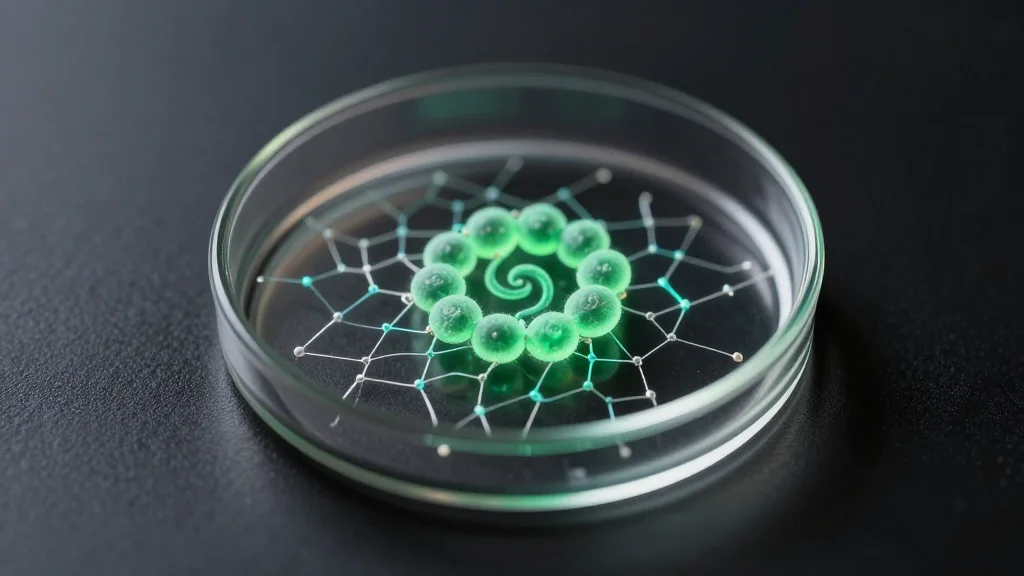
Biomimetic Multifunctional Scaffolds for Osteochondral Regeneration: Bridging Material Design and Functional Integration
The review outlines a systematic framework for engineering biomimetic osteochondral scaffolds, integrating four coordinated components: functional properties, bioactive material systems, advanced fabrication methods, and hierarchical structural designs ranging from monophasic to gradient configurations. By aligning these modules, researchers aim to...

Synergistic Morphology‐Material Design in a Hierarchical Composite Surface for High‐Efficiency Drag Reduction
Researchers introduced a biomimetic hierarchical composite surface (BHCS) that merges staggered denticle arrays, a flexible substrate, and a surface‑grafted PDMS molecular brush using multi‑material 3D printing and spray coating. The optimized BHCS delivered an 18.65% reduction in underwater drag by...

Mapping Out Fast Charging Safe Limits for High‐Loading Lithium‐Ion Cells by High‐Fidelity Operando Microscopy
Researchers used operando optical microscopy on transparent micro‑Li‑ion cells to directly observe lithium plating during fast charging. An ether‑based electrolyte delayed plating onset, delivering up to 54 % more charge capacity at high C‑rates compared with conventional carbonate electrolytes. The effect...

Surface/Interface Design Strategies for Highly Efficient Electrocatalysts: Progress and Perspectives
The review surveys cutting‑edge surface and interface engineering tactics—crystal‑plane orientation, defect creation, functional component modification, and hierarchical geometry—to lift electrocatalyst activity while preserving stability. It underscores the persistent trade‑off between performance and durability under industrial‑scale, high‑current, corrosive environments. Looking forward,...

Protein‐Capturing Microgel‐Integrated Microneedle Array Patches for Enhanced Tip‐Loading, Storage Stability, and Transdermal Delivery of Recombinant Proteins
Researchers introduced a microgel‑integrated microneedle array patch (MI‑MAP) that concentrates recombinant proteins at the needle tips and stabilizes them through phenolic interactions. Compared with conventional hydrogel‑based patches, MI‑MAP achieved markedly higher tip‑loading efficiency and maintained protein activity after 28 days at...
Unconventional Gas Sensing Mechanism in Phase‐Separated N‐Type Mixed Tungsten Oxide 2D‐Nanosheets Compared Against Tungsten (VI) Oxide
Researchers created oxygen‑deficient WO3‑x nanosheets by thermochemical reduction, yielding phase‑separated WO2.9 domains within an insulating WO2 matrix. The mixed‑phase material exhibits unconventional gas‑sensing behavior, showing opposite resistance changes to NO2 and CO compared with pristine WO3. WO3‑x delivers −125 % response...

Mild Photothermal Stimulation Driven Nanoparticles Hybrid Dual‐Network Hydrogels for Bone Repair
The researchers present a PDA@GelMA/HA-DA/Fe3+ dual‑network hydrogel that combines gelatin methacryloyl, dopamine‑modified hyaluronic acid, Fe3+ crosslinking and polydopamine nanoparticles. Fe3+ ions act as angiogenic cues while the nanoparticles provide mild photothermal stimulation under near‑infrared light. In vitro, bone‑marrow mesenchymal stem...

In Situ Exsolved Ni Nanoparticles From Pr0.5Sr0.5Ti0.5Mn0.5O3 with Varying Ni Doping Levels for Direct Methane Solid Oxide Fuel Cells
Researchers investigated nickel‑doped Pr0.5Sr0.5Ti0.5Mn0.5O3 anodes for solid oxide fuel cells, comparing PSTMN41 (Mn0.4Ni0.1) and PSTMN51 (Mn0.5Ni0.1). In‑situ reduction generated dispersed Ni nanoparticles and abundant oxygen vacancies, markedly improving methane oxidation and electron conductivity. PSTMN41 delivered peak power densities of 119.6 mW·cm⁻²...

Controlling Selectivity for Efficient Nitrogen Photo‐Fixation Over Hydrogen Evolution Using Anthracene‐Containing D–A Conjugated Polymers
Researchers engineered anthracene‑BTSO donor‑acceptor conjugated polymers with tunable monomer ratios to steer photocatalytic selectivity between nitrogen reduction (NRR) and hydrogen evolution (HER). The 1:1 donor‑to‑acceptor polymer AnSO‑6 delivered an unprecedented NH3 production rate of 1645.25 µmol g⁻¹ h⁻¹ under full‑spectrum light without sacrificial...
Advances in Functionalized Metal–Organic Frameworks for PFAS Detection: Design, Mechanisms, Performance, and Future Perspectives
The review details how functionalized metal‑organic frameworks (MOFs) are being engineered for ultra‑sensitive detection of per‑ and polyfluoroalkyl substances (PFAS) in water. It outlines design strategies such as pre‑synthetic pore tuning, post‑synthetic functionalization, and MOF‑based composites, linking these to detection...
Ion‐Induced Hydrophilic Switching Enables Nanostructure Morphology Control for Superior Nanoplasmonic Sensing
A brief SF6 plasma pre‑treatment switches glass substrates to a hydrophilic state, dramatically enhancing gold adatom mobility during thermal dewetting. This ion‑mediated wettability control yields uniform gold nanoislands with reduced size dispersion and tighter inter‑particle gaps. The improved morphology boosts...
Hydrogen‐Bond Network Redistribution Enables Uniform Ambient‐Air Blade‐Coated Perovskite Solar Modules
Researchers introduced a novel molecular additive, 1,2,4‑triazole‑3‑carboxamide (TZC), to address non‑uniformity in ambient‑air blade‑coated perovskite films. TZC simultaneously chelates Pb²⁺ and reconfigures the hydrogen‑bond network, reducing formamidinium‑solvent interactions that cause local supersaturation. The additive enables large‑area modules with 20.3% efficiency...

Ligand Defect Engineering of Amidoximated Metal–Organic Frameworks for Highly Efficient Uranium Extraction From Seawater
Researchers engineered three amidoxime‑functionalized defective UiO‑66 metal‑organic frameworks (MOFs) using a ligand modulation strategy, dramatically improving uranium capture from seawater. UiO‑66‑3BA‑AO achieved a record saturated adsorption capacity of 904.1 mg g⁻¹ within 90 minutes and extracted 26.9 mg g⁻¹ of uranium over 28 days in natural...

Pair‐Resolved Fe–M Dual‐Atom Catalysts for Programmed PMS Activation: Mechanisms, Membrane Confinement, and Standardized Benchmarks
The review introduces a pair‑resolved framework for Fe‑M dual‑atom catalysts (DACs) that program peroxymonosulfate (PMS) activation, allowing seamless switching between radical and non‑radical pathways. It connects synthesis details, µ‑peroxo bridging, and spin/electronic coupling to pathway selection, pollutant selectivity, and catalyst...
Unveiling Novel Biomarkers: Ferroptosis and M1A in the Progression of Nanographene‐Induced Lung Fibrosis
The study demonstrates that inhalation of graphene nanomaterials induces pulmonary fibrosis accompanied by ferroptotic cell death. Dose‑ and time‑dependent exposure leads to organ‑specific damage, especially in the lungs and immune system. Researchers identified 1‑methyladenosine (m1A) as a responsive biomarker, whose...

CdS‐GeSe Heterostructure‐Based Bimodal Memristor with Tunable Synaptic Plasticity and Mixed‐Signal Switching for Neuromorphic Hardware
Researchers unveiled an Ag/CdS‑GeSe/FTO memristor that operates in both analog and digital regimes, switching below 0.8 V for gradual conductance changes and above 0.8 V for binary states. The heterostructure responds to visible and infrared light, with 405 nm optical pulses further modulating...

Harnessing Carbon Dots for Photocatalytic Energy Conversion: Challenges and Opportunities
Carbon dots (CDs) are emerging as low‑cost, tunable photocatalysts for converting solar energy into chemical fuels. Their performance hinges on synthesis‑driven structural features, which dictate photophysical and redox behavior. The review highlights how heterogeneity hampers reproducibility and stresses the need...

Magnetic Nanocomposites with Cell Membrane Cloak for Electrochemical Profiling of Cancer‐Related MiRNAs
Researchers have engineered magnetic nanocomposites cloaked in cell membranes to serve as carriers for DNA probes targeting cancer‑related microRNAs. Upon binding miRNA, duplex‑specific nuclease triggers cyclic cleavage, releasing labeled signal strands that bind to a tetrahedral DNA interface on an...

Advanced Encapsulation Technologies for Extracellular Vesicles: From Single Units to Macroscale Packaging
The review categorizes extracellular vesicle (EV) encapsulation into nanoscale, microscale and macroscale approaches, detailing how each tier shields vesicles and modulates release. It highlights recent material innovations that improve EV stability, targeting precision, and therapeutic payload capacity. The authors discuss...
Intratumoral Synthesis of Two‐Photon NIR‐I Activated Photosensitizer Undergoing Oxygen‐Free Photo‐Redox Cycle for Hypoxic Tumor Phototherapy
Researchers have engineered an intratumoral prodrug, AICST, that converts to the photosensitizer AICST‑SO3 when exposed to two‑photon NIR‑I (800 nm) light. The activated compound operates via an oxygen‑free photo‑redox cycle, producing cytotoxic hydroxyl radicals that kill cancer cells even in hypoxic...

The Phase Transition Mechanism of Solid Nanoparticles During Catalytic Growth of Single‐Walled Carbon Nanotubes
Researchers have unveiled a mechanism to steer single‑walled carbon nanotube (SWCNT) chirality by manipulating the phase of solid metallic‑carbide nanoparticles. Using molecular dynamics simulations, they showed that the nanoparticle phase hinges on the nucleation intermediate and the role of subsurface...
Self‐Strain Suppression of the Metal‐to‐Insulator Transition in Phase‐Change Oxide Devices
Researchers used X‑ray nano‑diffraction to map vanadium sesquioxide (V2O3) devices at the nanoscale, showing that focused gallium ion irradiation creates a defect region that lowers the metal‑to‑insulator transition temperature. The lattice mismatch between pristine and irradiated zones generates internal strain,...
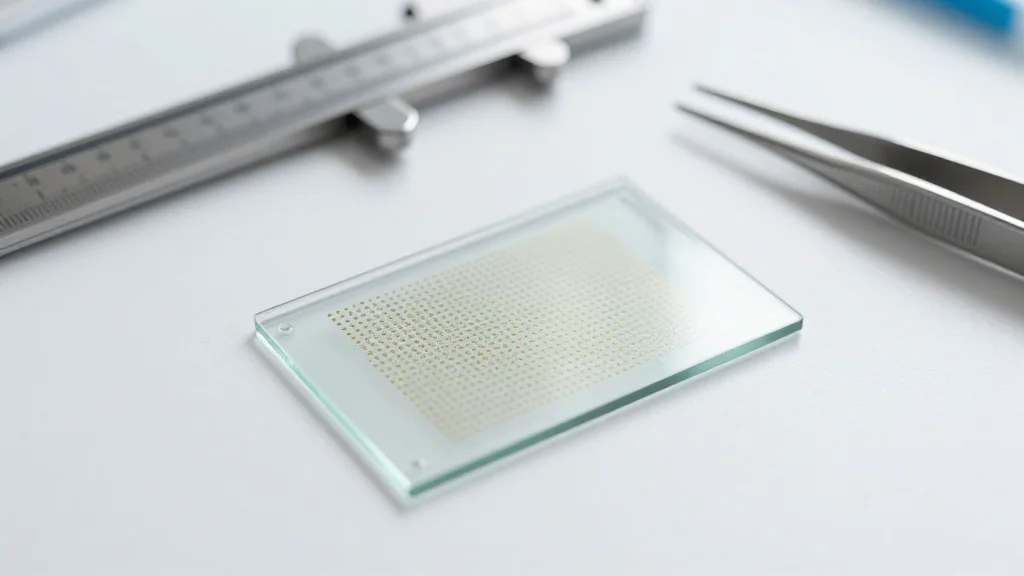
Synergistic Engineering of Closed Pores Regulation and In Situ Defects Repair in Anthracite‐Based Hard Carbon Toward Superior Sodium Storage Performance
Researchers converted low‑cost anthracite into high‑performance hard‑carbon anodes for sodium‑ion batteries using a combined KOH activation and space‑confined methane CVD process. The method simultaneously generates abundant closed pores and repairs structural defects, limiting graphitic crystal growth. The optimized MDMA‑2‑6 sample...

Bottom‐Up Assembly of Biomass‐Derived MXene Aerogels with Hierarchical Electromagnetic Interfaces for Multifunctional Electromagnetic Wave Absorption
Researchers have fabricated a lightweight MXene/lignocellulose-derived carbon aerogel incorporating iron particles that delivers exceptional electromagnetic wave absorption. The hierarchical porous structure, combined with MXene’s high conductivity and Fe’s magnetic loss, yields a minimum reflection loss of –51.2 dB and an effective...
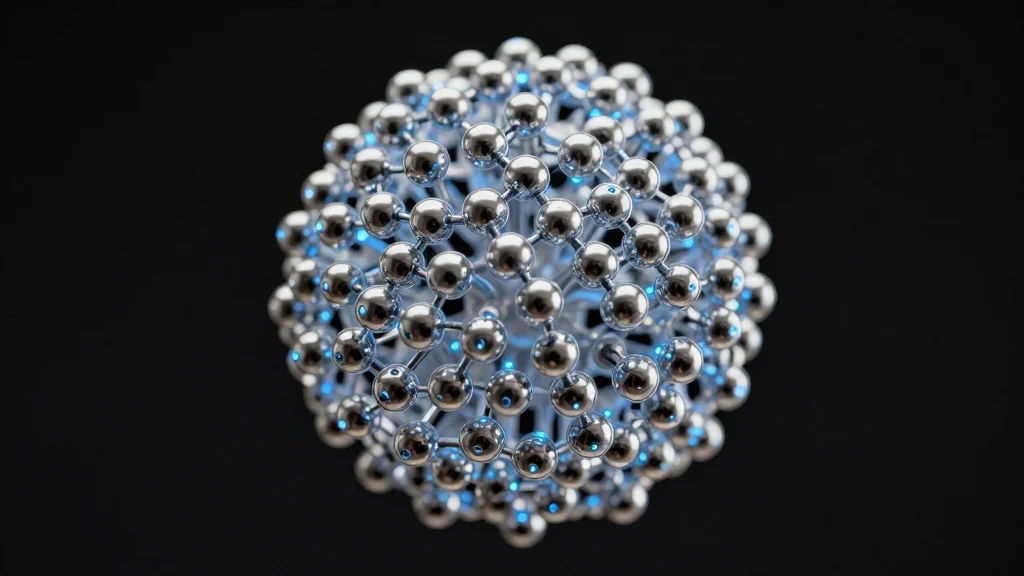
Interface Engineering Effected Charge Redistribution Within High Entropy Alloy‐Metal Heterostructured Catalyst Enables High Performance Anion Exchange Membrane Water Electrolysis (Small...
Researchers engineered the interface of a Mo‑decorated FeCoNiCuMo high‑entropy alloy (HEA) with metal to redistribute charge, improving hydrogen adsorption/desorption balance and OH‑ affinity. This modulation accelerates the Volmer and Heyrovsky steps, boosting hydrogen evolution reaction kinetics. The heterostructured catalyst delivers...
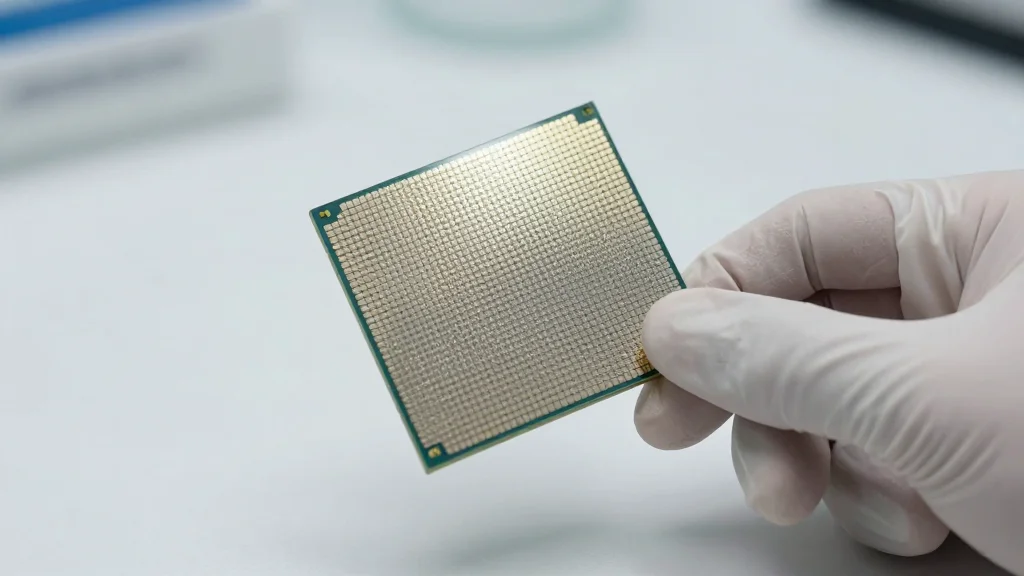
UV‐Curable Perovskite Nanocrystal Inks Integrated with Distributed Bragg Reflectors for Blue‐To‐Green and Blue‐To‐Red Photoconversion
Researchers have developed UV‑curable perovskite nanocrystal inks based on isobornyl acrylate that can be inkjet‑printed for precise color‑conversion layers. The inks, containing CsPbBr3 or CsPbI3 nanocrystals, deliver pure green (528 nm) and red (643 nm) emission with photoluminescence quantum yields above 92%....
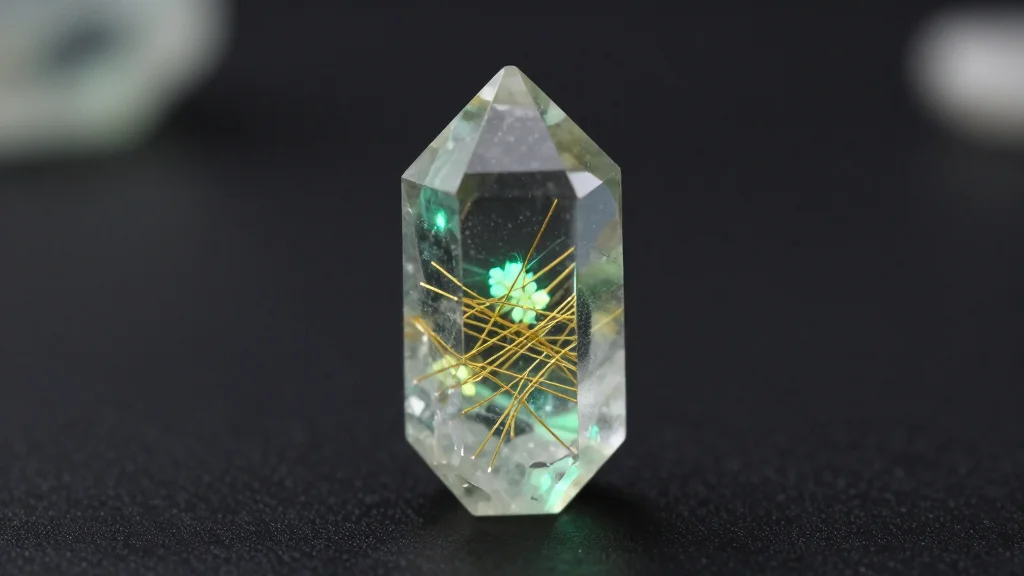
Enhancement of Antibacterial and Osteogenic Properties in Novel Ti‐Mo‐Hf‐Cu Medium Entropy Alloys (Small 5/2026)
Researchers have designed a Ti‑Mo‑Hf‑Cu medium entropy alloy that spontaneously forms nanoscale acicular (Ti,Hf)2Cu precipitates. The precipitates generate localized micro‑area potential differences, delivering strong antibacterial activity while simultaneously promoting osteogenic cell growth. Additionally, the alloy’s low elastic modulus closely matches...
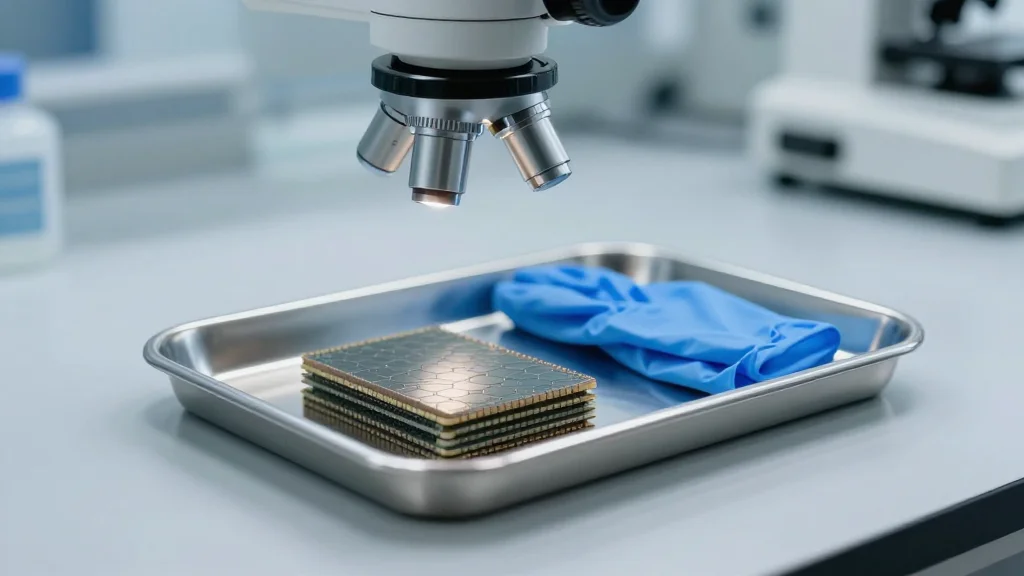
Enhancement of Antibacterial and Osteogenic Properties in Novel Ti‐Mo‐Hf‐Cu Medium Entropy Alloys
Researchers have engineered a new class of Ti‑Mo‑Hf‑Cu medium entropy alloys (MEAs) that combine antibacterial activity with enhanced bone‑forming capability. By adding copper and hafnium to Ti‑Mo, nanoscale (Ti,Hf)₂Cu precipitates form without heat treatment, delivering 97% bacterial kill rates against...
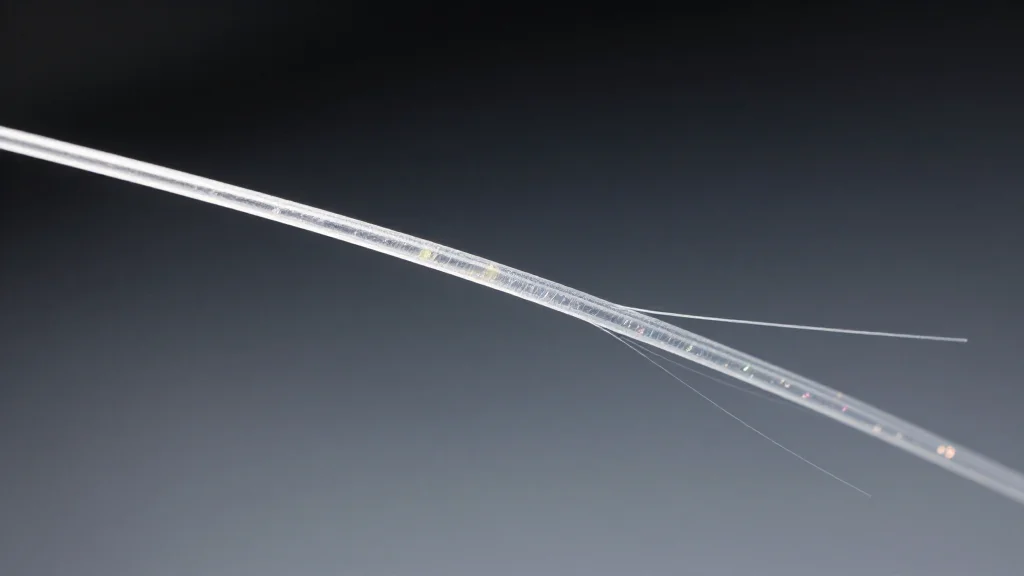
Advancing Characterization for Magnetic Materials via Magneto‐Optical Kerr Effect Microscopy
The review outlines recent progress in magneto‑optical Kerr effect (MOKE) microscopy, emphasizing its surface‑sensitive, nondestructive, and real‑time imaging capabilities. It details the three operational modes—polar, longitudinal, and transverse—each tailored to specific magnetization orientations. The article surveys MOKE applications across magnetic...

Functionalizing Nucleic Acids: Synthesis and Purification Strategies for Bioconjugates as Biomaterials
The review outlines how DNA and RNA can be chemically linked to polymers, peptides, proteins, lipids, and saccharides to create hybrid biomaterials. It details synthesis routes and matches each to appropriate purification techniques such as chromatography, membrane filtration, and electrophoresis....
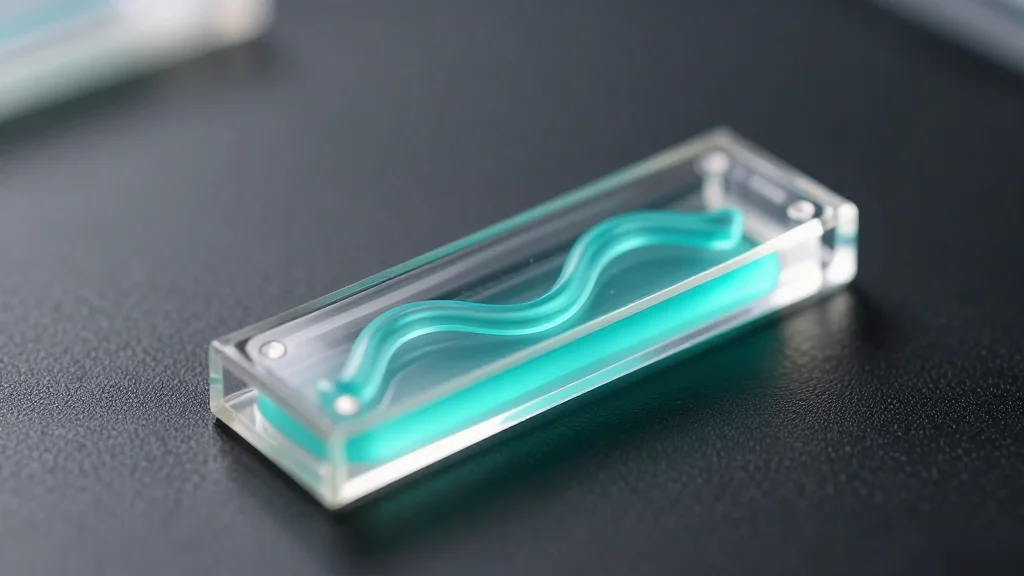
Species‐Specific Antibacterial Materials: From Design to Application
Traditional broad‑spectrum antibiotics fuel resistance and disrupt the microbiome, prompting a shift toward species‑specific antibacterial materials that target only pathogenic microbes. These agents exploit unique bacterial signatures to preserve beneficial flora while eliminating disease‑causing strains. The review outlines selective mechanisms,...

Enhancing Lithium‐Oxygen Battery Performance by Optimizing the Interaction of Cathode Materials and Soluble FePc Redox Mediator
Researchers demonstrated that tuning the interaction between iron(II) phthalocyanine (FePc) redox mediator and cathode surfaces markedly improves lithium‑oxygen (Li‑O2) battery performance. By replacing sp2‑carbon cathodes with non‑sp2 materials such as MoN, TiN, and Ti3C2Tx, FePc adsorption weakens, boosting its solubility...

Advanced Analysis Techniques for Elucidating Failure Mechanisms in Silicon Anodes for Li‐Ion Batteries
The review dissects why silicon anodes fail in lithium‑ion batteries, pinpointing volume expansion, unstable SEI formation, and phase transitions as primary culprits. It showcases how cutting‑edge techniques—such as in‑situ transmission electron microscopy, X‑ray tomography, and operando spectroscopy—provide real‑time structural and...