
Heteroatom Loading of Nanodiamonds Modulates the Coupled Electrocatalytic Production of H2O2 by Oxygen Reduction and Water Oxidation
Researchers have synthesized oxygen‑doped nanodiamonds (O‑ND) and copper‑doped nanodiamond composites (Cu‑OND) that excel in two‑electron oxygen reduction (ORR) and water oxidation (WOR), respectively. O‑ND raises ORR Faradaic efficiency from 71% to 87.1%, while Cu‑OND delivers 78.2% WOR efficiency. When paired in a full electrochemical cell at 1.8 V, the combined Faradaic efficiency reaches 161.1%, surpassing most literature values. DFT analysis attributes the performance to charge regulation on sp³ carbon and heterojunction effects.
Non‐Corrosive Methide‐Based Lithium Salt for Stabilizing Ni‐Rich NMC Cathodes
Researchers introduced lithium bis‑trifluoromethanesulfonyl‑methide (LiCTf2), a methide‑based analogue of LiNTf2 that eliminates aluminum current‑collector corrosion and reinforces interfacial stability for Ni‑rich NMC cathodes. The CTf2⁻ anion forms low‑solubility Al³⁺ complexes and strengthens Li⁺ coordination, creating a hybrid inorganic‑organic cathode‑electrolyte interphase....

Engineered Biomimetic Nanorobots Orchestrate Targeted Nose‐to‐Brain Delivery to Resolve Neuron‐Glia Entanglement Against Parkinson's Disease
Researchers have engineered a biomimetic nanorobot (hPH‑RNPEC) that can be administered intranasally to deliver a combined payload of endogenous miRNAs and curcumin directly to the brain. The platform uses Pueraria lobata‑derived exosomes cloaked in neutrophil‑like membranes, a rabies virus glycoprotein...

Programmable G‐Quadruplex@DNA Nano‐Highway Network Platform Enables One‐Pot Electrochemical Detection of Exosomes for Breast Cancer Lymph Node Metastasis Evaluation
Researchers have created a rapid, one-pot electrochemical sensor for breast‑cancer‑derived exosomes. The device leverages an aptamer‑triggered hybridization chain reaction combined with a streptavidin‑biotin cross‑link to assemble a G‑quadruplex‑DNA nano‑highway network at room temperature. Binding of the vimentin aptamer disassembles the...

Renovating Neural Networks With Viral‐Mediated Gene Transfer From A Tissue Contacting Matrix Mimic
Researchers engineered a self‑assembling peptide hydrogel (Fmoc‑DDIKVAV) to encapsulate adeno‑associated virus delivering brain‑derived neurotrophic factor (AAV‑BDNF). In a mouse Huntington's disease model, the hydrogel‑mediated delivery achieved markedly higher BDNF expression and neuroprotection in the striatum than direct AAV injection. The...

Charge Directed Selective Co‐Assembly of Ionic Complementary Peptide Binary Mixtures
Researchers have shown that designing peptide charge distribution, together with pH, stoichiometry, and concentration, can selectively direct the co‑assembly of ionic complementary peptide binary mixtures. By adjusting these parameters, they control β‑sheet strand alignment, assembly kinetics, nanofiber morphology, and hydrogel...

Tunable Morphological Engineering of Self‐Assembled Copper‐Glutathione Nanoarchitectures: Size‐Dependent Antibacterial Action for Pathogen Infections Management
Researchers have developed size‑tunable copper‑glutathione (Cu‑GSH) nanocapsules using a simple co‑precipitation method, enabling precise control over particle morphology. In kiwifruit trials, the optimized formulation delivered 77% therapeutic and 66% protective efficacy, outperforming conventional copper pesticides. Small spherical nanocapsules penetrated plant...
Lithiated PAA‐Coated SiOx Anode for Stable and High‐Capacity Lithium‐Ion Batteries: Interfacial Regulation and Volume Expansion Suppression
Researchers have engineered a spherical SiOx@LiPAA composite anode using spray‑drying, where lithiated polyacrylic acid forms a conductive, elastic coating. The LiPAA layer buffers silicon‑oxide volume expansion and fosters a thin, LiF‑rich solid‑electrolyte interphase. Electrochemical tests show 1,234 mAh g⁻¹ after 200 cycles...

Ultrasensitive MicroRNA Detection Combining Reduced Graphene Oxide Electrolyte‐Gated Transistors and Machine Learning
Researchers have created an ultrasensitive biosensor that merges DNA‑functionalized reduced graphene oxide (rGO) electrolyte‑gated transistors (EGTs) with machine‑learning analytics to detect cancer‑ and neuro‑related microRNAs. The platform targets the miR‑34 family and achieves a limit of detection as low as...
Transition‐Metal‐Doped Hexagonal Boron Nitride for Efficient and Selective Nitrate‐to‐Ammonia Electrocatalysis: Theoretical Perspective and Design Principles
Researchers used first‑principles calculations to evaluate transition‑metal‑doped hexagonal boron nitride (TM@h‑BN) monolayers for electrochemical nitrate reduction to ammonia. Fe@h‑BN and Ir@h‑BN emerged as the most promising single‑atom catalysts, showing low limiting potentials of –0.45 V and –0.31 V respectively. Their balanced nitrate...
Sulfur‐Fumigation Engineered Ceria Nanoparticles With Augmented Oxygen Vacancies for Enhanced Therapy of Drug‐Induced Liver Injury
Researchers applied sulfur fumigation to reconfigure ceria nanoparticle surfaces, exposing (200) and (220) crystal facets and generating abundant oxygen vacancies. This structural shift dramatically boosts the particles’ reactive oxygen species (ROS) scavenging capability while maintaining a liver‑targeting hydrodynamic size (~136 nm)....
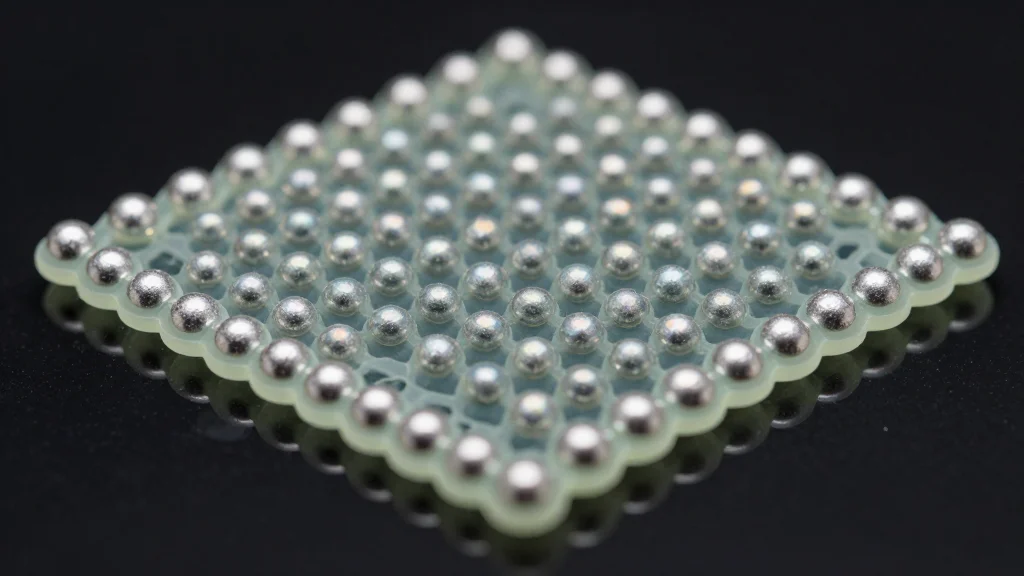
Symmetric Metal Organic Framework‐Plasmonic Architectures for Reversible and High‐Sensitivity Optical Sensing
The study introduces a plasmonic sensing platform that couples surface lattice resonances (SLRs) from two‑dimensional metal nanoparticle gratings with ZIF‑8 metal‑organic framework (MOF) films. Gratings are fabricated via a template‑assisted, scalable colloidal assembly compatible with MOF growth. By exchanging solvents...
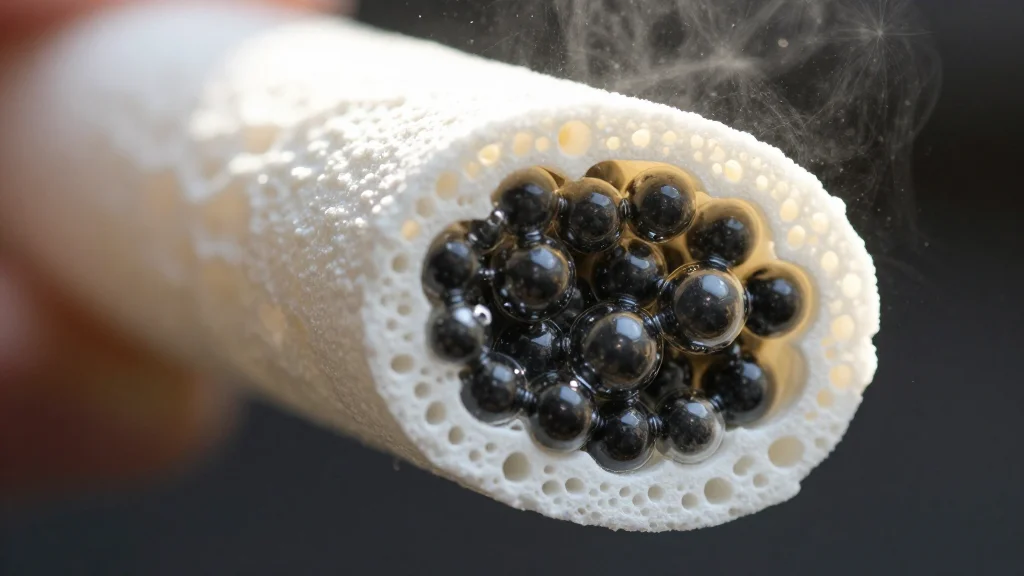
Hollow RuSe2‐MoSe2@NC Microsphere/Chitosan Aerogel Janus Electrode for Solar‐Driven Photothermal‐Promoted Synchronous Seawater Splitting and Evaporation
Researchers introduced a Janus‑type electrode that merges hollow RuSe2‑MoSe2@NC microspheres and carbon black within a chitosan aerogel matrix. The asymmetric design simultaneously drives seawater electrolysis and solar‑driven evaporation on a single platform. Under 1 kW m⁻² illumination, the device reduces the overall...

Co‐Assembled Layers for High Performance Wide Bandgap Inverted Perovskite Solar Cells
Researchers introduced a co‑assembled hole‑transport layer (AH‑SAM) by blending aminoguanidine dihydrochloride with the standard Me‑4PACz self‑assembled monolayer. The hybrid interface passivates halide vacancies, curbs Me‑4PACz aggregation, and lowers the HTL HOMO level, delivering an open‑circuit voltage of 1.27 V and a...

Pollutants to Products: A Tailored Multicomponent Photocatalyst for Simultaneous CO2 and Plastic Waste Conversion
Researchers have engineered a high‑entropy oxide photocatalyst (BaTiNbTaZnO9) that simultaneously reduces CO₂ to carbon monoxide with over 95% selectivity and oxidizes polyethylene terephthalate (PET) waste into methane, acetate, glycolate and terephthalate under light. The catalyst’s distorted lattice combines electron‑accepting d⁰...

Tailored Molecular Fillers Enable High‐Temperature Insulation and Long‐Term Operating Stability in All‐Organic Polymers
Researchers introduced the TU3 organic molecule as a molecular filler for epoxy resin, creating deep charge traps that dramatically improve dielectric performance. With just 0.02 wt% TU3, breakdown strength rose 30.75% at room temperature and 52.28% at 120 °C, while maintaining long‑term...

Promises and Challenges of Na4Fe3(PO4)2(P2O7) Cathode for Electric Vehicles and Energy Storage From an Industrial Perspective
The review establishes a performance‑to‑application framework for Na4Fe3(PO4)2(P2O7) (NFPP) cathodes in sodium‑ion batteries, assessing six key metrics including energy density, power density, cycle life, temperature range, safety and cost. It benchmarks NFPP against commercial LiFePO4, highlighting comparable energy density, superior...

Engineering Interface Polarity via Halide‐Functionalized Self‐Assembled Monolayers for NiO‐Based QLEDs with High External Quantum Efficiency
Researchers introduced halide‑functionalized 2PACz self‑assembled monolayers (SAMs) on Cu‑doped NiO hole‑injection layers, creating a strong interfacial dipole that deepens the valence band and lowers the hole‑injection barrier. The high polarizability of the halide groups enhances van der Waals forces, yielding...
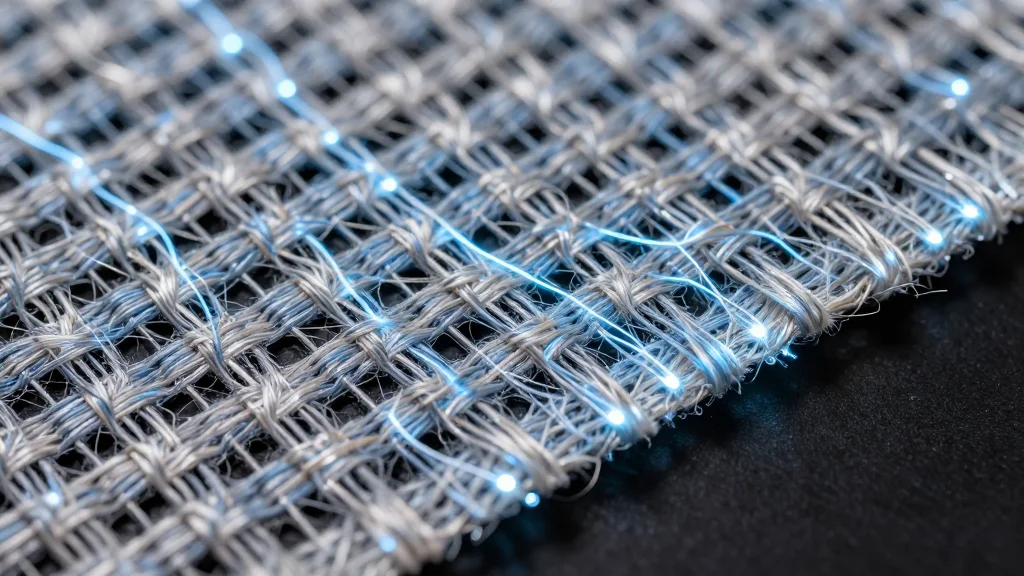
Dual‐Mode Triboelectric Textiles with Electrostatic Breakdown for Energy Harvesting and Motion Monitoring
The researchers introduced a dual‑mode triboelectric textile (DMTT) that can generate direct‑current (DC) in contact‑sliding mode and alternating‑current (AC) in contact‑separation mode. By employing core‑sheath‑structured fibers woven with cotton and conductive yarns, the fabric achieves a peak instantaneous DC current...

Confining Polyiodide in Polymer Cathode Boosts Cycling Stability in High Energy‐Dense Aqueous Zinc‐Sulfur Batteries
Researchers introduced a cationic polymer, poly(vinyl butyl imidazolium iodide) (PVIMI), that immobilizes polyiodide species within the cathode of aqueous zinc‑sulfur batteries. This confinement accelerates sulfur redox reactions, curtails polyiodide shuttling, and mitigates zinc anode corrosion. The binder‑free PVIMIx cathode delivers...

Self‐Adaptive Absorption‐Superspreading Coating for Environment Endurable and Long‐Lasting Antifogging Applications
Researchers have introduced a bioinspired self‑adaptive absorption‑superspreading coating (SAASC) that rapidly absorbs moisture and spreads water droplets within 2.5 ms, preventing fog formation. The polymer blends hydrophilic N‑methyl‑D‑glucosamine with hydrophobic glycidyl methacrylate, creating a cross‑linked network that remains optically clear and...

Regulating 4f‐2p‐3d Orbital Coupling in CeO2 via Dual‐Transition Metal Doping for Efficient Peroxymonosulfate Activation
Researchers engineered a Fe/Co co‑doped CeO2 catalyst that creates a gradient 4f‑2p‑3d orbital coupling, dramatically improving peroxymonosulfate activation. The dual‑metal system narrows the Fe/Co‑O energy gap, boosts Ce(IV) content, and accelerates electron transfer at Ce sites. As a result, the...

Pyrochlore‐Type Bi2Ru2O7 With Regulated Local Electronic Structure for Efficient Oxygen Evolution Reaction
Researchers introduced pyrochlore‑type Bi2Ru2O7 (BRO) as a next‑generation oxygen evolution reaction (OER) catalyst for anion‑exchange membrane water electrolysis. BRO achieves more than 20‑fold higher OER activity than conventional RuO2 while containing 48.3 wt % less ruthenium. The superior performance stems from bismuth‑induced...

High‐Entropy Spinel Oxides‐Decorated MXene Nanoarchitectures for Efficient Methanol Oxidation‐Assisted Hydrogen Production
Researchers have engineered high‑entropy spinel oxide nanoparticles containing five transition metals directly on ultrathin Ti3C2Tx MXene sheets. The resulting HEO/MX nanoarchitecture acts as a bifunctional electrocatalyst, delivering low‑voltage methanol oxidation (MOR) and efficient hydrogen evolution (HER) in alkaline media. It...

Prussian Blue Analogues for Non‐Aqueous Sodium‐Ion and Potassium‐Ion Batteries: The Landscape From Lab‐Scale Optimizations Toward Practical Applications
Prussian blue analogues (PBAs) are emerging as scalable cathode materials for non‑aqueous sodium‑ion and potassium‑ion batteries. The review connects crystal chemistry, defect control, and particle engineering to electrochemical performance, highlighting synthesis routes, crystal water, and interfacial stability. It outlines lab‑scale...

Interfacial Water Reorganization via Polyethyleneimine‐Functionalization for Enhanced Alkaline Hydrogen Evolution on Single‐Atom Platinum Anchored on Reduced Graphene Oxide
Researchers introduced a dual‑function electrocatalyst, RGO‑PEI/Pt1, that couples single‑atom platinum with a polyethyleneimine‑functionalized reduced graphene oxide scaffold. The PEI layer reorganizes interfacial water into a hydrogen‑bonded chain, acting as a proton pump and dramatically accelerating alkaline hydrogen evolution. The catalyst...

Enhanced Low‐Temperature Photoluminescence in Α‐CsPbI3/WS2 Heterostructures: Experimental and Theoretical Insights Into Exciton Dynamics in Low‐Dimensional Materials
Researchers have achieved a 109‑fold increase in photoluminescence (PL) from α‑CsPbI3 perovskite quantum dots integrated with a monolayer WS2 at 8 K, compared with room temperature. Combined photoluminescence spectroscopy and density functional theory reveal that reduced structural distortion in the perovskite...
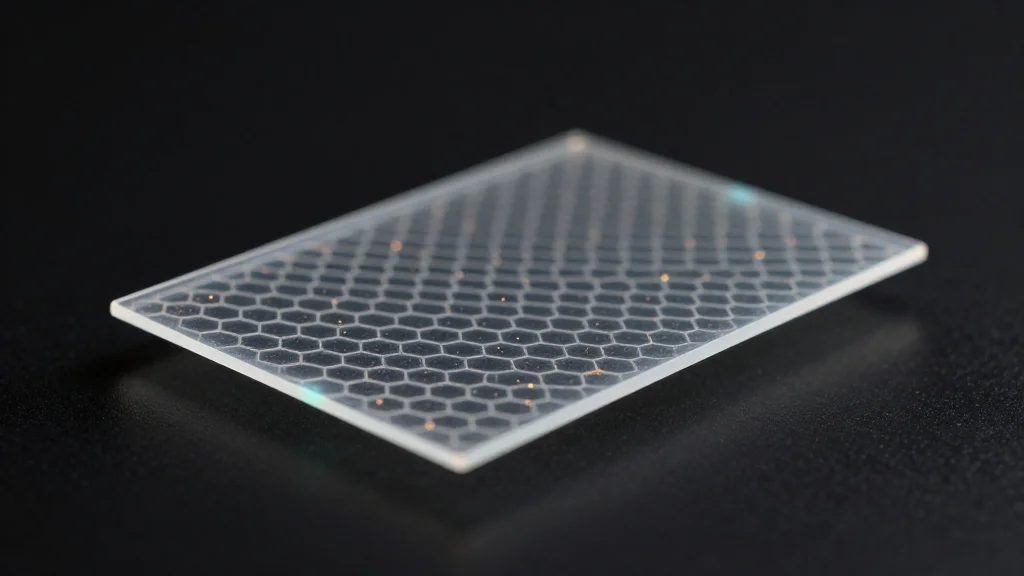
Metalloborophenes: Structural Diversity and Emerging Properties of Metal–Boron Two‐Dimensional Frameworks
Metalloborophenes are a newly emerging class of two‑dimensional boron frameworks whose stability and functionality derive from incorporated metal atoms. The first experimental realization—copper‑borophene nanoribbons—in 2024 confirmed long‑standing theoretical predictions and highlighted the material’s tunable electronic, magnetic, and catalytic traits. Computational...
Tuning Spin Valley Coupling via Strain‐Amplified Magnetic Proximity in Fe3GaTe2/WS2 Heterostructures
Researchers have shown that applying strain via a gold‑grating substrate dramatically strengthens the magnetic proximity effect in Fe3GaTe2/WS2 heterostructures. The enhanced interlayer coupling expands the exciton valley‑polarization hysteresis and drives the excitonic Landé g‑factor to an unprecedented –30. First‑principles calculations...

Layered Double Hydroxides‐Incorporated Thin‐Film Nanocomposite Membranes: Emerging Strategies for Sustainable Liquid Separation
Recent research highlights layered double hydroxides (LDHs) as versatile nanofillers in thin‑film nanocomposite (TFN) membranes, offering tunable chemistry, adjustable interlayer spacing, and inherent hydrophilicity. By integrating LDHs into substrates, interlayers, or selective polyamide layers, researchers have demonstrated simultaneous gains in...

Amine‐functionalized Ti3C2Tx MXene‐integrated Nanocomposite Membranes via Vapor‐phase Interfacial Polymerization for CO2 Separation
A sustainable vapor‑phase interfacial polymerization (VP‑IP) method creates Ti₃C₂Tₓ‑NH₂ MXene‑enhanced thin‑film nanocomposite membranes for CO₂ capture. The solvent‑free process precisely controls polymer growth and embeds MXene nanofillers that form CO₂‑philic channels. The optimized TFN@0.5MX membrane (0.5 wt% MXene) reaches 389 GPU CO₂...

Corneal Nerve Regeneration via MSC‐Derived EVs: Tissue Source and Culture Dimensionality Dictate miRNA Cargo and Therapeutic Efficacy
Researchers compared extracellular vesicles (EVs) from human corneal and bone‑marrow mesenchymal stem cells (MSCs) grown in traditional two‑dimensional (2D) plates and three‑dimensional (3D) spheroid cultures. EVs were characterized and tested for their ability to promote corneal nerve regeneration in vitro...
Unravelling Mixed Organic‐Halide Perovskite Degradation Under Extrinsic Factors
Researchers used neutron reflectometry with isotope substitution to probe degradation of mixed organic‑halide perovskite films under humidity and temperature stress. The technique revealed that films deposited on TiO₂ exhibit enhanced stability and form a distinct interfacial layer composed of formamidinium...
Designing Stable Graphitic Networks on Ultra‐Porous Polyimide Aerogels via Solvent‐Guided Structuring
Researchers engineered a thermally robust, hierarchically porous polyimide aerogel by tuning solvent‑polymer interactions, enabling stable laser‑induced graphitization. The process creates a uniform graphene network within the aerogel, achieving sheet resistivity as low as 6.5 Ω sq⁻¹ while preserving a dielectric constant of...

Modulate Stresses for Efficient Full‐Air Processed Flexible Perovskite Solar Cells with Polymer Adhesive
Researchers introduced an in‑situ polymerized adhesive (CHDMGE/TETA) that simultaneously mitigates microscopic strain and provides macroscopic stress dissipation in flexible perovskite solar cells. The polymer creates a viscous environment that slows solute diffusion, yielding high‑crystalline perovskite films, while its cross‑linked gel...

Suppression of Dendrite Growth and Enhanced Sodiophilicity in Sodium Metal Batteries by Sb‐Coated Zn Current Collector
Researchers introduced a Sb‑coated Zn (Sb@Zn) current collector to stabilize sodium metal anodes. Density functional theory shows Sb incorporation boosts Na binding energy, fostering uniform deposition. Electrochemical tests reveal the Sb@Zn electrode suppresses dendrite growth, delivering 500 cycles at 5 C...
In Situ Preparation of Bismuth Nanoparticles Encapsulated in Porous Carbon Spheres on Graphite Felt Electrodes for Vanadium Redox Flow Batteries
Researchers have developed an in‑situ method to grow bismuth nanoparticles encapsulated in nitrogen‑doped carbon spheres directly on graphite felt (Bi@NC/GF). The multicore‑shell architecture prevents particle agglomeration, improves electron conductivity, and creates abundant active sites for the V³⁺/V²⁺ redox reaction. When...

Printed Nb2O5 Metasurfaces for Ultraviolet‐Visible Chiro‐Optical Holography
Researchers have created a niobium pentoxide (Nb2O5) particle‑embedded resin that combines a high refractive index with low UV‑visible absorption, enabling single‑step nanoimprint lithography of chiral metasurfaces. The etch‑free process produces large‑area, transparent devices that generate spin‑dependent holographic images from 375 nm...

Supramolecular Gelation of Hydrogen Peroxide: Reconciling Safety and Reactivity
Researchers have created a supramolecular gel using glycyrrhizic acid and polyvinyl alcohol that locks hydrogen peroxide into a mechanically strong, thixotropic matrix. The gel exhibits a storage modulus above 3600 Pa, remains stable for over six months, and eliminates leakage. It...

Twisting‐Induced Phonon Localization and Ultralow Thermal Conductivity in Penta‐PdTe2 Bilayer Revealed by a Universal Machine‐Learning Potential
Interlayer twisting in a penta‑PdTe2 bilayer dramatically localizes phonons, driving the lattice thermal conductivity down to 0.30 W m⁻¹ K⁻¹. The study employs a fine‑tuned universal machine‑learning potential (NEP89) with sub‑2.3 meV atom⁻¹ energy errors, coupled to homogeneous non‑equilibrium molecular dynamics and Wigner transport theory....

Intralayer Nanoconfined CuOx Nanocatalysts in Boron Nitride Membrane for Efficient Micropollutant Oxidation
Researchers have integrated copper oxide (CuOx) nanocatalysts into the water‑transport channels of a boron nitride (BN) membrane, creating a nanoconfined catalytic platform for advanced oxidation processes. The CuOx@BN system activates peroxymonosulfate (PMS) to generate hydroxyl radicals and singlet oxygen, delivering...
Pyridine‐Functionalized Covalent Organic Frameworks as Metal‐Free Photocatalysts for Chlorotrifluoromethylation of Alkenes via Inner‐Sphere Mechanism
Researchers have synthesized two pyridine‑functionalized covalent organic frameworks (COFs) that act as metal‑free photocatalysts for the chlorotrifluoromethylation of alkenes. The linearly conjugated COF‑25Th outperforms its cross‑conjugated counterpart, delivering up to 99% conversion across diverse substrates. The superior activity stems from...

Soft Interferometric Nanostrain Sensor Reveals Solid‐Liquid Interfacial Tension Oscillation Amplified by Competitive Adsorption
Researchers have created an interferometric nanostrain sensor that measures solid‑liquid interfacial tension of unlabeled protein drops with sub‑0.25 mN m⁻¹ resolution. Using fetal bovine serum, the device shows that γSL declines as protein concentration rises while γSV stays unchanged. Beyond the expected...
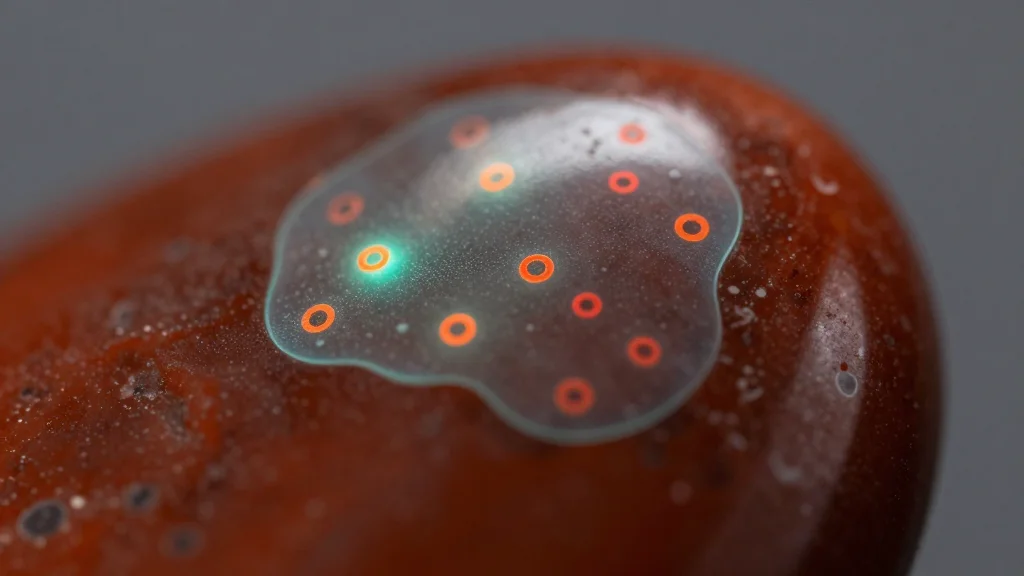
Phosphonic Acid Porphyrin Assemblies Boost Surface Kinetics and Water Oxidation of Α‐Fe2O3 Photoanodes
Researchers introduced a phosphonic‑acid‑terminated porphyrin self‑assembly as a hole‑transport layer on α‑Fe₂O₃ photoanodes. The TPPP (‑PO₃H₂) anchoring group exhibited the strongest chemical adsorption, cutting interfacial charge‑transfer resistance. This molecular interface boosted the photocurrent density by 6.7‑fold and the applied‑bias photon‑to‑current...

Engineered Β‐Crystal Domains Enable Strong Humidity‐Responsive Actuation in Recombinant Spider Silk
Researchers engineered recombinant spider‑silk proteins by adding terminal cysteines that form disulfide‑stabilized β‑sheet domains during shear‑assisted wet spinning. The resulting C4S fibers retain crystalline alignment up to 90 % relative humidity, delivering rapid, reversible contraction. Mechanical testing shows a recovery stress...

Thermo‐Responsive Smart Window Coupled with Heat Storage Effect
Researchers unveiled a dual‑layer thermo‑responsive smart window that merges dynamic optical switching with solar heat storage. The device combines a thermochromic PNIPAM layer and a supercooled calcium chloride hexahydrate phase‑change layer, achieving a solar modulation of 70.1% and storing 199 J g⁻¹...

Functional Nucleic Acids for Cell–Cell Interactions
The review outlines how functional nucleic acids (FNAs) are emerging as programmable tools to modulate cell‑cell interactions. It categorizes regulatory strategies—DNA hybridization, molecular recognition, scaffold construction, and stimulus‑responsive designs—and showcases applications in cellular immunotherapy, force monitoring, 3D tissue model reconstruction,...
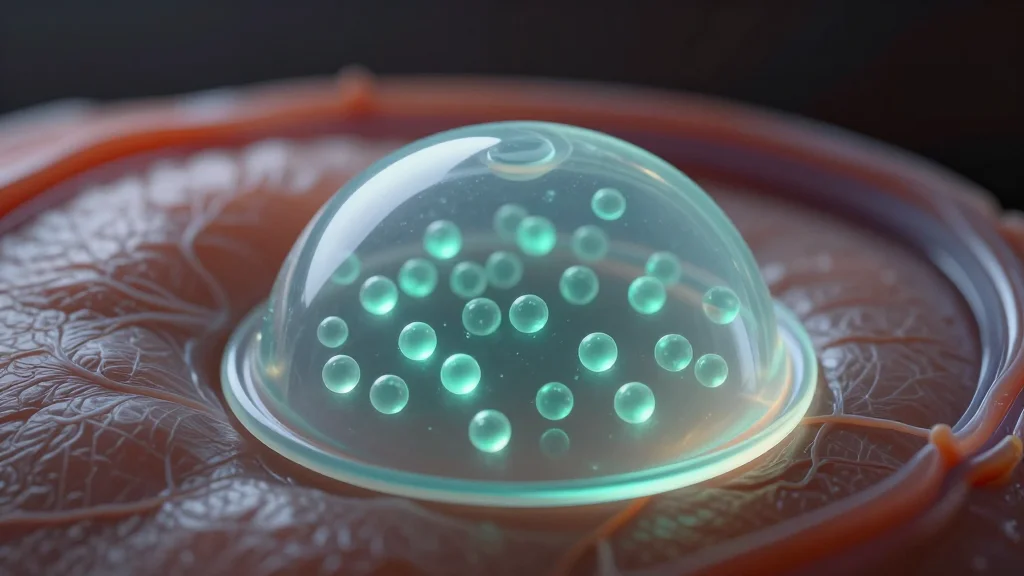
Corneal Nerve Regeneration via MSC‐Derived EVs: Tissue Source and Culture Dimensionality Dictate miRNA Cargo and Therapeutic Efficacy (Small 6/2026)
Elmira Jalilian and colleagues published a study in Small (June 2026) showing that the tissue source of mesenchymal stem cells (MSCs) and whether they are cultured in two‑dimensional versus three‑dimensional environments dictate the microRNA cargo of extracellular vesicles (EVs) and...

Rational Design and Application of MOF‐Based Materials for Photocatalytic CO2 Reduction
The review outlines recent advances in metal‑organic framework (MOF)‑based photocatalysts for CO2 reduction, detailing synthesis routes, mechanistic pathways, and structure‑performance correlations. It categorises MOF design into directly modified frameworks, MOF‑derived structures, and MOF composites, each offering distinct active‑site configurations. The...

Reaction Kinetics in Proton Batteries: An EIS/DRT‐Based Case Study of Vanadium Pentoxide Electrodes
Researchers used vanadium pentoxide (V2O5) electrodes in an aqueous proton electrolyte to dissect the individual contributions of charge transfer, diffusion, and interfacial phenomena to overall impedance. By pairing electrochemical impedance spectroscopy (EIS) with distribution of relaxation time (DRT) analysis, they...