
All‐in‐One Luminescent Dielectric Elastomer Actuator Driven by a Single Electrical Stimulus with Large Out‐of‐Plane Actuation and Fast Response
Researchers have created an all‑in‑one dielectric elastomer actuator that simultaneously bends out‑of‑plane and emits light using a single electrical input. By tuning ZnS:Cu2+ phosphor concentration and employing an asymmetric electrode design, the device achieves a high curvature of 4.71 cm⁻¹, a rapid 160 ms response, and stable luminescence of 72 nW/cm². It endures more than 20,000 actuation cycles and operates across a 0.5–15 Hz frequency band. Demonstrations include laser‑engraved luminescent butterflies and array displays for bionic and multifunctional applications.
Dynamic Chain Exchange of Amphiphilic Alternating/Random Copolymer Micelles Promoted by Structural Uniformity and Flexibility
Researchers compared amphiphilic alternating and random copolymer micelles in water, finding that alternating copolymers form monodisperse multichain micelles with narrow size distributions. Kinetic studies using fluorescence energy transfer showed that chain exchange between alternating micelles occurs faster than with random...

Extreme‐Environment Adaptive Hydrogel with Vagus Nerve Modulation for Diabetic Wound Healing and Emotion Management
Researchers have developed a polyphenol‑mediated conductive hydrogel that remains functional at temperatures as low as –80 °C. The hydrogel, composed of casein, dopamine‑modified PEDOT and an antifreeze system, serves both as a wound dressing and a bioelectronic interface. When paired with...
Additives for Aluminum‐Air Batteries: A Review
Researchers review electrolyte additives as a low‑cost strategy to boost aluminum‑air battery performance. Additives, comprising roughly 1 % of the electrolyte, mitigate aluminum corrosion, curb self‑discharge, and prevent surface barrier formation by creating protective films. The review classifies additives into organic,...

High‐Rate and Selective Conversion of Low‐Concentration Carbon Dioxide to Carbon Monoxide Using a Carbon Nanotube‐Supported Molecular Electrocatalyst
Researchers introduced a multi‑walled carbon nanotube (MWCNT) gas‑diffusion electrode functionalized with copper phthalocyanine (CuPc) and cobalt phthalocyanine (CoPc). The CuPc layer suppresses CoPc aggregation, increasing active‑site exposure and CO2 adsorption. Operating at an ampere‑scale current (0.625 A) with 20 % CO2, the...
Chiral Lead‐Free Hybrid Organic‐Metal Halides for Thermally Switchable Nonlinear Optics
Researchers have created lead‑free antimony‑based chiral hybrid organic‑metal halide microplates using a solvent‑assisted drop‑casting method. The plates exhibit orientation‑controlled crystallinity, strong second‑harmonic generation (SHG) and a laser‑damage threshold above 133 mJ cm⁻². By exploiting a lattice phase transition, the team demonstrated reversible,...

F‐Block Element‐Based MOF Thin Films: A Platform for Luminescence, Sensing, and Energy Applications
f‑Block element‑based metal‑organic framework (f‑MOF) thin films are emerging as multifunctional platforms for luminescence, sensing, and energy applications. The review catalogs recent synthesis routes—including composite particle assembly, layer‑by‑layer, solvothermal, and electrodeposition—highlighting how thin‑film architecture enables precise substrate interfacing unavailable in...
A MWCNT–PVDF/PCL Piezo‐Triboelectric Coupled Nanogenerator by Synergistic Regulation of Microcrystalline Phase and Patterned Structure for Self‐Powered Sensors
Researchers have created a piezo‑triboelectric coupled nanogenerator (PTCNG) that integrates multi‑wall carbon nanotube‑enhanced PVDF with patterned PCL membranes via solution electrospinning and melt‑electrospinning direct writing. By testing four assembly configurations, the optimal design delivers a peak open‑circuit voltage of 260 V...
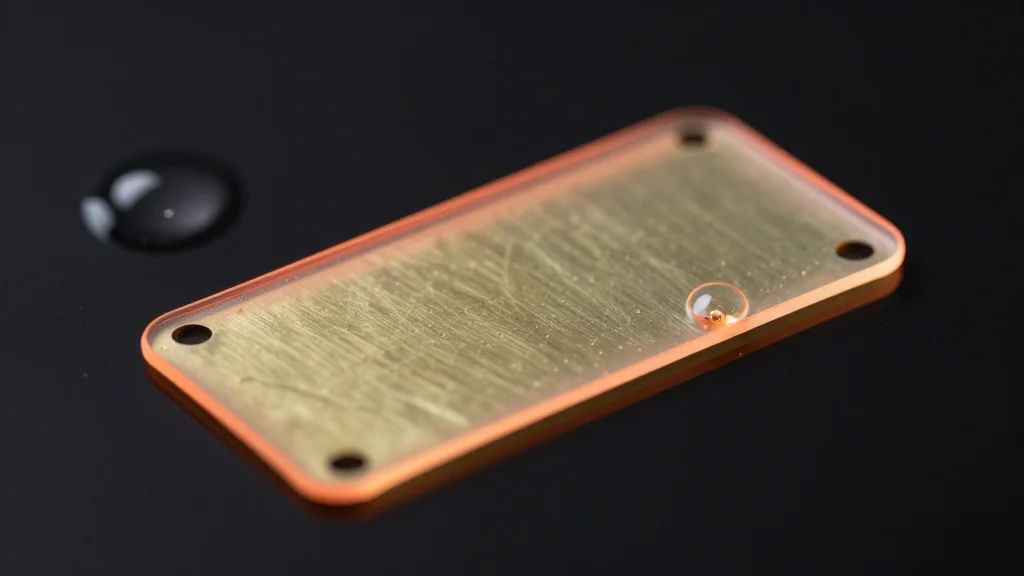
Harnessing Boron‐Mediated Ti Valence Cycling in TiB2‐PEG‐DOX: A Multimodal CDT/PTT/CT Platform for Colorectal Cancer Therapy
Researchers have engineered TiB2‑PEG‑DOX, a PEG‑modified titanium diboride nanosheet loaded with doxorubicin, to combine chemodynamic, photothermal, and chemotherapy for colorectal cancer. Boron in the lattice drives Ti4+ reduction to Ti2+, boosting Fenton‑like •OH generation in H2O2‑rich tumors. The nanocomposite exhibits...
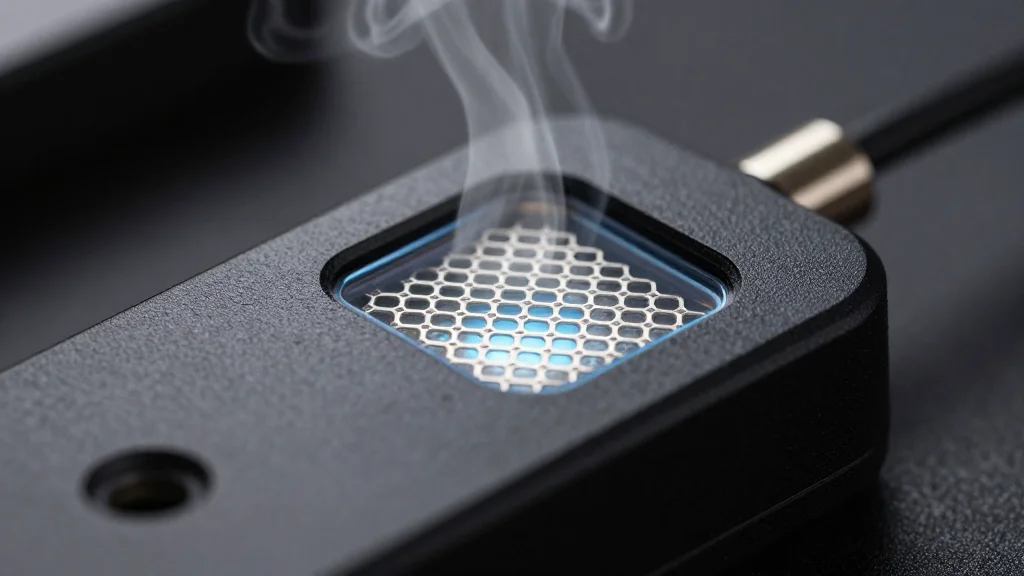
Enhanced Charge Transfer Process and Chemical Sensing Ability Over a Lattice Rearrangement Strategy via Monatomic Ag Embedded Graphdiyne
Researchers have embedded monatomic silver into nitrogen‑doped graphdiyne, creating an AgO‑N‑C3 configuration that reorganizes the carbon lattice into a highly crystalline hexagonal framework. The resulting AgSAs/GDY material supports ballistic electron channels and achieves a record 10.2 wt% silver loading. When deployed...
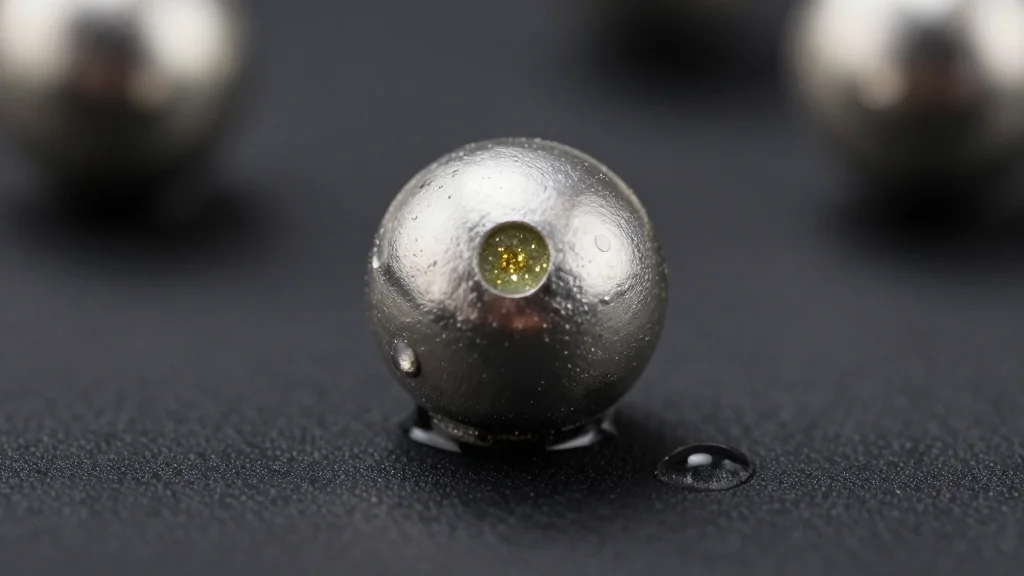
Electron Localization in Single Atomic Ga1/PdNi Metallene Boosts Ethylene Glycol Assisted Rechargeable Zn‐Air Battery via Accelerating *OH Adsorption
Researchers introduced a single‑atom gallium‑modified PdNi metallene catalyst that dramatically improves ethylene glycol oxidation in rechargeable Zn‑air batteries. The Ga1/PdNi alloy achieves a mass activity of 1.70 A/mg, nearly five times that of commercial Pd/C, and drives a power density of...
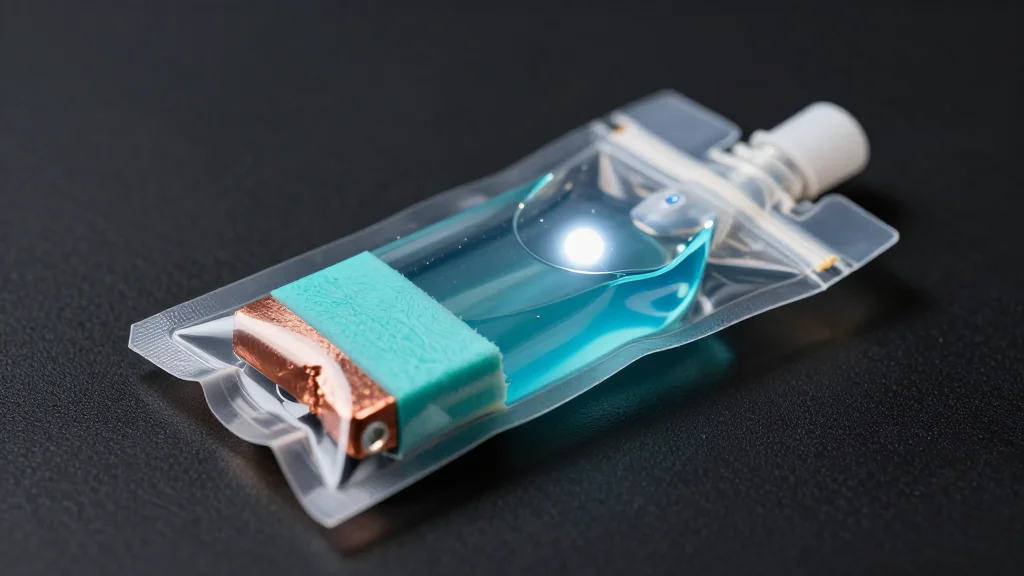
A New Secondary Battery Based on Carbonate Anion Shuttling in Aqueous Alkaline Electrolyte
Researchers have introduced a new aqueous secondary battery that uses carbonate (CO3²⁻) anion shuttling between a CoNiCu‑C layered double hydroxide (LDH) cathode and a Cu₂CO₃(OH)₂ anode. The cell delivers an initial capacity of about 130 mAh g⁻¹ at 200 mA g⁻¹ and retains roughly...
Enhanced Adsorption of NiNb Bimetallic Catalyst for CO2 Intermediates Facilitates the 100% Selective Dicarboxylation
Researchers have introduced a nickel‑niobium bimetallic catalyst (NiNb@NF) that enables the electrocatalytic carboxylation of conjugated dienes using CO₂. The material achieves approximately 100% selectivity toward dicarboxylic acids and delivers a 96.4% isolated yield. In‑situ infrared and Raman spectroscopy reveal that...
Hole Storage Layers in Photoelectrodes for Mitigating Recombination and Driving Stable PEC Water Splitting
The review surveys the emerging role of hole storage layers (HSLs) in photoelectrochemical (PEC) water‑splitting devices, distinguishing them from traditional hole‑transport layers. It details how HSLs temporarily trap holes to suppress recombination, improve interfacial charge transfer, and protect semiconductors in...

Low‐ and High‐Frequency Characterization of Hybrid Acoustofluidic Devices Using Motile Cells
Researchers introduced a novel technique that uses motile Chlamydomonas reinhardtii cells as living probes to characterize high‑frequency acoustic microfluidic devices. By balancing the cells’ swimming forces against acoustic radiation forces, the method visualizes evolving pressure fields in hybrid platforms that...
Suppressing the Oxygen/Moisture Effect with 9‐Fluorenylmethyl Carbazate to Facilitate Ambient‐Fabrication of Stable Perovskite Solar Cells
Researchers introduced 9‑fluorenylmethyl carbazate (9FC) into the lead‑iodide precursor to counteract oxygen and moisture degradation during ambient‑air fabrication of perovskite solar cells. The molecule’s carbonyl and hydrazino groups form multidentate chelation bonds, slowing crystallization, enlarging grains, and aligning crystals. This...
Amino Acid‐Based Intelligent Nanocarrier Enhances the Targeted Delivery of Fungicides for Banana Wilt Disease Control
Researchers have engineered an amino‑acid‑based nanocarrier using tryptophan and polysuccinimide to load the non‑systemic fungicide fludioxonil. The carrier achieves a 53.74% loading efficiency and exploits hydrogen‑bonding and π‑π stacking to transport the pesticide via the phloem to banana rhizomes. In...
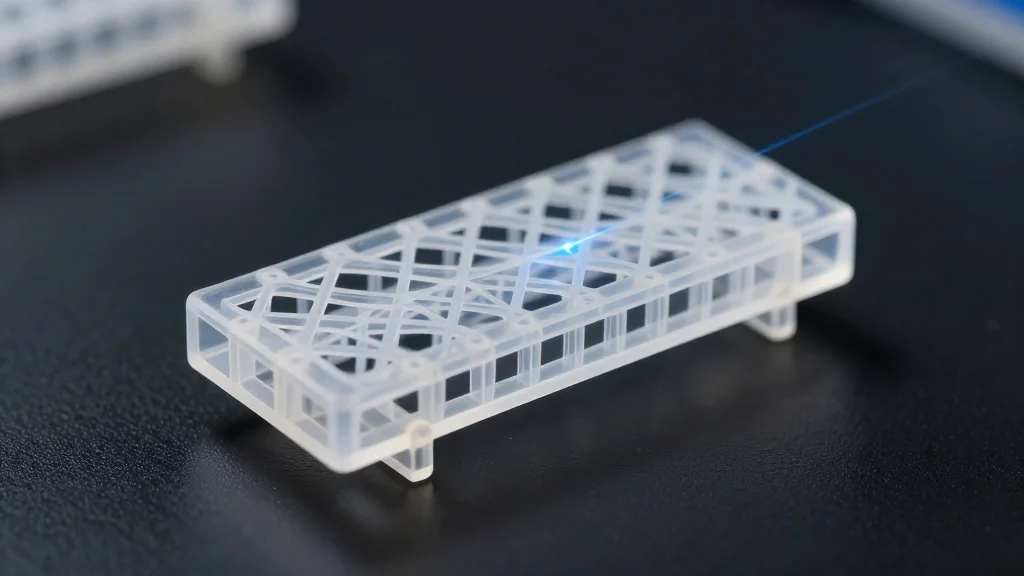
Two‐Photon Polymerization: Emerging Applications and Innovations in Clinical and Regenerative Medicine
Two‑photon polymerization (2PP) now enables sub‑micron, three‑dimensional printing of medical devices using femtosecond lasers. The technique produces patient‑specific scaffolds, drug‑delivery carriers, and microfluidic components across specialties such as ophthalmology, orthopedics, and neurology. Recent advances in photoinitiators and biomaterials have improved...
Machine Learning on Systematically Curated Data Reveals Key Determinants of Magnetic Hyperthermia Performance
Researchers introduced a machine‑learning framework that predicts the specific absorption rate (SAR) of superparamagnetic iron oxide nanoparticles (SPIONs) used in magnetic hyperthermia. The model was trained on a systematically curated dataset of 1,850 entries spanning 30 intrinsic and extrinsic features...
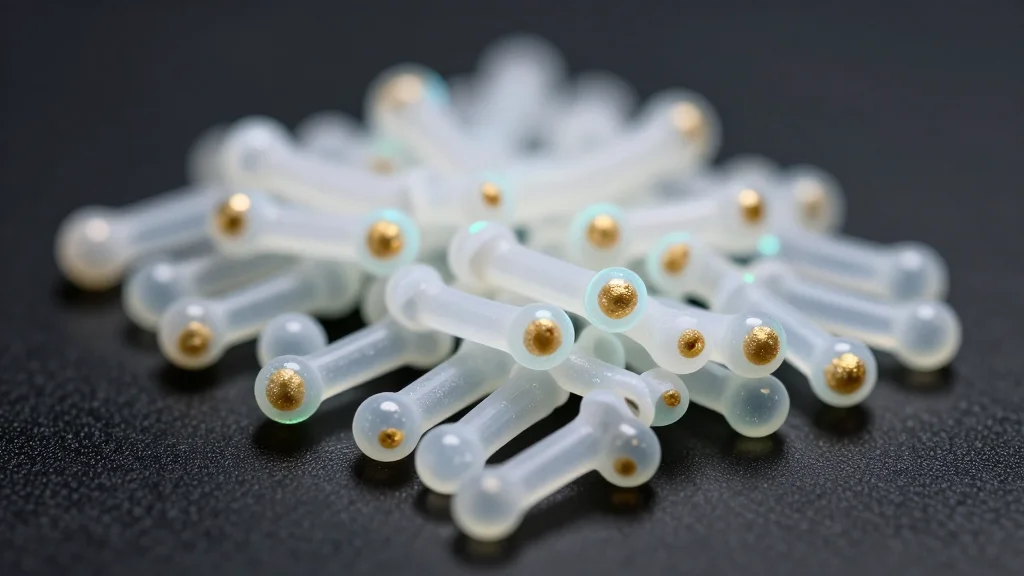
Toward a Robust ZnO Interface via Fullerene‐Based SAMs: Defect Passivation and Compatibility Tuning for High‐Performance Inverted Organic Solar Cells
Researchers introduced two fullerene‑based self‑assembled monolayers (SAMs) to modify zinc oxide (ZnO) electron‑transport layers in inverted organic solar cells. The tetra(ethylene glycol)‑linked 4EG‑PA forms a denser, more uniform film than the alkyl‑linked C2‑PA, delivering superior defect passivation and energy‑level alignment....
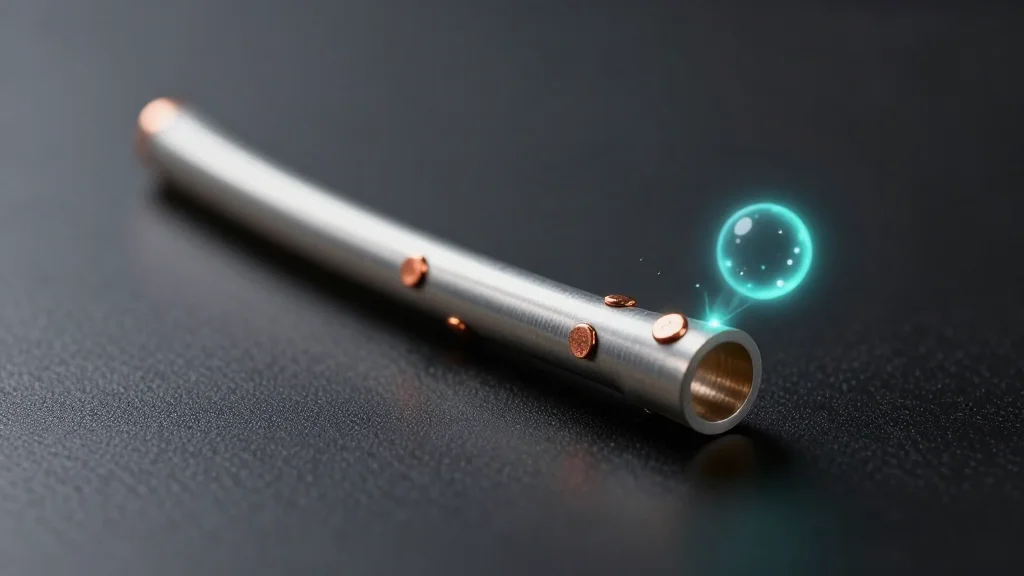
Mechanistic Understanding of Curvature Effects on ORR/OER Activity in Single‐Atom Catalysts From Atomic‐Scale Perspective
Researchers used first‑principles calculations to examine how the curvature of boron nitride nanotubes (BNNTs) doped with copper influences oxygen reduction and evolution reactions (ORR/OER). They discovered that nanotube curvature dramatically reshapes the d‑orbital energy hierarchy, inverting the dz2 level and...
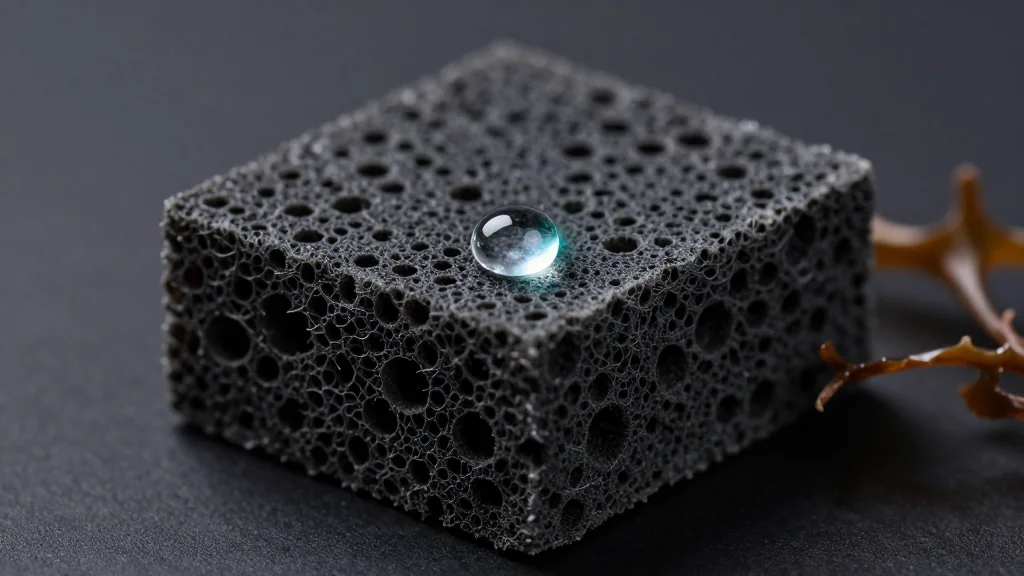
Ice‐Templated Undaria Pinnatifida Aerogel‐Derived Porous Carbon for Enhanced Room‐Temperature Hydrazine Sensing
Researchers used an ice‑templating process to convert the marine alga Undaria pinnatifida into a self‑doped porous carbon aerogel (US‑1.5). The material exhibits a record‑breaking 22.53 k% response to 500 ppm hydrazine at room temperature, with rapid 21.3 s response and 2.5 s recovery times....
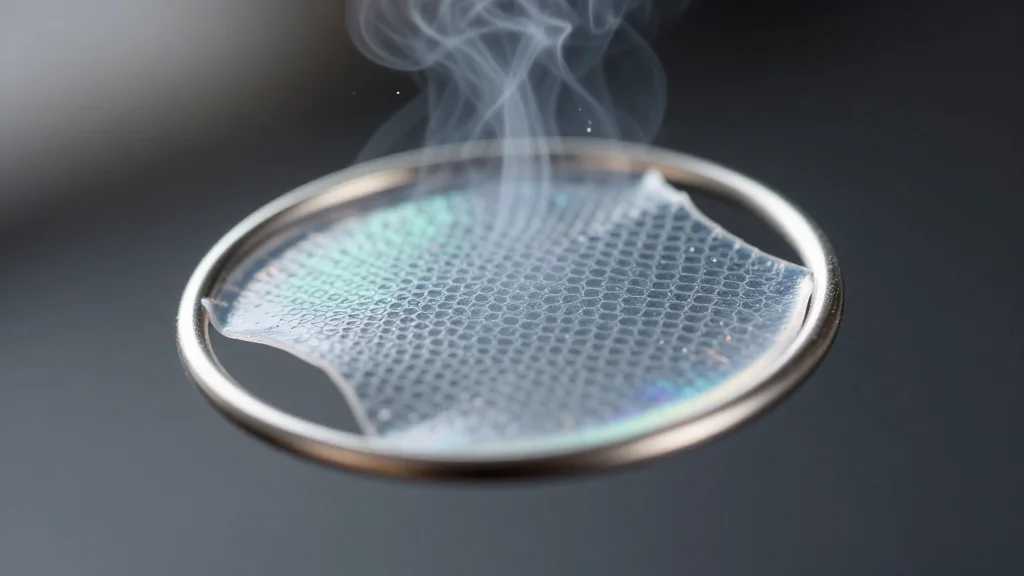
Ultrathin Polycage Membranes Facilitate Molecular Shuttling for Efficient CO2 Separation
Researchers have created ultrathin polycage membranes by cross‑linking amine‑rich porous organic cages (POCs) with terephthaloyl chloride. The resulting membranes feature angstrom‑scale, amine‑functional channels that act as highways for CO₂ molecules, delivering a permeance of 920 GPU and a CO₂/N₂ selectivity of...

Direct Observation of Electron Beam Induced Cu Ion Migration and Aggregation Dynamics in Van Der Waals Layered CuInP2S6
Researchers used in‑situ transmission electron microscopy and density‑functional theory to directly observe copper ion migration in the van der Waals ferroelectric CuInP2S6 (CIPS) under electron‑beam irradiation. The study shows that the beam induces a lateral electric field that drives Cu ions to...
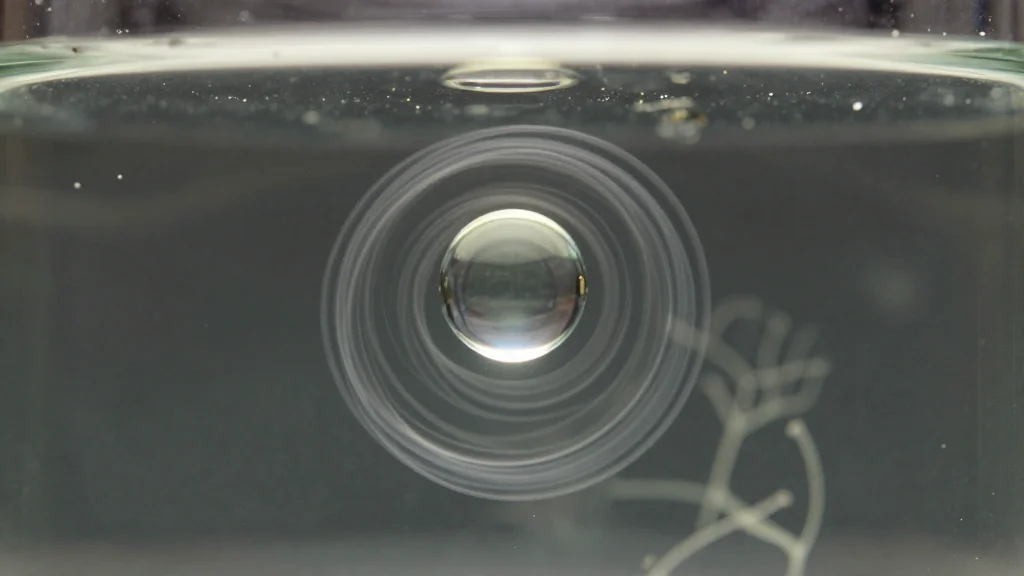
Liquid Phase TEM of Diffusing Emulsion Droplets
Researchers used in situ liquid phase transmission electron microscopy to track emulsion droplets at nanometer resolution, revealing that their motion deviates from classic Brownian behavior. Larger droplets displayed super‑diffusive trajectories constrained by spatial boundaries, while smaller droplets followed random walks...
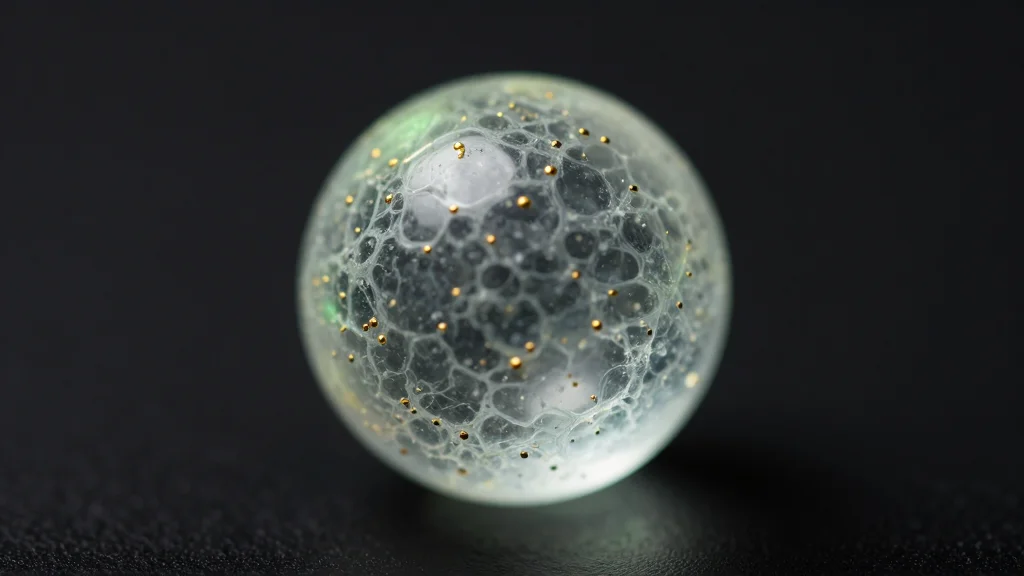
Multi‐Subunit Nanozyme: A Functionally Programmed Ru Nanocluster‐Installed Tannic Acid‐Framed Hollow ZIF‐8 Single Construct Exhibits Subunit‐Specific Roles in Facilitating Remarkable Substrate...
Researchers have engineered a multi‑subunit nanozyme (Ru‑H‑ZIF‑8) by anchoring ruthenium nanoclusters onto a tannic‑acid‑framed hollow ZIF‑8 scaffold. The structural subunit provides hydrogen‑bonding activation of o‑aminophenol, while the Ru nanoclusters drive rapid electron‑transfer oxidation, delivering a high‑rate, substrate‑class selective reaction. Unlike...
Activating Bismuth Nanosheets for Electrochemical CO2 Reduction by Strain Engineering
Researchers applied a ~0.6% compressive strain to bismuth nanosheets using an electrochemical cathodic technique, dramatically improving CO2 electroreduction to formate. The strained nanosheets achieved over 90% formate selectivity across a 700 mV potential window, outperforming many existing catalysts. Density‑functional theory linked...

Stable Coacervate Microdroplets as Robust Microreactors for Enhanced Enzymatic Catalysis
Researchers have engineered highly stable coacervate microdroplets using polyethyleneimine (PEI) and sodium thioctate (ST) that resist coalescence for over 35 days without any additives. The droplets exploit electrostatic and hydrophobic interactions, creating a charge‑repelled surface that preserves structural integrity. They...
Multifunctional Biomimetic Hematoma Microspheres for Sustained Local Hydrogen Sulfide (H2S) Delivery to Enhance Vascularized Bone Regeneration
Researchers have engineered biomimetic hematoma microspheres that combine a pH‑responsive GelMA outer layer with a NaHS‑loaded liposomal core to deliver hydrogen sulfide (H₂S) directly to bone defect sites. The microspheres release H₂S in acidic environments, simultaneously reducing chronic inflammation, stimulating...
Surface Band Bending Engineered via Lithium‐Induced Reconstruction for Minimized Voltage Deficit in Kesterite Solar Cells
Researchers introduced a lithium‑based surface reconstruction for kesterite absorbers by spin‑coating a high‑concentration Li solution onto CZTSSe precursor films. The treatment forms n‑type ZnLi defects that generate strong band bending, enhancing p‑n conversion at the CZTSSe/CdS heterojunction. Devices treated with...
Phthalocyanine‐Based Bimetallic Azo Polymers as Highly Efficient Electrocatalysts for CO2 Reduction to CO
Researchers introduced a coordination‑driven method to embed Cu and Co ions into an azo‑phenolic porous organic polymer, creating the Cu@Azo‑CoPG catalyst. Electrochemical testing showed the bimetallic material delivers a 94.3% Faradaic efficiency for CO production, surpassing its monometallic Cu‑PG and...
A Focused Review of Anthraquinone Derivatives for Aqueous Soft‐Gel Electrode Batteries
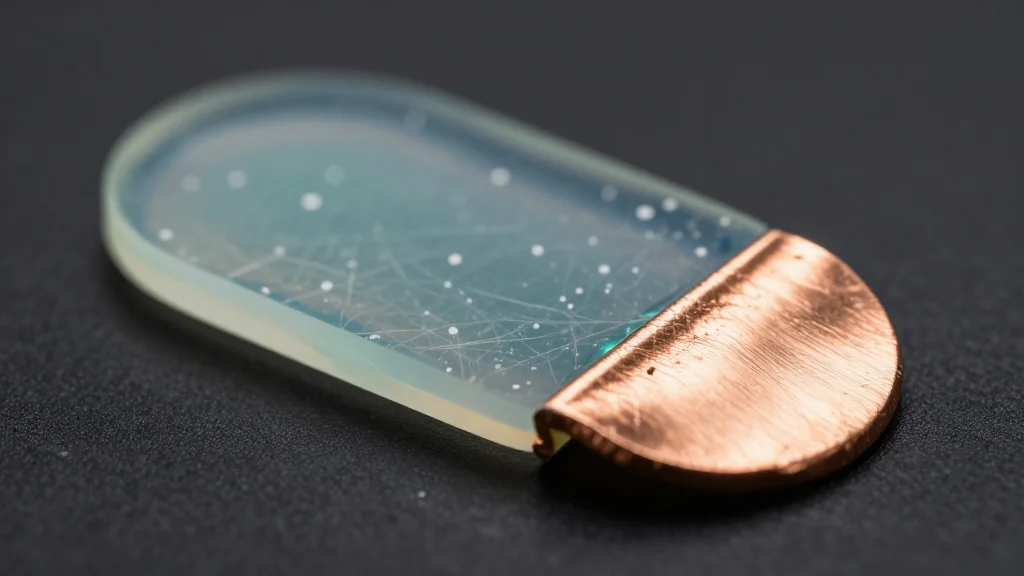
The review introduces soft‑gel electrodes, a hybrid physical state that sits between solid and liquid designs, as a novel strategy for durable aqueous batteries. By leveraging the water affinity contrast between inorganic sulfate ions and water‑soluble polymers, a self‑forming gel...
Quasi‐Dual‐Channel Oxide Transistors With Enhanced Stability and Performance
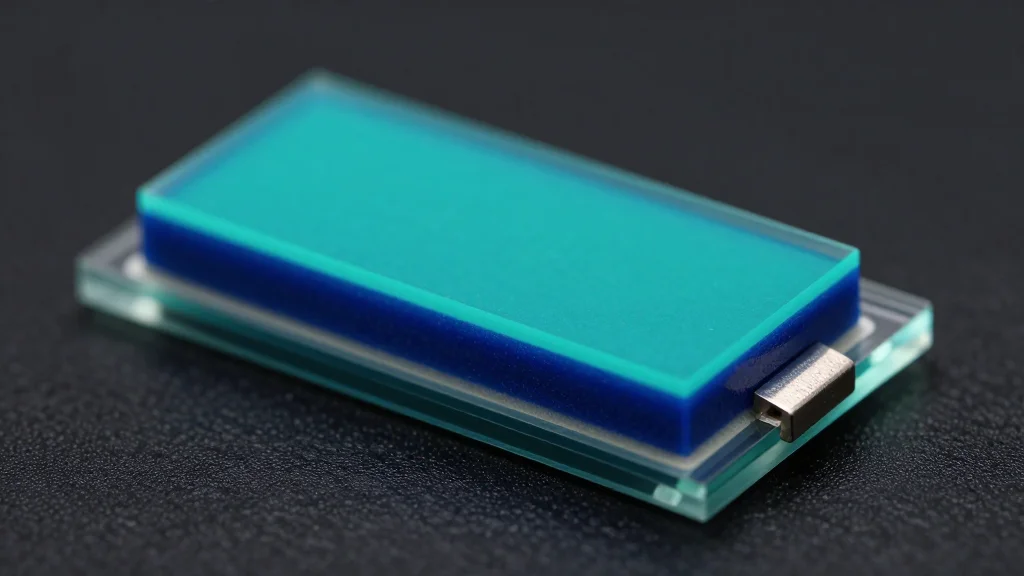
Researchers have introduced a quasi‑dual‑channel architecture for metal‑oxide thin‑film transistors that pairs an oxygen‑rich tantalum‑doped tin oxide (TTO) channel with an oxygen‑deficient HfOx surface layer. The new design delivers a 4.4‑fold increase in carrier mobility compared with conventional single‑channel TFTs...

Elucidating the Hierarchical Architecture of Polymer Spherulites via 4D Scanning Transmission Electron Microscopy
Researchers applied low‑dose four‑dimensional scanning transmission electron microscopy to poly(ε‑caprolactone) and polyethylene spherulite films, achieving unprecedented nanoscale visualization of their hierarchical architecture. The technique disclosed the preferential orientation and growth direction of lamellar crystals, as well as chain tilt within...
Liquid Metal‐Reinfored Hierarchically Aligned Double‐Network Hydrogels: Ultrahigh Crack/Fatigue Resistance and Strain‑Responsive Sensing
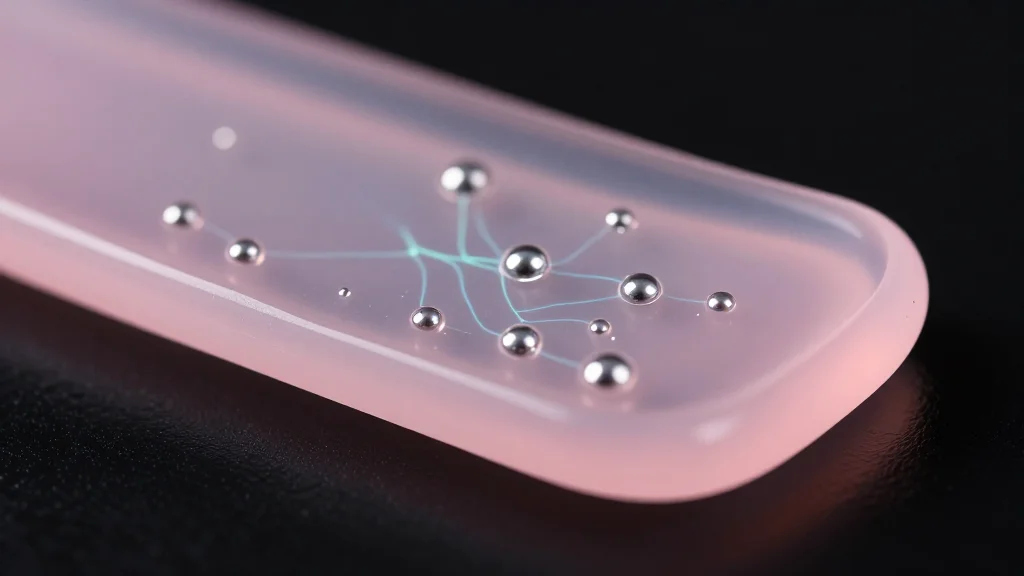
Researchers introduced a hierarchically anisotropic double‑network hydrogel reinforced with deformable liquid‑metal particles. The material achieves a fracture energy of 60.6 kJ m⁻² and a fatigue threshold of 5,560 J m⁻² while retaining a skin‑like modulus of 1.3 MPa. Liquid‑metal inclusion supplies stable electrical conductivity, enabling...
Advancing Flexible Zinc Air Battery: Exploring Non‐Noble Metal Oxides for Enhanced Electronic Structure Modulation in Scalable Engineering Design
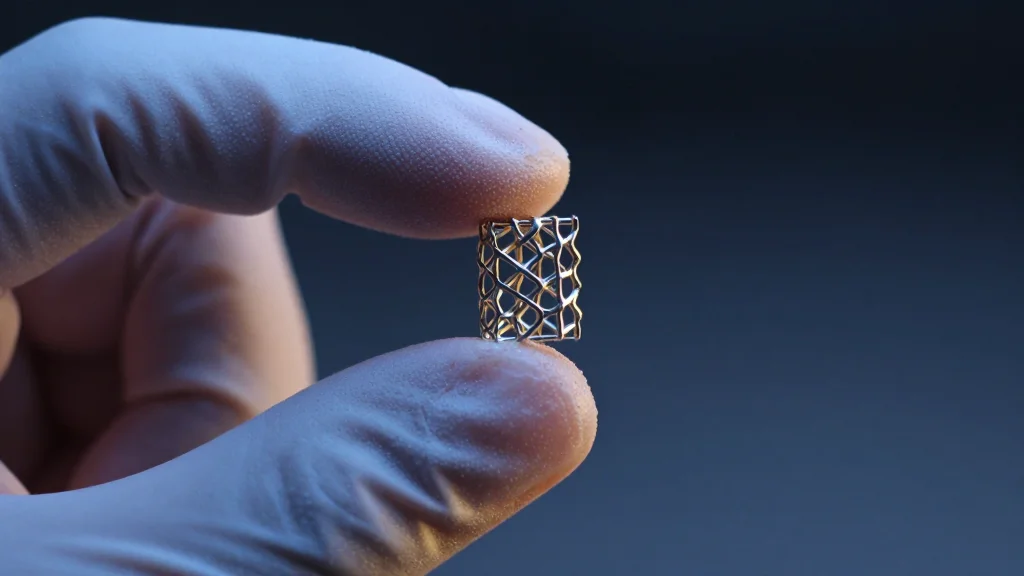
Researchers have developed hierarchical flower‑like Fe–Mo oxide electrocatalysts using a scalable reflux‑calcination method. The optimized Fe0.25Mo0.75O (FeMoO‑III) shows an OER overpotential of 240 mV at 10 mA cm⁻² and an ORR half‑wave potential of 0.86 V, with durability exceeding 200 h. Integrated into both alkaline...
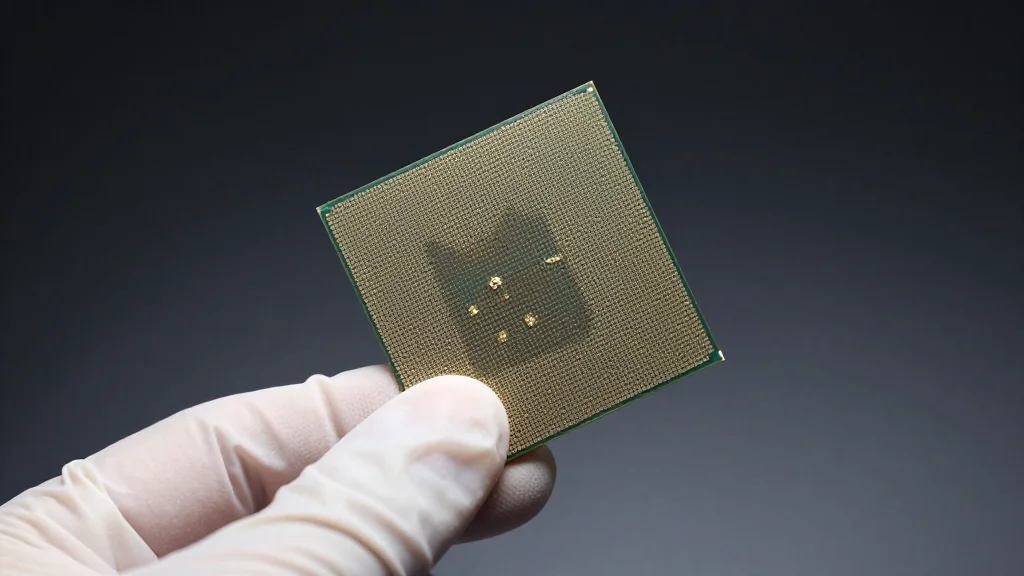
High‐Throughput Screening Enables Ultrathin and High Thermal Conductivity All‐Carbon Graphene Foam Thermal Interface Materials
Researchers have created an ultrathin all‑carbon graphene foam thermal interface material using PMMA microsphere templating and finite‑element high‑throughput screening. The foam delivers exceptional thermal diffusivity—608.6 mm²/s in‑plane and 51.8 mm²/s through‑plane—and an ultra‑low contact thermal resistance of 0.104 K·cm²/W at 40 psi. Its bond‑line...

DNA‐Assisted Synthesis of Defect‐Rich MnO2 Cathodes for High‐Rate and Long‐Life Aqueous Zinc‐Ion Batteries
The study presents a DNA‑assisted hydrothermal route to fabricate defect‑rich δ‑MnO₂ nanoflake cathodes for aqueous zinc‑ion batteries. DNA molecules coordinate with Mn ions, generating phosphate and nitrogen groups that create oxygen‑related defects and increase Mn³⁺ content while expanding interlayer spacing....
Synthesis of Highly Stable CdSe Magic‐Size Clusters Displaying Optical Absorption Peaking at 272 Nm
Researchers have demonstrated a ligand‑induced conversion of conventional CdSe magic‑size clusters (MSC‑391) into a newly identified MSC‑272 that absorbs at 272 nm. The transformation, driven by diphenylphosphine and cadmium carboxylate salts, yields a cluster with superior dispersibility and thermal stability up...
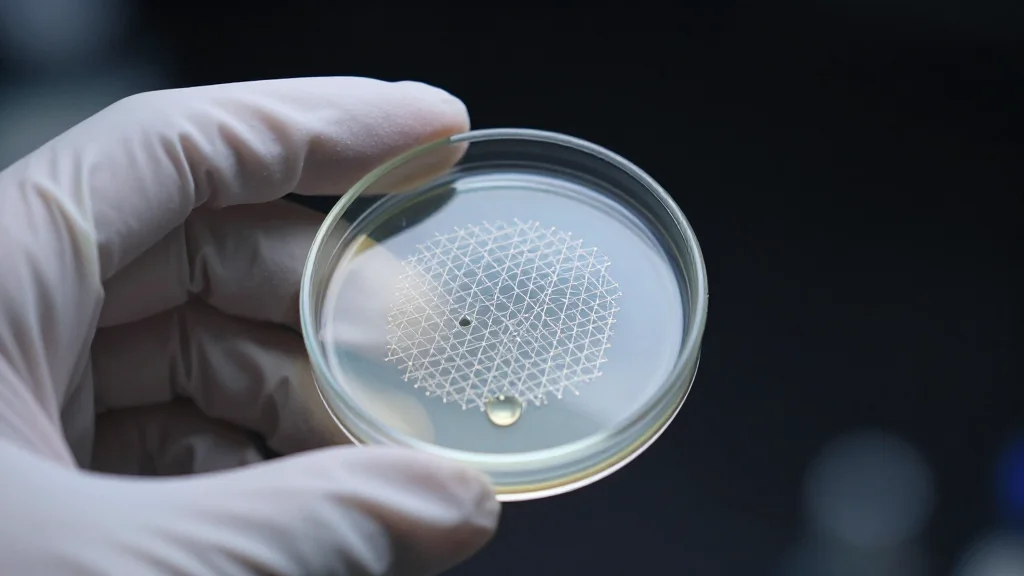
NIR‐Triggered 3D‐Bioprinted Hydrogels for Antibacterial Skin Regeneration
Researchers have developed a near‑infrared (NIR) triggered hydrogel bio‑ink that incorporates up‑conversion nanoparticles (UCNPs) with acrylic acid‑N‑vinyl‑2‑pyrrolidone and carboxymethyl cellulose. The NIR exposure induces rapid hydrogen‑bonding condensation, enabling in‑situ 3D printing of wound‑filling scaffolds. The printed hydrogel generates reactive oxygen...
Optimizing the Adsorptive Separation of Three‐Component C2 Hydrocarbons by Pore Environment Regulation in Metal–Organic Frameworks
Researchers engineered the pore environment of two isoreticular Zr‑MOFs, HIAM-411 (methyl‑functional) and HIAM-412 (amino‑functional), to tackle the long‑standing challenge of one‑step adsorptive separation of C2H2/C2H4/C2H6 mixtures. HIAM‑411 preferentially adsorbs acetylene and ethane but suffers low C2H2/C2H4 selectivity, limiting its efficiency....

Bioinspired Ultratough and Rapidly Responsive Hydrogels Empower Silent Communication
Researchers have engineered a starch‑based hydrogel by covalently grafting protocatechuic acid, creating a bioinspired material that is both ultratough and rapidly piezoresistive. The hydrogel’s dynamic hydrogen bonds and π‑π interactions eliminate the typical brittleness‑hysteresis trade‑off, enabling reliable strain‑dependent resistance. Integrated...
Regulated Zinc‐Based Organic Frameworks by Linker Functionalization for Multifunctional Photocatalysis and Photoelectrocatalysis
Researchers engineered four zinc‑based metal‑organic frameworks (Zn‑MOFs) by modifying organic linkers with electron‑donating or -withdrawing groups, precisely controlling the type of reactive oxygen species (ROS) produced. The fluorine‑substituted MOF (HIAM‑3001F) favored superoxide generation, achieving near‑unity conversion and 88.5% yield in...
Heterointerfacial and Architectural Engineering in MOF‐Templated Corn‐Like FePS3‐ZnPS3‐C@NC Anode for Durable Sodium Storage
Researchers have created a corn‑like FePS3‑ZnPS3 heterostructure anode using a MOF‑on‑MOF templating method, coated with N‑doped carbon. The architecture combines heterointerfacial engineering and structural design to improve charge transfer and buffer volume expansion. The resulting anode delivers an initial discharge...

A‐Site Cation‐Induced Hot‐Carrier Lifetime Extension in 2D Perovskites: A New Strategy for X‐Ray Detection Enhancement
Researchers engineered the A‑site cation in 2D perovskite single crystals, creating MPDA (MPDAPb2I6) that prolongs hot‑carrier cooling to 80 ps—eight times longer than the DMePDA counterpart. The extended hot‑carrier lifetime boosts hot‑electron extraction efficiency to 51.4%, a six‑fold increase, and raises...
Optically Stimulated Ultraviolet‐C Luminescence for Solar Blind Imaging
Researchers have introduced a double‑perovskite phosphor, Cs2NaYF6 doped with Pr3+, that exhibits optically stimulated luminescence (OSL) in the ultraviolet‑C (UVC) range. After X‑ray exposure, the material stores charge carriers in deep traps and releases them as persistent UVC light when...

Unlocking Klockmannite: Formation of Colloidal Quasi‐2D CuSe Nanocrystals and Photo‐Physical Properties Arising From Crystal Anisotropy
A thiol‑free hot‑injection technique enables the colloidal synthesis of quasi‑2D klockmannite CuSe nanocrystals, producing large nanosheets and uniform triangular nanoplatelets by tuning temperature and precursor ratios. The triangular plates, only 12–25 nm across, display strong near‑infrared plasmonic absorption driven by intrinsic...

Paradox in Visible‐Light: O2•‒ Generation by CsPbBr3 Perovskite Nanocrystals
The Perspective reexamines CsPbBr3 perovskite nanocrystals, showing that visible‑light excitation converts ambient O₂ into superoxide radical anions. These reactive species destabilize the crystal lattice, creating defects that paradoxically enable aerobic photocatalytic reactions. By linking defect formation, surface chemistry, and reaction...
Live Imaging of Silver Nanostructures Electrochemically Dissolving at Open‐Circuit Potential
The researchers combined beam‑effect‑corrected electrochemical liquid‑phase electron microscopy (EC‑LP‑EM) with bulk electrochemical testing to directly image silver nanostructures dissolving on a platinum substrate under open‑circuit conditions. Their workflow incorporates automated image analysis and beam‑effect assessment, delivering quantitative, real‑time data on...

AIEgen‐Based Photothermal Nanoparticles With Dual Antibacterial and Anti‐Inflammatory Activities for Enhanced Healing of Infected Diabetic Wounds
Researchers have engineered an aggregation‑induced emission luminogen (AIEgen) that converts near‑infrared light into heat, forming photothermal nanoparticles for diabetic wound therapy. The NIR‑activated particles efficiently kill multidrug‑resistant bacteria such as MRSA and carbapenem‑resistant Pseudomonas, while also disrupting biofilms and mitigating...